

Journal
Can You Camp Overnight on Padar Island?
Camping on Padar Island is not permitted. Here is why, how multi-day Komodo trips actually handle overnight stays, and what to book instead.
Padar Island Editorial Desk · Last updated August 2026
Can you camp on Padar Island?
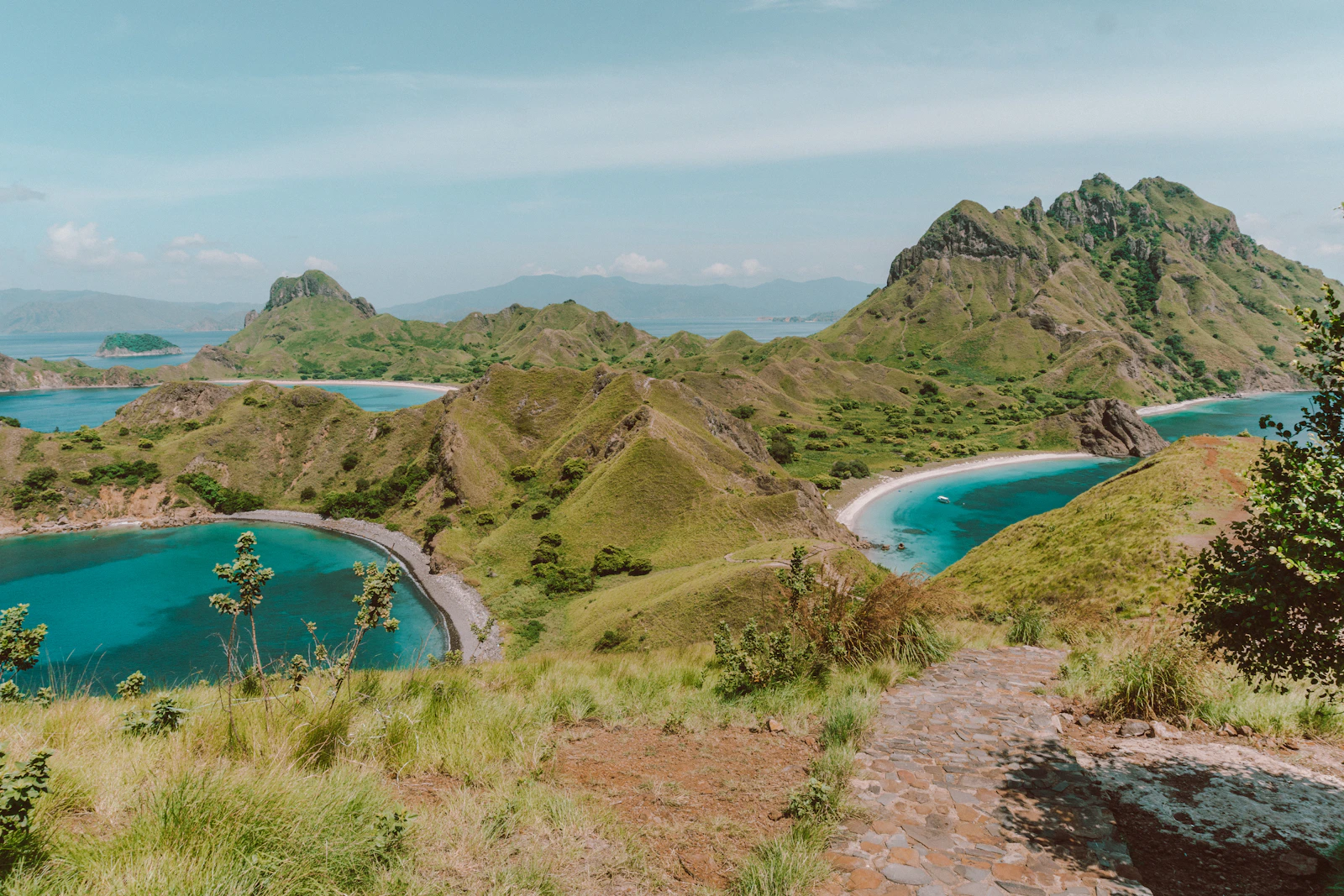
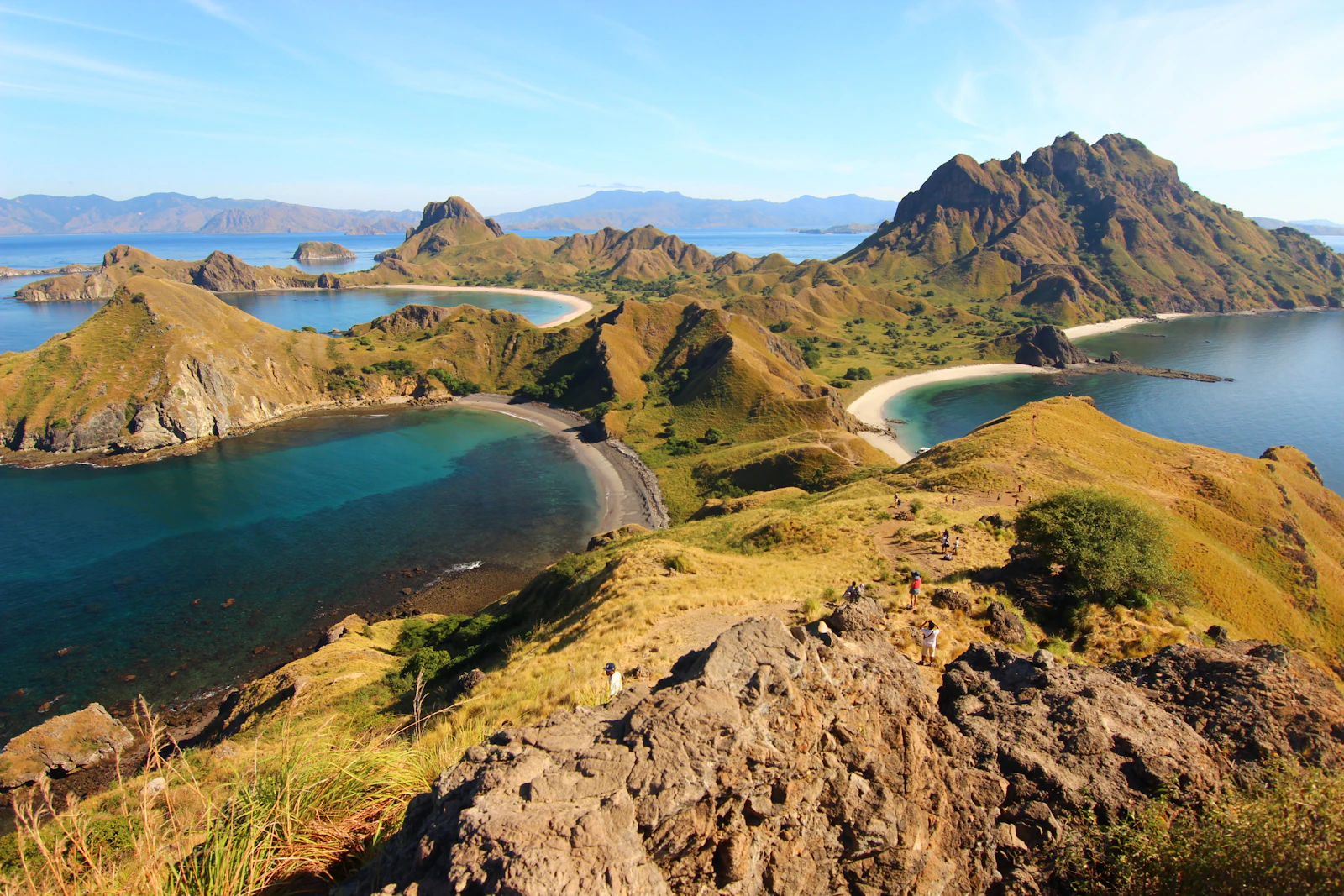
No. Padar sits inside Komodo National Park, a UNESCO World Heritage Site, and park management explicitly prohibits camping, open fires, and fireworks on Padar and the park’s other islands as part of protecting the habitat and reducing fire risk in the dry-season savanna terrain. This isn’t a soft guideline that some operators quietly ignore — it’s treated as a firm rule, and no legitimate tour operator will offer or arrange an overnight stay directly on the island.
Why is camping banned specifically here?
The reasoning ties directly back to the island’s conservation status, covered in more depth in our Padar Island history and geology guide. Padar’s savanna hillsides are covered in dry grass for much of the year, which makes any open flame a genuine wildfire risk in a protected habitat with no on-site fire response. There’s also a straightforward practical dimension: Padar has no infrastructure for overnight visitors — no toilets, no fresh water source, no waste management — so permitting camping would mean either building tourist infrastructure inside a protected natural area, or accepting the environmental impact of unmanaged overnight stays. Park authorities have consistently chosen neither.

So how do multi-day Komodo trips actually work?
Nearly all multi-day itineraries that include Padar solve the overnight question the same way: guests sleep aboard a liveaboard boat, most commonly a traditional phinisi, anchored in a sheltered bay near the park rather than on land. This is not a workaround or a downgrade from camping — it’s simply the standard model for extended Komodo exploration, and it comes with real advantages over a land-based stay: the boat can reposition overnight to be closer to the next day’s first stop, guests avoid any land-based wildlife or insect exposure, and a pre-dawn Padar landing becomes a short tender ride rather than a multi-hour harbor departure. Our guide to liveaboards visiting Padar covers what these vessels typically offer.

What if you’re only doing a day trip?
For a standard single-day visit, this question is largely academic — you land at Padar, hike the viewpoint, and return to your boat the same day, with no expectation of staying overnight at all. Your accommodation is back in Labuan Bajo, and the boat trip itself is a there-and-back excursion rather than part of an overnight route. This is the far more common way most travelers experience Padar, and it requires no special planning around the camping question beyond simply knowing it isn’t an option to begin with. For the boat-timing specifics of a day trip, see our Labuan Bajo to Padar Island boat guide.
Are there any exceptions — research permits or ranger stays?
Park rangers and authorized research personnel do maintain a presence connected to park operations, which is a different situation from tourist camping and operates under separate authorization the general public cannot access. If your interest in an overnight stay is research-related rather than a standard visit, that would require formal permission through Komodo National Park’s management authority directly rather than through a standard tour operator — this is a specialized process well outside what a typical trip-planning inquiry would need, and is not something a standard boat charter can arrange on your behalf.
Is there a safety dimension to the camping ban, not just conservation?
Yes, alongside the conservation reasoning. Padar has no ranger presence overnight, no lighting, no medical support, and no shelter from weather once boats have departed for the day — a genuinely different risk profile from a supervised campsite in a more developed park. Combined with the practical absence of fresh water and waste facilities, an unofficial overnight stay would leave visitors without support in an environment that, while not home to dangerous wildlife the way Komodo or Rinca Island are, is still remote, exposed, and outside any emergency-response radius.

No ranger remains stationed at Padar after the boats leave; supervision only runs during visiting hours. This safety dimension reinforces rather than replaces the conservation rule — both point in the same direction. Our health, safety and sea conditions guide covers the wider set of precautions worth knowing before any Padar trip, camping question aside.
What if bad weather delays your return boat?
This is a different situation from planned camping, and it’s worth understanding separately. If sea conditions genuinely prevent a safe return crossing on the day of your visit — a rare but real possibility during rougher wet-season weather — the standard response is for boat operators and park staff to manage a delayed departure or shift you to a different, safer vessel rather than leaving visitors stranded ashore overnight without support. This is an operational safety protocol handled by your boat crew and park staff, not a loophole for an intentional overnight stay, and it underscores why booking with an experienced, properly licensed operator matters more on a Padar trip than it might on a more sheltered, developed tourist route.
What about the park’s opening hours and seasonal access?
Since there’s no overnight option, your entire Padar visit happens within a single daylight visiting window, bounded by the park’s ticketing system rather than a 24-hour access model. Some proposed 2026 park-management changes referenced specific visiting sessions within the day; see our Padar Island sunrise guide for how this affects planning a pre-dawn arrival, and our seasonal closures guide for whether access changes at any point in the year.
Practical alternative: what should you actually book instead?
If part of the appeal of “camping on Padar” was the idea of watching sunset and sunrise from the same location without a long transit in between, a liveaboard anchored nearby achieves the same practical outcome without violating park rules — you wake up already close to the island, take a short tender ride to the dock, and hike up for sunrise without the multi-hour harbor departure a day-tripper faces. This is the realistic version of “staying overnight at Padar” that actually exists, and it’s worth requesting specifically when researching liveaboard itineraries rather than assuming any multi-day boat automatically anchors near Padar overnight — not all of them do, depending on the wider route.
Frequently asked questions
Is camping allowed on Padar Island?
No. Camping, campfires, and fireworks are prohibited on Padar and the other islands within Komodo National Park.
Where do multi-day Komodo trips sleep if not on Padar?
Aboard a liveaboard boat, typically a phinisi, anchored in a sheltered bay near the park rather than on land.
Can I get special permission to camp on Padar for research or photography?
Standard tourism does not include this option. Research-related overnight access would require separate formal authorization directly through Komodo National Park’s management authority, not through a standard tour booking.
Do I need to worry about overnight stays for a single-day Padar trip?
No. A standard day trip returns you to your boat and back to Labuan Bajo the same day, with no camping or overnight stay involved at any point.
Related reading
For the conservation reasoning behind this and other park rules, see our Padar Island history and geology guide. For how sunrise timing works within a single-day visit, see our green versus dry season guide, which also covers how weather affects same-day planning.
Booking a multi-day trip
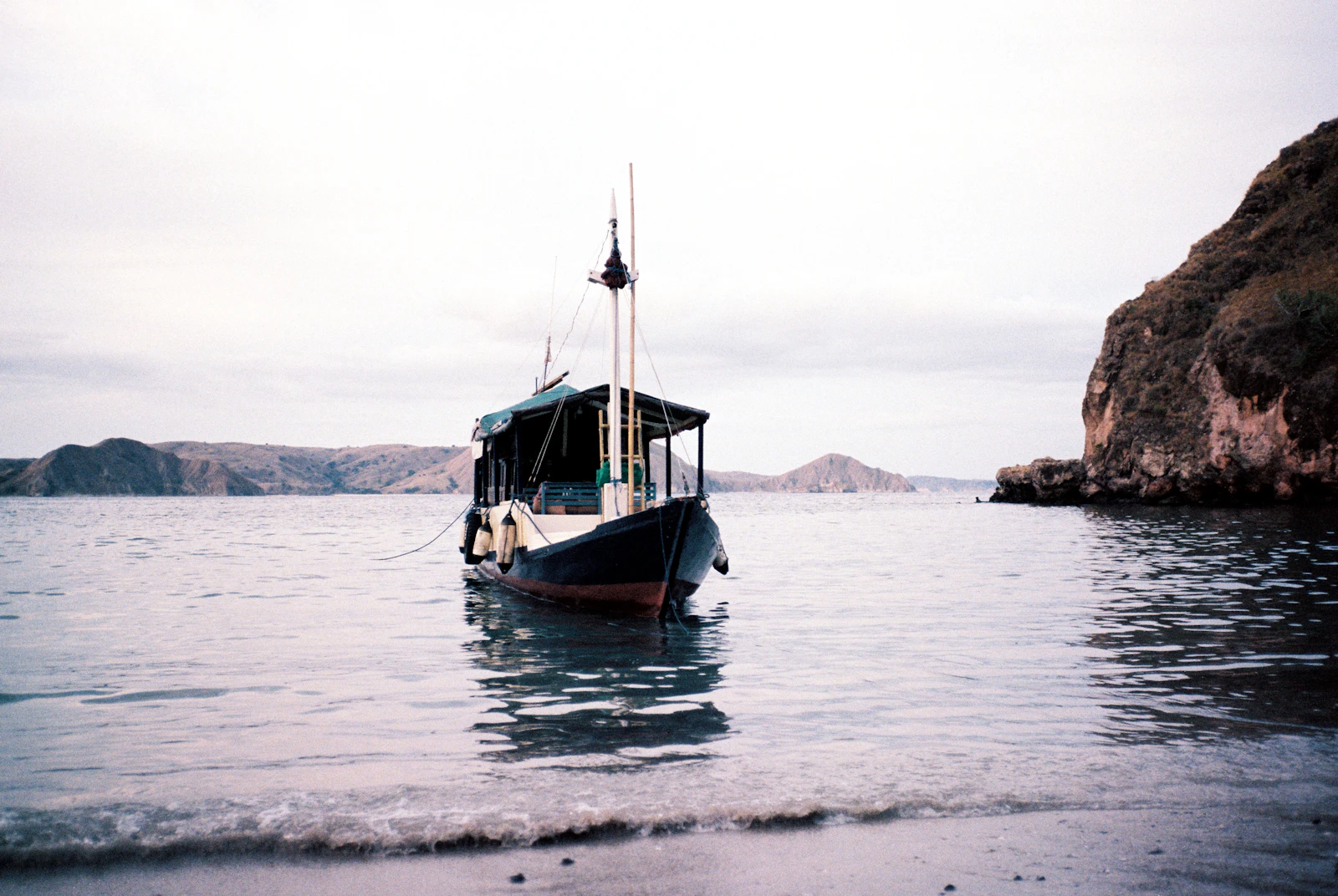
If Padar’s overnight rules mean you want to sleep near the park rather than day-trip in and out, a Komodo liveaboard anchors legally offshore each night while still covering the sunrise hike. See Komodo boat trips for shorter itineraries, or browse the fleet for phinisi and yacht options.
The rule is short: nobody sleeps on the island
Camping on Padar is prohibited under Komodo National Park rules. Tents, hammocks, bivouacs and any other land-based overnight setup all count, and so does sleeping rough on a beach, in a cave or behind a rock. The same policy applies across the surrounding islands, so there is no legal workaround by moving a tent to a neighbouring bay — boats may anchor overnight nearby, but passengers sleep aboard.
The ban is not about danger from wildlife. It rests on fire risk, erosion, disturbance to the ecosystem and the total absence of emergency infrastructure. Padar has steep rocky terrain, almost no shade, no fresh water, no lighting and no medical facilities, and an overnight stay ashore would leave you without ranger support or reliable communication. A secluded spot looking safe does not make it lawful.
The rule extends past the tent. You are expected to descend and be back on your boat within your booked session, whether you arrived at sunrise, mid-morning or late afternoon. Remaining in the trail area after hours, even carrying nothing, risks fines and exclusion from other parts of the park. There is no separate permit that unlocks land camping either: your formal requirement is the park entrance ticket through SiORA plus adherence to the ranger-led schedule, and boat-based overnight stays fall under the vessel’s own permissions, handled by your operator rather than by you. Scientific teams and certain official expeditions can obtain special permits, but those are not available to leisure travellers.
Backpackers are bound by exactly the same rules, and the practical answer for a tight budget is a shared day-trip speedboat or a basic liveaboard rather than carrying camping gear. That keeps you inside the regulations and still gets you onto the ridge at sunrise or sunset, provided you have the SiORA session booked.
Anyone offering an informal beach camp through local fishermen or an unlicensed skipper is not showing you a loophole; they are offering to break the rules on your behalf, with fines, confiscated equipment and removal from the park as the realistic outcomes. Book through operators who state plainly that they follow park policy.
Reading the marketing carefully
Because Padar is day-use only, some operators advertise a pre-dawn landing under language like “sunrise camping”, and others quote a “camping tour price” for what is actually a liveaboard focused on Padar. In both cases the substance is the same: an authorised early landing within a session, with every night spent on the vessel. If an itinerary mentions camping, ask the direct question — am I sleeping on the boat or on the island — and a legitimate operator will confirm the boat without hesitation.
Older photographs circulating online sometimes appear to show informal camping spots on the ridge. Most predate current enforcement or document activity that was never authorised. Plan from present-day rules rather than from images with no date attached.
What you can actually do instead
Sleeping on a boat anchored in permitted waters is the real version of “staying near Padar”, and it is what most liveaboard itineraries are built around: a night close enough for an early landing inside your SiORA slot, with evening stargazing on deck and a short run to the jetty at first light. Anchoring positions are chosen by the captain according to weather, current and park instructions, not by passenger preference. You still need a valid park ticket and a ranger-guided landing; only the sleeping arrangement changes.
Overnight boats range from simple shared-deck vessels to comfortable phinisi-style liveaboards, and the cost difference reflects the boat rather than any camping surcharge, since none exists. Shared speedboats generally run as day tours; liveaboards charge for cabins and meals, and foreign visitors should add park entrance and ranger costs on top. Two things are worth checking against any itinerary: whether Padar is genuinely included — some liveaboards concentrate on dive sites elsewhere in the park — and precisely how much time is allocated to it, because that varies far more between operators than the brochures suggest.
If you would rather sleep on land, the answer is Labuan Bajo and a day or sunrise trip. There are no homestays, beach huts or eco-lodges on Padar or in its bays, which means being self-sufficient on the boat and during the climb: your own water, food and clothing, planned in advance. The choice between town and boat usually comes down to whether you value hotel comfort or proximity to the trail for an early or late landing.
A private charter focused mainly on Padar is possible, though the boat still has to work within park routing and timing rules, and operators generally add one or two other stops to make the crossing worthwhile. Be explicit that you want extended time at Padar, and accept that the overnight happens on board.
There is no published last-boat hour. Each operator plans departures to stay inside the visiting sessions and to navigate in daylight, which for most visitors means leaving at or before the end of their slot rather than lingering into the evening. Even where the trip includes a nearby overnight anchorage, you board well before dark and move away from the jetty.
Conservation rules that come with the ticket
Padar sits inside a UNESCO-listed national park and is managed first as a conservation area and only second as a tourism site, which is the reason so many low-key activities are restricted. Regulations govern where you may walk, how close a boat can anchor and what you can do ashore. Rangers enforce no camping, no open fires and no fireworks to protect vegetation and wildlife, and ignoring instructions can end your group’s hike early.
The prohibited-items question comes up often, and the park works by category rather than a printed list. Anything associated with camping — tents, stoves, fuel canisters — is unwelcome on the trails. Fireworks and sky lanterns are banned outright, as are non-permitted drones and any tool that could damage plants or rock. Beyond that, leave glass bottles, single-use plastic bags and anything likely to blow away on the boat; rangers may ask you to do exactly that if they judge an item inappropriate for the climb. Keeping your packing simple also makes it easier to carry all your waste back out.
Drones specifically are tightly controlled. Commercial filming requires a SIMAKSI permit applied for in advance, and recreational drones are frequently treated as unauthorised — they disturb wildlife and other visitors on narrow ridgelines. Flying without permission risks confiscation and fines, which is why most travellers leave them aboard and work with a camera or a phone.
Waste management works on pack-in, pack-out. There is no settlement to run a collection service, and where bins exist they are basic and not a substitute for carrying your rubbish back to the boat. Padar is relatively clean compared with more developed beaches, but wind and current still deposit floating debris, and the rangers and occasional clean-up teams cannot keep pace if visitors leave packaging behind. A small bag for your own waste is the most concrete contribution an individual visitor can make.
Finally, a scheduling note that catches people out. During Nyepi, Bali’s day of silence, the airport closes and most flights pause, which can disrupt travel to Labuan Bajo and onward to Padar. The national park is not obliged to observe Bali’s rituals, but fewer visitors and altered boat schedules are common around it. If your dates fall near Nyepi, build in flexibility and confirm operations with your operator directly.
This guide does not operate boats. Bookings are fulfilled by Komodo Luxury, and this site may earn a referral commission.
Ready When You Are
Ready to book?
Chat directly on WhatsApp with the Komodo Luxury team.
This guide does not operate boats. Bookings are fulfilled by Komodo Luxury, and this site may earn a referral commission.