

Skip to content
Several boats anchored off a Komodo island under an orange sunset sky

Komodo National Park

Timing & Weather

Padar Island Weather, Seas & Currents

Padar Island weather by season — dry vs wet months, wind, currents, and how conditions affect the hike and boat ride.

Short answer

Padar Island’s climate follows a two-season monsoon pattern typical of East Nusa Tenggara: a dry season roughly April through November with calmer seas and clearer views, and a wetter season roughly December through March with more rain and rougher, less predictable crossings. A less obvious detail most guides skip: July–August, while technically dry, is also the strongest-wind stretch of the year in the Flores Sea, which can produce choppier boat rides despite blue skies — the “best” and “calmest” months for Padar Island are not always the same months.

Padar Island Editorial Desk · Verified 24 August 2026

At a Glance

Padar Island’s two seasons at a glance

Dry season April – November Calmer seas and clearer views. Lower chance a boat departure is rescheduled or cancelled for weather.
Wet season December – March More rain and rougher, less predictable crossings. Intermittent heavy downpours rather than constant drizzle.
Strongest wind July – August Technically dry, but the windiest stretch of the year in the Flores Sea. Peak tapers through early September.
Calmest windows May–June, September–early November Manageable seas with thinner crowds.
Green hills roughly March – May A short-lived green flush before the dry months fade the grass back to gold. No fixed calendar date; it follows that year’s actual rainfall.
Shade on the trail almost none Year-round, in either season.

Season by Season

What each season actually does to your day

01

What does “dry season” actually mean for a Padar Island trip?
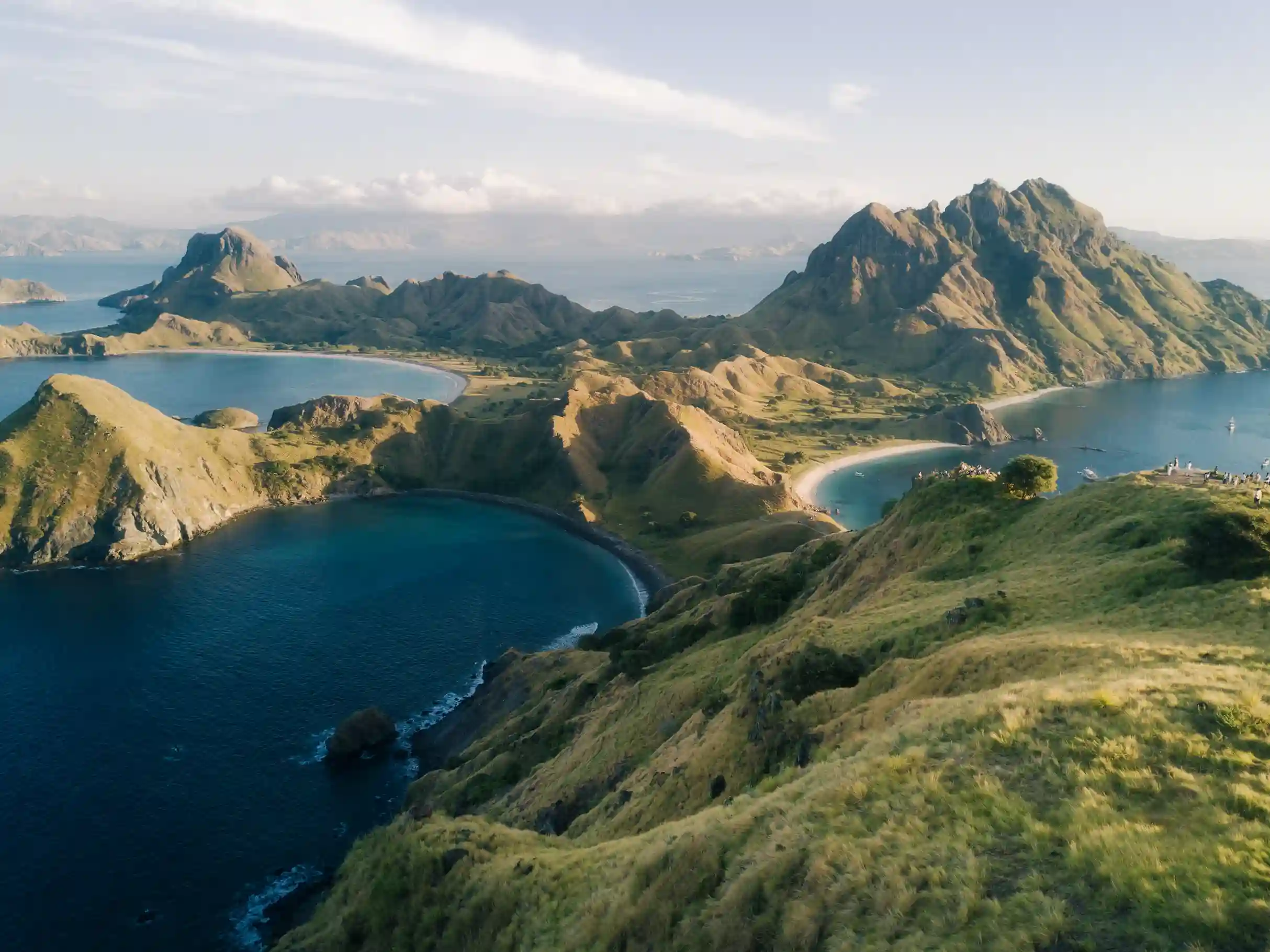
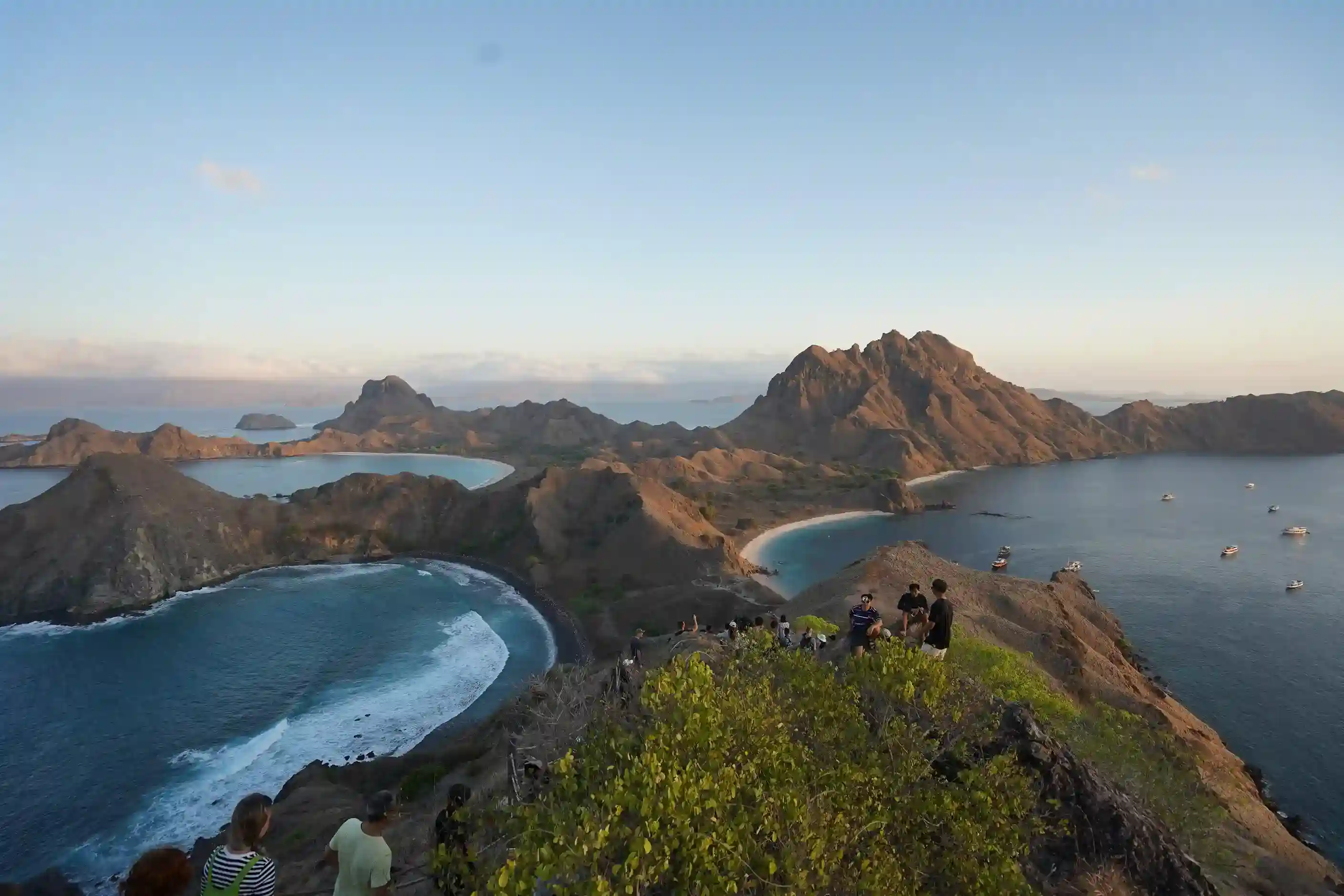
Padar Island’s overlapping ridges above a wide dark-blue bay, seen from the viewpoint

In practical terms, dry season means a lower chance your boat departure gets rescheduled or cancelled for weather, clearer horizon-to-horizon visibility from the viewpoint (worth a lot on a trip built around one photograph), and drier, less slippery footing on the hike’s natural rock sections. It does not mean flat, windless seas every single day — especially in July and August, when the Australian dry-season monsoon pushes stronger, more consistent winds across the Flores Sea. Many travellers assume “dry” automatically means “calm,” and are surprised by a bumpier-than-expected crossing in peak season.
02

What does “wet season” mean for boat schedules and cancellations?

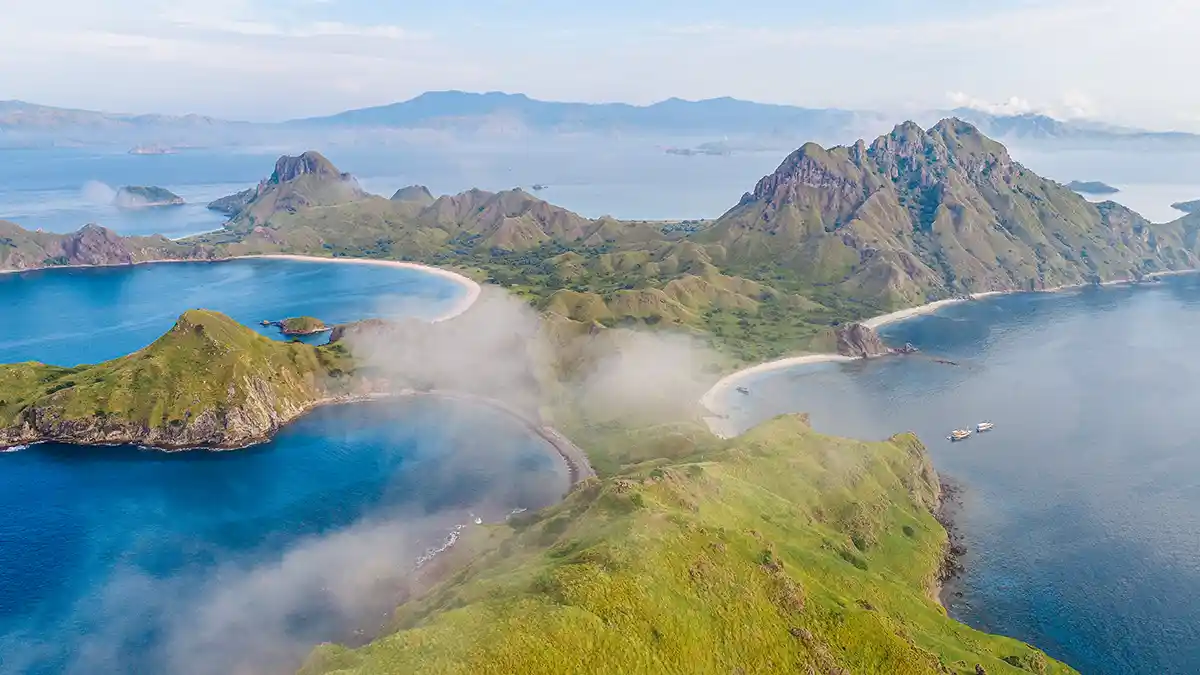
Aerial view of Padar Island’s ridges and two pale-sand bays with low cloud drifting across the hills

December through March brings a higher likelihood of rain squalls and rougher swells that can delay or cancel a day’s boat departures, particularly on more exposed open-water legs rather than the sheltered inner channels. This doesn’t mean Padar Island is inaccessible in the wet season — many trips run normally — but it does mean your itinerary should carry more built-in flexibility (an extra buffer day, or a willingness to swap the day’s order) than a tightly scheduled dry-season day trip needs. Some liveaboard operators also adjust or shorten routes during the wettest weeks, so ask directly about weather contingency plans when booking a wet-season trip rather than assuming a fixed itinerary is guaranteed.

03

Wind matters more than rain

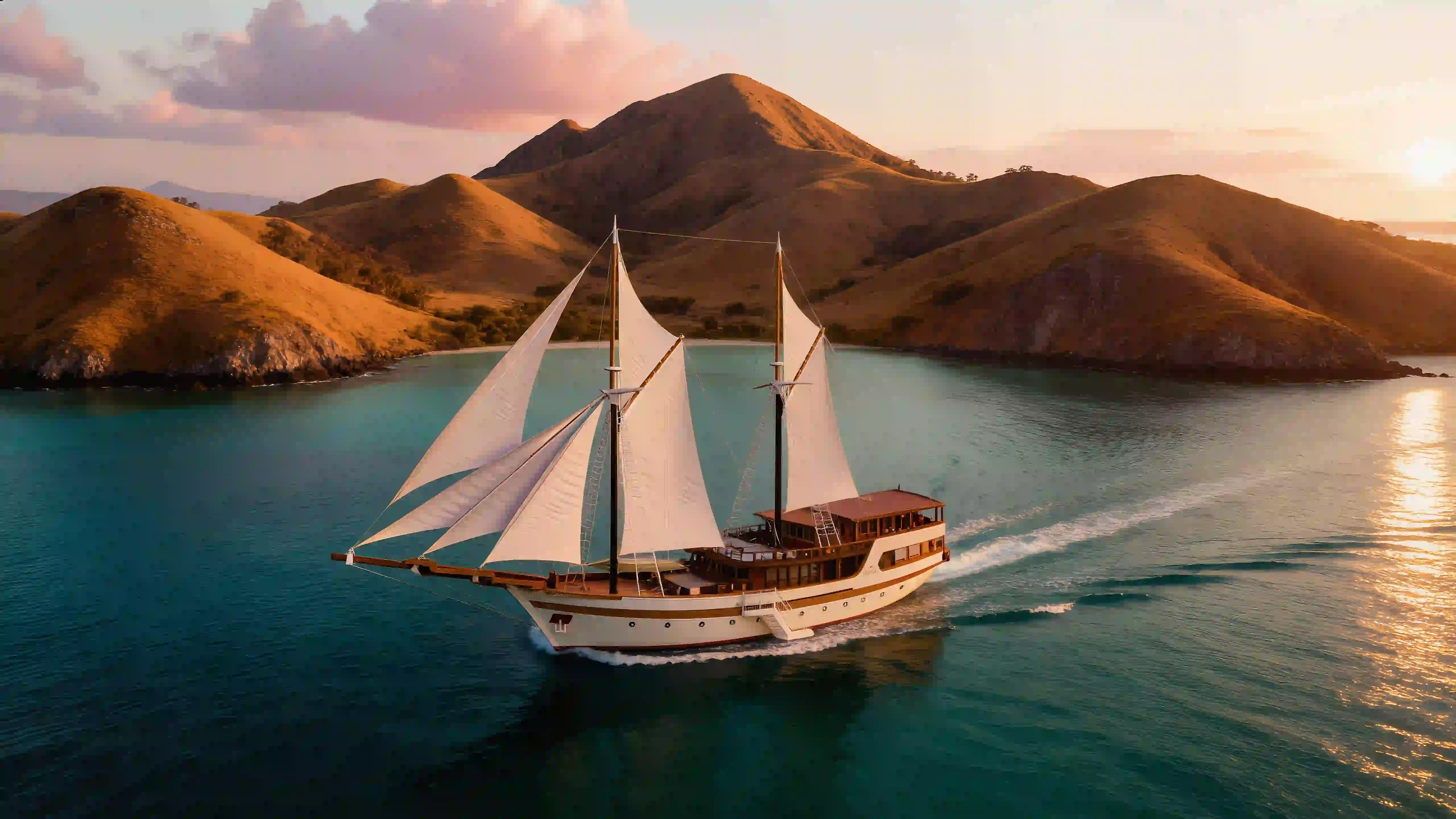
A phinisi under white sails crossing a bay below golden Komodo hills

The main wind season peaks roughly July into August and tapers through early September, even though the dry conditions extend across far more months. During that peak, trade winds create whitecaps on the open stretches of the Flores Sea and strong gusts on the exposed ridgelines, and August in particular is among the windiest months of the year despite being reliably dry. Rain is uncommon then; the sea is simply restless from wind-generated chop.

04

How do wind and current affect the boat ride specifically?

A speedboat seen from above on clear turquoise water

The channels around Komodo National Park, including the stretch between Labuan Bajo and Padar, are known for locally strong tidal currents where deeper and shallower water meet — a factor experienced local captains navigate around rather than something a schedule alone controls. Wind direction and strength matter more for comfort than for safety on a well-run, licensed operation: a headwind crossing in July–August can mean a bumpier, spray-soaked ride even in good visibility, while a following wind or calmer window (common in the April–June and September–November shoulder months) tends to make for a smoother trip. If seasickness is a concern, the shoulder-season months are generally the more comfortable choice over peak dry season.

05

Does weather affect the hike itself, not just the boat ride?

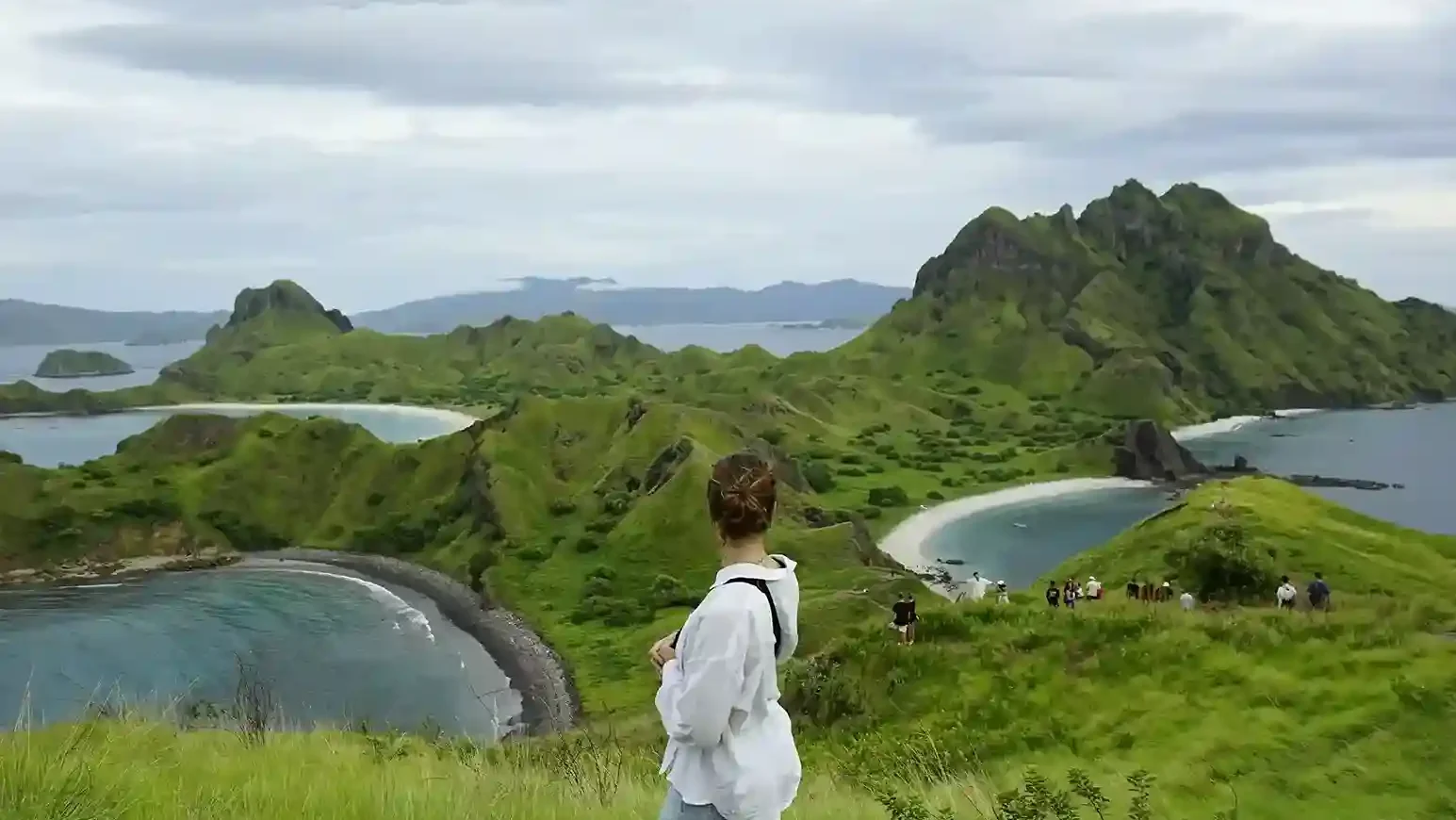
A walker standing on Padar Island’s grass ridge in the green season, looking down on the curved bays

Yes, in two ways. Rain makes the trail’s natural rock sections slippery, particularly on the upper, less-paved stretches, and reduces visibility from the summit — defeating much of the point of climbing at all if cloud sits over the bay. Heat, not rain, is the more consistent year-round hazard: the trail has almost no shade regardless of season, so even a “cool,” overcast dry-season morning can still be physically demanding if you’re unprepared with water and sun protection. See our packing guide for what to bring regardless of which season you visit in.

06

When do Padar Island’s hills turn green, and when are they golden?

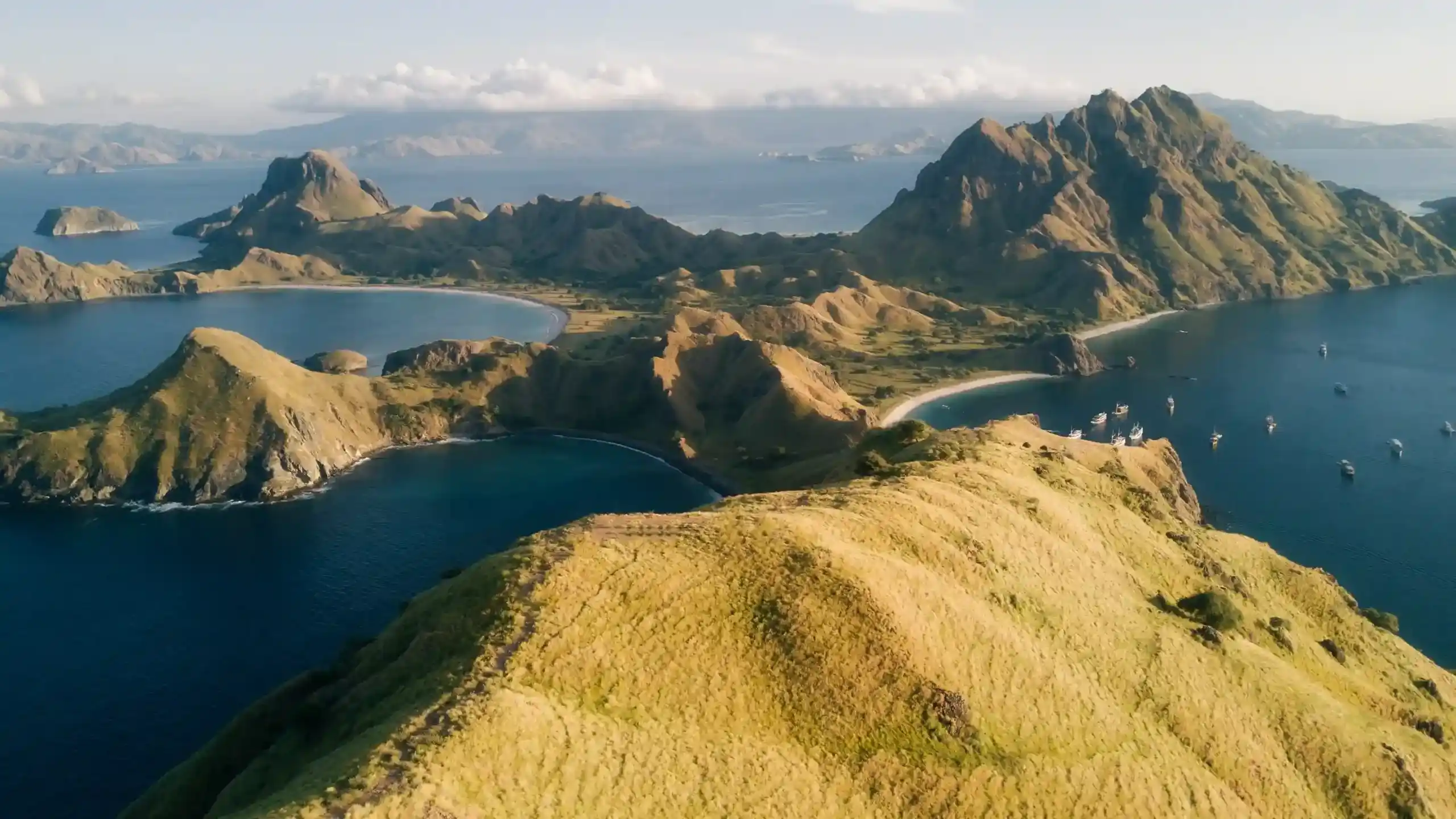
Padar Island’s golden grass ridge above dark bays, with small boats at anchor below

Padar’s savanna hills are golden-brown for most of the year, a look that comes to define nearly every well-known photograph of the island. The brief exception falls in the tail end of the wet season and the very start of the dry season, roughly March through May, when recent rain gives the grass a short-lived green flush before the dry months fade it back to gold. Photographers chasing the “green hills” version of Padar — a genuinely different look from the classic gold-hill postcard shot — generally need to time a visit to this narrow window, and even then, the exact timing shifts year to year with how the rains behave. There is no fixed calendar date for this transition; it is a function of that year’s actual rainfall, not a guaranteed annual event on a specific week.

07

Humidity and rainfall: what to actually expect

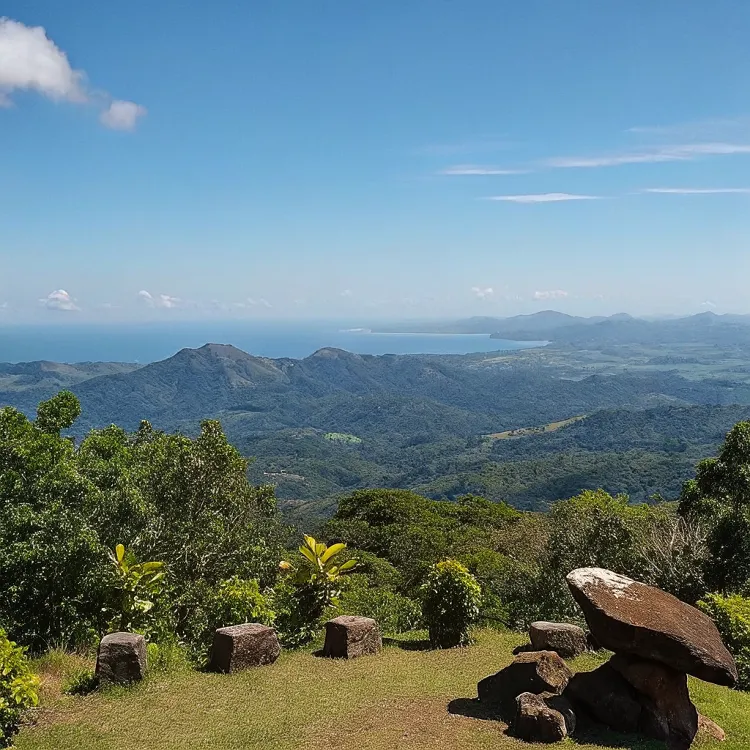
A view across forested hills to the sea on Flores

East Nusa Tenggara sits in one of Indonesia’s drier climatic zones compared to Bali, Java, or Sumatra, but “drier” is relative — humidity remains high year-round given the tropical, maritime setting. During the dry season, expect long stretches with little to no rain and lower humidity than the wet months, though a still, humid midday on the exposed Padar trail can still feel intense given the total absence of shade. During the wet season, expect intermittent heavy downpours rather than constant drizzle — a common pattern is a clear morning followed by an afternoon or evening squall, which is part of why early-morning departures are the norm for boat trips regardless of season: mornings are simply the more weather-reliable part of the day most of the year.

08

The months in practice

Aerial view of one of Padar Island’s curved bays with mist hanging over the ridges above it

Calmer stretches for wind and waves fall inside the broader dry season but outside the July–August peak. May to June and September to early November are the windows that combine manageable seas with thinner crowds, which is why seniors and anyone nervous about boats tend to be steered toward them.

09

How does the season change what you should pack?

An open suitcase packed with clothes, a sun hat and sandals on a dock beside a boat

The core packing list (covered fully on our packing guide) doesn’t change dramatically by season, but the emphasis does. Dry-season trips lean harder on sun protection — reef-safe sunscreen, a hat, sunglasses — since cloud cover is less likely to offer any natural relief on the climb. Wet-season trips add a lightweight rain layer or dry bag for electronics, and non-slip footwear becomes more important given the trail’s natural rock sections can turn slick after rain. Either season, closed shoes beat sandals, and bringing more drinking water than feels necessary is rarely a mistake given the lack of shade and the total absence of any shop or refill point on the island itself.

10

Does the season affect underwater visibility for snorkeling stops paired with Padar?

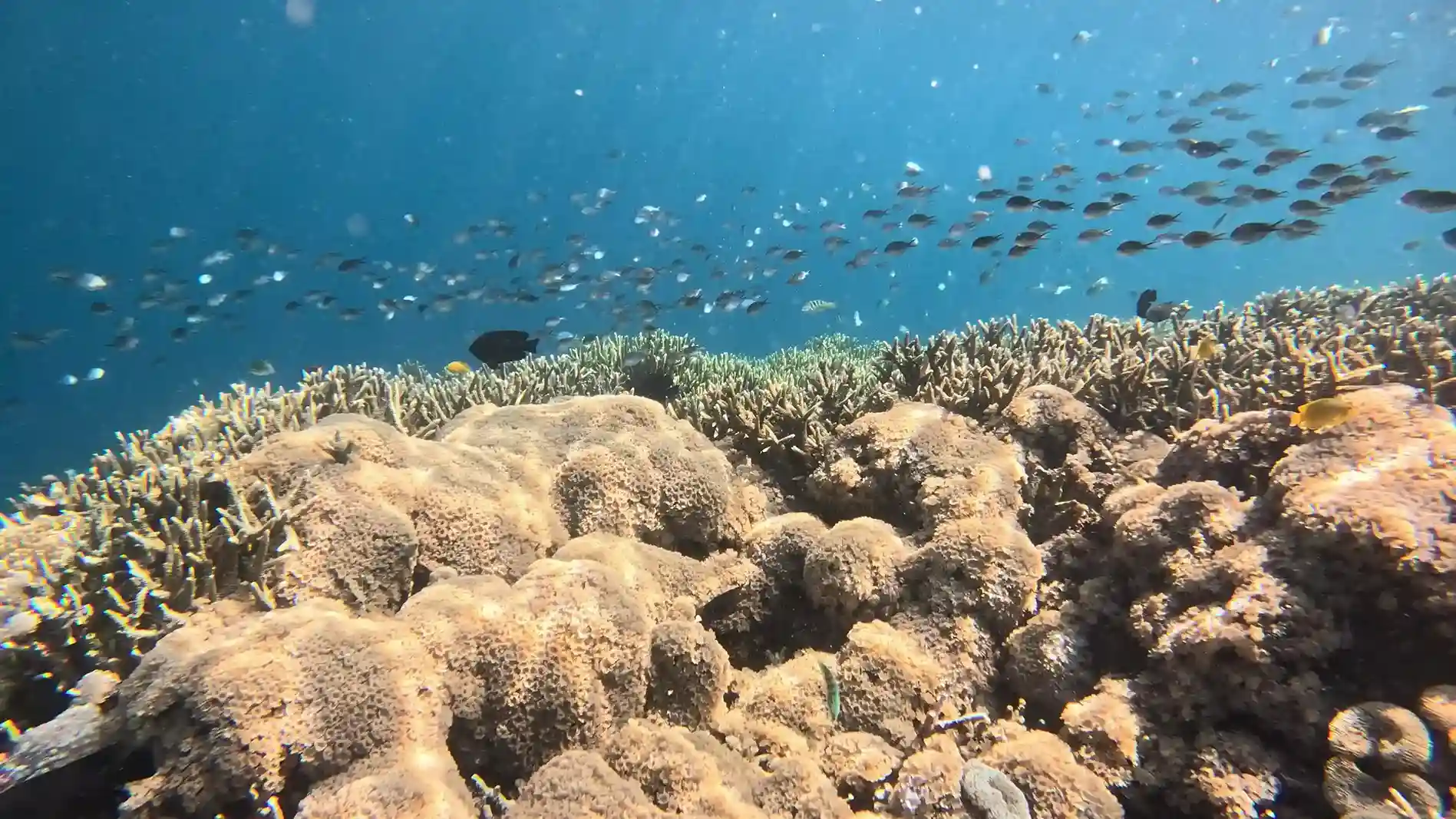
A shallow coral reef with a school of small fish above it

Generally yes. Calmer, drier-season seas tend to correlate with better underwater visibility at nearby snorkeling sites like Pink Beach and Manta Point, since less wind-driven wave action and runoff means clearer water. Wet-season rain can increase runoff and reduce visibility at some sites, particularly those closer to river mouths on nearby islands, though open-water sites further from land are less affected. If snorkeling quality is your main priority for a combined Padar-plus-snorkeling day, the same September–November and April–June shoulder-season window that suits the hike also tends to suit the water.

11

Photography, forecasts and cancellations

Padar Island’s bays at first light, with visitors sitting along the ridge at the viewpoint

For consistently clear skies and long views, the core dry months are the strongest. From roughly April to November you are more likely to get stable morning light and lower humidity, which keeps the haze down and the horizons sharp. The classic multi-bay frame is most reliably available then, and blue hour at either end of the day is particularly productive, with warm side-light modelling the ridges. Outside the heavy-rain periods the trail surface also cooperates.

Answers

Frequently Asked Questions

What is the best month to visit Padar Island for calm seas?

September–November and April–June are generally the more comfortable shoulder-season windows — dry enough for good visibility and drier trails, without the strongest winds that typically arrive in July–August.

Can boat trips to Padar Island be cancelled due to weather?

Yes, particularly during the December–March wet season when rain squalls and rougher seas are more common. Cancellations and reschedules are less frequent but not impossible during the dry season too, especially around strong-wind spells in July–August. Licensed operators prioritise safety over schedule, so a cancelled departure is a normal (if inconvenient) part of sailing in this region.

Does the rainy season make Padar Island impossible to visit?

Not entirely. Many trips run normally during the rainy season (December–March), but the risk of delay or cancellation from swells and rain is higher than in the dry season. It’s worth choosing an operator with a flexible reschedule policy if travelling in this period.

Should I buy travel insurance that covers weather cancellations for a Padar Island trip?

It’s a reasonable precaution, particularly for wet-season bookings or multi-day liveaboard charters where a missed slot is harder to simply rebook the next day. Check whether your policy or your operator’s own terms cover a weather-related reschedule or refund before you rely on assumptions either way.

Is Padar Island hot? What’s the temperature like?

Yes — the climate is tropical and the trail offers almost no shade, so daytime conditions on the hike feel considerably hotter than the ambient air temperature alone would suggest. This holds true across both seasons; rain in the wet season doesn’t necessarily mean a cooler hike, just a wetter and more slippery one.

What is the average temperature on Padar Island throughout the year?

Temperatures in Komodo National Park stay warm year-round, typical of a tropical climate, with humidity remaining high even when rainfall is low in the dry season. Because the hiking trail has almost no shade, the temperature you feel while climbing is often higher than the recorded air temperature.

Is it better to visit Padar Island in the morning or afternoon regardless of season?

Morning, in essentially every season. Morning light is directionally better for photographs of the three-bay panorama, morning temperatures are cooler before the sun is directly overhead on the shadeless trail, and morning sailing conditions are, on average, calmer than afternoon conditions in this part of Indonesia — a pattern common across much of the tropics, where afternoon heating tends to build wind and cloud through the day.

What’s the best season to visit Padar Island to avoid both rain and heavy crowds?

September through November is generally the balanced choice: the dry season is already underway so rain risk is low, while visitor numbers haven’t yet reached the July–August peak.

This guide does not operate boats. Bookings are fulfilled by Komodo Luxury, and this site may earn a referral commission.

Ready When You Are

Weather windows are booked, not waited for

padarisland.com researches conditions and publishes them. Charters sit with our operating partner. You cannot choose the sea state, but you can choose a hull and a departure hour that handle it better.

This guide does not operate boats. Bookings are fulfilled by Komodo Luxury, and this site may earn a referral commission.