

Journal
The Best Luxury Liveaboards for Visiting Padar Island
The pre-dawn air is cool and tastes of salt. From the bow of the phinisi, the silhouettes of the Lesser Sunda Islands emerge from the inky blackness, a string of prehistoric vertebrae…
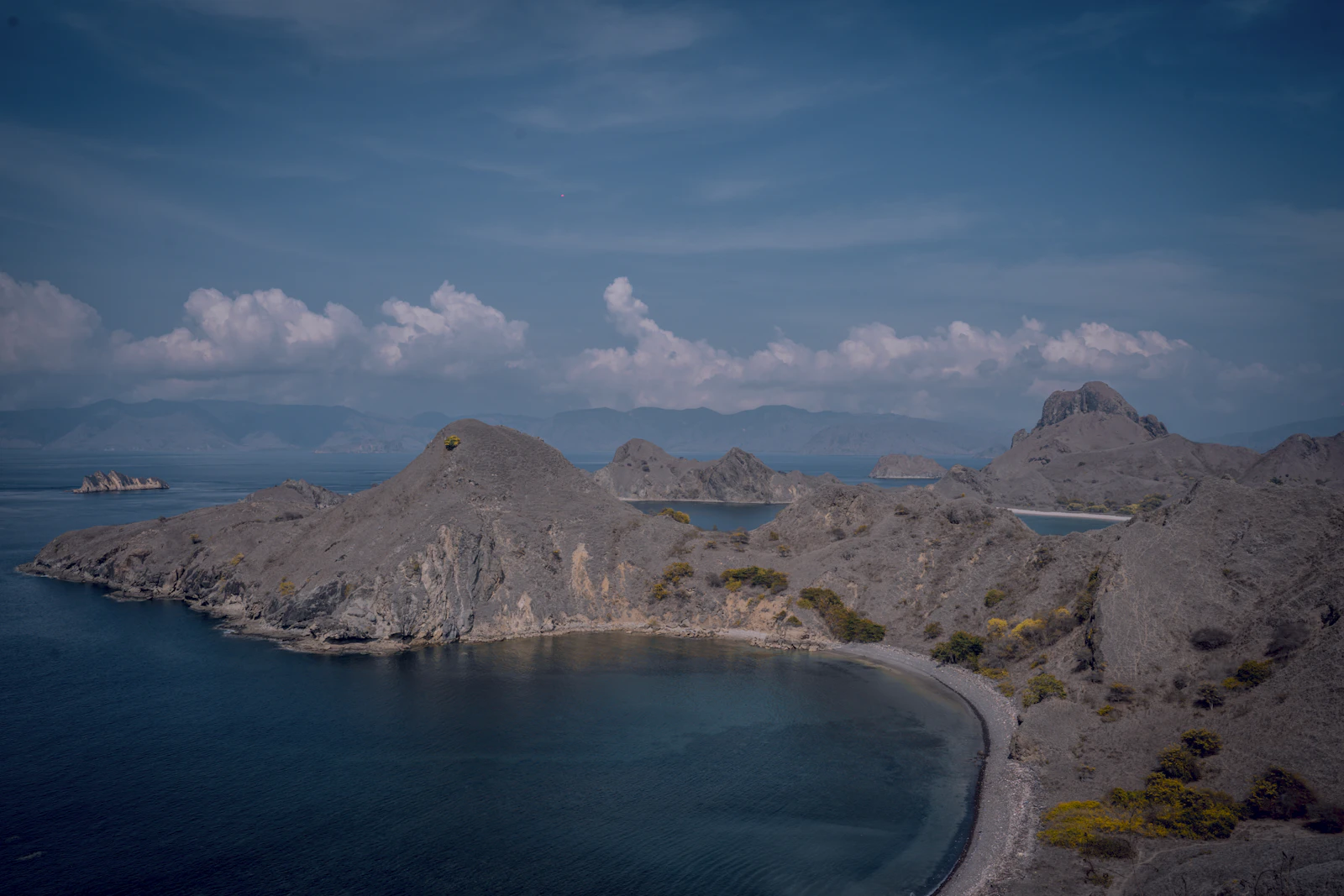
- Unrivaled Access: Arrive at Padar for sunrise, long before the day-trip boats from Labuan Bajo.
- Bespoke Itineraries: Journeys are tailored to include diving, dragon-spotting, and secluded beach landings.
- High-Touch Service: Expect a strong crew-to-guest ratio, quality onboard cuisine, and amenities that vary by vessel and tier.
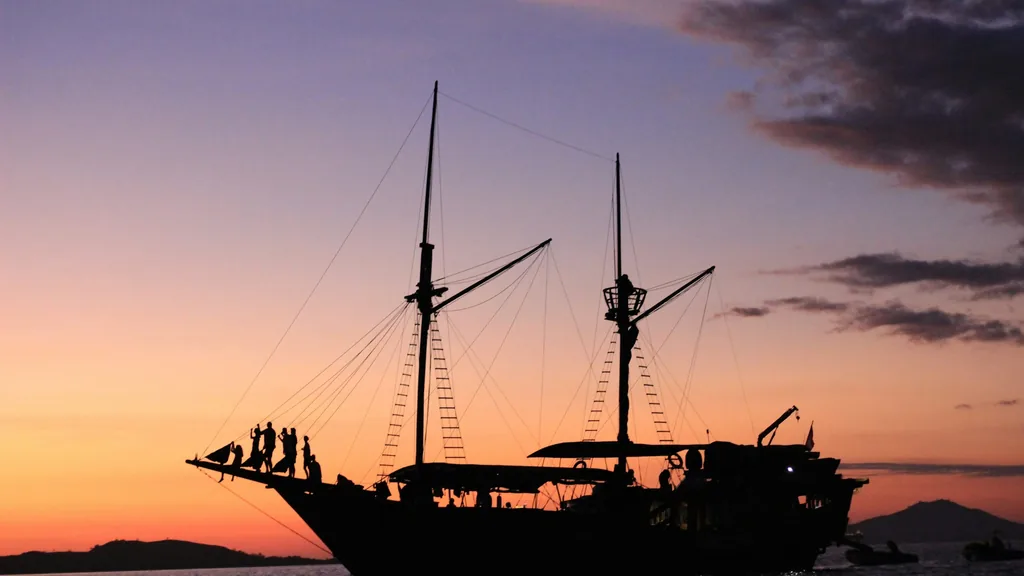
The pre-dawn air is cool and tastes of salt. From the bow of the phinisi, the silhouettes of the Lesser Sunda Islands emerge from the inky blackness, a string of prehistoric vertebrae against a slowly bruising sky. There is no sound but the gentle lapping of the Flores Sea against the ironwood hull and the quiet hum of the generator. This is a singular way to approach Padar Island — not as a fleeting day-tripper, but arriving on your own terms, at your own pace. Aboard a private yacht, the archipelago reveals itself not as a series of destinations, but as a continuous, immersive experience.
Why a Liveaboard Suits Padar Particularly Well
Padar, along with Komodo and Rinca, forms the core of Komodo National Park, a protected area spanning 1,733 square kilometers of volcanic islands and marine territory. The nearest hub, Labuan Bajo on the island of Flores, sits roughly 36 kilometers away in a straight line and farther along the water; a speedboat can make the crossing in about 60–120 minutes, but that typically means visiting during the middle of the day, in the busiest of the three timed entry sessions. A liveaboard changes this: it repositions overnight, so you can wake up already anchored near Padar and take the roughly 45-minute trek to the summit for the early sunrise session, before the day-trip crowds arrive. As the first light spills over the three differently-coloured bays, the practical case for a liveaboard over a day trip becomes obvious — it’s fundamentally about which session you can realistically reach, not just comfort.
The Phinisi: Traditional Craftsmanship, Modern Comfort
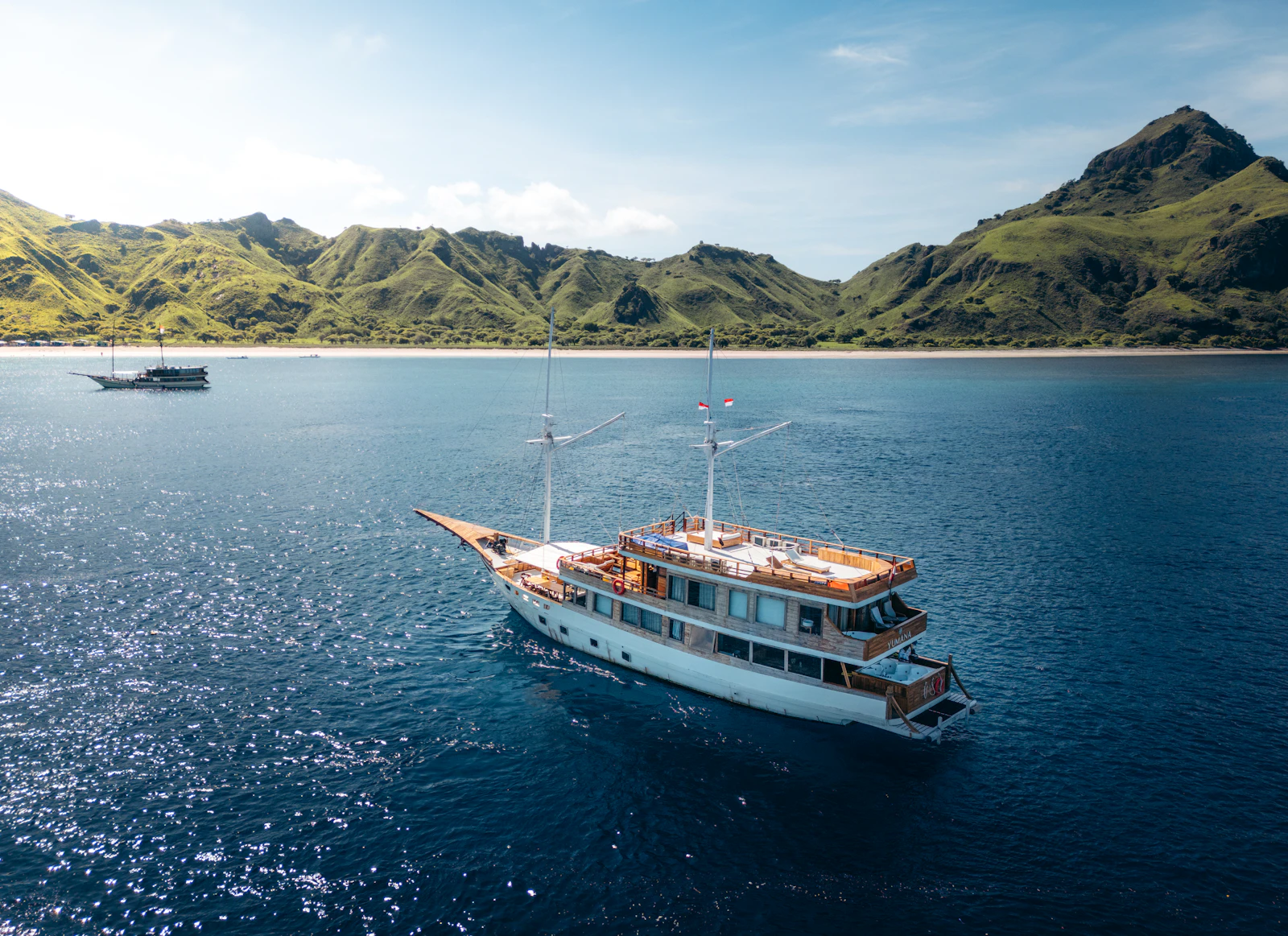
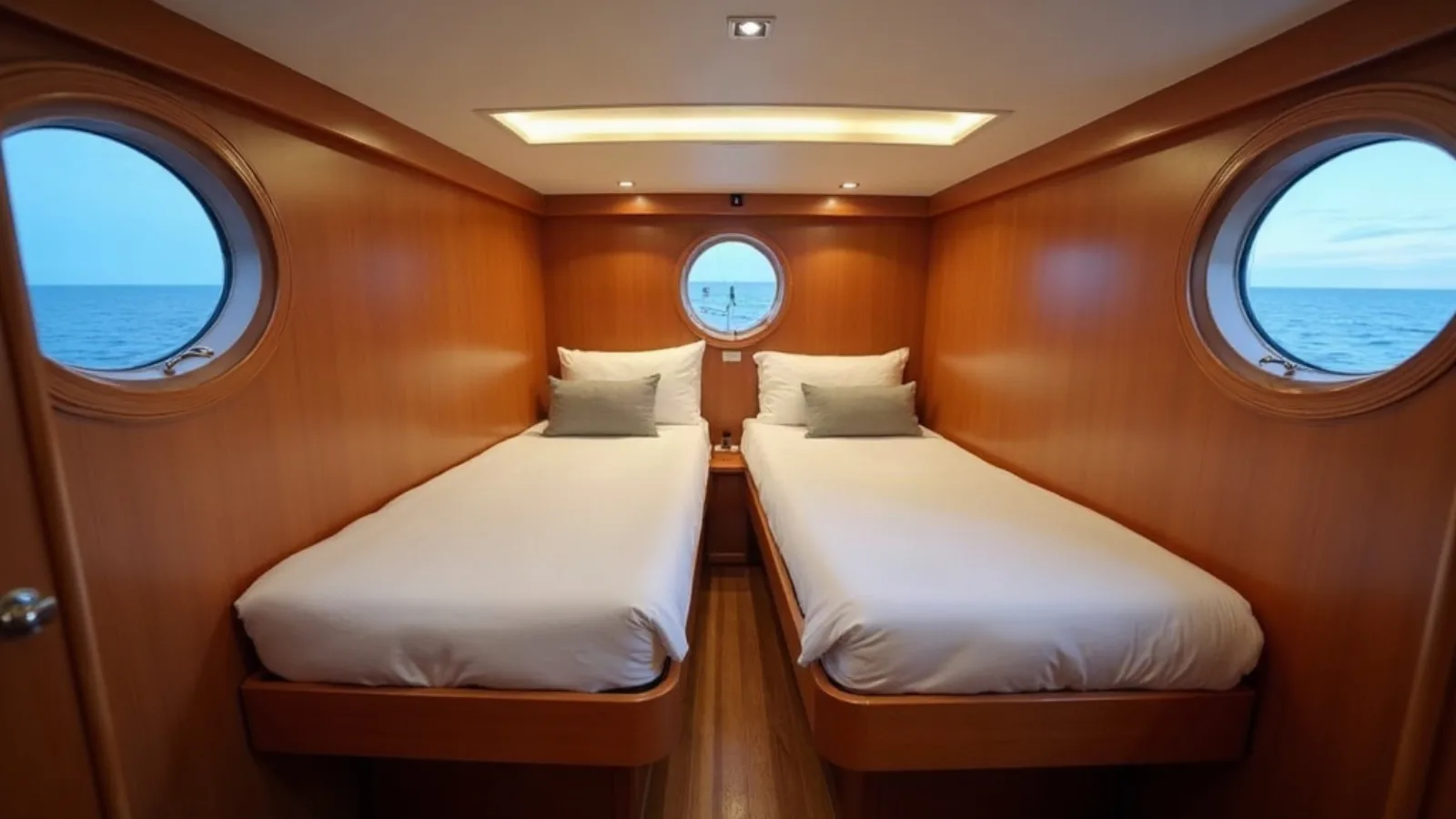
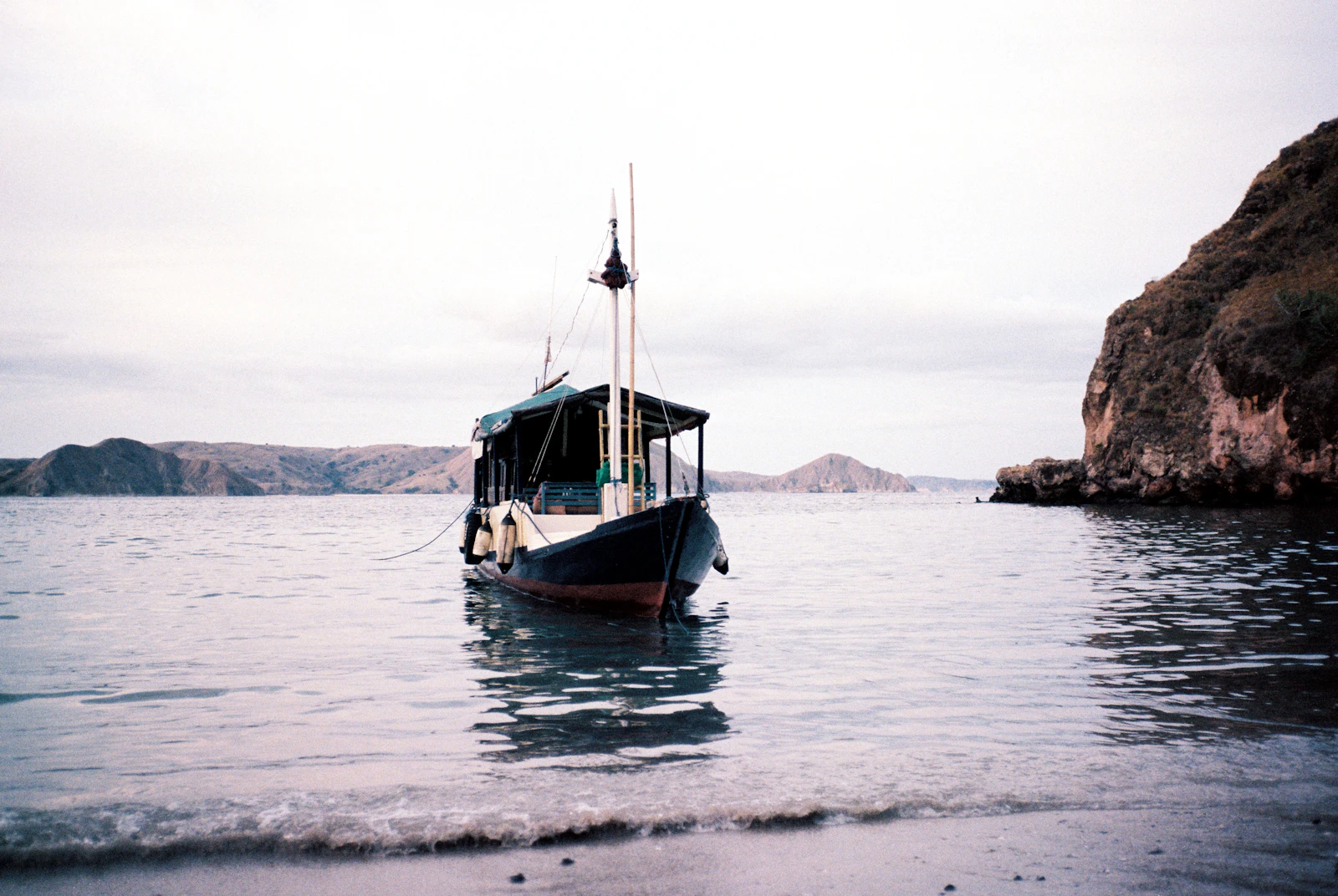
The vessel of choice in these waters is the phinisi, a traditional two-masted sailing ship with a heritage significant enough to be inscribed on UNESCO’s list of Intangible Cultural Heritage in 2017. For generations, the Bugis and Konjo boatbuilders of South Sulawesi have hand-built these ships using inherited knowledge rather than written blueprints. Today, the design has been adapted into a range of liveaboard tiers. Komodo Luxury groups its fleet into VIP (roughly USD 5,300–15,000 per yacht per night) and VVIP (elite phinisi from USD 15,000/night, superyacht-class vessels up to USD 35,000+/night). Higher-tier boats typically add air-conditioned suites, a dedicated chef, and more crew per guest; exactly which amenities and staff are aboard a given vessel varies, so confirm specifics with your chosen operator rather than assuming a standard loadout.
Choosing a Tier for Your Group
Rather than naming specific third-party vessels — ownership, crew, and amenities on any named boat can change season to season, and we’d rather point you to current, operator-confirmed listings than a snapshot that goes stale — the practical way to shop this market is by tier and group size. A smaller VIP-tier phinisi suits couples or small families wanting privacy without the top-end price; a larger VVIP superyacht makes more sense for a bigger group splitting the nightly rate, or for travellers who want the widest range of onboard amenities (dive centers, spa treatments, multiple decks). Komodo Luxury’s VIP listings and VVIP listings show current vessels, cabin counts, and rates by boat — a more reliable way to compare than a fixed “top picks” list. A full breakdown of what to expect financially can be found in our Padar Island Pricing & Cost Guide.
Crafting the Perfect Itinerary Beyond the Famous Viewpoint
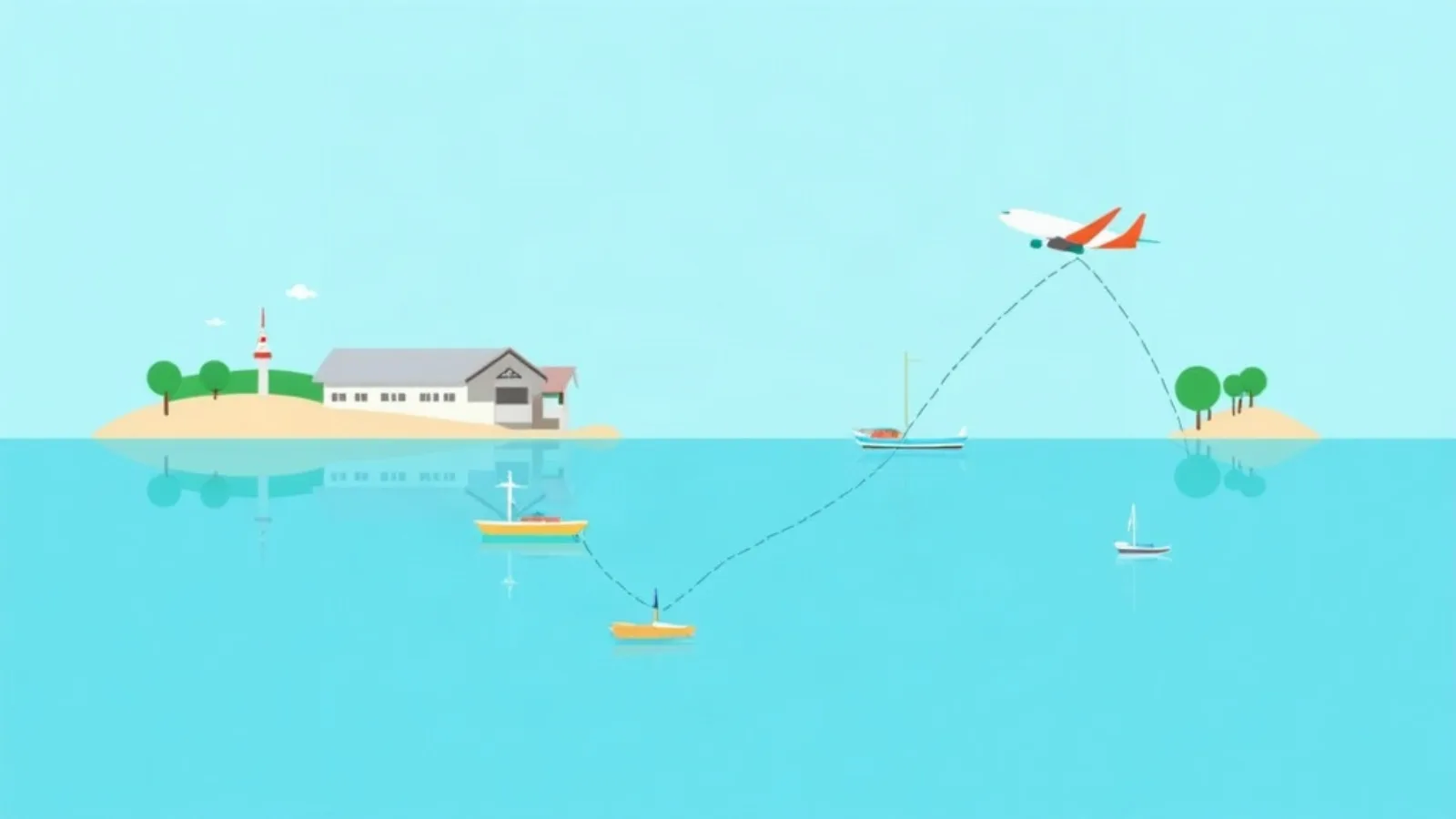
The best luxury liveaboards visiting Padar treat the iconic viewpoint as one stop among several, not the whole trip. A well-designed 4-day, 3-night itinerary typically starts with a shorter cruise from Labuan Bajo to Rinca Island, where a licensed park ranger guides a roughly one-hour trek with a good chance of spotting Komodo dragons (Varanus komodoensis). The afternoon often allows for snorkeling in a quieter cove. The Padar sunrise hike usually anchors day two, followed by a stop at Pink Beach (Pantai Merah) for swimming, and often a dive or snorkel stop at Manta Point in the afternoon. Later days commonly add sites like Batu Bolong or Siaba Besar, known for strong currents, coral density, and turtle sightings. For a deeper look at everything the island offers, consult The Definitive Padar Island Guide.
The Onboard Experience: What Varies by Operator
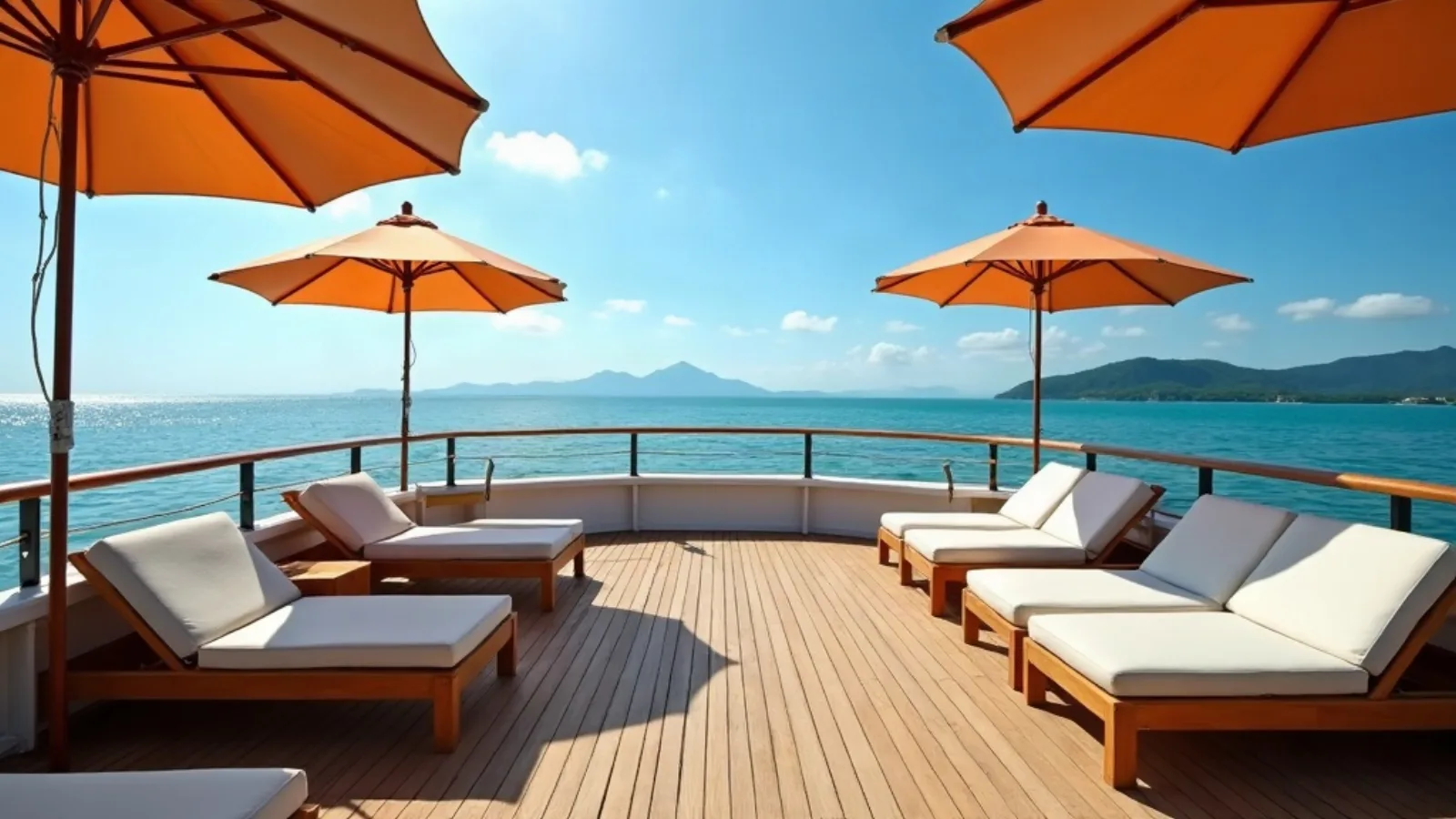
What separates a luxury charter from a standard boat trip is largely service quality and attentiveness — a strong crew-to-guest ratio, a chef able to prepare good meals across a multi-day trip, and rangers/guides who know the park well. Exactly which extras are included (a dedicated dive instructor, specific dietary customization, spa services) varies by vessel and tier, so ask your chosen operator for a full inclusions list before booking rather than assuming a standard package. Booking well in advance — commonly several months ahead for peak dry season (June to September) — is worth building into your planning given how quickly well-reviewed boats fill for popular dates.
Quick FAQ: Your Padar Liveaboard Questions Answered
What is the best time of year to book a liveaboard for Padar? The dry season, from April to November, offers the calmest seas and clearest skies, ideal for trekking and marine activities. The shoulder months of April-May and September-October combine strong weather with typically fewer boats in the park.
How much does a luxury liveaboard charter cost? Rates are quoted per yacht per night, not per person: VIP-tier phinisi run roughly USD 5,300–15,000/night, and VVIP-tier phinisi (superyacht-class) run from USD 15,000/night up to USD 35,000+/night. Splitting a boat across a larger group brings the per-person cost down substantially — see our cost guide for worked examples.
Do I need to be a certified diver to enjoy a liveaboard? No. Komodo is a premier dive destination, but these yachts also suit non-divers well — snorkeling in the park is excellent, and most vessels carry kayaks, paddleboards, and tenders for beach stops. For dive sites with strong currents, ask your operator what certification level they recommend.
What is included in the charter fee? This varies by operator and tier — ask specifically about meals, drinks, guided activities, and park fees. Park entrance fees (IDR 250,000/day for foreign visitors, IDR 50,000/day (weekdays) or IDR 75,000/day (Sundays & national holidays) for Indonesian citizens — see our entrance fee page), dive equipment rental, alcohol, and crew gratuities are commonly billed separately. Once every layer is counted, a foreign visitor should budget IDR 400,000–525,000 per person per day — PNBP ticket, a ranger/guide fee of about IDR 150,000 per group of 1–5, and the conservation and jetty elements folded into the ticketing system (as of August 2026). Clarify these points when you plan your charter.
A journey through the Komodo archipelago on a luxury liveaboard is an expedition into one of the region’s most striking landscapes, undertaken in comfort. It’s a trade of crowds for solitude and fixed schedules for a pace you set yourself. From the deck of a phinisi, Padar Island is a destination worth arriving at well before the day-trip boats do.
Choosing between the boats described above
This page compares; it does not sell. padarisland.com is an information site, and the fleet is our affiliated operator’s, Komodo Luxury. Liveaboard cabins for peak-season sunrise slots are the scarcest thing in this whole itinerary, scarcer than flights or park permits. Fleet options currently listed: Komodo Luxury’s yacht charters, private charter options, and a wellness-focused charter.
What you are actually buying at the top of the market
The price of a luxury charter around Padar reflects time far more than it reflects the yacht. What high-end operators sell is the ability to be in the right place at the right hour: to be already at anchor near Padar before first light, to linger through a photography session instead of following a group’s rhythm, and to reshuffle the order of landings when weather or crowds make the planned sequence a poor one. A shared speedboat is built for efficiency — one day, Padar plus a couple of stops. A yacht trades pace for space, service and a schedule that can respond to conditions. Neither is better in the abstract; the question is how much time you want around the viewpoint rather than at it.
Crews on these boats work to established overnight anchoring practice inside the park, which exists to protect coral and manage traffic while keeping vessels within reach of Padar for the dawn session. In practice guests experience it as a quiet night at anchor followed by an early tender run, not repositioning at first light. If you are sensitive to motion or a light sleeper, ask where the boat usually moors relative to the island.
Some itineraries put Padar early in the cruise, work through dragon walks and snorkelling as they head back toward the mainland, and finish with a night on land in Labuan Bajo — a sensible shape if you have an early flight or want a restaurant evening at the end.
The limits nobody can charter around
Night access is the main one. Padar’s visitor management is built around fixed daytime sessions and ranger presence is staffed accordingly, so walking the trail or the viewpoints after dark is outside the standard pattern — a private yacht does not change that. Any access beyond the normal sessions would need explicit coordination with the park office and remains at the authorities’ discretion on conservation and safety grounds. Full-moon hikes are not part of the visitor programme, and a specialist operator proposing one should be treated as proposing an exception, not a service.
The same constraint shapes astrophotography. Padar has no settlements and very little light pollution, which in theory suits Milky Way work; in practice there are no regular sanctioned night hikes to the viewpoint, so serious astro shooting happens from the yacht’s deck or tender area rather than ashore.
Fitting Padar into a premium itinerary
Padar is a half-day commitment once transfers and the climb are counted, and underestimating that is the mistake guests make most often. The others are predictable: unsuitable footwear on the stairs, forgetting there is nowhere to buy water, and booking a late-morning slot that gives up both the softer light and the cooler air.
You can visit Padar without setting foot on Komodo Island — the park ticket covers the whole park, not a fixed circuit — and many itineraries pair Padar with snorkelling or manta sites instead. If you do want dragons, plan the routing together from the start, because boat time, not ticketing, is the limiting factor on any given day. Padar and Komodo are complementary rather than competing: one is the panoramic anchor, the other is where ranger-led wildlife viewing actually happens.
Couples generally get most from the sunrise or late-afternoon platforms, when the bays shift colour and the heat eases, paired with a slower sail that leaves time on deck between stops. Private guiding on the trail helps here, since it lets you stop at intermediate viewpoints rather than move with a group. Families tend to find the drier months from roughly April to November easiest, with firmer footing and calmer crossings; the shoulder periods at either end of that window avoid the strongest mid-year winds, and an early session helps younger children with both the climb and the heat.
One question guides get often has no clean answer: who named Padar. The origin is not documented in publicly available sources and is not confirmed by the park authority. It almost certainly predates the national park era and reflects regional usage that settled over time — which means you will hear more folklore than citation, and it is worth knowing which you are being told.
This guide does not operate boats. Bookings are fulfilled by Komodo Luxury, and this site may earn a referral commission.
Ready When You Are
Ready to book?
Chat directly on WhatsApp with the Komodo Luxury team.
This guide does not operate boats. Bookings are fulfilled by Komodo Luxury, and this site may earn a referral commission.