Skip to content
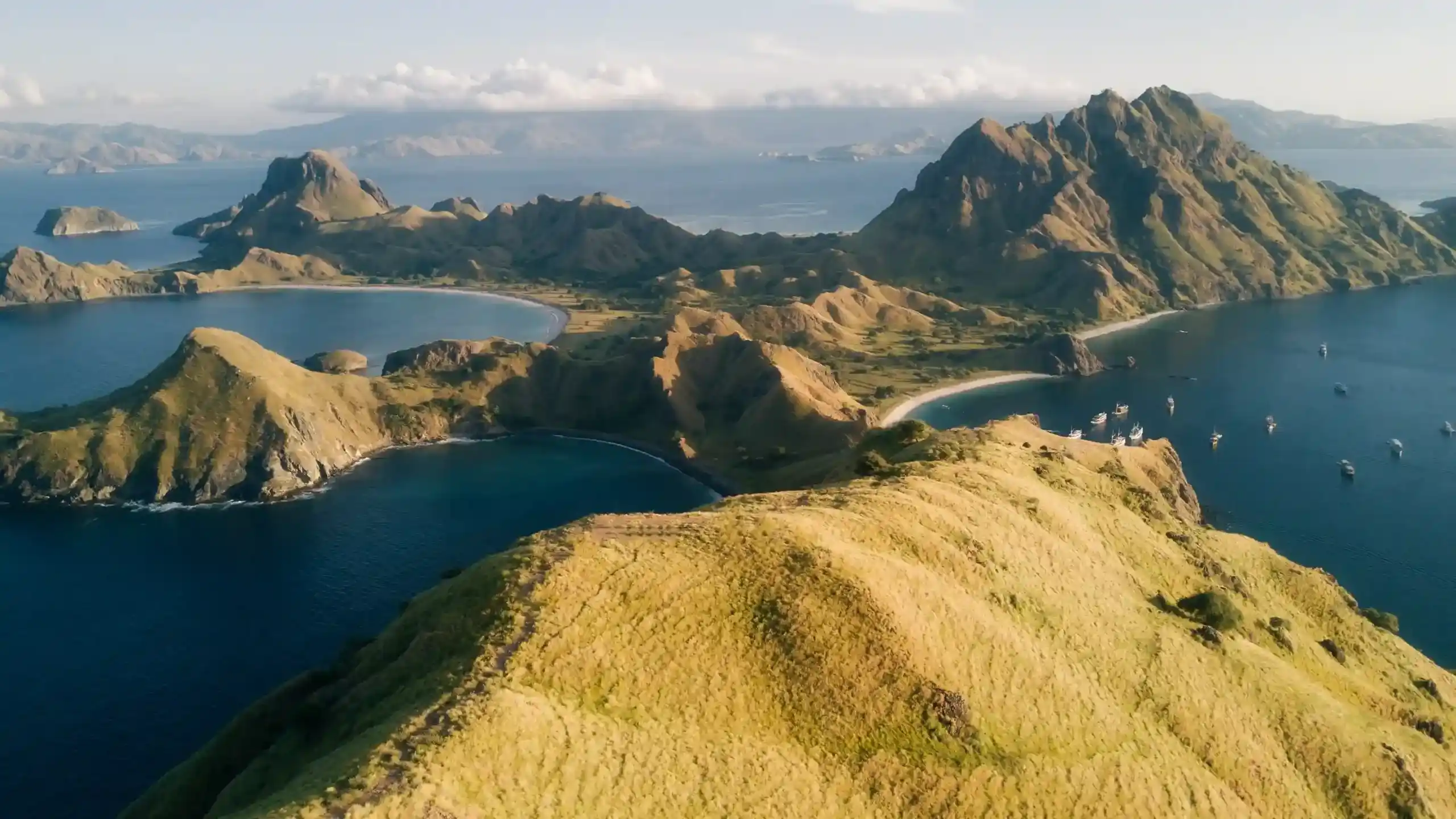
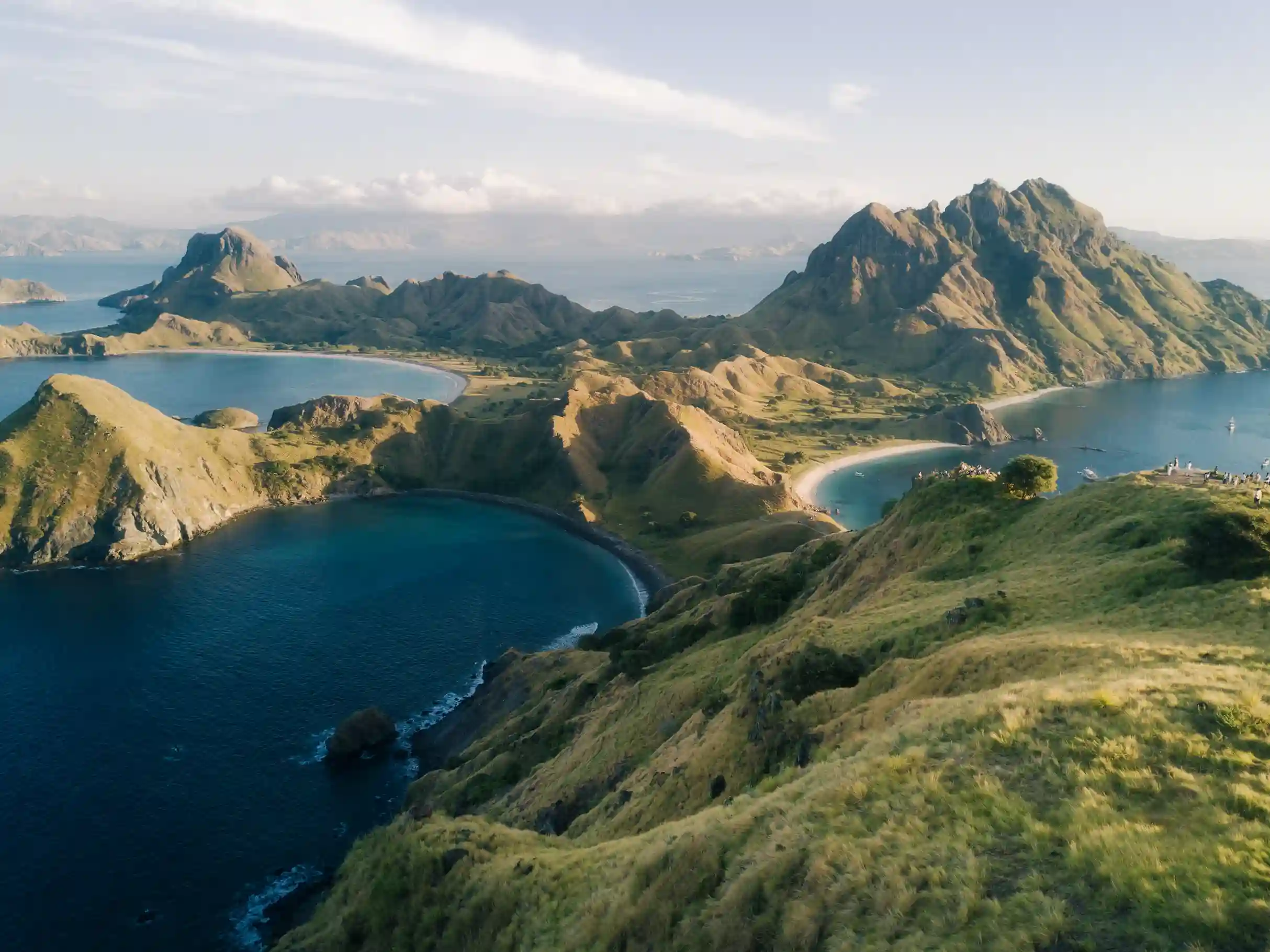
Padar Island’s golden grass ridge above dark bays, with small boats at anchor below

Komodo National Park

Timing & Weather

Best Time to Visit Padar Island (Month Guide)

The best time to visit Padar Island is the dry season (Apr–Nov): calmer seas, less rain, gold-brown hills for classic viewpoint photos.

Quick answer

The dry season (April–November) is the best time to visit Padar Island for stable weather and calm seas; the rainy season (December–March) gives greener scenery but a higher risk of trip delays. Within the dry season, July and August are the driest and calmest of the year — and also the windiest, which is the detail brochure images never convey.

Padar Island Editorial Desk · Last updated: 23 August 2026

Season-by-Season Recommendation Summary

Pick the month that matches what you came for

Guaranteed dry weather, crowds fine June–September Driest and calmest of the year, and the busiest.
Dry-season conditions, fewer people April–May or September–October Lower prices and a quieter staircase.
Greenest hillside photos January–February Build a weather buffer day in; some rain risk.
Christmas / New Year Book well ahead A genuine demand spike inside a season that otherwise carries more weather risk.

Quick Comparison

Dry Season vs. Wet Season: The Short Version

Dry season (roughly April–November)More predictable crossings, firm footing, clear horizons and gold-brown hillsides.
Wet season (roughly December–March)Green slopes, softer diffused light and dramatic cloud, in exchange for livelier seas, showers and a schedule that has to bend.
Driest monthJuly and August are typically the driest, with the lowest rainfall and calmest seas of the year, but also the busiest.
Greenest monthJanuary and February, at the height of the wet season, when the savanna hillsides are covered in green grass rather than the dry gold-brown of the dry season.
Quietest monthsJanuary and February are consistently the quietest, followed by the March and November shoulder periods.
Highest pricesJuly, August, and the last two weeks of December — Northern Hemisphere summer holidays and the Christmas–New Year period.

Full trip budget Weather, seas & currents

Month by Month

Padar Island Month by Month

01

What Does “Best Time” Actually Mean for Padar Specifically?

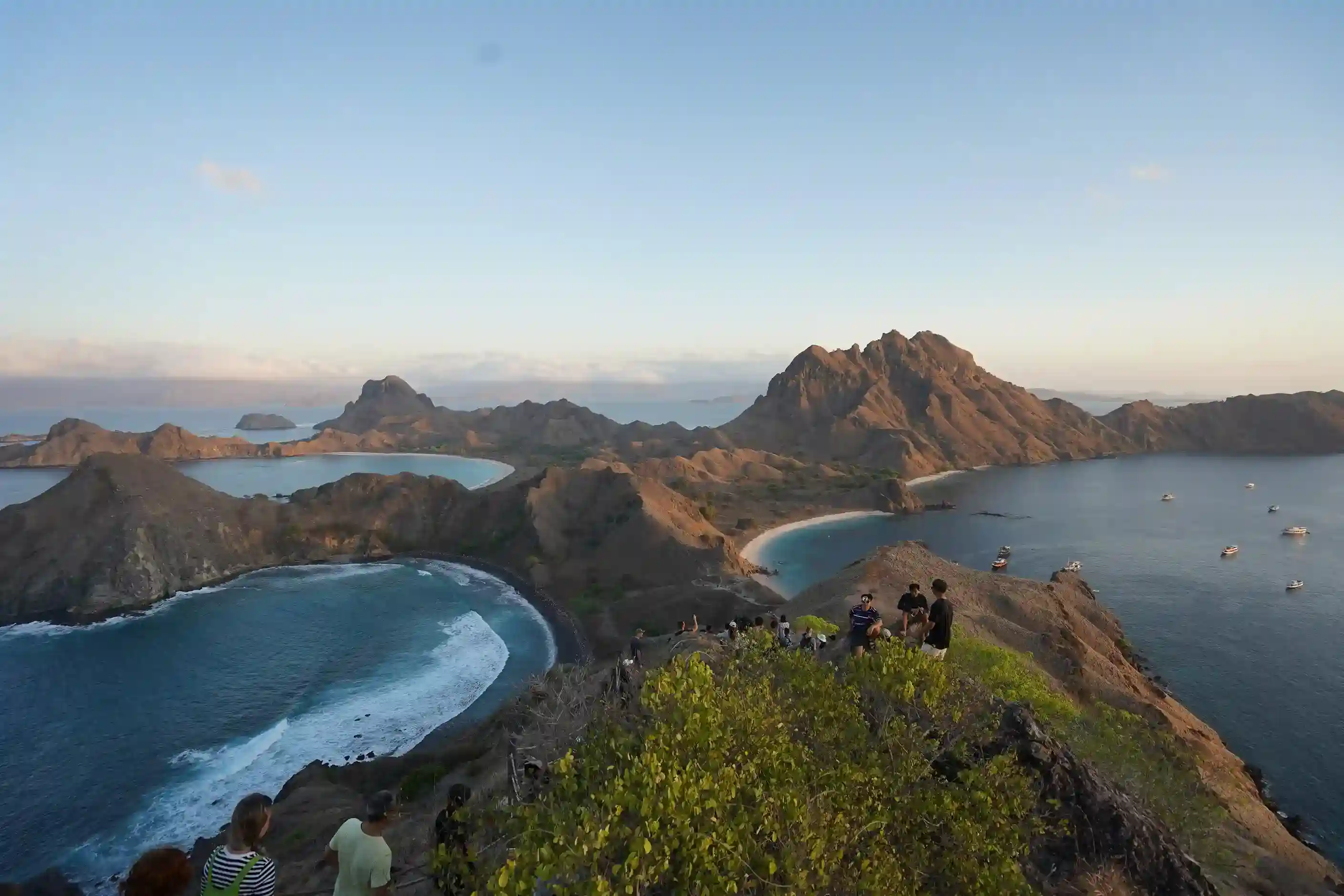
Padar Island’s bays at first light, with visitors sitting along the ridge at the viewpoint

For most Komodo National Park destinations, “best time” is mainly about diving visibility and boat comfort. For Padar, it’s more specific: the viewpoint hike has almost no shade, so heat and rain both change the experience directly, not just the boat ride to get there. A dry-season sunrise climb in July is a different physical experience than a wet-season midday climb in January — the first is hot but predictable, the second is cooler but the staircase can be wet and the sea approach rougher.

02

When Is Padar Island Least Crowded?

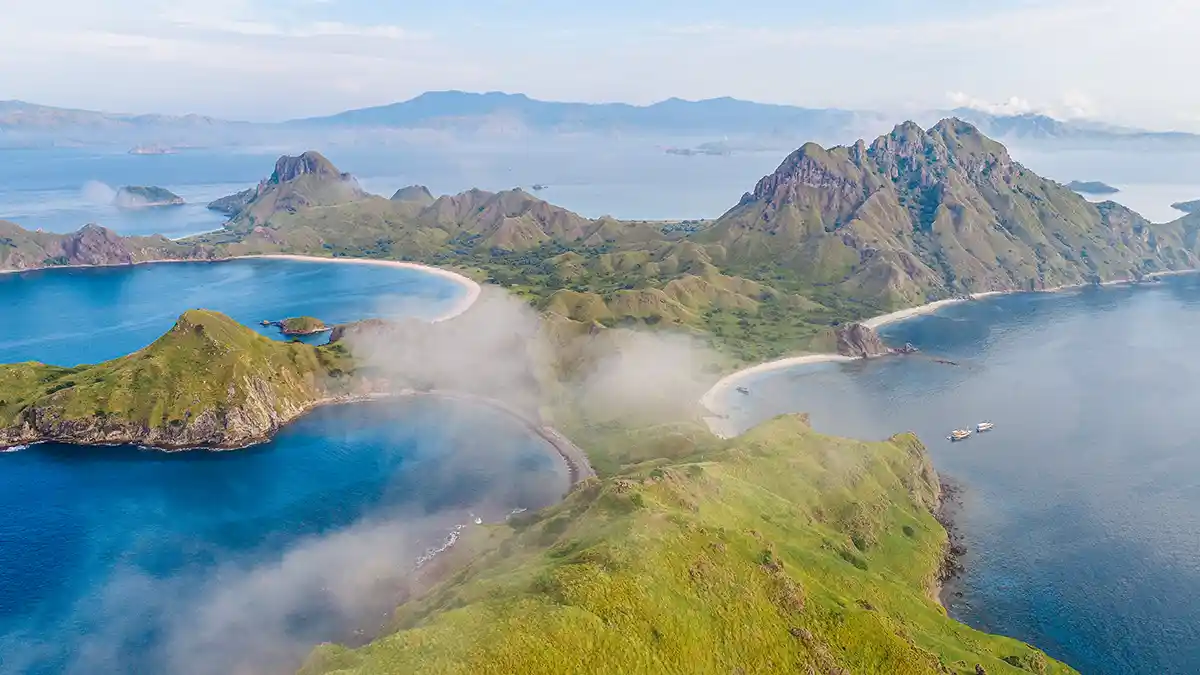
Aerial view of one of Padar Island’s curved bays with mist hanging over the ridges above it

January and February are consistently the quietest months, followed by the March and November shoulder periods. If avoiding crowds at the viewpoint matters more to you than guaranteed dry weather, the wet-season window (outside the December holiday spike) is the more realistic trade to make — fewer people on the staircase, greener photos, but you should build a weather buffer day into your itinerary in case a crossing gets postponed.

03

When Should You Book for Sunrise Specifically?

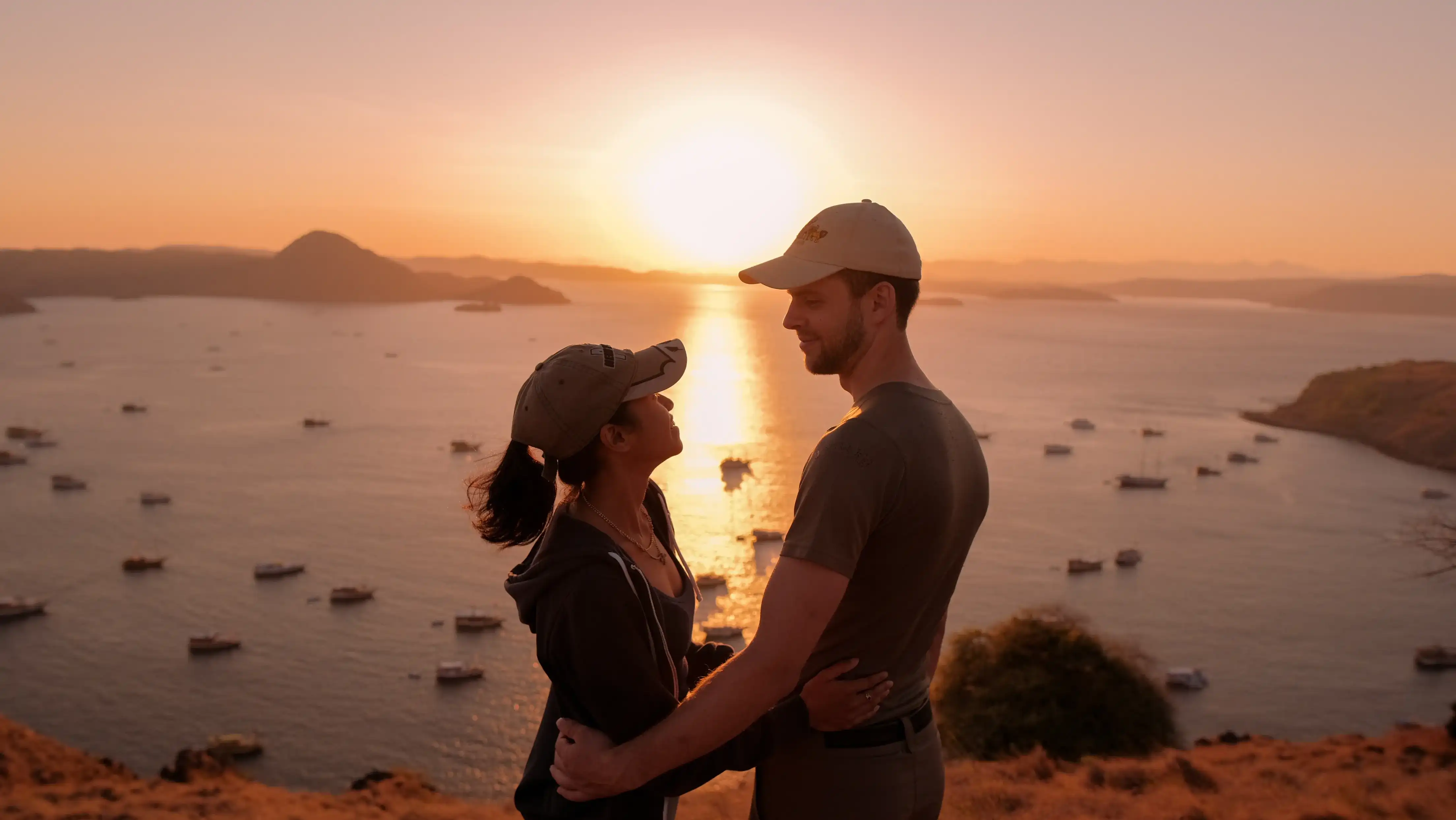
A couple watching sunrise from Padar Island with boats moored in the bay below

Sunrise at Padar’s viewpoint is the single most requested time slot on the island, independent of season, because the three-bay view and the staircase itself are both more comfortable before the sun is high. Regardless of month, operators typically depart Labuan Bajo between 04:00 and 05:00 to reach Padar in time for first light. During the dry-season peak (June–September) this slot books out on popular boats days to weeks in advance; during the wet season it is easier to arrange with shorter notice.

04

Does the Rainy Season Actually Cancel Trips?

Aerial view of Padar Island’s ridges and two pale-sand bays with low cloud drifting across the hills

Not routinely — most wet-season days in the Komodo area are still workable for boat travel. What changes is the variance: a swell event or a storm system can force a same-day postponement or route suspension by the port authority, something that happened to Padar and Komodo boat traffic during a period of severe weather in late 2025. If you’re traveling in December through March, especially outside the holiday weeks, build one buffer day into a multi-day itinerary rather than scheduling Padar on your only full day in the area.

05

Best Time for Photography

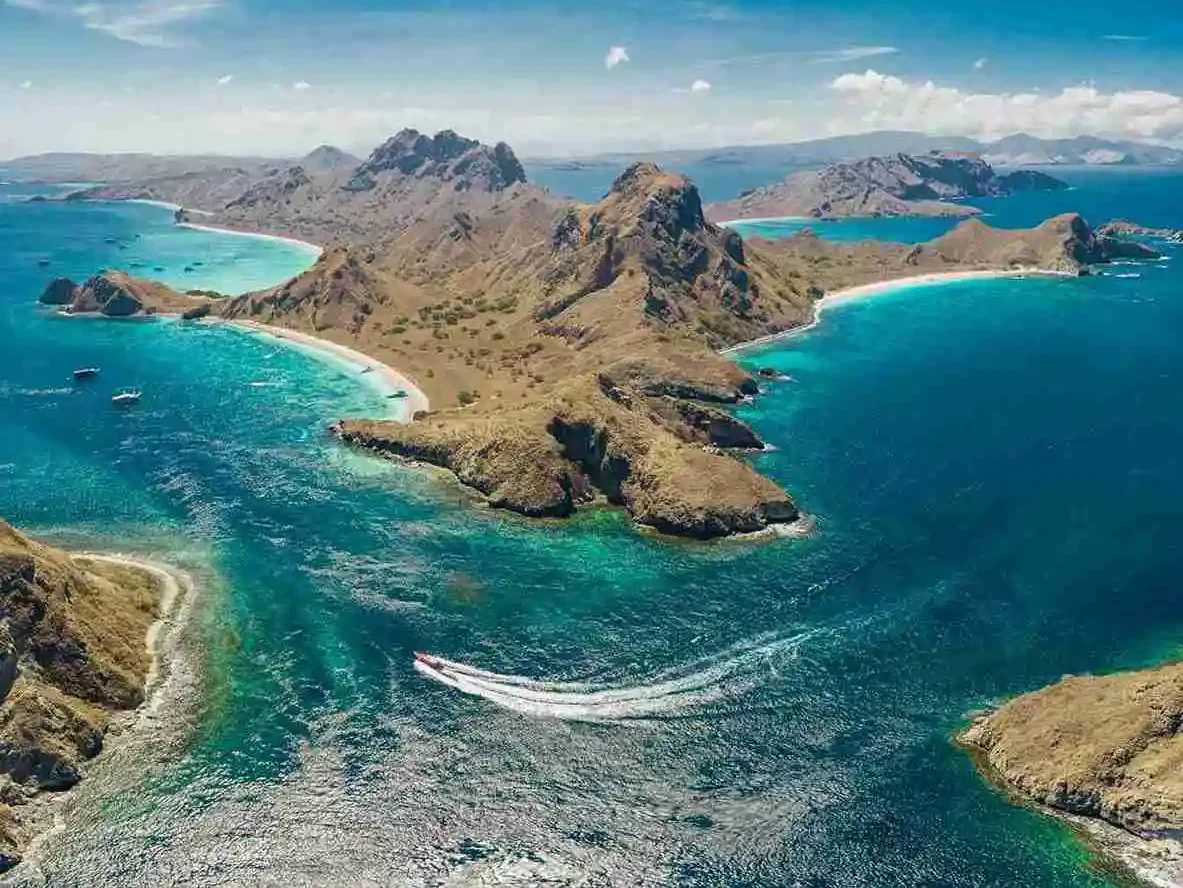
Aerial view of Padar Island’s headlands and turquoise water with a speedboat’s wake crossing the bay

Dry season (roughly April–November, most reliably June–September) gives the classic gold-brown hillside look most photographs of Padar are known for, combined with the clearest morning light and lowest chance of haze from rain. Wet season gives a greener, moodier version of the same view that some photographers specifically seek out precisely because it’s less common in stock photography. Either way, the first hour after sunrise remains the sharpest light window for the viewpoint, regardless of month.

06

Best Time for Families and First-Time Hikers

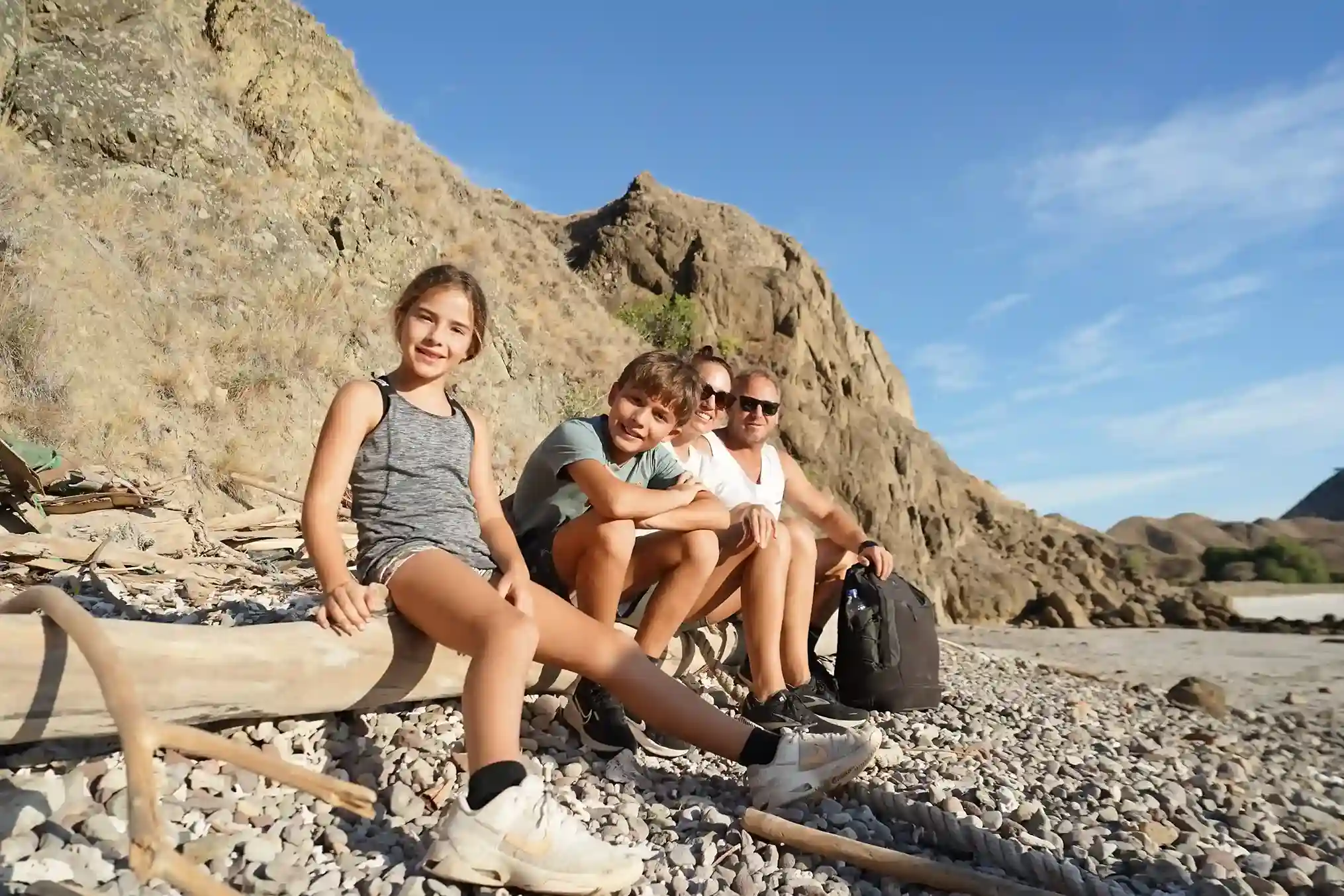
A family sitting on a wooden bench at the foot of a dry hillside

April, May, September, and October combine dry-season reliability with slightly lower crowds and marginally cooler temperatures than the July–August peak, which matters directly on a shade-free staircase. These shoulder months are a reasonable target for anyone hiking with children or anyone concerned about heat tolerance on the climb.

07

Wind, Swell, and Boat Comfort by Season

A phinisi under white sails crossing a bay below golden Komodo hills

The Flores Sea and the strait between Komodo, Rinca, and Padar are affected by two seasonal monsoon patterns: the drier southeast monsoon that dominates roughly April through October, and the wetter northwest monsoon from November through March. For boat comfort — separate from what the viewpoint looks like — the southeast monsoon months generally deliver flatter water and more predictable crossing times, while the northwest monsoon period brings a higher chance of chop and swell that can extend a 2-hour speedboat crossing or, on rougher days, cause a captain or the harbor authority to delay departure altogether. If you get seasick easily, this matters more than photography preferences when picking a month.

08

How Season Affects Price

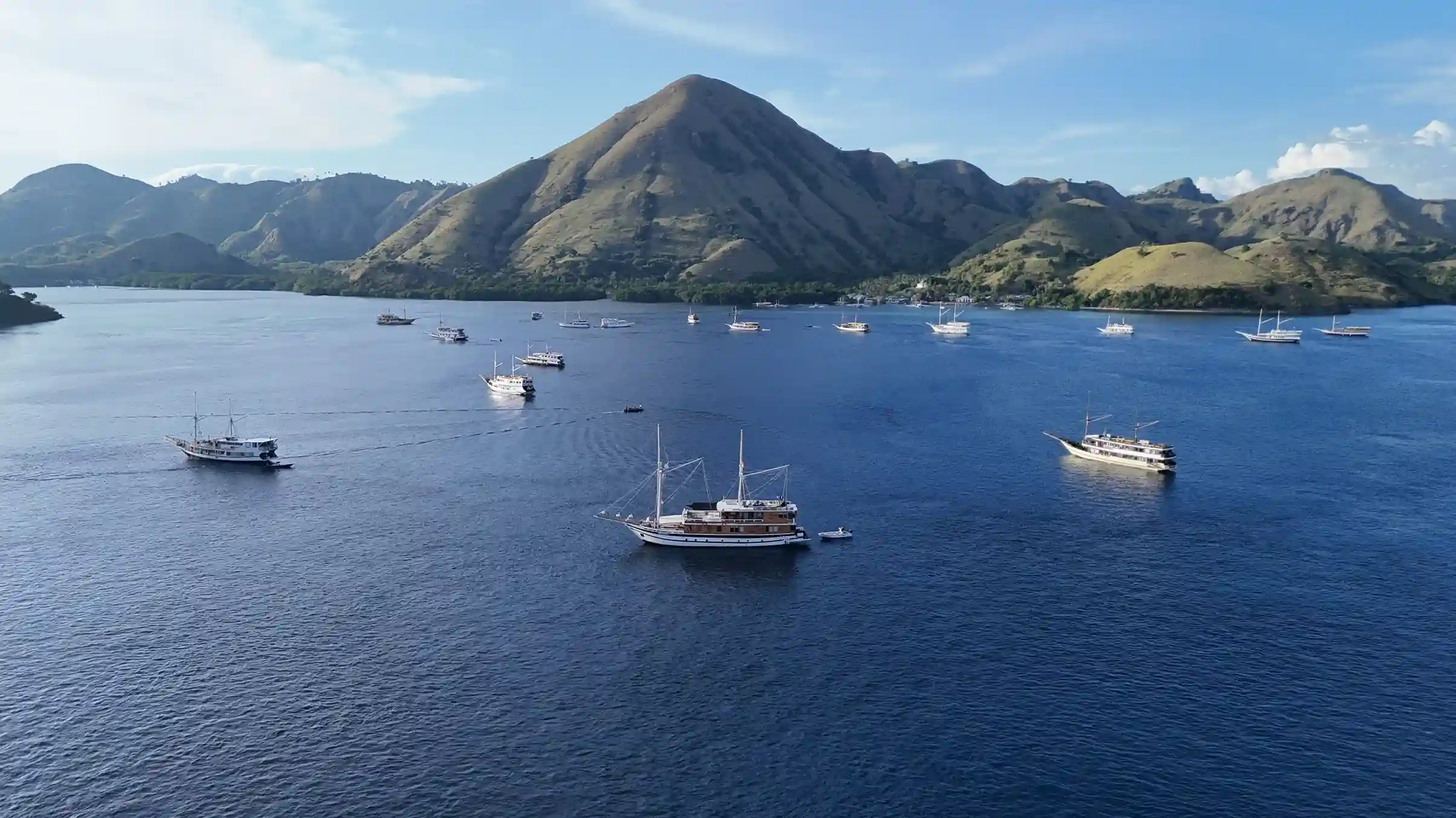
A wide bay with many boats at anchor below a large Komodo island

Boat and tour pricing on Komodo routes tracks demand closely. July, August, and the last two weeks of December are the highest-demand, highest-price windows of the year, driven by Northern Hemisphere summer holidays and the Christmas–New Year period respectively. Shoulder months — April, May, September, and October — tend to offer the best combination of dry-season reliability and more available inventory at less inflated rates. Wet-season months outside the December spike (January, February, March) are typically the lowest-priced window for private charters and liveaboards, since operators have more unbooked capacity. For a full breakdown of what a Padar-inclusive trip costs across these windows, see the Padar Island cost guide.

09

Does Season Change the Permit or Quota Situation?

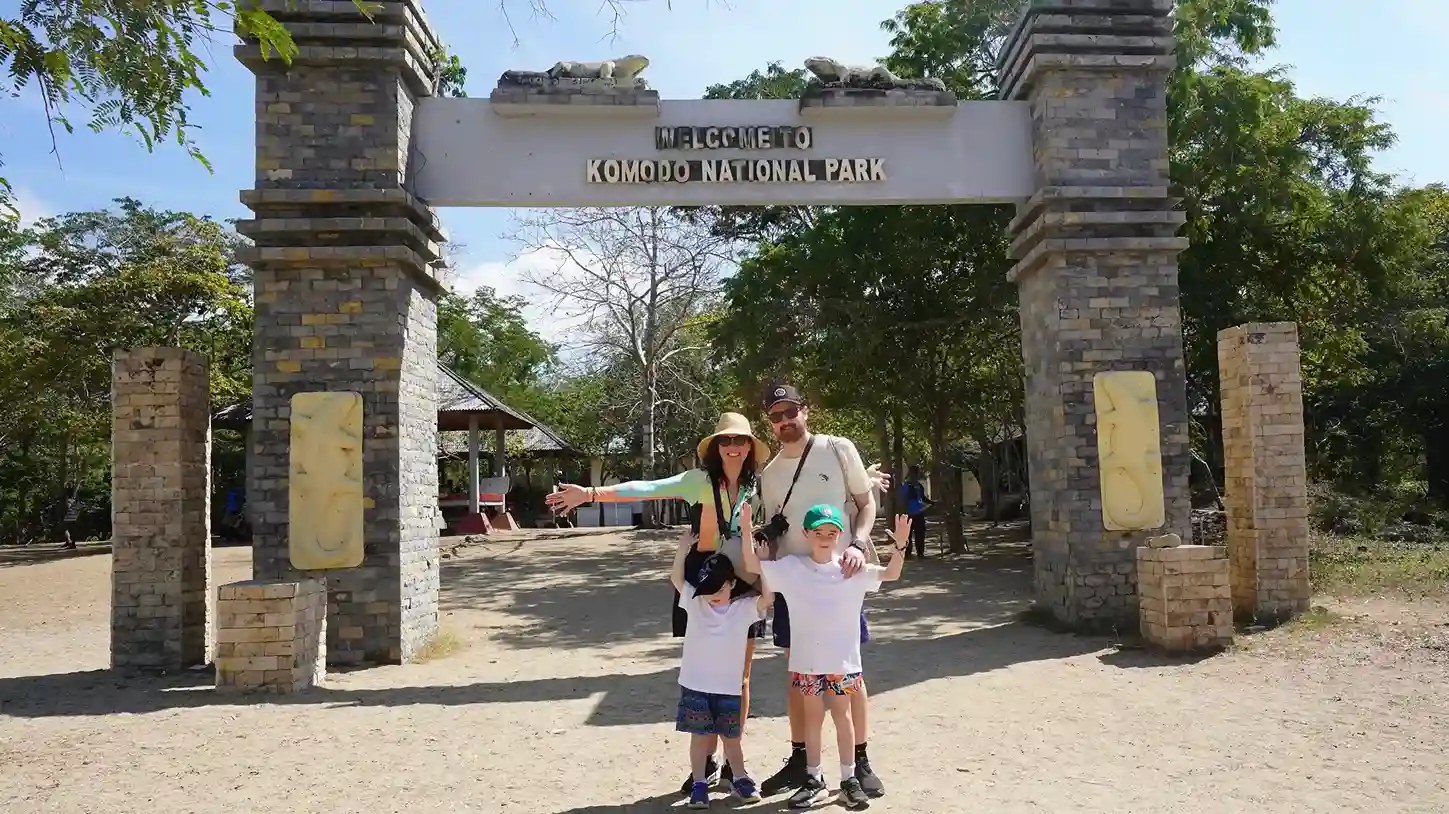
A family standing under the Komodo National Park welcome arch

The park’s reservation system and nominal daily quota apply year-round and don’t relax outside peak season, but in practical terms competition for the limited daily entry sessions is far lower from January to March and in the April–May and September–October shoulders than during the June–September and December peaks. Outside peak months, operators generally have an easier time securing a preferred entry session (especially the early sunrise window) with shorter lead time. The mechanics of how that reservation system works are covered in full on the permit, quota & booking page.

10

Rainfall and Heat: What the Numbers Look Like

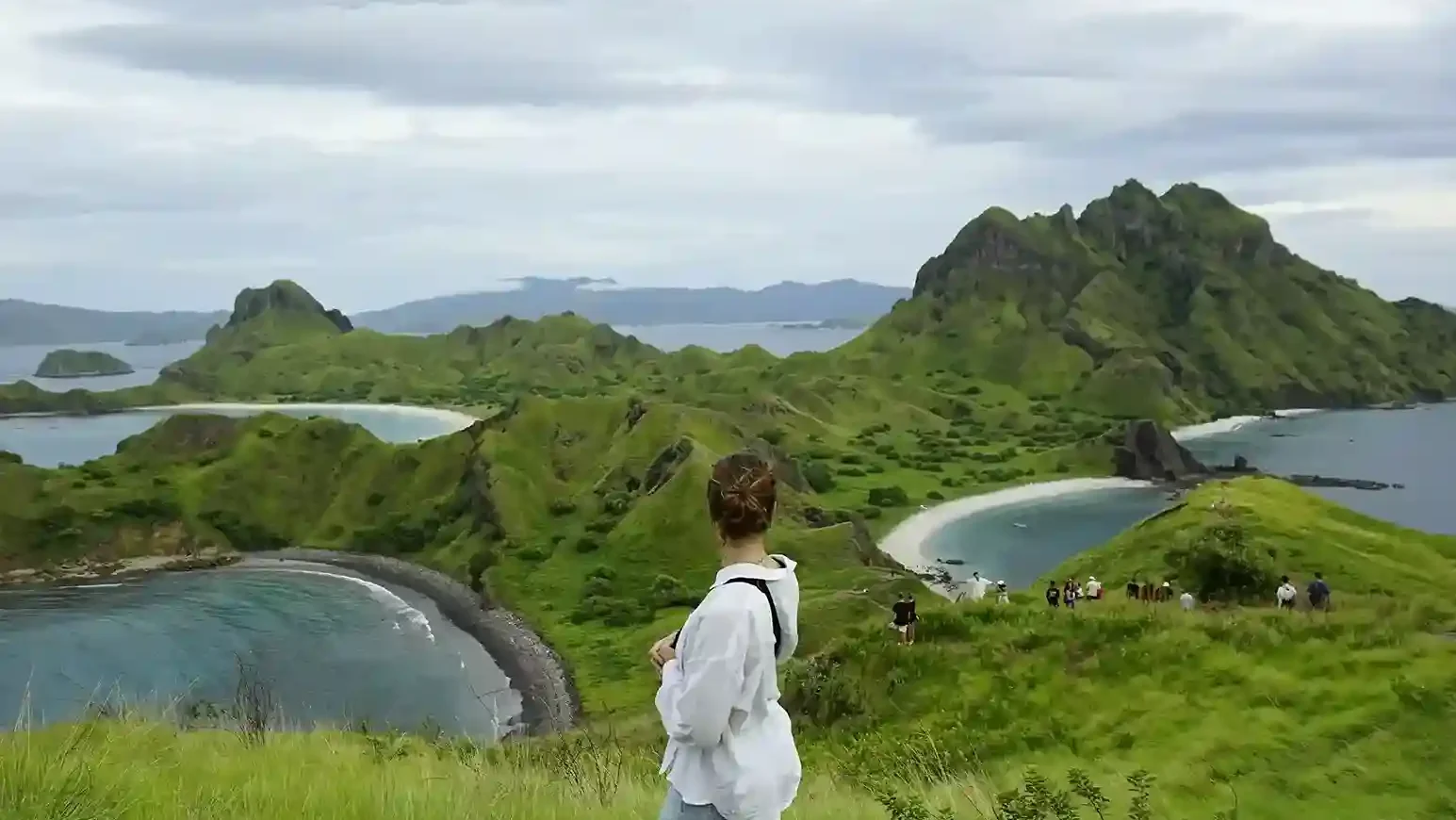
A walker standing on Padar Island’s grass ridge in the green season, looking down on the curved bays

Flores sits in a tropical monsoon climate zone, and the Komodo National Park area — being drier than much of Indonesia — still follows the same broad pattern: a long dry stretch and a shorter, more concentrated wet stretch, rather than rain spread evenly across the year.

11

January, in detail

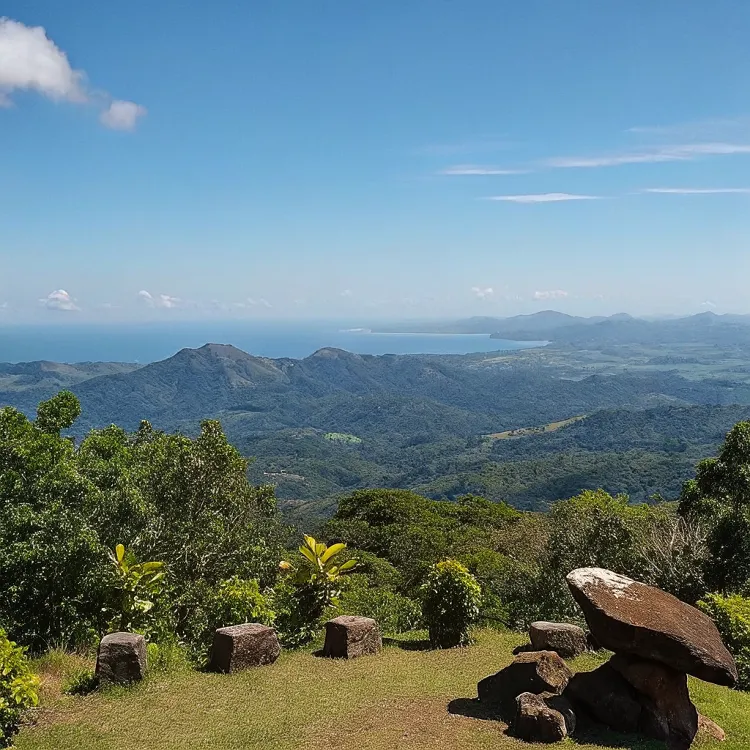
A view across forested hills to the sea on Flores

January is the wettest end of the spectrum: humid, warm and changeable, with showers or thunderstorms possible most days and cloud more common than in the dry season. The slopes turn green and hazy, the air feels heavy, and light shifts constantly as cloud crosses the sun — muting midday colour but softening it at either end of the day. Photographs from January show a greener, mistier version of the classic ridges, still with strong contrast between bays and hills but under softer skies than the razor-blue of high dry season. Clear intervals often open around or after sunrise, which gives shifting light across the three bays rather than one static view.

Seas are the catch: residual swell from wider weather systems can make the straits feel active even under blue sky, slowing crossings, forcing captains to adjust their approach to the jetty and making open-deck seating uncomfortable. If you are prone to motion sickness, January is the month to medicate in advance and sit near the boat’s centre. Dress for heat, sun and passing rain: lightweight quick-drying clothing, a hat, high-SPF sunscreen for when the cloud breaks, and closed shoes or hiking sandals with grip rather than flip-flops.


12

Padar vs. Komodo and Rinca: Does the Best Month Differ?

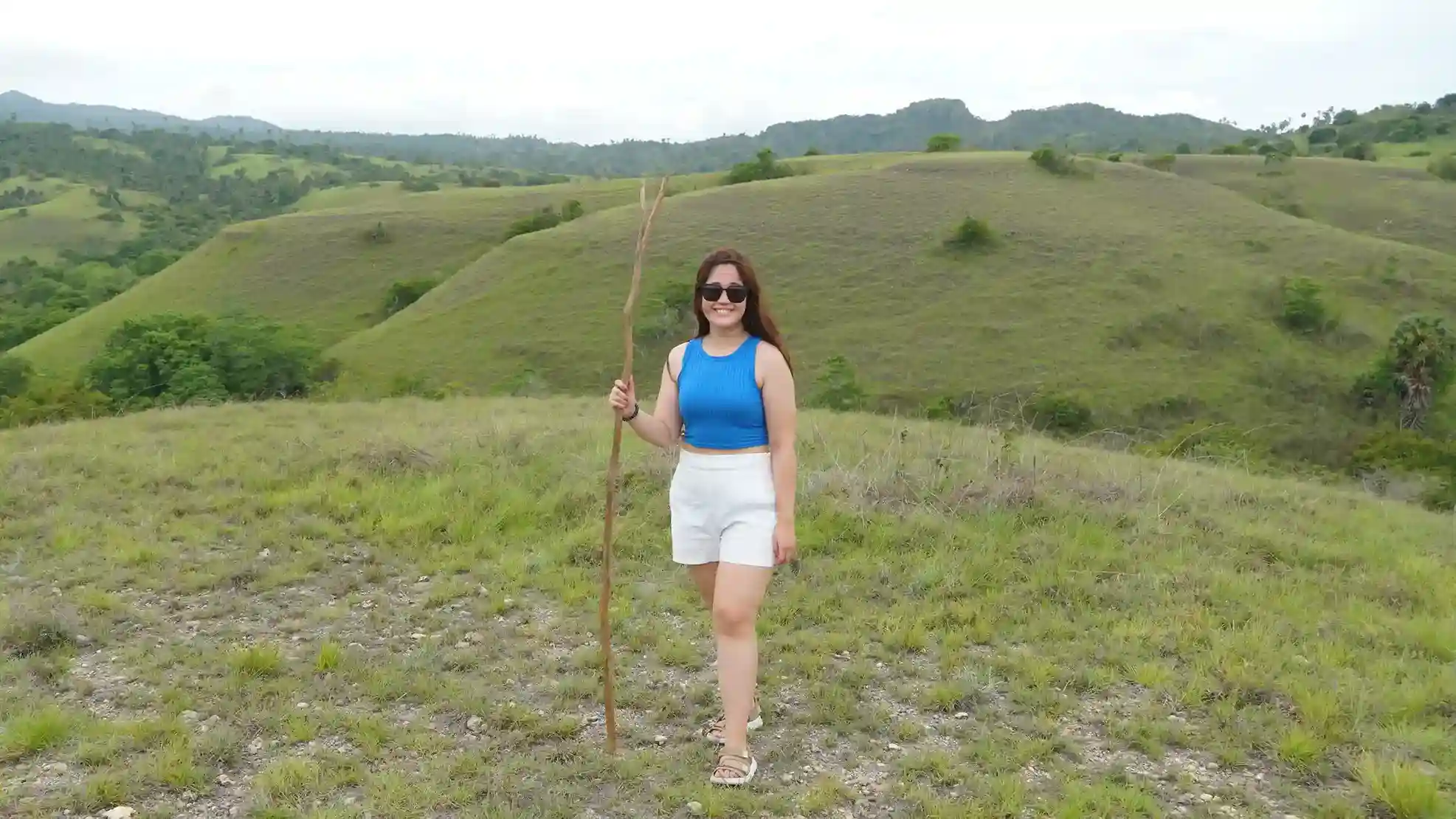
A visitor with a walking stick on Rinca Island’s rolling green hills

Not meaningfully. Padar, Komodo, and Rinca sit close enough together inside the same national park that they share the same monsoon pattern and the same practical dry-season window (April–November). The difference between the islands is what the season affects: on Komodo and Rinca, season mostly changes trekking comfort and vegetation cover where dragons are more visible; on Padar, season more directly changes the hillside color visible from the viewpoint and the difficulty of the shade-free staircase climb. If your itinerary combines Padar with a Komodo or Rinca dragon trek on the same day, the same month recommendation applies to both — there’s no trade-off to weigh between them.

13

What Returning Visitors and Operators Report

A group of travellers photographed together on a viewing deck above a bay

Boat crews and repeat visitors consistently flag three things independent of any single data source: first, that a genuinely calm-water crossing to Padar is most likely, not merely possible, from June through September; second, that the July–August viewpoint can feel crowded enough at peak sunrise (multiple boats arriving in the same 30-minute window) that some travelers now deliberately choose May or October to get a quieter staircase without sacrificing dry-season odds; and third, that a wet-season trip is usually fine if you treat the itinerary as flexible rather than fixed to a single day, since a swell-driven delay of a few hours to a full day is the realistic risk, not a cancelled trip altogether.

14

Crowds: when they happen and what to do about them

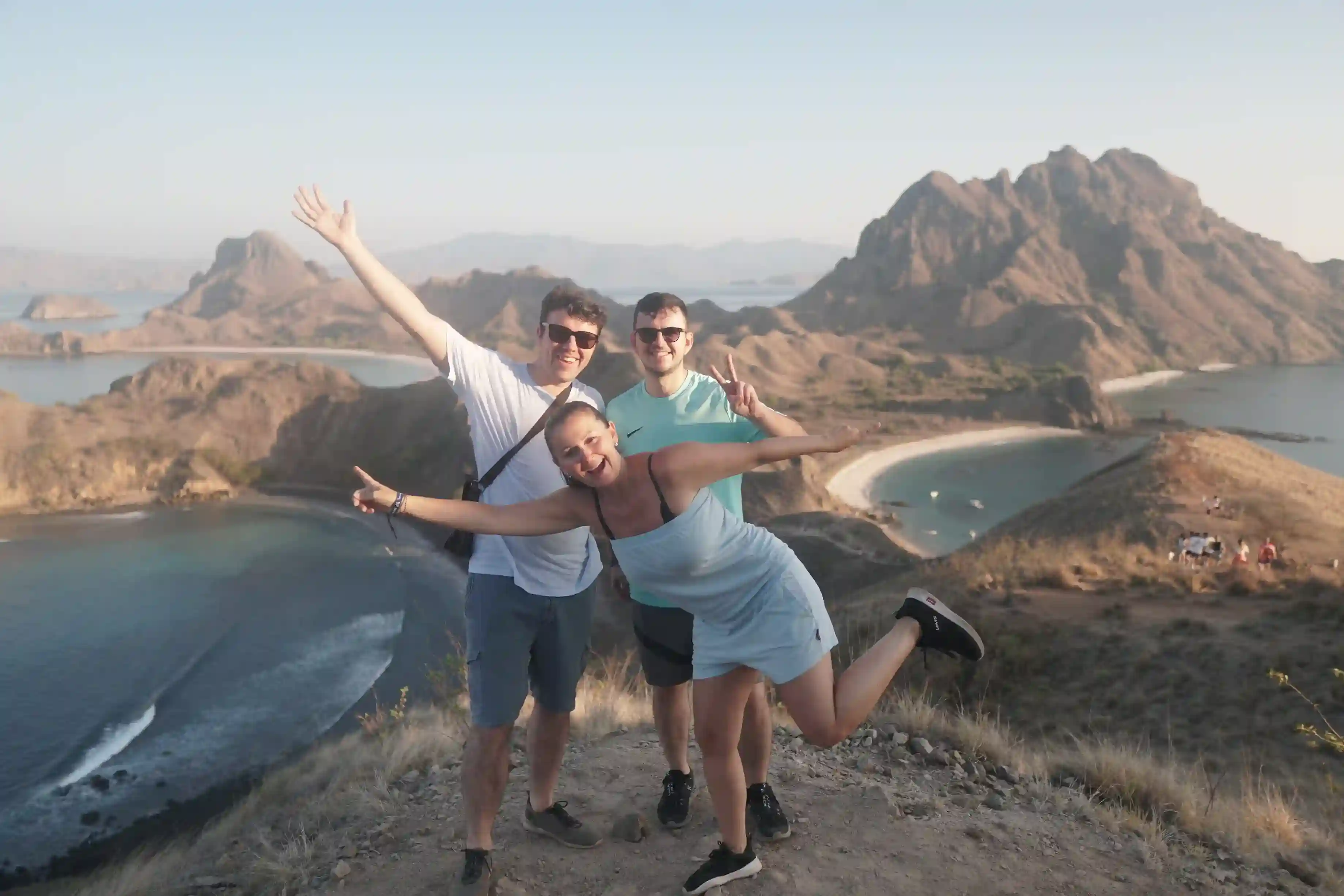
Three friends jumping for a photograph on the dry trail below the Padar Island viewpoint

Peak season in the wider Komodo area clusters around the dry months, particularly June through August, plus the major holidays. Idul Fitri concentrates domestic demand into a short window, tightening the park’s daily quota and putting more Indonesian families on the trail at the cool early hour; Eid and Christmas do the same. In these periods tour inventory shrinks, SiORA slots fill earlier, and the viewpoint feels busy through every session. Securing both permits and boats early helps, and so does being flexible about which day of a long weekend you target, since the busiest outward and return flows are predictable.

15

Why Padar looks different from Komodo

Padar Island’s overlapping ridges above a wide dark-blue bay, seen from the viewpoint

The signature comes from geometry. Padar’s ridges are steep and its three contrasting bays sit much closer together than anything on Komodo, so a single frame holds the whole arrangement. The island is uninhabited, so no villages or working jetties appear in the panorama. Komodo’s scenery is broader and less tightly folded, and photographs there tend to include low-lying savanna rather than Padar’s sharper volcanic spines. That difference is the reason both end up on the same itinerary rather than competing for the same slot.

Answers

Padar Island Best Time to Visit: Quick FAQ

When is the best time to visit Padar Island?

The dry season (April–November) is the best time to visit Padar Island for stable weather and calm seas; the rainy season (December–March) gives greener scenery but a higher risk of trip delays.

What is the driest month to visit Padar Island?

July and August are typically the driest, with the lowest rainfall and calmest seas of the year, but also the busiest.

What month is Padar Island greenest?

January and February, at the height of the wet season, when the savanna hillsides are covered in green grass rather than the dry gold-brown of the dry season.

Is Padar Island good to visit in December?

The first half of December can still work, but it sits at the edge of the wet season — expect a higher chance of rain and rougher seas than the July–October peak, alongside a holiday-period crowd spike.

Is there a bad time to visit Padar Island?

There’s no month where Padar is completely inaccessible, but January–February combines the highest rain probability with the roughest average sea conditions, making it the least predictable window if you only have one fixed day available.

Should I visit Padar Island at sunset instead of sunrise?

Sunset is possible and does happen on some liveaboard itineraries, but it’s far less common than sunrise because it requires staying near Padar into the evening rather than continuing to a second island stop — most day-trip schedules are built around a sunrise climb specifically for that reason.

How far in advance should I book for peak season?

For July, August, or the December holiday weeks, book your boat and confirm your entry session at least 2–4 weeks ahead; for shoulder and wet-season months, 3–7 days is usually enough.

This guide does not operate boats. Bookings are fulfilled by Komodo Luxury, and this site may earn a referral commission.

Ready When You Are

Book Your Padar Island Trip by Season

Whichever month you choose, Padar is booked as part of a Komodo boat trip rather than a standalone ticket. See current Komodo boat trip departures, or the Komodo liveaboard cruises for multi-day options that spread risk across more than one weather day.

This guide does not operate boats. Bookings are fulfilled by Komodo Luxury, and this site may earn a referral commission.