
Short answer: the Komodo National Park entry fee that gets you onto Padar Island is a per-person, per-day ticket priced differently by nationality: IDR 250,000 for foreign visitors (WNA) — a flat per-person, per-day rate, the same on weekdays, Sundays and national holidays — and IDR 50,000 for Indonesian citizens (WNI) on weekdays, or IDR 75,000 on Sundays and national holidays. No verified per-person harbor fee is confirmed by any official source; if your operator itemises a boat-entry charge, it is billed per boat, not per person, and is usually already folded into your trip price. This is the single canonical fee table for padarisland.com — every other page on this site links here rather than repeating its own numbers.
Last updated: August 24, 2026. Figures verified against the official Balai Taman Nasional Komodo PNBP tariff infographic and the text of Government Regulation (PP) No. 36 of 2024 (in force since 30 October 2024), published via peraturan.bpk.go.id. Confirm the exact figure with your boat operator or the park office in Labuan Bajo before departure — see our Padar Island rules and ranger guide for how payment is actually handled on the ground.
The 2026 Komodo National Park entrance fee, in full

Since the SIORA online booking system became mandatory on 1 April 2026, Komodo National Park has charged a standard per-day entry fee rather than the older itemized, per-site tickets. This is the one table on padarisland.com you should treat as the source of truth for park fees:
| Item | Fee | Notes |
|---|---|---|
| Foreign visitors (WNA) | IDR 250,000 flat | Same rate every day including Sundays and national holidays; already includes trekking, wildlife viewing, and snorkeling since 30 Oct 2024 |
| Indonesian citizens (WNI) – weekdays | IDR 50,000 | Monday–Saturday rate |
| Indonesian citizens (WNI) – Sundays & national holidays | IDR 75,000 | Higher rate on Sundays, national holidays, and cuti bersama |
| Indonesian student/school groups (5+ people) | IDR 25,000 (weekday) / IDR 37,500 (Sunday & holiday) | Domestic student groups only, minimum group size 5 |
| “Harbor fee” (per person) | Not officially verified | No PNBP schedule, PP 36/2024 text, or park-authority document confirms a per-person harbor charge |
| Vessel/vehicle entry ticket (per boat, per day) | IDR 100,000–IDR 50,000,000 depending on boat size | Billed to the boat operator, not per passenger; normally already included in your trip price |
| Ranger/guide fee | IDR 150,000 per group | Usually split among the group or already folded into your tour package |
| Diving fee (if applicable) | IDR 25,000 per day | Only charged if your itinerary includes a dive stop |
| Drone use (SIMAKSI commercial permit) | approximately IDR 2,000,000 per day | Filming/commercial drone authorization, applied for at least 7 days ahead through the BTNK office |
These are park-side fees only, separate from what you pay your boat/tour operator for the vessel, crew, fuel, and any meals — see our Padar Island cost breakdown for how the two combine into a total trip price.
Total practical park-fee cost, layered (per August 2026): add the IDR 250,000 PNBP entrance fee to the IDR 150,000 ranger/guide fee (split across a group of 1–5) and the conservation, dock, and insurance components bundled invisibly into the SIORA ticket, and a foreign visitor’s practical park-fee cost for a one-day Padar visit typically lands around IDR 400,000–525,000 per person — not the bare IDR 250,000 PNBP figure alone. The exact total still depends on group size and what your boat operator’s package already folds in. Official PNBP schedule: tnkomodo.ksdae.kehutanan.go.id (live page returning HTTP 502 as of August 2026 — archived copy, 11 February 2026).
Padar Island entrance fee for foreigners vs. Indonesian citizens
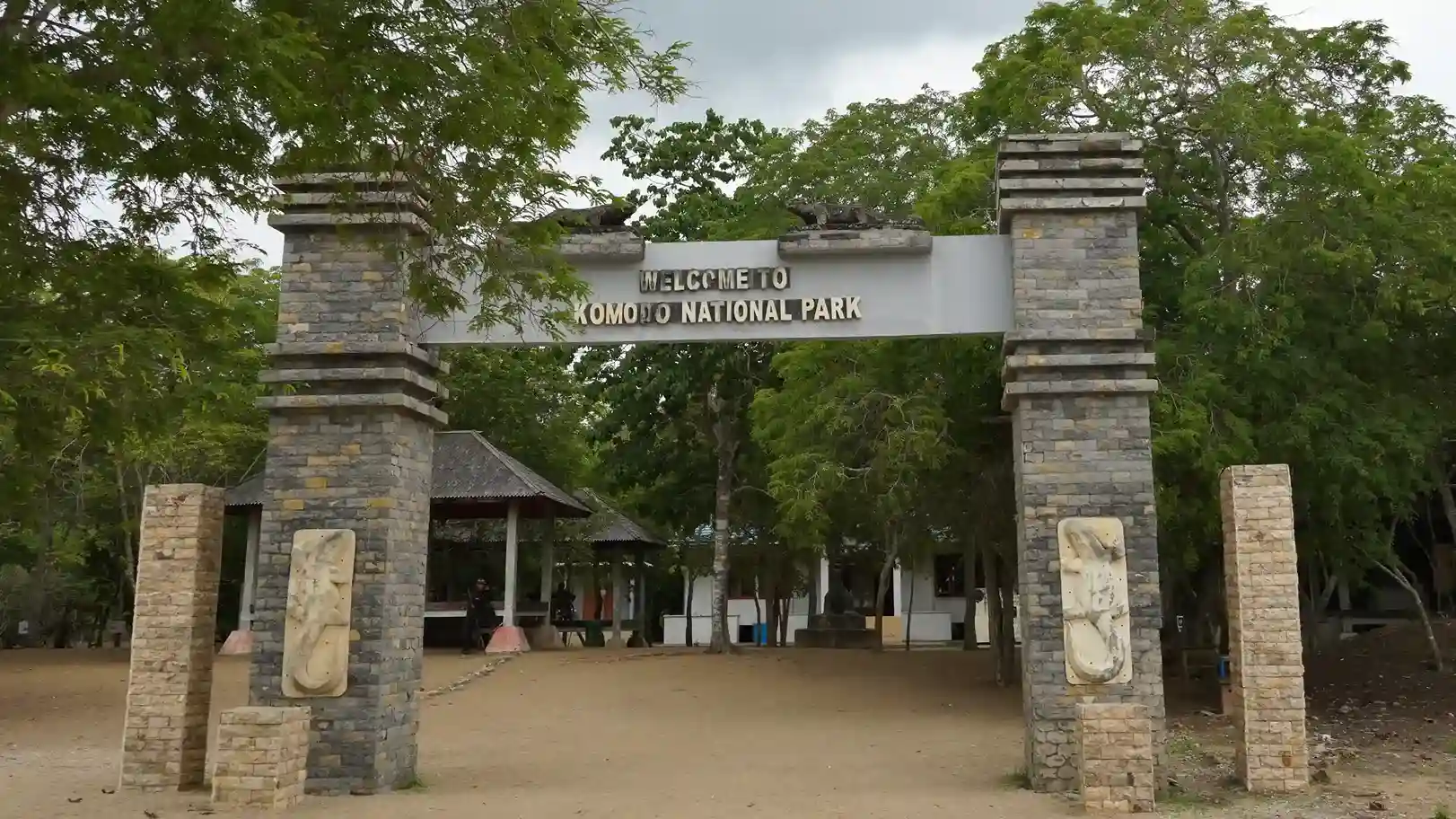
The fee is not the same for everyone: foreign visitors (WNA) pay a flat IDR 250,000 per day, while Indonesian citizens (WNI) pay IDR 50,000 on weekdays or IDR 75,000 on Sundays and national holidays. Indonesian student/school groups of 5 or more pay even less (IDR 25,000–37,500). There is no separate child or senior rate outside the student-group discount; the WNA/WNI split by nationality is the main pricing distinction. If you’re traveling on an Indonesian ID, confirm with your operator that the domestic rate is being applied — some package quotes default to the foreign rate unless you flag your citizenship.
Is there a different price for weekdays vs. weekends?
For foreign visitors (WNA), no — the IDR 250,000 rate is flat every day, including Sundays and national holidays. For Indonesian citizens (WNI), yes: the official PNBP schedule sets a lower Monday–Saturday rate (IDR 50,000) and a higher Sunday/national-holiday rate (IDR 75,000). What also changes with the day, for every nationality, is availability rather than the WNA price: a 05:00–08:00 sunrise session fills first and is where booking pressure is highest, not because it costs more, but because there are fewer seats in that session.
Padar Island trekking and ranger fee

Every visitor hiking to the Padar viewpoint climbs with a park ranger — this isn’t optional, and it isn’t a tip. The ranger/guide fee runs roughly IDR 150,000 per group and is typically split among the group or already bundled into your tour operator’s package price. If a ranger or boat crew asks for a separate cash “ranger fee” on top of a package you already paid in full, ask for a receipt breakdown before handing over more cash.
Padar Island entrance quota and permit system
Since 1 April 2026, Komodo National Park as a whole (not Padar Island alone) has been capped at 1,000 visitors per day, split into three timed sessions — 05:00–08:00, 08:00–11:00, and 15:00–18:00 WITA — though the park does not publish a per-session figure — 1,000 divided across three sessions implies roughly 330 each. Under the system in force since 1 April 2026 there is no separate Padar-only daily quota, and the pre-2026 figure of 400 visitors per day for Resort Padar Selatan was superseded by that park-wide cap. Bookings run through the park’s SIORA reservation system, and walk-up entry without a pre-booked slot is no longer accepted. This means your entrance fee only secures your visit if it’s tied to a confirmed reservation — paying at the pier with no prior booking can mean being turned away even with cash in hand during peak season. Most travelers never touch SIORA directly; a Komodo boat trip booked through an established Labuan Bajo operator handles the quota reservation as part of the package. Full regulatory detail: our permit & quota guide.
Where and how do you actually pay?

In practice, almost no independent traveler pays BTNK directly at a park counter for a Padar-only visit. Fees are collected by your boat operator before departure (bundled into your tour price) or by rangers at the point of entry using operator-provided manifests. Carry small-denomination rupiah in cash regardless — card and digital payment infrastructure at the park entry points is inconsistent, and a stalled queue over exact change is a common friction point on morning departures.
Is the “Komodo National Park entrance fee” the same as the “Padar Island entrance fee”?
Functionally, yes, for almost every visitor. Padar Island sits inside Komodo National Park’s boundary, and there is no separate gate or standalone ticket sold specifically for Padar the way you might buy a single-attraction ticket elsewhere. What you’re actually paying is the park’s per-day entrance fee, and Padar is one of the areas that fee unlocks within your booked session.
What happens if the fee changes after I’ve already booked?

Most Labuan Bajo operators quote and lock a package price at the time of booking, absorbing small fee adjustments themselves rather than passing them to travelers who booked months earlier — but this is operator policy, not a park guarantee, and it varies. If BTNK announces a fee increase between your booking date and your travel date, ask your operator in writing whether the quoted price is fixed or subject to a park-fee surcharge. This is a fair question to ask before paying a deposit, not an awkward one; established operators answer it without hesitation.
For how we compile and update the figures on this page, see our research methodology and editorial standards.
Frequently asked questions
How much is the Padar Island entrance fee in 2026?
IDR 250,000 per day (flat, every day) for foreign visitors, and IDR 50,000 (weekdays) or IDR 75,000 (Sundays/national holidays) per day for Indonesian citizens. No verified per-person harbor fee applies. This is the official PNBP rate under PP No. 36/2024, current as of August 2026 — always verify with your operator before paying.
Is the Padar Island ticket price different for foreigners and Indonesian citizens?
Yes. Foreign visitors (WNA) pay a flat IDR 250,000 per day; Indonesian citizens (WNI) pay IDR 50,000 on weekdays or IDR 75,000 on Sundays and national holidays. There is no separate child or senior rate — the WNA/WNI distinction (plus a discount for domestic student groups of 5+) is what applies.
Does the entrance fee include the trekking or ranger fee?
No, the ranger/guide fee (roughly IDR 150,000 per group) is charged separately from the entrance ticket, though most tour packages fold it into the quoted price. Ask your operator to confirm what’s included.
Do I need a separate permit to fly a drone on Padar Island?
For commercial or professional drone use, yes — a SIMAKSI permit (roughly IDR 2,000,000/day, applied for at least 7 days in advance) is required. Personal, non-commercial drone flying is tolerated at Padar in practice, but rangers can and do ask visitors to show proof of authorization before allowing a launch, and altitude is capped at 120m under Indonesian aviation rules.
Can I just show up and pay at Padar Island?
No. Entry is tied to a pre-booked SIORA reservation session, and the park does not publish a per-session figure for each of the three daily sessions; 1,000 divided across three implies roughly 330 each, out of Komodo National Park’s park-wide 1,000-per-day cap (not a Padar-only allocation). Walk-up entry without a confirmed booking is routinely refused, especially in high season.
Does the entrance fee cover snorkeling near Padar Island too?
Not automatically — a diving-specific fee of roughly IDR 25,000/day applies if your itinerary includes a dive or snorkel stop. Confirm with your operator whether it’s already included in your package. See our guide to snorkeling stops near Padar Island for where that typically happens on a standard route.
Planning the logistics around a specific number rather than a range? A Komodo boat trip booked with an established Labuan Bajo operator bundles the park ticket, ranger fee, and boat transfer into one quoted price and handles the SIORA quota reservation on your behalf — useful if you’d rather not track fee components yourself. For a shorter day-only visit, compare it against a dedicated Komodo boat tour or the one-day Komodo sailing package; for a fully private group, a chartered option through boat charter or a trip arranged directly from Bali folds the same fees into a single line item.
Before you go, read how the ranger accompaniment and payment actually work on the trail in our Padar Island rules, rangers and safety guide, and if you’re building a longer route, see the 5-day Padar Island and Komodo itinerary for how these fees stack across a multi-day trip.
One nationally regulated ticket, three visitor categories
The Padar entrance fee is simply the Komodo National Park daily PNBP ticket — Indonesia’s non-tax state revenue charge, set under PP No. 36 Tahun 2024. It is charged per person per calendar day, not per landing, and it is identical whether you visit Padar alone or as one stop on a multi-island route. There is no Padar-only surcharge. If you land on Padar and another island on the same date, you still hold one ticket; if you come back the next day, you buy another, because there is currently no multi-day pass.
The tariff defines three categories. Foreign visitors pay a single flat rate per person per day, with no higher Sunday or public-holiday price. Indonesian citizens pay a lower rate with two bands — one for weekdays, a higher one for Sundays and national holidays. Indonesian students visiting in qualifying groups of five or more have their own discounted bracket. Those are the only official distinctions in the regulation.
Everything else people expect to find is absent. There is no published child tariff, so children are generally charged the same rate as adults of their nationality; a tour operator may reduce a package price for a young child, but a full-value park ticket still has to be bought, so ask explicitly how a child’s cost splits between the ticket and the operator’s own margin. There is no senior category either — any senior discount advertised is a commercial promotion, not a reduction in the government fee. And there is no group discount on the ticket itself, since it is per person. Where groups genuinely save is on the shared services around it: the ranger fee is charged per group, and boat hire falls per head as numbers rise. Foreign students pay the standard adult rate; if an agent advertises a student ticket for foreigners, treat that as a cheaper package seat and ask in writing that the full government entrance fee is covered in the quoted price.
For an Indonesian school excursion, the institution normally works through a licensed operator who handles the SiORA reservations, ranger allocation and boat logistics. Supervising teachers and other accompanying adults pay the standard citizen rate rather than the student tariff.
What the ticket does not cover
The PNBP fee funds park management and conservation. It does not pay for a ranger, a boat, or any private service. The ranger escort required for the Padar trail is billed separately on a per-group basis — many packages fold it into a single price so you never handle cash for it, but if you are chartering privately, confirm in advance whether the quote includes it.
Snorkelling is a similar case. The park ticket covers your presence in the park, on land and in the water, but not gear hire or guiding, so any snorkel stop around Padar or elsewhere is part of your tour arrangement. Diving adds a small extra daily PNBP charge on top of the standard ticket. Professional shoots and commercial drone work need authorisation beyond the entrance fee — drones through a SIMAKSI permit with its own daily charge and advance application, and larger productions should plan for crew lists, additional paperwork and possible ranger accompaniment.
Vessel fees are charged per boat to your operator and may appear on your invoice, sometimes loosely labelled as harbour tax. They are genuinely separate from the park ticket. A per-person harbour fee on top of the official PNBP tariff is not confirmed by any official source, so if one appears on a quote, ask which line is the actual government component. The same applies to any vaguely described compulsory foreigner surcharge: the foreign rate is simply higher than the domestic one, and there is no additional formal charge beyond it. What foreign visitors often feel as an extra is the fact that they usually join organised tours bundling more services rather than travelling on local-style boats.
For a typical foreign visitor, then, the daily cost is the PNBP ticket, a share of the per-group ranger fee, and the boat. Conservation, jetty use and basic insurance are already inside the official ticket rather than itemised, which is why an invoice with several “park-related” lines deserves a question about which one is the government charge.
Session times, sunrise and paying
Since SiORA reservations are mandatory, there is no walk-up ticket counter with posted opening hours. Validity follows your booked session — early morning, mid-morning or afternoon — and if an operator is handling it, they typically issue tickets the day before, so finalise plans at least one working day ahead.
Sunrise carries no premium from the park. A dawn hike uses the same ticket as any other session; what makes it different is that the early SiORA slot is the most sought-after and the first to sell out. Operators may charge more for a sunrise tour to reflect the very early departure and tighter schedule, but the government ticket is unchanged. Sunset works the same way: your reservation names an afternoon window, and from the park’s perspective it is an ordinary daily entry.
Payment is normally handled by your operator, who buys the PNBP tickets and ranger services on your behalf through SiORA, usually by card or transfer at the booking stage. Independent visitors on their own charter should confirm whether the captain pays and invoices, or whether they need to present proof of payment themselves. On the ground, crews, smaller brokers and on-the-day extras still lean heavily on cash, and mobile coverage around the harbour and islands is patchy enough that any last-minute adjustment will be a cash one. Treat card facilities as a convenience rather than a guarantee and carry enough small-denomination rupiah to cover ranger fees or an unforeseen local charge.
For the authoritative rate, the source is the PNBP tariff under PP No. 36 Tahun 2024, cross-checked against the SiORA platform and recent park management information. Use operator websites only as a secondary reference — some still display superseded proposal figures. Specifically: proposals for a Rp3,750,000 annual conservation pass and a Rp700,000 daily ticket were never implemented and have been officially cancelled. The tariff in force is the one set in PP No. 36 Tahun 2024, and the noticeable cost changes visitors experience between years come from boats and tours rather than from the park. For any future change, rely on park announcements and the updated regulation rather than headlines.
Holidays and crowding
The park stays open on Indonesian public holidays and the foreign tariff is unchanged; Indonesian citizens pay the higher Sunday and holiday rate set in the regulation. What does change is pressure. Domestic peak periods fill boats, drain SiORA slots faster and make the dock and the staircase noticeably busier, particularly at sunrise and sunset. Around major religious and national holidays, pre-book both the tour and the session well ahead, and if you want quieter conditions, target weekdays outside long weekends.
School breaks have the same effect across the whole park rather than only on Padar, which is what makes multi-stop itineraries feel rushed at those times: boats juggle time slots on different islands and rangers work harder to keep groups moving along the trail. Build buffer into the schedule, book early, and be prepared to accept a mid-morning or late-afternoon session instead of your first choice.
Easter is not Indonesia’s largest domestic peak, but it draws a moderate rise in foreign and regional visitors tying trips to long weekends, which means fuller shared boats and fewer last-minute spaces. Secure the SiORA slot and the Labuan Bajo accommodation before you commit to onward flights.
One weather note tied to the calendar: several Indonesian national holidays fall in the wetter months, when seas are rougher and sudden showers cut visibility from the ridge. Captains adjust departure times or skip marginal days entirely, so leave flexibility in the itinerary and favour morning sessions, which usually have the calmer winds.
Versi Bahasa Indonesia dari halaman tarif ini: Tiket, Biaya dan Transportasi Pulau Padar.
This guide does not operate boats. Bookings are fulfilled by Komodo Luxury, and this site may earn a referral commission.
Padar Island trip cost calculator
Set your group and your boat, and the calculator adds up the park charges that are actually published as tariffs. Park fees are shown in rupiah and boat prices in US dollars, exactly as the operators quote them — nothing here is converted between currencies.
Sources on this site: Entrance fee & park tickets · Full trip budget · Boat trip & charter options · Permit, quota & SIORA booking. The park ticket is the PNBP tariff set by PP No. 36/2024, in force since 30 October 2024. Boat prices are the published starting prices for each category and vary by vessel, season and inclusions.
Ask Komodo Luxury for a quote on WhatsApp