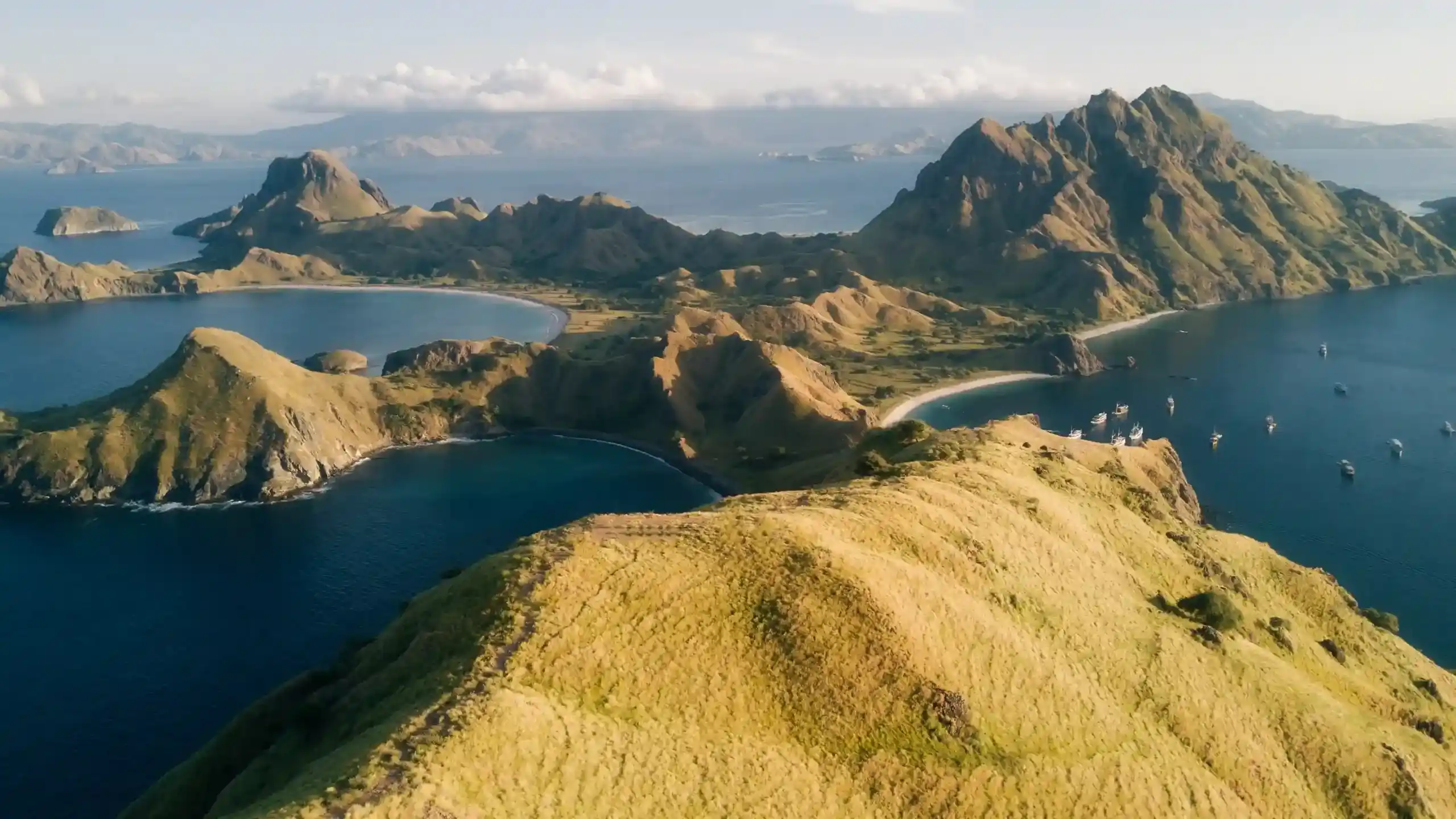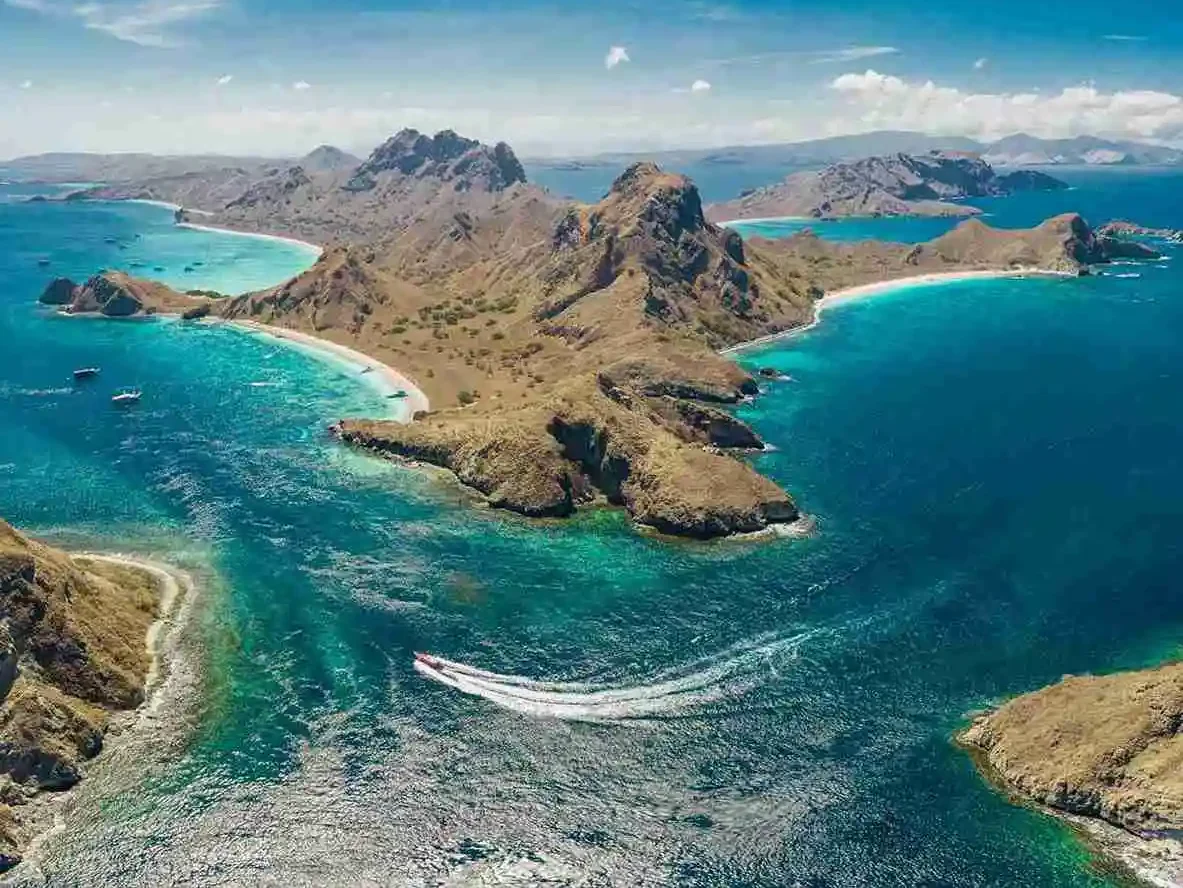

Padar Island's volcanic ridgelines and savanna hills with hikers on the summit trail, seen from the rocky viewpoint at the top
Photo: Rashel O on Unsplash.

Padar Island Wildlife & Conservation

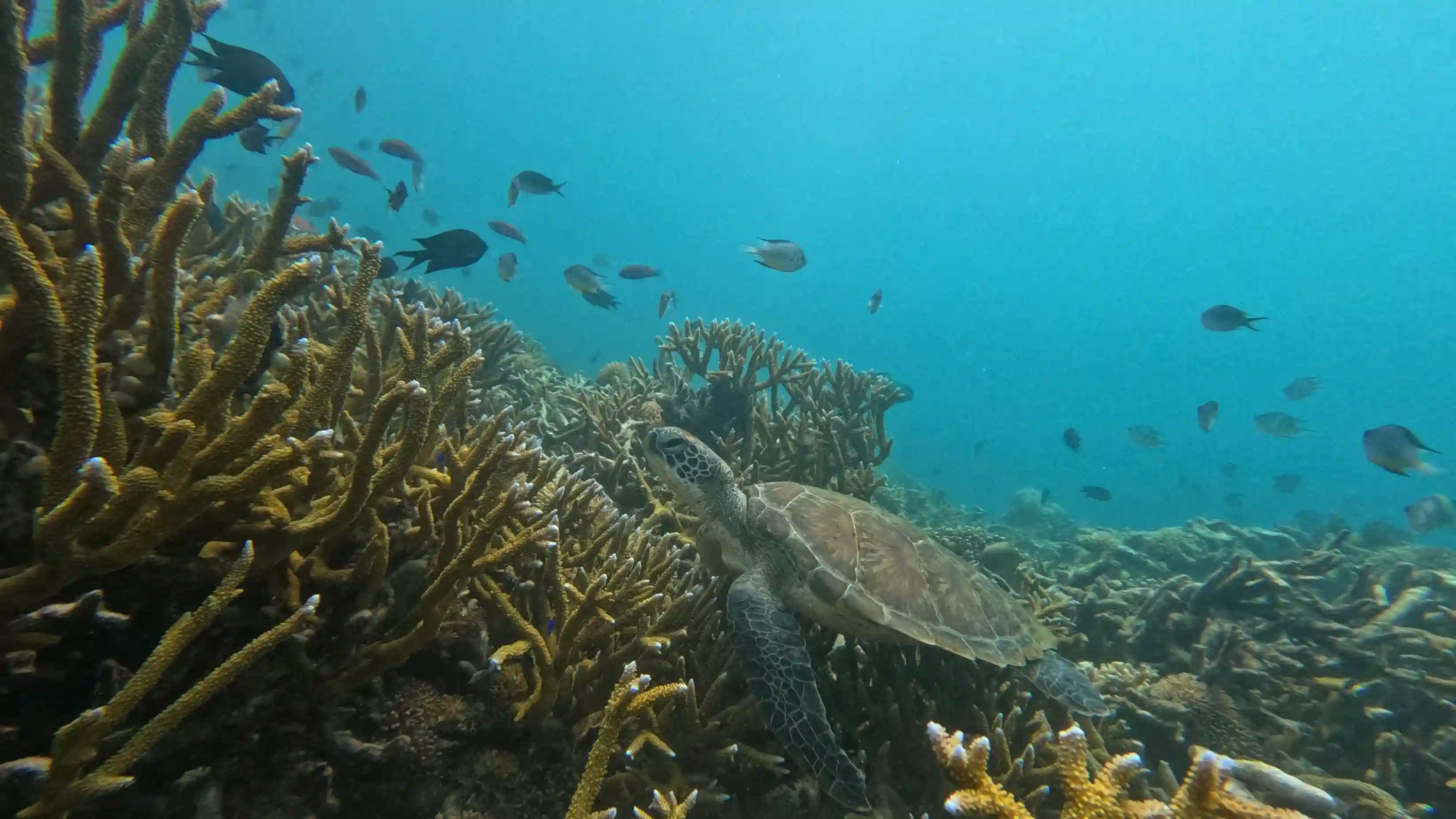
Komodo dragons are technically present on Padar Island but are rarely seen by visitors — a 2004 survey counted roughly a dozen individuals, against far larger, more visible populations on nearby Komodo and Rinca Islands. What Padar reliably offers instead is a stark savanna ecosystem: Timor deer, reptiles including pythons and the endemic white-lipped pit viper, and seabirds along a nearly forest-free volcanic ridge.

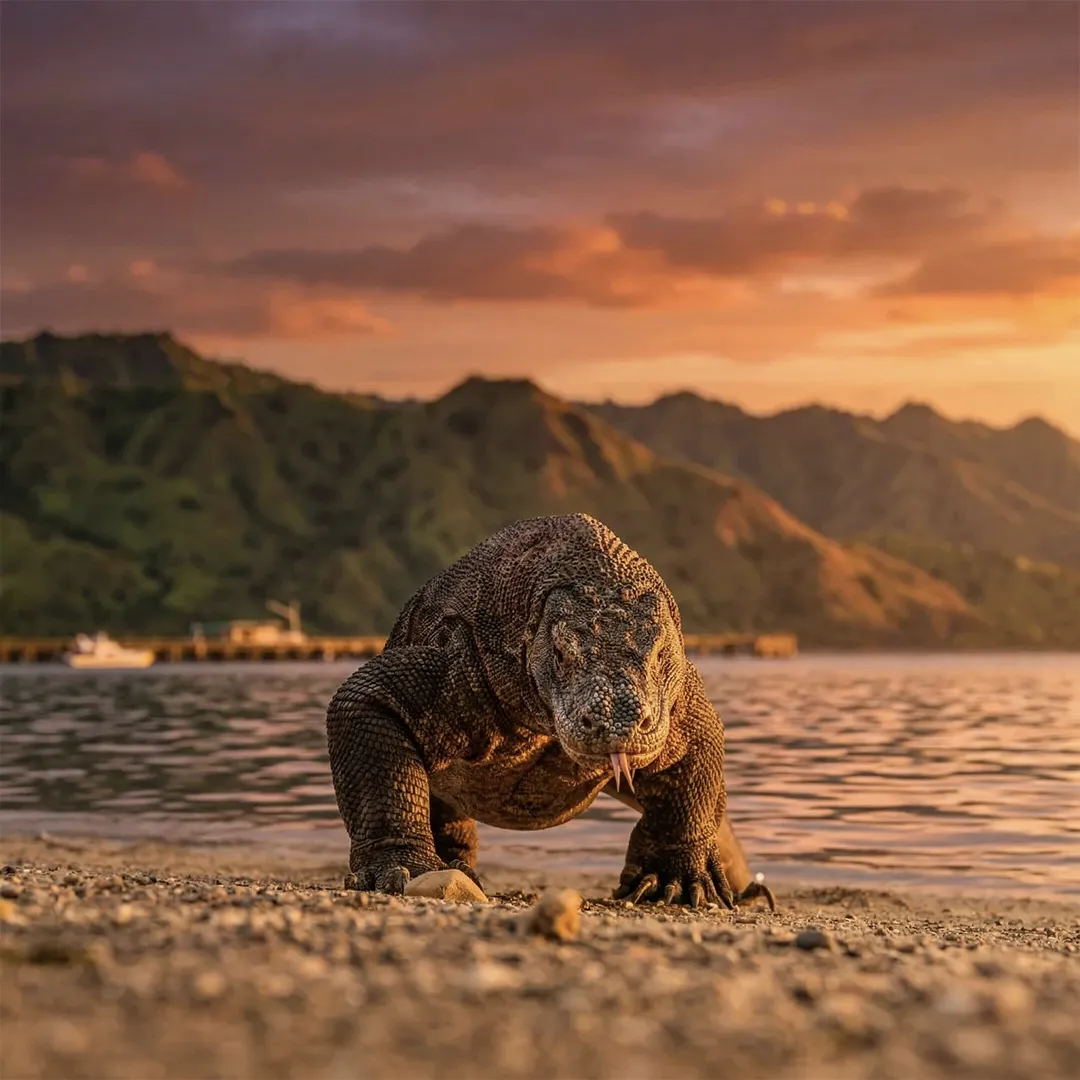
A Komodo dragon in its natural habitat within Komodo National Park (not a claim of a specific location)
A Komodo dragon — a small, rarely-seen population on Padar compared with Komodo/Rinca. Photo: Thomas Gabernig/Unsplash.

Are there Komodo dragons on Padar Island?

Yes, but the honest answer most tour operators avoid giving is: not in numbers you should plan a trip around. Komodo dragons were once thought locally extinct on Padar. In 2004, a survey by the Komodo Survival Program recorded at least a dozen individuals, including one hatchling — evidence of a small, persisting population rather than a thriving one. Tourists hiking the summit trail essentially never encounter one; the dragons that remain keep to lower, less-trafficked terrain away from the boardwalk.

This matters because it directly contradicts a common assumption built from the name “Komodo National Park.” If seeing a Komodo dragon is a priority for your trip, plan your dragon viewing at Komodo Island or Rinca Island, both of which host ranger-guided treks specifically because their forest and water-source habitat supports much larger, more visible populations. Padar is worth visiting for its viewpoint and beaches — not as a dragon-spotting stop. Most multi-day itineraries handle this correctly by pairing a Padar sunrise with a separate Rinca or Komodo dragon trek on a different day; see the itinerary guide for how that split typically works.

Why are Komodo dragons so much rarer on Padar than on Komodo or Rinca?
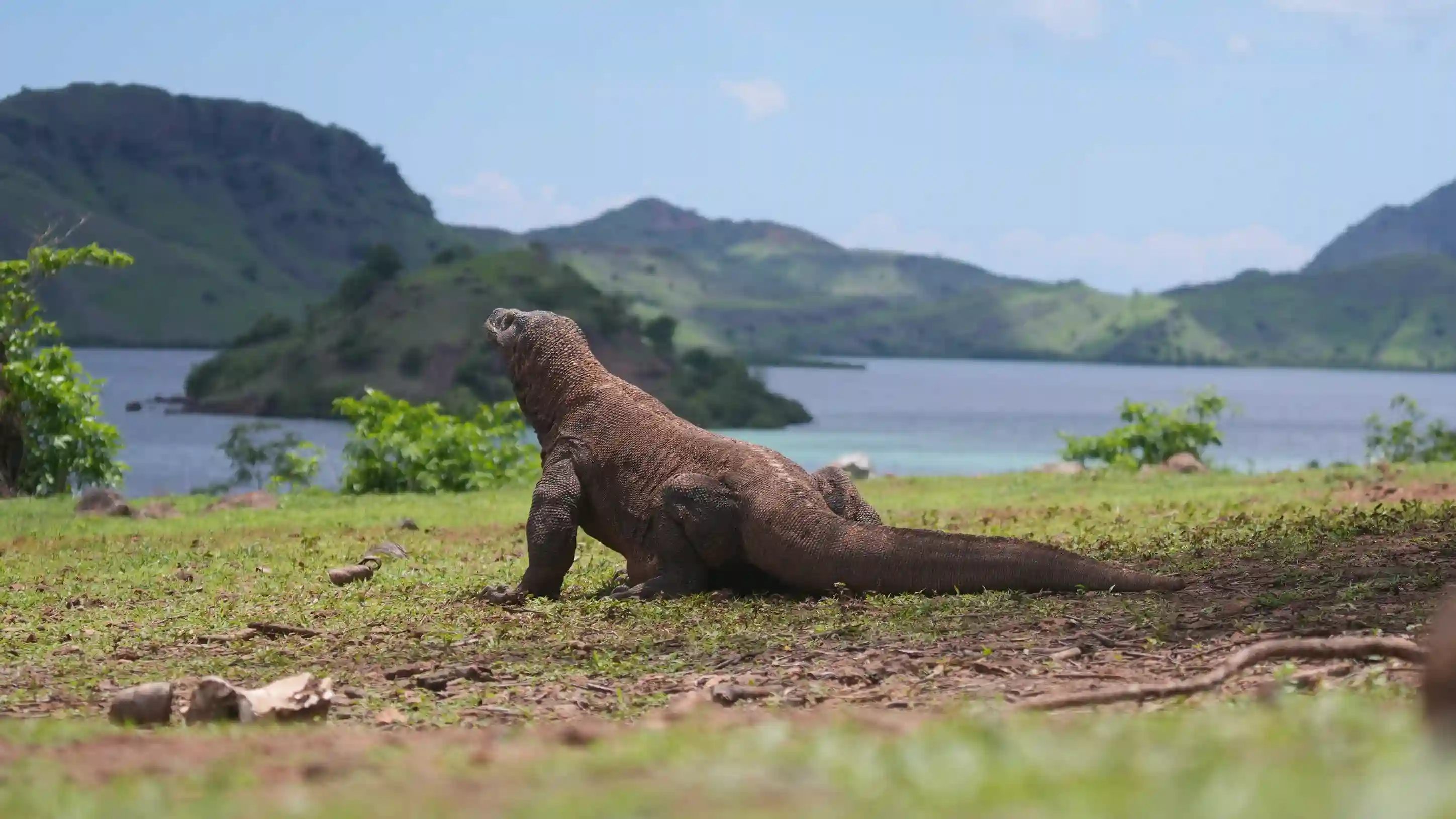
The likely explanation is habitat, not distance — Padar sits between the two larger islands, close enough that dragons could plausibly move between them. Padar’s Timor deer population, historically the dragons’ main prey base, has not been reliably recorded in significant numbers in recent decades, and the island lacks the forest cover and permanent water sources that Komodo and Rinca provide. Without a stable prey base and water, a large resident dragon population has little reason to persist there.
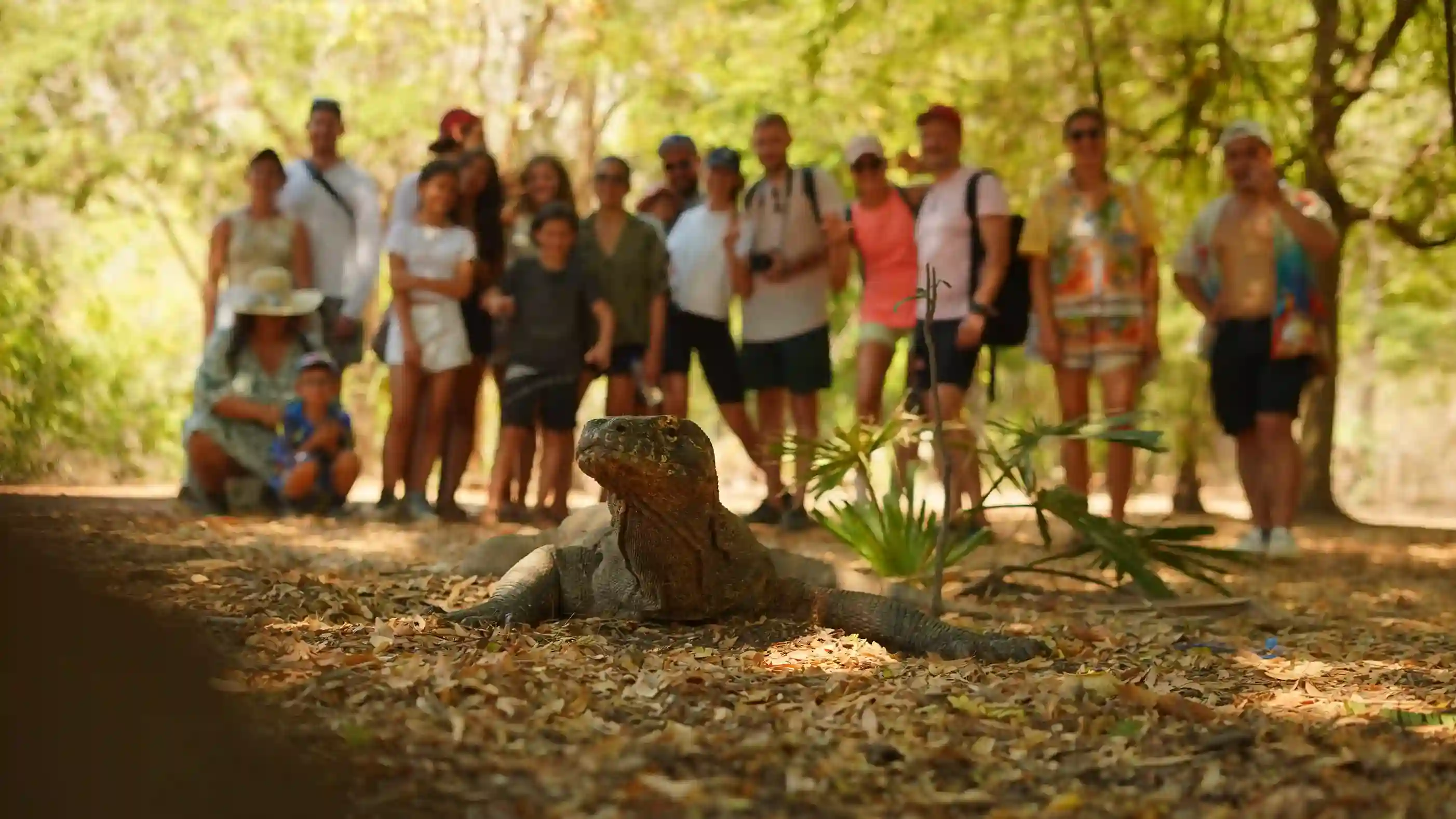
Illustration of colourful zoning shapes on a generic island outline (generic illustration, not an official national park map)
Generic illustration of colourful zoning shapes on an island outline, representing the general idea of park zoning — not an official national-park map.

What animals will I actually see on Padar Island?

Padar’s wildlife is real, just different from what the park’s name implies. Expect an arid, savanna-adapted cast rather than a jungle one:

Animal groupSpecies commonly presentWhere you’ll notice them
DeerTimor deer (Rusa timorensis)Historically present island-wide; sightings are inconsistent and not guaranteed on a short visit
ReptilesReticulated python, the endemic Trimeresurus insularis (white-lipped/insular pit viper), various geckos and skinksLow vegetation and rocky ground away from the main boardwalk; rarely encountered on the marked trail itself
BirdsOrange-footed scrubfowl (nests on the island), white-bellied sea eagles, assorted shorebirds and wadersScrubfowl mounds near vegetation patches; sea eagles patrolling the coastline; waders along the landing beach
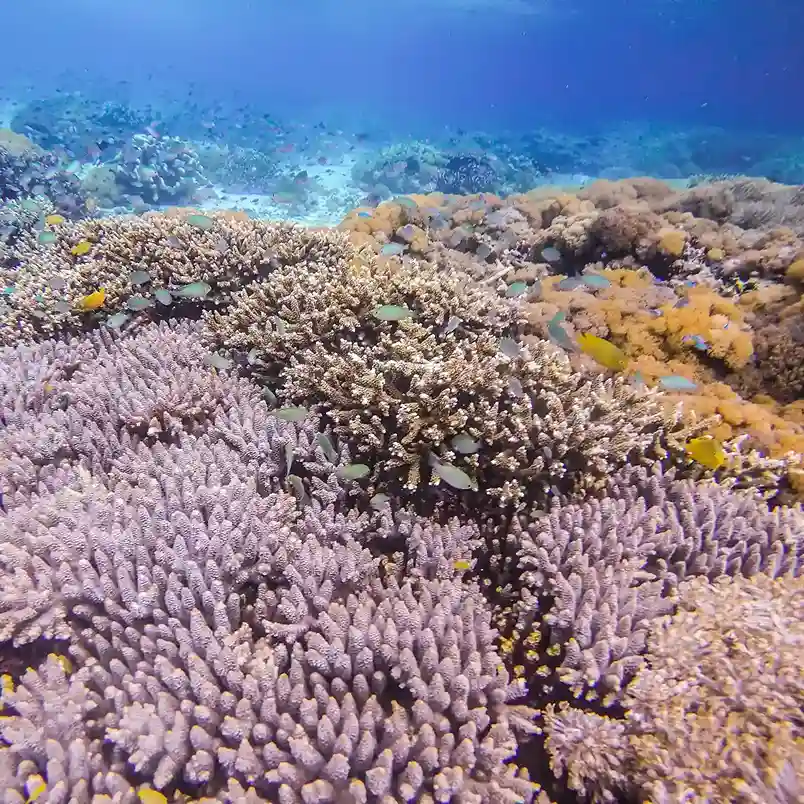
Marine life (surrounding waters, not the island itself)Reef fish, occasional manta rays near Manta PointSnorkelling stops on the same boat itinerary, not on Padar’s shore

The reticulated python and the insular pit viper are both venomous-or-large enough to warrant caution: stay on the boardwalk, don’t reach into rock crevices or thick grass, and keep children within sight on the trail. Neither species is aggressive toward humans who keep their distance, and bites from either are rare — but “rare” is not “never,” and Padar has no medical facility on-site. See the safety guide for what that means practically for your visit.

A panorama of golden dry-season savanna on Padar Island's hills
Padar’s dry savanna, the main ecosystem that supports the wildlife there. Photo: Fajruddin Mudzakkir/Unsplash.

Why does Padar look like savanna instead of jungle?

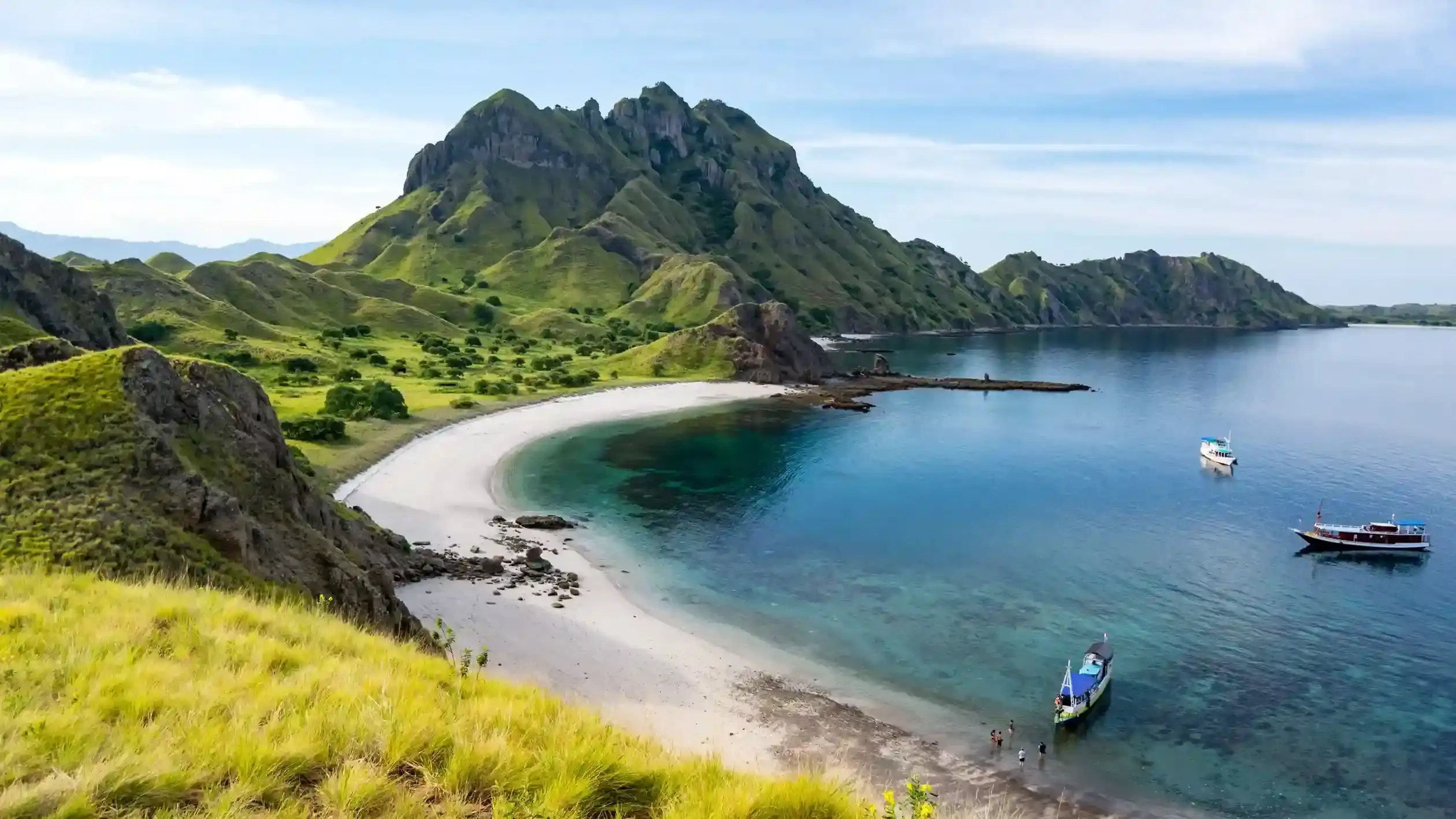
Padar’s landscape is dominated by savanna grassland and dry, low forest rather than the denser tropical forest many visitors expect from an Indonesian island. Dense vegetation and forest canopy are almost entirely absent on the exposed summit ridge; even bush cover is thin. This is a direct product of climate: Padar experiences a tropical savanna climate with a long, harsh dry season running roughly April to November, and only a short wet season from December to March. On the exposed ridge during dry season, midday air temperatures sit around 28–33°C but the unshaded, radiating ground feels far hotter, with low humidity and strong, gusty winds — conditions that favour grasses and drought-hardy shrubs over forest trees.

This is also why the island photographs the way it does: the golden-brown, treeless hills that make Padar’s viewpoint so distinctive in photographs are the same conditions that limit which animals can live there year-round.

What conservation issues does Padar Island actually face?

The island’s biggest documented threat isn’t poaching or development — it’s foot traffic erosion, a direct consequence of visitor numbers growing sharply since the mid-2010s. The volcanic soils on Padar’s ridge are thin and hold little root structure once native grasses are disturbed. Before the current boardwalk was built, an unpaved path channelled rainwater runoff and cut deep erosion gullies straight into the hillside. The concrete-and-boardwalk stairway system now in place was built specifically to stop this.

What that means practically for visitors:

  • Stay on the boardwalk at all times — cutting across the slope for a better photo angle compacts soil and accelerates erosion on a hillside with no forest roots to hold it together.
  • Pack out everything you bring in, including fruit peels and other organic waste — these are not native to the ecosystem and don’t belong on the trail regardless of biodegradability.
  • No open flame or smoking anywhere on the island; dry-season grass on Padar is effectively tinder, and this rule is enforced, not a suggestion.
  • Don’t disturb nests or vegetation — the orange-footed scrubfowl nests directly on the ground in loose mounds, which are easy to miss and easy to damage by stepping off the marked path.

None of this requires special equipment or planning beyond staying on the marked route and carrying your own trash bag — most operators, including Komodo Luxury’s Padar boat trips, brief guests on these rules before landing.

A generic-style national-park information board listing conservation rules (illustration)
National-park conservation information board (illustration).

How does Padar fit into Komodo National Park’s wider conservation story?

Komodo National Park was established in 1980 and inscribed as a UNESCO World Heritage Site in 1991, created specifically to protect the Komodo dragon and its habitat across the park’s roughly 29 islands. Padar sits geographically between the two islands — Komodo and Rinca — that hold the vast majority of the dragon population, which is precisely why its own small, rarely-seen population is scientifically interesting: it suggests dragons can and do move across this stretch of the archipelago, even where the habitat is marginal for a resident population to thrive long-term.

The park’s broader conservation funding model relies heavily on the entrance and conservation levy paid by every visitor through the SIORA system (see the cost breakdown for current figures) — money that funds ranger patrols, trail maintenance like Padar’s boardwalk system, and ongoing wildlife monitoring across all 29 islands, not just the two with visible dragon populations.

Photographing Padar’s wildlife and landscape responsibly

Padar’s savanna landscape and scattered wildlife reward patience more than proximity. A few practices make a real difference to both your photos and the ecosystem:

  • Photograph birds and scrubfowl mounds from the boardwalk, using a zoom lens rather than approaching — scrubfowl nest directly on the ground in loose mounds that are easy to damage underfoot and easy to miss until you’re standing on one.
  • Never handle or approach snakes for a photo. Both the reticulated python and the endemic pit viper are best photographed, if encountered at all, from a distance with a zoom lens — neither species is aggressive if left alone, and that only stays true if you keep your distance.
  • Golden hour (the first 30–45 minutes after sunrise) is when the savanna’s grass colour and long shadows are most dramatic — this is a landscape photography argument for the pre-dawn departure time, independent of the summit-view argument covered elsewhere on this site.
  • Drone photography requires a SIMAKSI permit, arranged well in advance — see the drone rules guide for the current process and cost.
Cahaya keemasan menerangi savana kawasan Taman Nasional Komodo saat golden hour
Golden hour on the savanna — the best time to photograph the landscape and wildlife. Photo: Alex Lvrs/Unsplash.

Is it safe to hike Padar Island given the snakes and heat?

Yes, for the overwhelming majority of visitors who stay on the boardwalk and hike during the recommended early-morning window. Snake encounters on the marked trail are uncommon, and the bigger practical risk on Padar is heat and dehydration during the mid-morning hours, not wildlife. The full breakdown of both risks — heat management and what to do in the rare event of a wildlife encounter — is covered in the safety and sea conditions guide.

Has anyone actually photographed a Komodo dragon on Padar Island recently?

Yes, but rarely. Documented sightings exist and are uncommon, not something a standard tour itinerary plans around — the 2004 survey remains the most cited evidence of a confirmed resident population, and casual tourist encounters on the marked summit trail are rare enough that no reputable operator markets Padar as a dragon-viewing stop. If a listing or guide claims guaranteed or likely dragon sightings on Padar specifically, treat that claim with scepticism and confirm directly what species you’re actually likely to see.

Why do some travel guides say there are no dragons on Padar at all?

Because “essentially never seen” and “zero population” get flattened into the same simplified claim by writers who haven’t checked the underlying survey data. The more accurate framing — a small, rarely-encountered population exists, but Komodo and Rinca are where you’ll actually see one — matters for setting expectations correctly rather than either overselling or completely erasing Padar’s dragon history.

Will I see manta rays or other marine wildlife at Padar Island itself?

Not typically at Padar’s own shoreline — the island’s marine wildlife draw is a separate stop on the same boat itinerary, usually Manta Point or Pink Beach’s reef, rather than the waters directly off Padar’s landing beach.

Can I bring a drone to photograph Padar’s wildlife or landscape?

Only with a SIMAKSI permit arranged in advance, and never over the dragon trekking zones or a crowded summit during peak sunrise hours. The full permit process, cost, and restrictions are in the drone photography rules guide.

Are there any endemic species found only on Padar and not the rest of the park?

None. No species currently documented is known to be unique to Padar alone — the animals present (Timor deer, reticulated python, the insular pit viper, orange-footed scrubfowl, sea eagles) are shared across multiple islands within Komodo National Park’s wider archipelago, though population density and visibility vary meaningfully island by island as described above.

Does the Timor deer population on Padar still support the island’s dragons?

Not reliably — surveys in recent decades haven’t recorded the deer in significant numbers on Padar, which weakens the historical prey base that once presumably supported a resident dragon population there. This decline is part of why Padar’s dragons are now considered rare rather than simply “present but shy,” and it underscores why Komodo and Rinca, with intact forest and prey habitat, remain the islands where dragon populations are stable and visible.

Should I still expect to see any wildlife at all if dragons aren’t reliable?

Yes — birds are the most consistently visible wildlife on a typical visit, particularly white-bellied sea eagles patrolling the coastline and shorebirds along the landing beach, both easily spotted without leaving the main trail.

A Komodo dragon in its natural habitat within Komodo National Park (variant image, not a claim of a specific location)
For a more reliable Komodo dragon sighting, visit Komodo or Rinca instead. Photo: Thomas Gabernig/Unsplash.

Planning your visit around what Padar can and can’t offer wildlife-wise makes for a better trip than expecting a dragon encounter that essentially never happens here. For a route that pairs Padar’s landscape with a real dragon-viewing stop at Rinca or Komodo, see the itinerary guide or book directly through Komodo Luxury’s Komodo boat trip packages.

Last updated: 24 August 2026.

Dragons on Padar: the accurate version

Padar does support Komodo dragons, but only a very small, fragmented population, and the island is not managed as a dragon-viewing destination. It is more accurate to say “almost none” than “none”. The dragons here use the same ridges and dry valleys as the deer and smaller prey, mostly well away from the busy staircase, and most visitors never see one. A sighting should be treated as a bonus rather than an expectation, and nothing about a Padar visit is structured around it.

The history explains the numbers. Padar’s dragons declined over decades because hunting pressure removed their prey base — deer and goats — and habitat changed alongside it, to the point where the island was once considered locally extinct. Small numbers have since been confirmed again, but the population remains sparse and it is nothing like the densities on Komodo and Rinca.

If a dragon does appear on or near the trail, rangers treat it as a serious wildlife moment: spacing tightens, the route may be adjusted, and distance is prioritised over anyone’s photograph. Posed close-up dragon images are not something to plan for here. The principles are the same as everywhere in the park — never approach, never feed, never corner an animal however small — and rangers typically position themselves at the front and back of each group precisely so those rules hold.

For anyone nervous about dragons, Padar is actually a reasonable choice: encounters are rare and the experience is the climb and the scenery. Safety protocols still assume dragons exist somewhere on the island, which is why the stay-on-the-path rule is not negotiable. Documented attacks in the park have occurred mainly on Komodo and Rinca, where people and dragons meet far more often; Padar’s low density and structured trail make encounters rarer still.

For seeing dragons, Rinca is markedly stronger — rangers know where the local groups tend to rest and build the walks around those areas, and you often see monkeys or buffalo near the ranger stations too. Komodo offers higher chances again, with larger deer groups and more obvious interaction zones. Many day tours pair Padar’s hike with a dragon walk on one of them plus a snorkelling stop, which is the sensible way to get both.

What you actually see

Wildlife on Padar is present but usually distant. You may spot Timor deer moving across the slopes, large lizards near the rocks, and raptors circling on thermals. The mammal community is relatively simple — Timor deer, small rodents, bats — alongside reptiles and a varied bird assemblage, with large carnivores limited to the sparse dragon population. Early and late sessions are better for spotting, when temperatures are lower and animals are active.

Birdlife tends to show as silhouette and movement rather than close views: raptors riding thermals above the ridges, seabirds commuting between headlands, smaller songbirds in the vegetated pockets. Different zones hold different species — cliffs and sea stacks shelter nesting seabirds while the inland slopes host raptors scanning for prey — and a simple pair of binoculars improves your chances more than any lens.

Compared with Komodo and Rinca, Padar feels drier, barer and less inhabited, with no villages and no shore-based feeding sites. Wildlife viewing here means scanning the slopes rather than being shown an animal. What you should expect is a structured, fairly short hike on a steep exposed ridge, views over three bays, basic facilities amounting to a jetty and a ranger post, and scattered sightings if you are paying attention.

That is also why Padar is worth adding even when you are already visiting Komodo. The summit panorama gives you the archipelago’s layout in one glance and makes sense of everything else you see in the park — it is context rather than a competing wildlife experience.

Real risks, and what conservation actually means here

Animal risk is low but not zero. Komodo dragons, snakes and stinging marine life all exist in the area. The mitigations are unglamorous: follow the ranger-led route, wear closed footwear, and watch where you put your hands and feet at entry points. Closed shoes protect against sharp rock as much as against surprise contact with a small reptile or insect, and staying on the marked steps removes most of the exposure.

The genuine hazards combine terrain and wildlife — steep drops, loose stones, a few venomous snakes, and the background presence of dragons. Almost everyone completes the hike without incident, and the problems that do occur cluster around people seeking unsupervised photographs or wandering off the path, where even a non-venomous snake or a startled deer can cause a fall.

Insects are present but rarely the main discomfort next to sun and heat. Mosquitoes, ants and the occasional bee or wasp turn up mostly in the more sheltered, vegetated pockets. Jellyfish appear seasonally in the water around Padar, and hazardous species are very occasionally reported within the park, so crews judge swimming conditions on the day rather than by the calendar.

Drones are banned without authorisation across the park partly for wildlife reasons. Low, noisy flights unsettle raptors, seabirds and deer, and rangers report they are especially disruptive around nesting and roosting sites — a sudden pass at low altitude flushes birds off cliffs. Expect checks at the jetty and active intervention when someone flies without permission.

Conservation on Padar concentrates on limiting erosion, preventing fire and keeping human use inside the park’s daily quota. In practice that means rangers discouraging littering, drone disturbance and off-trail shortcuts — three things that sound minor individually and, multiplied by the number of people who now climb this staircase, are exactly what would degrade it.

On climate: Padar sits firmly in the dry, sun-exposed zone of the park, with long rainless stretches and a short humid wet season, and conditions are typically hotter and drier than many visitors expect. The pronounced dry season runs roughly April to November, the greener wetter spell from about December to March, and the trail turns dusty and harsh underfoot late in the dry months.

Booking the trip itself

This site documents Padar Island; it does not sell tours. Bookings for the boats and packages described above are handled by Komodo Luxury, the operator within the same group as this publication.

Questions about a specific date or vessel go to WhatsApp +62 811-3823-875 or sales@komodoluxury.com.

This guide does not operate boats. Bookings are fulfilled by Komodo Luxury, and this site may earn a referral commission.

Scroll to Top
Book with Komodo Luxury →
💬

Additional photo credits on this page: Fajruddin Mudzakkir, Alex Lvrs, Thomas Gabernig, Rashel O on Unsplash.