

Journal
Padar Island Safety Tips: Heat, Trail & Sea
The real risks on a Padar Island trip are heat and dehydration on an exposed, shadeless hike, slippery boardwalk steps in early-morning dew, unguarded drop-offs beside the trail at…
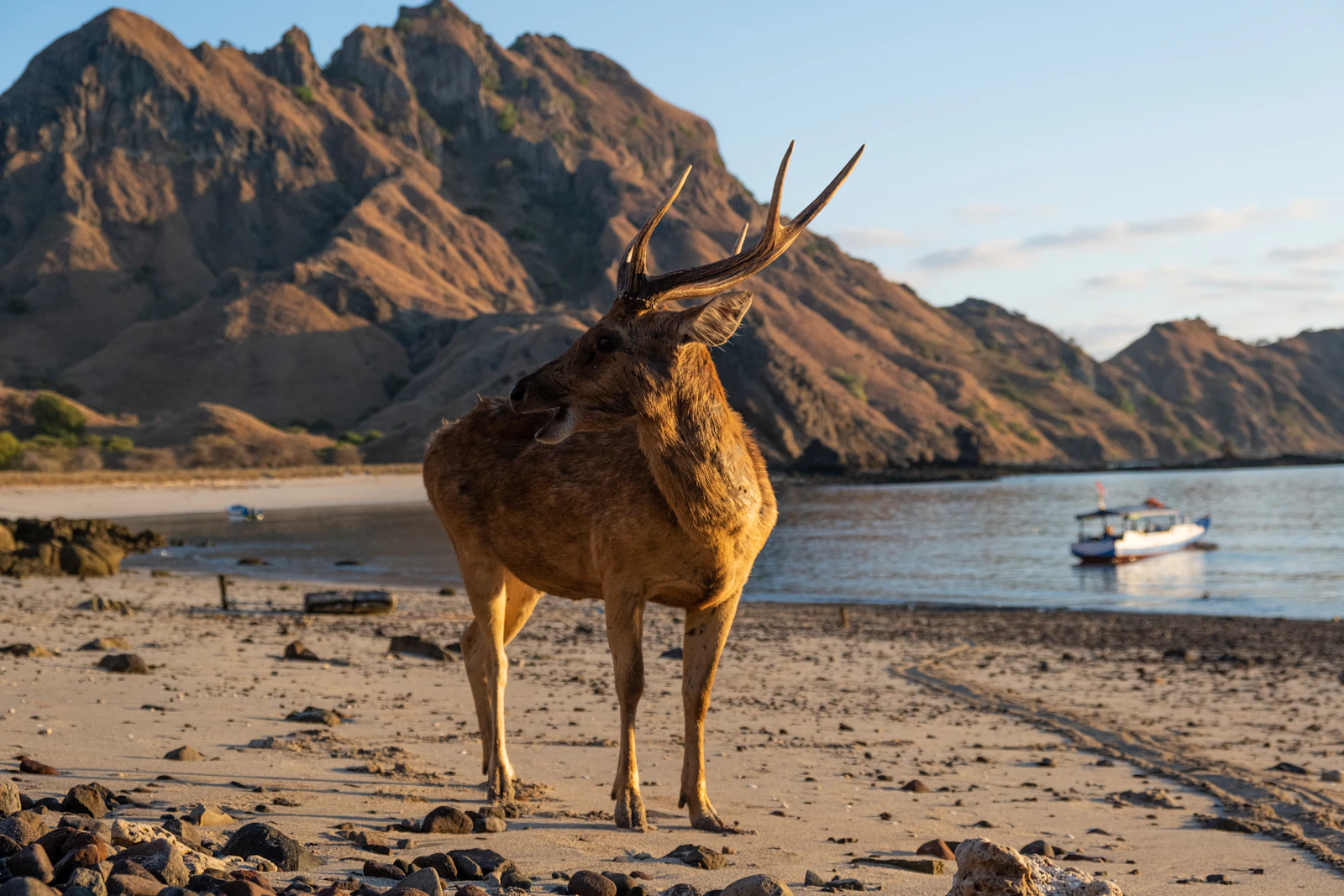
The real risks on a Padar Island trip are heat and dehydration on an exposed, shadeless hike, slippery boardwalk steps in early-morning dew, unguarded drop-offs beside the trail at several points, and unreliable phone signal once you’re off Labuan Bajo — not wildlife. There is no clinic on the island; the nearest hospital, RSUD Komodo, is back in Labuan Bajo, roughly 2–2.5 hours away by boat.
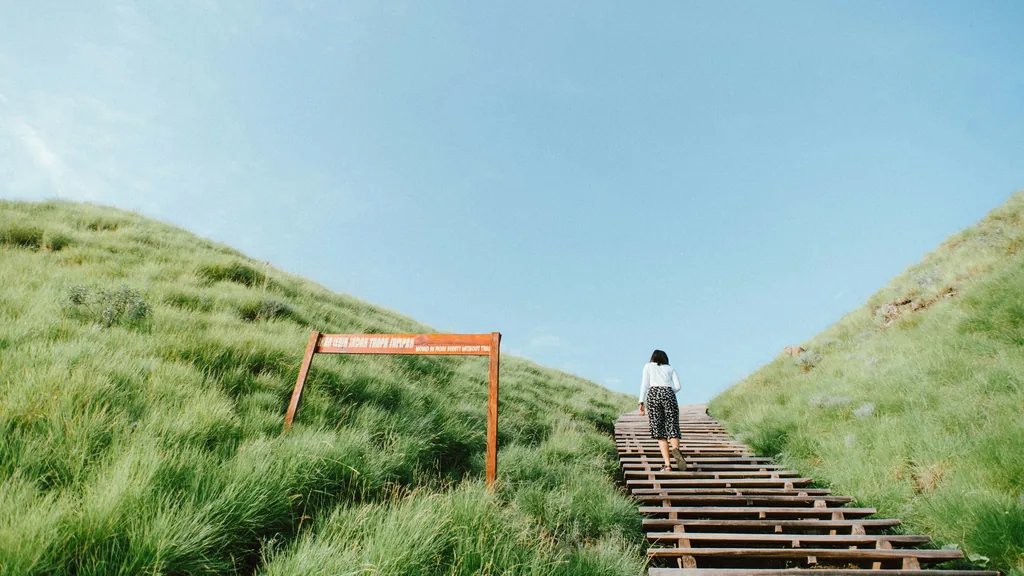
Heat and dehydration: the most common real problem
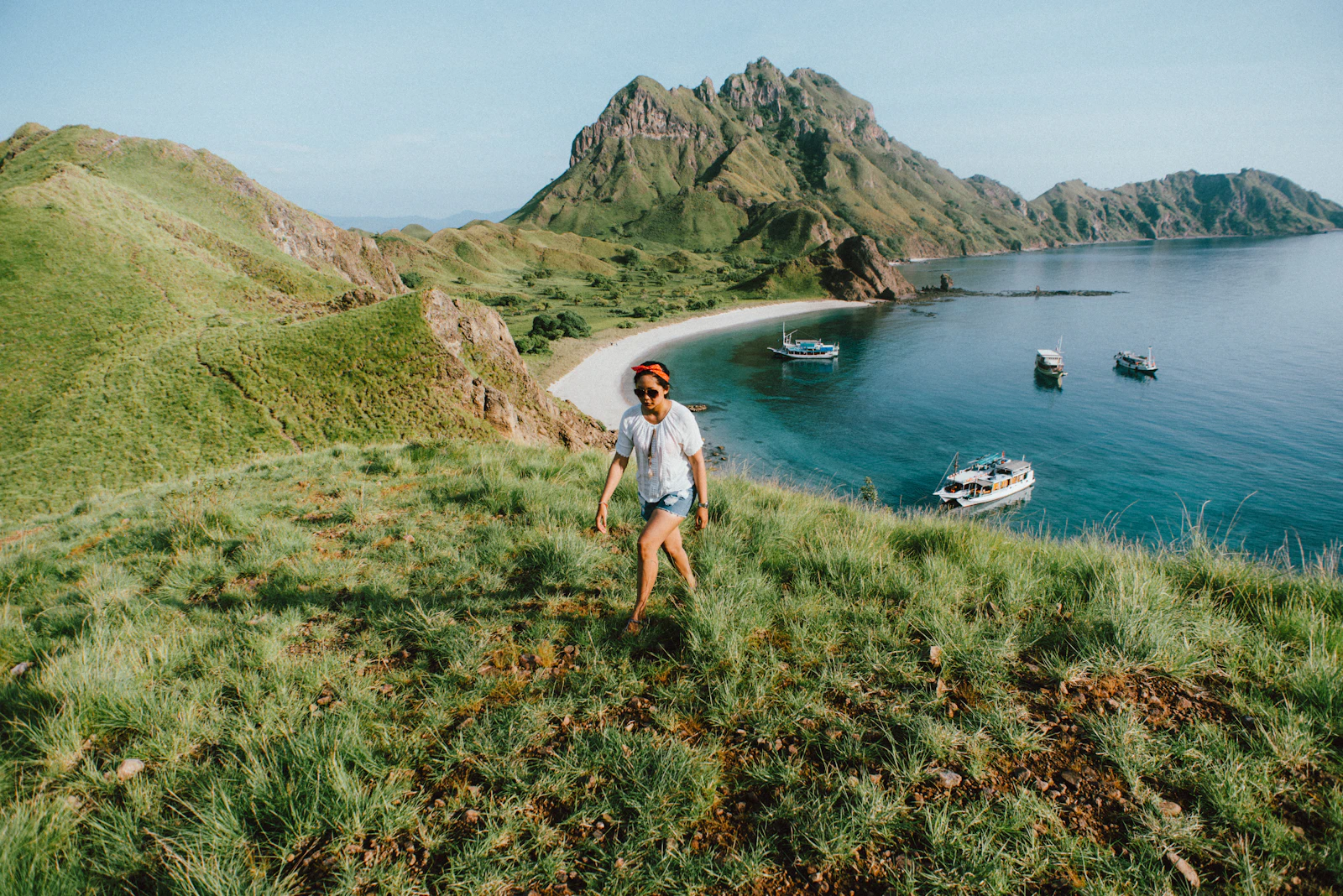
Padar’s summit trail has effectively zero shade for its full length, and the island’s savanna climate pushes midday air temperatures to around 28–33°C in the April–November dry season. The shadeless staircase radiates considerably hotter than that, and the low humidity and strong wind mask how much fluid you’re losing. The hike takes 25–45 minutes each way for most visitors, and longer for slower groups, which is enough exposure to cause real dehydration if you start under-hydrated or skip water during the climb.
Practical management: drink water before boarding the boat, not just during the hike; carry 1.5–2 litres per person minimum; and treat lightheadedness or a stopped sweat response (a sign of heat exhaustion progressing toward heatstroke) as a reason to sit down in whatever shade exists and signal your guide, not something to push through for a better summit photo.
Slippery steps and unguarded edges
The boardwalk-and-stairway system built up Padar’s ridge is a major safety improvement over the original unpaved trail, but it does not eliminate two specific hazards worth knowing before you go:
- Morning dew on the steps. The first hour of daylight — exactly when most visitors are climbing for sunrise — is when the wooden and concrete sections are at their most slippery. Grippy, closed-toe footwear matters more here than on almost any other Komodo trail.
- Sections without a railing. Several stretches of the trail run directly beside a drop-off with no barrier, by design, to preserve the open sightlines that make the viewpoint worth the climb. Stepping off the boardwalk edge for a photo angle is the single most avoidable way to turn a routine hike into an incident — stay on the marked path, especially in wind gusts, which are common on the exposed ridge.
Phone signal and staying reachable

Signal coverage in Komodo National Park is inconsistent once you leave Labuan Bajo’s immediate area, and Padar itself may give a brief, unreliable signal at best — not something to count on for calls or data. Tell someone your boat’s operator and expected return time before departure, and don’t rely on being reachable mid-trip. Most operators carry a marine radio or satellite communication device for genuine emergencies; ask your operator directly if this matters to your risk tolerance, particularly for a private charter into more remote parts of the park.
What happens in a medical emergency on Padar Island?
There is no clinic, pharmacy, or resident medical staff on Padar itself. For anything beyond basic first aid (which boat crews typically carry), the response is: stabilise on-site, return to the boat, and transport to Labuan Bajo, where RSUD Komodo operates a 24-hour emergency department. Depending on where on the water you are when an issue arises, that return crossing takes roughly 60–120 minutes by speedboat — longer from a phinisi further into the park. This timeline is the practical reason operators take heat management and trail safety seriously rather than as boilerplate warnings: a preventable injury or heat incident on Padar means hours, not minutes, to definitive care.
Travel insurance that explicitly covers activity in remote Indonesian marine park areas — and, if relevant, evacuation — is worth confirming before you travel, not after.
Sea conditions and what causes a trip to be rerouted
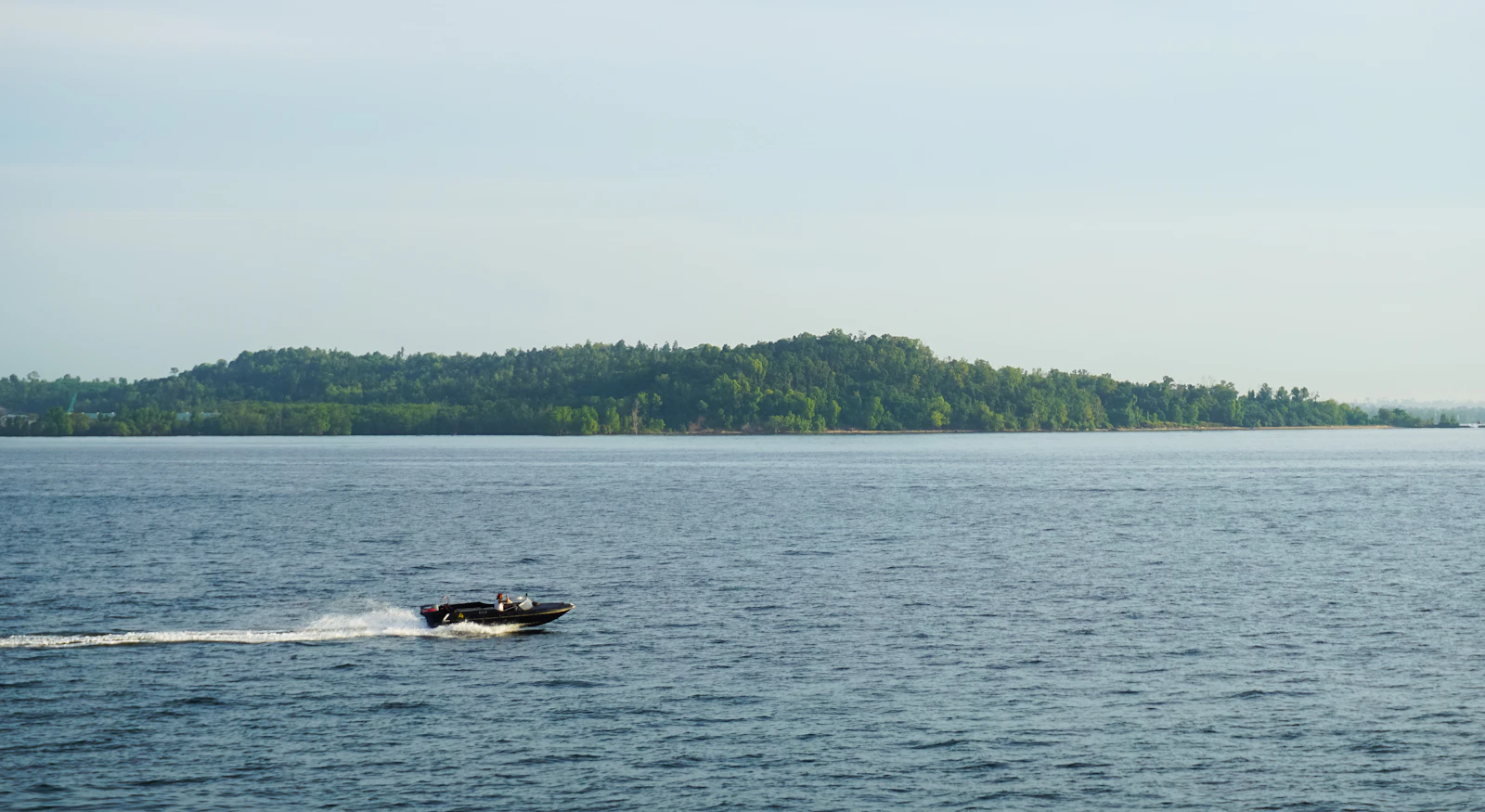
The crossing to Padar happens across open water in the Flores Sea, and conditions vary meaningfully by season and time of day. Dry season (April–November) generally brings calmer, more predictable seas; the December–March wet season brings a higher chance of rough crossings and operator-initiated rescheduling. Reputable operators reroute or delay departures around genuinely rough conditions rather than push through them — if your boat’s departure is pushed back or the itinerary is adjusted for weather, that is a safety decision working as intended, not a service failure.
Wildlife-related safety, briefly
Padar hosts reptiles including the reticulated python and the endemic Trimeresurus insularis pit viper, both of which stay away from the boardwalk in practice and are rarely encountered by hikers who keep to the marked trail. The island’s Komodo dragon population is small and effectively never seen on the summit hike — see the wildlife and conservation guide for the full picture on what animals you will and won’t realistically encounter.
Packing specifically for safety, not just comfort
A handful of items make a measurable difference to how safely the hike and crossing go, beyond general packing-list advice:
- Electrolyte sachets or tablets, not just plain water — heavy sweating in that heat depletes sodium faster than water alone replaces it, and this is a meaningfully better defence against heat exhaustion than water volume alone.
- Broad-brimmed hat and long, breathable sleeves — the boardwalk has zero shade, and sunburn plus heat exposure compound each other over a 25–45 minute climb.
- Shoes with real tread, worn in before the trip — flip-flops and smooth-soled sneakers are the most common footwear-related near-misses reported on the boardwalk’s dew-slicked morning sections.
- A basic personal first-aid kit if you have known conditions (allergies, asthma) — boat crews carry general first aid but not condition-specific medication.
Travelling with children on Padar Island
Children old enough to walk the full 25–45 minute climb unassisted and follow instructions to stay on the boardwalk can generally do this hike safely, but the lack of railings on several sections means active, close supervision matters more here than on a typical family trail. The early wake-up call and heat exposure are also worth weighing against a child’s typical tolerance for both — some families choose to have one parent stay at the base with younger children while the other completes the summit hike, particularly on a first visit to gauge how the child handles the heat and pace.
Is Padar Island hiking safe for beginners or older travellers?
Yes for most reasonably fit adults who pace themselves, hydrate properly, and take rest breaks on the way up — the boardwalk stairway makes footing far more predictable than an unpaved trail would be. It is genuinely demanding for anyone with significant heart, respiratory, or mobility limitations, given the sustained incline, heat, and total absence of shade; those travellers should discuss the specific 800–840-step climb (no official count published) with their doctor and operator before booking.
Do I need travel insurance specifically for Padar Island?
Usually yes, but check two things. Standard travel insurance often covers this activity, and it is worth confirming your policy covers hiking in a remote national park in Indonesia and, ideally, medical evacuation — given the 2+ hour return distance to the nearest hospital, this is not a location where you want to discover a coverage gap after the fact.
What should I do if I feel unwell during the hike?
Stop, sit in whatever shade is available, drink water, and tell your guide immediately rather than continuing to the summit. Boat crews and guides are equipped to manage this and would rather turn back with you than manage a more serious heat incident higher up the trail.
Are life jackets provided on the boat crossing?
Reputable operators provide a life jacket for every passenger as standard, and a proper safety briefing before departure — treat any boat that skips this step as a red flag regardless of how competitively priced the trip is.
For the practical planning side of a Padar trip — realistic timing, what a rushed morning looks like, and how weather delays cascade through the day — see the one-day itinerary breakdown, or book a trip with an operator that briefs these risks properly through Komodo Luxury’s Komodo boat trips.
Last updated: 24 August 2026.
Heat is the hazard, not the height
The staircase is exposed, humid and shadeless, and it radiates heat back at you from the rock and steps. Even fit hikers arrive at the viewpoint drained if they climb in the middle of the day, and the same conditions make fluid loss faster than most visitors expect — faster still if you have flown recently, drunk alcohol the night before, or skipped breakfast. Dehydration sets in on overcast days too, because the UV and the humidity do not care about cloud.
The reliable approach is to start well hydrated, before you leave Labuan Bajo, and to sip small amounts steadily rather than saving it all for the top. Carry more than a single small bottle, in a refillable bottle or soft flask that actually fits your daypack, and do not count on spare drinking water on the boat once everyone has come back down. Electrolyte tablets or oral rehydration salts help replace what heavy sweating takes out, and a snack keeps blood sugar up alongside fluid.
Know the early signs, because people tend to push on and then deteriorate suddenly near the top: dry mouth, darker urine, a pounding heart, light-headedness when you stop, an unexplained drop in energy. Later come headache, irritability, nausea, muscle cramps and heavy sweating. If any of that appears, stop, sip cool water or an electrolyte drink, eat something salty if you have it, and rest until you genuinely feel better. Ask your group to wait rather than rushing to keep up. Turning back early is always safer than pushing through in the open heat.
Full heatstroke is different and is a medical emergency: confusion, vomiting, collapse, or someone who stops sweating despite the conditions. Move them to the deepest shade available, remove excess clothing, cool the skin with water and fan them, and send someone to the nearest ranger immediately so they can be guided down and taken back to Labuan Bajo without delay.
If your schedule forces a midday climb, shorten it deliberately — stop at a lower viewpoint and spend more of your session resting near the jetty. Pace slowly, take shade breaks wherever a railing offers any, and treat light-coloured breathable clothing, a wide-brimmed hat and high-SPF sunscreen as safety equipment rather than comfort. A small umbrella works as portable shade if you are particularly sun-sensitive. Better still, book an early-morning or late-afternoon session: the temperatures are milder, the light is better, and the risk of overheating, sunburn and fatigue-driven slips near unguarded edges drops sharply. Combining one of those slots with the shoulder months at either end of the dry season is the coolest version of this hike available.
What help exists, and how far away it is
There is no clinic on Padar. Rangers and boat crews carry basic first-aid supplies for cuts, scrapes and minor sprains — not full medical kits — and rangers are the people who can slow or halt a group, call support from the jetty post and coordinate getting someone down to the boat. Anything more serious, whether a suspected fracture, chest pain or a severe allergic reaction, is treated in Labuan Bajo rather than on the island. Carry your own essential medications, inhalers and adrenaline auto-injectors in your daypack rather than leaving them aboard.
The nearest fully equipped hospital is Labuan Bajo’s main government hospital on Flores, with private clinics in town handling many non-urgent cases; ambulances and specialist services are all based there. Getting to any of it means a return sailing of a couple of hours or more depending on boat and sea state. That time lag is the single reason to take heat, dehydration and apparently minor injuries more seriously here than you would at home.
Evacuation, in practice, means assisting the person carefully back down the stairs with ranger support and returning by boat, with the crew bringing forward the departure and arranging onward transport from the harbour. Helicopters and specialised rescue services are not routinely based on Padar, so time and logistics are the limiting factors. There is also only one practical way off the island: back down the established trail to the jetty. There is no alternative road or dock, which makes your group’s boat the critical link to medical care.
Communications are the other constraint. Indonesia’s general emergency number is 112, but reception on and around Padar is patchy to non-existent and often absent entirely on the upper trail. Your real first contacts are the ranger post at the jetty and your boat crew, who monitor marine VHF and local channels. Agree simple, low-tech arrangements with your group and guide before you start — designated meeting points, and what to do if someone turns back early or becomes separated on the steps.
Insurance deserves a specific check rather than an assumption. Nothing bundled into a park entry ticket will fly you home or pay private medical bills; national-park cover addresses on-site incidents and is not a substitute for comprehensive travel insurance. Confirm that your policy explicitly names Indonesia, hiking and boat travel, and look for medically supervised evacuation to a larger city or your home country — that clause is what matters most when the nearest advanced facility is a flight away.
The crossing and the seasons
Sea state around Padar is shaped by tidal flow between the islands, seasonal wind and offshore systems, so it varies significantly even within a single week and ranges from glassy calm to short, steep chop, particularly in the narrow channels. Distance is rarely the issue; swell, wind and current decide how the crossing feels.
Broadly, April to November brings calmer seas, with July and August the windiest stretch of the year and the most likely to produce chop and spray in exposed channels. December to March is wetter, with squalls and more unsettled water in exchange for green hillsides. May sits in the transition and behaves like a shoulder month — many calm days with good visibility, but lingering swell and the occasional sharp shower. None of this is a guarantee, which is why operators work from short-range forecasts and local observation rather than seasonal averages.
Early-morning departures are often calmer than later ones, though not reliably so. The genuinely useful step is to talk to your operator the afternoon before: reputable crews will suggest a different departure time if the forecast worsens, and asking how the past week has actually been tells you more than a seasonal summary. If you arrive at the harbour and feel uneasy about the sea, raise rescheduling rather than boarding out of politeness.
For anyone prone to seasickness, choose a larger boat where you can, sit midship where movement is least, and carry medication your doctor has recommended. Operators who respect local conditions and refuse to overload their boats matter as much as any forecast.
On the trail: crowds, slips and knowing your limits
Most injuries here come from three things: slips on damp steps, over-reaching for a photograph near an edge, and descending too fast on tired legs. Shoes with grip, one hand free for the railing and an unhurried descent remove most of that risk, and any twist or scrape is worth treating promptly at the jetty rather than letting it stiffen on the boat ride back.
At peak times the staircase gets congested, particularly at the popular photo spots and the narrow sections with drop-offs, which raises the chance of bumps, slips and someone stepping backwards without looking. Give people space, use the railings, do not stop mid-stairway to shoot, and if you have vertigo, keep to the inside edge.
Shortness of breath, chest discomfort, severe dizziness or sudden joint pain all warrant stopping immediately. Anyone with known heart, lung or joint conditions should discuss the climb with a doctor before travelling and be honest about their limits — the lower viewpoints and the jetty area are a legitimate way to spend the session. There is no medical screening at entry; the jetty brings a ticket check and a safety briefing, with rangers sometimes asking informally about readiness, especially for older visitors and young children. Operators may decline obviously unwell passengers or ask for a doctor’s note for certain histories. If you know heat or exertion provokes a condition of yours, tell your guide before you start rather than partway up.
Active older visitors generally complete the climb by setting a slow, steady pace and using the railings on the steeper stretches, with heat, balance on the steps and pre-existing heart or joint conditions as the real variables. Trekking poles help with stability where the operator permits them, and sunrise or late-afternoon sessions suit this group best. Pregnant visitors should be cautious about sustained exertion in this heat and humidity even if they exercise regularly; discuss it with your midwife or doctor beforehand, consider stopping at the lower viewpoints, and make sure you can rest and rehydrate on the boat whenever you need to.
Finally, the preventive version of all of this is simply better than the reactive one. Arrive rested rather than hungover, eat before you climb, dress for sun, and keep children, older relatives and anyone with a chronic condition within sight so you notice the early signs before they become emergencies.
Booking the trip itself
This site documents Padar Island; it does not sell tours. Bookings for the boats and packages described above are handled by Komodo Luxury, the operator within the same group as this publication.
- Komodo private trip — a private boat and schedule for your group alone.
- Komodo one-day trip package — the day-trip format most Padar sunrise visitors book.
- Speedboat charter — the fastest crossing from Labuan Bajo.
Questions about a specific date or vessel go to WhatsApp +62 811-3823-875 or sales@komodoluxury.com.
This guide does not operate boats. Bookings are fulfilled by Komodo Luxury, and this site may earn a referral commission.
Ready When You Are
Ready to book?
Chat directly on WhatsApp with the Komodo Luxury team.
This guide does not operate boats. Bookings are fulfilled by Komodo Luxury, and this site may earn a referral commission.