

Journal
Padar Island Packing List for Boat Trips
Short answer: Pack closed-toe trail shoes, a headlamp, a reusable water bottle, reef-safe sunscreen, and a dry bag as non-negotiables for any Padar Island trip; everything else changes…
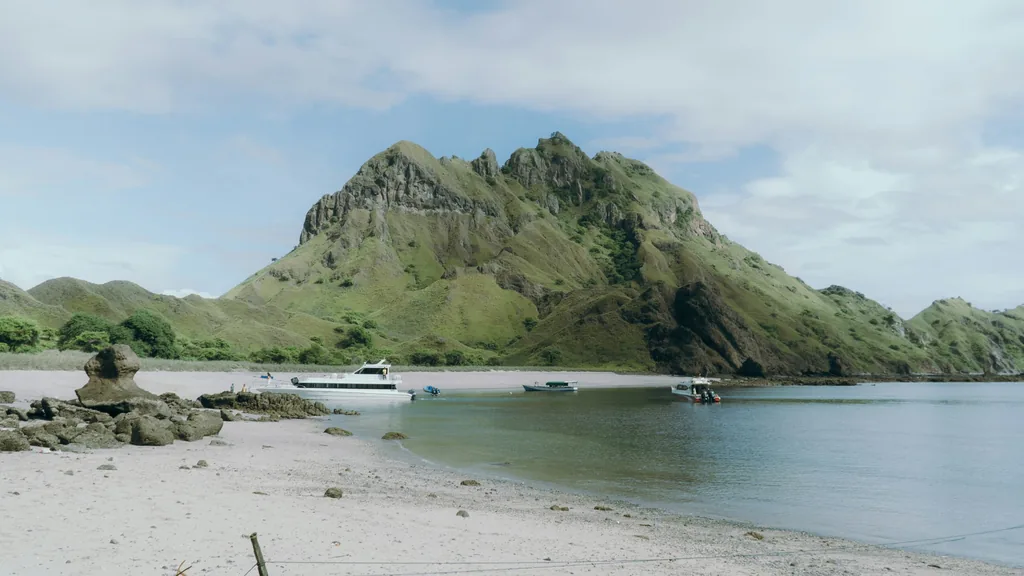
Short answer: Pack closed-toe trail shoes, a headlamp, a reusable water bottle, reef-safe sunscreen, and a dry bag as non-negotiables for any Padar Island trip; everything else changes depending on whether you’re doing a single day trip or sleeping multiple nights aboard a liveaboard.
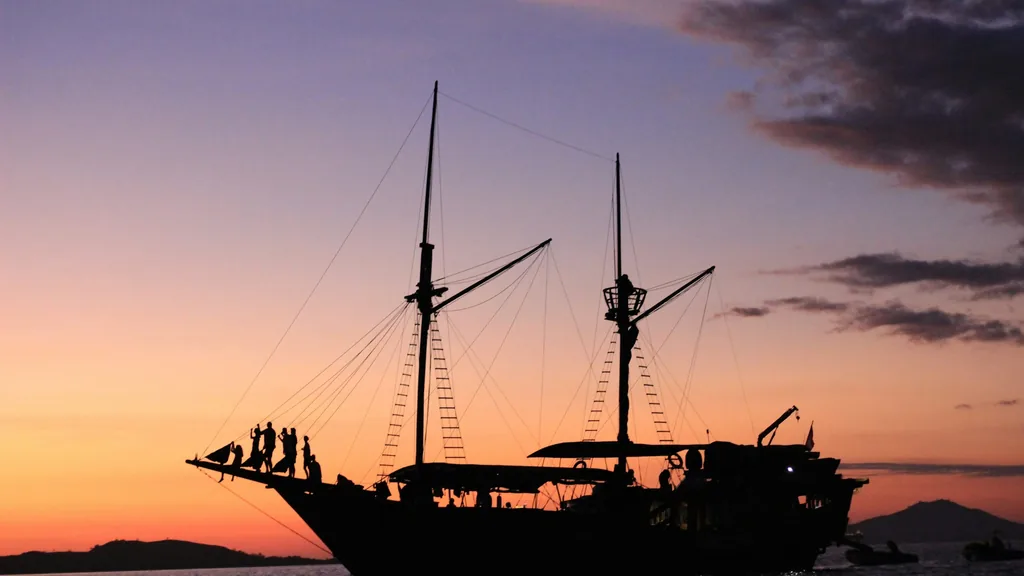
Last updated: August 23, 2026.
What actually gets used vs. what sits in the bag unopened
Most Padar packing lists online are generic beach-trip advice with “sunscreen” added. After the hike, the boat transfer, and the heat, a shorter and more honest list looks like this — split by what earns its space and what most travelers pack out of habit and never touch.
| Item | Actually used | Notes |
|---|---|---|
| Closed-toe trail shoes or sports sandals with grip | Every time | Flip-flops are the single most common regret item on the Padar climb |
| Headlamp or phone flashlight | Every time on a sunrise departure | The pre-dawn tender ride and first climbing steps are genuinely dark |
| Reusable water bottle, 1L+ | Every time | No refill point on Padar itself; fill up on the boat before departing |
| Reef-safe mineral sunscreen | Every time | Reapply before any snorkeling stop, not just once at breakfast |
| Dry bag (small, 5-10L) | Every tender transfer | Phones and cameras get splashed more often than first-timers expect |
| Wide-brim hat | Most trips | Padar’s trail has almost no shade for the majority of the climb |
| Light, breathable long sleeve | Often skipped, then regretted | Sun protection without reapplication mid-climb |
| Second full outfit change | Rarely needed on a day trip | Only relevant on multi-night liveaboards — see below |
| Full-size toiletries | Rarely needed | Travel-size versions cover even a 5-day trip comfortably |
| Formal or “nice” clothing | Almost never | Onboard dress code on every Komodo boat trip is casual, full stop |
Day trip packing list
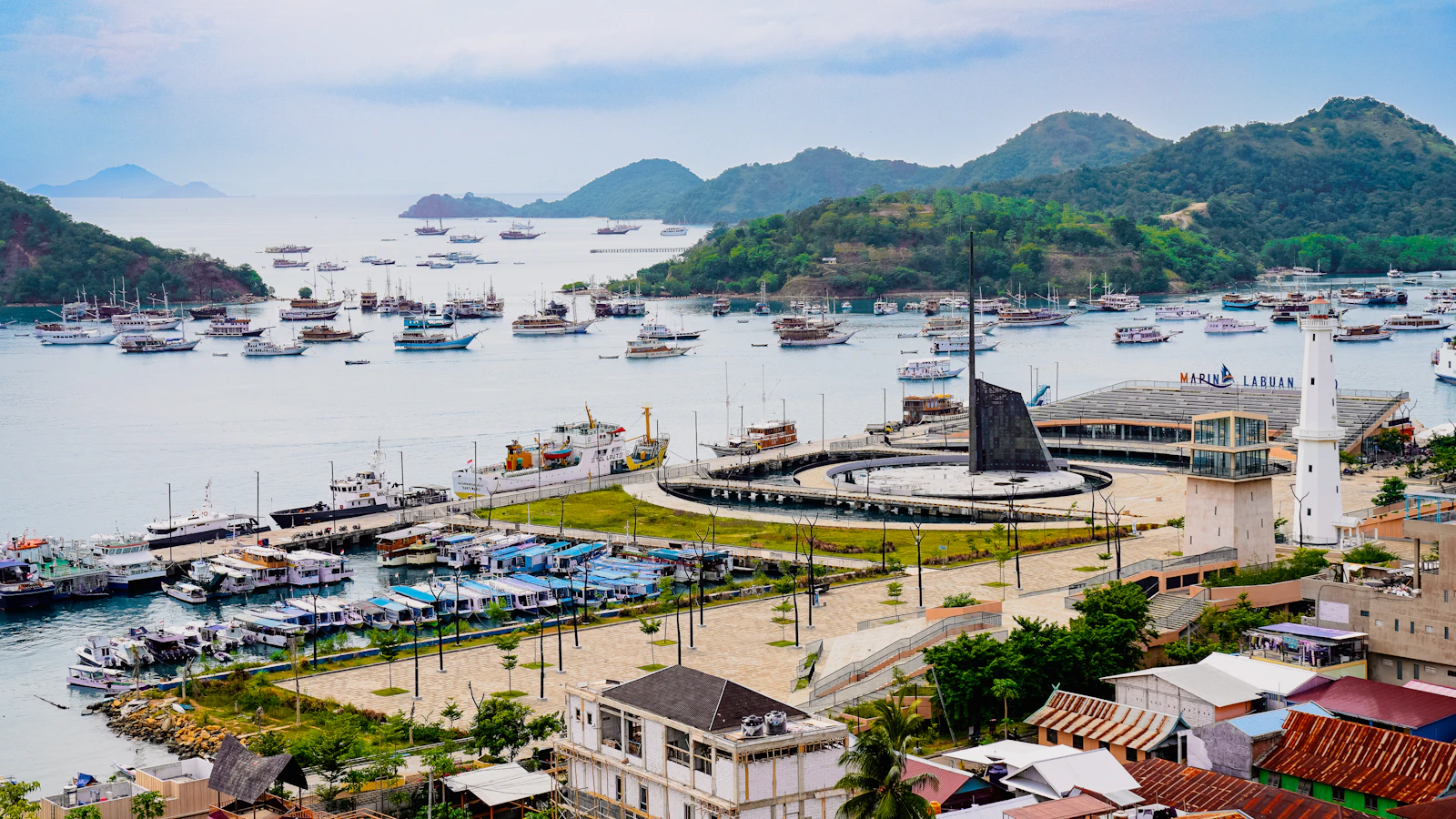
For a single-day Padar visit departing and returning to Labuan Bajo the same day, pack light and assume you’re carrying everything yourself for the whole day: swimwear under your hiking clothes if snorkeling is included, one change of dry clothes for the return journey, snacks if your operator doesn’t provide substantial food, small-denomination rupiah cash for tips, and a fully charged phone or camera battery — there’s no charging point once you leave the harbor.
Multi-day liveaboard packing list
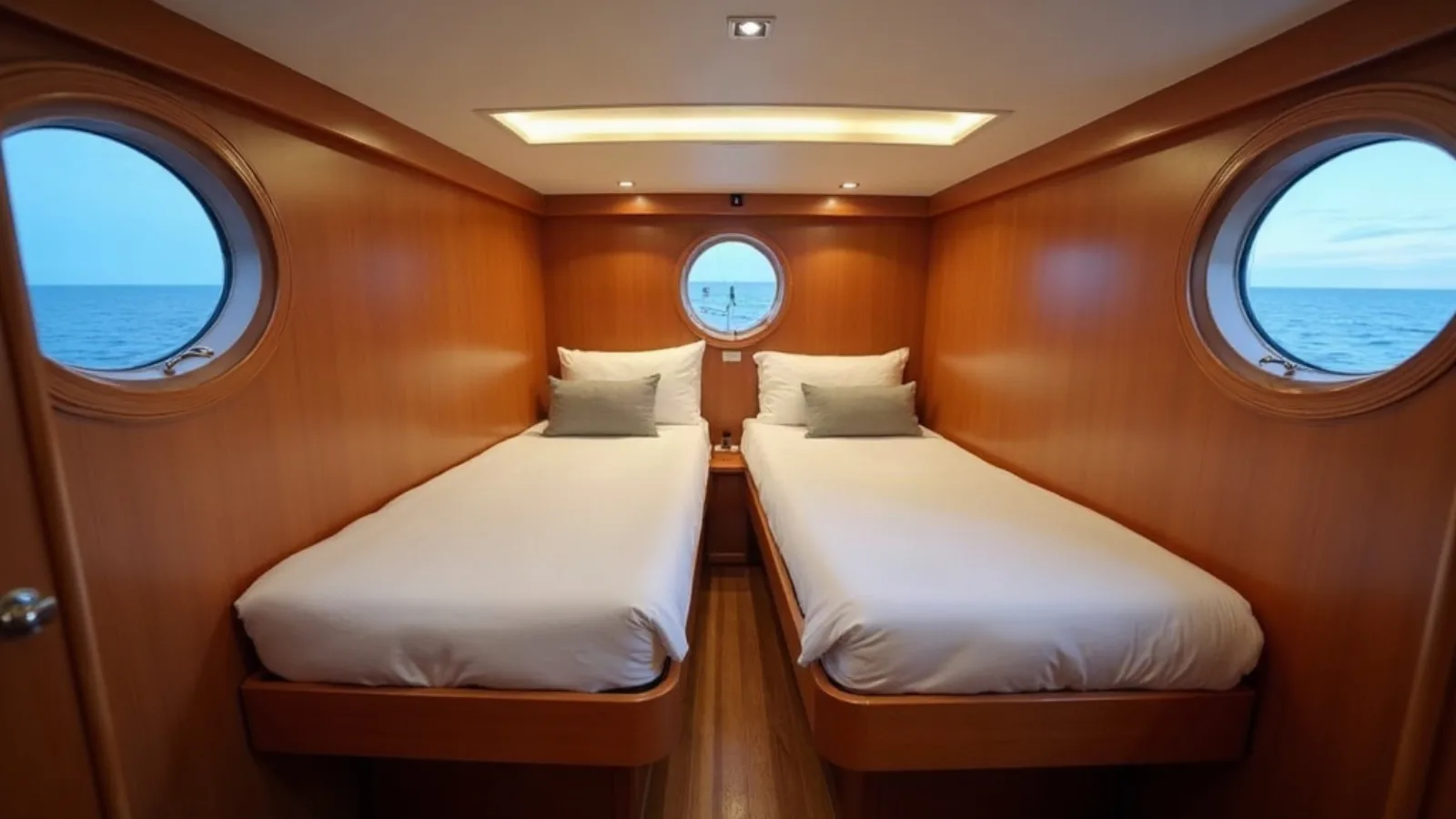
A 3- to 7-day trip changes the calculation: pack quick-dry fabrics you can rinse and re-wear rather than a fresh outfit per day, a compact laundry bag to separate wet swimwear from dry clothes in a shared cabin, earplugs if you’re a light sleeper near the boat’s generator, seasickness medication even if you don’t normally get seasick (open-water anchorages can roll more than expected), and a portable power bank since cabin outlets and generator hours are often limited on mid-range and budget boats. For how packing needs shift specifically with trip length, compare against our 5-day Padar Island itinerary or the shorter 3D2N Komodo and Padar route.
What to skip regardless of trip length
Formal clothing, a full-size hair dryer, heavy hardcover books, glass containers of any kind, and more than one pair of “backup” shoes are the items most travelers admit they never opened after the trip. Boat storage space is genuinely limited even on larger phinisi, and cabin closets on mid-range boats are smaller than most travelers expect from photos.
What to buy in Labuan Bajo instead of packing from home
Labuan Bajo’s town center has enough convenience stores and dive shops to cover several last-minute needs, which means you don’t have to over-pack “just in case.” Reef-safe sunscreen, basic snorkel gear if your boat doesn’t provide it, dry bags, and simple rain ponchos are all readily available near the harbor at reasonable prices. What’s genuinely harder to find locally: specific medications, contact lens solution, and reliable prescription sunglasses — bring those from home rather than assuming you’ll find them on arrival.
Electronics and keeping gear dry
Tender transfers between the main boat and shore landings are the single biggest risk point for electronics on a Padar trip — a dry bag is worth the small extra weight even on a calm-looking day, since spray comes up unpredictably. For photography specifically, a simple silica-gel packet in your camera bag helps with the humidity most boats can’t fully control, and a spare memory card matters more here than on a typical trip since there’s no easy way to offload photos mid-journey. If sunrise photography from Padar’s summit is a priority rather than an afterthought, see our dedicated Padar Island sunrise photography spots guide for what gear actually helps versus what’s dead weight on a pre-dawn climb.

Money and documents
Carry small-denomination rupiah in cash for tips, incidental snack purchases, and any fee your operator hasn’t pre-bundled — card and digital payment infrastructure at park entry points and small harbor stalls is inconsistent. A physical copy of your ID or passport (not just a phone photo) is worth having for park registration purposes, since phone batteries and connectivity can’t always be relied on at the point rangers need to check it.
Packing for the hike itself
Beyond footwear, the two items that matter most specifically for the Padar climb are hydration capacity (a bottle you can refill rather than a single disposable one) and sun protection you don’t need to stop and reapply mid-trail. If mobility, heat sensitivity, or hiking pace is a concern for anyone in your group, our Padar Island accessibility guide for kids, seniors and non-swimmers covers what to pack and expect differently for a slower-paced climb, including where the trail’s six rest points fall.
Frequently asked questions
What shoes should I wear to hike Padar Island?
Closed-toe trail shoes or sturdy sports sandals with real tread. Flip-flops and smooth-soled sandals are the most common footwear regret on the trail’s loose gravel sections.
Do I need to bring my own water to Padar Island?
Yes — bring a filled reusable bottle before you leave the boat. There is no water source, shop, or refill point anywhere on the island.
Should I bring a swimsuit for a Padar Island trip?
Yes, worn under your hiking clothes if your itinerary includes a snorkeling or beach stop the same day, which most do.
What should I pack for a multi-day Komodo liveaboard specifically?
Quick-dry fabrics over multiple full outfits, a power bank, seasickness medication, and earplugs — see the multi-day section above for the full list and reasoning.
Can I buy sunscreen or snorkel gear in Labuan Bajo if I forget mine?
Yes, reef-safe sunscreen and basic snorkel gear are both readily available near the harbor. Specific medications and prescription eyewear are harder to find locally — bring those from home.
Do I need cash on a Padar Island trip?
Yes. Card and digital payment are inconsistent at park entry points and small harbor stalls, so carry small-denomination rupiah for tips and incidentals.
Once your bag is sorted, the trail steps themselves and the elevation profile are covered separately in the existing Padar Island viewpoint hike guide, and if you’re still deciding how you’ll actually reach the island, see our speedboat versus wooden boat comparison for how transfer conditions affect what’s worth carrying versus stowing.

Packing finishes; boat choice does not
padarisland.com publishes checklists rather than tickets. The boats are our affiliated operator’s, Komodo Luxury. What you carry matters far less than whether your boat has shade, fresh water and somewhere to put a wet dry-bag. Boats to check those details against: the one-day Komodo sailing package, multi-day liveaboards, and Komodo sailing trips.
Dressing for two climates in one morning
The pre-dawn boat is cool and windy; the staircase an hour later is hot and humid. That swing is the whole clothing problem. Lightweight, quick-drying sportswear handles it — breathable shorts or trekking trousers with a technical T-shirt, plus a thin long-sleeved layer you shed as you warm up. Heavy cotton, jeans and anything that chafes when damp with sweat or spray are the things people regret.
Long sleeve or T-shirt is a genuine toss-up. A light long-sleeved top gives better UV protection and more comfort in the wind at the viewpoints; a T-shirt is cooler on the steep steps but leaves more skin exposed to intense sun. Most visitors settle it by climbing in the T-shirt and pulling the long sleeve on during breaks at the top. Sun management deserves that attention here, because the slopes are steep, shadeless and reflecting glare off the sea from below — a hat, sunglasses, high-SPF reef-safe sunscreen reapplied through the session, and a buff or light fabric for neck and ears.
Footwear is not negotiable. The steps are dusty, uneven and slippery after rain, and where the path leaves the staircase there is loose gravel. Closed trainers or light hiking shoes are the minimum; barefoot or flimsy flip-flops is discouraged for a practical reason as much as a safety one, since rangers may challenge unsuitable footwear and a fall on the staircase disrupts the timing of every group behind you.
What goes in the day pack
For the hike alone, strip it back: closed shoes, a small pack, water, sun protection, a light layer, a compact rain jacket in the wet season, and a microfibre towel if you plan to swim afterwards. Keep valuables minimal — phone or camera, park ticket, and enough cash for ranger fees.
For the full day trip, add the boat side: a dry bag, light towel, swimwear, a change of clothes, wet wipes and hand sanitiser, sunglasses, a warm layer for the windy return, and whatever seasickness medication you personally rely on. Soft, squashable luggage fits shared boat storage far better than anything rigid. Carry a copy of your SiORA e-ticket and passport, digital or printed, and a power bank. A lightweight sarong is the most versatile single item in the bag — cover-up, towel and improvised shade.
Group it by category and the list stops feeling arbitrary: sun, water, documents, electronics. Anything that does not fall into one of those four is usually optional. For safety specifically, add a small first-aid kit, prescription medicines, a whistle, a torch or headlamp for any pre-dawn or post-sunset movement, and a printed emergency contact card in case a phone dies or reception drops. That headlamp earns its place more often than people expect — early departures happen in the dark, and cabin lighting is limited, so it also saves you waking others with a phone torch while sorting bags.
Camera gear should be packed light but protected: one body, one versatile zoom, a spare battery, cards and a padded insert. Salt spray is constant, so a rain cover or a dry bag large enough for the camera matters more than an extra lens, and a microfibre cloth plus a basic cleaning kit deals with mist, sweat and dust afterwards. Ordinary personal photography needs no permit beyond your park ticket; commercial shoots, large setups and drones can trigger SIMAKSI or other approvals, and drone use inside the park is restricted in any case — boats often have their own deck policies too, so check both before you assume.
There is nothing to buy once you leave the boat
No food outlets operate on Padar. Day-trip operators usually include a snack or simple meal, but plan as though you cannot buy anything from the moment you step off: nuts, biscuits or cereal bars in sealable bags, kept dry and away from wildlife. The same applies to water — bring at least one refillable bottle per person, confirm with your operator whether they provide refills, and in the hotter months carry a collapsible spare. Some boats sell cold drinks from a cooler, but availability varies and does not extend onto the island; an insulated bottle is the answer if warm water bothers you, along with any electrolyte tablets you prefer.
Carry more water than you would for a walk of similar length at home — the heat and humidity change the arithmetic. Hydrating properly before you start the climb reduces how much you need to drink quickly on the trail.
Halal catering is available from many Labuan Bajo operators on request, but practice is not standardised. Put the requirement in writing before paying and ask specifically about separate utensils and cooking areas. If your observance is strict, supplement boat meals with sealed, labelled food you bring yourself.
The crossing, the climb and the money
Every route to Padar is by boat, so motion sickness is a live possibility on any of them — a mix of swell and short chop that some people find harder than steady swell. If you are prone to it, take your usual medication before departure, sit near the centre or back rather than the bow, choose a seat with airflow and a clear horizon, and avoid heavy or greasy food beforehand. Plain crackers help; sip water steadily rather than in gulps, and do not read below deck. Speedboats cut the time at sea, larger wooden boats feel steadier but take longer. If you start to feel unwell, tell the crew early — they can move you, bring water or a cooling towel. Most people recover quickly once ashore, and it is worth deciding with the ranger whether you are up to the climb rather than pushing on out of momentum.
You do not have to reach the top. Intermediate terraces along the staircase already open the wide bay views with meaningfully less effort, and the ranger can suggest a sensible turnaround point for your pace and the heat. Allow a generous window inside your session for docking, the briefing, the climb, time at the viewpoints and a safe descent — that margin is what lets someone in the group go slower without anyone rushing.
Tickets are not sold on Padar or at the jetty. Entry runs on advance SiORA reservations with a QR e-ticket secured before you board in Labuan Bajo, and while operators normally coordinate this, the valid confirmed booking remains your responsibility. Check your name and date on the e-ticket, keep a digital copy accessible for spot checks, and arrange it while you still have reliable internet.
On money: a realistic working figure for one day in the park for a foreign visitor, covering entrance, ranger and boat-related fees, is roughly IDR 400,000–525,000 per person, excluding accommodation and meals. Two days inside the park runs to roughly double that in official fees, plus extras. Fees apply per person per day rather than by session, so there is no sunrise or sunset surcharge from the park itself — though a boat trip may price late returns or premium slots differently, and if you join two sessions on one calendar day it is worth asking your organiser how they handle the park charge. Bring rupiah in small notes: SiORA is paid online, but ranger fees and other on-the-ground components still lean on cash, and card terminals are not guaranteed on boats or at remote jetties. A conservative buffer covers the moments when electronic payment simply fails.
Navigation is not your job. Operators and rangers handle routing on the water and on the island; GPS apps are pleasant for tracking a route or checking sunrise times but are not a safety requirement, and with patchy reception you should download anything important offline in advance.
For children, prioritise sun protection, hydration and comfort — wide-brimmed hats, long-sleeved UV tops, light snacks and plenty of water. Closed shoes with grip matter more than anything else they wear. A small child-sized pack lets them carry their own bottle and hat while an adult keeps tickets and electronics.
And for a multi-night liveaboard, pack for a small shared cabin: soft luggage, few outfits, one pair each of boat sandals and closed shoes. Bedding and basic toiletries are usually provided; conditioner and your preferred sunscreen usually are not. Earplugs and an eye mask are worth having if you sleep lightly. Check what equipment the boat supplies — many provide masks, fins and towels — and bring your own reef-safe sunscreen, rash guard, medications and a small dry bag for daily shore excursions.
This guide does not operate boats. Bookings are fulfilled by Komodo Luxury, and this site may earn a referral commission.
Ready When You Are
Ready to book?
Chat directly on WhatsApp with the Komodo Luxury team.
This guide does not operate boats. Bookings are fulfilled by Komodo Luxury, and this site may earn a referral commission.