

Journal
3D2N Komodo & Padar: What Each Day Looks Like
Short answer: A 3D2N Komodo and Padar itinerary sleeps two nights aboard and is built around a single Padar sunrise attempt, one Komodo Island dragon trek, and two flexible snorkeling…
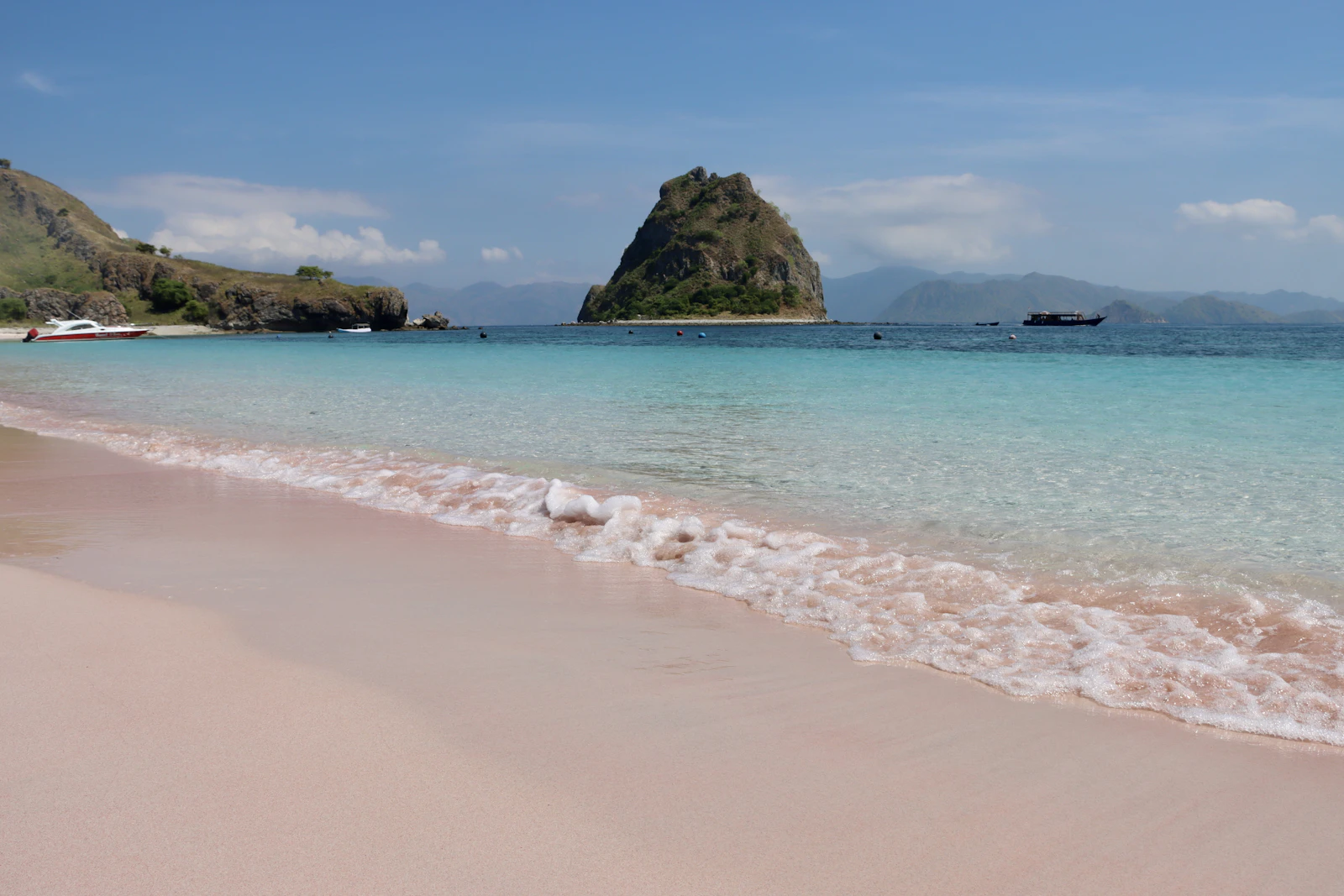
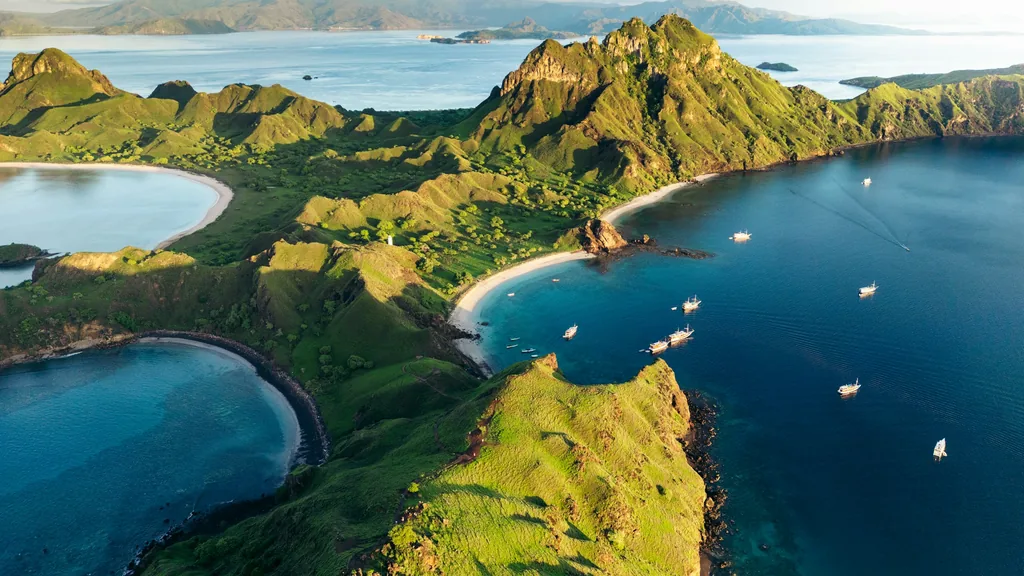
Short answer: A 3D2N Komodo and Padar itinerary sleeps two nights aboard and is built around a single Padar sunrise attempt, one Komodo Island dragon trek, and two flexible snorkeling stops — with the route direction (clockwise or counter-clockwise from Labuan Bajo) determining whether Padar falls on Day 1 or Day 2, not fixed by any standard.
Last updated: August 23, 2026.
What does each day actually look like?
Most 3D2N departures follow one of two mirrored routes, and which one your boat runs usually comes down to weather, tide timing at Manta Point, and which anchorage is calmer that week — not a fixed park rule.
Route A: Padar first
Day 1 — Depart Labuan Bajo mid-morning, cruise toward Rinca or straight to a Padar-adjacent anchorage, afternoon Rinca trek or rest. Day 2 — Pre-dawn Padar sunrise climb, Pink Beach late morning, Komodo Island trek at Loh Liang midday, Manta Point or Batu Bolong snorkel in the afternoon, overnight near Kanawa. Day 3 — Final morning swim stop, cruise back, disembark early afternoon.
Route B: Padar last
Day 1 — Depart Labuan Bajo, Komodo Island trek at Loh Liang, Pink Beach in the afternoon. Day 2 — Rinca trek in the morning, Manta Point or Batu Bolong snorkel midday, overnight positioned near Padar for a next-morning climb. Day 3 — Pre-dawn Padar sunrise climb, then direct return cruise to Labuan Bajo, disembark by early-to-mid afternoon.
Route B is more common among operators prioritizing the Padar sunrise as the trip’s final, most memorable stop, and it has one practical advantage: if weather forces a delay, there’s slightly more schedule room to attempt Padar on the morning of Day 3 before the return cruise than there is to insert a second attempt mid-trip under Route A. The tradeoff is that Route B leaves zero buffer if Day 3’s weather is the one bad morning of your trip — there’s no Day 4 to fall back on.
Route A vs. Route B: which should you actually book?
| Route A (Padar Day 2) | Route B (Padar Day 3) | |
|---|---|---|
| Weather buffer for Padar | Slightly more, since a rough Day 2 morning still leaves Day 3 free to reposition | None — Day 3’s climb is the last activity before the return cruise |
| Trip pacing | Front-loaded and busy on Day 2, lighter finish on Day 3 | Steadier build, with Padar saved as the closing highlight |
| Best for | Travelers who’d rather risk a lighter final day than lose the sunrise entirely | Travelers who want Padar as the trip’s emotional high point |
Neither route is objectively better — ask your operator which one they’re running for your specific departure date rather than assuming, since the answer changes week to week based on conditions.
What’s typically included on a 3D2N package?
Boat accommodation for two nights, all onboard meals, ranger-accompanied treks at Padar and Komodo, basic snorkeling gear, and national park entrance fees are standard inclusions across most 3D2N operators — the same baseline as longer trips, just compressed into a shorter window. What varies more at this trip length than on a 5-day booking is drinking water allowance (some budget operators cap it more tightly on shorter trips) and whether a dedicated dive guide is included versus snorkel-only supervision. Confirm both specifically if diving is part of your plan, and see our entrance fee breakdown for what the park-fee component actually covers regardless of trip length.
Why a short trip makes route flexibility non-negotiable
On a 5-day trip, a captain can reshuffle two or three days around one bad-weather morning without anyone really noticing the change. On a 3D2N trip, there’s exactly one spare slot at most — meaning the itinerary you’re quoted at booking is closer to a plan than a guarantee. This isn’t a red flag specific to any operator; it’s a structural feature of a short trip in an open-water park where conditions change daily. The practical response is to book with an operator who communicates route changes clearly rather than one who advertises the most rigid, detailed hour-by-hour schedule — the latter is often less honest about how these trips actually run in practice.
Which nights do you actually anchor near Padar?
Because a sunrise climb requires the boat positioned close enough for a short pre-dawn tender ride, whichever night precedes your Padar morning is spent anchored in the sheltered water on Padar’s northern side, generally a 10–20 minute tender ride from the landing point. This is also usually the calmest anchorage of the trip, since operators deliberately choose a protected bay for an early-morning wake-up call rather than a rolling, exposed one.
How does this compare to a longer 5-day route?
A 3D2N trip fits the same core stops (Padar, Komodo, Pink Beach, one snorkeling site) into a tighter window by cutting the buffer day and reducing snorkeling stops from two or three down to one or two. It works well if your schedule genuinely can’t stretch further, but it means a single bad-weather morning can cost you the Padar sunrise entirely, with no spare day to reschedule. If Padar’s summit view is the one thing you won’t compromise on, our 5-day Padar Island and Komodo itinerary is worth comparing directly — the extra two days exist specifically to absorb exactly this kind of schedule risk.
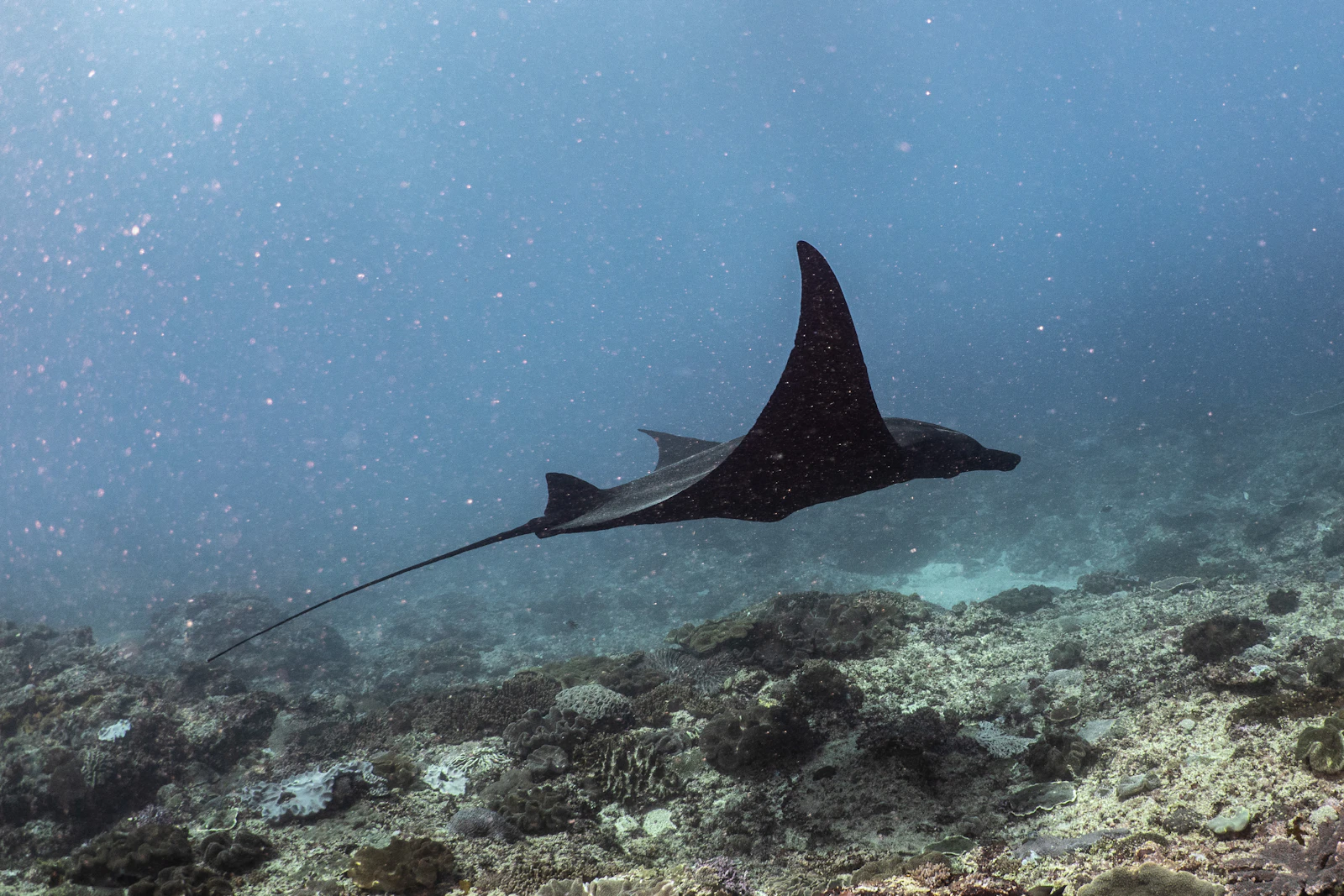
What a compressed 3-day schedule means for meal and rest timing
Fitting the same headline stops into two fewer days than a 5-day trip generally means earlier wake-up calls and shorter windows at each stop rather than any single activity being cut entirely. Meals are typically served on a tighter, more fixed schedule than on a longer liveaboard, and there’s less unstructured downtime on deck between stops. Travelers used to a slower vacation pace sometimes find a 3D2N trip feels more like a well-organized checklist than a leisurely cruise — which is a fair tradeoff for the time saved, but worth knowing before you book if relaxation is as much a priority as sightseeing.
What to pack differently for a 2-night trip
A 3D2N trip is short enough that overpacking is the more common mistake than underpacking. A headlamp for the pre-dawn Padar departure, one dry bag for tender transfers, and reef-safe sunscreen matter regardless of trip length; what you can skip on a 2-night trip that a longer liveaboard might need is a second full change of hiking clothes or a larger toiletries kit — quick-dry fabric handles two days without needing a rotation. See our complete Padar Island packing list for boat trips for the full breakdown by trip length.
Getting to and from the boat for a short trip
Because a 3D2N trip has the least schedule slack of the common Komodo itinerary lengths, how you get from Labuan Bajo’s airport to your boat and back matters more here than on a longer trip — a delayed flight has less room to absorb before it eats into Day 1’s itinerary. If you’re deciding how to reach Padar specifically once aboard, our speedboat versus wooden boat comparison covers the tradeoffs in transfer time and comfort that matter most on a tight schedule like this one.
Booking timing for a 3D2N trip
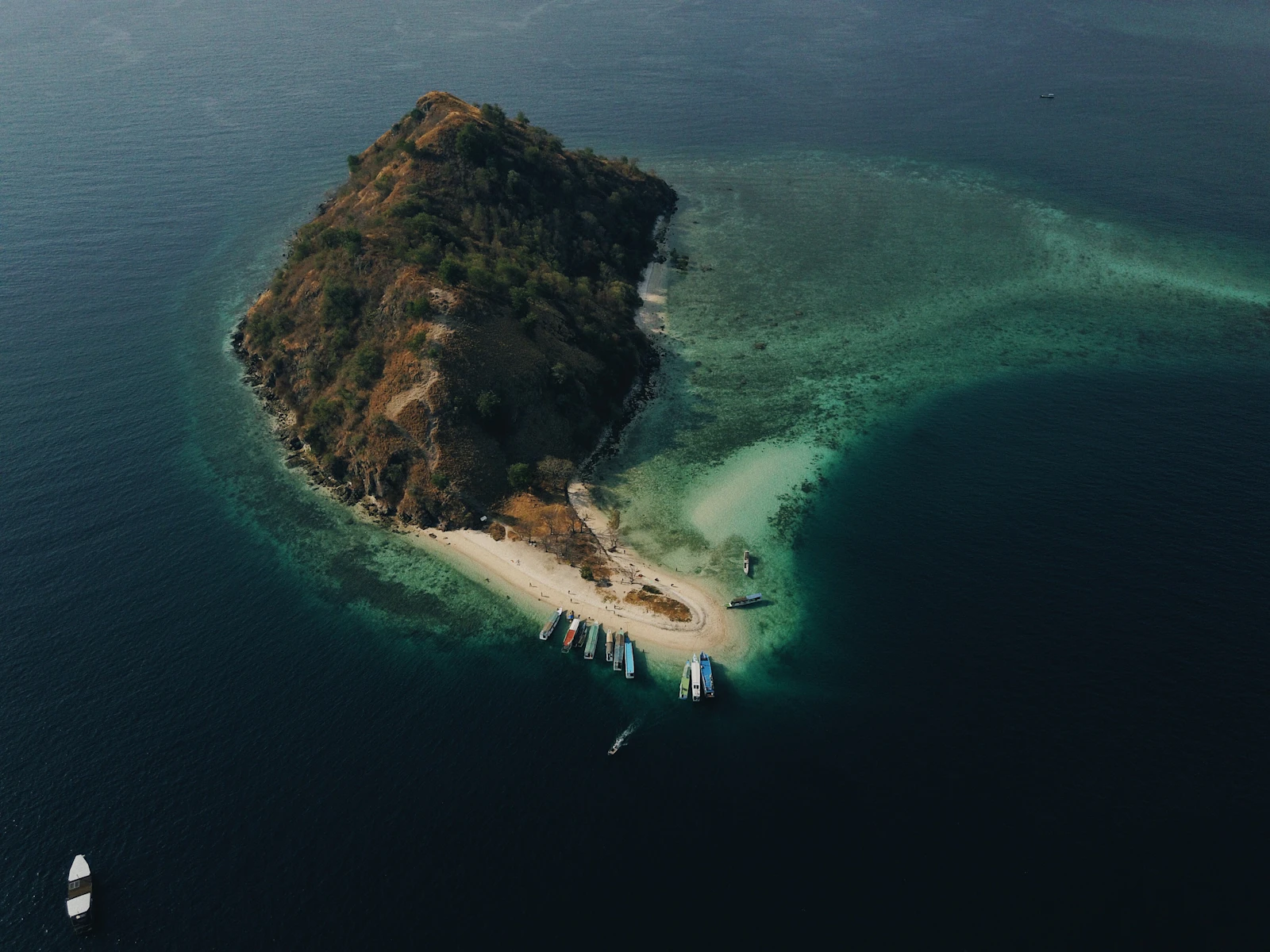
Because Komodo National Park as a whole — not Padar’s viewpoint alone — runs on a quota system capped at 1,000 visitors per day (the park does not publish a per-session figure; divided across three sessions that implies roughly 330 each), a 3D2N trip’s single sunrise attempt is worth booking as early as your dates allow, particularly in July–September and December–January peak windows when popular slots fill weeks ahead. A short trip has less room to simply wait for a later, less crowded slot the way a longer itinerary does — if your quota reservation falls through, there’s no spare day to try again.
Frequently asked questions
Is 3 days enough to see Padar Island and Komodo National Park?
For the headline stops — Padar, Komodo, Pink Beach, and one snorkeling site — yes, but with no buffer for bad weather. A single missed morning can mean skipping Padar entirely rather than rescheduling it.
Do all 3D2N Komodo itineraries visit Padar on the same day?
No. Some run the Padar sunrise on Day 2, others save it for the final morning of Day 3 before the return cruise — it depends on the operator’s preferred route direction that week.
How many nights do you sleep on the boat for a 3-day trip?
Two nights aboard, disembarking on the morning or early afternoon of Day 3 — standard across the industry, matching how “5-day” trips count four nights.
Can I choose which day Padar Island falls on for a 3D2N trip?
Sometimes, if you ask before booking and your operator has flexibility that week. Most operators set the route direction based on conditions across their whole week’s schedule rather than customizing per booking, so ask rather than assume.
Is a 3D2N Komodo trip good for a first-time visitor?
Yes, if your schedule is genuinely limited to a long weekend. First-time visitors with more flexible dates often prefer the extra buffer day a 5-day trip provides, specifically to protect the Padar sunrise attempt.
For the two other lengths most travelers weigh against this one, see our 5-day itinerary or the existing 7-day Padar Island itinerary for a side-by-side comparison of what each extra day actually buys you.
Turning the day-by-day plan into one booking
This page is a plan, not a purchase. Reservations are taken by our affiliated operator instead, Komodo Luxury. Each day above assumes the boat is already yours for the night before, which is why this route is booked as a single charter. Charters covering the whole route: multi-day liveaboards, the one-day Komodo sailing package, and private-trip packages.
Departure and return windows
Shared sunrise day trips leave Labuan Bajo in the very early hours, timed to reach Padar shortly before first light. Later-morning departures exist for groups not chasing the dawn, leaving after first light and arriving for a mid- to late-morning climb — which suits anyone who would rather not start in the dark. Most dedicated Padar excursions still use a morning boat, because the seas are calmer and the air is cooler, and a speedboat can fold Padar into a full day that also covers dragons and snorkelling.
Afternoon-only visits are possible inside the 15:00–18:00 park session but depend heavily on sea conditions and your boat’s speed, which is why operators generally prefer the morning. A late-afternoon climb offers softer light and slightly cooler air than midday, though heat lingers, and the session window is the binding constraint. There is no official last boat; the afternoon slot and the crossing time simply limit how late a sensible departure can be, and operators rarely schedule against that.
Most day-trip and three-day boats are back in Labuan Bajo by late afternoon or early evening, having fitted in at least one snorkelling stop, with crews aiming to clear the park in good light.
Anchorages matter more than most guests notice. Captains favour the more sheltered bays off Padar’s three main inlets, balancing depth, swell protection and how far the tender has to run to the ranger jetty, and prevailing wind decides which side works on the day.
Choosing the shape of the trip
A one-day combination squeezes Padar, a dragon trek and at least one snorkel into a long and sometimes tiring schedule that depends on an early start and efficient transitions. A two-day plan based in Labuan Bajo splits it — one long day for Padar and nearby snorkelling, another for Komodo or Rinca plus a different reef — which suits travellers who would rather sleep on land. The three-day version spreads the same content across unhurried days with nights aboard, and is where the trip stops feeling like logistics.
A week built around Padar usually pairs a three-day or longer liveaboard with a few nights on land in Labuan Bajo, and the main budget variable is the boat: shared speedboats and standard phinisi sit well below private charters for the same itinerary.
On order, Padar versus Komodo first is normally decided by weather, current and your own priority. If the sunrise photograph is the point, most operators put Padar on the first morning when the forecast allows.
Urutan Padar atau Komodo lebih dulu biasanya ditentukan cuaca, arus dan prioritas Anda. Jika fokus utama adalah foto matahari terbit di Padar, banyak operator mengarahkan hari pertama ke sana ketika ramalan cuaca mendukung.
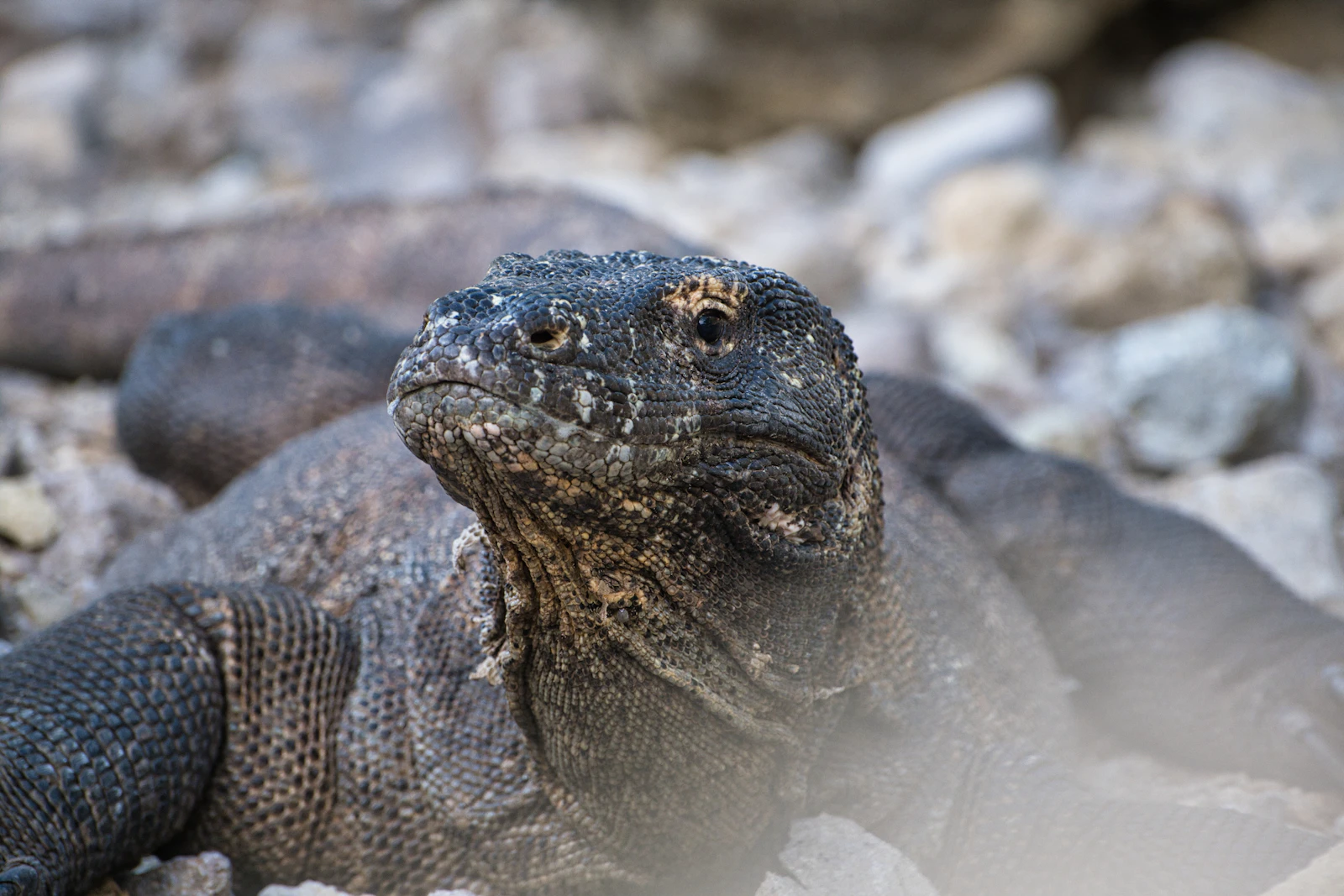
The trade-off between the two islands is clean: Padar offers a short structured hike and wide vistas but no dragon viewing and no facilities beyond a ranger post, while Komodo delivers the lizards and lowland forest walks without a comparable viewpoint.
The months, briefly
April is transitional — rain tailing off with cloud and occasional showers still appearing, combining partial greenery with emerging dry-season reliability. May sits early in the dry season, showers eased and some green retained from recent rain, with seas calming from the heart of the wet months. June is well into the dry season with settled seas and hillsides shifting from green toward brown, temperatures warm and humidity noticeably lower.
August delivers very dry conditions and good visibility and is among the windiest times of year: vegetation sparse and brown, ridgelines sharp under strong sun and clear skies, with wind that cools the climb and roughens the crossing. It is also high season across much of Indonesia, so expect fuller boats and congested viewpoints, with sunrise sessions tightly managed. September is still firmly dry, with manageable seas, strong sun and relatively clear horizons, and brown dusty hillsides where footwear grip matters.
November behaves like a shoulder month, the dry season tapering and the first serious showers returning, with hills regaining some green. December swings into the wet season — heavier showers, lusher slopes, more changeable visibility — and appeals if you value quieter trails. February is firmly wet, with frequent showers and sometimes rougher seas, vividly green slopes and cloud that tempers the heat, though trips are more weather-dependent.
Overall the climate is a pronounced dry season roughly April to November and a wetter period around December to March, with the dry months bringing more stable seas, stronger sun and browner hills.
Special cases
Teenagers who are moderately active handle the climb well and often enjoy the sense of achievement at the ridge; the real questions are heat, an early start and sea motion rather than the walking itself.
Children and reasonably fit seniors both do best with a short, slower ascent that turns back at an intermediate viewpoint rather than pushing for the highest ridge. The view is already substantial there, and the pressure to reach a particular point is entirely self-imposed.
Visiting with a baby is possible but demands planning and realistic expectations. The stepped trail is not stroller-friendly, so a secure carrier, a sun hat and strict attention to heat are the minimum, and one adult staying with the baby near the jetty is a common and sensible outcome.
Sunburn deserves its own mention because the ridge is fully exposed and the sea amplifies the reflection: lightweight long sleeves, a brimmed hat and high-SPF sunscreen reapplied through the session.
On wildlife, venomous snakes exist across Komodo National Park and the wider Lesser Sunda region, but confirmed data specific to Padar is limited and sightings on the main tourist trail are rare. Snakes are part of the ecosystem here as on many Indonesian islands, and they avoid the busy route. Staying on the built path is the entire mitigation.
Plant life reflects the dry volcanic environment — hardy grasses, low shrubs, scattered small trees rather than forest — and greens up markedly in the wet season. That coarse ground cover becomes slippery both after rain and when dry and dusty, which is worth remembering on the descent.
For photographers, the rule of thirds works unusually well on the main ridge, where three bays, the horizon and the foreground steps fall naturally into separate bands. Framing on a headland junction or a single bay rather than trying to balance everything tends to produce the stronger image.
On who discovered Padar: nobody, in the modern sense. Local seafaring communities have known the island for generations, and European charts gradually incorporated it without any documented moment of discovery. Guides will offer versions of the story; treat them as culture rather than record.
Finally, travellers combining Labuan Bajo-based volunteering or conservation work with a budget three-day loop is a workable pattern, though Padar itself has no accommodation and no resident programme — the community side of such a trip happens on the mainland.
This guide does not operate boats. Bookings are fulfilled by Komodo Luxury, and this site may earn a referral commission.
Ready When You Are
Ready to book?
Chat directly on WhatsApp with the Komodo Luxury team.
This guide does not operate boats. Bookings are fulfilled by Komodo Luxury, and this site may earn a referral commission.