

Journal
Responsible And Sustainable Travel To Padar Island
Padar, within Komodo National Park, is a breathtaking gem characterized by its rugged landscapes and rich biodiversity.
Responsible And Sustainable Travel To Padar Island
Padar, within Komodo National Park, is a breathtaking gem characterized by its rugged landscapes and rich biodiversity. As we explore this stunning location, it’s vital to embrace responsible tourism practices to ensure that its beauty remains intact for generations to come.
Understanding Responsible Tourism on Padar Island
Responsible tourism to Padar involves making conscious choices that minimize environmental impact and contribute positively to the local community. With its stunning vistas, diverse marine life, and unique ecosystems, Padar is a prime destination for eco-conscious travelers. Visitor numbers across Komodo National Park are now capped at 1,000 people a day under the SIORA system in force since 1 April 2026, which makes how each visitor behaves on the trail matter more than how many arrive.
Eco-Friendly Tours: Exploring Padar Island Responsibly
When planning your adventure, it’s essential to select eco-friendly Padar tours that prioritize sustainable practices. Many local operators focus on minimizing their environmental footprint while providing a rich experience. For example, a full-day tour starting from Labuan Bajo is priced in line with our trip cost breakdown rather than a fixed figure quoted here, and often includes responsible hiking gear, meals made from locally-sourced ingredients, and expert guides who educate visitors on environmental conservation.
These operators can provide insights into Komodo National Park rules, ensuring that your activities comply with regulations designed to protect both the natural and cultural heritage of the area. You can expect to activities like hiking to Padar’s famous viewpoint, snorkeling in vibrant coral reefs, and participating in beach clean-ups, contributing directly to the preservation of this pristine environment.
Complying with Komodo National Park Rules
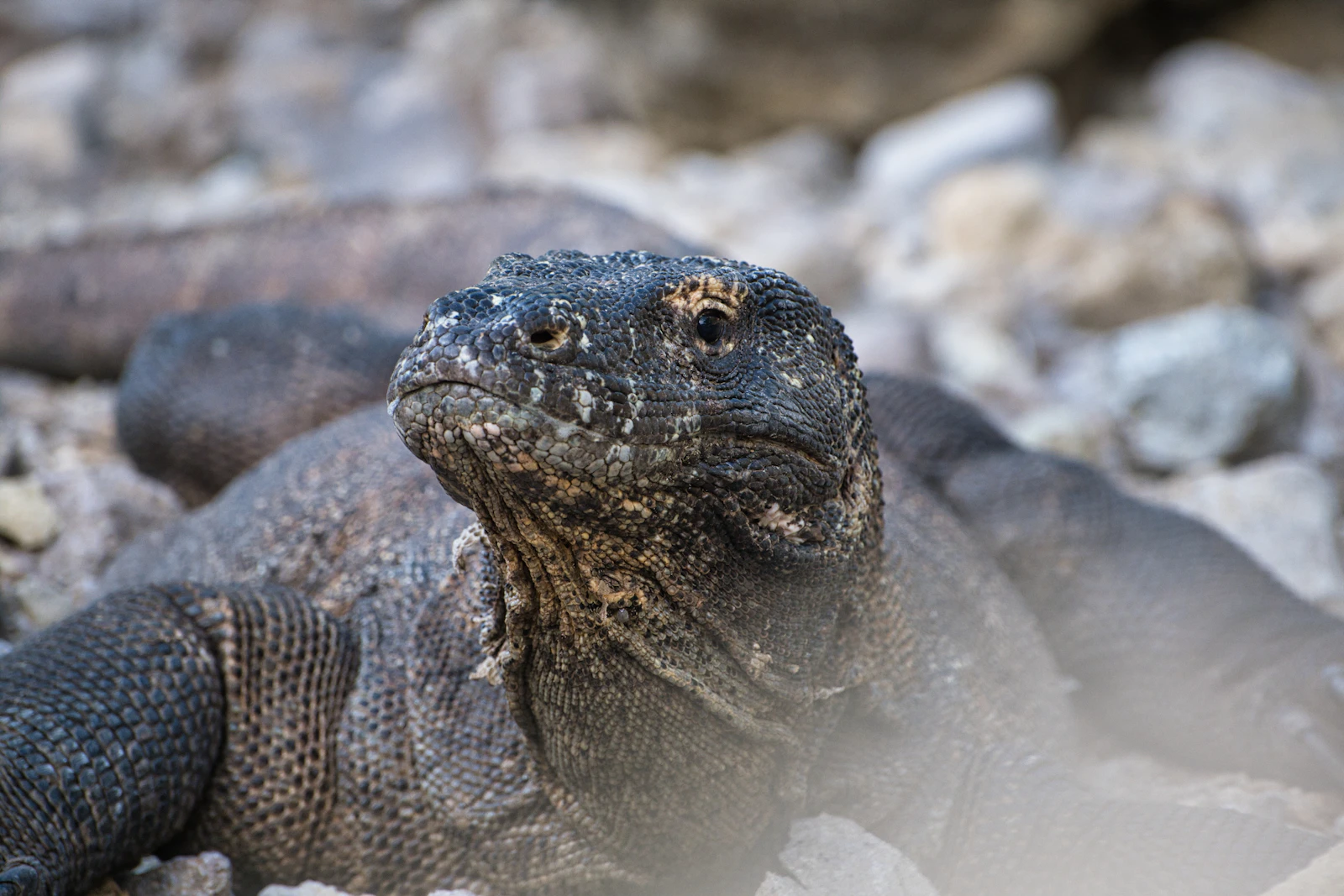
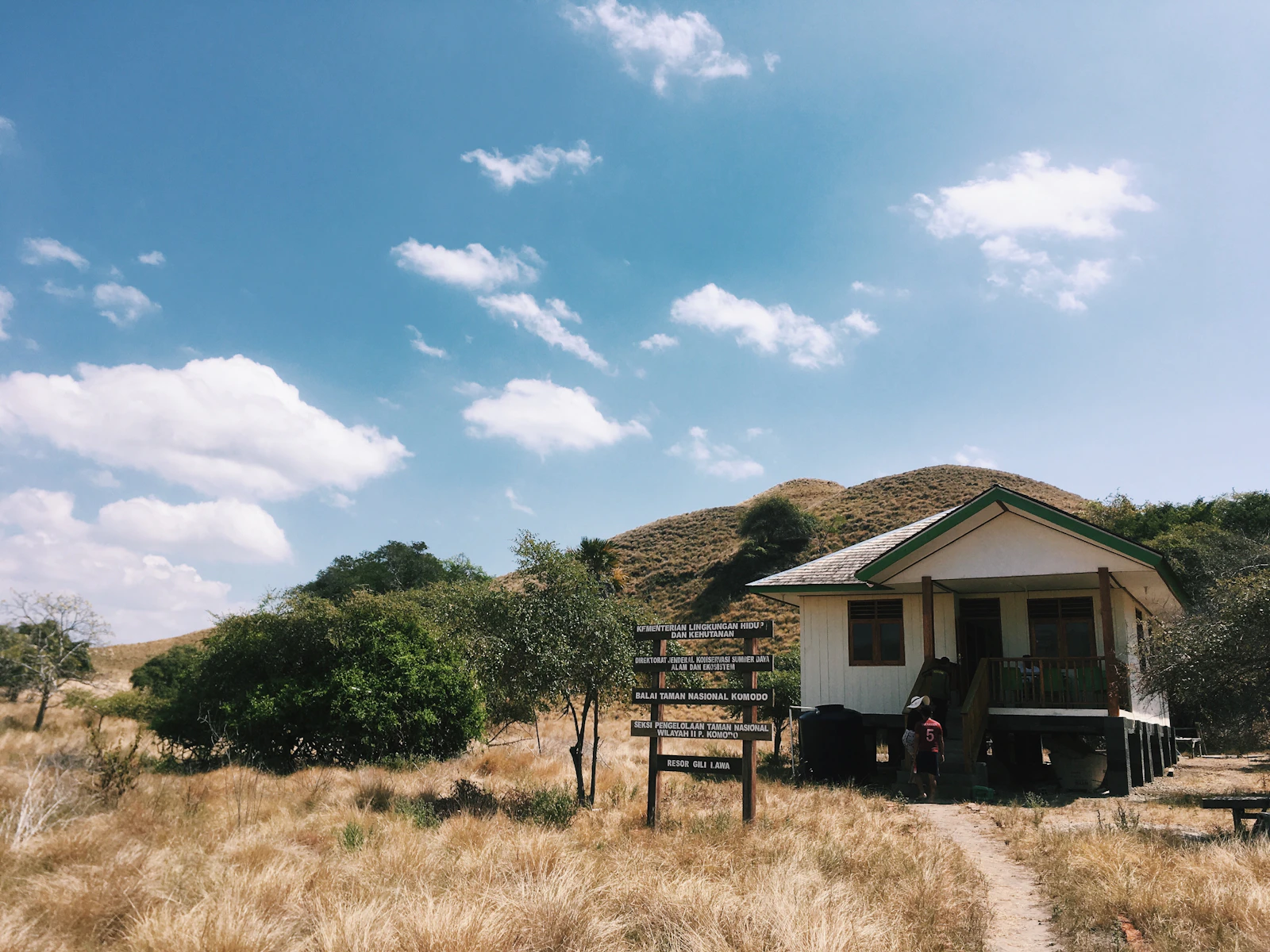
Understanding and adhering to the rules of Komodo National Park is essential for anyone visiting Padar Island. These regulations are in place to protect the unique wildlife, such as the Komodo dragon, and to preserve the island’s ecosystems. Common rules include:
- No feeding or touching wildlife.
- Staying on marked trails during hikes.
- Using designated areas for swimming and snorkeling.
Fines can range from IDR 750,000–3,000,000 if these rules are violated, not to mention the potential long-term damage to the environment. As a responsible traveler, it’s important to familiarize yourself with these guidelines and encourage others to do the same. One of the best ways to ensure compliance is by joining a guided tour where trained professionals will lead the way and promote adherence to park rules.

The Leave No Trace Philosophy on Padar Island
One principle that every visitor should commit to is the Leave No Trace philosophy. This approach advocates for minimizing human impact on natural spaces. Here’s how you can practice this while hiking on the island:
- Pack Out What You Pack In: Carry all your waste—including food wrappers, plastic bottles, and any other trash—out with you. There are no waste disposal facilities on the island at all.
- Stay on Trails: Avoid creating new paths to preserve the native flora and fauna. Stick to established trails while hiking.
- Respect Local Wildlife: Observe animals from a distance and refrain from feeding them. Your food can disrupt their natural foraging instincts.
Practicing Leave No Trace principles ensures that Padar remains a pristine destination for future generations. If every visitor commits to this ethos, the environmental impact will be significantly reduced.
Protecting Wildlife Near Padar Island
The biodiversity surrounding Padar is astounding, but it is also vulnerable. Here’s how you can help protect wildlife during your visit:
- Participate in Eco Tours: Choose tours that include wildlife conservation efforts, such as coral reef restoration projects or educational talks about local species.
- Support Conservation Organizations: Consider donating to local conservation projects aimed at protecting the endangered Komodo dragons and their habitat.
- Respect Marine Life: When snorkeling, be mindful of delicate coral reefs. Avoid touching or stepping on them, and do not collect marine souvenirs.
By taking these steps, you contribute to the ongoing preservation of the wildlife that makes Padar so special, ensuring these ecosystems thrive long into the future.
Ethical Manta Ray Snorkeling from Padar Area
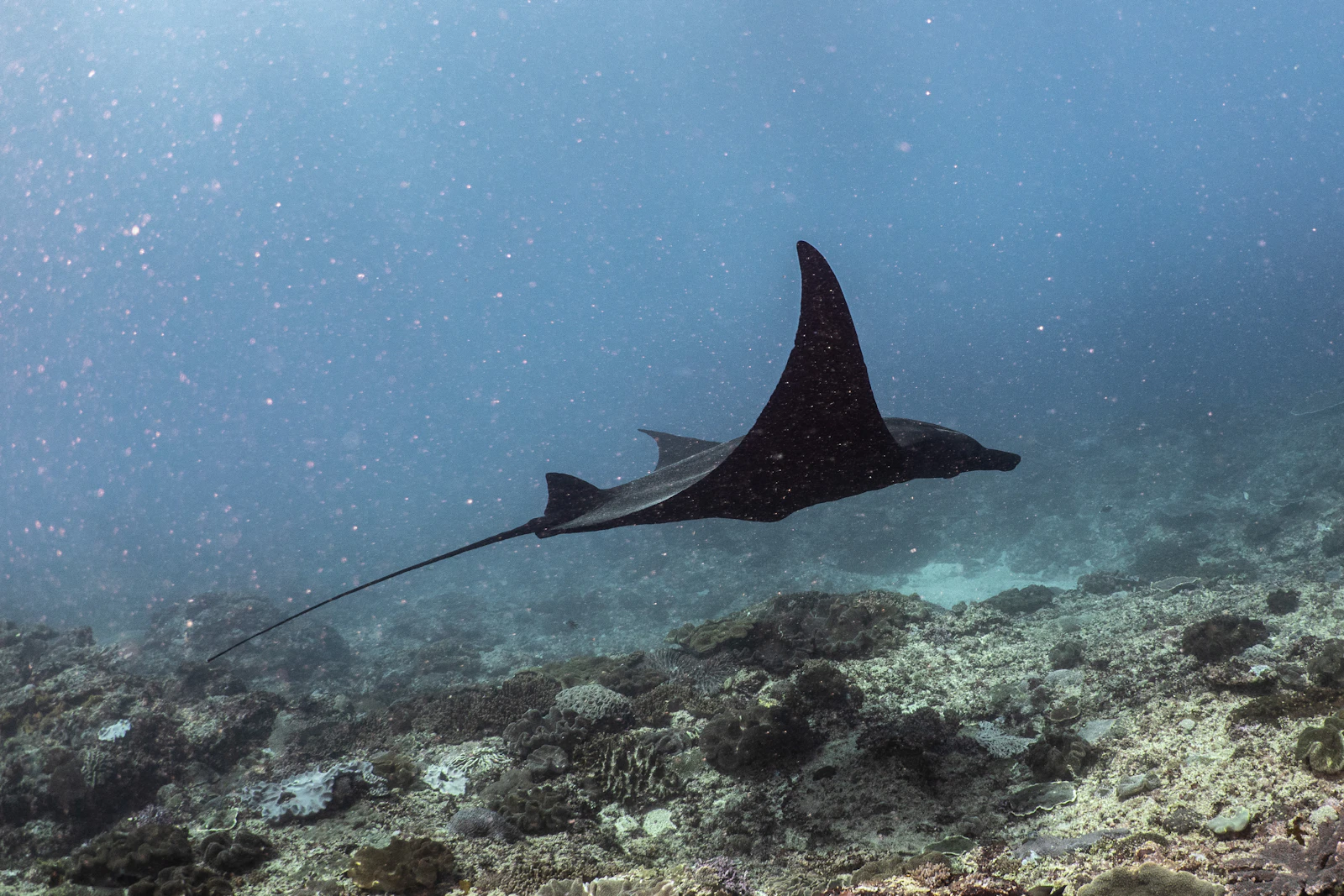
Snorkeling with manta rays is one of the most sought-after experiences near Padar Island. In 2026, the average cost for a snorkeling trip ranges from IDR 750,000–1,200,000 per person. However, it’s critical to select a tour that prioritizes ethical interactions with these majestic creatures. Here are some tips for ethical manta ray snorkeling:
- Choose Reputable Operators: Look for companies that adhere to guidelines established by marine conservation organizations to minimize disturbance to the rays.
- Maintain a Safe Distance: Keep a respectful distance from the manta rays and never attempt to touch or ride them.
- Limit Group Sizes: Smaller groups are less disruptive to marine life. Opt for tours that limit their numbers to ensure a more intimate and respectful experience.
By snorkeling ethically, you can enjoy this incredible experience while also supporting the sustainability of marine ecosystems surrounding Padar.
Supporting Local Communities in Labuan Bajo
Traveling sustainably goes beyond protecting the environment; it also involves supporting the local communities. Labuan Bajo is the gateway to Padar Island and a hub for local culture and charm. Here’s how you can support local communities:
- Choose Local Accommodations: Stay in guesthouses or homestays run by local families to help them benefit directly from tourism.
- Buy Local Crafts: Purchase handmade crafts and products from local artisans instead of imported goods. This ensures your money stays in the community.
- Participate in Cultural Experiences: Engage in local activities, such as cooking classes or traditional fishing trips, to better understand the culture and provide income to local residents.
By making intentional choices to support local communities, you enhance your travel experience while benefiting the people of Labuan Bajo.

Travelling here without the plastic
Plastic pollution poses a significant threat to the pristine environment of Padar. Here are practical tips to help you travel plastic-free:
- Use a Reusable Water Bottle: Bring a stainless steel or BPA-free water bottle to refill throughout your trip. Many hotels and restaurants offer refill stations.
- Avoid Single-Use Plastics: Pack your own snacks in reusable containers instead of purchasing packaged goods.
- Participate in Beach Clean-Ups: Join organized beach clean-up events during your stay, contributing to the removal of plastics and debris from the shoreline.
By incorporating these tips into your travel routine, you can help keep Padar beautiful and plastic-free.
Conclusion
Responsible and sustainable travel to Padar Island is not just a trend; it’s a necessity. By being mindful of your impact, choosing ethical tours, and supporting local communities, you can ensure that this natural wonder remains untouched for future generations. As you prepare for your journey, remember that every small action counts. Let’s work together to keep Padar pristine and thriving.
FAQ
1. What are the best months to visit Padar Island for responsible tourism?
April to November, the dry season, gives you the calmest crossings and the driest footing on the staircase. Within that window, the shoulder stretches of April to June and September to November are the responsible choice: they sit either side of the July-August peak, so groups on the ridge are smaller and Labuan Bajo’s water and waste systems carry less strain while you are there. December to March is the wet season, when the hills turn green but weather delays and rougher seas become likely.
2. How can I participate in local community support while visiting Labuan Bajo?
Consider staying at local accommodations, purchasing handmade goods, or joining cultural experiences that benefit residents.
3. Are there any fees for entering Komodo National Park?
Yes. As of August 2026, the Komodo National Park entrance fee is IDR 250,000 per day for foreign visitors (WNA) and IDR 50,000 per day (weekdays) or IDR 75,000 per day (Sundays & national holidays) for Indonesian citizens (WNI), though no verified per-person harbor fee applies (a per-boat vessel-entry charge may be billed instead, usually already folded into your trip price) — see the full Padar Island entrance fee breakdown for the complete table. All layers together, the honest figure for a foreign visitor is roughly IDR 400,000–525,000 per person per day: PNBP ticket, a ranger/guide fee of around IDR 150,000 per group of 1–5, and bundled conservation and jetty components (as of August 2026).
Embrace responsible travel practices, and together we can preserve the beauty of Padar.
Explore more from Padarisland
- Padarisland — home
- Padar Island vs Alternatives Comparison
- Padar Island Packing Guide
- Best Time for Padar Island
- Health, Safety And Sea Conditions Around Padar Island
Book with Komodo Luxury on WhatsApp →
Booking the version of this trip you have just described
This is an information page; padarisland.com holds no inventory. Vessels are operated by our affiliated partner, Komodo Luxury. Low-impact travel is decided at the booking stage — group size, route length and operator practice are all fixed before you sail. Charters to raise those points with: a wellness-focused charter, multi-day liveaboards, and group boat charters.
The single most effective thing you can do
Stay on the marked trail and staircase. Padar’s slopes are steep, relatively bare and built on volcanic soils, which makes them exceptionally prone to erosion, and concentrating foot traffic onto the constructed steps is the mechanism protecting them. Off-path shortcuts destabilise ground that then washes out, and the damage compounds with every person who follows the line someone else cut. That single rule does more for the island than every other choice you make combined.
After that: carry out every piece of rubbish, including tissues, wrappers and batteries, in a small resealable bag. There are no full-service waste facilities on Padar and waste management depends entirely on your boat, so a responsible crew operating a genuine pack-in, pack-out policy and keeping single-use plastics off the boat is worth choosing for. Single-use plastic is strongly discouraged across the park, and rangers and crews will ask you to keep bottles, wrappers and cigarette butts with you.
Smoking is discouraged on the trail for two concrete reasons — fire risk in dry grassland, and discarded butts. Some operators ban it entirely during island stops and permit it only aboard, which is the sensible arrangement.
The threats to Padar are not abstract. They are visitor numbers concentrated into short windows causing trail wear, litter, and the off-path shortcuts already mentioned, plus boat traffic in the surrounding waters. Its future depends on whether quotas, online booking and on-ground enforcement work together well enough to hold that pressure — which in turn depends on collaboration between the park authority, operators and visitors, and on individual behaviour that nobody is policing at the moment you choose it.
Choosing an operator, and behaving on the water
Start with an operator who explains the park rules clearly and includes the ranger escort. Bring a refillable bottle, reef-safe sunscreen and light sun-protective clothing rather than relying on repeated applications of chemical filters near coral.
Boats serving Padar are expected to follow park regulations: no anchoring on coral, engines off or in neutral near swimmers, and controlled wastewater handling. The park encourages fixed moorings or safe sandy patches over dropped anchors, and a responsible operator will brief guests not to pressure the crew into anchoring somewhere convenient. Eco-friendlier boats are made by maintenance and behaviour rather than by technology — a well-tuned engine, proper fuel storage and careful mooring practice reduce risk far more than any label.
Low-impact activity here means short, structured use of existing infrastructure. The hike uses built steps that contain erosion; calm-water snorkelling stops elsewhere in the park spread the pressure. There are no visitor-accessible coral nurseries on Padar itself, since its bays serve as brief snorkelling stops rather than project sites, though restoration work exists elsewhere in Komodo National Park.
The surrounding waters sit inside one of Indonesia’s richest marine protected areas — coral reefs, reef fish, the occasional ray or turtle. The very highest biodiversity is at other sites, but the context matters: what you do around Padar affects a system far larger than the island.
Rangers enforce the environmental rules on the ground, and the park can fine or remove visitors who ignore safety and conservation rules, such as flying unauthorised drones or entering closed areas. Rangers have discretion, and they use warnings first, but the sanctions are real.
Your entrance ticket is set by national regulation and covers access to all open areas of the park for the day. Conservation, jetty maintenance and insurance components are bundled inside it rather than itemised, which is why there is no separate environmental fee to look for.
Guides, culture and courtesy
Rangers manage safety and flow on the trail, and a local guide adds something different: interpretation of the geology and the wider Komodo ecosystem, tailored pacing, and help timing photo stops so you are not blocking anyone. Going without one means relying on group briefings that can be brief during a busy session. Most local guides work through tour companies rather than waiting at the pier, so book through your operator in Labuan Bajo, where you can confirm language, experience with mixed-ability groups and what they will actually cover.
Padar is uninhabited, but the crews and rangers come from nearby islands with largely Muslim and Christian communities. Dress modestly on the boat, particularly when passing villages, respect prayer times and dietary preferences, and keep alcohol to private boats and after the activities. There are no temples or shrines on the island itself; the sensitivity is toward the people working there.
For companies planning a CSR-style eco trip, Padar works as one component but the community element has to come from elsewhere — village visits, beach clean-ups, work with local organisations. Padar itself has no community to engage with, and treating a hike as a contribution overstates it.
Photography is welcome as long as tripods, drones and posing do not block the narrow trail or damage vegetation. That is the whole of responsible practice here, and it is mostly about awareness of the people behind you.
Practical notes for a low-impact visit
The trail runs roughly 0.7 to 1.5 km from the jetty to the highest viewpoint depending on where you turn around, almost entirely stepped with steady elevation gain, and most people reach the main viewpoint in 25 to 45 minutes. The descent is quicker and harder on knees. There is one route rather than a network, built as a stepped path, and seniors or less fit visitors manage it by walking slowly, pausing often and stopping wherever they are comfortable.
The most comfortable time to hike is early morning or late afternoon in the drier months from April to November, when temperature and humidity are lower. Conditions are hot and exposed as standard, with stronger sun and wind on the ridgelines than at the jetty; in the wet season, sudden showers make the steps slippery and cut visibility. Stable footwear, measured pacing and attention to ranger instructions are the pillars of safety, along with not overtaking on narrow steps — especially on the way down — and using the handrails where they exist.
For disabled visitors, the steps and the absence of wheelchair access make the full ascent unrealistic for many. The alternatives are genuine rather than consolation: staying aboard to take in the bays from the water, or spending the time at the jetty area. Discuss it with your operator so they can plan the day around it.
On wildlife, the risks are overstated. Komodo dragons are not normally encountered on the main tourist trail, and most animals you meet are shy — small lizards, birds, insects, occasionally a snake off-path. The real hazards are heat, loose gravel and crowding on the stairs. Staying on the constructed path and out of tall grass reduces the reptile question to near zero.
The flora tells the seasonal story: hardy grasses and scattered shrubs adapted to long dry periods, with small pockets of trees only in the sheltered folds, closer to savannah than tropical forest. The grass shifts from green to gold and back through the year, which is why the same viewpoint photographs so differently across seasons.
Padar’s ridges come from volcanic activity dating back roughly 3.2 million years, followed by long uplift and erosion, with wind and seasonal rain carving the valleys you see. Understanding that these slopes took three million years to form and are eroding now under a few thousand pairs of feet a week is, in the end, the whole argument for staying on the steps.
One last piece of preparation: travel insurance that explicitly covers boat excursions and guided hikes in remote areas, with medical evacuation and trip interruption included. There is no single best policy, but there is a wrong one — the kind that excludes exactly the two things this trip consists of.
This guide does not operate boats. Bookings are fulfilled by Komodo Luxury, and this site may earn a referral commission.
Ready When You Are
Ready to book?
Chat directly on WhatsApp with the Komodo Luxury team.
This guide does not operate boats. Bookings are fulfilled by Komodo Luxury, and this site may earn a referral commission.