

Journal
Snorkelling Near Padar Island: Best Stops
Short answer: The closest and most commonly paired snorkeling stops to a Padar Island visit are Manta Point (Karang Makassar), Taka Makassar's sandbar reef edge, and Batu Bolong — all…
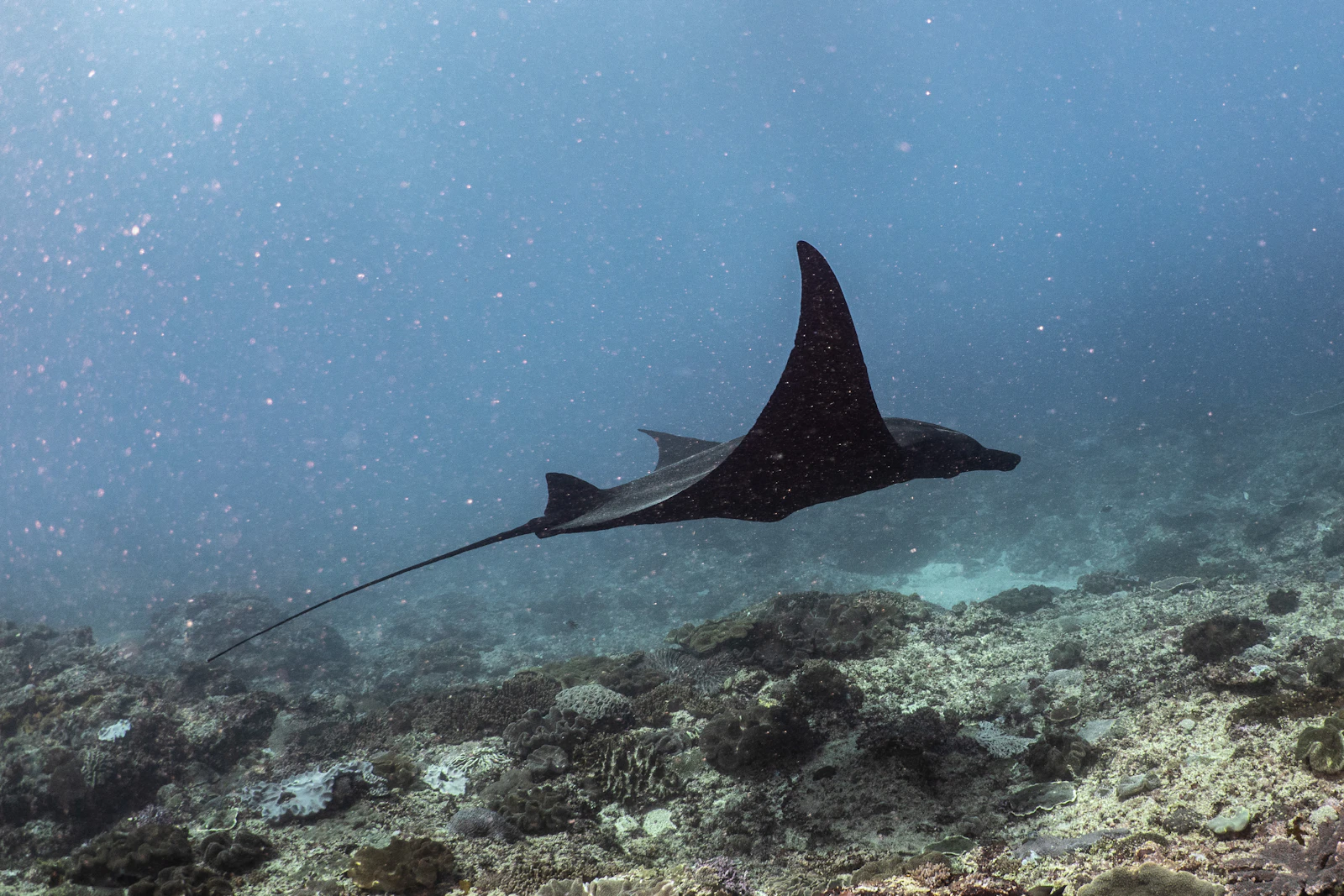
Short answer: The closest and most commonly paired snorkeling stops to a Padar Island visit are Manta Point (Karang Makassar), Taka Makassar’s sandbar reef edge, and Batu Bolong — all reachable within the same day’s route, though currents at Manta Point specifically can be strong enough that non-swimmers should stay near the boat rather than swim out independently.
Last updated: August 23, 2026.
Which snorkeling spots actually sit near Padar Island?
| Site | Distance/timing from Padar | What you’ll see | Current conditions |
|---|---|---|---|
| Manta Point (Karang Makassar) | Commonly combined the same day | Manta rays feeding at a cleaning station; sightings are seasonal and not guaranteed on any given day | Can be strong and unpredictable; guided entry recommended |
| Taka Makassar sandbar | Short cruise from Padar’s anchorage | Shallow reef edge around a small emergent sandbar, easier entry for beginners | Generally calmer, good for non-swimmers wading at the edge |
| Batu Bolong | En route between Padar and Komodo Island | A dramatic drop-off with dense coral and reef fish; popular with both snorkelers and divers | Moderate to strong; a known current site, best with a guide |
| Pink Beach | Adjacent stop on most standard routes | Shallow, calm swimming and light snorkeling directly off the sand | Generally mild — the easiest of the group for nervous swimmers |
Is snorkeling near Padar Island safe for non-swimmers?
It depends on which specific stop. Pink Beach and the Taka Makassar sandbar edge are shallow enough that a non-swimmer can wade and float with a life jacket without needing to swim independently. Manta Point and Batu Bolong are a different story — both are known current sites where snorkelers are expected to swim actively, sometimes against moving water, and neither is a good match for someone who isn’t a confident swimmer even with flotation gear. If your group includes non-swimmers, the honest approach is to treat Manta Point and Batu Bolong as spectator stops from the boat or tender rather than in-water activities, and save the actual swimming for Pink Beach or Taka Makassar.
What currents mean for your snorkeling plan
Komodo National Park’s waters sit at the confluence of the Indian Ocean and Flores Sea, which is exactly why the marine life is so rich — and exactly why several of its best snorkeling sites have genuinely strong, sometimes unpredictable currents. Guides typically brief groups on entry and exit points designed to work with the current rather than against it, and drift snorkeling (entering upcurrent and letting the water carry you along a planned route) is standard practice at sites like Manta Point rather than a sign something’s gone wrong. Ignoring a guide’s entry-point instructions here is the most common way inexperienced snorkelers end up drifting further than planned.
Reef conditions and what you’ll actually see
Coral coverage and visibility vary meaningfully between sites and with the tide and season — Batu Bolong’s dramatic wall and Taka Makassar’s shallower reef edge are both known for healthy coral, though visitor traffic and past anchor damage have affected some high-traffic areas over time. Manta ray sightings at Karang Makassar are seasonal and current-dependent, not a fixed guarantee regardless of what a tour description promises — plankton blooms that attract mantas shift with conditions, and a “no manta” day is a real possibility even on a well-run trip.
Booking these stops as part of a Padar Island day
Most standard Padar-area itineraries build in one or two of these snorkeling stops without you needing to request them specifically, but which exact site you get depends on the day’s conditions and your operator’s routing. If a particular site — Manta Point for the ray-sighting chance, or Pink Beach for a calmer swim — matters more to you than the others, say so when booking rather than assuming it’s automatically included; operators can usually prioritize a specific stop within reason, but not guarantee sightings or conditions on the day.
Gear and what to bring
Most boats provide basic mask, snorkel, and fin sets, but fit varies significantly between operators and group sizes — travelers with larger or smaller feet, or anyone who’s picky about mask seal, are better off bringing their own gear rather than relying on a shared set. Reef-safe mineral sunscreen matters more here than almost anywhere else on a Padar-area itinerary, given how much time you’ll spend in the water at these specific stops. For the fuller day-trip versus multi-day packing breakdown, see our Padar Island packing list.
Best time of day for snorkeling near Padar
Late morning to early afternoon typically offers the calmest water and best underwater visibility at most sites near Padar, once the wind has settled from any overnight swell but before afternoon cloud buildup. This is also usually when boats schedule their snorkeling stops on a standard itinerary — morning is reserved for the Padar climb and Komodo trek, with snorkeling filling the midday window between land-based activities. Manta Point sightings in particular are more current- and tide-dependent than time-of-day dependent, so ask your guide on the day rather than assuming a fixed best hour.
Snorkeling vs. diving near Padar Island
Snorkeling covers the surface and shallow reef edge at each of the sites above, while diving at the same locations — particularly Batu Bolong and Manta Point — reaches deeper reef walls and drop-offs where much of the more dramatic coral structure and larger pelagic life is visible. If you’re certified and diving is available on your boat, the same current considerations apply but with more control, since dive guides manage depth and current exposure more actively than a surface snorkel group can. Non-divers shouldn’t feel they’re missing the headline experience by snorkeling instead — manta ray encounters, in particular, happen at the surface as often as at depth, since mantas feed near the surface at cleaning stations.
Seasonal differences in water conditions
Dry season months generally bring calmer seas and better visibility across the snorkeling sites near Padar, matching the same weather window that makes Padar’s hiking conditions more predictable. Wetter months can bring reduced visibility from runoff and rougher surface conditions, which sometimes leads operators to skip a planned snorkeling stop in favor of a calmer alternative on short notice. This is a normal operational adjustment rather than something to be alarmed by if it happens on your trip.
Frequently asked questions
Can you snorkel right at Padar Island itself?
Padar’s own shoreline near the trailhead isn’t a primary snorkeling stop on most itineraries — the nearby sites above (Manta Point, Taka Makassar, Batu Bolong, Pink Beach) are where the actual snorkeling activity happens on a standard route.
Is Manta Point safe for beginner snorkelers?
Only with a guide and close attention to current conditions on the day. It’s a genuine current site, and beginners or non-swimmers are better served by Pink Beach or Taka Makassar instead.
Are manta ray sightings guaranteed near Padar Island?
No. Sightings at Karang Makassar are seasonal and depend on plankton conditions that attract the mantas — a well-run trip can still have a no-sighting day.
What’s the calmest snorkeling spot near Padar Island for kids or nervous swimmers?
Pink Beach and the Taka Makassar sandbar edge are both shallow and comparatively calm, making them the better choice for less confident swimmers over Manta Point or Batu Bolong.
Do I need to be certified to snorkel at Manta Point?
No certification is required for snorkeling, unlike diving, but a guide-led entry is strongly advisable given the current conditions. Confident swimming ability matters more here than any formal qualification.
Is snorkeling included in a standard Padar Island boat tour?
Usually yes, in some form — basic snorkel gear and at least one stop are standard on most Padar-area itineraries, though the specific site depends on the day’s route and conditions.
For the full range of activities typically paired with Padar on a standard route beyond snorkeling, see our existing guide to things to do on Padar Island and nearby spots, and if you’re still planning your overall route length, our 3D2N Komodo and Padar itinerary shows where these snorkeling stops typically fall in a shorter trip.
Snorkelling stops are a boat decision, not an island one
This page is editorial. padarisland.com holds no inventory; the vessels belong to our affiliated operator, Komodo Luxury. Which reefs you actually swim on is decided by the route your boat runs, since none of these stops can be reached from land. Routes covering the snorkelling stops above: speedboat charters, a Komodo tour departing from Bali, and Labuan Bajo yacht rental.
Padar is a hiking stop with snorkelling nearby, not a snorkelling site
Directly off Padar’s bays the snorkelling is modest by Komodo standards — patchy coral and fish in the right conditions, but currents and boat traffic mean skippers usually prefer a more protected site a short sail away. The island’s own reef edges and adjacent sandbars work as bonus stops on a wider route; the coral and fish density people remember tend to come from named sites like Batu Bolong or the sheltered edges of the sandbanks.
The practical consequence is a scheduling one. If time in the water is your priority, build the day around recognised reef and manta sites and treat Padar as the hike-and-view stop, ideally in the softer light at either end of the day. If the panorama is what you came for, accept that the snorkel stops are supporting acts. Most well-designed itineraries do exactly this: Padar early or late, water sessions in the middle.
Named snorkelling spots around Padar itself are not codified the way the marquee reefs are, so operators work from local knowledge of which corners are clearest and calmest on the day. You may stop at a small mixed sand-and-coral bay or an offshore patch reef; expect flexible planning rather than a signposted house reef. Skippers often test the current before committing a group, and will relocate if a site looks wrong for the people aboard.
Snorkelling from Padar’s own beach is limited by the island’s zoning and its focus on the hike. Some landings allow a short swim parallel to shore, but guides generally prefer offshore reefs where the coral is healthier and the boat is easier to control. Wait for explicit permission before taking gear into the water. Swimming from the beaches is similarly a case-by-case decision under ranger and skipper guidance rather than a standing feature of the visit, and crews will cancel it if the currents look unfavourable.
Padar and Manta Point are answering different questions
Manta Point is a cleaning and feeding area, and that is the whole of its appeal — mostly open water and low-lying islets above the surface, with everything of interest beneath it. Padar is not a manta location, and no itinerary should be chosen for mantas on the strength of Padar’s name. When a route markets “mantas near Padar”, it means the day includes both Padar and a recognised manta channel some navigation time away; ask which specific site the operator intends to use and how long you will get there versus on the island.
Beyond mantas, the two zones deliver different marine life. Manta Point has fewer coral structures but a much higher chance of large plankton feeders. Sites paired with Padar lean toward hard coral gardens, small reef fish and the occasional turtle — turtles turn up where there is healthy seagrass or a gently sloping reef, and guides will ask for slow, distant observation rather than following or touching, which disrupts feeding and breathing. Sea temperatures stay warm year-round and are comfortable for repeated short sessions without a wetsuit, though a thin rash vest helps with sun and with the chill on a windy deck. Dolphins are possible anywhere in the region and are usually seen while under way rather than at the moorings, so it pays to watch the surface on the crossing. Reef sharks live throughout the park including waters near Padar; they are small, shy species that keep their distance, and sightings are brief.
The safety profiles differ too, and this is the part worth taking seriously. Currents at Manta Point run notably stronger and more variably, so guides use drift techniques, safety lines and synchronised entries and exits, and will modify or skip the site altogether when conditions are marginal. Padar-adjacent stops usually feel gentler at the surface, but you should still follow instructions on entry points and time in the water. If a skipper or ranger flags strong currents, treat that as decisive even when the surface looks calm — currents here run at depth and shift quickly with the tide, and the likely response is a site change, a shorter session, or moving the day onto land.
For a multi-day boat, the useful framing is complementary rather than competitive: Padar for the light and the land views, manta sites for focused mid-day water time. Many day trips already follow a version of this, linking the Padar hike with a manta channel and a shallow fringing beach, which lets stronger swimmers enter where the current is workable while others stay in waist-deep water or on deck.
Beginners, non-swimmers and choosing calmer days
Non-swimmers can join these days, with clear limits. Shifting tides and surface chop are normal, so stay very close to the boat, use a life jacket or float, and follow the crew’s line system. Most itineraries let non-swimmers skip the rougher sites and stay aboard or on a calm sandbar instead. A life jacket should be treated as mandatory anywhere in this area regardless of the day’s forecast — boats normally provide them, but confirm in advance that you will have one that fits, because chop and current lines can develop on a calm-looking morning.
New snorkellers do best on an itinerary that avoids the strongest channels. Shallow, sandy-backed sandbar edges give standing depth, easy entries and clear supervision from the boat, and are the right place to build confidence before any site with detectable current. Tell your operator you are new: they can provide extra flotation, closer supervision and more conservative site choices, and time stops so the group stays inside everyone’s comfort range. Entry is usually via a rear ladder or side platform, with a defined radius around the vessel and a briefing before each stop covering entry method, maximum distance and recall signals.
Seasonally, the drier months bring clearer water and more predictable visibility; the wetter months green the hills and roughen the surface. July and August are often windy enough to produce chop under a cloudless sky, and skippers respond by choosing which side of a reef to use. Transitional months are mixed — early rain, clearer afternoons. The most consistently calm water falls inside the dry season but outside its windiest central weeks, and the early and late parts of that window can give genuinely gentle mornings that suit less-confident swimmers. Even then, tides and local wind create chop, so guides time sessions for the settled part of the day. Year-to-year variation is normal here, so check recent local forecasts close to travel rather than relying on seasonal averages.
If you want quieter water, ask. Less-crowded snorkelling near Padar generally means small reef patches or unnamed coral heads a skipper knows from experience — lower fish density than the headline sites, but calmer and more relaxed. Requesting one extra stop, when time and tide allow, is often what produces the session people remember.
Two safety notes that sit outside the water
Boat incidents in this area are uncommon but not impossible, given the combination of current, weather and busy routes. Reputable operators watch load limits, carry proper life jackets, brief before each stop and keep to park rules on speed and anchoring. Choosing an established company and following instructions on boarding, ladders and time in the water is most of the risk management available to a passenger.
On land, the cliff edges along Padar’s ridges are a genuine fall risk, particularly when someone steps past the marked path for a photograph. Loose gravel, strong sun and occasional gusts make slips possible in dry weather. Staying on the trail and following ranger advice protects you and avoids the disruption an accident causes to every group and boat waiting below.
Finally, for organised groups: team activities around Padar usually come down to a shared charter, a group climb to the viewpoint and coordinated snorkel sessions, with some operators running structured sessions on deck during the sailing legs. The setting does most of the work. What matters is picking activities everyone in the party can actually join.
This guide does not operate boats. Bookings are fulfilled by Komodo Luxury, and this site may earn a referral commission.
Ready When You Are
Ready to book?
Chat directly on WhatsApp with the Komodo Luxury team.
This guide does not operate boats. Bookings are fulfilled by Komodo Luxury, and this site may earn a referral commission.