

Journal
Padar Island Vs Komodo Island Vs Rinca: Where To Go
When planning a trip to Indonesia's Komodo National Park, travelers often find themselves choosing between three stunning islands: Padar, Komodo, and Rinca.
Understanding the Islands: Padar, Komodo, and Rinca
When planning a trip to Indonesia’s Komodo National Park, travelers often find themselves choosing between three stunning islands: Padar, Komodo, and Rinca. Each island offers unique experiences, from breathtaking landscapes to rich wildlife, making it crucial to understand the distinctions. This guide will into Padar Island vs. Komodo Island vs. Rinca to help you decide where to go on your adventure.
Padar Island: A Paradise for Photographers
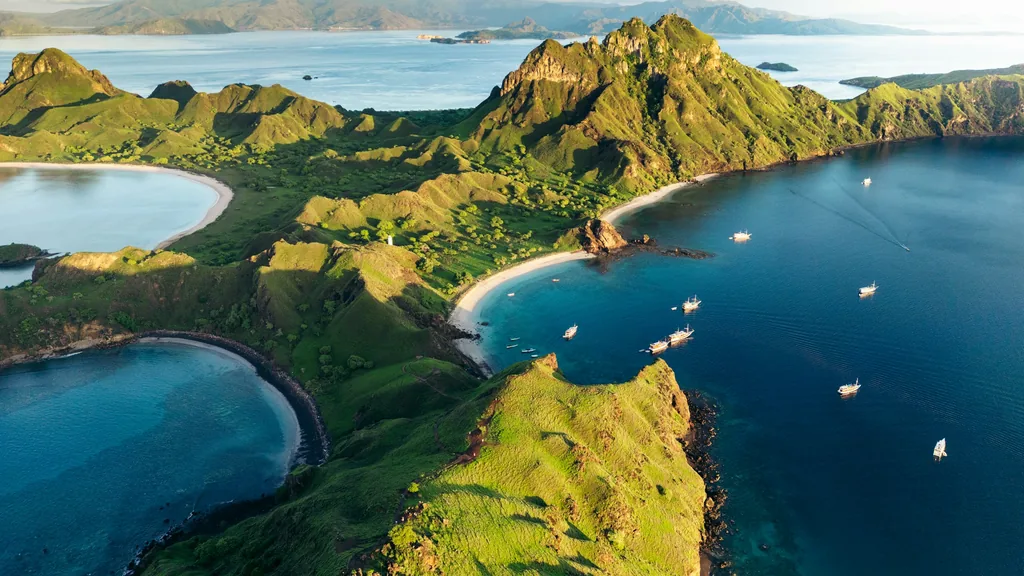
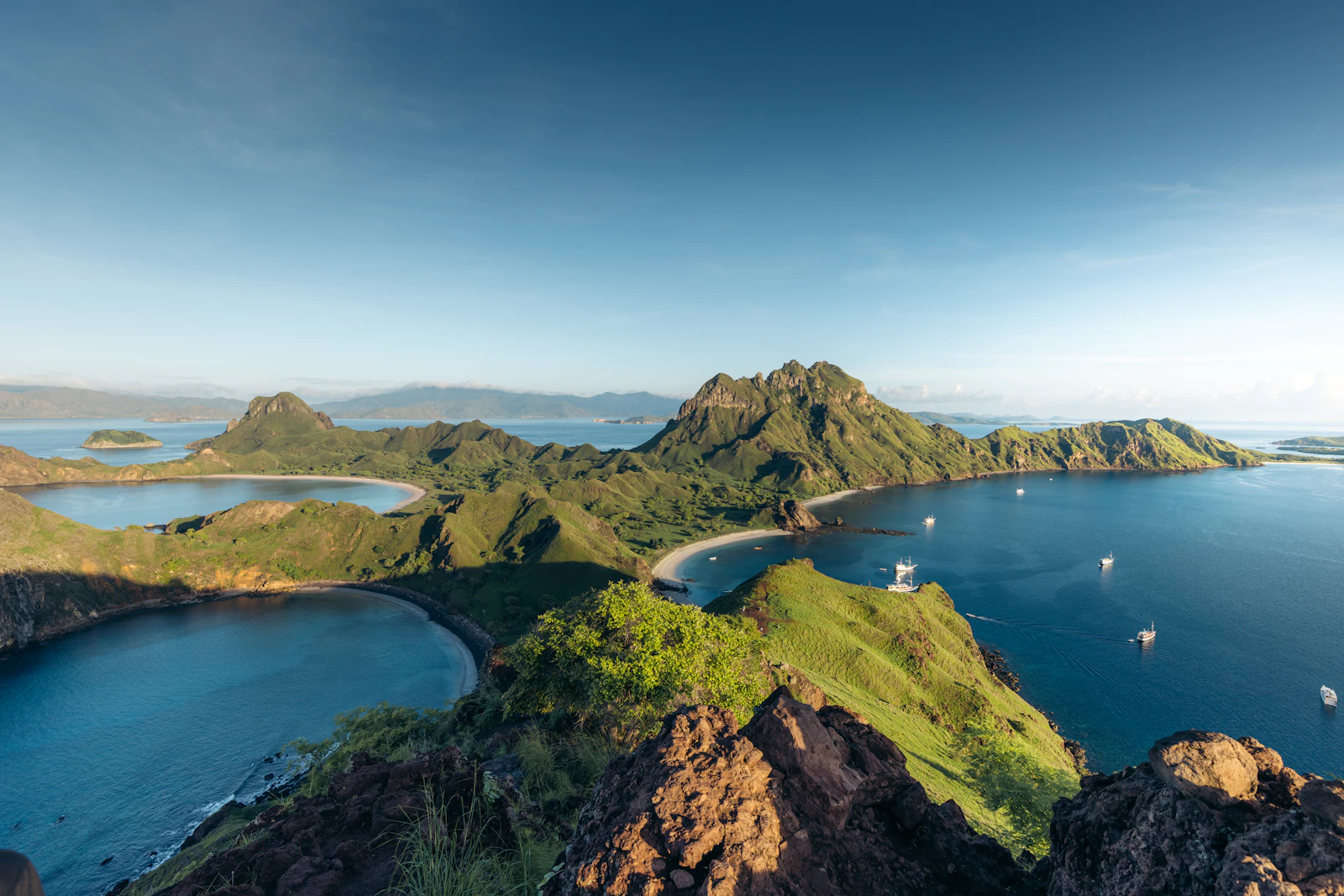
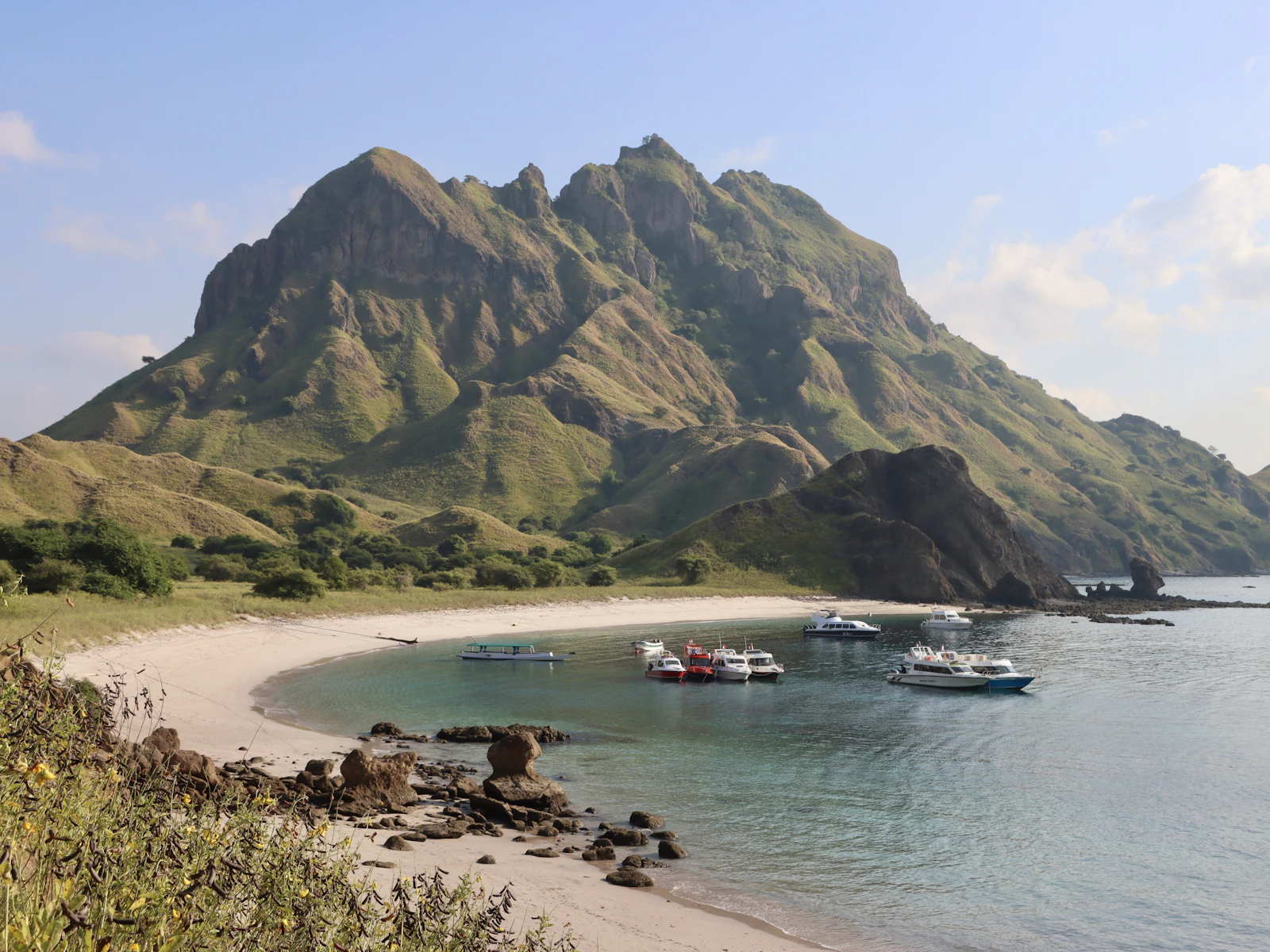
Padar is often the first choice for those seeking stunning vistas and incredible photography opportunities. Its famous viewpoint, reached via a moderate hike of about 25 to 45 minutes, rewards climbers with a panoramic view of the island’s majestic hills and beaches. The iconic shot of Padar’s tri-colored beaches — pink, white, and black — can be captured around sunrise from the viewpoint.
One of the best times to visit Padar is during the dry season, roughly April to November. During this period, the temperatures range from 25-30°C (77-86°F), making hikes pleasant. Day-trip pricing is set per operator and is not a fixed public rate; note that a USD 15-30 day tour is well below what licensed operators actually charge here, because park entry alone is IDR 250,000 per foreign visitor per day. Shared speedboat day trips start from USD 90 per person / day and private speedboat charters from USD 800 per boat / day (Komodo Luxury, checked 24 August 2026), on top of park fees unless the operator states they are included. For those specifically interested in photography, consider visiting during the golden hour for the best lighting conditions.
Komodo Island: The Giant Lizard Home
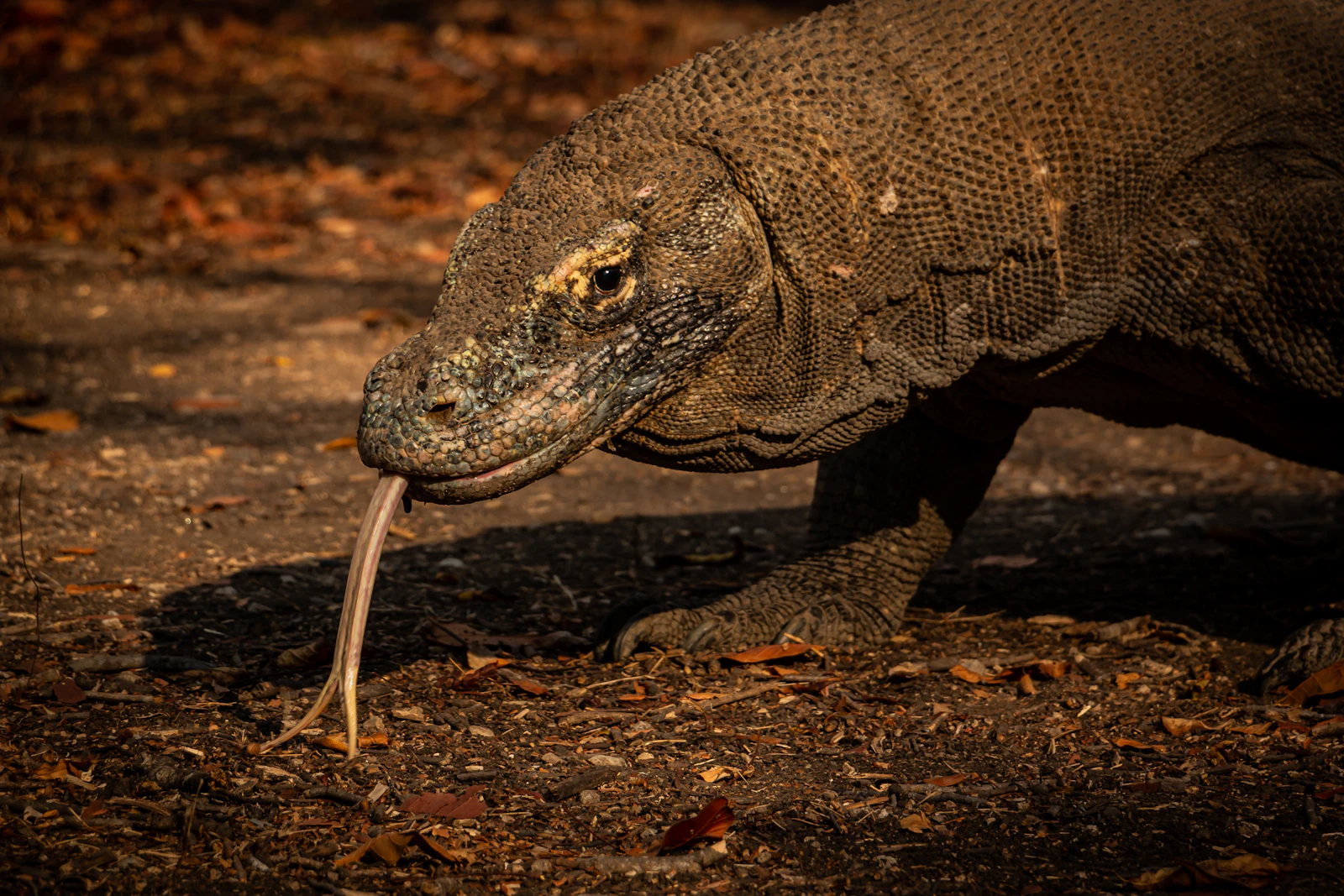
Unlike Padar, which is primarily known for its scenery, Komodo Island is famed for its dragon population. The Komodo dragon, the largest living lizard species, can only be found in this part of the world. A visit to Komodo Island includes a guided trek led by a park ranger, included as part of your park entry — the ranger/guide fee runs roughly IDR 150,000 per group (not per person), per our entrance fee page. These treks typically last 2-3 hours, allowing you to see these fascinating reptiles in their natural habitat.
Another factor to consider is the incredible diving opportunities surrounding Komodo Island. The waters around Komodo National Park are teeming with marine life, making it one of the best diving spots in the world. Dive depths can reach 30-40 meters (98-131 feet) and beyond. Guided dive trips here are not sold at a published standard rate — the cost depends on how many dives you do, which sites, and whether you join a day boat or a liveaboard — so we do not quote a figure we cannot source. For dive-focused liveaboard itineraries, our affiliated operator publishes its current rates on the Komodo liveaboard page (checked 24 August 2026).
Rinca Island: A Less Crowded Alternative
If you’re looking for a less crowded experience than Komodo Island, Rinca might be your best bet. While it also houses Komodo dragons, Rinca offers a more intimate setting with fewer tourists. Guided treks are available here as well, with similar costs and durations as those on Komodo Island.
Rinca Island is particularly unique because of its diverse habitats, which range from savanna to mangroves. This variety supports a wide array of wildlife, including deer, water buffalo, and various bird species. If you have a keen interest in birdwatching, a visit to Rinca might just be the highlight of your trip.
Comparative Overview: Padar Island vs. Komodo Island vs. Rinca
| Feature | Padar Island | Komodo Island | Rinca Island |
|---|---|---|---|
| Best For | Photography, Scenic Views | Komodo Dragons, Diving | Less Crowded, Wildlife |
| Access | Boat Trips from Labuan Bajo | Boat Trips, Rinca Tours | Boat Trips, Combined Tours |
| Boat access, published starting rate | Shared speedboat day trip from USD 90 per person / day; private speedboat charter from USD 800 per boat / day; shared luxury Phinisi from USD 300 per person / voyage (Komodo Luxury, checked 24 August 2026). Park entry is charged separately — see our entrance fee page. | ||
| Best Time to Visit | April – November | April – November | April – November |
| Diving | No | Yes | Limited |
Is Padar Island Worth It?
Absolutely. Padar is consistently one of the favorites for visitors to Komodo National Park. Its breathtaking landscapes and excellent hiking routes make it worth a day trip or longer. Since it is often included in group tours, the logistical aspect becomes easy, allowing you to experience the island without the hassle of organizing transportation and permits yourself.
Padar Island or Pink Beach First?
Another popular debate among travelers is whether to visit Padar or Pink Beach first. If you’re more interested in capturing that iconic sunrise shot from Padar, it’s advisable to prioritize it. Afterward, head to Pink Beach, known for its unique pink sand and excellent snorkeling opportunities.
Pink Beach is about a 30-minute boat ride from Padar and is a popular snorkeling spot. Pink Beach is covered by the same Komodo National Park entrance ticket as Padar — IDR 250,000 per day for foreign visitors (WNA), IDR 50,000 per day (weekdays) or IDR 75,000 per day (Sundays & national holidays) for Indonesian citizens (WNI), per our entrance fee breakdown — and you can expect to see vibrant coral reefs and diverse marine life. The best time for snorkeling is generally from April to June when the water visibility is at its peak.
Best Islands in Komodo National Park: A Summary
- the island: Perfect for photography and hiking.
- Komodo Island: The only place to see Komodo dragons in the wild.
- Rinca Island: Offers a more secluded experience with varied wildlife.
- Pink Beach: Ideal for snorkeling and relaxing on a unique beach.
- Kelor Island: A small island with a quick hike and beautiful views, similar to Padar but less crowded.
Fitting all three islands into one itinerary
A well-rounded itinerary for visiting the Komodo National Park should include a day trip to Padar along with stops at Komodo and Rinca. A typical 3-day itinerary could look like this:
Day 1: Labuan Bajo to Padar Island
- Morning: Depart from Labuan Bajo for Padar.
- Midday: Hike to the viewpoint for breathtaking photos.
- Afternoon: Snorkel or relax at nearby beaches.
- Evening: Return to Labuan Bajo.
Day 2: Komodo Island for Dragon Sightings
- Morning: Head to Komodo Island for dragon tours.
- Midday: Guided trek to observe Komodo dragons.
- Afternoon: Optional diving or snorkeling in the area.
- Evening: Return to Labuan Bajo or stay on a liveaboard.
Day 3: Explore Rinca Island
- Morning: Depart for Rinca Island.
- Midday: Trek for dragon sightings and wildlife observation.
- Afternoon: Relax and enjoy the natural surroundings.
- Evening: Return to Labuan Bajo for departure.
FAQ
1. How do I get to Padar Island?
You can reach Padar by taking a boat trip from Labuan Bajo. This usually takes around 1-2 hours, depending on the condition of the sea.
2. What should I bring for my trip to Padar Island?
Be sure to pack comfortable hiking shoes, sunscreen, a hat, and plenty of water. A camera is a must for capturing the stunning views!
3. Is it safe to hike on Padar Island?
Yes, hiking on Padar is generally safe. Trails are marked, but it’s advisable to hike with a guide or as part of a tour group.
, whether you choose Padar, Komodo Island, or Rinca, each offers a unique slice of paradise in Indonesia’s Komodo National Park. Choose based on your interests, whether they lie in photography, wildlife, or diving adventures. Happy travels!
Explore more from Padarisland
- Padarisland — home
- Padar Island Pricing & Cost Guide
- 5-Day Padar Island Itinerary
- Padar Island vs Alternatives Comparison
- Padar Island Tours And Boat Trip Options Compared
- Ultimate 3‑Day Padar Island And Komodo Itinerary
Book with Komodo Luxury on WhatsApp →
Once you have picked the island, pick the boat
This page is research, not a reservation. Vessels are operated by our affiliated partner, Komodo Luxury. Padar, Komodo and Rinca are usually sold as one route rather than three, so the choice you actually make is which boat covers which combination. Routes covering these islands: a full Komodo boat tour, private charter tiers, and the VVIP charter tier.
Padar and Rinca do different jobs
Padar is uninhabited and built around a single steep viewpoint climb, with almost no shade and no facilities. The headline is the layered volcanic landscape and the three contrasting bays, with wildlife distant if you see any at all. Rinca supports structured wildlife viewing — established Komodo dragon observation areas, ranger posts, shorter walking loops — across gentler savannah and mangrove terrain with more shade. Padar concentrates everything into one jetty, one staircase, one signature view; Rinca spreads the day out.
Visually Padar is the more dramatic of the two if sweeping layered viewpoints are what you want. Rinca’s scenery is gentler and its viewpoints are secondary to the animals. The reason Padar is the more famous is straightforward: an easily recognised ridgeline and a three-bay view that circulates constantly in social media and tourism marketing, attached to a hike that is short but looks adventurous in photographs.
For photography the split is equally clean. Padar suits wide landscape work — repeating ridges and bays that reward panoramas and layered telephoto frames, with compositions driven by elevation and changing light, so anything from wide-angle to short telephoto earns its place. Rinca is about wildlife and environmental portraits at eye level, where you work with what the rangers are showing you. Dry-season mornings give the clearest skies and softest light on Padar, with side-lighting creating depth; the wet season delivers richer greens and more textured cloud at the cost of predictability.
The trade-offs are worth naming plainly. Padar’s advantages are a short, high-reward climb and an iconic skyline, offset by heat, exposure and no facilities. Rinca offers more wildlife, more shade and gentler paths, with viewpoints that do not compete. If you value scenery, Padar; if you value close animal encounters, Rinca; and if you have the time, both, because they genuinely do not overlap.
One comparison further afield: Rinjani on Lombok is a demanding multi-day volcano trek, while Padar is a sea-level-access ridge hike measured in tens of minutes. They share nothing except the word hike, and anyone weighing them is really choosing between two different holidays.
For a one-day combination taking in Padar, Rinca and Komodo, the practical cost for a foreign visitor sits above the usual IDR 400,000–525,000 per-day band once park fees and ranger services across multiple landings are counted, before the boat.
The ranger escort, which is not optional
You do not choose between guided and unguided on Padar the way you might on an independent mountain route. Ranger presence on the main trail is standard practice, for visitor safety and for erosion control, and an unguided option is not offered. In practice most visitors barely register a distinction, because escorting is simply built into how the park operates — you keep the freedom to pause for photographs, and a ranger is usually nearby.
What the rangers actually do is manage pacing, safety and environmental impact: setting a steady rhythm on the stairs, discouraging off-trail detours, spacing small groups so the narrow sections do not jam. A standard guided climb runs from the jetty along the boardwalk onto the staircase, with pauses at the rest platforms and side viewpoints, and the ranger will gauge your group’s fitness and adjust. The format is risk management rather than in-depth commentary, so it stays informal.
It is most valuable for families, first-time hikers and anyone anxious about heights, because rangers know which sections feel most exposed and can suggest alternative vantage points that avoid them. The fee is charged per group rather than per person, indicatively around IDR 150,000 for up to five people, and operators normally fold it into their package price.
One thing worth knowing before you arrive: the famous aerial-style view of Padar needs no drone. The trail climbs to a naturally high vantage point over the three bays, and the perspective from the ridge is what produces the image everyone recognises.
When Padar is busy, and when it is not
Padar does get busy — it now appears on almost every Komodo day-trip and liveaboard route — but the crowding is concentrated rather than constant. It clusters into peak seasons, the sunrise slot, and a few metres of ridge where everyone wants the same photograph.
Sunrise is the busiest part of any day, because the viewpoint faces the rising sun and the climb is cooler then. At popular times you may wait your turn for the favoured positions. The staircase itself feels most crowded in the first hour of each timed session, when groups disembark together and bottlenecks form at the narrow switchbacks and the main rest platforms.
The most crowded conditions of all are sunrise on a dry-season weekend or an Indonesian public holiday, when Labuan Bajo operators time their itineraries to reach the jetty at roughly the same moment. July and August are the busiest months, falling in the dry season and overlapping international summer holidays, with clear skies drawing photographers and, in August, windier conditions on top.
The quietest conditions are non-holiday weekdays in the wetter months, when some operators reduce departures. Within any day, late morning and the later part of the afternoon feel thinner, because operators concentrate on sunrise and early-morning sessions. If your priority is space rather than light, that is the trade to make.
This guide does not operate boats. Bookings are fulfilled by Komodo Luxury, and this site may earn a referral commission.
Ready When You Are
Ready to book?
Chat directly on WhatsApp with the Komodo Luxury team.
This guide does not operate boats. Bookings are fulfilled by Komodo Luxury, and this site may earn a referral commission.