
Skip to content
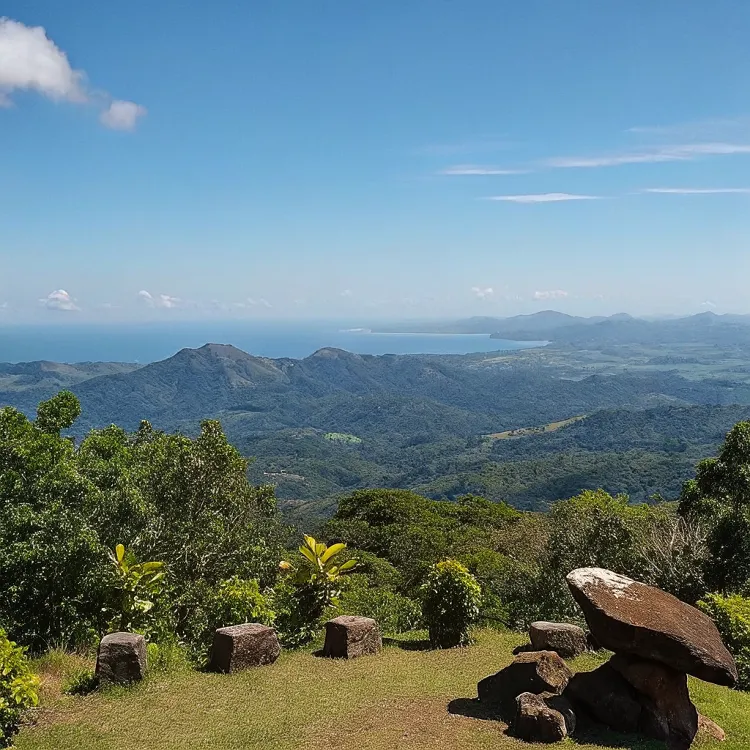
A view across forested hills to the sea on Flores

Komodo National Park

About

Sustainability Commitments

What is actually verifiable about sustainable travel to Padar Island: the SiOra quota system, conservation fee, trail erosion, and traveler actions.

Short answer

Sustainable travel to Padar Island is less about which operator claims the greenest brochure and more about a handful of concrete, checkable behaviors: booking through the park’s official SIORA quota system instead of seeking workarounds, staying strictly on the marked boardwalk, using reef-safe sunscreen, never touching coral or wildlife, and choosing operators who moor rather than anchor at reef sites.

Padar Island Editorial Desk · Verified 24 August 2026

What You Can Do

What responsible travelers can actually do on Padar Island

Stay on the boardwalk, alwaysThis is the single highest-impact individual action against trail erosion — more effective than any product choice.
Use reef-safe, mineral-based sunscreenZinc oxide or titanium dioxide, free of oxybenzone and octinoxate, before any snorkeling stop, since chemical sunscreens are documented to contribute to coral stress in high-traffic reef areas.
Never touch coral, dragons, or any wildlifeBeyond the obvious safety issue with dragons on Komodo and Rinca, coral is a living organism damaged by a single touch, and it recovers on a timescale of years, not days.
Pack out everything you bring inThere is no bin at Padar’s summit; assume you’re carrying every wrapper and bottle back to the boat.
Ask whether the boat moors or anchors at reef sitesAnchoring directly on coral causes damage that mooring buoys are specifically designed to prevent — this is a fair, specific question any responsible operator should answer without hesitation.
Book through the official quota system, not a workaroundIf an operator offers to get you onto Padar “off the books” outside the SIORA system, that’s a red flag, not a convenience.

Rules, rangers & safety

The Mechanisms

Why does Padar Island need protecting from its own popularity?

Padar’s summit trail is a single narrow route up a dry, exposed hillside, and visitor-caused erosion from people leaving the boardwalk to cut switchbacks or find a clearer photo angle is a documented and worsening problem on the slopes. The island has no permanent water source and no waste-collection infrastructure at the summit, which means every plastic bottle, wrapper, or cigarette butt left behind either gets carried out by rangers or stays indefinitely. These are structural, physical constraints of a small, dry island with heavy seasonal foot traffic — not abstract sustainability talking points.

01

How does the entrance fee and quota system function as conservation?
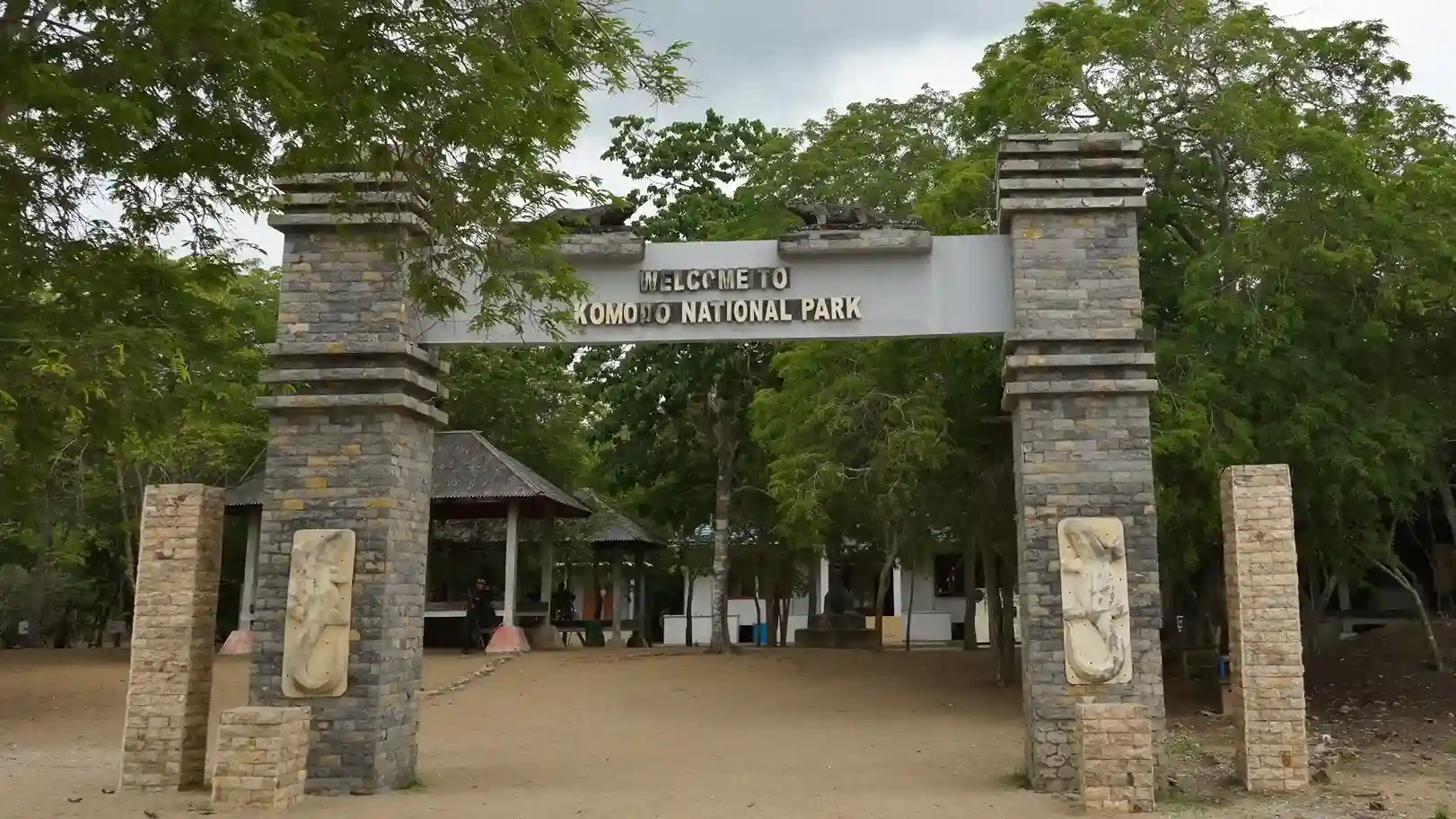
The stone entrance arch of Komodo National Park

The park’s consolidated entrance fee (covered in detail on our entrance fee page) folds in a conservation-fee component intended to fund ranger salaries, trail maintenance, and habitat protection across Komodo National Park. Separately, the SIORA reservation system enforces Komodo National Park’s park-wide cap of 1,000 visitors per day — not a Padar-only figure — split into three timed sessions (the park does not publish a per-session figure; 1,000 divided across three sessions implies roughly 330 each), which functions as a direct limit on foot traffic and summit crowding rather than a revenue mechanism. Booking through this official system — rather than any workaround a boat crew might offer — is itself the single most concrete thing a visitor does to support the park’s conservation model.

02

Why is Padar’s landscape so fragile in the first place?

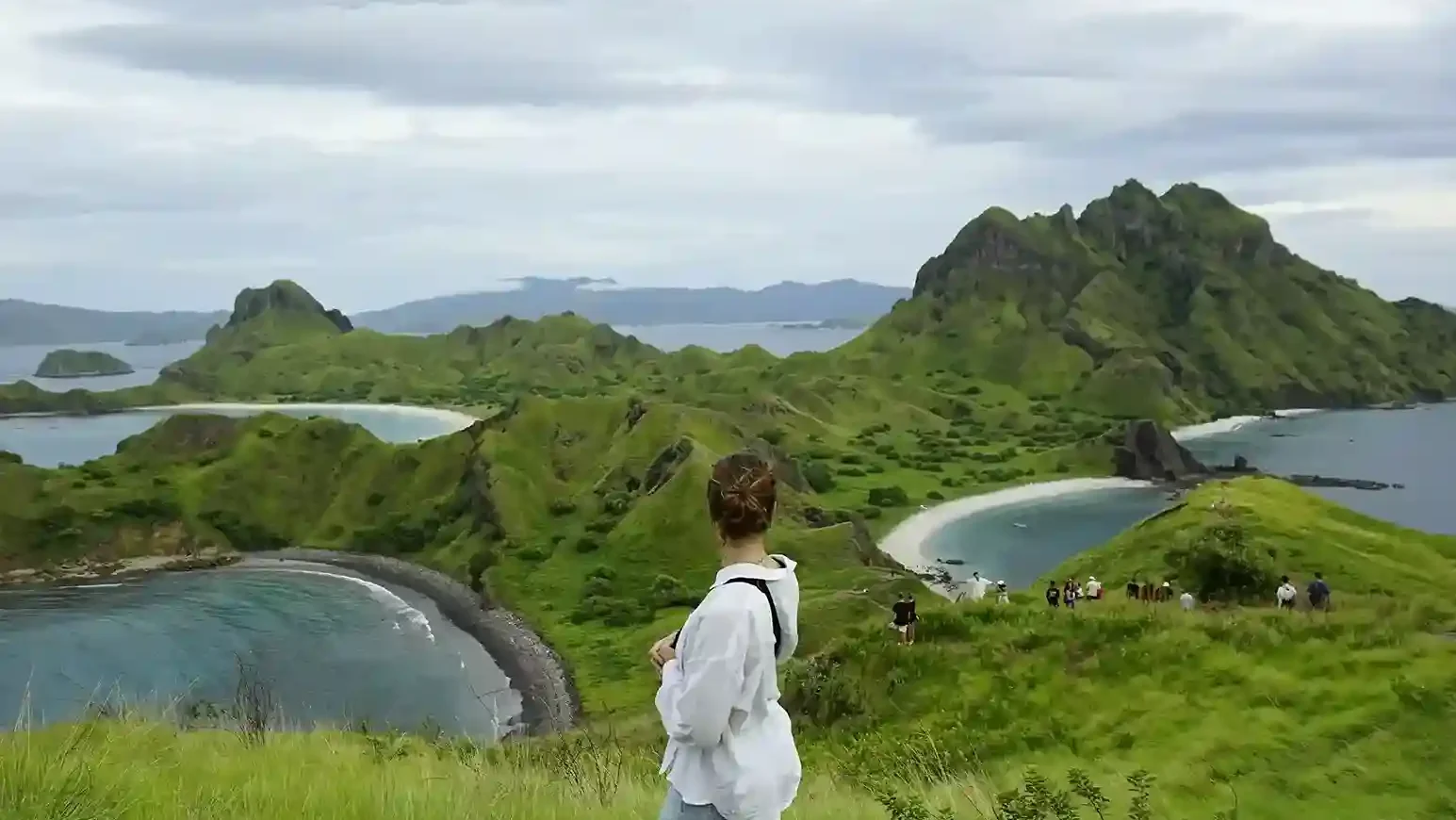
A walker standing on Padar Island’s grass ridge in the green season, looking down on the curved bays

Padar’s dramatic savannah hills are dry-climate grassland on volcanic-derived soil with limited vegetation cover, a landscape type that erodes fast once its thin topsoil is disturbed — which is exactly what happens when foot traffic strays off a single narrow trail onto open slope. Unlike a forested trail where root systems help hold soil in place, Padar’s open, grassy terrain has comparatively little to anchor it once the surface is broken. This is also why the island looks the way it does in photographs: the same dry, low-vegetation conditions that create its striking golden-hill scenery are what make it slow to recover from damage. A boardwalk section that gets walked around rather than on doesn’t heal itself in a season; it can take years.

03

What we can honestly say about operator-level sustainability claims

A phinisi under white sails crossing a bay below golden Komodo hills

Tourism marketing across the Komodo region is full of claims about carbon offsetting, NGO partnerships, and community programs that range from genuinely verified to entirely unverifiable. Our position, consistent with our editorial standards and research methodology, is to only state what can actually be checked: park-level rules, fee structures, and quota mechanisms that are documented and consistent across operators, rather than any single brand’s unverified internal claims. If an operator tells you about a specific conservation partnership, certification, or community program, a reasonable next step is to ask for a way to verify it independently.

04

What we do and don’t claim on this page

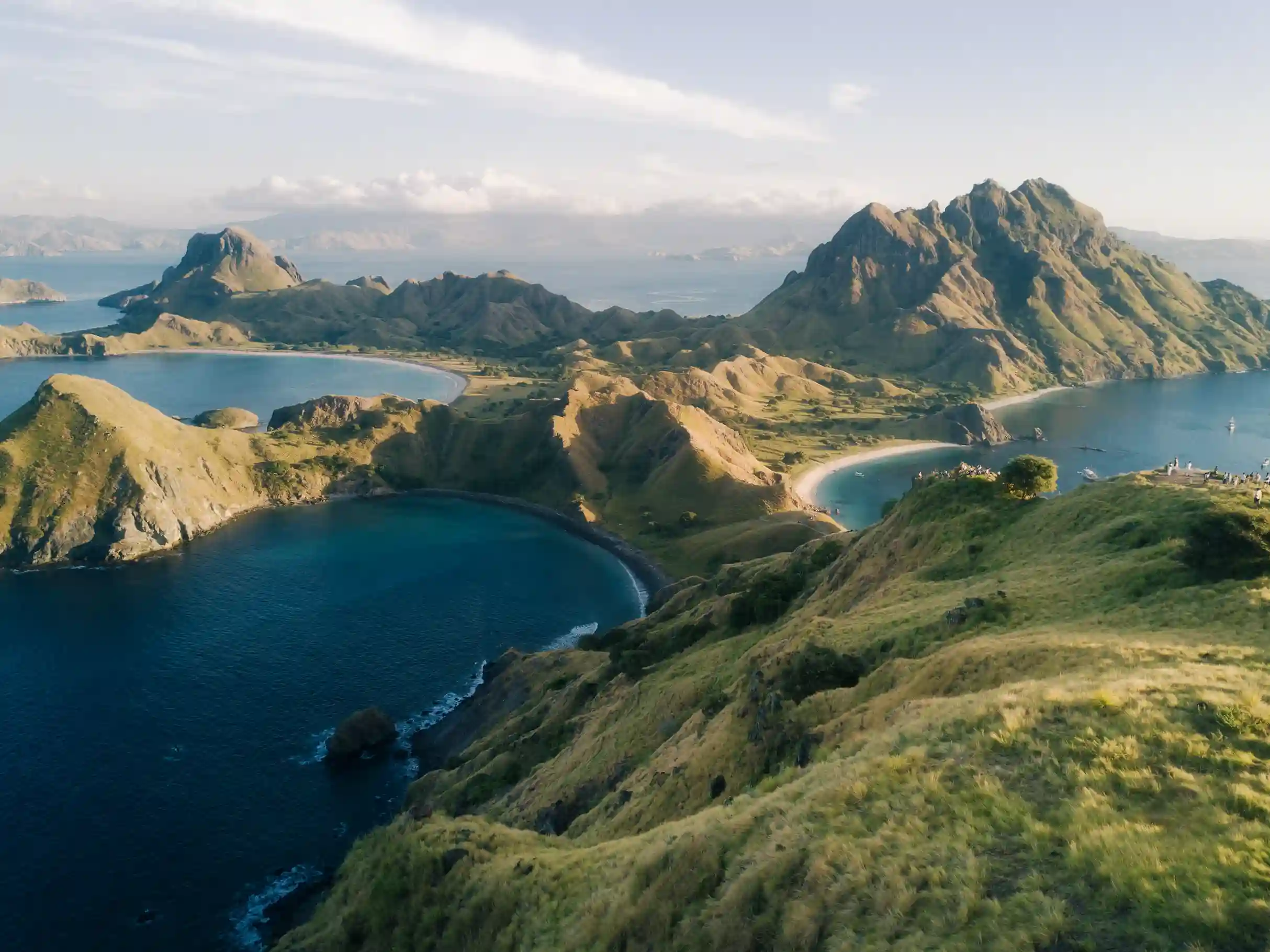
Padar Island’s overlapping ridges above a wide dark-blue bay, seen from the viewpoint

We don’t publish a percentage of proceeds donated, a named conservation partnership, or a certification badge on this page, because none of those would be independently verifiable by a reader without taking our word for it — which is exactly the pattern our editorial standards ask us to avoid. What we do publish are the park-level mechanisms (the quota system, the conservation-fee component, ranger-enforced rules) that are consistent across every operator and independently checkable through BTNK’s own published policy, plus practical guidance any traveler can act on regardless of which operator they book with.

05

Marine conservation near Padar’s snorkeling stops

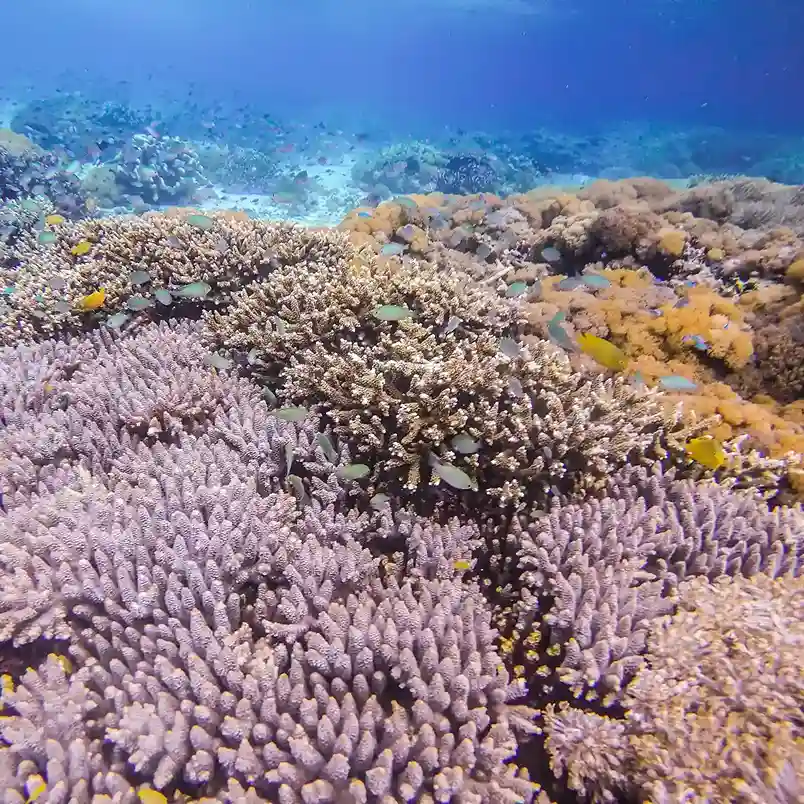
A garden of purple and yellow hard corals in shallow water

Several of the snorkeling and diving sites commonly paired with a Padar Island visit — Manta Point, Batu Bolong, and the reefs around Taka Makassar — sit within Komodo National Park’s marine protected zone, where fishing restrictions and mooring requirements exist specifically to limit reef damage from tourism traffic. Strong, unpredictable currents around several of these sites are a natural feature of the same water movement that keeps the reefs healthy and nutrient-rich, which is also part of why they’re worth protecting rather than over-visiting carelessly.

06

Supporting the local Labuan Bajo economy responsibly

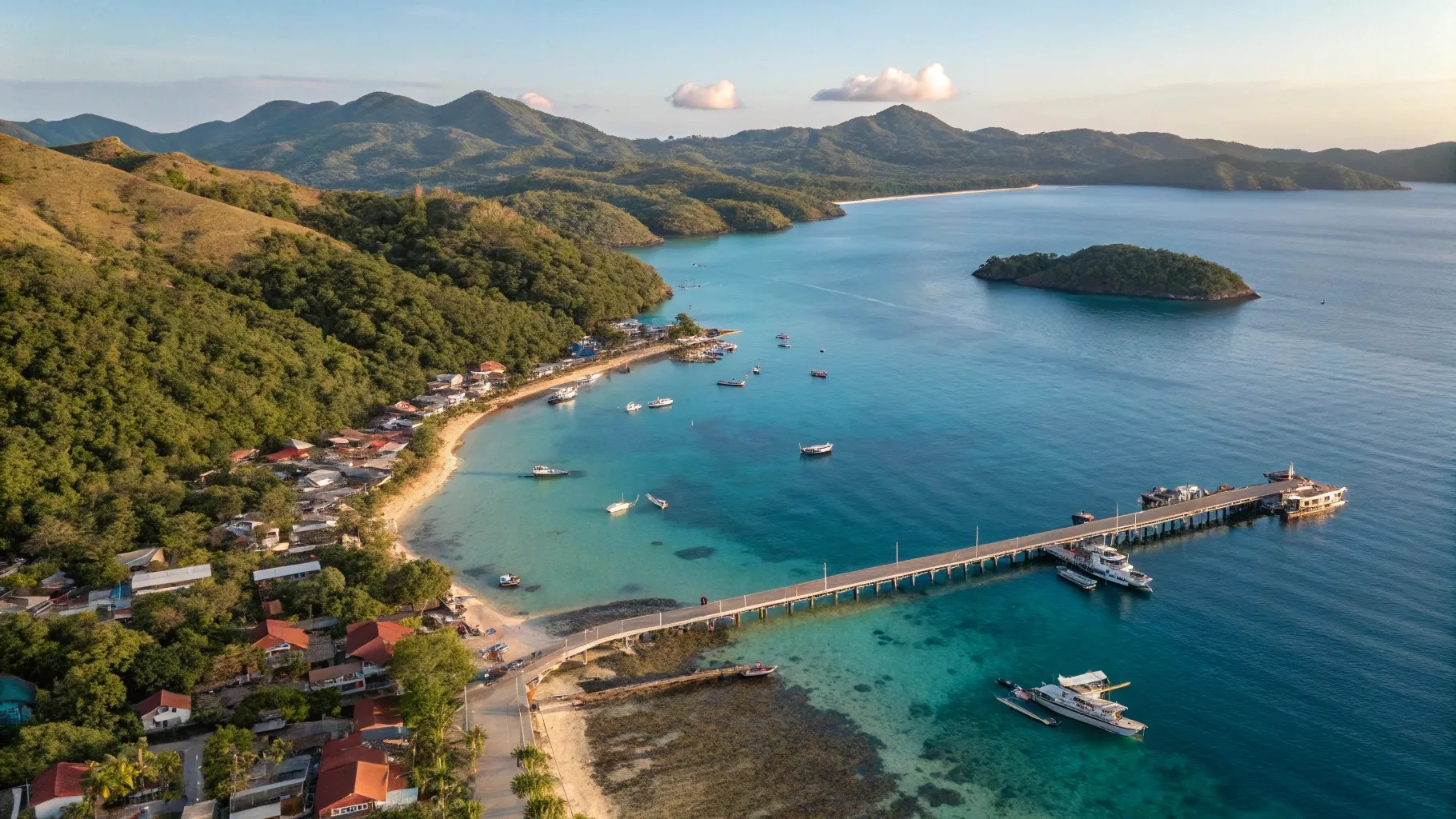
A village and its jetty on a bay with fishing and tour boats moored

Labuan Bajo’s economy is substantially built around Komodo National Park tourism, and the choice of which operator, guide, and boat crew you book with has a real, if unglamorous, effect on where that money lands. Practical, verifiable ways to support the local economy without relying on any single brand’s unverified claims: ask whether your boat’s crew is based in Labuan Bajo or Flores rather than flown in from elsewhere, buy coffee, produce, and souvenirs from Labuan Bajo’s own markets rather than pre-packaged options, and tip rangers and crew directly and fairly rather than assuming a service charge covers it.

07

The rules, and who enforces them

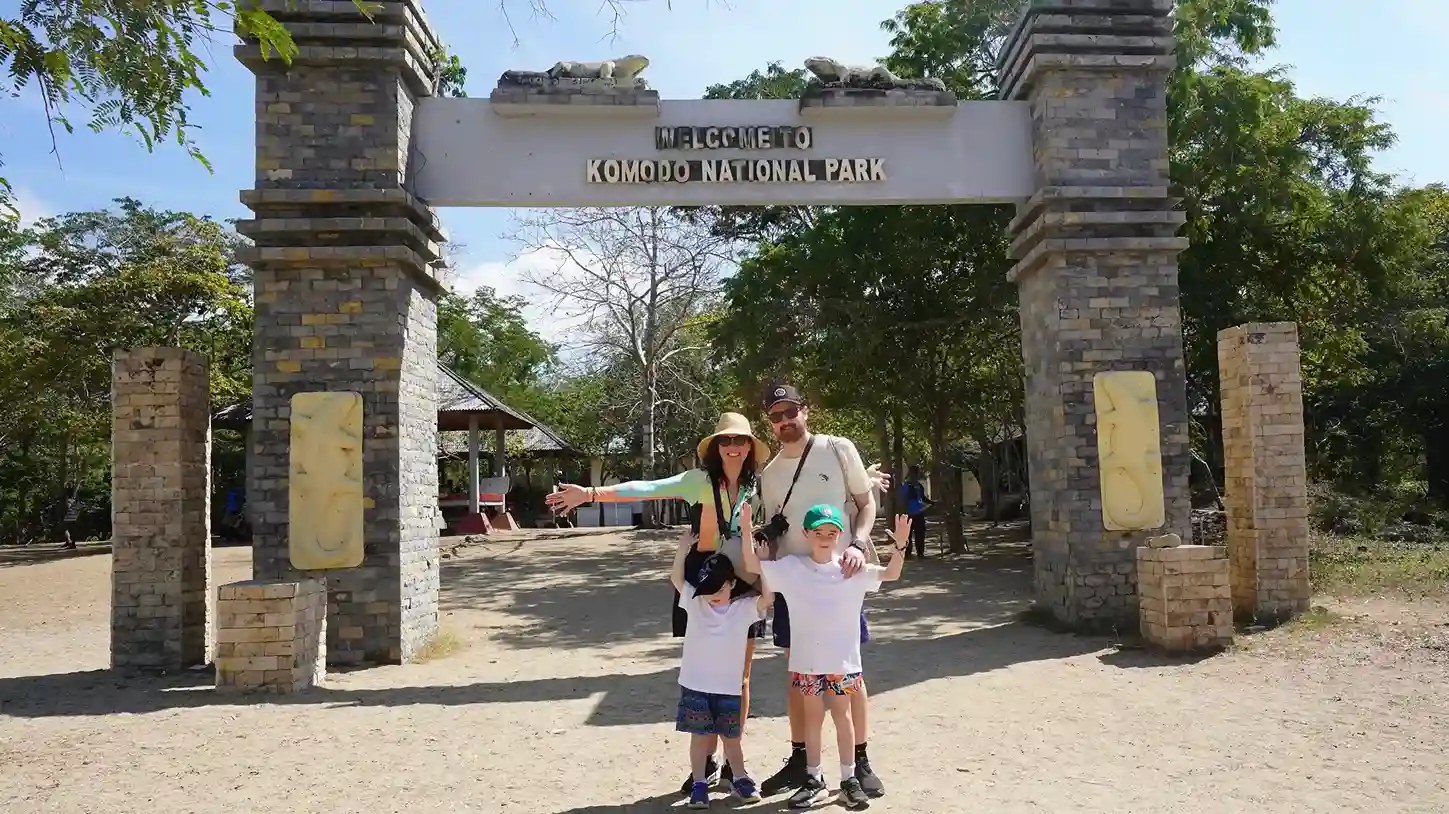
A family standing under the Komodo National Park welcome arch

Padar sits fully inside Komodo National Park, so every park-wide rule on permits, guides and conduct applies here. You need a valid SiORA reservation, you carry your e-ticket, and you are accompanied by a ranger on the trail. Rangers are based at the jetty area, brief groups on safety, keep people on the designated path and monitor crowding at the main viewpoints. They also carry out informal inspections — checking tickets, watching that people stay on the boardwalk, and looking for unauthorised drones.

08

What is on the island, and what is not

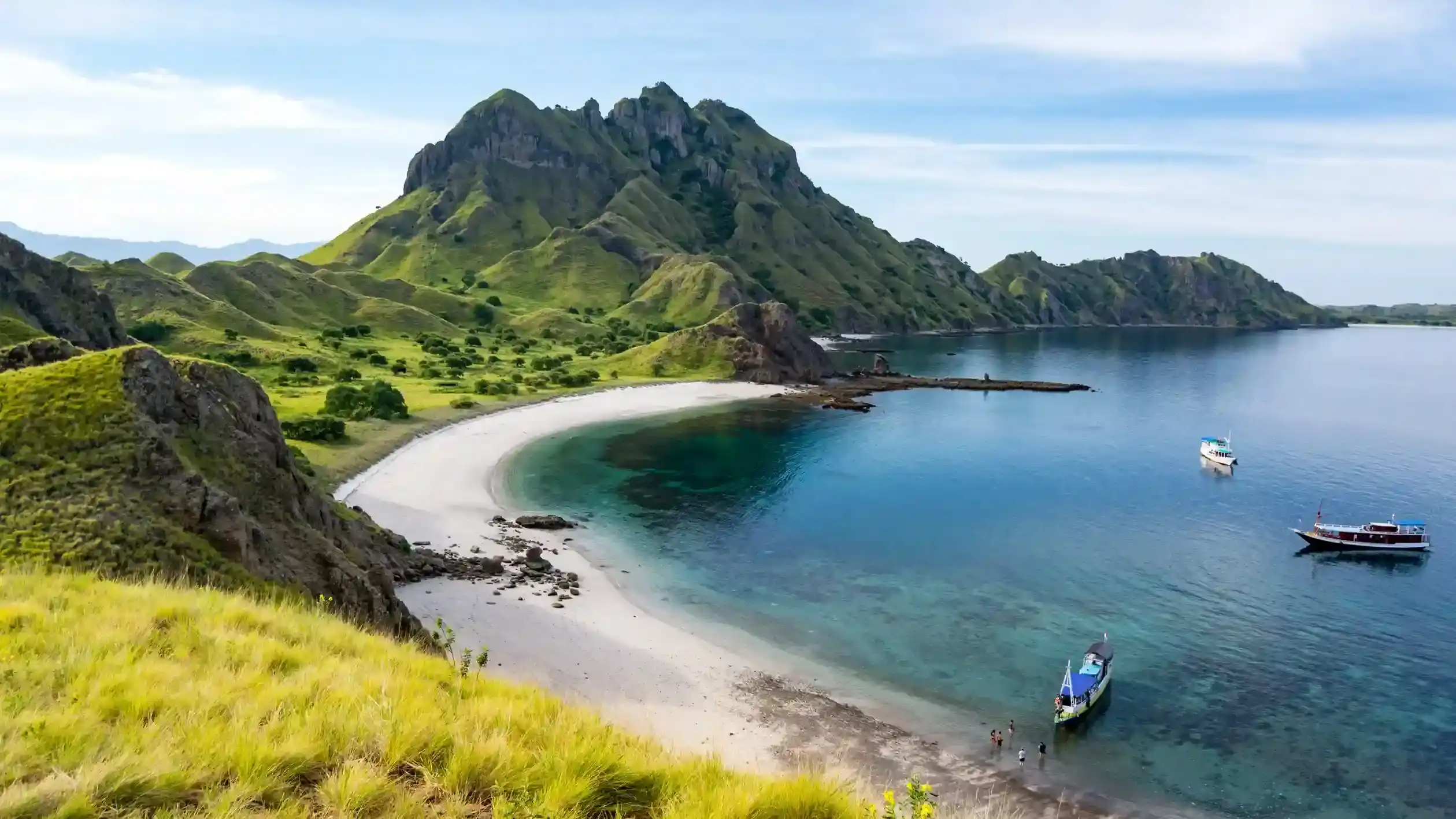
A green peak on Padar Island rising above a white-sand bay with a single boat anchored offshore

Padar is defined by steep volcanic ridges separated by three main bays, linked by narrow saddles — landforms that concentrate walkers onto a few narrow lines and produce the classic multi-bay panorama at the same time. The bedrock is volcanic, formed millions of years ago, but you will also see looser material along the trail, and those slopes wear away quickly when people leave the constructed path.

09

Safety, by who you are travelling with

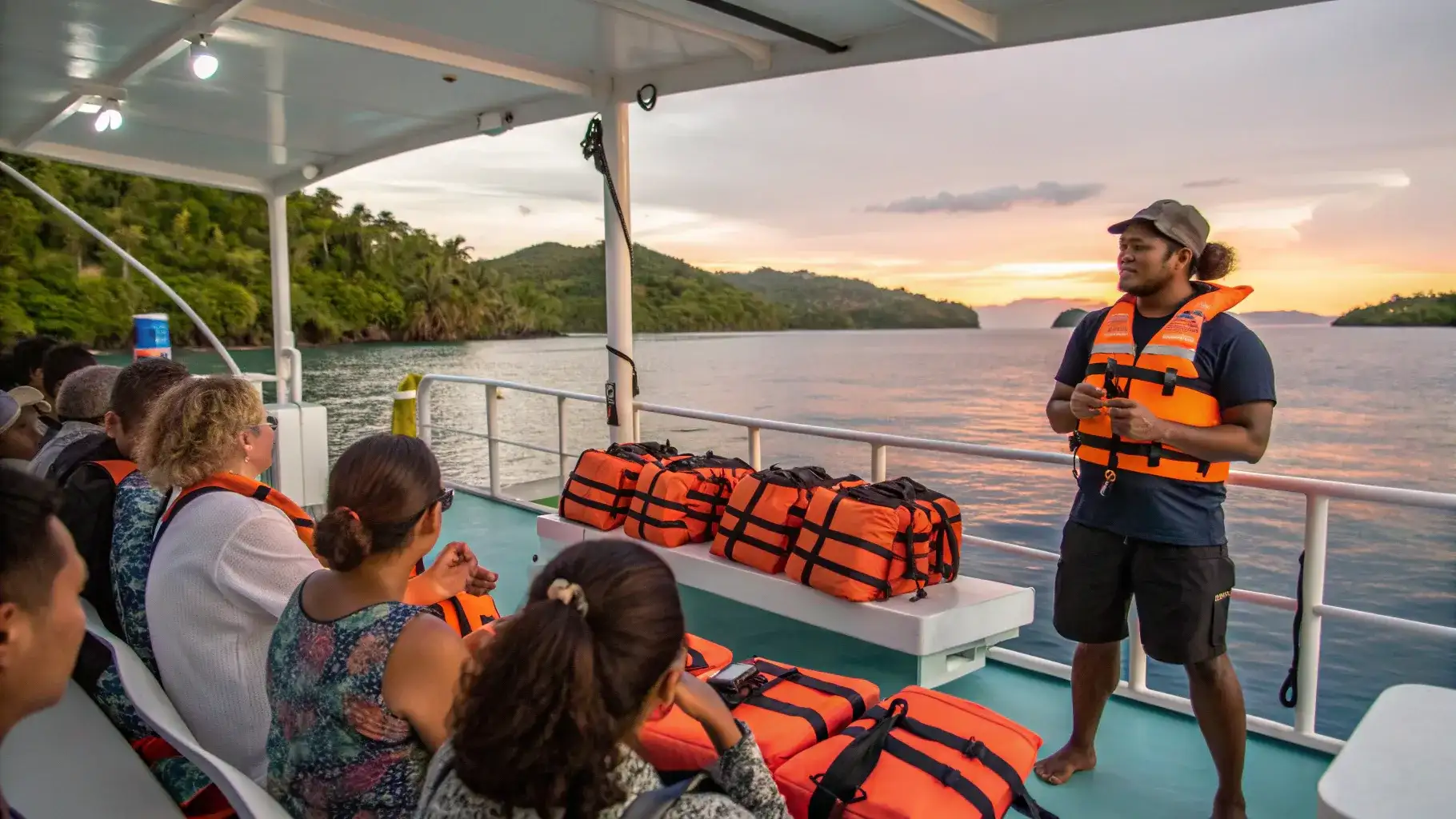
A guide in a life jacket giving a safety briefing to passengers on a boat deck

The hazards here are environmental rather than criminal: heat, dehydration, slips on steep steps and, for some, seasickness on the crossing. There are no medical facilities on the island. Padar is not inherently dangerous for a reasonably fit visitor who stays on the marked trail, but the terrain does not forgive carelessness — climbing over railings and posing on narrow edges are how the serious incidents happen.

Answers

Frequently asked questions

Is Padar Island tourism sustainable?

In design yes, in outcome still unproven. Quota caps, ranger enforcement and a conservation-fee component inside the entrance ticket are a structural attempt at sustainable management, though its long-term effectiveness against rising visitor demand is an open question that BTNK itself continues to adjust policy around, evidenced by the repeated fee and quota restructurings since 2022.

What is the SIORA system and how does it help conservation?

SIORA is the park’s official visitor reservation platform, used to enforce Komodo National Park’s park-wide 1,000-visitor daily cap (not a Padar-only figure), split into three sessions — the park does not publish a per-session figure; 1,000 divided across three sessions implies roughly 330 each. It directly limits foot traffic rather than simply collecting fees.

Does visiting Padar Island harm the environment?

Visiting responsibly — staying on the boardwalk, not touching wildlife or coral, packing out trash, and booking through the official quota system — has a materially lower impact than off-trail hiking, careless anchoring, or unregulated group sizes. The island’s physical fragility is real, but it’s manageable with the behaviors above.

What sunscreen should I bring to Padar Island?

Mineral, reef-safe sunscreen using zinc oxide or titanium dioxide as the active ingredient, avoiding oxybenzone and octinoxate, particularly if you’ll be snorkeling at any of the nearby marine sites.

Should I trust an operator’s specific sustainability claims?

Treat specific, checkable claims (mooring instead of anchoring, crew hired locally, reef-safe sunscreen provided) as more trustworthy than vague ones (unnamed “conservation partnerships,” unverifiable percentages). Ask direct, specific questions before booking rather than relying on brochure language alone.

How can I tell if a boat is anchoring on coral instead of using a mooring?

Ask directly before booking whether the operator uses designated mooring buoys at reef sites rather than dropping anchor. Reputable operators answer this specifically and without hesitation; a vague or deflected answer is itself informative.

This guide does not operate boats. Bookings are fulfilled by Komodo Luxury, and this site may earn a referral commission.

Ready When You Are

Ask the operator the specific questions

Mooring or anchoring, crew based locally, park booking through SIORA rather than a workaround. A reputable operator answers all three without hesitation.

This guide does not operate boats. Bookings are fulfilled by Komodo Luxury, and this site may earn a referral commission.