

Journal
Speedboat or Wooden Boat to Padar Island?
Short answer: A speedboat covers Labuan Bajo to Padar in roughly 60-120 minutes versus 2-3+ hours on a traditional wooden phinisi, but the phinisi trades speed for a stable deck, shade…
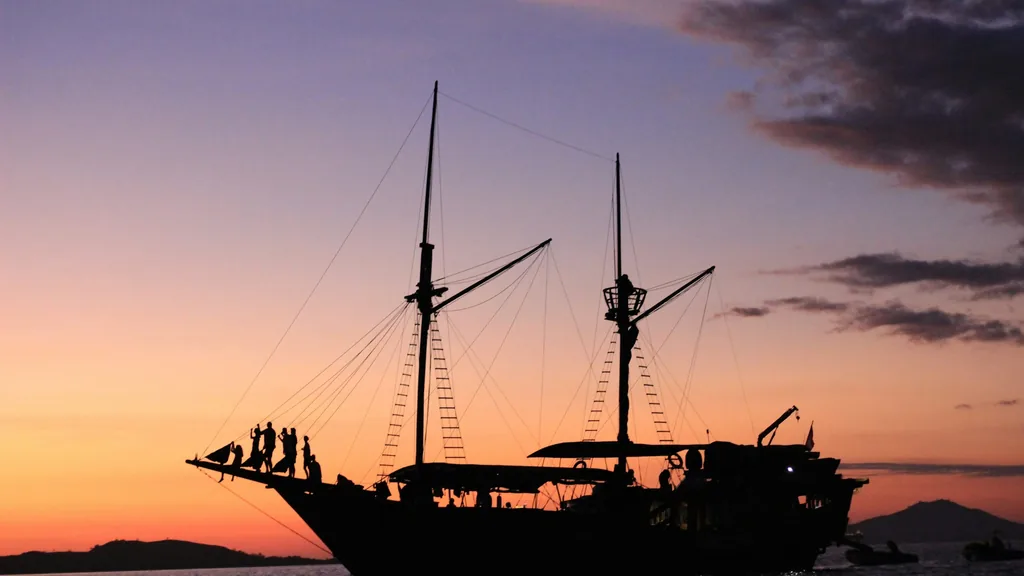
Short answer: A speedboat covers Labuan Bajo to Padar in roughly 60-120 minutes versus 2-3+ hours on a traditional wooden phinisi, but the phinisi trades speed for a stable deck, shade, onboard toilets, and a genuinely comfortable multi-hour ride — the right choice depends on whether you’re chasing a tight sunrise window or settling in for a slower multi-day trip.
Last updated: August 23, 2026.
Speedboat vs. wooden boat: the core tradeoffs
| Speedboat | Wooden phinisi | |
|---|---|---|
| Travel time, Labuan Bajo to Padar | Roughly 60-120 minutes | Roughly 2-3+ hours |
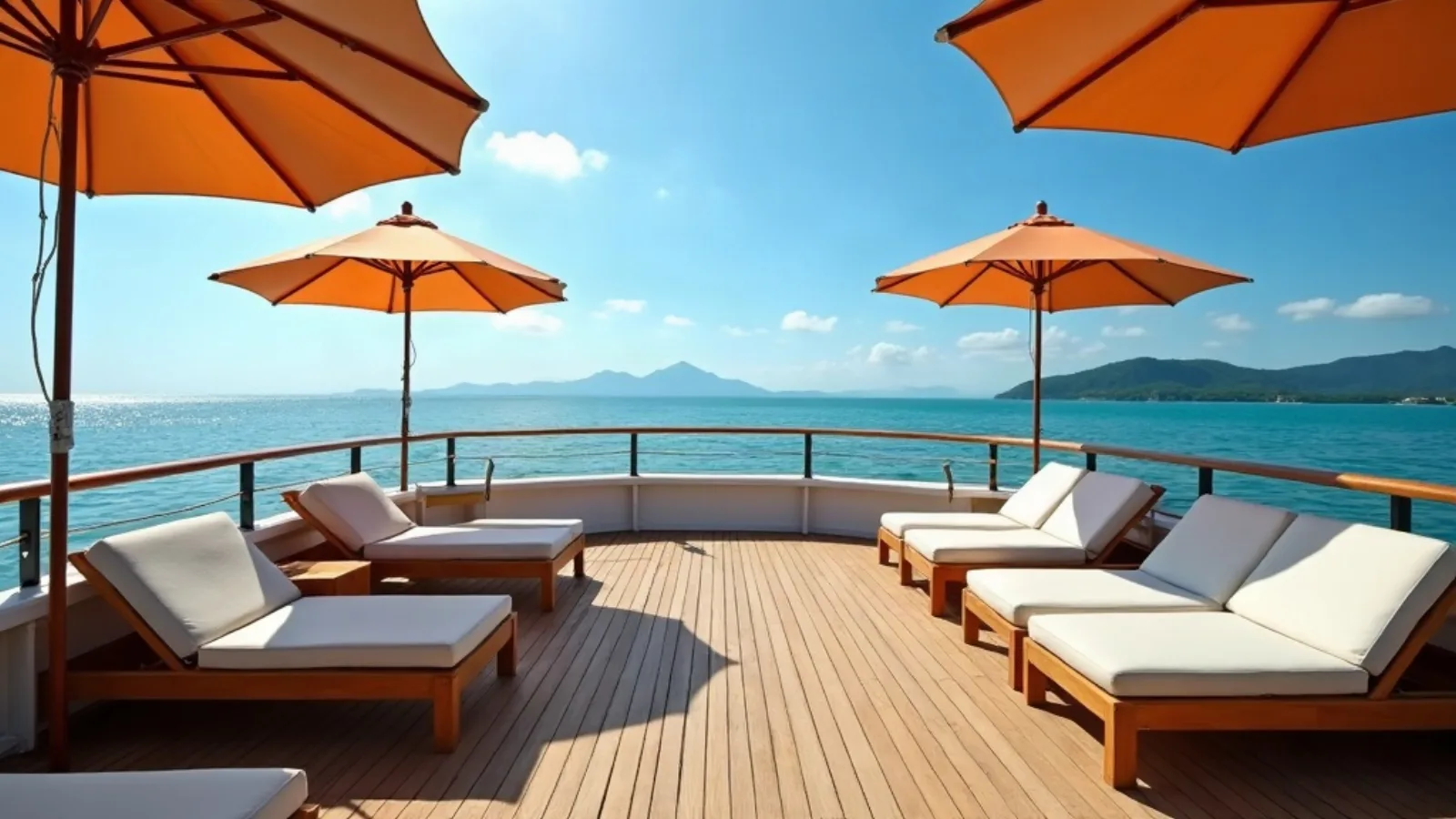
| Ride comfort | Fast but bumpy, especially in swell; minimal shade or deck space | Slower but noticeably more stable, with shaded deck seating |
| Best trip length | Single day trips where time matters most | Multi-day liveaboards where the boat itself is your accommodation |
| Facilities aboard | Minimal — usually no toilet, limited shade | Onboard toilet, cabins on multi-day boats, kitchen/galley |
| Sunrise-chasing suitability | Better for squeezing a tight schedule into one day | Requires an overnight anchorage near Padar the night before |
| Seasickness risk | Higher in choppy conditions due to speed and hard chine hulls | Lower — slower speed and heavier displacement hull handle swell more gently |
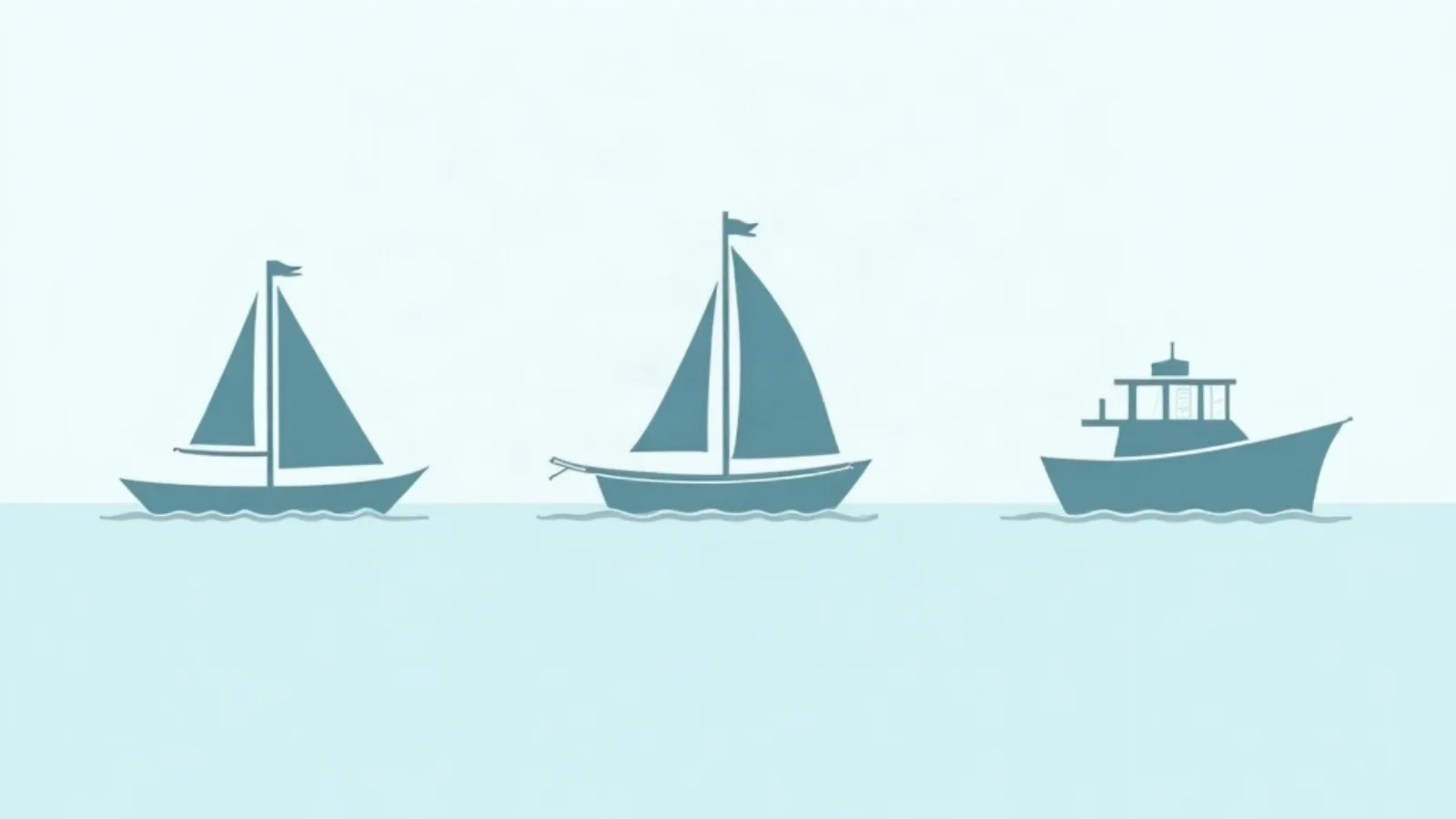
Which one actually gets you to a Padar sunrise?
Both can, but the logistics differ. A day-trip speedboat departing Labuan Bajo before dawn can realistically reach Padar in time for sunrise if it leaves early enough — roughly 60-120 minutes of travel means a departure around 3:00-4:00 AM for a same-day round trip, to comfortably cover the full range. A wooden phinisi liveaboard instead anchors near Padar the night before, so your sunrise morning starts with only a short 10-20 minute tender ride rather than hours of open-water travel in the dark. If a Padar sunrise is genuinely non-negotiable and you don’t want a 3 AM departure from Labuan Bajo, the liveaboard route is the more comfortable path to the same outcome.
Comfort over multiple hours: why the boat type matters more than people expect
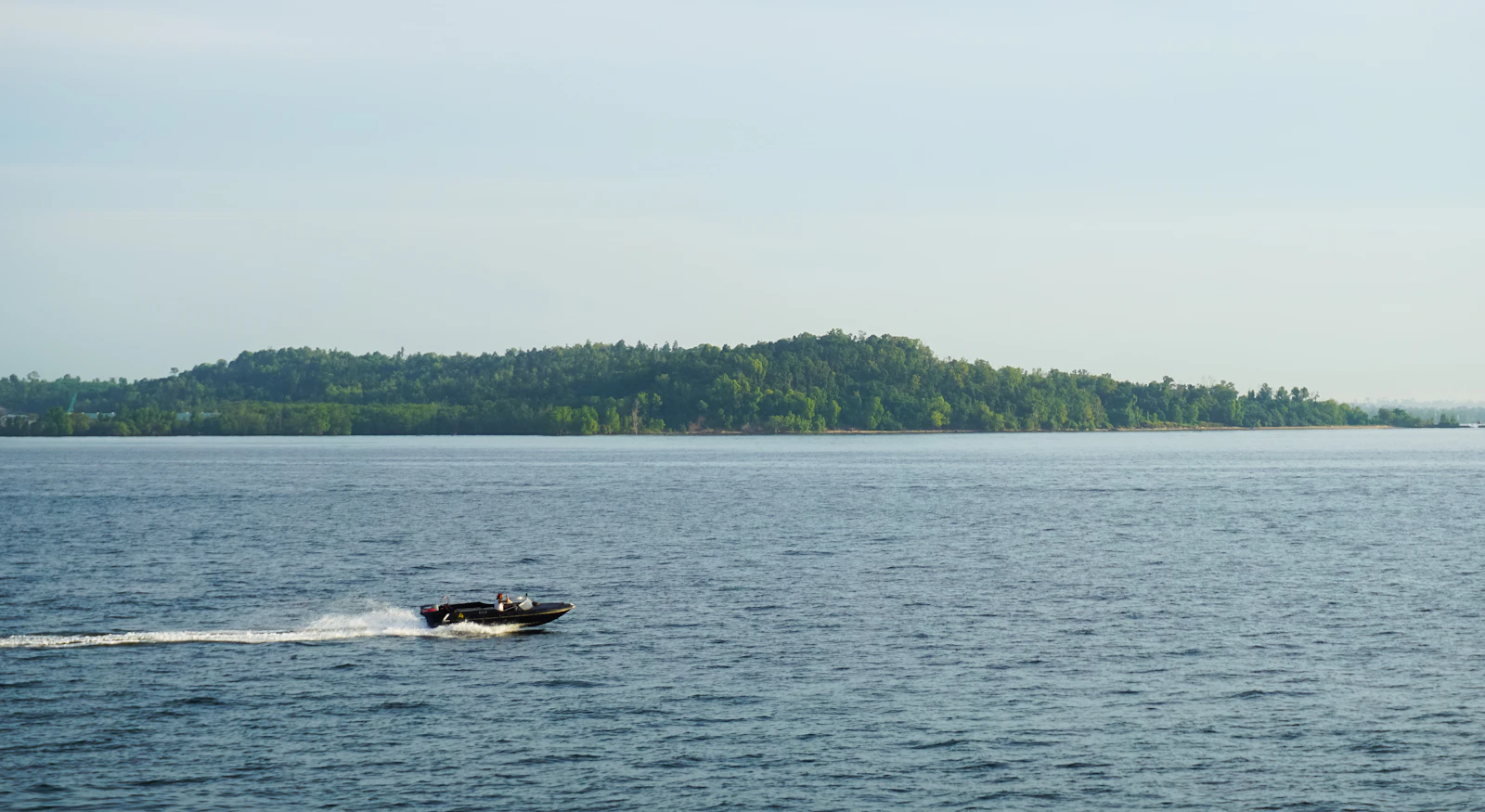
A speedboat’s advantage is speed, but that same hard-hulled, fast-moving design produces a rougher ride once seas pick up — repeated slamming over chop that a heavier wooden hull absorbs far more gently at slower speed. For a 1.5-2 hour transfer this is a manageable tradeoff for most travelers; stretched across a full-day round trip with multiple stops, or in genuinely rough conditions, it becomes a real fatigue and seasickness factor that a phinisi’s slower, steadier ride avoids. Anyone prone to motion sickness should weigh this seriously before choosing a speedboat-only day trip over a slower alternative.
Cost differences between the two options
Speedboat day trips are generally priced for speed and convenience over multiple stops in a single day, while wooden phinisi trips are priced as accommodation plus transport combined, since you’re sleeping aboard rather than paying for transit alone. Comparing the two head-to-head purely on a per-hour transport basis misses the point — a phinisi isn’t really competing with a speedboat as a transfer option, it’s replacing a hotel room plus multiple day-boat bookings with one continuous multi-day package. For the fuller cost breakdown across boat classes and trip lengths, see our existing Padar Island cost and pricing guide.
What crew and captains actually recommend
Ask an experienced Labuan Bajo boat crew off the record, and most will tell you the choice comes down to how much of the day you’re willing to spend traveling versus experiencing. A speedboat crew optimizes for getting you to and from a stop as fast as safely possible; a phinisi crew treats the journey itself, sundeck time included, as part of what you’re paying for. Neither answer is wrong — it reflects two genuinely different products being sold under the same general heading of “Padar Island transport.”
Which boat type suits which traveler?
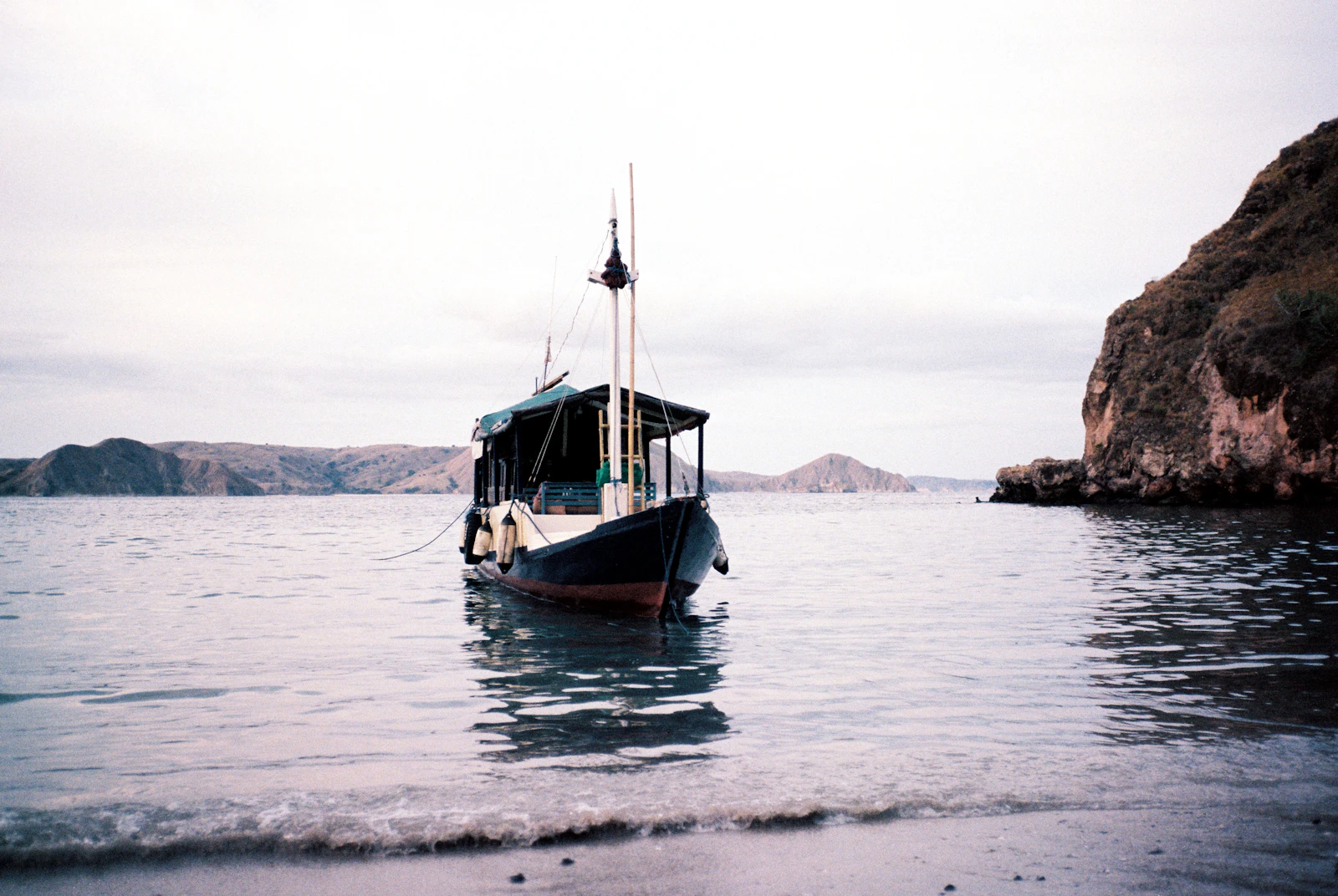
A speedboat day trip suits travelers with a single free day, a fixed return flight the same evening, or a preference for sleeping in a land-based hotel rather than aboard a moving boat. A wooden phinisi suits travelers building a multi-day itinerary, anyone prone to seasickness who’d rather avoid repeated fast transfers, and groups who value the shaded deck space and slower pace as part of the experience rather than a means to an end. Neither is objectively better — they’re built for different trip shapes. If you’ve settled on the liveaboard route, our 3D2N Komodo and Padar itinerary shows what a typical wooden-boat route looks like day by day.
Before comparing boats, how do you even reach Labuan Bajo?
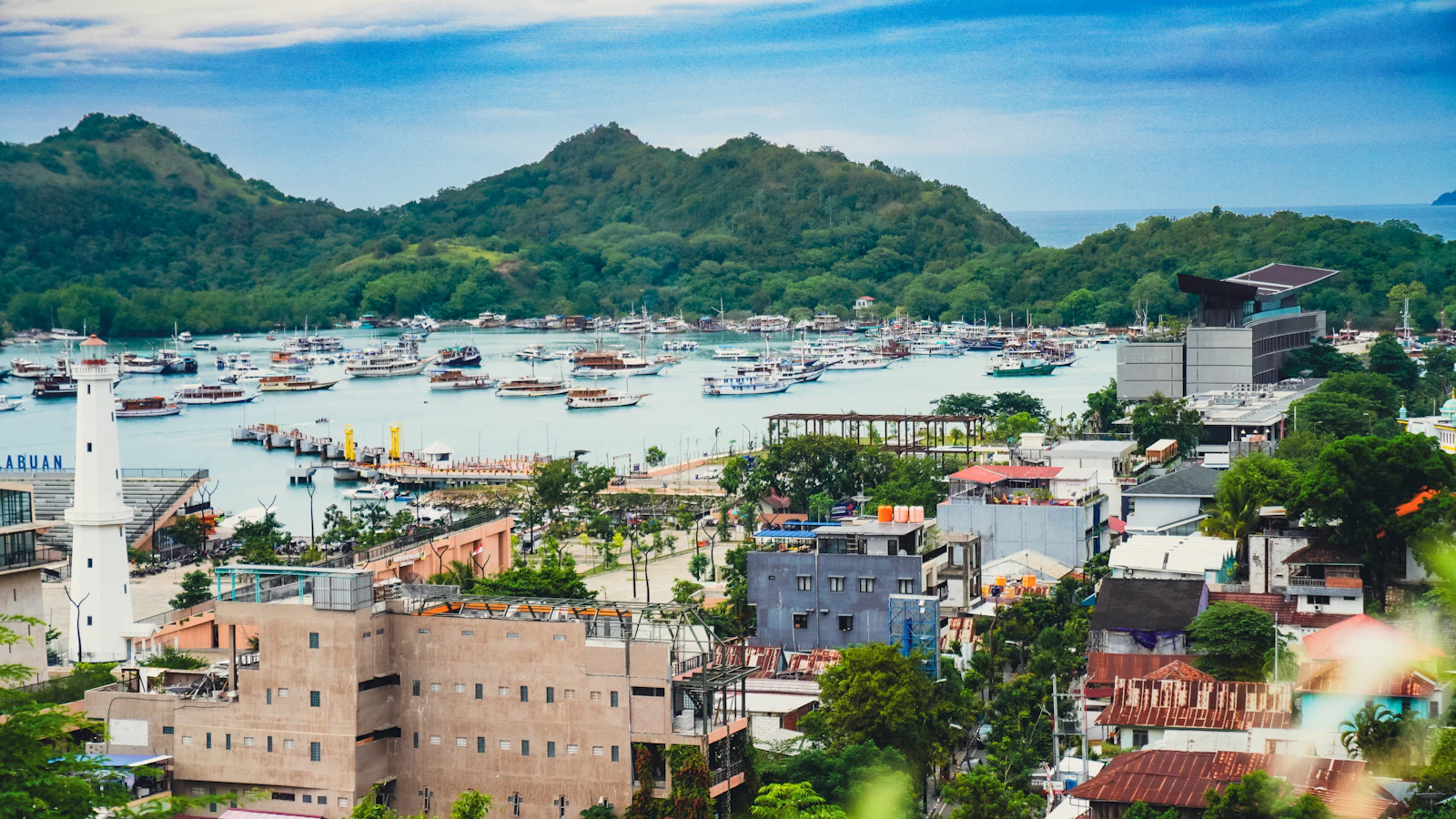
Both boat options above depart from Labuan Bajo, which most travelers reach by a roughly 1-1.5 hour direct flight from Bali or a longer connection through Jakarta — this leg is worth planning around your boat departure time, particularly if you’re booking a speedboat day trip with a pre-dawn departure the same morning you land. Our existing guide to reaching Padar Island from Bali, Jakarta and beyond covers flight timing and connection buffers in more detail than is relevant here.
Shared vs. private booking on each boat type
Speedboat day trips are commonly sold as shared open-trip departures with a fixed group size, or as private charters for a smaller group at a higher per-person cost with more control over timing. Wooden phinisi trips follow the same split — open-trip liveaboards with shared cabins and a fixed group itinerary, or private charters where your group sets the pace. The private option on either boat type generally offers more flexibility to adjust departure time around weather or a specific sunrise window, which matters more on a speedboat’s tighter schedule than on a phinisi’s built-in overnight buffer.
How weather cancellations differ between the two
Speedboats are typically the first to be held back or delayed in marginal conditions, since their lighter hulls handle swell and strong wind less safely than a heavier wooden boat at the same sea state. This means a speedboat day trip carries a somewhat higher chance of a weather-related delay or cancellation than the same route on a phinisi, particularly outside the core dry season months. If your schedule has zero flexibility for a rescheduled day, factor this into your choice rather than assuming both boat types carry equal weather risk.
Frequently asked questions
How long does it take to get from Labuan Bajo to Padar Island by speedboat?
Roughly 60-120 minutes under typical conditions, depending on sea state and the specific speedboat’s engine size.
How long does a wooden boat take to reach Padar Island?
Roughly 2-3+ hours by traditional wooden phinisi, though most multi-day itineraries don’t make this single continuous trip — they position the boat near Padar the night before instead.
Is a speedboat or wooden boat better for a Padar Island day trip?
A speedboat is generally the more practical choice for a single-day trip due to the time savings; a wooden boat only makes sense for a day trip if speed genuinely doesn’t matter and comfort does.
Is a wooden phinisi safe in rough seas?
Generally more stable than a speedboat in the same conditions due to its heavier displacement hull, though any boat trip can be affected by genuinely severe weather — see our Padar Island rules and safety guide for how weather-related cancellations are typically handled.
Can I book a private speedboat instead of a shared one?
Yes, most operators offer private speedboat charters at a higher per-person cost than a shared open-trip departure, with more control over exact timing.
Which is more likely to be cancelled for weather, a speedboat or a phinisi?
Speedboats are typically held back first in marginal conditions due to their lighter hulls; wooden phinisi handle moderate swell more reliably, though severe weather can affect both.
Whichever boat type you choose, the itinerary and packing needs shift accordingly — our Padar Island packing list breaks down what to bring differently for a fast day trip versus a multi-day liveaboard.
Picking the hull, then picking the date
padarisland.com compares boats; it does not charter them. That is handled by our affiliated partner, Komodo Luxury. Once you know whether you want speed or stability, the remaining work is availability — and availability changes weekly in dry season. Both hull types are available through speedboat charters, a Komodo tour departing from Bali, and Labuan Bajo yacht rental.
The trade-off in one paragraph
A speedboat covers Labuan Bajo to Padar in roughly 60 to 120 minutes each way, which makes a sunrise session realistic and lets you fit Padar, a dragon island and a snorkel stop into one day. A wooden boat takes two to three hours or more, and gives you deck space, shade, somewhere to walk around and a slower rhythm. Sea state, boat size and any intermediate stops decide where inside those ranges you land, and the return usually mirrors the outward leg.
The ride feels different in ways that matter. Speedboats sit higher and travel faster over chop, so they slam and pitch more sharply — worse near the bow, worse in the windy dry season, and accompanied by spray. Sitting further back and lower in the hull helps considerably. Wooden boats roll over swell more slowly and feel less abrupt; you are exposed to motion for longer but without the hard slaps. Expect moderate bumpiness as a baseline on any crossing, with rougher stretches where currents meet or wind funnels between the islands.
Noise is the other underrated difference. Most speedboats run powerful engines at high load, so conversation is possible but raised voices are normal, especially at the stern, and light earplugs are worth carrying. Wooden boats are quieter and more sociable, and many have rooftop or upper decks that give elevated views and a place to sit away from the engine — layouts vary widely by operator, so ask. Some larger wooden boats and higher-end speedboats offer semi-indoor or cabin seating, though many standard tour boats are open-sided, and even where a cabin exists it is often better for resting at anchor than for riding out swell, since enclosed space and motion together make seasickness worse.
So: speedboat if you want the shorter crossing, sunrise access, or a multi-stop day. Wooden boat if you want a calmer, more spacious day and treat the journey as part of the trip rather than an obstacle. Neither is safer or better; they answer different questions about how you want the hours to pass.
Seasickness, which is the deciding factor for many
Seasickness is not rare on these crossings, particularly for visitors unused to open water. Even on a calm day the combination of swell, engine vibration and heat unsettles stomachs, and the channels around Padar produce genuine chop.
Preparation starts the day before: rest properly, avoid a heavy or spicy late meal, skip the alcohol, and keep any medication in an accessible pocket rather than a bag in the hold — most tablets need time to work, so take them before boarding rather than when you start feeling it. On the day, arrive rested and hydrated, wear breathable layers so you stay cool but covered against the wind, and eat only a light non-greasy snack.
Aboard, position is the single biggest lever. Mid-boat and low to the water moves least. Pick your seat early, keep fresh air moving past you, look at the horizon rather than at your phone, and sip water steadily instead of drinking in gulps. If you are particularly prone to it, a slower wooden vessel often feels better than a fast speedboat despite the longer exposure.
Booking, cost and timing
There is no public timetable for either kind of boat. Speedboat departures are arranged through tour operators rather than a ferry pier — you are collected from your accommodation or a designated harbour meeting point and transferred directly. Wooden boats likewise run on tour and charter schedules, most leaving Labuan Bajo in the morning to reach Padar later in the day or as part of a longer itinerary.
Book early for speedboats, especially for sunrise or peak dry-season dates. Operators work inside the park-wide quota and the sunrise sessions sell out first, so lock the boat in once your flights are fixed. For a dawn hike, a speedboat needs to leave Labuan Bajo in the very early hours to allow for the crossing, disembarkation and the 25 to 45 minute climb; the exact departure depends on the time of year and your session, and it means a very early hotel pick-up. Check-in is set by the operator rather than the park and is often earlier than people expect, since the crew need to finalise manifests and the safety briefing before sailing.
On cost, a shared speedboat day trip is the cheaper way to get fast travel without hiring a vessel, quoted per person with fuel, crew and basic equipment included. A private speedboat charter is one of the more expensive ways to visit, priced per boat per day and scaling with size and route, and what you are buying is exclusive control of the schedule. Wooden boat trips are sold either per person on a shared tour or per vessel for private charters and multi-day phinisi cruises — the shared version is cost-effective for solo travellers and pairs.
Padar itself runs on defined session slots rather than opening hours: early morning, mid-morning and mid-afternoon, with your ticket valid for the period you chose and boats timed to match. The most comfortable crossings are usually early morning or later afternoon, when heat and wind are milder and the light is softer; midday is hotter and, in peak dry season, choppier.
What to expect once ashore
Shade on Padar is limited. The main trail is largely exposed, with brief shelter near the jetty and at some resting platforms, and the sun becomes intense from mid-morning onward. That is the argument for the early session as much as any photographic one.
There is no published average wind speed for the island, but conditions track the wider Komodo region — relatively calm in the shoulder months, stronger trade winds around July and August — and you should expect gusts on the exposed ridges even when the water below looks settled.
For an ultralight day, the list is short: a compact daypack, one to two litres of water, hat, sunglasses, sunscreen, a few first-aid items and a light rain or wind shell, with closed grippy footwear for the stairs. Anything beyond that has to earn its place on a staircase.
For handheld landscape work, a moderately fast shutter counters both wind and the unsteadiness of hands that have just been on a boat. Around 1/125 to 1/250s is a sensible starting point for wide scenes, adjusting ISO or aperture rather than dropping slower, particularly near sunrise when it is tempting to do the opposite.
A common one-day speedboat itinerary pairs Padar with at least one snorkel stop and either Komodo or Rinca for dragons, heading straight to Padar for an early climb before the heat and the crowds build, then moving on to beaches and reefs. Combining Padar and Komodo on a wooden boat works equally well but turns into a slower, more scenic sail with longer deck time between the hikes and snorkels. On a speedboat the same combination is efficient but becomes a long, active day of repeated boarding and disembarking.
This guide does not operate boats. Bookings are fulfilled by Komodo Luxury, and this site may earn a referral commission.
Ready When You Are
Ready to book?
Chat directly on WhatsApp with the Komodo Luxury team.
This guide does not operate boats. Bookings are fulfilled by Komodo Luxury, and this site may earn a referral commission.