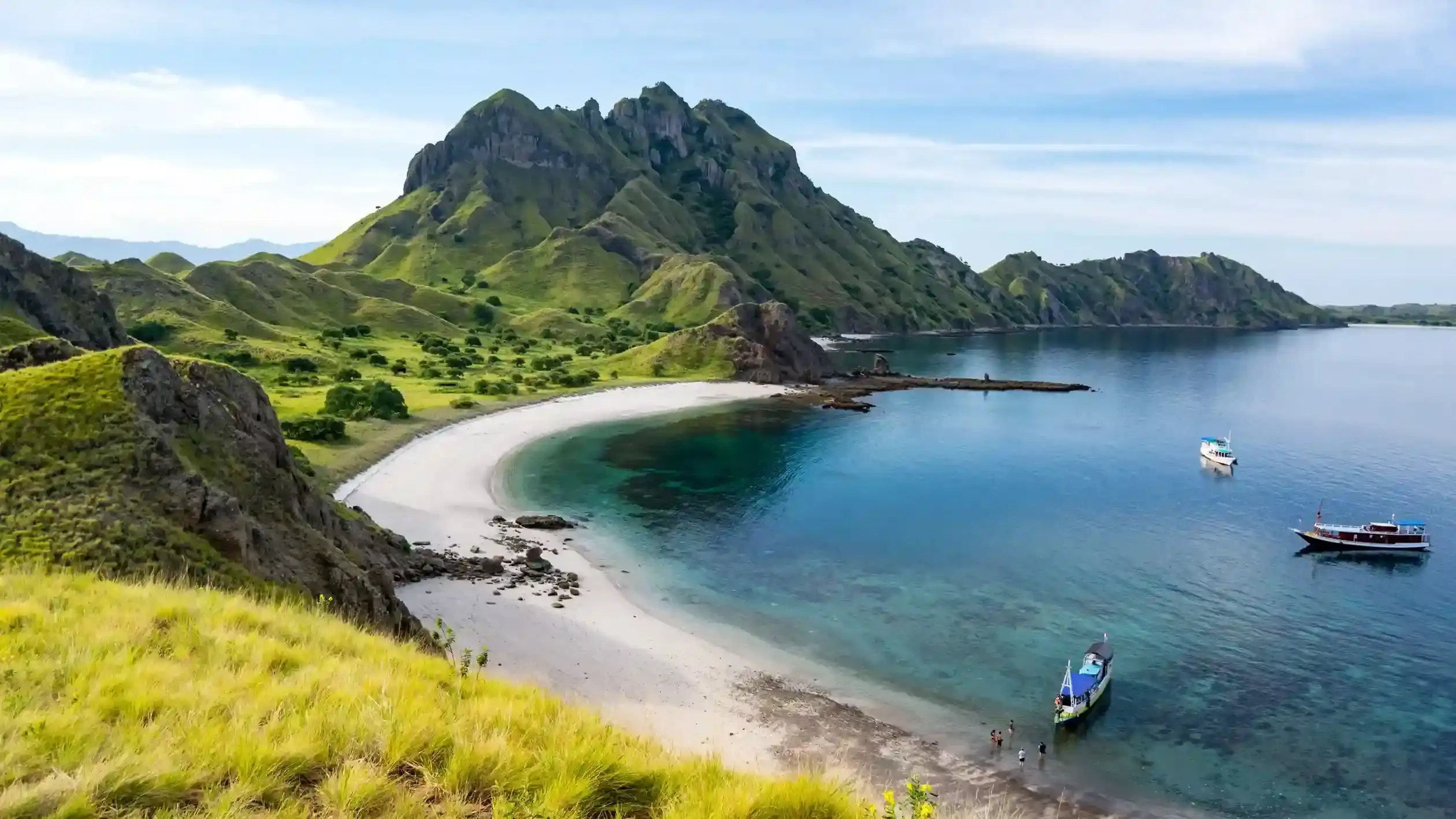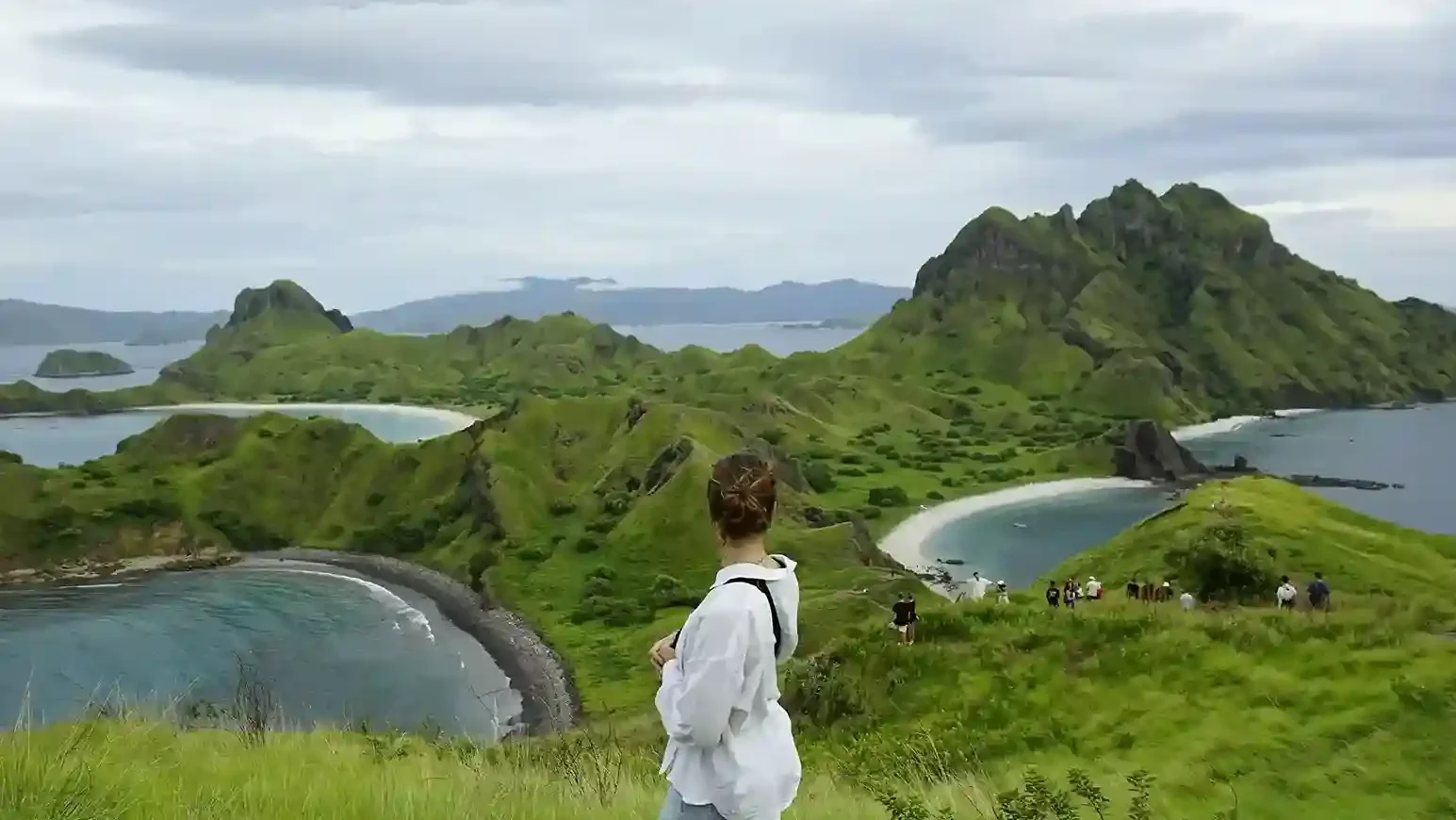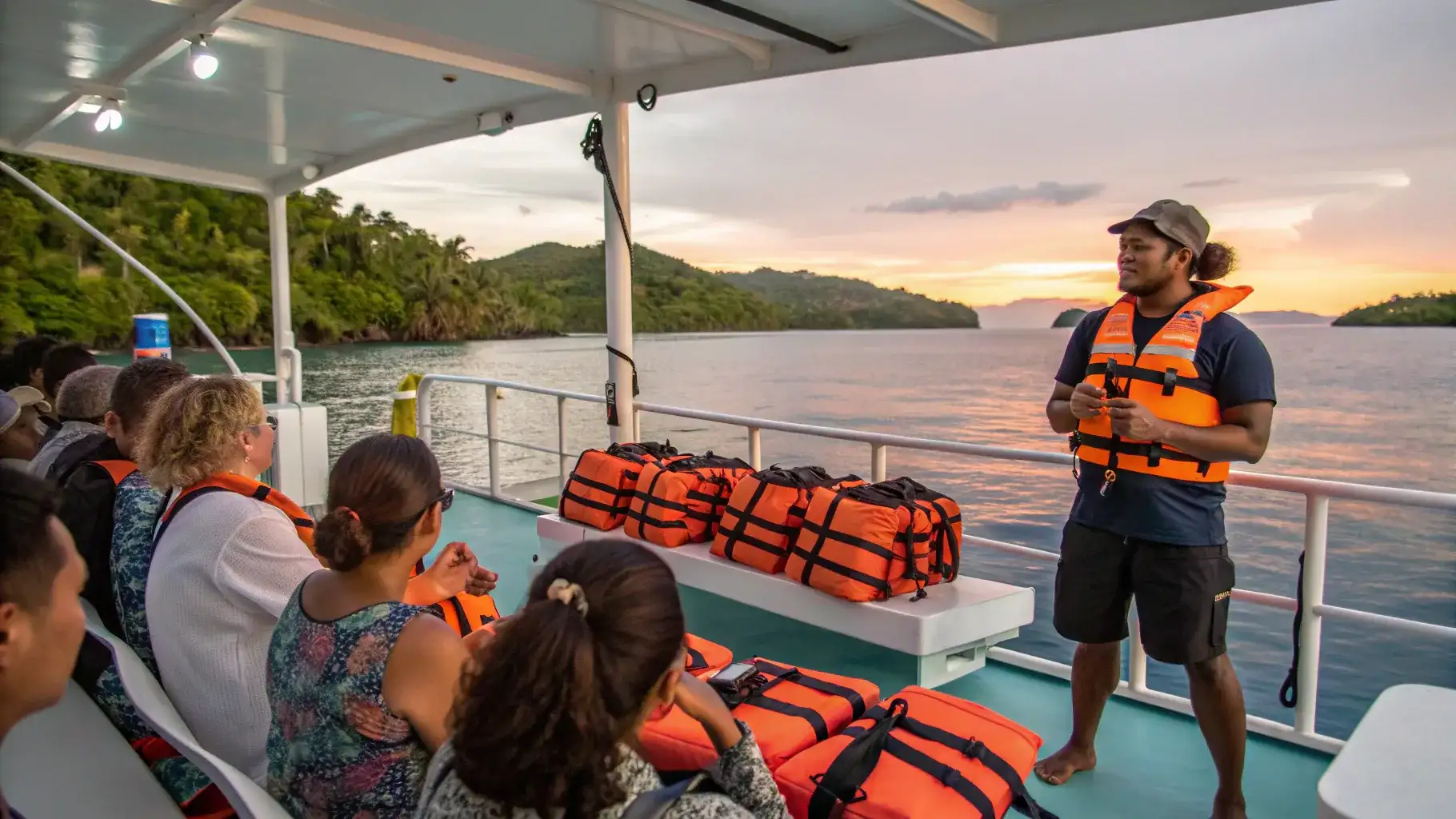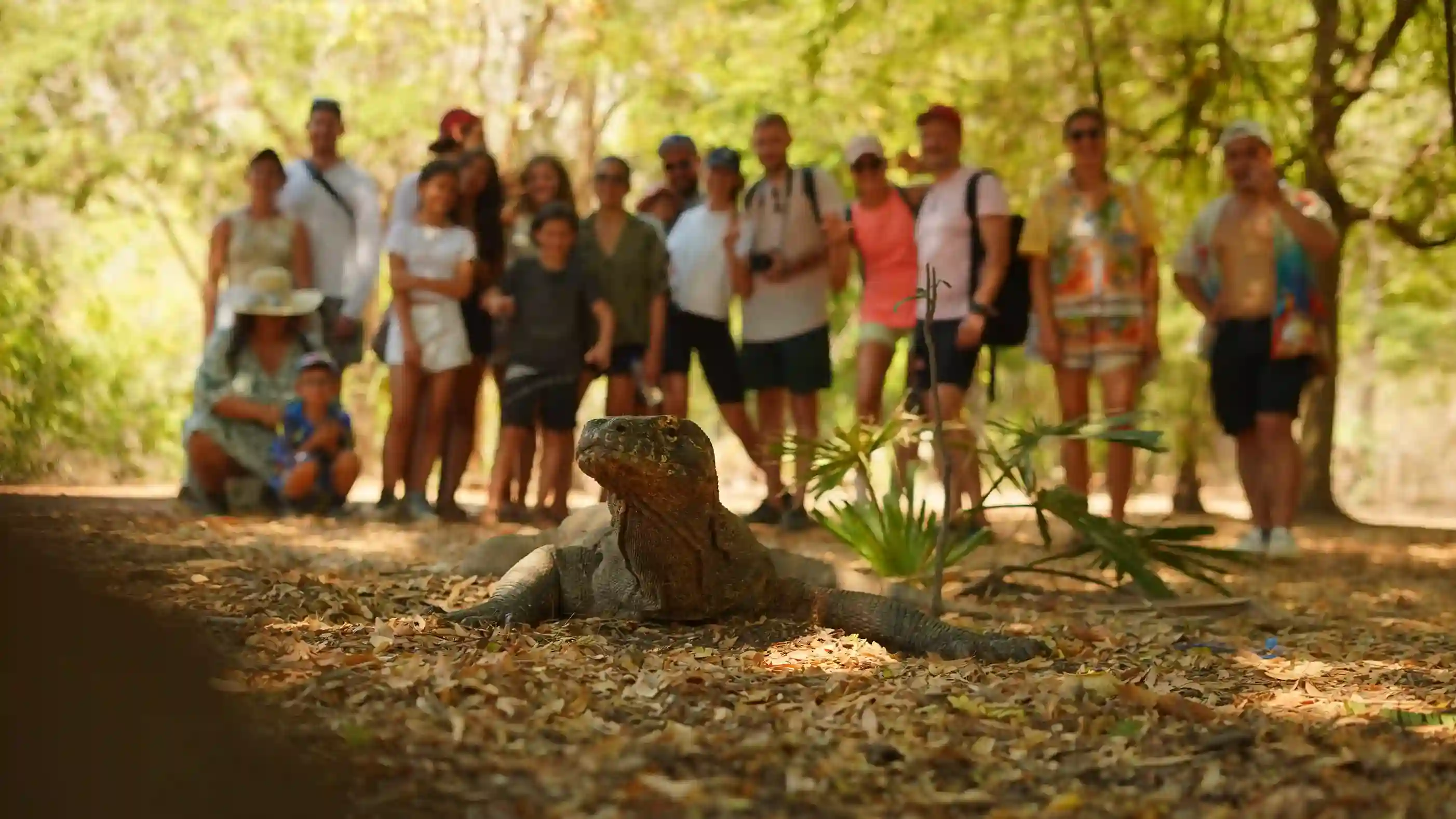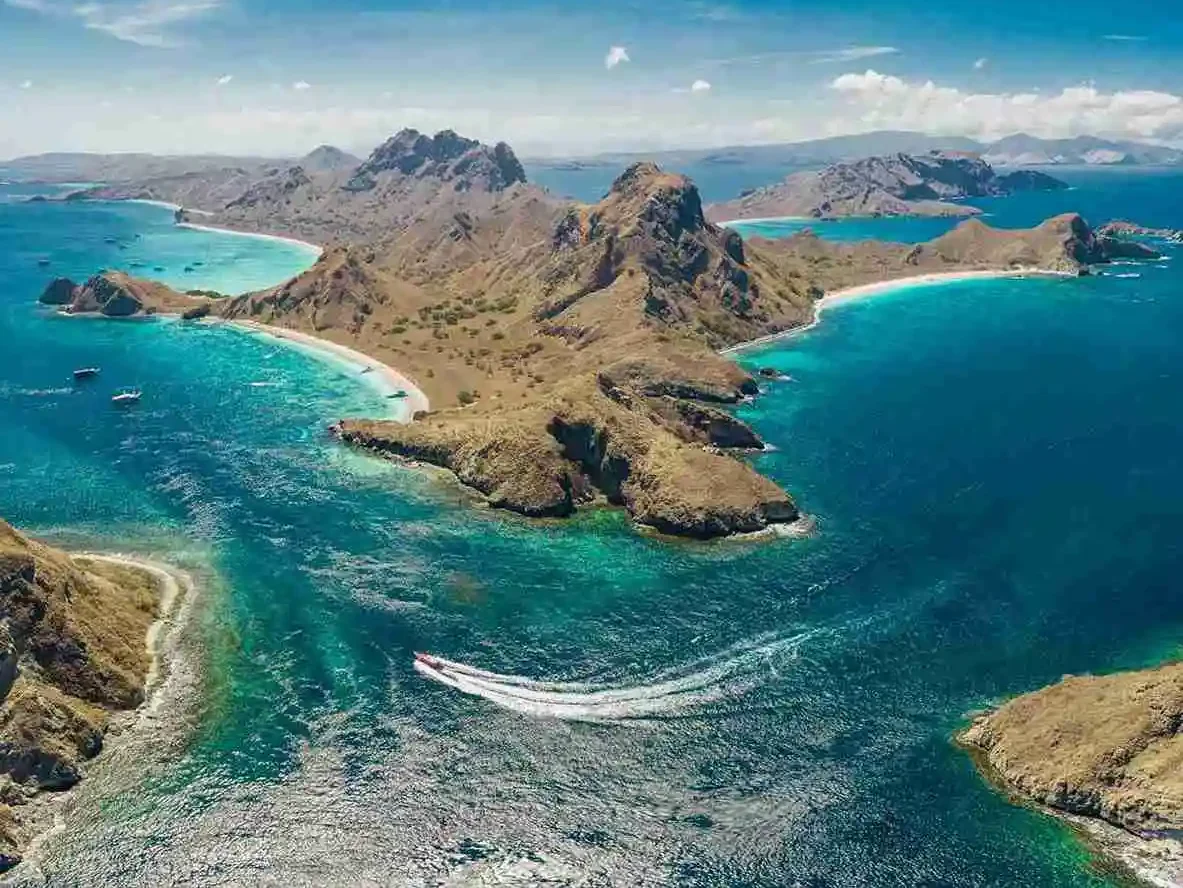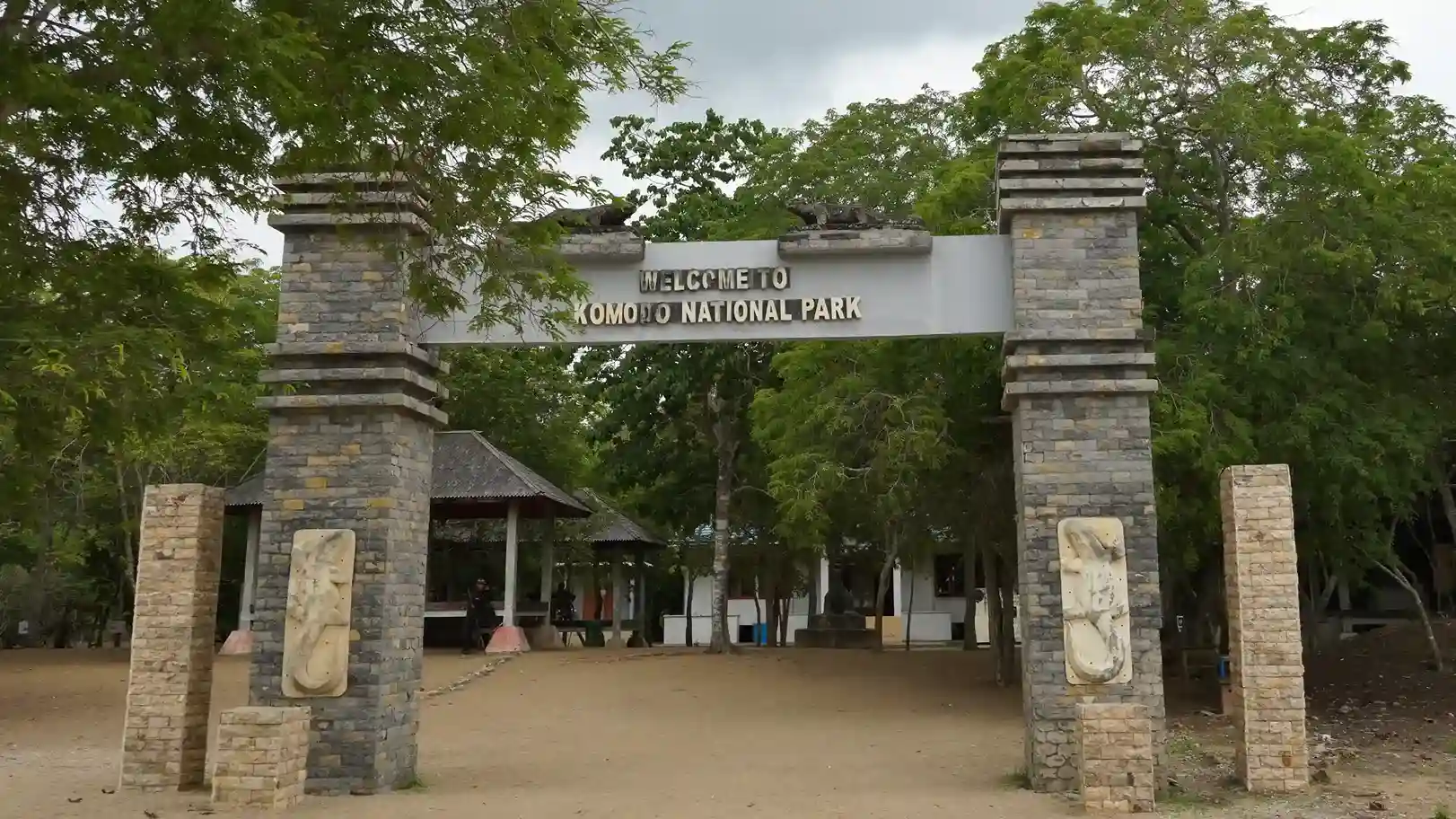

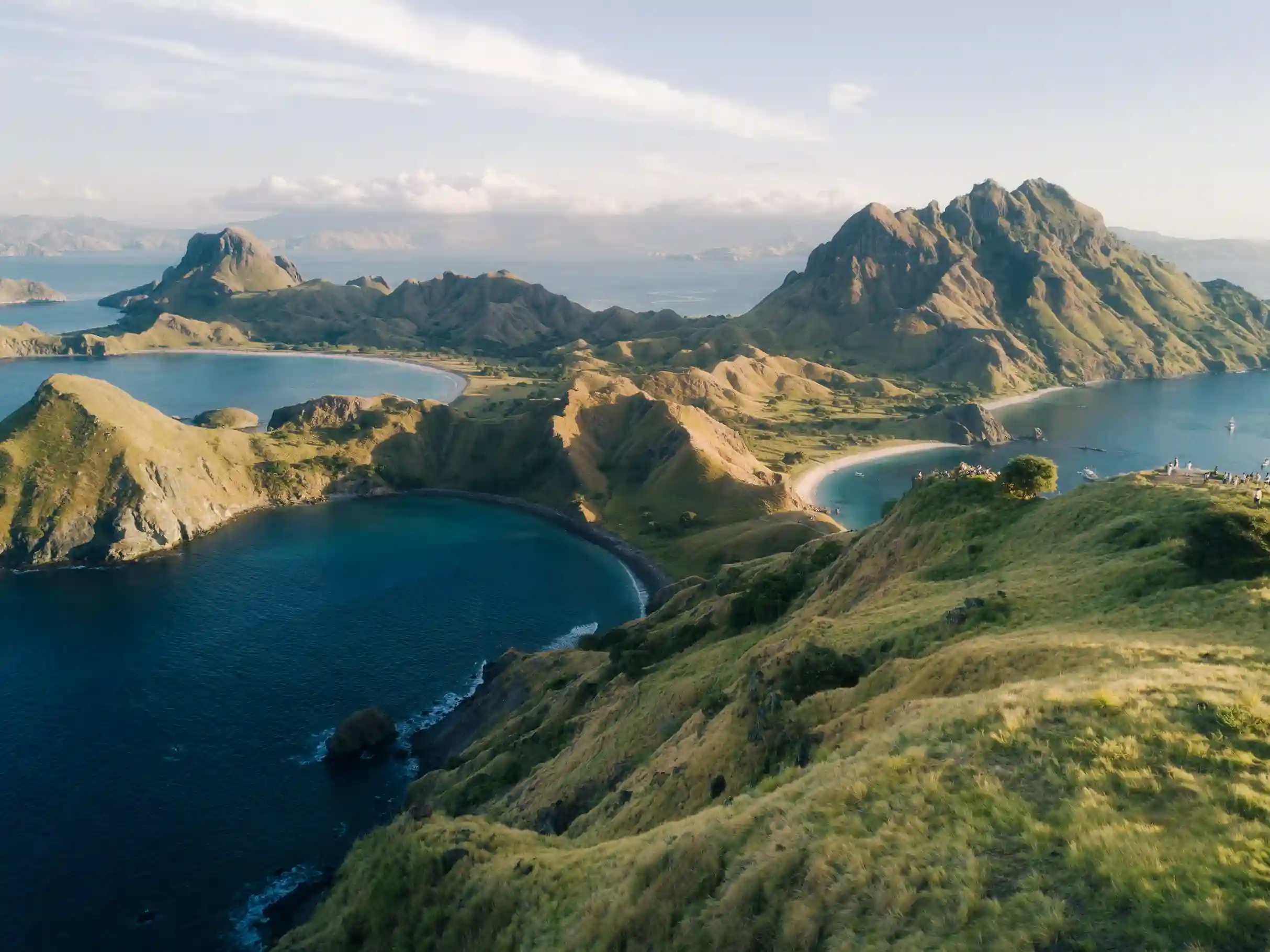
Short answer: Padar Island is open and running normal visitor operations as of August 2026, after brief weather-related sailing suspensions earlier in the year. Every visitor climbs with a park ranger — it’s mandatory, not optional — and the core rules are simple: stay on the marked boardwalk, don’t fly a drone without authorization, don’t cut across the slopes for a photo, and don’t leave the island without your ranger having done a headcount. The details and exceptions are below.

Last updated: August 23, 2026. Park status can change on short notice due to weather or safety incidents — confirm current sailing status with your operator on the morning of departure, not the week before.
Is Padar Island open right now?
As of mid-August 2026, yes. Komodo National Park, including Padar, reopened on February 4, 2026 after a temporary closure triggered by a fatal tourist boat accident and severe weather in late December 2025. A separate short sailing suspension affecting Komodo and Padar routes was reported in July 2026 due to high waves and strong winds around Labuan Bajo, lifted by late July. Neither closure was announced far in advance — both were issued by the harbormaster’s office (KSOP) on short notice based on real-time weather monitoring. This is the pattern to expect: Padar itself rarely closes for reasons other than weather or a specific safety incident, but when it does, the notice window is measured in days, not weeks. Build a spare day into your itinerary if a Padar sunrise is the single thing you can’t miss on your trip.
Do you need a ranger or guide to hike Padar Island?
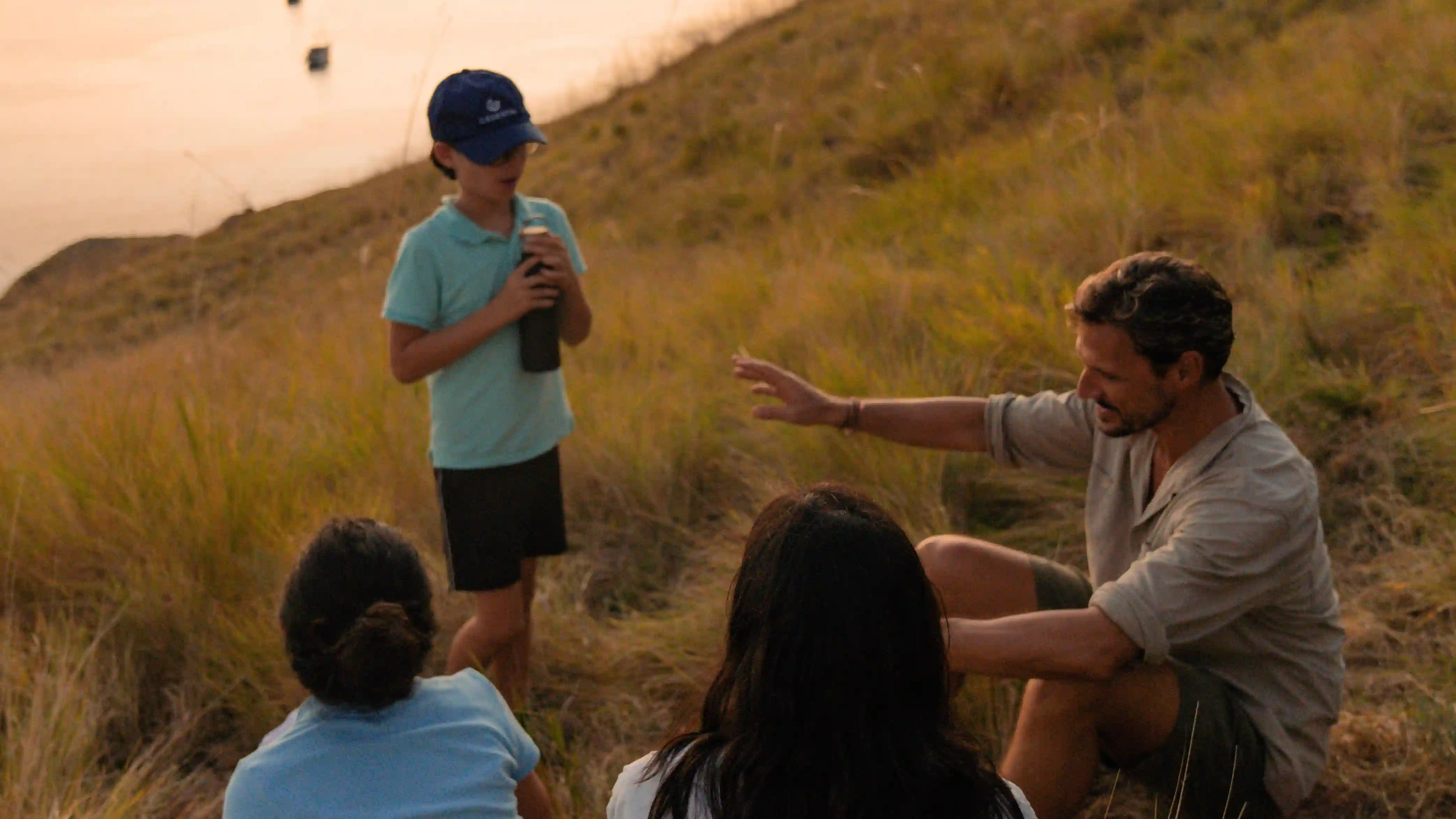
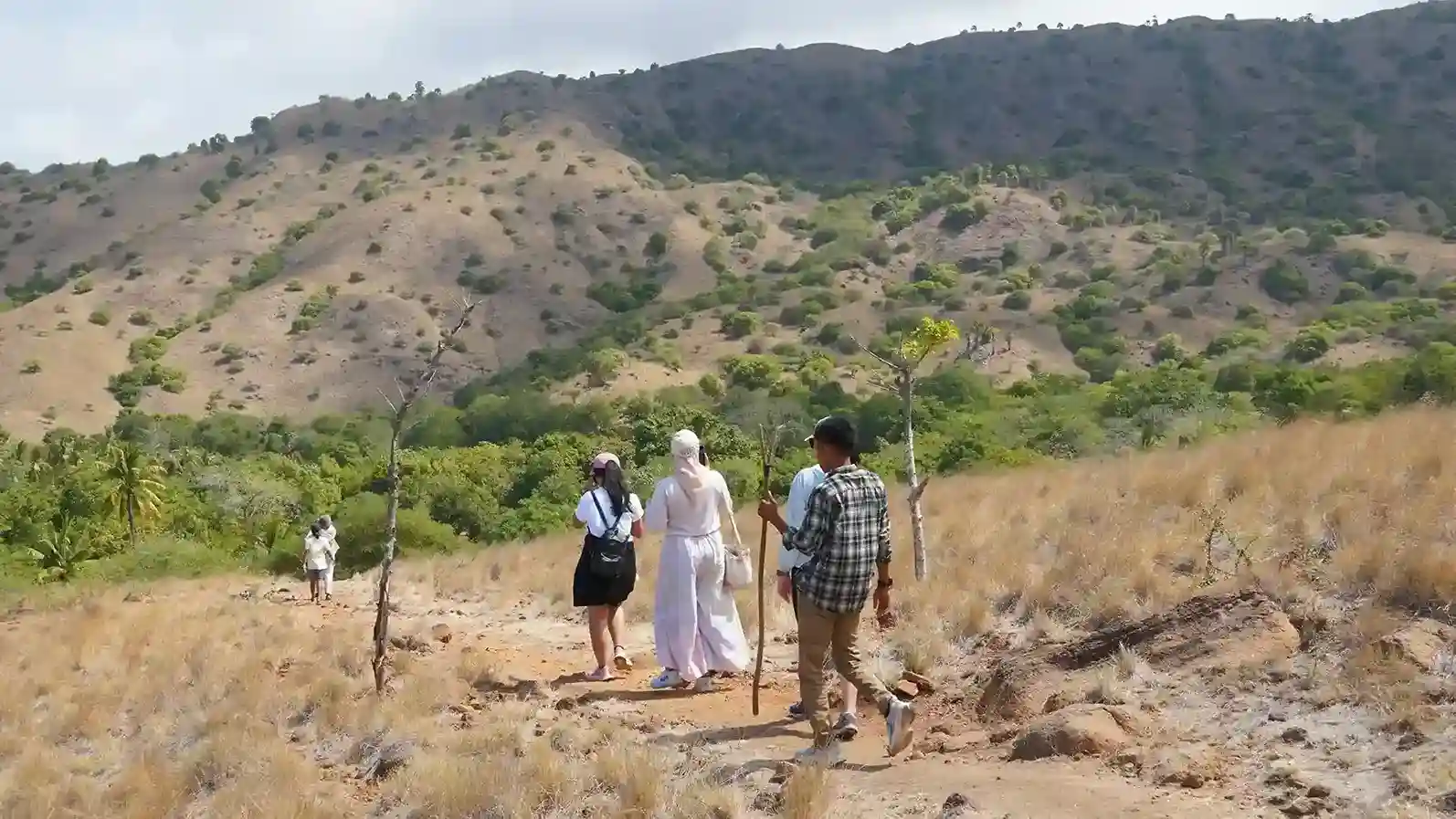
Yes, without exception. Every visitor to Komodo National Park — Padar included — is required to be accompanied by a certified park ranger for the hike. This isn’t a paid upsell some operators skip; it’s a park entry condition tied to your ticket, covered in most cases by the ranger/trekking fee described in our entrance fee guide. You cannot legally hike to the Padar viewpoint unaccompanied, and rangers stationed at the trailhead will not let an unaccompanied visitor start the climb.
What’s not allowed on Padar Island
| Rule | Why it exists |
|---|---|
| Leaving the marked boardwalk or cutting switchbacks | Visitor-caused erosion on Padar’s slopes is a documented and worsening problem; off-trail routes destabilize the hillside for everyone who climbs after you |
| Flying a drone without authorization | Airspace conflicts with other visitors’ photos, wildlife disturbance, and Indonesian aviation rules (120m altitude cap under Permenhub PM 37/2020); commercial use additionally requires a SIMAKSI permit |
| Littering, including cigarette butts and food wrappers | Padar has no waste collection infrastructure at the summit; everything left behind is carried out by rangers or stays |
| Touching or feeding any wildlife encountered | Applies park-wide; while Komodo dragons are not typically encountered on Padar itself, other wildlife and reptiles do inhabit the island |
| Ignoring ranger instructions on pacing, timing, or turning back | Rangers assess heat, crowding at the summit, and individual visitor condition in real time — their calls are about safety, not preference |
| Departing the island without a ranger headcount | Prevents a visitor being accidentally left behind when tenders shuttle groups back to the main boat |

Are Komodo dragons a safety concern on Padar Island?
Not typically. Komodo dragons are established residents of Komodo Island and Rinca Island, where ranger-led treks specifically route around known dragon territory. Padar itself is not a dragon habitat in the way those two islands are, and dragon encounters on Padar’s trail are rare enough that most operators don’t include dragon-safety briefings specifically for the Padar leg of a trip — that briefing happens before your Komodo or Rinca stop instead. The safety considerations that do apply on Padar are heat, trail footing, and hydration, not wildlife encounters.

Is Padar Island safe to hike?
For a visitor in reasonable walking fitness who follows ranger guidance, yes. The documented risks are heat exhaustion on the exposed upper trail (there’s no shade for most of the climb), dehydration if you skip carrying water, and slips on loose gravel sections rather than any wildlife or structural hazard. Early-morning departures exist specifically to avoid climbing during the hottest hours. If you have a cardiac, respiratory, or mobility condition, read our dedicated accessibility guide for kids, seniors and non-swimmers before committing to the hike — the trail itself won’t accommodate a stop-and-rest pace beyond the six designated rest points along the route.
How to hike Padar Island safely: step by step
- Confirm your slot the night before. Entry into Komodo National Park (including Padar) runs on the park’s SIORA reservation system, with a park-wide daily cap of 1,000 visitors (not a Padar-only figure) split into three sessions — the park does not publish a per-session figure, but dividing 1,000 across three implies roughly 330 each; your operator should confirm your session time (usually the 05:00–08:00 sunrise window) the evening before departure.
- Start before sunrise with a light and closed shoes. Tenders typically leave the main boat around 04:30–05:00. Wear shoes with real tread, not sandals — the lower steps are frequently damp with dew.
- Carry your own water. There is no water source, shop, or refill point on the island. Bring at least 1 liter per person for a round-trip climb.
- Stay behind or beside your ranger, not ahead. Rangers set the pace deliberately and watch for early signs of heat strain in the group.
- Keep to the boardwalk and marked steps at all times. Do not step onto the grass slopes for a clearer camera angle — this is the single most common rule violation rangers report.
- Use the six rest points if you need them. There’s no penalty for pacing yourself; groups that push through without pausing are more likely to need help near the top.
- Get your ranger’s sign-off before flying a drone. Even for personal, non-commercial use, show your permit or ask permission at the summit before launching.
- Descend at least as carefully as you climbed. Most reported slips happen on the way down, when fatigue and haste combine on the same loose gravel sections.
- Confirm the ranger headcount before boarding the tender back. Don’t wander off for one more photo once the group is called to return.

Photography and drone rules on Padar Island
Handheld photography — phones and standard cameras — is unrestricted on the trail and at the summit. Drones are permitted at Padar, one of the few major Komodo viewpoints where flying is still allowed at all, but commercial or professional use requires a SIMAKSI permit (cost and lead time covered in our entrance fee page). Personal recreational drone flying is tolerated in practice, though rangers at the summit are authorized to ask for proof of authorization and can refuse a launch, particularly in the crowded hour immediately after sunrise. Never fly directly over other visitors, and expect strong, unpredictable wind channels between the islands around Padar — this is a genuine flight-safety issue independent of the permit question.
What does a park ranger actually do on the Padar hike?
Beyond enforcing the boardwalk and drone rules above, your ranger sets the group’s pace based on the slowest comfortable walker rather than the fastest, watches for early signs of heat strain (flushed skin, unsteady footing, or someone falling notably behind), points out safe versus unstable sections of the trail after rain, and manages summit crowding by timing when your group photographs at the main viewpoint versus waiting nearby. Rangers are also your practical point of contact if a health issue develops mid-climb — they carry basic first-aid awareness and radio contact back to the boat, though Padar’s remoteness means anything beyond minor first aid means descending rather than treating on-site.
What happens if you break a rule on Padar Island?
Enforcement in practice is graduated. Stepping off the boardwalk for a photo typically draws an immediate verbal correction from your ranger — comply and the incident ends there. Repeated or deliberate violations, launching a drone without showing authorization when asked, or refusing ranger instructions can result in your group being asked to end the visit early, and in serious or repeated cases, operators can face consequences with the park authority that affect their future access. The practical takeaway: a single genuine mistake corrected quickly is a non-event; treating the rules as optional is not.
Heat, hydration, and timing: the real safety risks on Padar
Padar’s summit trail has essentially no shade for the majority of its length, and East Nusa Tenggara’s tropical sun raises trail-surface and ambient temperature quickly once the sun clears the horizon — which is precisely why every operator schedules the climb to start in darkness. A visitor who skips water, wears dark non-breathable clothing, or starts the hike later in the morning (for example, joining a mid-morning boat rather than a sunrise departure) faces a meaningfully higher risk of heat exhaustion than someone on the standard pre-dawn schedule. Light-colored, breathable clothing, a hat, and reapplied sunscreen matter as much as footwear for a safe climb — details covered further in our Padar Island packing list.
Frequently asked questions
What are the rules for visiting Padar Island?
Stay on the marked boardwalk, hike only with a park ranger, don’t fly a drone without authorization, don’t litter, and follow your ranger’s pacing and timing instructions. Full list above.
Is a guide mandatory on Padar Island?
Yes. Every visitor hikes with a certified park ranger; unaccompanied hiking is not permitted and rangers at the trailhead enforce this.
Do you need a ranger specifically, or is any tour guide enough?
The ranger accompanying your Padar hike is a park-assigned or park-certified official, distinct from your boat’s general tour guide (who may also be present). Your boat operator arranges this as part of your park entry, not as a separate booking you need to make.
Are drones allowed on Padar Island?
Yes, with conditions. Personal recreational use is generally tolerated with ranger sign-off; commercial or professional use requires a paid SIMAKSI permit applied for in advance. See our full drone permit cost breakdown.
Is Padar Island currently closed?
No, it is open as of mid-August 2026, following a February 2026 reopening after a weather-and-safety-related closure and a brief July 2026 sailing suspension. Closures are announced on short notice — confirm with your operator close to your travel date.
Is Padar Island safe for solo travelers?
Yes, in the sense that you always hike as part of a ranger-led group regardless of whether you booked solo or with companions — you’re never actually alone on the trail. The main precautions (hydration, footwear, pacing) apply equally to solo and group travelers.
Are there Komodo dragons on Padar Island that I should be careful of?
Dragon encounters on Padar are uncommon; the species is established on Komodo and Rinca Islands, where dedicated ranger briefings cover dragon safety specifically. Padar’s safety considerations center on heat and trail footing rather than wildlife.

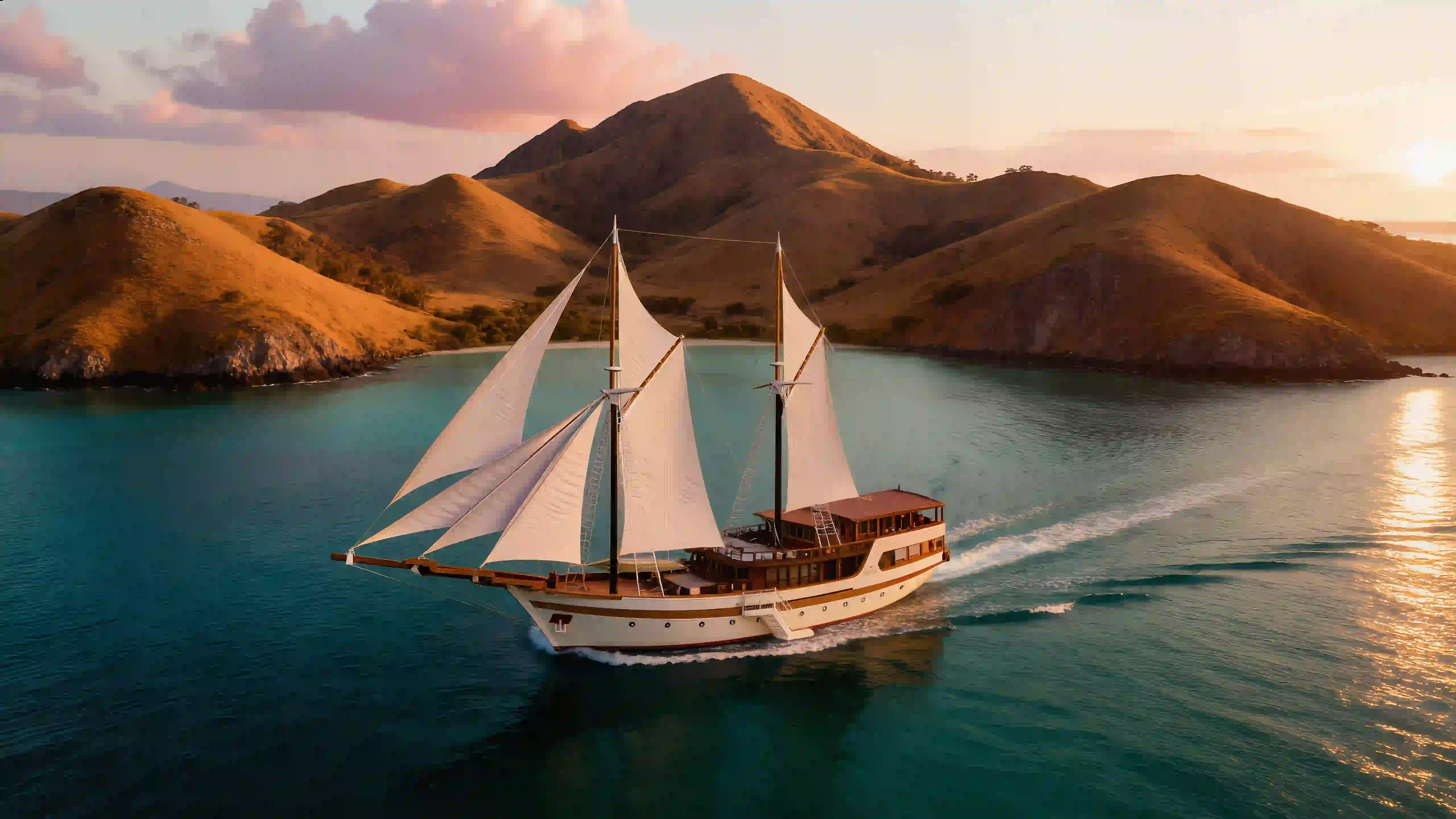
Most travelers experience Padar’s rules and ranger system as part of a standard Komodo boat trip, where the operator briefs you on all of this before you ever reach the trailhead. If you’re booking a more private or higher-comfort setup, the same ranger and safety protocol applies on both a deluxe boat charter and a VIP boat charter — the rules don’t change with the boat class, only the crew-to-guest ratio briefing you on them. Questions not covered here are answered on our general Padar Island FAQ, or compare this against a standard Komodo boat tour booking.
For how these rules connect to the island’s broader conservation goals, see our sustainability commitments page, and if you’re weighing whether the hike itself suits your group, our accessibility guide covers pacing, rest points, and non-hiking alternatives in more depth.
What you may and may not do
The permitted version of a Padar visit is simple: walk the main staircase at a sensible pace, photograph from the designated platforms, rest briefly at the marked lay-bys, and stay on the constructed route throughout. You may carry a small personal bag and trekking poles, and that covers most of what anyone needs.
The prohibitions are equally clear. Climbing off the marked boardwalk and staircase, launching drones without a permit, littering, smoking on the trail, and removing rocks, plants or sand are all forbidden. Swimming off the main jetty during normal hiking stops is not part of the visit. Going off-trail brings rangers straight back to you, and for concrete reasons — the steep gravel slopes erode easily and a slip there can be a serious injury. Fines or removal from the island are available responses, and rangers have the discretion to use them.
Recreational drones may not be flown over Padar without prior written permission from the park. Rangers routinely stop casual use and can require you to land and pack away. Professional filming needs the correct permits, typically a SIMAKSI and a separate authorisation for drones, applied for in advance and usually handled by production companies or specialist operators rather than individuals.
Night entry is not part of visitor operations. Public access runs through the three official session slots, all in daylight or twilight, and night landings, camping and stargazing visits would require special arrangements outside the normal system. Same-day re-entry is not standard either, because each visit is tied to a specific session and boat schedule — most boats land once, complete the hike and move on.
Alcohol on the boats going out is usually tolerated in small amounts on private and multi-day vessels, but it is not what these trips are about and public drunkenness is not acceptable. Captains can and do ban drinking during open-water crossings or in rough conditions, and that call is theirs.
The rules do not change between weekdays and weekends; only Indonesian ticket prices vary slightly by day. What changes is density — weekends and public holidays fill the popular view decks, and rangers tend to be stricter about movement and lingering when that happens.
The ranger is not optional
Every visitor landing on Padar is escorted. You cannot roam the trail independently; groups form at the jetty and walk up in loose clusters behind an assigned ranger who sets a reasonable pace, enforces the stay-on-path rule and coordinates timing with your boat. In the event of a fall or a medical problem, that ranger is your first responder.
Because rangers fill the mandatory guide role, you do not need to hire a separate trekking guide for the standard hike. Many boat tours include a tour leader who walks with you as well, which is useful for translation and pacing, but it is an addition rather than a requirement.
Booking is now entirely in advance. Online reservation through SiORA is mandatory and walk-in ticket purchases no longer exist. There is no published minimum lead time, but sunrise sessions and peak holiday dates fill first. The e-ticket encodes visitor details in the QR code, so the name on the ticket must match the person entering; rangers and check-in staff may verify it against your ID, particularly where different fee categories apply. If a name needs changing, deal with whoever issued the booking before you travel.
For a reasonable budget, plan roughly IDR 400,000–525,000 per foreign visitor for a straightforward day visit covering the park ticket, a share of the ranger fee and basic boat costs on a shared trip. That range excludes flights, hotels and any upgrade to a private speedboat or charter.
The risks that are real
Stories about Padar being dangerous usually blur it with the wildlife-focused islands nearby. The genuine risks here are heat, dehydration, slips on the steps and boat-related issues — not animal encounters. Padar’s dragon population is tiny and effectively never encountered on the hiking route, and worrying about it is a misdirection of attention that would be better spent on water and footwear.
Heat is the dominant factor, particularly for children. Kids handle the trail well if they are reasonably active, but the sun and the complete absence of shade are the challenge: carry more water than you expect them to drink, encourage small regular sips at each rest stop, and dress them in light breathable clothing with a hat. Children are allowed on the hike and many families complete it, but the staircase is steep and lacks full-height railings in places, so adults need to supervise closely and keep younger children on the inside of the path.
Pregnant visitors should seek medical advice before including Padar at all. The combination of heat, sustained stairs and a boat transfer is demanding; an early, uncomplicated pregnancy may manage a slow partial ascent with frequent rests, and stopping at a lower terrace is a perfectly good outcome.
Non-swimmers are fine here, because the activity is a land hike from jetty to viewpoint. Wear a life jacket on the crossing, stay on deck or in the cabin, and if the tour includes snorkelling afterwards, you can simply remain aboard.
For women, including solo travellers, Padar is generally considered safe, and the reason is structural: the visit is built around guided groups and fixed time slots, so almost all of your time is either on the boat or on a supervised trail with rangers and other visitors present.
Boat incidents have occurred in the wider Komodo area over the years, typically linked to overcrowding, poor maintenance or sailing in unsuitable weather. That history is part of why the current regulations emphasise ranger oversight, quotas and operator standards, and it is a good reason to choose your boat on safety rather than price.
Sea and season
July sits in the dry season and is also among the windiest months in the Komodo area, so expect choppy water and noticeable wind chop around Padar and crossings that feel bumpier than in calmer months even under a clear sky. Operators sometimes adjust timings around it.
December falls in the wetter season, when seas are choppier and squalls more frequent. Wave height varies with the weather system, but expect more motion and spray on an open deck, and captains adjusting routes or departure times accordingly.
February brings higher humidity, more frequent rain and a greener landscape. Showers can be intense but are often intermittent, leaving clear windows for the hike; the steps and trail are more slippery afterwards, which is when footwear stops being a preference.
Aturan dan keselamatan dalam Bahasa Indonesia: Panduan Lengkap Pulau Padar.
This guide does not operate boats. Bookings are fulfilled by Komodo Luxury, and this site may earn a referral commission.