

Journal
Padar Island Sunrise Time, Month by Month
Short answer: sunrise at Padar Island (Labuan Bajo area, WITA / UTC+8) falls roughly between 05:30 and 06:20 depending on the month, with the earliest sunrises around October–November…
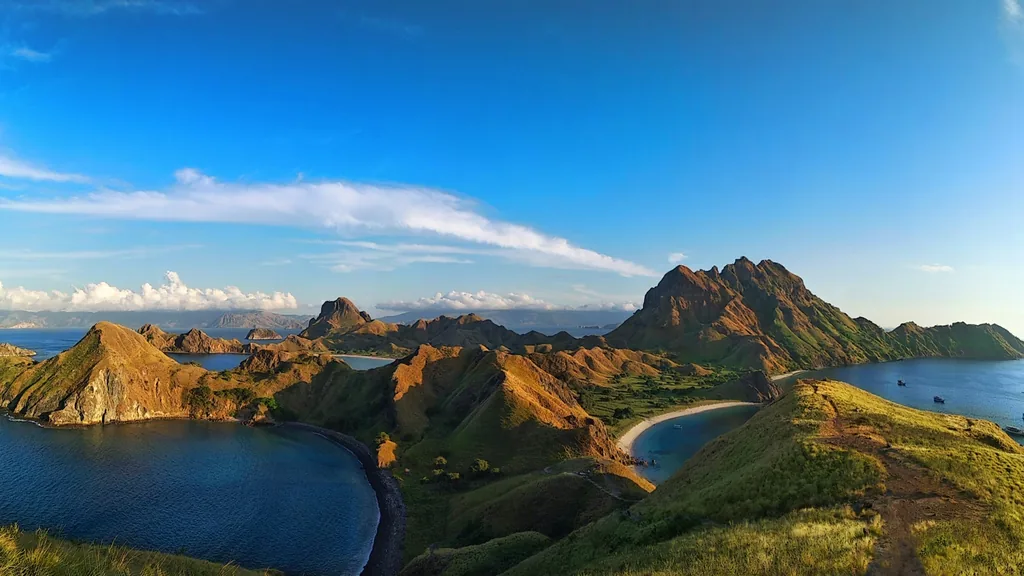
Short answer: sunrise at Padar Island (Labuan Bajo area, WITA / UTC+8) falls roughly between 05:30 and 06:20 depending on the month, with the earliest sunrises around October–November and the latest around June–July. Because Labuan Bajo sits close to the equator, the swing is modest — under an hour across the whole year — but it’s enough to change what time your boat needs to leave to catch first light at the summit.
Last updated: August 2026. The table below is calculated for Labuan Bajo’s coordinates (approximately 8.50°S, 119.88°E, WITA/UTC+8) – the same coordinate this site publishes elsewhere using standard solar-position formulas, not pulled from a single unverified source. Treat it as a close approximation and confirm the exact time with a sunrise app or your boat operator on the day — local horizon, cloud cover, and exact viewing point can shift the visible sunrise by a few minutes either way.
Padar Island sunrise time by month (approximate, WITA)
| Month | Approx. sunrise (WITA) |
|---|---|
| January | ~05:55 |
| February | ~06:05 |
| March | ~06:08 |
| April | ~06:05 |
| May | ~06:08 |
| June | ~06:15 |
| July | ~06:18 |
| August | ~06:12 |
| September | ~05:55 |
| October | ~05:40 |
| November | ~05:33 |
| December | ~05:40 |
The earliest sunrises of the year cluster around late October through mid-November (as early as roughly 05:31 on some calculations); the latest fall around late June to mid-July (up to roughly 06:18–06:20). If you’re specifically chasing the earliest possible light for photography, an October or November trip has a marginal edge over a July trip — though the difference of 30–45 minutes matters far less than simply confirming your exact departure time with your operator for your specific travel date.
Why does sunrise time barely change near the equator?
Sunrise and sunset times swing dramatically at high latitudes (think near-midnight sun in Scandinavia) because day length itself varies enormously through the year there. Near the equator, day length stays close to 12 hours year-round, so the modest sunrise variation you do see at a location like Labuan Bajo comes mostly from the “equation of time” — a small, predictable wobble caused by Earth’s elliptical orbit and axial tilt, not from dramatic seasonal day-length change. That’s why the range above spans under an hour across all twelve months, rather than the multi-hour swings you’d see at, say, 50° latitude.
What time should my boat leave Labuan Bajo to catch sunrise at Padar?
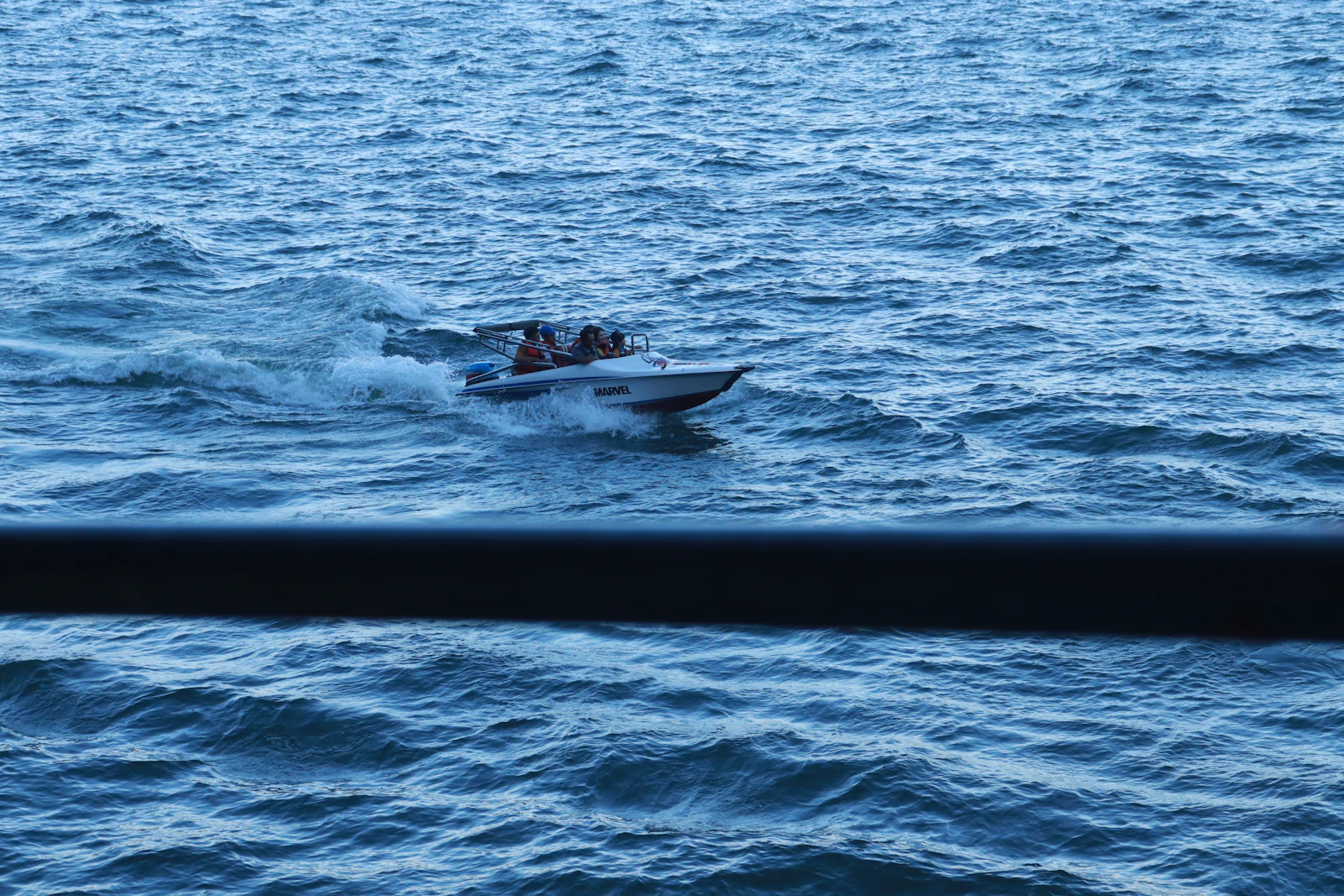
Working backward from sunrise time: allow 60–120 minutes for the speedboat crossing (see our boat ride duration guide), plus 25–45 minutes to climb to the viewpoint before first light, plus a buffer for docking, ranger check-in, and a slower-than-average pace. In practice, most sunrise-focused departures from Labuan Bajo leave around 03:30–04:30, depending on the month’s sunrise time and whether you’re on a fast speedboat or a slower traditional boat. A multi-day liveaboard already anchored near Padar the night before removes the pre-dawn transfer entirely, which is why many photographers prefer that option specifically for sunrise shots.
Does the season affect how good the sunrise actually looks, not just what time it happens?
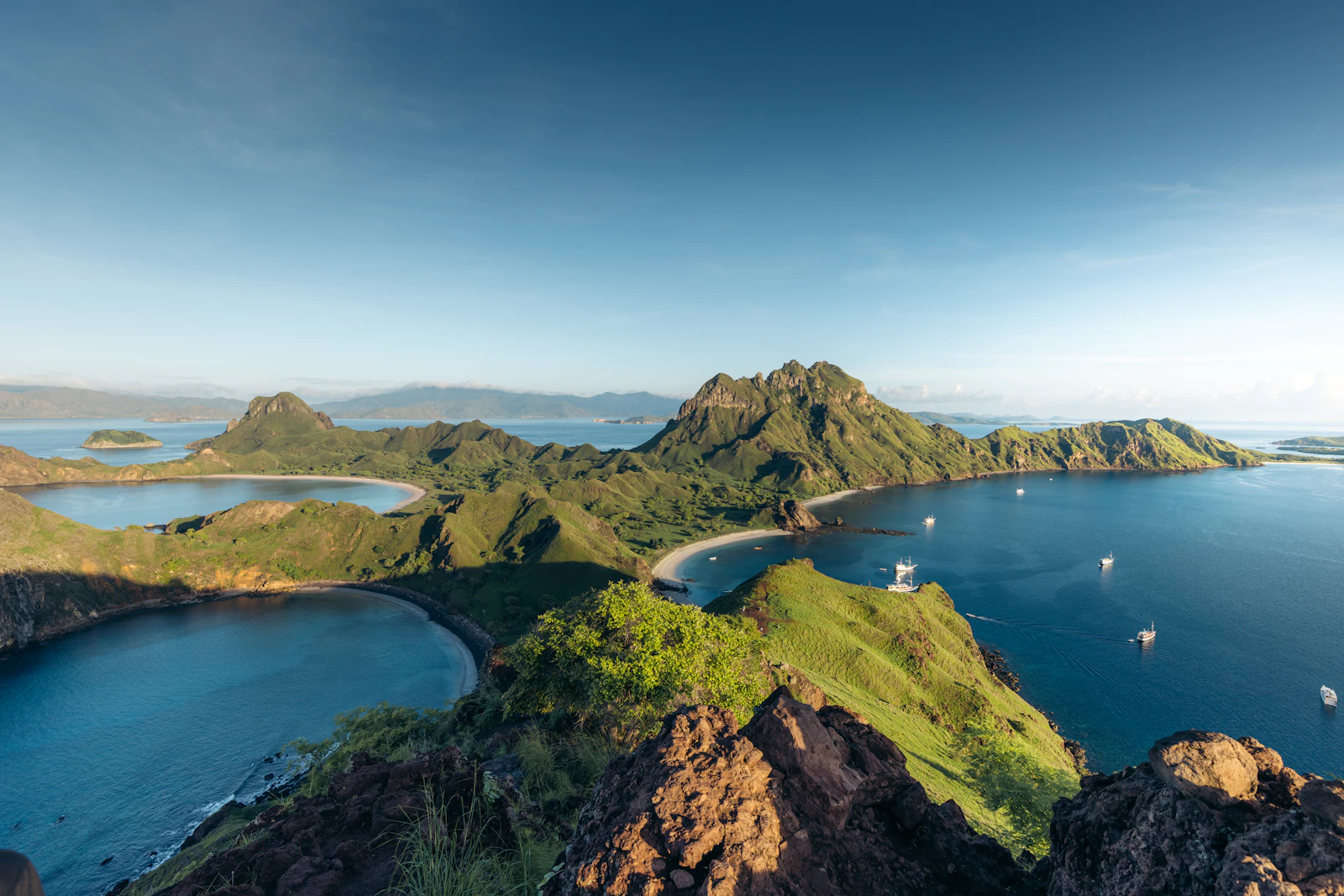
Yes, and this matters more than the exact clock time for most visitors. Dry-season mornings (roughly April–November) tend to offer clearer skies and better visibility for the classic three-bay panorama shot; wet-season mornings (December–March) carry a higher chance of cloud cover obscuring the horizon at the exact moment the sun would otherwise break through. See our weather & seasons guide for the fuller picture on how season affects visibility, not just timing.
Frequently Asked Questions
What time is sunrise at Padar Island in July?
Roughly 06:15–06:20 WITA, near the latest point in the year’s cycle — calculated for Labuan Bajo’s coordinates and worth confirming for your exact date, since July also falls in the peak dry-season, strong-wind window.
What is the earliest sunrise time of the year at Padar Island?
Approximately 05:30–05:35 WITA, occurring around late October to mid-November based on standard solar calculations for the area’s coordinates.
Do I need to arrive before sunrise to see the famous view?
Not strictly — the three-bay panorama is visible throughout the day — but sunrise light is widely considered the most flattering and least crowded time, since the low-angle light brings out more contrast between the beach colours than harsh midday sun does.
What time does the sun rise on Padar Island?
Generally between around 05:30 and 06:20 WITA depending on the month, with the earliest sunrise around late October to mid-November. These figures are an astronomical calculation for Labuan Bajo’s coordinates and should be double-checked with your boat operator or a weather app on the day of your visit.
For the full logistics of a sunrise trip — boat timing, hike duration, and what to bring in the dark — see our main Padar Island guide, our boat ride guide, and our packing list.
How this table was calculated (and why we’re showing our work)
We calculated the figures above using standard solar-position formulas (solar declination and the equation of time) for Labuan Bajo’s approximate coordinates, rather than copying a single number from another travel blog or presenting an unsourced claim as verified fact. This is the same underlying method that dedicated sunrise-calculation sites and apps use, adjusted for this specific location. We show this methodology openly because Padar Island content online is full of confidently-stated sunrise times that don’t cite where the number came from — and because a genuinely equatorial location like this has a small enough seasonal swing that small calculation or rounding differences between sources are normal and expected, not a sign that one source is simply wrong.
Sunrise vs. “golden hour”: which matters more for photography?
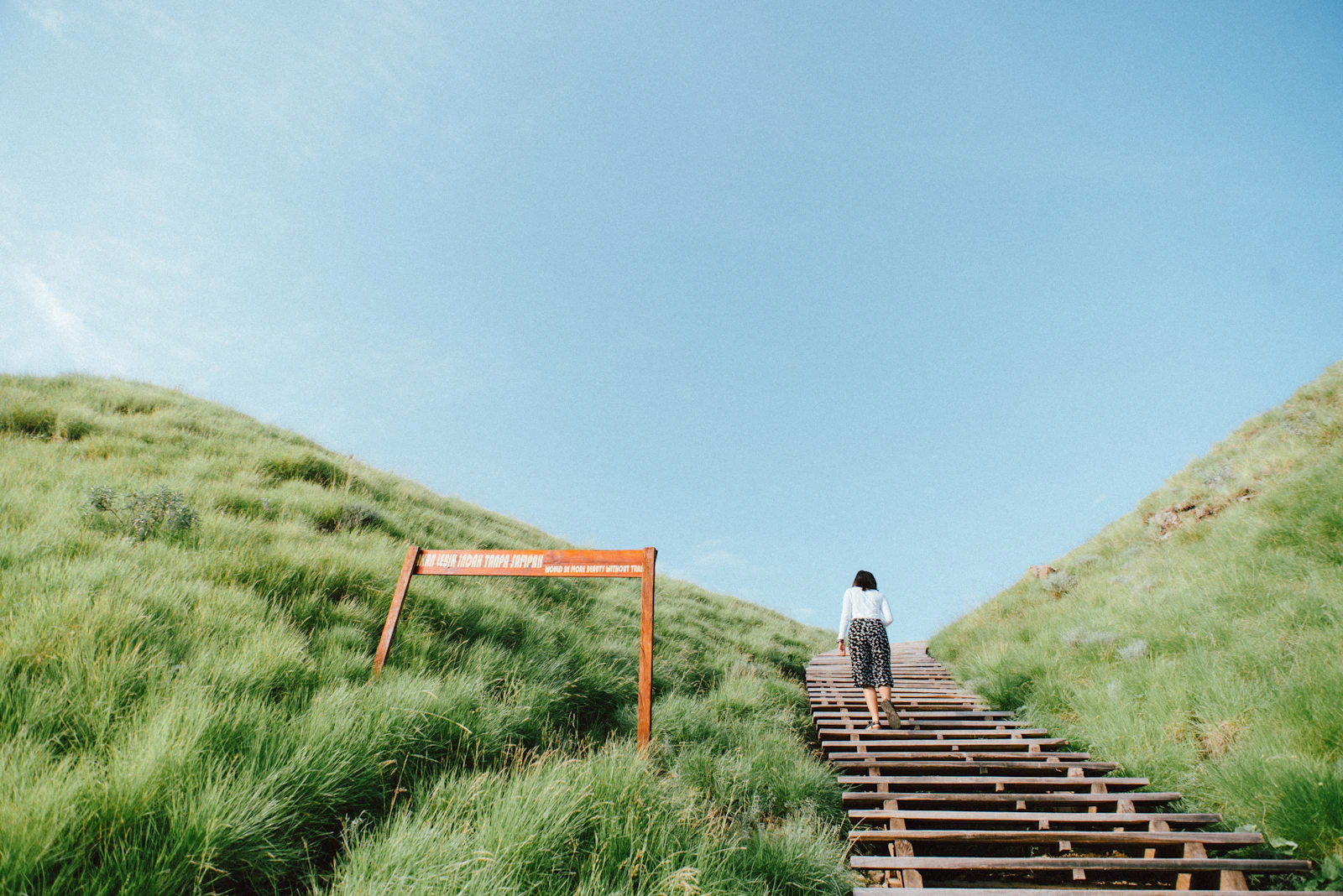
The exact sunrise moment (when the sun’s disc first clears the horizon) is a narrower window than “golden hour,” the roughly 30–60 minutes of soft, warm light before and after sunrise that photographers generally prize more than the split-second of the sun itself appearing. For Padar Island’s viewpoint, arriving 20–30 minutes before your calculated sunrise time and staying 20–30 minutes after gives a wider window of good light, rather than treating the exact sunrise minute as a hard deadline you either hit or miss.
What if it’s cloudy at sunrise on the day of my visit?
Cloud cover can obscure the sun itself while still producing a worthwhile, softly lit panorama — a fully “missed” sunrise (heavy overcast, poor visibility) is more common in the wet season (December–March) than in the dry months. If your schedule allows a second attempt (more realistic on a multi-day liveaboard than a single day trip), a cloudy first morning doesn’t have to be the only chance you get. See our weather guide for how season affects the odds of a clear sunrise specifically.
Is sunrise or sunset better at Padar Island?
Sunrise is the far more commonly recommended time, mainly for logistics rather than light quality alone: most boats plan an early climb specifically to beat the heat and the crowds, and many itineraries have already moved on to another site by the time sunset arrives. Sunset from the summit is possible in principle but far less commonly offered as a standard stop on most tour schedules.
Sunrise timing is set by the boat, not the island
This is a research page, not a booking form. Departures are run by our affiliated operator, Komodo Luxury. Working backwards from the sunrise time for your month gives a departure hour, and that hour is what you should be booking against. Departures timed for first light: a Komodo tour from Bali, multi-day liveaboards, and the one-day Komodo sailing package.
Sunrise moves less than an hour across the year
Sunrise around Padar falls between roughly 05:30 and 06:20 WITA depending on the date, with the earliest times around October and November and the latest around June and July. That is a small swing, but it drives everything downstream: how early the boat leaves Labuan Bajo, how long you have on the water before first light, and how much heat you meet on the way down. Operators set departures against it, and the earliest session is timed to begin before first light so visitors can be at the viewpoint when the sun clears the horizon.
Which is why the earliest session is the best time to enter for most people, quite apart from the photograph. Temperatures are lower, the light is softer, and the crowd spreads out along the staircase rather than bunching at the top. Later-morning entries mean a hotter climb on an exposed trail. There is no single closing hour in the sense of a park gate — access is structured into timed sessions, with the last standard slot running into the late afternoon.
Sunrise boats leave well before dawn to allow for the crossing, docking and the 25 to 45 minute climb. Speedboats do most of the day-trip work; a phinisi may include Padar as one stop on a longer itinerary. Departures happen in the dark, so keeping decks clear of loose items and using the handrails matters more than it would at midday, and in the windiest months the crossing is bumpier. Sea conditions, vessel maintenance and those simple precautions are what actually determine how safe an early sailing feels.
The months, and what each one costs you
The broad pattern is a drier, sunnier April to November and a wetter, more humid December to March. Temperature varies far less than rainfall, wind and sea state — it is warm all year, and the real question is whether you face hot dry sun or hot humid air with passing squalls. Within the dry stretch, July and August are the driest but the windiest, while the shoulder months trade a little reliability for calmer water.
June is a solid choice: mostly dry, relatively calm seas, lower humidity than the shoulder months, and clear dawns that make sunrise plans dependable. The landscape is mid-transition from green to brown, so the colours photograph as muted rather than lush. July gives dry, generally clear sunrises and is among the windiest months of the year, with choppy water that some travellers find tiring on a speedboat; the hills are fully dry and brown by then. September is often the best of both — dry conditions with slightly fewer peak-holiday crowds than mid-year, typically clear mornings, and seas still reasonably manageable, with cooler early hours that make the staircase noticeably easier.
October runs hot and increasingly humid, with dry dusty trails and strong sun very soon after dawn. The hills are mostly brown with patches of green depending on recent showers, and under clear skies visibility across the park is excellent. The sunrise climb is far more comfortable than a mid-morning one, and later in the month afternoon showers become more likely. November is transitional: the first rains begin to green the hillsides, some days stay dry and bright while others bring showers or cloud that softens the sunrise, and humidity rises.
January is usually less windy than the peak of the dry season — moderate breezes rather than the persistent winds of July and August — though gusts and passing squalls still occur and chop can build. February sits firmly in the wet season: a higher chance of rain, overcast skies and occasional thunderstorms, any of which affects sunrise colour and visibility, with seas that can be rougher.
For a straightforward answer: aim for the core dry months, roughly May to September, if you want reliable visibility and calmer water; roughly June to August for the classic golden-slope look; and late April, May or November if you want some green still in the landscape. September and May tend to be the compromise most people are happiest with. The cheapest month is simply the one outside Indonesian and major international holiday periods, when boat demand softens — entrance and ranger fees are fixed by regulation, so the boat is your only variable cost.
Whatever the month, the UV index here is high year-round because of the latitude, peaking in the middle of the day. Seasonal cloud moderates it slightly and never enough to relax your precautions.
Practical notes on the ground
Boats land at the main jetty in the central bay, directly below the staircase. Larger phinisi and wooden vessels usually anchor slightly offshore and transfer guests by tender or dinghy, which adds a few minutes at both ends of the visit.
Padar does not follow a fixed bad-weather closure calendar, but rangers and marine authorities can halt landings or departures when conditions are unsafe — heavy swell, strong wind or poor visibility. Those calls are made on the day.
Padar itself covers approximately 20.2 square kilometres, about 2,017 hectares, and is the third-largest island in Komodo National Park. It is compact and rugged, with steep volcanic ridges dropping into deeply indented bays, which is what produces the view and what makes the climb what it is.
Wildlife on the island is limited compared with its neighbours. From the trail and the boat you may see sea eagles and smaller raptors, lizards and occasional dolphins; underwater, the snorkel stops near Padar offer reef fish rather than headline encounters. This is a landscape destination, and expectations should be set accordingly.
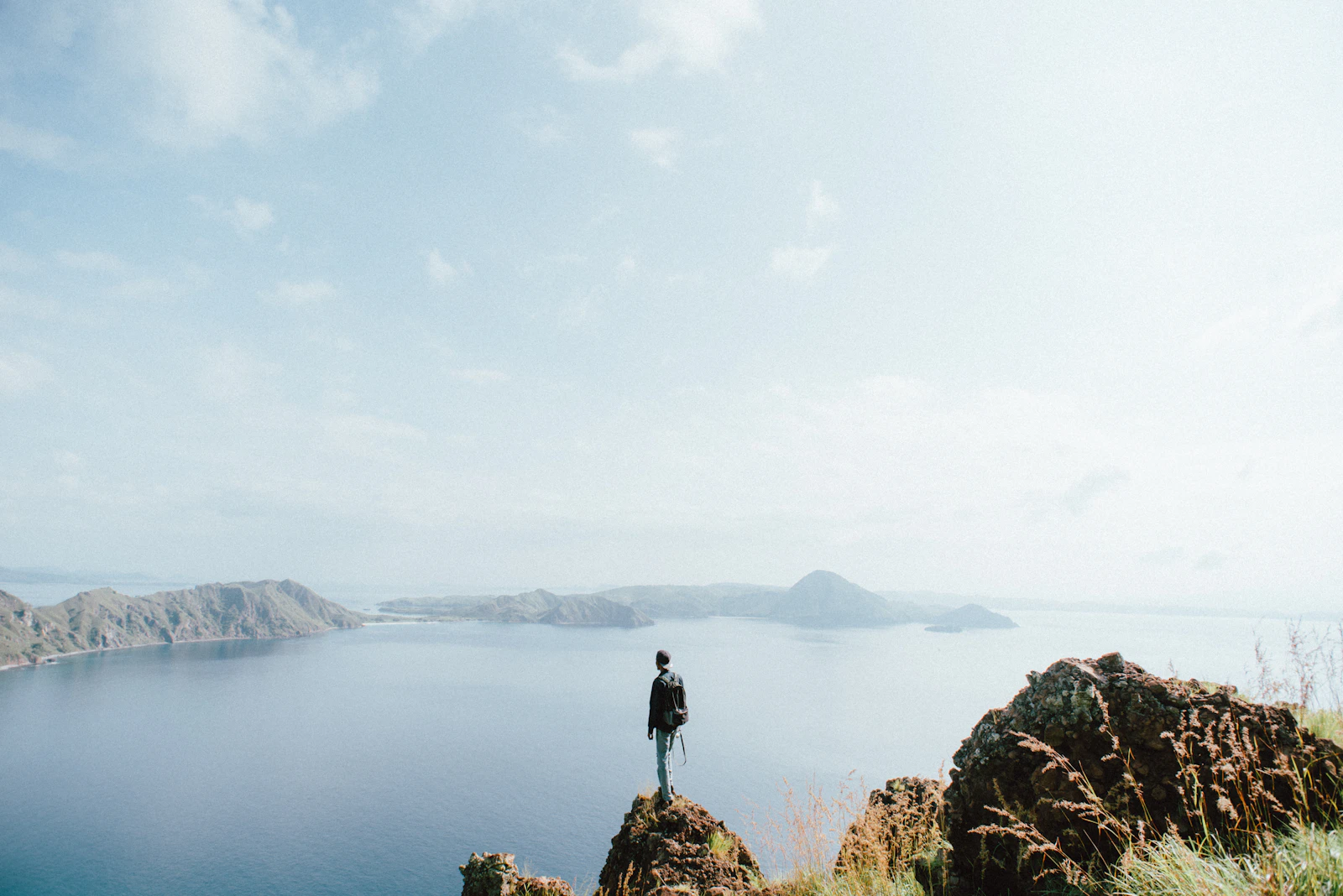
For seascape photography, the sharp ridgelines, curving bays and shifting currents do most of the work. Early morning and late afternoon flatter the water’s texture, revealing patterns of swell and colour change that midday flattens out. And because the contrast between bright sky and dark bays at sunrise exceeds what most sensors handle, bracketing a series of exposures from a stable stance on the staircase or the viewpoint is worth the extra seconds — watching, as always, that you are not blocking the steps while you do it.
This guide does not operate boats. Bookings are fulfilled by Komodo Luxury, and this site may earn a referral commission.
Ready When You Are
Ready to book?
Chat directly on WhatsApp with the Komodo Luxury team.
This guide does not operate boats. Bookings are fulfilled by Komodo Luxury, and this site may earn a referral commission.