

Journal
How Long Is the Boat Ride to Padar Island?
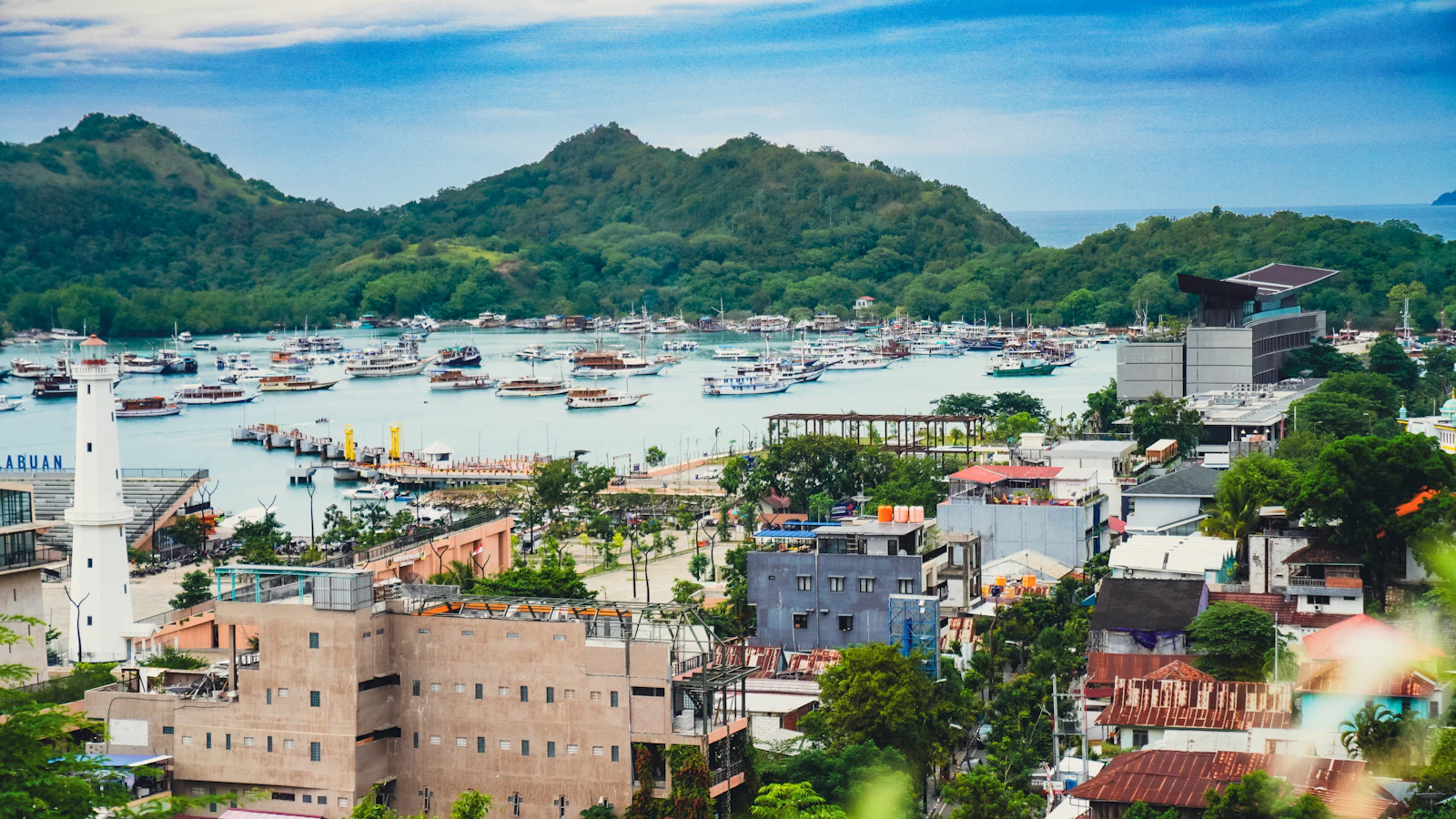
Short answer: the boat ride from Labuan Bajo to Padar Island takes about 60–120 minutes by speedboat, or 2–3+ hours by traditional wooden boat (phinisi-style), covering roughly 36 km…
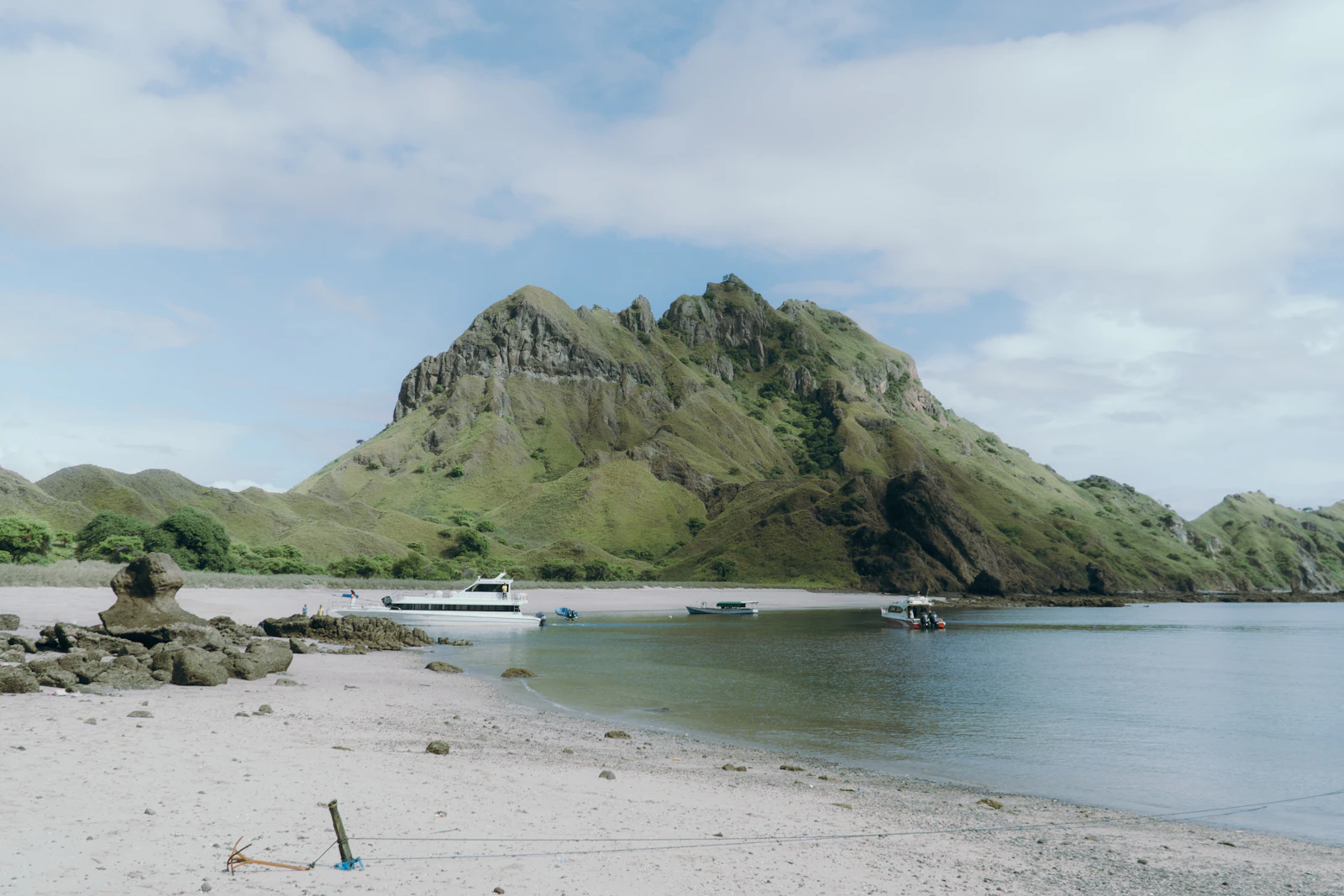
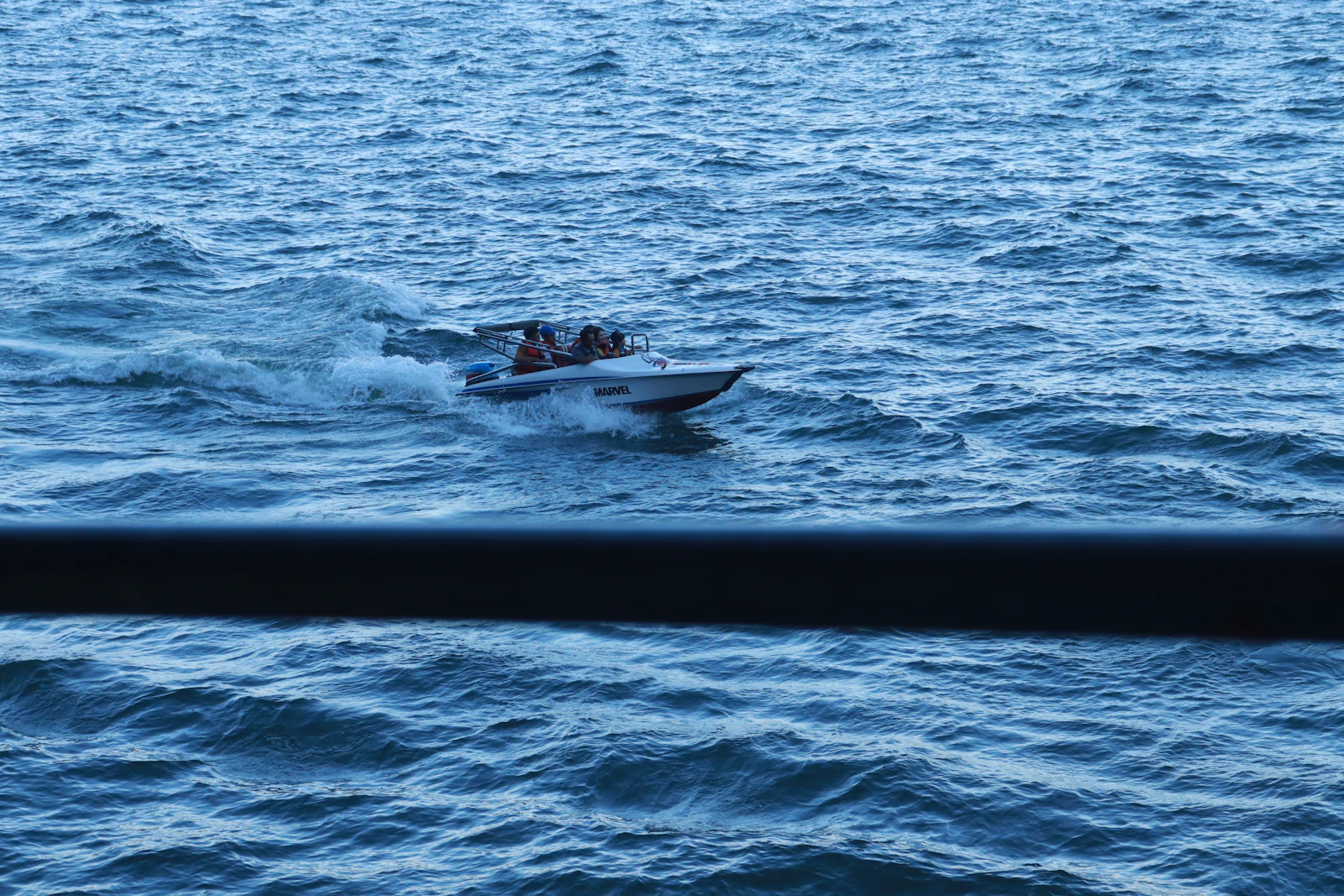
Short answer: the boat ride from Labuan Bajo to Padar Island takes about 60–120 minutes by speedboat, or 2–3+ hours by traditional wooden boat (phinisi-style), covering roughly 36 km (22 miles) in a straight line, and more than that along the water, since no boat sails a straight line here. Which one you end up on, and exactly how long it takes, depends mainly on your boat type, sea conditions, and whether your itinerary includes stops along the way.
Last updated: August 2026.
Speedboat vs. traditional boat: the real time difference
| Boat type | Typical one-way time | Notes |
|---|---|---|
| Speedboat | 60–120 minutes | Fastest option; more exposed to swell and spray in rougher conditions |
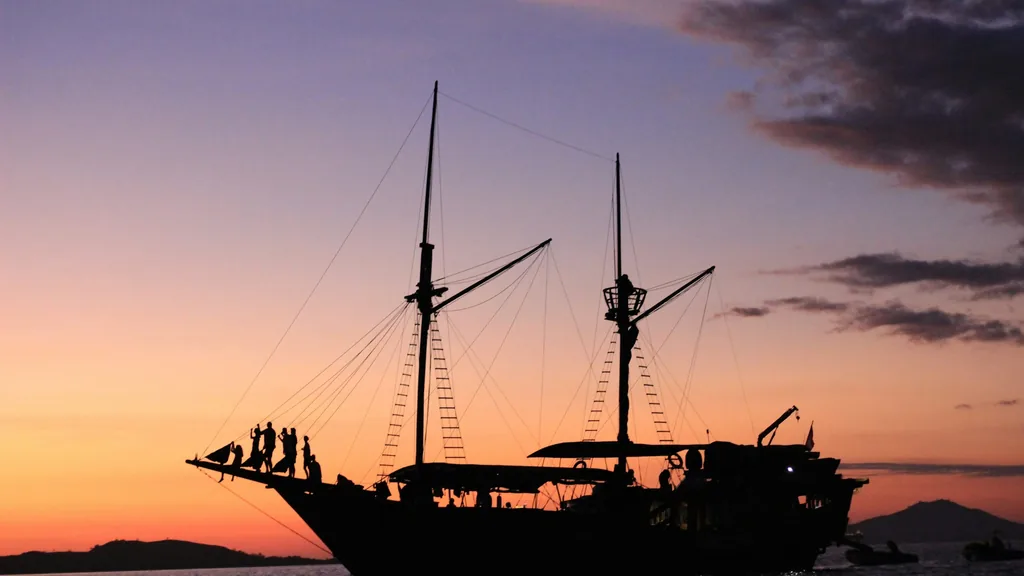
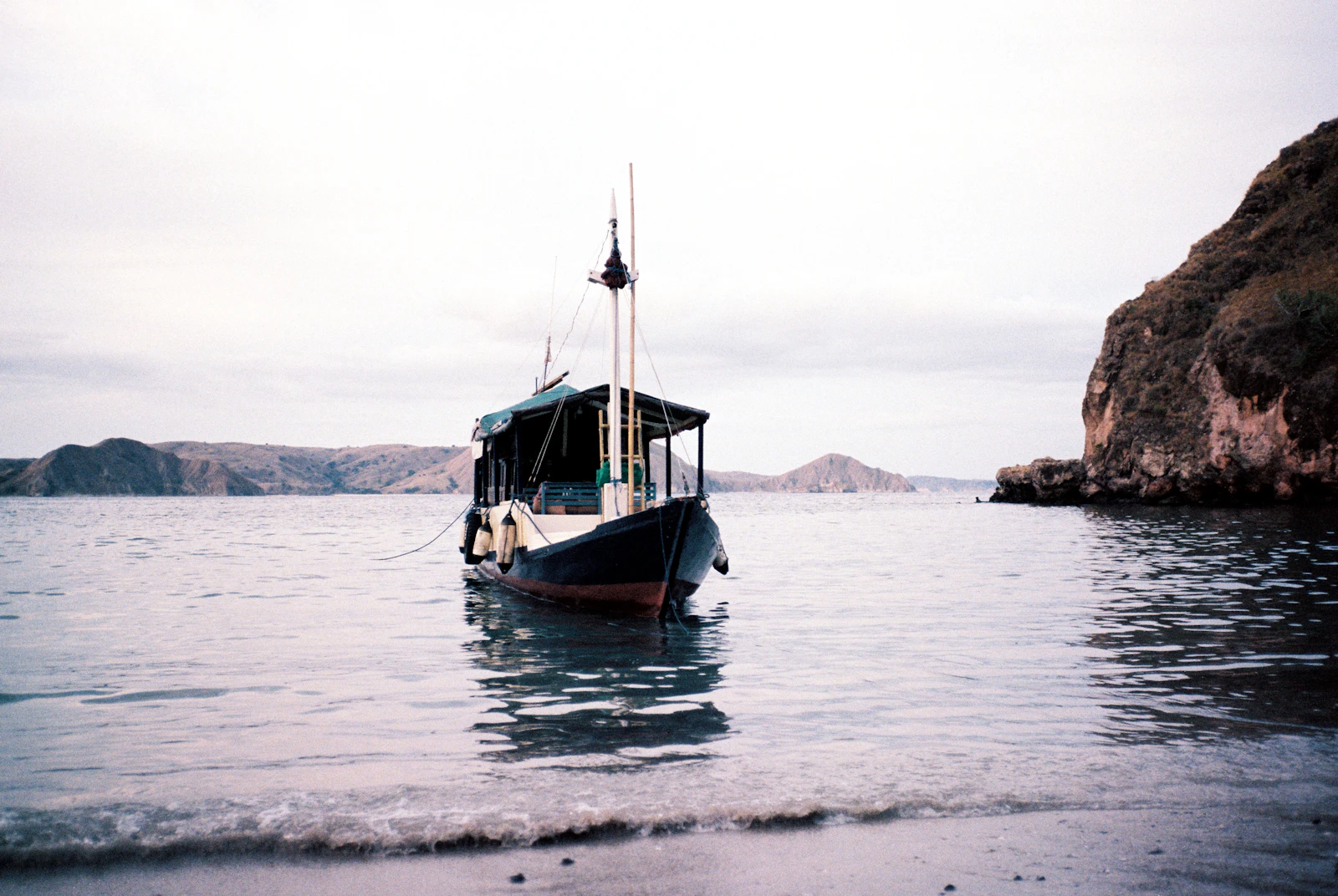
| Traditional wooden boat / phinisi (day-trip pace) | 2–3 hours | Slower, more stable, often used for larger groups or overnight liveaboards |
| Liveaboard (multi-stop route, not a direct transfer) | 3+ hours, often built into an overnight sail | Not a direct crossing — typically includes stops at other islands or snorkeling sites en route |
These ranges reflect normal sea conditions; expect longer times, or possible delays, during the wet season (December–March) or during strong-wind spells within the dry season (notably July–August) — see our weather guide for how season affects crossing conditions specifically.
Why do sources disagree on the exact time and distance?
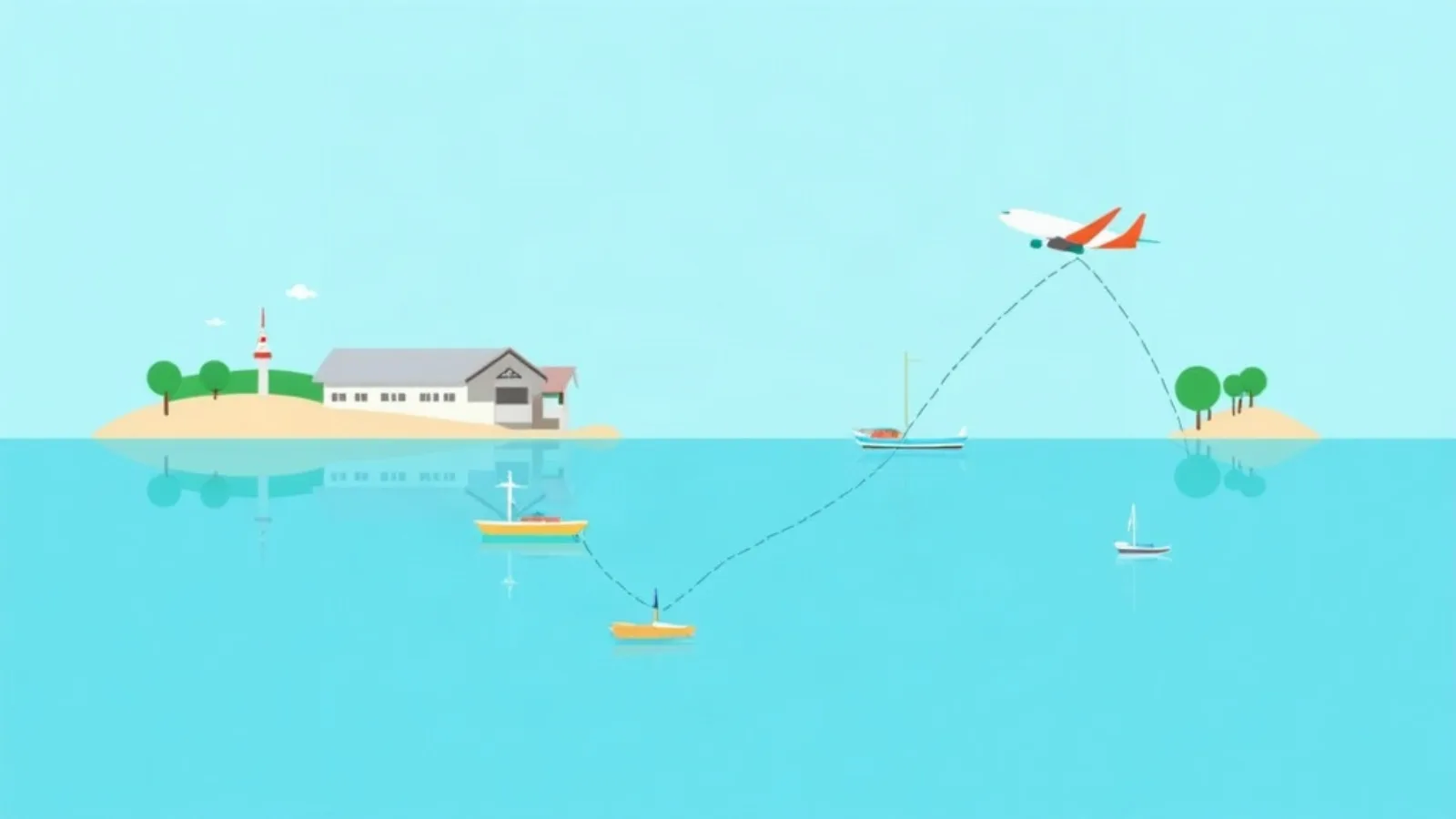
Because “Padar Island” and “Labuan Bajo” aren’t single fixed points — the exact distance depends on which harbor or marina you depart from in Labuan Bajo and which side of Padar Island your boat approaches, and travel time depends heavily on boat engine size, hull type, and sea state on the day. A quoted “45 km” or “60–90 minutes” from one source and a slightly different figure from another usually reflects these real variables — above all the difference between the straight-line distance and the longer track a hull actually follows — not one source being simply wrong — which is why we present ranges here rather than a single falsely precise number.
What determines how long your specific crossing will take?
- Boat type and engine size. A larger, more powerful speedboat covers the distance faster than a smaller one; a traditional wooden boat prioritises stability and fuel efficiency over speed.
- Sea conditions on the day. Calmer seas (more common April–June and September–November) generally mean a smoother, sometimes marginally faster crossing than choppy conditions, which can force a slower, more cautious speed.
- Departure point within Labuan Bajo. Different harbors and marinas around Labuan Bajo sit at slightly different distances from Padar, which can shift the crossing time by 10–20 minutes either way.
- Route stops. A direct transfer is faster than an itinerary that stops at Kelor Island, Rinca, or a snorkeling site along the way — most full-day tours are not direct crossings, so the “boat ride time” and “total time away from Labuan Bajo” are two different numbers.
How does this affect planning a sunrise trip specifically?
If you’re aiming to reach Padar’s viewpoint before sunrise (see our sunrise time by month guide), the boat ride is the single biggest variable in how early you need to leave Labuan Bajo. A fast speedboat direct transfer might allow a 04:00–04:30 departure to comfortably beat a 05:45 sunrise; a slower traditional boat, or one making other stops first, may need to leave closer to 03:00–03:30 to reach the same deadline. Confirm your operator’s specific boat type and planned route before assuming a generic “60–90 minute crossing” applies to your trip.
Is a longer boat ride ever the better choice?
Sometimes, yes. A slower, larger, more stable traditional boat can be a genuinely more comfortable choice in choppier conditions or for travellers prone to seasickness, trading speed for a smoother ride with less bouncing and spray. Families with young children, older travellers, or anyone uncomfortable on fast, bumpy speedboat crossings may reasonably prefer the extra hour of a traditional boat in exchange for a calmer journey — especially since a smooth crossing sets a much better tone for the physical hike that follows on arrival.
Frequently Asked Questions
How far is Padar Island from Labuan Bajo?
Roughly 36 km (about 22 miles, or 19 nautical miles) in a straight line, measured between Labuan Bajo harbour and the island. A boat covers more than that, because the route bends around Rinca and Komodo rather than running straight; no official chart distance for the sailed track has been published, so plan by crossing time rather than by kilometres.
Is the boat ride to Padar Island rough?
It can be, particularly during the wet season (December–March) or the strong-wind window within the dry season (roughly July–August). Calmer conditions are more typical April–June and September–November, though sea states vary day to day regardless of season.
Can I get to Padar Island without a boat?
No. Padar Island has no airport, no bridge, and no road access — boat travel from Labuan Bajo is the only way to reach it, whether by speedboat, traditional wooden boat, or as part of a multi-day liveaboard route.
How long is the boat trip from Labuan Bajo to Padar Island?
By speedboat, the trip usually takes around 60 to 120 minutes. By traditional wooden boat, travel time is generally 2 to 3 hours or more, depending on sea conditions and the route taken.
Can you take a fast boat straight to Padar Island without any stops?
Yes, depending on the package chosen. Most day tours don’t sail straight there — they stop at other spots such as Rinca Island or a snorkelling point along the way, so the total trip time can run longer than the pure crossing time alone.
For the full logistics picture — permits, cost, and timing together — start with our main Padar Island guide, or see Komodo Luxury’s Komodo boat trip and speedboat charter pages for current boat options departing Labuan Bajo.
What should you expect physically during the crossing?
On a speedboat, expect an open or semi-covered seating area, spray on choppier days, and enough engine noise that conversation usually happens at a raised volume. Life jackets should be provided and worn, particularly on faster boats and in open-water sections between islands. On a traditional wooden boat, expect a more level, stable ride with actual walking space on deck, shaded seating, and a noticeably calmer overall experience — part of why slower boats remain popular even though they take longer.
Does the boat ride include time to see anything along the way?
Often, yes, though it depends on the itinerary rather than the crossing itself. Some direct speedboat transfers are exactly that — point to point, with nothing but open water in between. Many day-trip itineraries, however, build in a stop at Kelor Island, a snorkeling site, or Rinca Island as part of the same outing, meaning the total time you’re on or near the water is considerably longer than the raw Labuan Bajo–Padar crossing time alone. When comparing tour options, ask specifically whether the quoted time is a direct crossing or includes stops, since the two numbers can differ by an hour or more.
What if the sea is too rough to depart at all?
Licensed operators will delay or cancel a departure rather than risk an unsafe crossing in genuinely rough conditions — a real possibility, if uncommon, particularly in the wet season. If your trip is weather-delayed, ask your operator about rescheduling options rather than assuming a missed slot is simply lost, especially if you’ve already booked a SIORA permit for a specific date (see our permit guide for how the booking system handles this).
Should I choose a speedboat or a slower boat for my first Padar Island trip?
If time is limited and you’re comfortable with a faster, bumpier ride, a speedboat is the practical choice. If comfort, seasickness concerns, or travelling with young children or older relatives are bigger priorities than saving an hour, a traditional or larger stabilised boat is often the better fit, even at the cost of a longer crossing.
Crossing times you can actually plan around
From Labuan Bajo, a speedboat takes roughly 60 to 120 minutes each way; a wooden or phinisi-style boat takes around two to three hours or more. Operators work to those windows rather than a timetable, adjusting for swell, wind and congestion at the jetties. If your schedule is tight, take a speedboat and avoid itineraries with several intermediate stops. Between Komodo Island and Padar the hop is much shorter — usually under an hour, depending on the vessel and how the captain sequences any snorkelling or beach stops in between.
The park does not publish a sailing distance, so crossing time is the only useful planning unit; captains adjust their line for weather, current and traffic rather than following a fixed route, generally heading south-east through the channels. When you read an itinerary, separate the Padar leg from the total tour length, which often includes extended snorkelling and other island stops. That distinction is what tells you whether you are booking a focused half-day or a full day mostly at sea.
Speedboats are consistently faster, often halving the crossing, which matters for sunrise trips and for anyone who would rather spend less time on the water. The trade-off is a bumpier ride in chop and less deck space. Wooden and phinisi vessels are heavier and roll more slowly, which many passengers find gentler even though the motion lasts longer; the seating, shade and freedom to walk around the deck all contribute. For motion sensitivity, the larger boat is usually the better bet despite the longer trip.
How long the climb takes, and how long you get ashore
From the jetty to the main viewpoint is about 25 to 45 minutes of steady, unhurried climbing — call it 30 minutes as a working average including short pauses. The trail is only about 0.7 to 1.5 km one way, but it climbs roughly the same figure in metres that it covers in hundreds of steps: a staircase of around 800 to 840 steps, with no official published count, broken by short dirt paths and small platforms. It feels more like a tall stairwell than a technical hike. Groups with children or less confident walkers should plan for the upper end of that range, and rangers encourage frequent stops at the rest platforms in any case.
Round trip, the walking alone is usually 40 to 75 minutes, or 40 to 90 with photo stops. Add time at the top and the full hike experience runs about 1.5 to 2 hours. Aiming for sunrise, be on the island at least 45 to 60 minutes before the sun is due to clear the horizon.
Most visitors spend 30 to 60 minutes at the viewpoint itself, which balances photographs, a rest and actually looking at the bays; photographers are generally satisfied with 20 to 40 minutes, longer at sunrise or sunset when the light moves quickly. On busy mornings a few of those minutes go to waiting your turn at the popular angles. Guides usually ask groups to start down earlier than people expect, so check how much time at the top your stop actually includes before you begin shooting.
Ashore overall, 2 to 3 hours suits a standard hike-and-photograph stop and fits most itineraries — enough for the climb, breaks, time at the top and an unhurried descent. There is no park-imposed maximum; what limits you is your boat’s schedule, and beyond three hours the absence of shade, water and facilities starts to bite. Private charters sometimes extend it, staying after the crowds thin to work the secondary viewpoints. Liveaboards occasionally split the visit across two sessions, a dawn climb and a swim nearby later, but you still leave when the vessel does. Nobody stays overnight; there are no visitor lodgings on the island.
Comfort, safety and the sea
With a reputable operator the crossing is generally considered safe. Boats operate under Komodo National Park regulations and rangers monitor arrivals and departures. What is worth checking yourself: life jackets for every passenger, respect for capacity limits, and a willingness to reschedule or reroute if conditions deteriorate on the day. Vessel insurance is the operator’s responsibility and cover varies without being shared with passengers, so carry your own travel policy that includes boat excursions — you can also simply ask whether the company holds current hull and passenger liability cover.
Most people find the journey manageable rather than frightening, though open water feels exposed if you are not used to it. Seas are calmer between April and November and rougher in the wet months and through the July–August windy period, when ocean swell meets local wind waves and produces a short, confused chop in the narrow straits. Captains time crossings to avoid the worst channels when currents run hard, so ride comfort depends on scheduling as much as forecast swell. If you are anxious about being offshore, the combination that helps is a larger, slower vessel, a calmer month, a seat low and central where you can see the horizon, and a relaxed schedule; medication taken well before departure does the rest. May sits in the transition into the drier season with improving visibility, generally calmer water and some greenery still on the hills — a good compromise, though conditions vary year to year, so check short-term marine forecasts the week before and stay flexible about which day you sail.
Non-swimmers join Padar trips routinely, since the signature activity is a hike. Life jackets come from any reputable operator and you can stay on deck through the snorkelling stops. If you want more reassurance, ask in advance about ladder design, handrails and how the crew assist passengers boarding and disembarking at the jetties. Pregnant travellers should weight comfort over crossing time: shaded seating, a toilet on board, a captain who will not push out in rough weather, plus any doctor-advised medication or support garments, and confidence that you can step off steadily at the jetty.
On price, shared day-trip speedboats spread the cost across the group and are the standard budget route. Cheaper options generally mean simpler catering and fewer stops, which is fine — but they should still respect safety and park rules, and an offer far below prevailing rates that is vague about insurance or ticketing deserves suspicion. Some operators add a fuel surcharge when prices rise or when a charter requests a longer route; it is usually folded into the trip cost rather than itemised, so ask whether your quote is fully inclusive or subject to adjustment.
Day trip or liveaboard, and where Padar sits
A day trip optimises for efficiency: out from Labuan Bajo in the morning, a handful of set stops including Padar, back to port by late afternoon. A liveaboard buys unhurried water time, the chance at sunrise or sunset on the ridge, and additional snorkelling or diving sites, in exchange for cost and committing nights at sea. Neither is better in the abstract; they answer different questions about how much time you want and how much movement you can tolerate.
Geographically, Padar sits in East Nusa Tenggara between Komodo and Rinca, south-west of Flores and Labuan Bajo, part of the Lesser Sunda volcanic arc. Plan it as a component of a Flores–Komodo loop rather than a destination with its own transport hub. Padar is uninhabited and visited for the viewpoints and bays; Komodo Island supports villages and is where dragon viewing happens on gentler ranger-led walks; Rinca is the same proposition as Komodo in that respect. Combining more than one gives you varied walking, wildlife and seascapes in a single trip, which is why most itineraries do.
General maps show Padar’s three bays forming its familiar silhouette; visitor diagrams emphasise the jetty, the staircase and the ridge rather than topography. You do not need a hiking map — rangers and signage cover it. The same applies to photography: there is no official spots map, the main angles radiate from the primary viewpoint ridge, and you should follow signed paths to the secondary lookouts rather than improvising vantage points off-trail. Looking at images filtered by season before you travel is genuinely useful for understanding how the hill colours change and how shadows fall at different hours.
For long exposures, the usual principles apply: tripod, low ISO, small aperture, and neutral density if you want to blur cloud or water in bright light. Dawn and dusk give the best scope, whether you are smoothing the sea or catching light trails from passing boats. Two practical constraints — the main viewpoint is shared, so set up quickly and be ready to adapt when the crowd shifts into frame, and darkness comes fast after sunset, so decide your compositions in advance rather than packing away in a rush on the descent.
On weather generally: April to November is drier with more stable sun, December to March wetter and more humid. Heat on the exposed staircase is the constant in both. Early-morning and late-afternoon sessions cut sun exposure, but water, a hat and sun protection travel with you regardless of season.
Booking the trip itself
This site documents Padar Island; it does not sell tours. Bookings for the boats and packages described above are handled by Komodo Luxury, the operator within the same group as this publication.
- Private boat charter — whole-boat hire with your own schedule.
- Komodo liveaboard — sleeping aboard so you are anchored near Padar before dawn.
- Luxury phinisi charter — traditional wooden phinisi vessels, chartered whole.
Questions about a specific date or vessel go to WhatsApp +62 811-3823-875 or sales@komodoluxury.com.
This guide does not operate boats. Bookings are fulfilled by Komodo Luxury, and this site may earn a referral commission.
Ready When You Are
Ready to book?
Chat directly on WhatsApp with the Komodo Luxury team.
This guide does not operate boats. Bookings are fulfilled by Komodo Luxury, and this site may earn a referral commission.