

Journal
Padar Island vs Gili Lawa: Which Viewpoint?
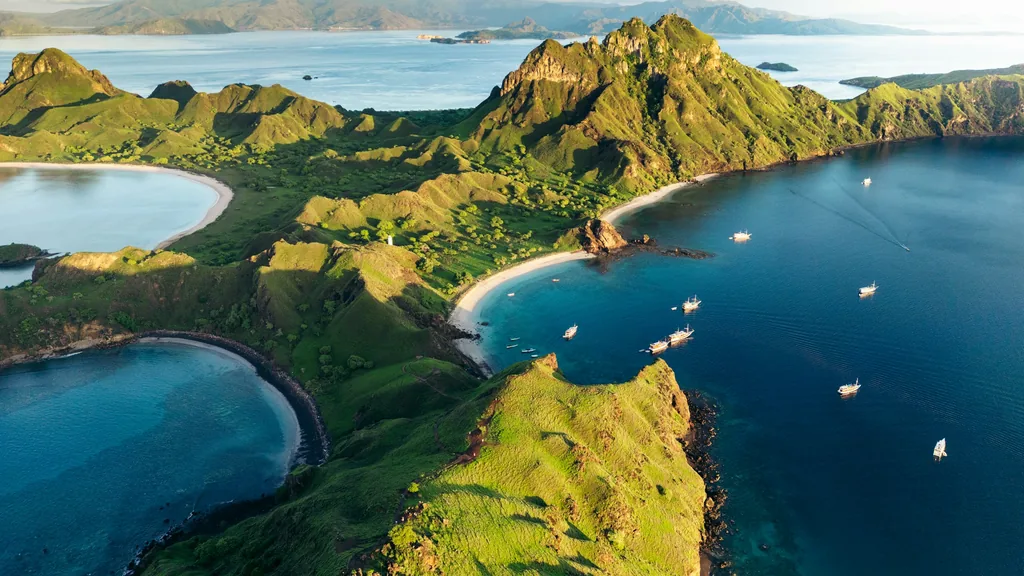
Padar Island has the more famous, more photographed view — three distinct coloured bays from a single summit — and the easier, faster hike (25–45 minutes).
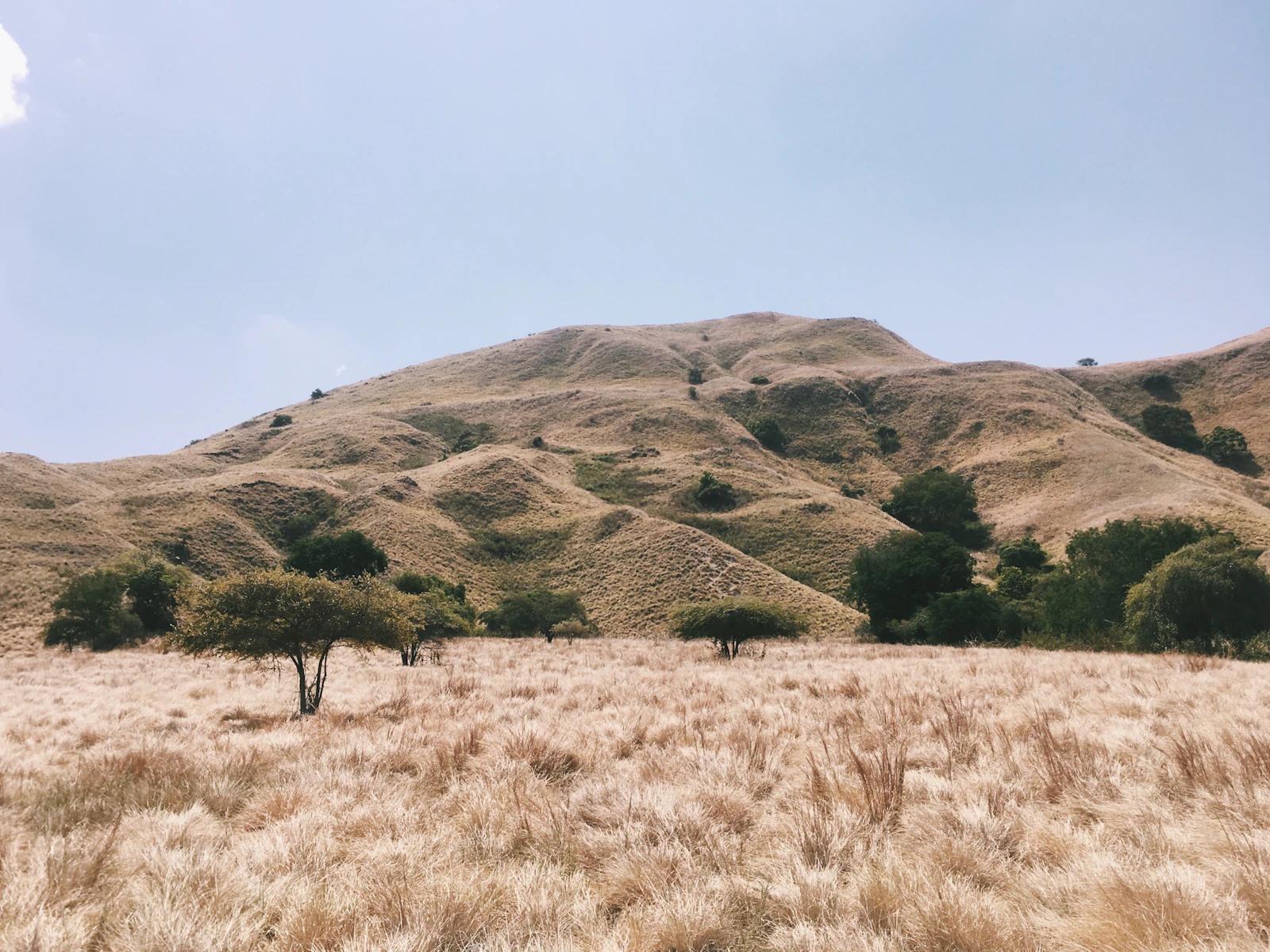
Padar Island has the more famous, more photographed view — three distinct coloured bays from a single summit — and the easier, faster hike (25–45 minutes). Gili Lawa’s hike is longer and more rugged, but rewards you with a wider panorama over open channels and Flores’ volcanic peaks, with noticeably fewer people sharing the summit at once.
Padar vs Gili Lawa: the quick comparison

| Padar Island | Gili Lawa (Darat) | |
|---|---|---|
| Hike time | 25–45 minutes each way for most visitors | Comparable time to the summit, but a longer, more rugged approach overall |
| Elevation gain | roughly 170–270m (three viewpoints, no official park survey published) via ~800–840 boardwalk steps (no official count published) | Comparable modest elevation, unpaved and rockier trail |
| Trail surface | Concrete-and-boardwalk stairway, well maintained | Natural, unpaved trail — steeper and more exposed underfoot |
| The view | Three distinct coloured bays (white, pink/black sand) from one 360° summit | Sweeping panorama over channels between islands, and Flores’ volcanic peaks on clear mornings |
| Crowd levels | Higher — Padar is the more famous stop and draws more heavily on the park’s 1,000-visitor daily cap (a park-wide, not Padar-only, quota split into three timed sessions under the 2026 SIORA system) precisely because demand is high | Noticeably quieter; fewer boats prioritise it over Padar |
| Best for | First-time visitors, sunrise photography, travellers who want the single most iconic Komodo shot | Repeat visitors, those wanting a less crowded hike, wider-angle landscape photography |
Which hike is actually harder?
Padar’s climb is shorter but steeper in short bursts, on a boardwalk that removes most footing uncertainty — the main physical demand is heat and sustained incline, not technical difficulty. Gili Lawa’s trail is longer and rockier underfoot, with less infrastructure, making it marginally more physically demanding despite comparable elevation gain. Neither requires technical climbing skill or specialised gear; both are achievable by most reasonably fit travellers who pace themselves and carry enough water. Full detail on Padar’s specific trail conditions, including where it lacks railings, is in the safety guide.
Which view is actually better?
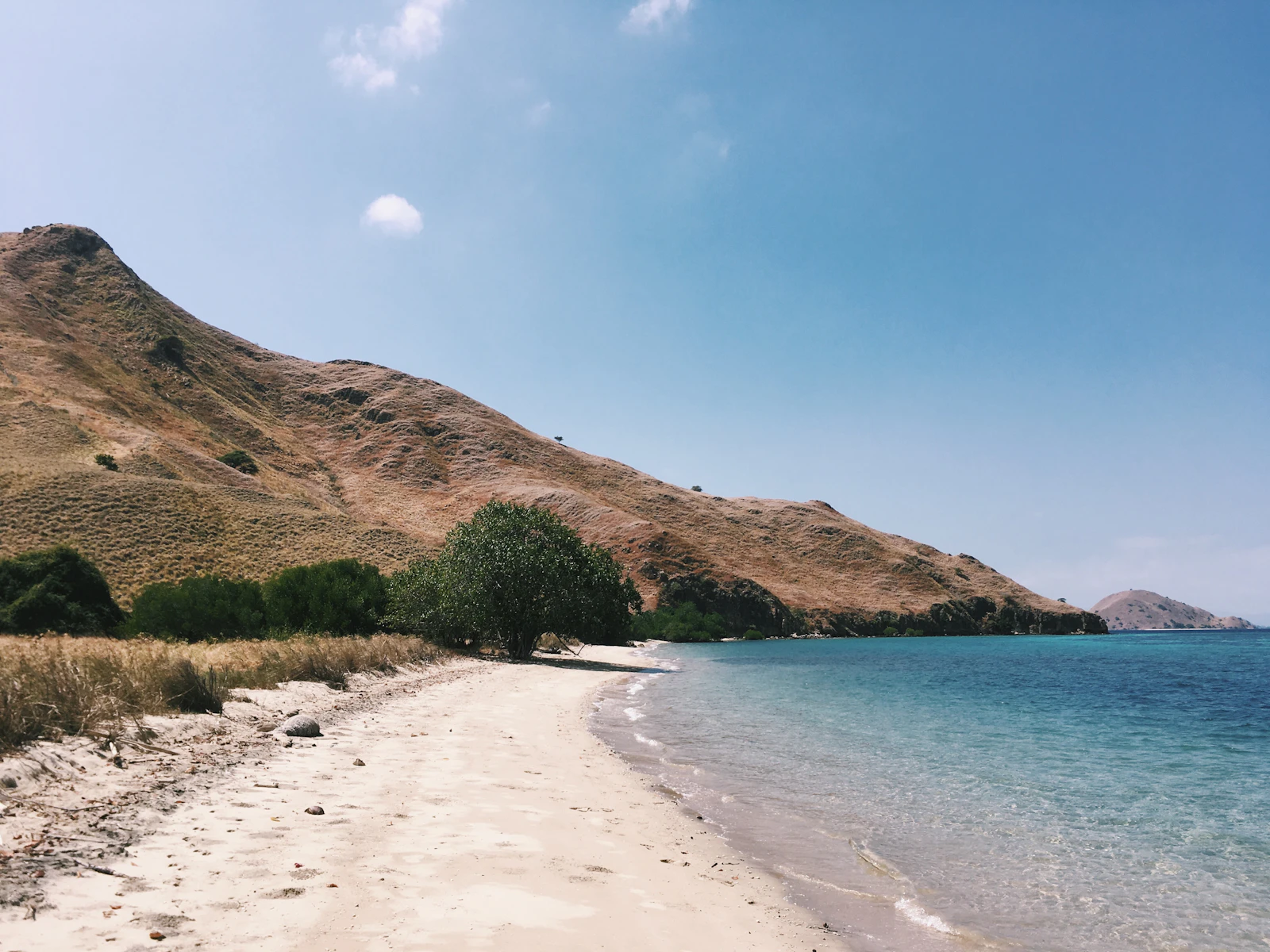
This is genuinely subjective, but the pattern in traveller reports is consistent: Padar is still considered the benchmark viewpoint of Komodo National Park, and most first-time visitors rank it above Gili Lawa specifically because of the three-colour bay composition — it photographs as one clean, iconic frame that Gili Lawa’s more sprawling, multi-island panorama doesn’t replicate. Where Gili Lawa wins is scale and solitude: on a clear morning you can see Flores’ volcanic peaks in the distance, and you’re far less likely to be sharing the summit with dozens of other boats’ passengers at once.
Can I do both on the same trip?
Yes, and multi-day itineraries commonly do — Gili Lawa fits naturally into a 3–4 day route as a second, quieter viewpoint after Padar’s more famous (and more crowded) sunrise hike. See the itinerary guide for exactly where a Gili Lawa stop typically slots into a 3D2N or 4D3N Komodo route.
Which one should I choose if I can only pick one?
If this is your first trip to Komodo National Park and you want the single photo most people associate with the park, choose Padar — it remains the more iconic, more universally recognisable view, and the boardwalk makes it the more accessible hike of the two. If you’ve already done Padar on a previous trip, or specifically want a quieter summit experience with a wider-angle island panorama, Gili Lawa is the better second choice rather than a repeat of the same view.
Access and logistics: getting to each
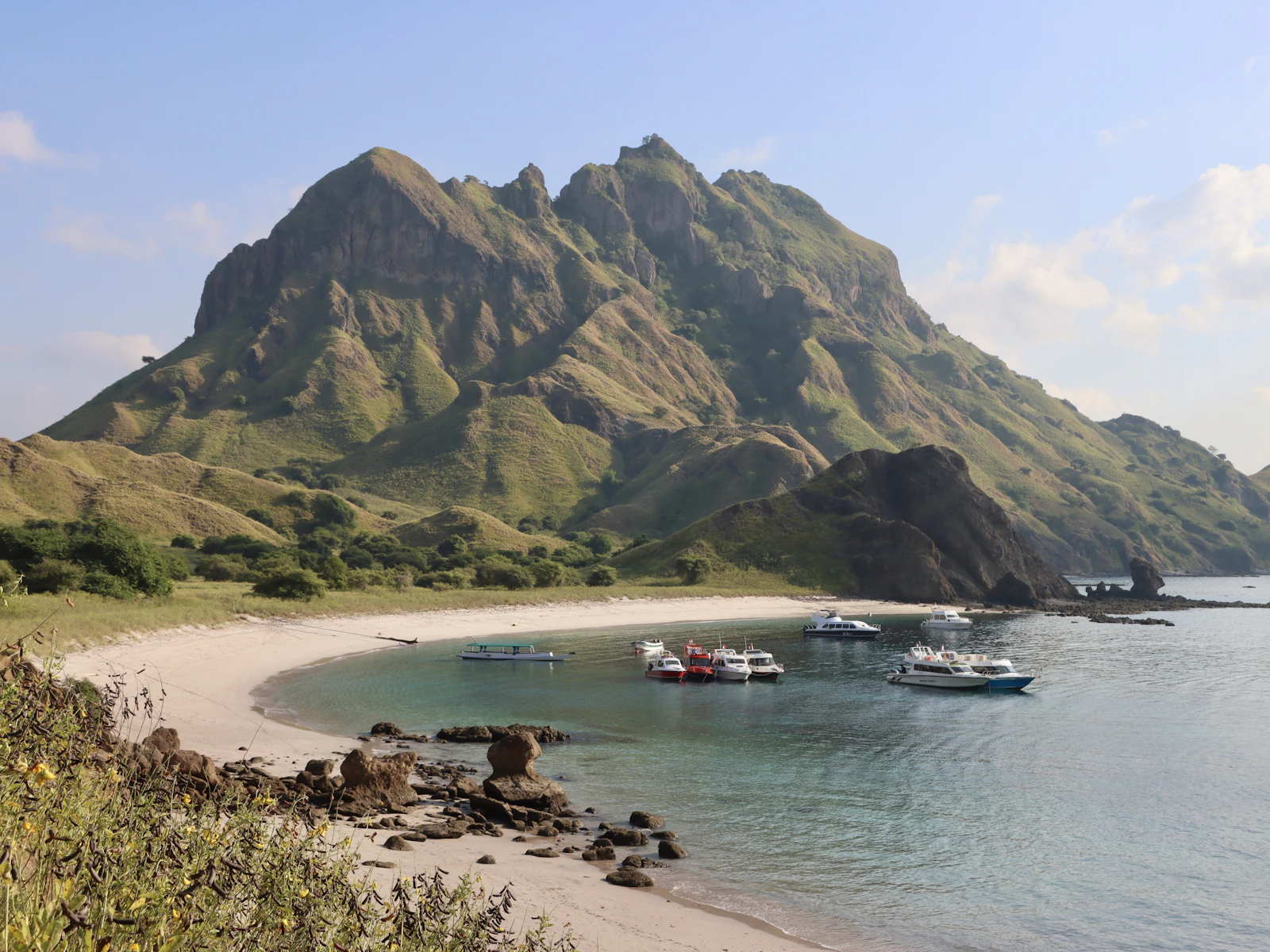
Both islands sit within Komodo National Park and are typically reached from Labuan Bajo by boat rather than any independent means — neither has an airstrip, road access, or scheduled ferry service. Padar sits roughly 60–120 minutes from Labuan Bajo by speedboat, positioning it firmly within reach of a single-day itinerary. Gili Lawa sits further north within the park, generally reached as part of a multi-day sailing route rather than a dedicated day trip, which is a large part of why it sees less traffic — most boats simply don’t build a standalone Gili Lawa day trip the way they do for Padar.
Geology and what you’re actually looking at
Both islands are part of the same volcanic archipelago and share the region’s characteristic savanna landscape — treeless, grass-covered hills shaped by a long dry season and thin volcanic soil. Padar’s distinctive feature is its position between three bays with different-coloured sand (the result of varying mineral and coral fragment composition in each bay), visible together only from its specific summit vantage point. Gili Lawa’s terrain is more classically a ridge-and-channel landscape, with its view built around the deep-water channels separating it from neighbouring islands rather than a multi-coloured-beach composition — a genuinely different kind of panorama rather than a lesser version of Padar’s.
Photography considerations for each
Padar rewards a wide-angle lens aimed down and across the three bays — the composition is essentially fixed and well-documented, which is part of why it’s so recognisable. Gili Lawa rewards a wider panoramic approach or even a multi-shot stitched composition, since its view spans a broader arc of channels and distant islands rather than one clean frame. Both are best photographed in the first 20–30 minutes after sunrise, when low-angle light brings out the grass colour and reduces the flat, hazy look both islands can have by mid-morning.
Is Gili Lawa less crowded because it’s harder to reach?
Partly — it sits further from the most common Labuan Bajo day-trip routes, and because Padar’s reputation drives most first-time visitors to prioritise it, Gili Lawa ends up naturally filtered to travellers on longer, multi-day itineraries rather than single-day trips.
Does Gili Lawa have the same visitor cap as Padar?
No — the 1,000-visitor daily limit (split into three timed sessions) is a Komodo National Park-wide cap under the park’s 2026 SIORA quota system, not a Padar-specific allocation; Gili Lawa draws from the same park-wide pool. Gili Lawa’s visitor numbers are generally lower in practice simply due to lower demand, though quota specifics can change — confirm current figures with your operator at booking time.
Which is better for sunrise specifically — Padar or Gili Lawa?
Padar is the more established sunrise hike and the one most operators build early-morning departures around. Gili Lawa can be done at sunrise too, but is more commonly scheduled later in the morning or as a sunset hike on multi-day itineraries, partly to spread visitor traffic away from Padar’s peak morning window.
Does Gili Lawa have the same three-colour-beach feature as Padar?
No — Gili Lawa’s defining feature is its panoramic view over channels and neighbouring islands rather than a multi-coloured-beach composition. If the specific three-bay photograph is what you’re after, Padar remains the destination for that exact shot; Gili Lawa offers a genuinely different, wider-angle reward instead.
Do the same boat operators serve both islands?
Generally yes on multi-day itineraries. Most Labuan Bajo operators running 3D2N or longer Komodo routes can include either or both islands depending on your preferences, so choosing between them (or booking both) is usually a matter of requesting it explicitly rather than finding a specialist operator for one island only.
Is Gili Lawa suitable for a one-day trip from Labuan Bajo like Padar is?
Less commonly offered as a standalone day trip — most operators build it into multi-day routes rather than a dedicated single-day departure, unlike Padar, which has an established one-day format.
Both viewpoints are typically included on longer Komodo sailing routes — see the boat charter guide for how to book an itinerary covering one or both, or check current multi-day packages via Komodo Luxury’s 3D2N sailing tour.
Last updated: 24 August 2026.
Two very different summits
Padar gives you one instantly recognisable scene: a single ridge, three contrasting bays curving away from it, and anchored boats framed below. Gili Lawa gives you a wider seascape — rolling grassy hills, long shorelines, channels running between islands — that is broader but more uniform. Which you prefer depends on whether you want unusual geometry or open horizon.
The hikes differ as much as the views. Padar’s is a purpose-built staircase from the ranger post through several rest platforms to one dominant destination ridge, under ranger supervision, with straightforward navigation and no ambiguity about where you are going — busier and more structured as a result, but accessible to a genuinely broad range of visitors. Gili Lawa’s paths are longer, feel wilder, and form more of a natural network with fewer people on them and more scope to extend a walk along the ridges. Experienced hikers find both short and technically easy; Gili Lawa is the one that rewards wandering.
At sunrise the contrast sharpens. Padar involves an early boat from Labuan Bajo and a steep climb shared with many other groups, and the summit has a real sense of occasion — rangers coordinating, people arriving in waves. Gili Lawa’s dawn is quieter, with more space to move and set up. Photographers who want the three-bay silhouette still choose Padar, because side-light picks out the ridges and coves precisely then; the constraint is crowding, which limits where a tripod can go, so arriving early inside your session matters more than the gear you bring.
Padar itself is uninhabited, with no shops, nightlife or accommodation, so it is genuinely quiet once the boats leave. Summit crowding during the popular sessions is a separate matter. The Gili islands off Lombok are a different proposition entirely: lived-in beach destinations where you stay overnight, eat, dive and fill unstructured days. Gili Trawangan has guesthouses, bars and dive centres; Gili Air is smaller, low-key, with snorkelling straight off the beach. Neither compares to Padar, because Padar is a day excursion with one activity inside a strict national-park framework, time-bound by boat schedules and session slots. If you want languid hours, the Gilis. If you want a purposeful morning and a view you will recognise from a hundred photographs, Padar.
The numbers behind the climb
From the jetty to the main viewpoint you gain roughly 170 to 270 metres depending on which part of the ridge you stop at, compressed into 25 to 45 minutes of uphill walking for most people. Because the trail starts at the beach, that gain is also the height you end up at — enough to give a genuinely aerial-style perspective over the three bays without any drone involved. The island has several peaks and spurs rising from its volcanic base; the commonly visited summit area is one ridge among them.
The steps remove technical difficulty and concentrate the effort. Sections of the staircase have railings or handrails, particularly on the steeper and more exposed parts, which helps with balance and gives less confident walkers something to hold. Knee problems are the most common limiting factor: the stepped surface makes footing predictable, but repeated up-and-down still loads the joint, especially on the way down. Many people with mild issues manage by going slowly and using the rails, and stopping at a mid-level terrace remains a reasonable outcome.
The famous frame comes from the upper terraces along the summit ridge, looking back across the S-curve of hills with bays on either side. Walking a little further along the ridge varies the composition more than changing lenses does. The established viewpoint sits a short walk above the highest rest terrace, on a broad section that comfortably holds several groups, and rangers steer people toward it for exactly that reason.
Padar’s fame is not accidental: three distinct bays curving out from a single ridgeline is an unusually clean natural composition, it appears constantly in travel media, and drone and social imagery amplified it further. What the photographs do not convey is how much of the appeal comes from the climb being short enough that almost anyone can reach the vantage point.
Crowds, and when they are not there
Visitor numbers on Padar are managed through the park’s overall daily quota rather than an island-specific cap, so within that limit the summit can still feel busy — groups cluster at the same few photo positions along a few metres of ridge. At the popular sunrise and sunset sessions the main ridge gets genuinely congested, with groups rotating through the prime angles; rangers keep order, but expect to share.
Crowding tracks the wider tourism cycle. The core dry months bring more boats and busier staircases; the wetter months are quieter but come with less predictable seas. Weekends, Indonesian holidays and peak dry-season weeks see more domestic visitors, and midweek days outside those periods are noticeably calmer.
On water clarity, both areas can be very clear, but they are used differently: around Padar most visitors admire the bays from above or from the boat, with the swimming and snorkelling happening at other stops in the park, while the Gilis are built around being in the water. The same applies to beaches — Padar’s are scenically essential to the view and visited only briefly under boat timetables and ranger guidance, while the Gili beaches are the destination itself.
One safety comparison for families: Padar’s risk factors for children are the steep staircase, the heat and the exposed ridge edges, all mitigated by ranger presence and a clearly defined path. Komodo Island adds wild Komodo dragons to the equation, which is a different kind of supervision entirely.
Booking the trip itself
This site documents Padar Island; it does not sell tours. Bookings for the boats and packages described above are handled by Komodo Luxury, the operator within the same group as this publication.
- Komodo boat tours — the full range of boats serving Padar and the wider park.
- Komodo Island tour — the dragon-focused island alongside Padar.
- Komodo one-day trip package — the day-trip format most Padar sunrise visitors book.
Questions about a specific date or vessel go to WhatsApp +62 811-3823-875 or sales@komodoluxury.com.
This guide does not operate boats. Bookings are fulfilled by Komodo Luxury, and this site may earn a referral commission.
Ready When You Are
Ready to book?
Chat directly on WhatsApp with the Komodo Luxury team.
This guide does not operate boats. Bookings are fulfilled by Komodo Luxury, and this site may earn a referral commission.