

Journal
Is Padar Island Ever Closed to Visitors?
Padar Island is not closed to visitors as of August 2026 and has never been permanently closed. It has experienced two distinct kinds of disruption that get conflated online: a…
Last updated: 23 August 2026
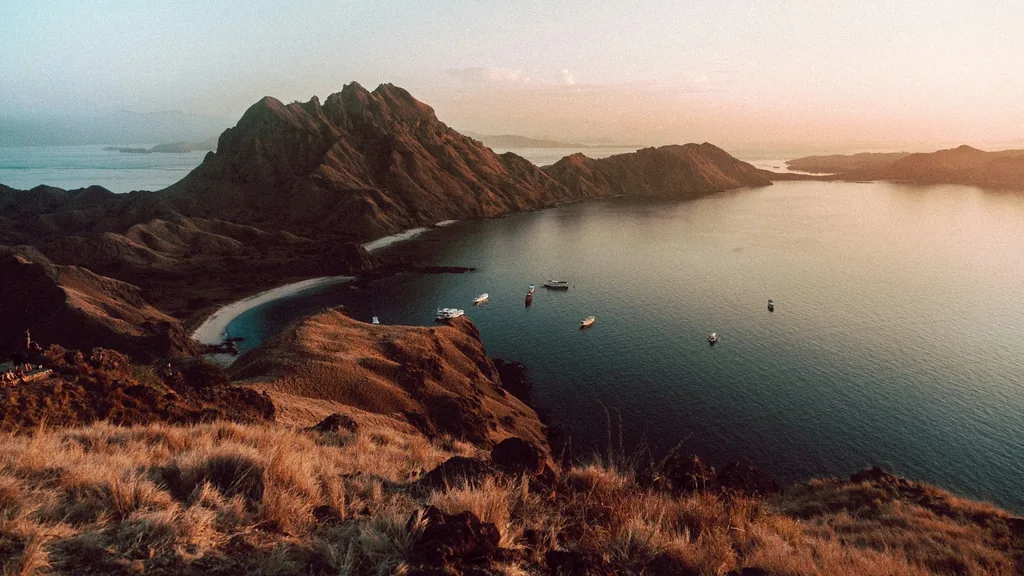
Padar Island is not closed to visitors as of August 2026 and has never been permanently closed. It has experienced two distinct kinds of disruption that get conflated online: a 2019–2020 policy proposal to restrict access (never fully implemented) and short, weather-driven boat route suspensions (temporary, safety-related, and unrelated to any park policy change). This page separates the two clearly, with dates.
Proposal vs. Reality: What Was Actually Considered in 2019–2020
In 2019, Indonesian officials publicly floated closing Komodo Island for roughly a year to allow the dragon population and habitat to recover from tourism pressure, and separately proposed an annual “membership” fee of around IDR 3.75 million per visitor for Komodo and Padar Islands, intended to reposition them as low-volume, high-value destinations rather than mass-tourism stops. This received significant international media coverage at the time, and it’s the source of most “is Padar Island closing” search results still circulating years later.
What actually happened: neither the year-long Komodo closure nor the IDR 3.75 million annual membership fee was ever fully implemented. Both proposals were shelved in favor of the more conventional daily-fee-and-quota structure described on the Padar Island guide — standard per-day entrance tickets, a per-island landing fee, and an online reservation system, rather than an exclusive annual pass. If you’re reading an older article that describes Komodo or Padar as “about to close” or requiring an expensive annual membership, it is describing a 2019–2020 proposal that did not become the policy actually in effect.
Recent Weather-Related Suspensions (Late 2025)
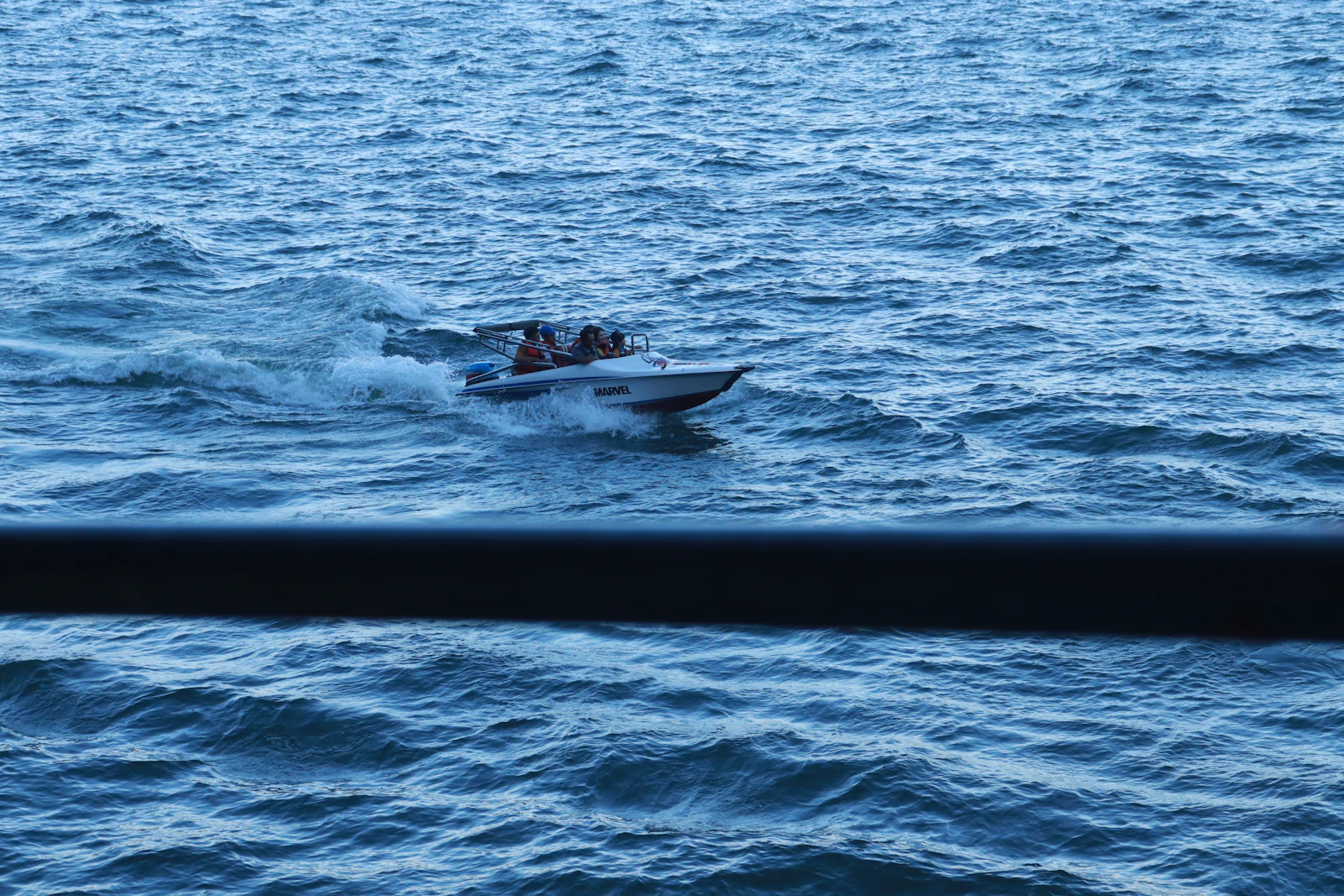
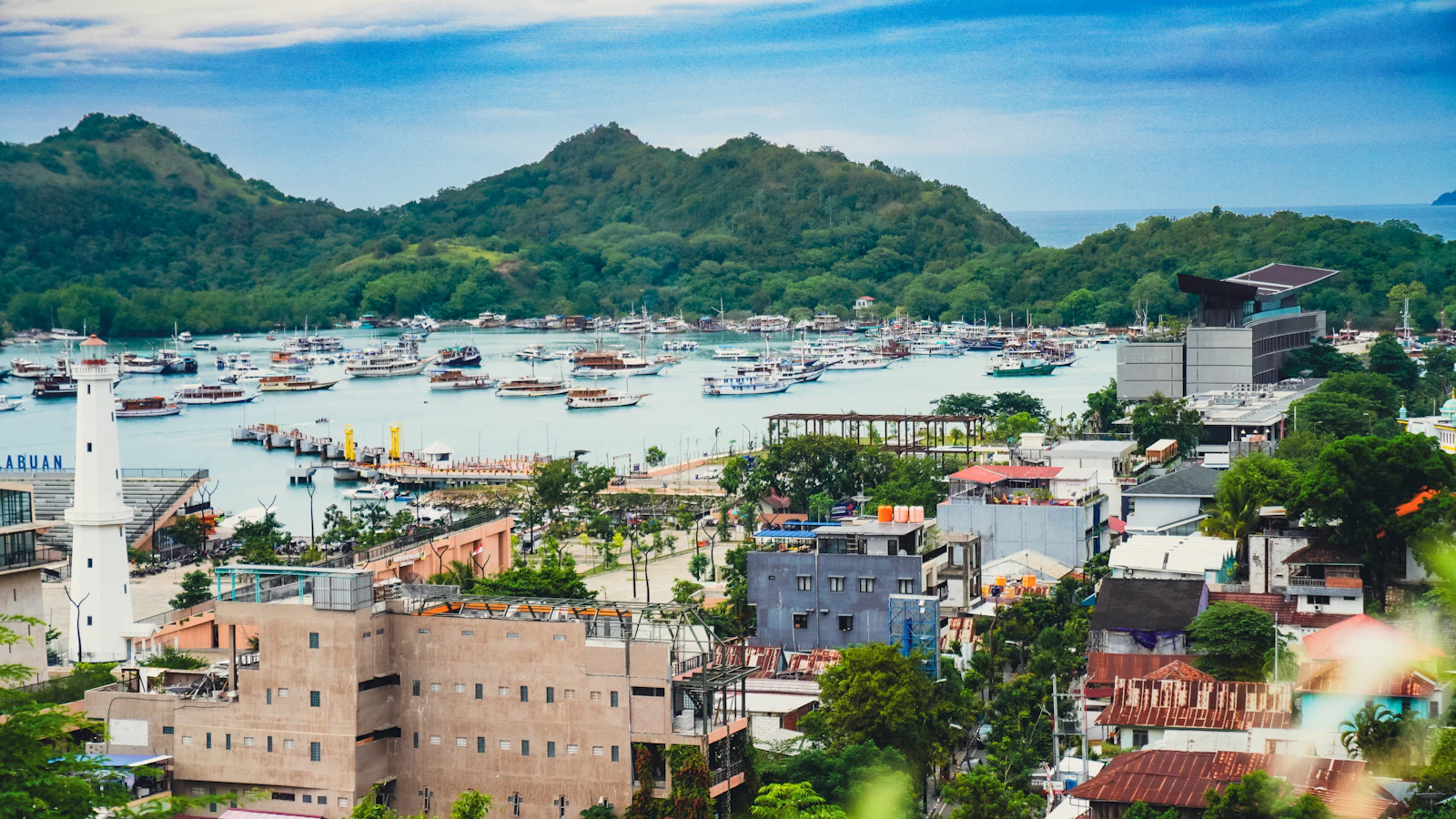
Separately from that policy history, boat routes to Padar and Komodo were temporarily suspended by the Labuan Bajo harbor authority (KSOP) during a period of severe weather and elevated sea-safety risk in late 2025. This kind of suspension is a routine maritime-safety measure — the same authority that clears boats to depart on a normal day can also pause departures on a specific route when conditions warrant it — and access resumed once conditions improved. It is not evidence of a park-wide policy closure, and it is the kind of disruption that can recur during any period of severe weather, particularly in the wet season.
How to Tell the Difference Before You Travel

| Type | What it looks like | How long it typically lasts |
|---|---|---|
| Policy-level closure proposal | News coverage of government plans, quota changes, or fee restructuring | Can take months or years to resolve, and may never be implemented as originally proposed |
| Weather/safety route suspension | Harbor authority (KSOP) pausing departures on a specific route | Hours to a few days, tied to a specific weather event |
For trip planning, the second type is the realistic risk to prepare for — building a buffer day into a wet-season itinerary matters more than worrying about a repeat of the 2019–2020 closure proposal, which has not resurfaced as active policy as of 2026.
Timeline: Padar Island Access, 2019–2026
| Period | Event | Outcome |
|---|---|---|
| 2019 | Proposal to close Komodo Island for ~1 year floated at provincial level | Widely reported, never implemented |
| 2020–2021 | Continued discussion of quota and exclusivity models | No annual-membership model adopted; standard ticketing continued |
| 2022 | IDR 3.75 million annual conservation fee announced for Komodo and Padar | Cancelled after industry protests; never took effect |
| 2024 | Base park entrance fees revised upward | Standard per-day ticketing continues, no closure |
| 2026 (from 1 April) | SIORA online reservation becomes mandatory; park-wide daily quota of 1,000 visitors across 3 timed sessions takes effect | Walk-in ticketing phased out; access remains open under the booking model |
| Late 2025 | KSOP harbor authority temporarily suspends boat routes to Padar and Komodo during severe weather | Temporary, safety-related; access resumed once conditions cleared |
| 2026 | Current status | Open under quota and online-reservation system; occasional short weather suspensions possible |
Quotas Are Not the Same as Closures
A recurring source of confusion is treating the park’s daily visitor quota — 1,000 slots for the whole of Komodo National Park, not a separate allocation for Padar’s trekking area alone, split into three timed sessions — as a form of closure. It isn’t: a quota limits how many people can enter on a given day within defined time sessions, while a closure means no one can enter at all. Padar operating under a quota system, even one described by some 2026 sources as inconsistently enforced in practice, is functionally very different from the island being closed. The mechanics of that quota and how booking sessions work are explained in full on the Padar Island guide.
Is Padar Island Open Right Now?
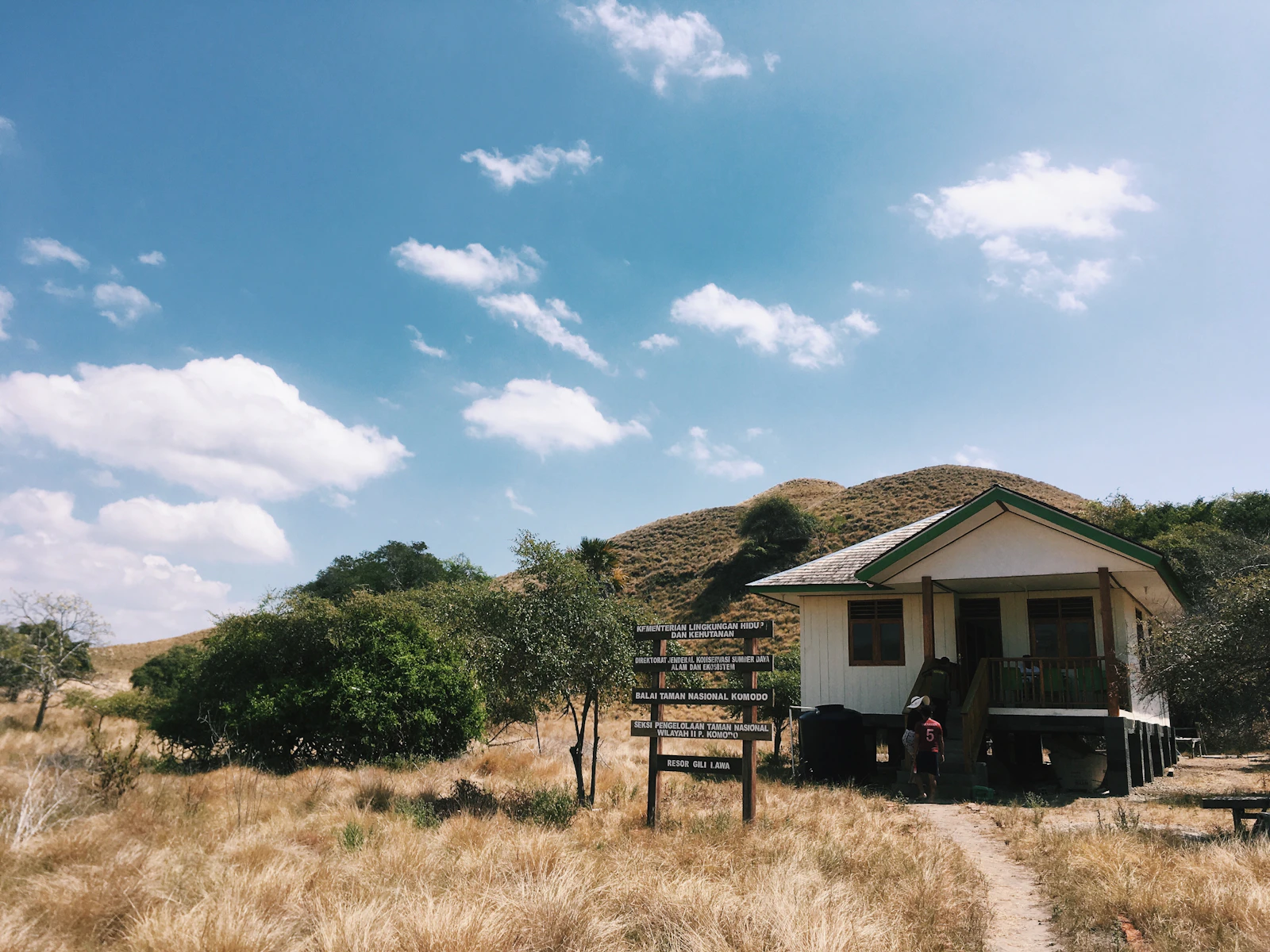
Yes, under the standard reservation and daily-quota system described in full on the Padar Island guide. The realistic scenario where access is paused on a given day is a weather or maritime-safety advisory from the harbor authority, not a park-wide shutdown — always confirm current conditions with your boat operator close to your travel date, particularly if travelling in the wet season.
Understanding Seasonal Closures: Quick FAQ
Is Padar Island permanently closed?
No. It has never been permanently closed. A 2019–2020 proposal to restrict access was never fully implemented, and current access runs on a standard daily-fee and online-reservation system.
Why do some articles say Padar Island is closing?
They’re likely describing the 2019–2020 policy proposal to close or heavily restrict Komodo and Padar, which was widely reported at the time but was not adopted in its original form.
Can weather close Padar Island temporarily?
Yes — the harbor authority can suspend boat routes to Padar during periods of severe weather or elevated sea risk, as happened in late 2025. These suspensions are temporary and safety-related, not policy closures.
For the full permit and booking mechanics that govern current access, see the Padar Island travel guide, and for how weather risk varies by month, see the month-by-month planner.
Year-round access still depends on a year-round operator
padarisland.com researches and writes; it does not sell trips. The fleet belongs to our affiliated operator, Komodo Luxury. The park stays open, but individual operators do not all sail every month, so continuity of schedule is worth checking before you commit. Operators sailing across the whole year: a Komodo tour from Bali, multi-day liveaboards, and the one-day Komodo sailing package.
Open all year, with one real caveat
Padar has no annual shutdown, no seasonal closure and no fixed closed days. It is part of a working national park rather than a seasonal resort, and access runs through timed SiORA sessions year-round. There is no published closure schedule, because restrictions are imposed ad hoc when they are needed rather than planned in advance. The timetable that governs your visit is the session you booked.
The caveat is the sea. Padar itself is rarely closed for weather, but boats can be stopped from reaching it when wind, waves or visibility are judged unsafe, and harbourmasters, the park authority and operators make those calls case by case. Strong waves effectively close the island for visitors even while it stands physically open, because departures get cancelled or exposed landings including Padar’s jetty are skipped. This is most common in the wetter months, and if conditions improve, boats can resume the same day. Severe weather can produce a functional closure with no formal announcement at all, which is why operators revise itineraries the night before or on the morning of departure.
So when you hear that Padar is closed, it almost always means a temporary disruption rather than a ban. Ask what specifically is affected — the trail, a viewpoint platform, the jetty, or departures from Labuan Bajo — because rangers sometimes restrict one element for safety while transits through the wider park continue, and operators adjust around it. Short maintenance closures happen too, when steps, railings or platforms need repair; rangers may cap how far up the trail visitors can go, or pause landings for part of a day. If you are travelling specifically for the summit view, that is worth checking close to your date.
Beyond weather, the real limit on access is the daily quota for Komodo National Park as a whole. You are considerably more likely to be blocked by a full quota than by a closure.
Conservation is currently managed through regulated access rather than closure: visitor caps, ranger supervision, a single main trail, no drones without permits, and litter monitoring. There is no standing conservation closure for Padar, and while various tools have been discussed across the park over the years, Padar has stayed open under standard regulations. Any future closure of that kind would be announced by the park rather than inferred.
Religious holidays do not close the island either, though operations feel different: boat schedules can thin, crews may want earlier returns, and some Labuan Bajo services run shorter hours. Ticket pricing changes for Indonesian citizens on Sundays and national holidays, but not for foreign visitors.
How long the visit actually takes
From the dock to the top viewpoint is about 25 to 45 minutes each way depending on fitness, heat and how crowded the steps are. Allow roughly 90 minutes to two hours in total, which covers photo stops, a slower descent and regrouping with the ranger. Fast walkers finish the round trip in under an hour, but that leaves no time to look at anything or wait for a gap in the crowd, and it is not what you came for.
Boats plan around that window, which is why your session and your boat’s schedule have to match. Older visitors who are comfortable with stairs and have no serious mobility or cardiac issues often manage the climb; it is short but steep and exposed with limited shade, so a hat, plenty of water and walking poles if you already use them at home make the difference. Stopping at a lower terrace remains a perfectly good outcome.
On paperwork, there is no annual pass and no multi-visit product. Access is daily park tickets plus session-specific reservations, so multiple visits in one trip simply mean separate day tickets. The recent changes worth knowing about are the mandatory online booking, the e-ticket and the timed trekking sessions, which sit alongside the existing park fees and mostly affect how far ahead you must plan and how flexible you can be about timing. Check the latest position before you travel rather than relying on an older account.
Conduct on the island
Rangers expect a strict pack-in, pack-out approach. Bins along the trail are limited or absent, so carry your own bag and take everything back to the boat. Single-use plastics are discouraged across the park, and leaving waste behind is treated seriously rather than overlooked.
Alcohol is not encouraged, particularly around the hike. Rangers are focused on safety on steep steps, so arriving intoxicated or drinking on the trail will draw comment and can restrict your access. Where a boat serves alcohol, it is normally kept for after the climbing is finished, and that is the right sequence.
Proposals and engagement photographs are common here and need no special permit for a straightforward personal moment — you still work inside the time slot and follow ranger instructions. Anything elaborate or commercial in style, particularly involving drones or professional equipment, is a different category and needs clearing in advance. The upper viewpoints give the widest backdrop and are also the busiest, especially at sunrise, so couples wanting a quieter moment often use one of the intermediate terraces or step slightly aside from the main photo cluster.
Seasonally, the climate splits into the drier, generally calmer stretch from roughly April to November and the wetter, greener phase from about December to March, with July and August bringing the strongest winds that can roughen the sea under a clear sky. Sea and air temperatures stay warm year-round. The seasonal effect on Padar is on vegetation and sea state rather than on wildlife encounters, since Padar’s dragon population is tiny and effectively never encountered on the hiking route — dry season leaves the hillsides brown and parched, wet season greens the slopes and unsettles the crossings.
This guide does not operate boats. Bookings are fulfilled by Komodo Luxury, and this site may earn a referral commission.
Ready When You Are
Ready to book?
Chat directly on WhatsApp with the Komodo Luxury team.
This guide does not operate boats. Bookings are fulfilled by Komodo Luxury, and this site may earn a referral commission.