

Journal
Padar Island Month by Month: What to Expect
Padar Island follows a two-season pattern: dry season roughly April–November (gold-brown hillsides, calmer seas) and wet season roughly December–March…
Last updated: 23 August 2026
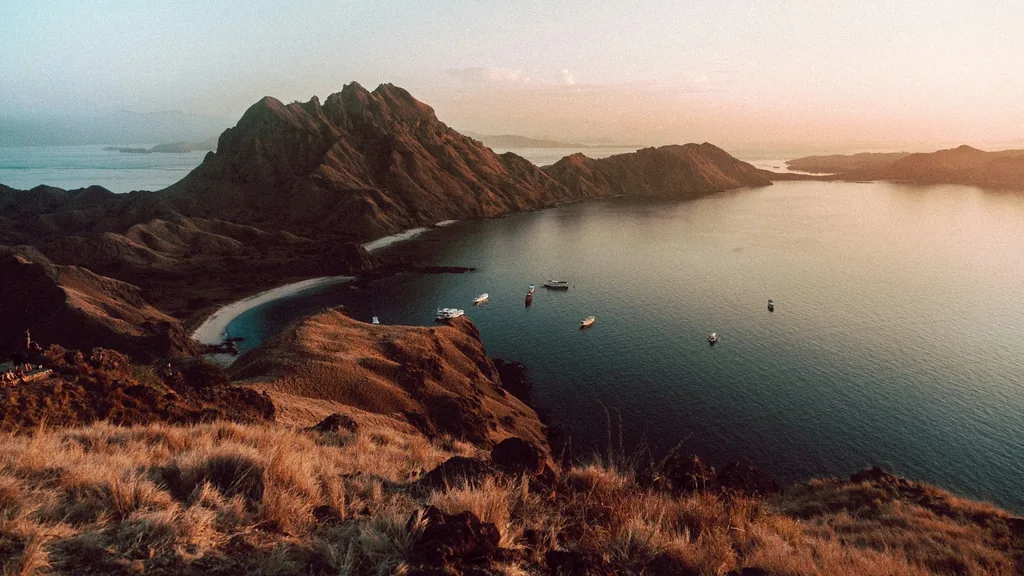
Padar Island follows a two-season pattern: dry season roughly April–November (gold-brown hillsides, calmer seas) and wet season roughly December–March (greener hillsides, rougher crossings). The table below breaks down what to expect for weather, hillside color, and crowds in each month, so you can match your travel window to what matters most to you — reliable weather, photography style, or lower crowds.
Padar Island Weather and Conditions by Month
| Month | Rainfall | Sea conditions | Hillside color | Relative crowd level |
|---|---|---|---|---|
| January | High | Rougher, higher swell risk | Green | Low |
| February | High | Rougher | Green | Low |
| March | Moderate, tapering | Improving | Green to transitional | Low–Moderate |
| April | Low | Calm, reliable | Transitional green-gold | Moderate |
| May | Low | Calm | Gold-brown emerging | Moderate |
| June | Very low | Calm | Gold-brown | High |
| July | Very low | Calmest of the year | Deep gold-brown | Very high |
| August | Very low | Calm | Deep gold-brown | Very high |
| September | Very low | Calm | Gold-brown, most arid look | High |
| October | Low | Calm, hottest air temperature | Gold-brown at its most arid | Moderate–High |
| November | Rising | Beginning to shift | Gold-brown, first rain possible | Moderate |
| December | Rising sharply | Increasingly rough | Starting to green | High (holiday weeks) |
How to Read This Table for Your Trip
Three separate variables move somewhat independently through the year: rainfall, sea state, and hillside color. Rainfall and sea state track together fairly closely — wetter months bring rougher water — but hillside color lags behind both by several weeks, since the grass takes time to dry out after rain stops or to green up after rain starts. That’s why April and November both sit in a “transitional” zone where the season on the calendar and the color on the hillside don’t perfectly match yet.
Dry Season in Detail (April–November)
The dry season isn’t a single uniform block — early dry season (April–May) still carries some residual moisture and greener tones, peak dry season (June–September) is when the classic gold-brown Padar photograph is most reliable, and late dry season (October–November) is the hottest stretch of all, with essentially no rain but the highest air temperatures on the shade-free viewpoint staircase. For the trade-offs between these sub-periods in more depth, see the best time to visit Padar Island page.
Wet Season in Detail (December–March)
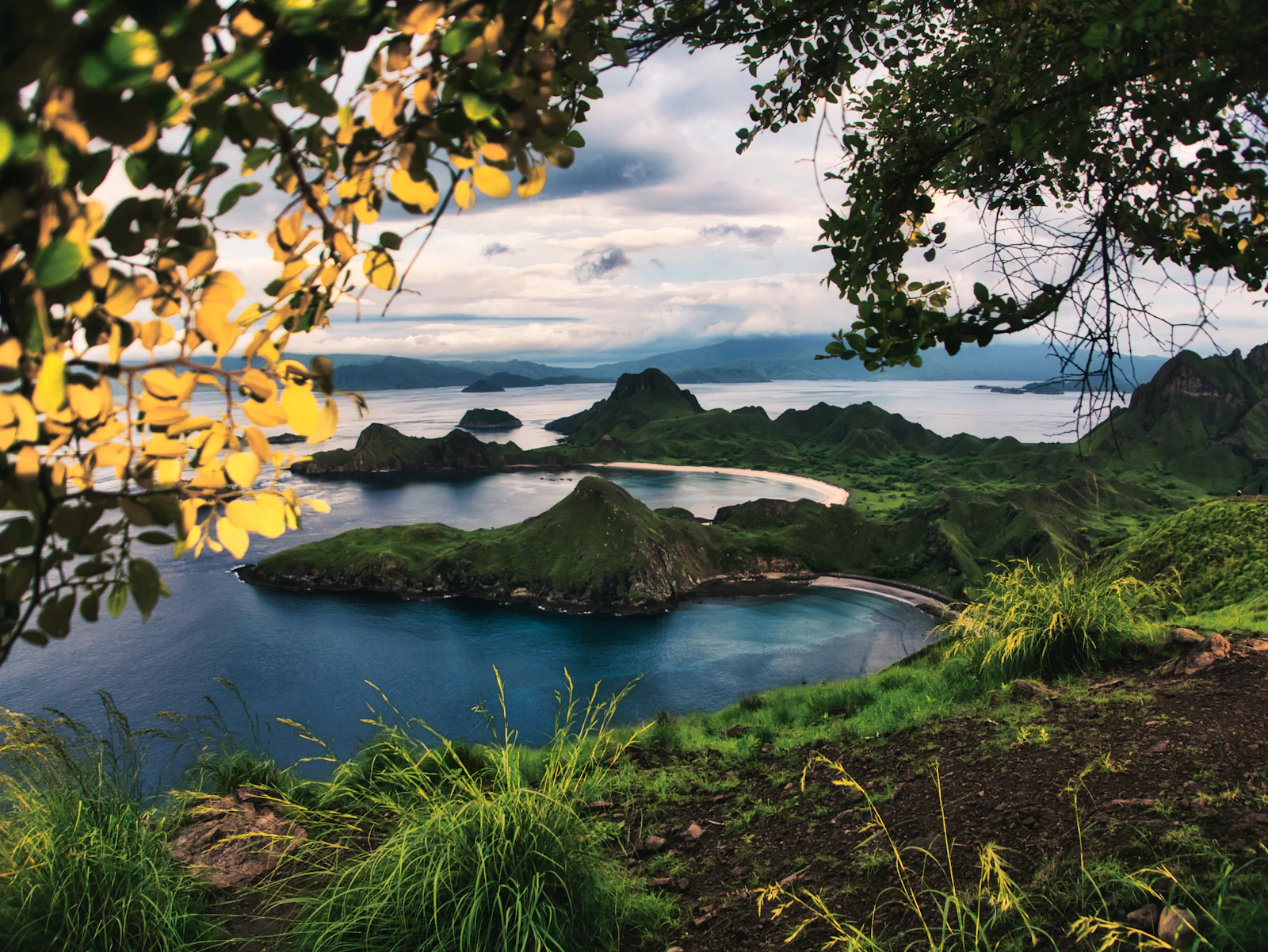
The wet season concentrates most of its rain in short, heavy bursts rather than constant drizzle, which means a wet-season day is often more likely to have a clear morning and a wet afternoon than to be rained out entirely. Sea conditions are the bigger practical concern during this period — swell and wind events are more frequent, and are the primary reason boat departures or specific island stops get postponed on short notice, as happened with a temporary route suspension affecting Padar and Komodo in late 2025.
Monsoon Winds and Why They Matter More Than Rain
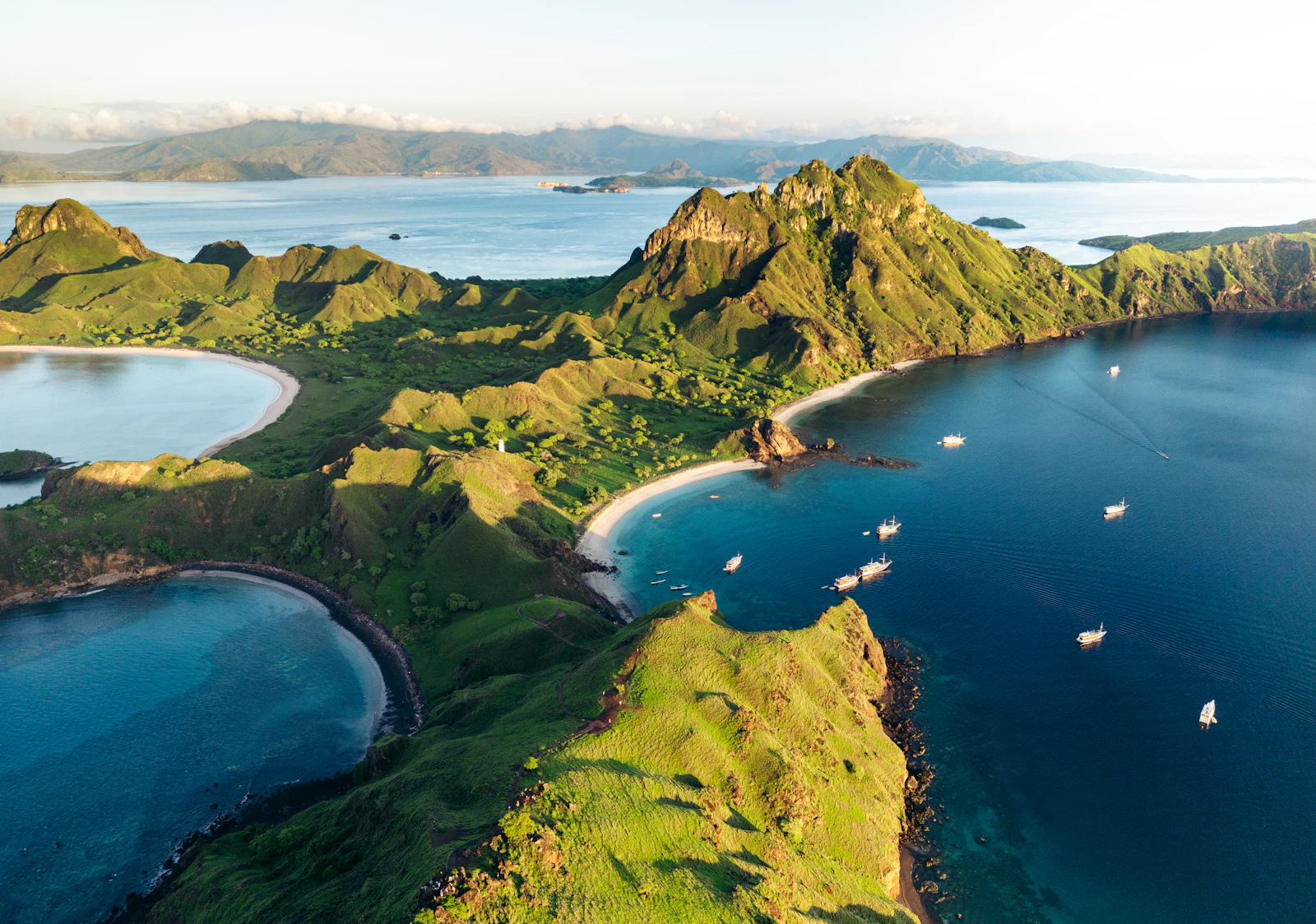
Two monsoon systems govern the Flores Sea around Padar: the drier southeast monsoon (roughly April–October) and the wetter northwest monsoon (roughly November–March). For a lot of trip planning, wind and swell direction matters more than rainfall on any single day, because a dry, sunny morning can still be paired with a swell large enough to delay a speedboat crossing if the northwest monsoon is active. This is why “check the forecast for rain” is the wrong question for a Padar trip during shoulder and wet-season months — the better question is what the harbor authority (KSOP) is reporting for sea conditions that morning, which your boat operator will know before you do.
How Your Packing List Changes by Month
Dry-season months (especially June–October) call for maximum sun protection — a wide-brim hat, high-SPF reef-safe sunscreen, and a cooling towel or bandana for the shade-free staircase, since heat rather than rain is the dominant risk factor. Wet-season months shift the priority toward a light rain jacket or poncho, a dry bag for electronics, and quick-dry clothing, since a sudden downpour is more likely than not at some point during a multi-day trip in this window. Shoulder months (April–May, September–October) benefit from packing for both scenarios, since conditions can lean either way within the same week. The complete packing list by category is on the Padar Island packing guide.
Which Month Gives the Most Dramatic Viewpoint Photos?
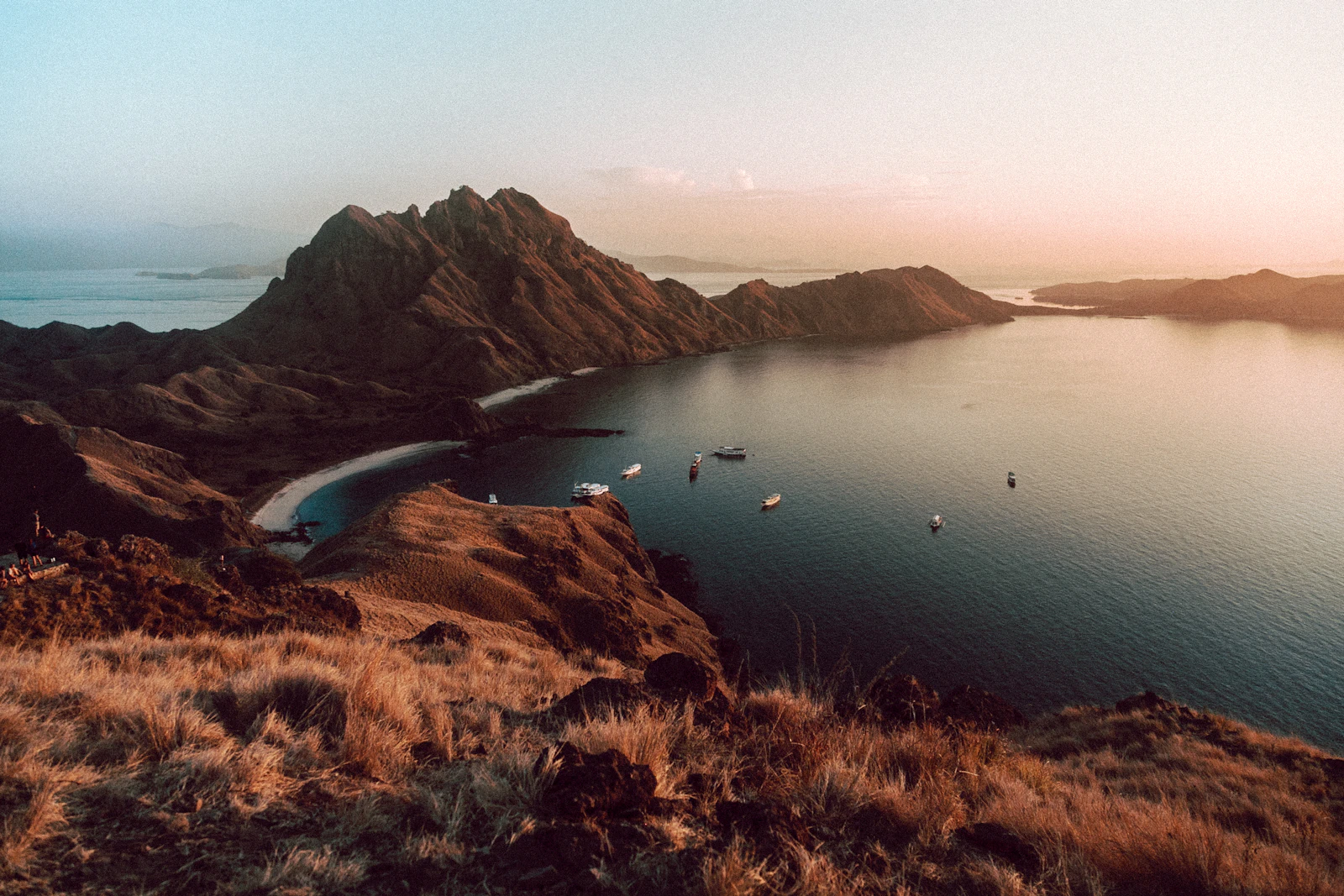
July through October combine dry conditions — driest in July and August — with the deepest gold-brown hillside color, making this the most reliable window for the “classic” Padar photograph most travelers have seen online. January and February offer a genuinely different, greener alternative for photographers specifically seeking a less common look, at the cost of higher rain and swell risk.
Month-by-Month Planner: Quick Decision Guide
- Traveling in Jan–Mar: build in a weather buffer day; expect green hillsides and the possibility of a swell-related delay.
- Traveling in Apr–May or Sep–Oct: good balance of dry-season reliability, moderate crowds, and reasonable pricing.
- Traveling in Jun–Aug: most reliable weather of the year, but expect the busiest viewpoint and highest prices.
- Traveling in Nov–Dec: transitional; early November still mostly dry, while December shifts toward wet-season risk alongside a holiday crowd spike.
Padar Island Month-by-Month: Quick FAQ
What is the rainiest month on Padar Island?
January and February typically see the highest rainfall and roughest sea conditions of the year.
What is the driest month on Padar Island?
July and August are typically the driest, with the lowest rainfall and calmest seas.
When does the hillside turn green?
Roughly December through March, peaking in January–February at the height of the wet season.
Which month is Padar Island at its greenest?
Roughly December through March, especially January and February, when the rainy season is at its peak.
Does the sea get rough every day in the wet season?
No — most wet-season days are still workable for boat travel. The bigger risk is periodic swell or storm events that force a same-day delay or postponement rather than constant rough water throughout the season.
Is there a month with zero rain risk on Padar?
No month carries zero risk, but July and August come closest, with rain genuinely rare in most years during this stretch.
How does temperature change month to month on the hike?
October tends to be the hottest month on the exposed staircase, at the tail end of the dry season, while the wet-season months (especially January–February) are marginally cooler on average, despite the higher rain risk.
For the full seasonal decision framework including pricing and crowd trade-offs, see the best time to visit Padar Island page, and for the complete trip-planning picture, start with the Padar Island travel guide.

Locking a month in means locking a boat in
We publish the planning research; the bookings sit elsewhere. Boats are run by our affiliated partner, Komodo Luxury. Each month in the table above has its own scarcity pattern, and the peak weeks close on the boat side long before they close on the flight side. Departures across the calendar include a Komodo tour from Bali, multi-day liveaboards, and the one-day Komodo sailing package.
Two seasons, and the weeks between them
Padar has a distinct wet phase and a distinct dry one rather than rainfall spread through the year. From roughly December to March, showers and thunderstorms are noticeably more frequent; April to November is drier. Even in the wet months the rain usually arrives in intense bursts with clear windows between, which is why trips are rarely cancelled outright for rain alone. The driest and calmest stretch of the year is July and August — which is also the windiest, so the calmest crossings are not found there.
No published monthly rainfall figures exist specifically for Padar. Regional patterns for Komodo show the peak roughly December to March, tailing off through April, with the mid-year trough. Any generic chart you find should be treated as indicative rather than a forecast.
That leaves a genuinely useful third category: the shoulder weeks at either edge of the dry season, which are what most people should actually target. Late April to June and September to early November tend to sit between the wettest months and the strongest trade winds, which is where swell is moderate and rain is not intrusive. May, June and September come up most often for that reason. There are no guarantees — a single passing front overrides any monthly average — and a week can feel like peak dry before a system adds wind and showers, so flexibility about the exact day matters more than picking the right date on a calendar.
If calm water is your priority above everything else, aim for the heart of the dry season while avoiding its windiest spells, take an early departure, skip the day after a major weather system has passed, and choose a boat known to handle chop. Dawn crossings are generally chosen precisely because winds are gentler and the sea is smoother then.
Dry season: reliable, gold-brown and busy
The dry months suit most visitors because crossings are usually calmer and rain rarely interrupts anything. The trade-off is a landscape that turns gold-brown rather than lush, and crowds that rise sharply through the holiday weeks. If reliable sailing and clear skies matter more to you than green slopes, this is the window.
June marks the ramp-up: drier weather and more dependable seas pull in extra visitors, so the trail is busier than in the wet months but usually far short of the August peak. It works well if you want calmer water with manageable crowds, provided you book both boat and park session early. August is among the busiest months of the year, combining school holidays with the core of the dry season — more boats at the jetty, a steady line on the staircase at the classic sunrise and sunset slots. The mid-morning session, or an operator who deliberately times arrival away from the main rush, softens it considerably.
High season generally has a more regulated feel. Rangers gather visitors into loose groups, photo stops rotate quickly, and the popular viewpoints never empty. Heat on the exposed ridge is intense, so starting as early as your session allows and carrying more water than you think you need is the practical response. The compensations are real: many more departure options, from budget shared trips to high-end charters. To avoid queuing on the steps, take a less popular session and think about how your wider itinerary can dodge the busiest docking windows.
Prices follow demand. Competition for boats and guides pushes operators toward their upper ranges, especially for last-minute bookings; shared speedboats fill early on prime dates and private charters go weeks ahead. Park entrance fees are set by national regulation and do not move by month, so the seasonal cost difference lies entirely in transport and guiding.
October behaves like a shoulder month: lingering dry conditions, moderate seas, gradually building humidity, and crowds easing slightly once the main holiday peaks pass, though bookings remain advisable. Photographers tend to like it for the mix of still-golden slopes with a higher chance of textured cloud rather than an empty blue sky.
Wet season: greener, quieter, less predictable
Padar stays open through the monsoon unless authorities suspend sailings for safety. What changes is the rhythm of the day. Expect more frequent showers, greyer skies and a higher chance of a choppy crossing; the hillsides green up, the vegetation softens the rocky look of the ridgelines, and the air is heavier, so the climb is sweatier even at similar temperatures. Cloud builds readily over the park, so long clear horizons are less predictable — though the cool breeze after a shower can make the walk genuinely more pleasant, and photography shifts toward moody cloud layers and dramatic light in the breaks.
December is where the rain settles in. Downpours usually come in bursts rather than lasting all day, but cloud cover is common; bring a light waterproof and dry bags for electronics, and take the greener slopes and thinner crowds as the reward. Through the season the pattern is clusters of wetter weeks rather than unbroken storms — some days start bright and cloud up by afternoon, others are grey from dawn. Operators adapt by favouring earlier departures and staying flexible about which bays they include.
Low season means quieter jetties, more space at the rest stops and viewpoints, and a daily rhythm dictated by cloud rather than by other boats. Some smaller vessels go into maintenance while others run reduced schedules. Trails are damp and the air is heavy, so going slowly and carrying extra water matters more than crowd management. Boats sometimes shift timing around a rain forecast, which means less rigid scheduling but also less certainty. Some days deliver soft filtered light and nearly empty viewpoints; others bring a rough crossing or a cloud-shrouded sunrise. Build a buffer day into your Labuan Bajo stay so you can move your Padar date if a morning looks poor.
Prices soften on the tour side when demand drops — shared trips are often discounted, short-notice space is easier to find, and operators may throw in an extra snorkel stop. Park entrance fees do not change, since they follow national regulation rather than season. Session times do not change either: the SiORA slots run year-round, and what varies is whether operators use the earliest or latest of them on a day with an unsettled forecast or thin demand. Confirm the exact slot for your date rather than assuming.
Wet weather on the trail and on the water
Rain makes surfaces noticeably slippery, especially on the unpaved side paths and the dusty stretches between concrete steps, where fine dust turns to slick mud. The main staircase helps, but some sections still mix gravel and exposed rock. Closed shoes with decent tread, shorter steps on the descent, and using the handrails where they exist address most of it, and rangers sometimes pause groups to let water drain from the steepest parts.
You can usually still hike in light or intermittent rain when rangers judge the trail safe. Visibility drops, the steps turn slick, and you should allow extra time and keep both hands free. Photography becomes unpredictable, though a short break in the cloud over the bays can produce the best light of the day. In an intense downpour, rangers may slow groups or pause the hike; for a fit visitor in proper footwear light rain is a comfort problem rather than a danger, but running water cuts small channels into the trail and off-trail shortcuts on wet volcanic ground crumble at the edges. Follow the ranger and do not push on for the sake of a photograph.
At sea, monsoon safety is about sea state and operator judgement rather than closed access. Larger well-maintained vessels cope better with chop, but even those sit out days of strong wind or heavy swell, and a cancellation is a sign of a competent operation rather than a failing one. Listen to the crew about where to sit and wear the life jacket you are given. Rough water is most common in the wetter months and during the mid-dry-season wind spikes, when swell builds between the islands and certain channels turn energetic; crossings then feel longer and more tiring, particularly on smaller speedboats. If you are prone to seasickness, choose your dates around those patterns, take a remedy, and depart early. Keeping one flexible day in the plan is the single best protection against missing Padar entirely.
Two practical notes
For low light — a pre-dawn climb, or a moody monsoon sky — handheld shooting works better with a wide aperture and a higher ISO than with a shutter speed dragged too low. Stabilisation helps, but bracing your elbows against your body or a railing does more. Exposing slightly brighter than the screen suggests protects you from unrecoverable shadows.
And whatever the season, low-impact hiking is the same discipline: stay on the constructed staircase and boardwalk, pace yourself, avoid the shortcuts that erode the slopes, carry out all rubbish and keep the noise down. Trekking poles are not essential but they ease the load on knees, particularly on the way down. On a budget, the shape of the trip is equally consistent — a shared speedboat day, your own snacks and water, the standard hike without paid add-ons, and a booking made in advance, because genuinely cheap last-minute space is rarer than it sounds.
This guide does not operate boats. Bookings are fulfilled by Komodo Luxury, and this site may earn a referral commission.
Ready When You Are
Ready to book?
Chat directly on WhatsApp with the Komodo Luxury team.
This guide does not operate boats. Bookings are fulfilled by Komodo Luxury, and this site may earn a referral commission.