

Journal
Padar Island for Solo Travellers
Padar Island is well-suited to solo travellers and backpackers, mainly through shared open-trip boats and group day tours out of Labuan Bajo, which cost significantly less per person…
Last updated: 23 August 2026
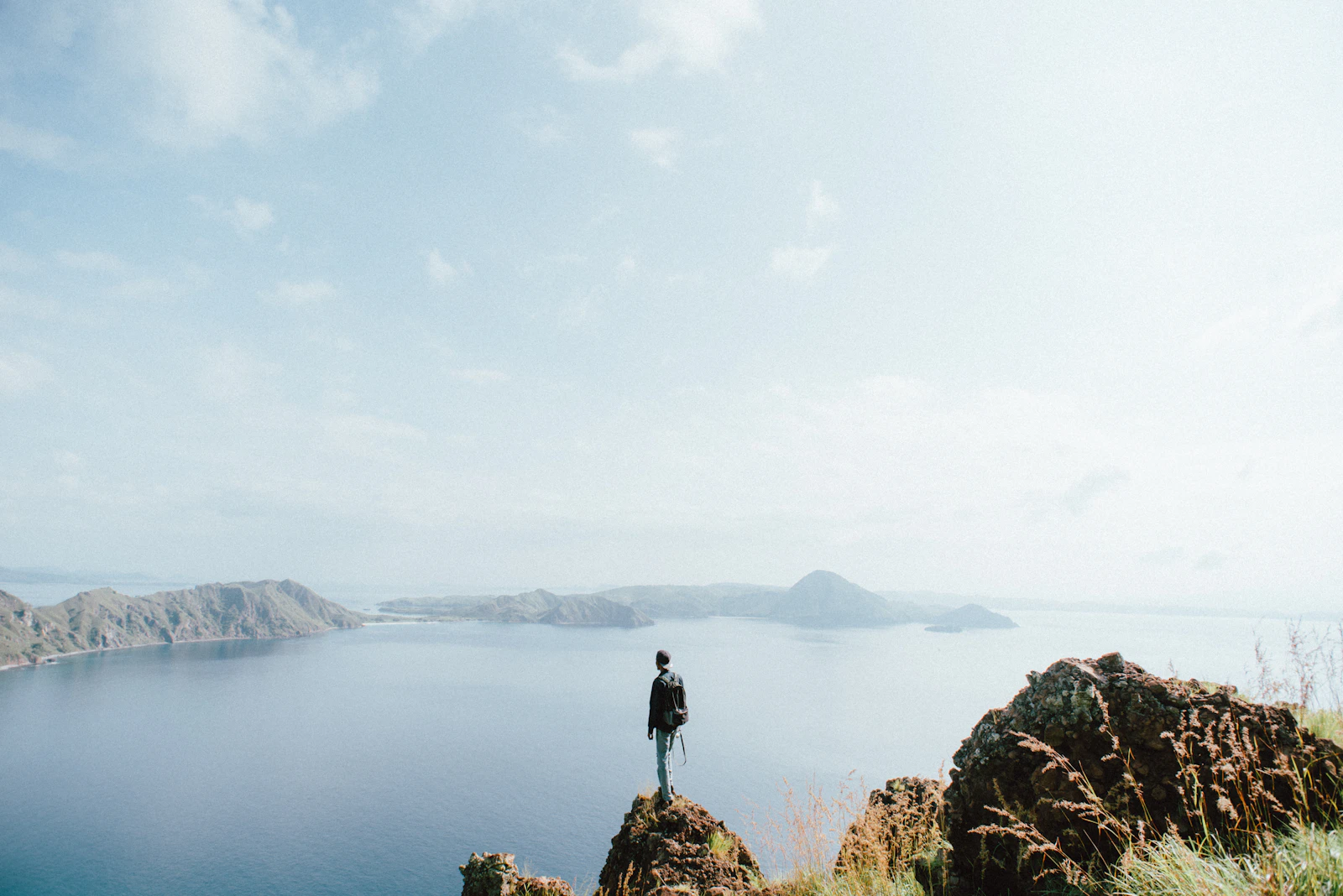
Padar Island is well-suited to solo travellers and backpackers, mainly through shared open-trip boats and group day tours out of Labuan Bajo, which cost significantly less per person than a private charter and put you directly with other travellers on the same itinerary. Safety is not meaningfully different for solo travellers versus groups, since every visit goes through the same licensed-operator and ranger-checkpoint system regardless of group size.
Open Trip vs. Private Charter: The Real Cost Difference
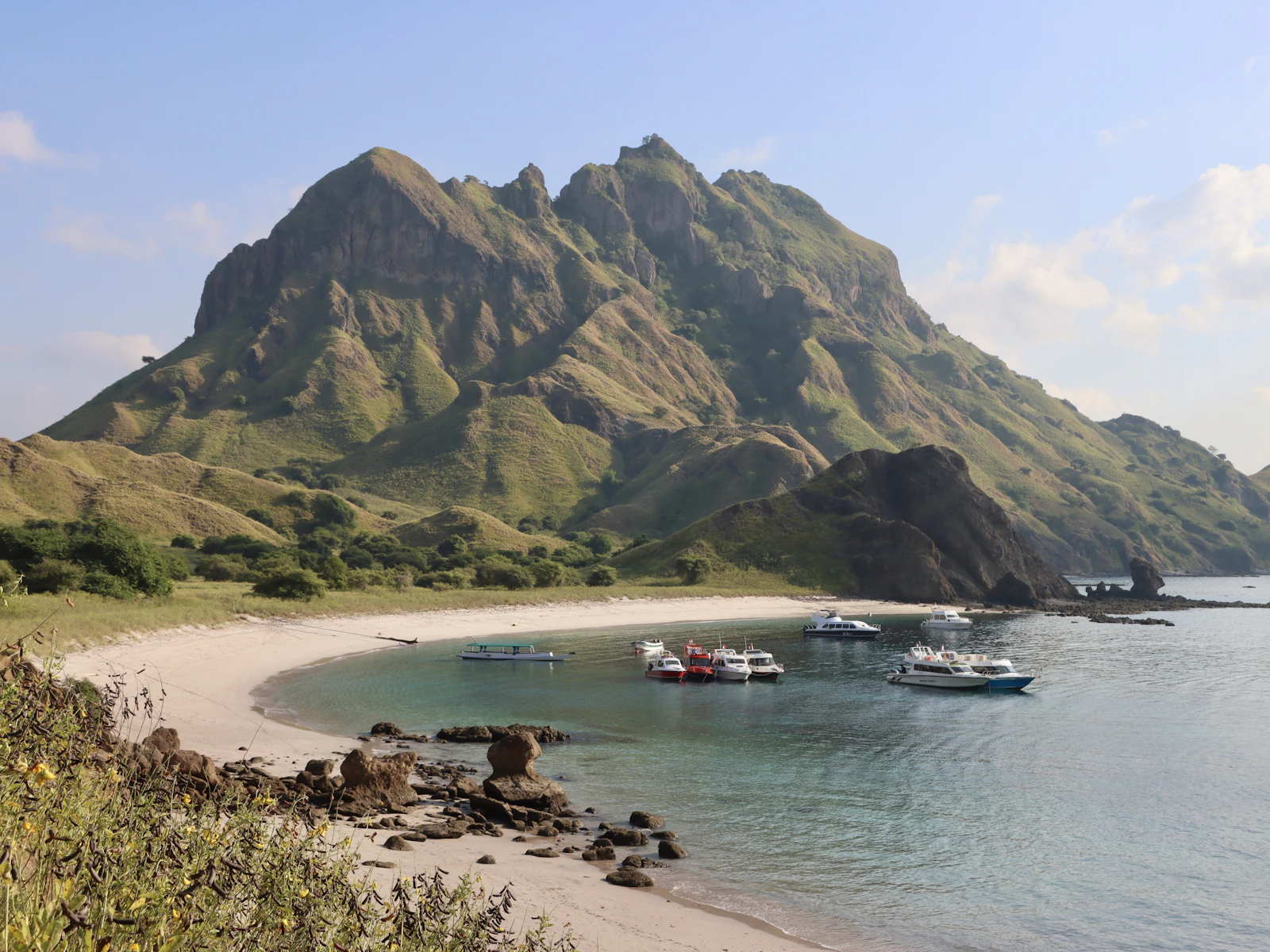
An “open trip” is a shared boat where individual travellers or small groups each pay a per-person seat price, and the boat only departs once enough seats are filled — this is the standard low-cost route to Padar for solo travellers and backpackers, and it’s how most solo visitors end up meeting other travellers heading the same direction. A private charter, by contrast, means booking the entire boat for your own group, which costs far more per person if you’re travelling alone but gives full control over departure time and itinerary. For solo travellers specifically, open trips are the default recommendation on cost grounds alone; a private charter only makes sense if a specific departure time or itinerary detail matters enough to pay the premium.
How Much Does a Solo Trip to Padar Cost?

Open-trip day tours and multi-day liveaboards price per person specifically because solo and small-group travellers are a core part of their market — unlike a private charter, you are not penalized for travelling alone. Costs vary by trip length, boat class, and season; a full breakdown across budget and premium tiers is on the Padar Island cost guide.
Is It Safe to Visit Padar Island Alone?
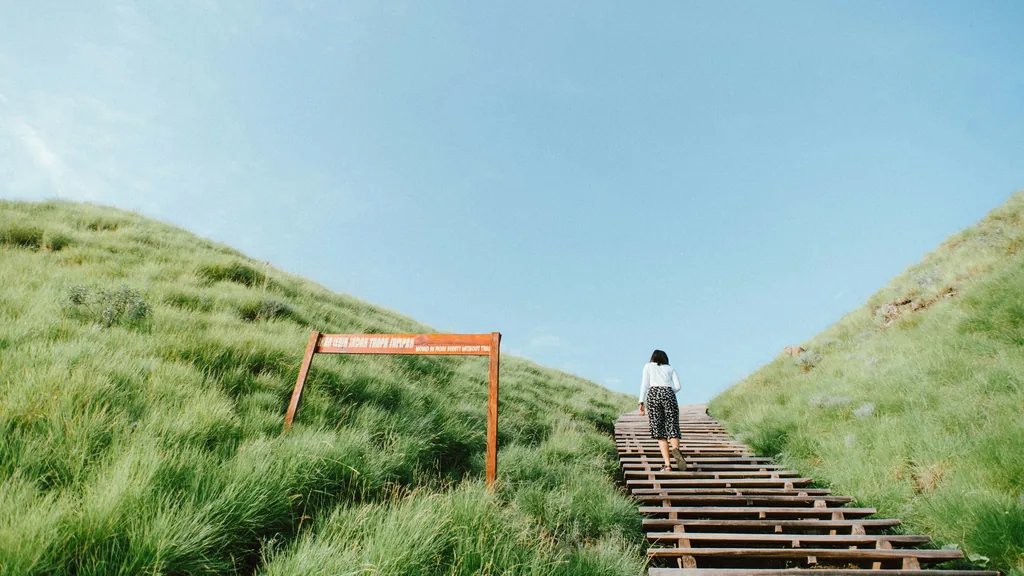
Yes, in the sense that matters most: every legal visit to Padar — solo or in a group — goes through a licensed boat operator, an online park permit, and a ranger checkpoint at the landing. There is no scenario where a solo traveller is hiking the viewpoint staircase unsupervised or unaccounted for; you’re on the same manifest and the same safety framework as everyone else on the boat. The practical safety considerations that matter more than group size are the general ones covered on the Padar Island FAQ page — heat management on the hike, swimming conditions, and confirming your operator is licensed.
How to Meet Other Travellers Heading to Padar
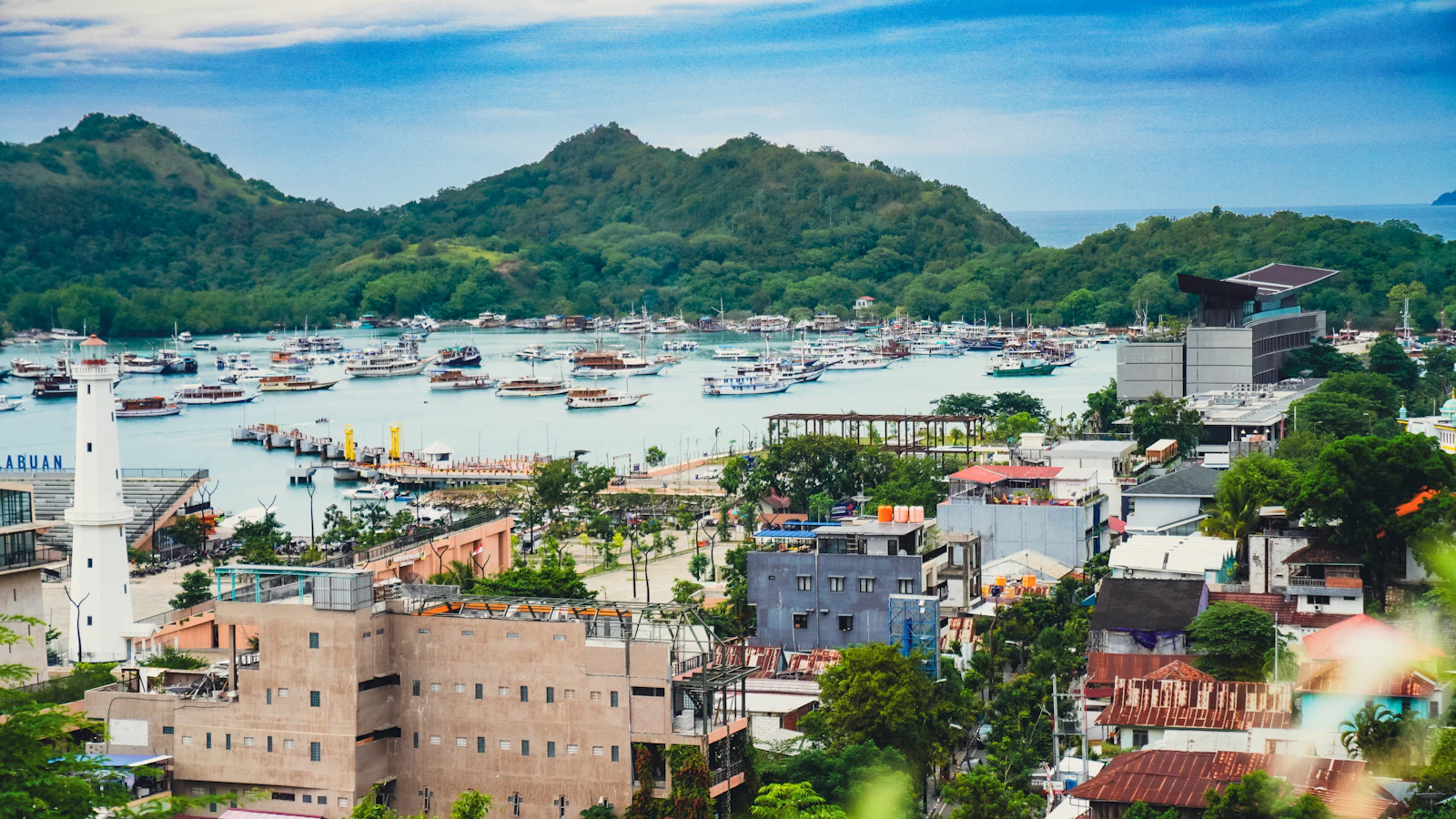
Open-trip boats and shared multi-day liveaboards are the most reliable way solo travellers end up with informal travel companions for the Padar leg of a trip, since you’re grouped with other independent travellers by default rather than needing to arrange this separately. Labuan Bajo’s hostel and guesthouse scene, concentrated near the harbor area, is also a common place solo travellers coordinate informally to split a private boat if they’d prefer more control than a fixed open-trip schedule offers.
A Sample Budget-Friendly Solo Itinerary
| Day | Plan |
|---|---|
| Day 1 | Arrive Labuan Bajo, check into a guesthouse near the harbor, book an open-trip boat for the next morning |
| Day 2 | Sunrise open-trip departure to Padar, viewpoint hike, onward to Pink Beach or Komodo/Rinca, return by evening |
| Day 3 | Optional second day trip (diving, snorkeling) or rest day in Labuan Bajo before departure |
This structure keeps costs down by using shared transport and budget lodging while still covering the core Padar experience in a single dedicated day, which is the most common pattern among solo and backpacker travellers on a limited budget.
Packing Light as a Solo Traveller
Because open-trip boats have limited storage and solo travellers are often continuing on to other parts of Indonesia afterward, packing light matters more here than on a private family charter with more luggage flexibility. A single day pack covering sun protection, water, closed-toe shoes for the staircase, and a dry bag for a phone or camera covers the essentials for the Padar leg specifically — the full list, including what to leave at your guesthouse rather than bring on the boat, is on the packing guide linked below.
Notes for Solo Female Travellers
Solo female travellers make up a significant share of Padar’s open-trip and backpacker traffic, and the same licensed-operator and ranger-checkpoint framework that applies to every visitor applies regardless of gender. Standard general-travel precautions — choosing well-reviewed operators, sharing your itinerary with someone at home, and using reputable guesthouses in the harbor area of Labuan Bajo — are the practical steps most commonly recommended, rather than anything Padar-specific.
What’s Different About Padar for a Solo Traveller vs. a Family or Group?
The Padar experience itself — the staircase, the viewpoint, the timing — doesn’t change based on group size. What changes is logistics: solo travellers have more flexibility to join whichever open-trip departure has space, while families and larger groups often need to book further ahead or consider a private charter for scheduling certainty. If you’re comparing this specifically against a family-oriented visit, see the related post on visiting Padar Island with kids, or for larger groups, group trips and retreats to Padar.
Solo Travellers and Backpackers: Quick FAQ
Can I visit Padar Island as a solo traveller?
Yes — open-trip boats and shared liveaboards are built specifically around solo and small-group travellers, pricing per person rather than per boat.
Is Padar Island backpacker-friendly?
Yes — budget open-trip boats and shared liveaboard cabins keep costs manageable, and Labuan Bajo has a well-established backpacker guesthouse scene to base from.
Do I need to join a group tour, or can I go independently?
You need a licensed boat operator either way — “independent” in the Padar context means booking your own seat on a shared boat rather than traveling with a pre-arranged group, not arranging transport entirely on your own.
For the full trip-planning framework, start with the Padar Island travel guide, and for what to pack as a solo traveller keeping luggage light, see the Padar Island packing guide.
Solo travel, shared decks and the cost of going private
Nothing on this page is a booking. padarisland.com writes about Padar; the vessels are operated by our affiliated partner, Komodo Luxury. Travelling alone changes the arithmetic completely, because a private hull costs the same whether one person or ten are standing on it. Worth pricing against a shared seat: the Deluxe charter tier, the VIP charter tier, and private-trip packages.
Solo here means choosing the right organised trip
Independent travel to Padar is not really independent. Private charters are expensive and you must use a licensed operator, so almost every solo visitor joins a shared boat — and within that, you still walk at your own pace inside your ranger group’s window. What you are actually choosing is the style of trip rather than the degree of freedom.
Labuan Bajo is the base: plenty of simple guesthouses, tour desks selling shared-boat days, and operators who will add one person to an existing group without a single-traveller premium. Book online a few days ahead if you want the sunrise session, and plan to be in town at least one night before an early departure. If your schedule allows, arriving with a flexible day in hand is worth more than any online research — it lets you walk the harbour, talk to operators directly and confirm what each tour includes, and it absorbs a weather delay without wrecking anything.
A solo day trip means boarding a shared speedboat or wooden boat early and returning to Labuan Bajo by late afternoon, on a structured schedule with set times for the climb and any snorkelling or beach stops. You will not have the island to yourself, but you gain a ranger-led group and an operator keeping the timetable. Smaller-group boats feel more social and give you time to talk with guides and crew; an afternoon session is quieter and less intense than the sunrise peak if you would rather not be in a crowd.
Most solo trips are one Padar excursion attached to a day or two in Labuan Bajo, which keeps costs down and leaves room for other Flores activities. Over two days, one early morning goes to Padar — often paired with a dragon walk and manta or coral snorkelling — and the second stays open for town, markets, hill viewpoints or a shorter half-day trip. Keeping one night on land also gives you somewhere to move to if weather disrupts the boat.
Cost, and where the savings actually are
The costs are the park entrance fee, your share of the per-group ranger fee, and a place on a shared boat — together sitting in the mid-range of a backpacker’s daily budget. Food in Labuan Bajo stays cheap at warung prices. The real savings come from not chartering privately and not upgrading to a luxury liveaboard you do not need.
Budget-focused open trips bundle Padar with other stops — a Komodo or Rinca dragon walk, a snorkelling bay — and keep per-person prices low by filling the boat and offering basic rather than luxurious inclusions. Read what is genuinely covered: a tour including lunch and snorkel gear can work out cheaper overall than a lower sticker price plus add-ons, and park fees need to be in your comparison from the start so nothing surprises you at the jetty. Avoid last-minute private charters unless you can assemble a small group from your hostel.
Backpackers often fold Padar into a wider Flores route, arriving overland or by ferry at Labuan Bajo, taking one shared-boat day, and continuing east toward Bajawa or Ende where transport and rooms stay affordable. That avoids repeated park-entry costs while still delivering the viewpoint. Booking the boat once you reach town keeps your schedule open but risks popular days having filled. Labuan Bajo itself offers everything from dorms to basic private rooms; cheaper places trade private bathrooms or strong Wi-Fi for a central position near the harbour, and it is worth asking whether the hostel can book shared trips, since that often reduces miscommunication about departure times.
Against Bali as a backpacker destination the comparison is straightforward: Bali is a long-stay base with dense hostel networks, nightlife and cheap transport, while Padar is a single-visit highlight inside a Flores or Komodo route, reachable only by organised boat and with nothing on the island. With limited time, Bali gives more varied low-cost activity; Padar suits anyone prioritising nature and a short, dramatic hike.
Practicalities of going alone
Main luggage stays locked on the boat, since there are no lockers or left-luggage points on Padar. Take a small daypack with water, sun protection, camera and anything valuable, and if you are worried about electronics or a passport, ask the crew to secure them in a cabin while you are ashore. Day boats generally allow larger backpacks but storage is shared and often on deck, so if you are checking out of your room the same morning, consider leaving a bag in town rather than carrying everything aboard — and ask about limits in advance if you have bulky camera or dive gear.
Pack sturdy shoes, a small daypack, at least one reusable bottle, sun protection, light clothing and a dry bag for electronics, plus a simple rain layer in the wet season when showers move through quickly. Snacks, basic first aid and any prescription medication all have to come from Labuan Bajo, because there are no kiosks on the island. And check your operator’s return time carefully if you have onward transport or accommodation commitments the same evening.
Your operator will name the harbour meeting point — a small pier, an office, or a landmark near the waterfront. Arrive a little early to find the right boat, settle any balance and clear the ticket checks, and keep your SiORA e-ticket and identification accessible, since staff may verify details before boarding.
On safety, the framework is the same for solo travellers as for anyone else: mandatory ranger escort, marked trail, licensed boat. The things that actually matter are heat, hydration and footing on the steps rather than crime — carry enough water, wear shoes with grip, and keep to your ranger’s timing so you never feel rushed on the steeper sections. There is no overnight stay on the island, so you will sleep on the boat or back in town; safety after dark is mostly about choosing a reputable operator with clear briefings and visible life jackets, following crew instructions on deck access, and keeping valuables in a cabin or dry bag rather than unattended in a common area.
For a sunrise climb you will start in low light, often with a head torch or phone. Route-finding is trivial on a staircase, but it becomes strenuous if you try to reach the top too fast before first light — build in a few minutes for steady pacing and short breathers, particularly if uphill walking before breakfast is not something you normally do.
Photographically, the main viewpoint is the classic position, with smaller side viewpoints along the staircase offering different angles and often more quiet once larger groups have moved ahead. Allow extra time at the top to wait out the crowd and the cloud. Travelling alone, most people ask a fellow hiker or a ranger for a few frames rather than relying on selfies; a simple tripod is fine as long as it does not block the steps. Mid-visit, when groups are rotating through, is when someone is most likely to be happy to help. For a quiet moment to yourself, the lower terraces and the short side paths sometimes offer one — but stay inside the constructed trail area, and if you want unhurried time, tell your guide you intend to descend with a later part of the group within the scheduled window.
Who should think twice, and who should plan differently
Access is genuinely difficult for many disabled travellers: the only route to the viewpoint is a stepped trail with sustained elevation gain, no wheelchair access and no continuous handrails. Some visitors with limited mobility manage part of the staircase slowly with frequent rests, and even a short walk from the jetty gives a closer sense of the landscape. The barriers are steep steps, uneven ground and lack of shade rather than park rules, so discuss boarding, support at the jetty and how far you realistically hope to climb with your operator well before you commit.
Older travellers should plan around heat and humidity, which make a short climb feel considerably longer. An early-morning or late-afternoon session, a slow steady pace with regular rests, proper hydration and light breathable clothing all matter more than age itself in deciding whether the hike feels manageable.
Pregnant travellers should speak to a doctor first and then pick a relaxed itinerary rather than a pre-dawn rush — an afternoon session with time for rests, shade and water is more forgiving than either the peak heat or the sunrise scramble. The crossing itself can be bumpy in rougher seas, so the season and sea conditions belong in the decision.
Digital nomads should treat Padar as an offline day. There is no signal and nowhere to work; base yourself in Labuan Bajo with workable Wi-Fi, block out a full non-working day for the trip, and check that no early boat departure collides with a commitment. Download offline maps before you go.
Gap-year travellers often slot Padar into a longer Indonesian sequence, using Labuan Bajo as a waypoint between overland Flores and boat routes west. The organised nature of the hike and the ranger oversight can be reassuring on an early independent trip; leaving a buffer day on either side of the boat booking protects you against weather changes.
Eco-conscious visitors can make a real difference through operator choice and small habits: pick companies that brief guests properly on park rules, limit waste and avoid single-use plastics; carry a refillable bottle; pack out every piece of rubbish; and stay strictly on the constructed staircase, which is what protects the fragile slopes. Supporting locally owned businesses in Labuan Bajo keeps more of your spending in the region.
Finally, if you are hoping to meet people, it happens on the boat rather than on the staircase — the crossing and the snorkelling stops are when there is time to talk. Gravitate toward open-deck seating and be willing to start a conversation about where people have already been. If you would rather have space, an afternoon session and hanging back slightly from the largest groups usually opens short windows where you can pause and simply look.
This guide does not operate boats. Bookings are fulfilled by Komodo Luxury, and this site may earn a referral commission.
Ready When You Are
Ready to book?
Chat directly on WhatsApp with the Komodo Luxury team.
This guide does not operate boats. Bookings are fulfilled by Komodo Luxury, and this site may earn a referral commission.