

Journal
Padar Island Honeymoon: Private Boat Ideas
Padar's summit viewpoint is small relative to how many people can arrive within the same narrow morning window, especially during the June-to-August peak season.
Padar Island Editorial Desk · Last updated August 2026
Why does timing matter so much for a romantic Padar visit?
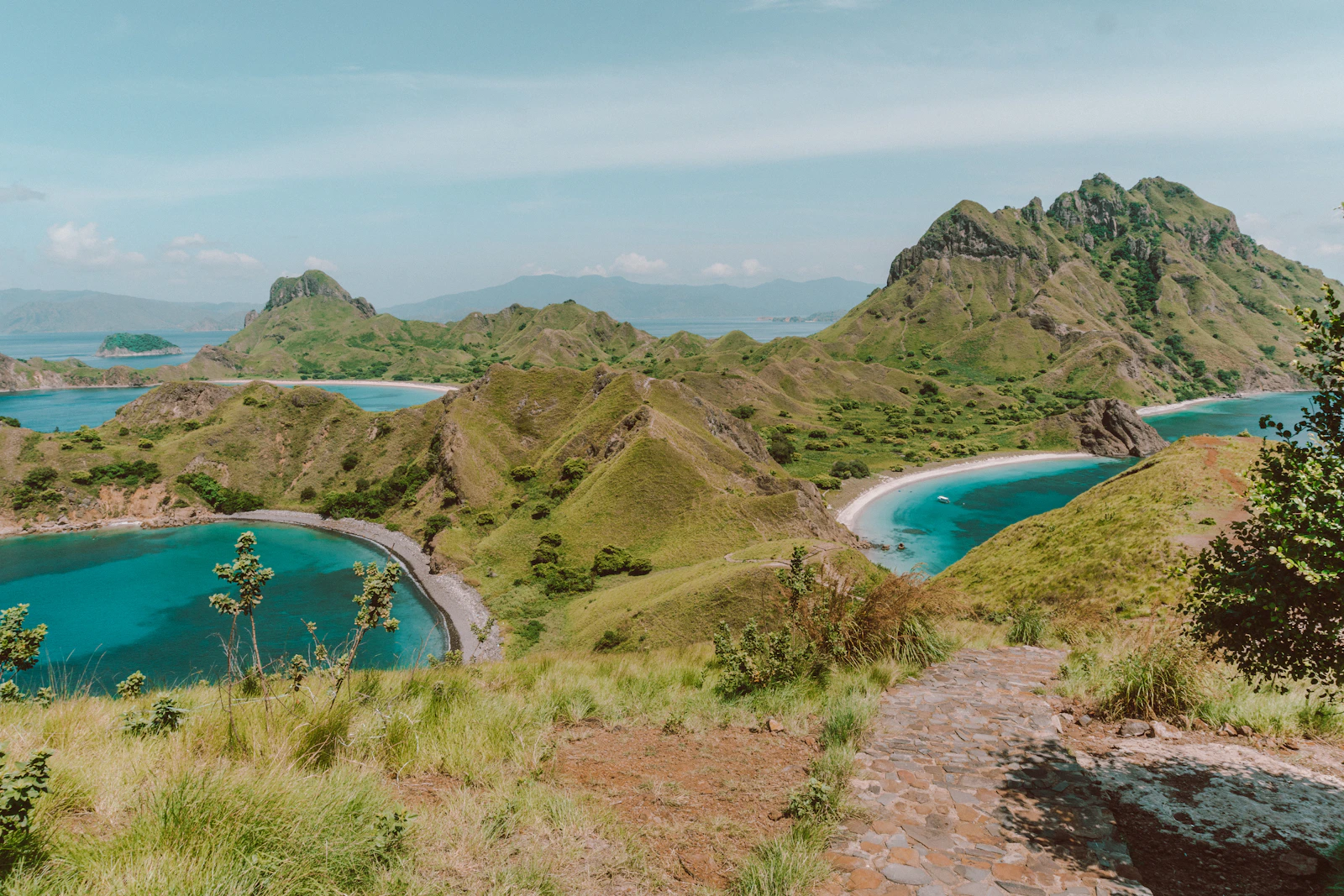
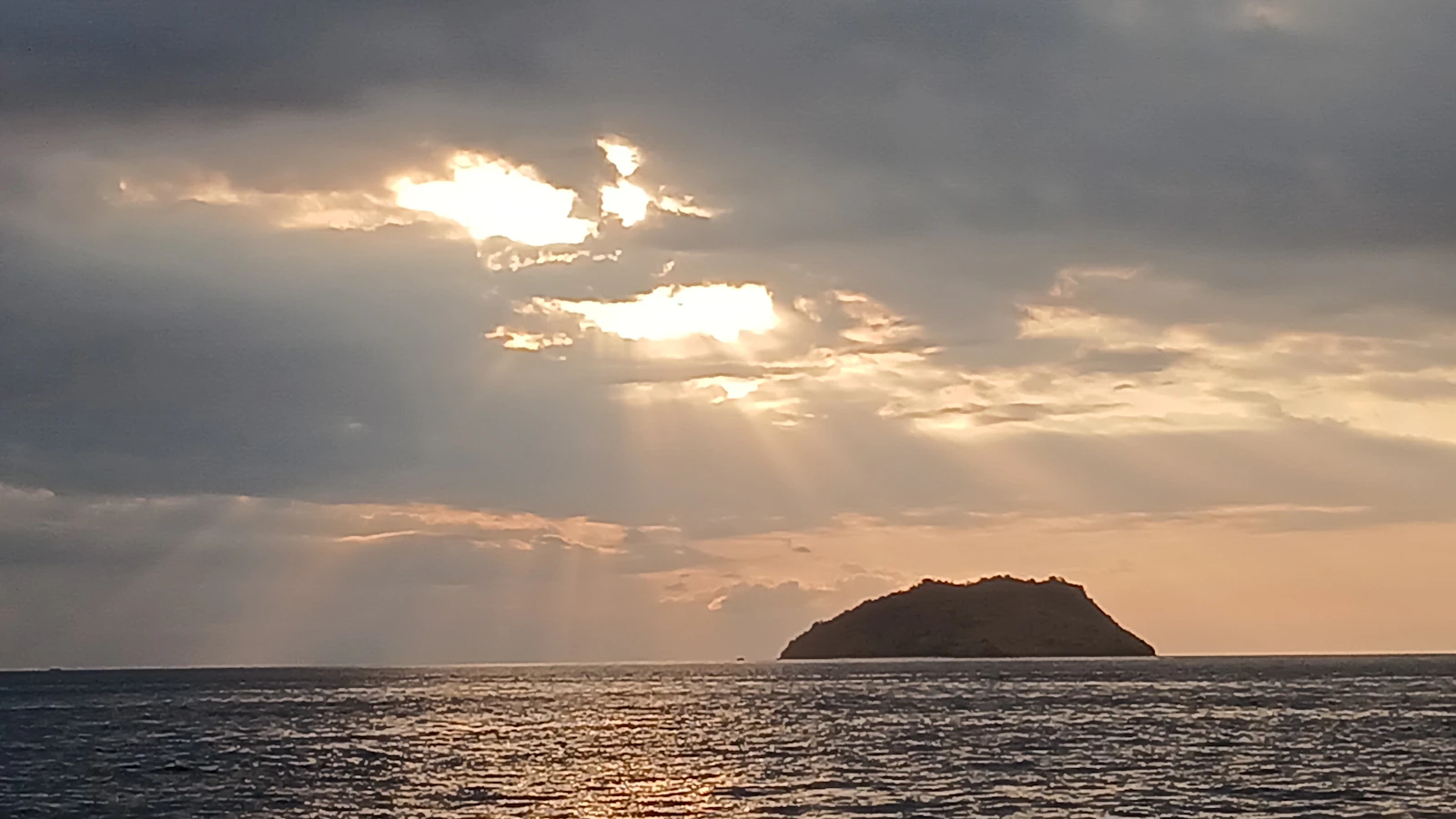
Padar’s summit viewpoint is small relative to how many people can arrive within the same narrow morning window, especially during the June-to-August peak season. A shared day-trip boat departing at the standard 7:00–8:00 a.m. slot puts you at the viewpoint alongside every other boat on a similar schedule — workable for most travelers, but not the quiet, unhurried moment most couples picture when they imagine this specific view. The alternative is straightforward: book a private charter timed for a genuine pre-dawn departure, land before the shared boats leave harbor, and you get a meaningfully different experience of the same physical location. For the full mechanics of sunrise timing by month, see our Padar Island sunrise guide.
What does a private sunrise charter actually change?
Three things, concretely. First, departure time is yours to set rather than fixed by a shared schedule, so you can leave Labuan Bajo early enough to be climbing the trail while it’s still nearly empty. Second, pacing at the top is unhurried — no group schedule pulling you back down to the boat after a fixed window, so you can stay as long as the moment calls for. Third, the descent and any onward stop (commonly Pink Beach) happen on your own timeline rather than a group itinerary, which matters if either of you wants to linger somewhere the standard schedule would rush past.
Cabin boat or day-boat — does it matter for a short trip?
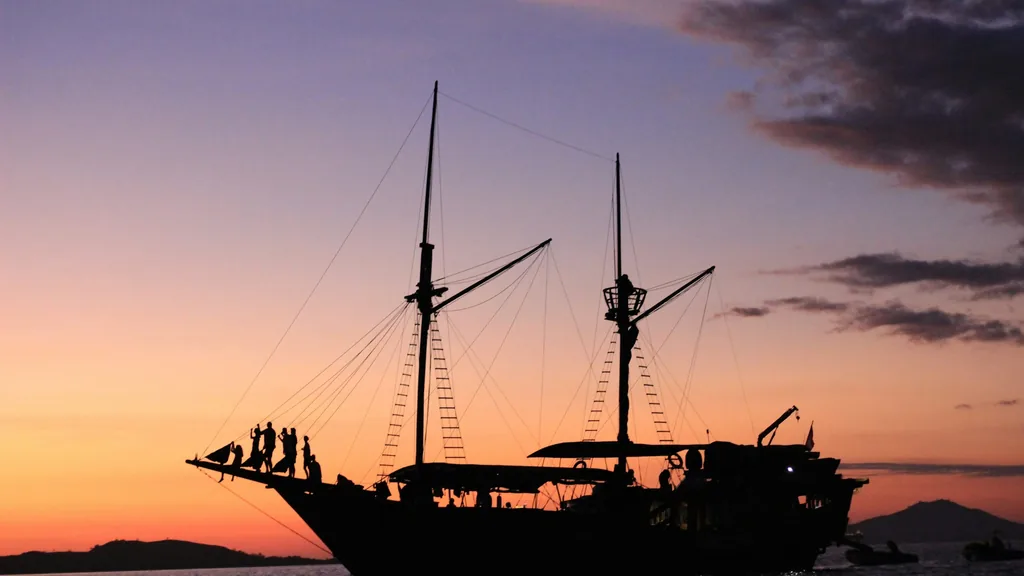
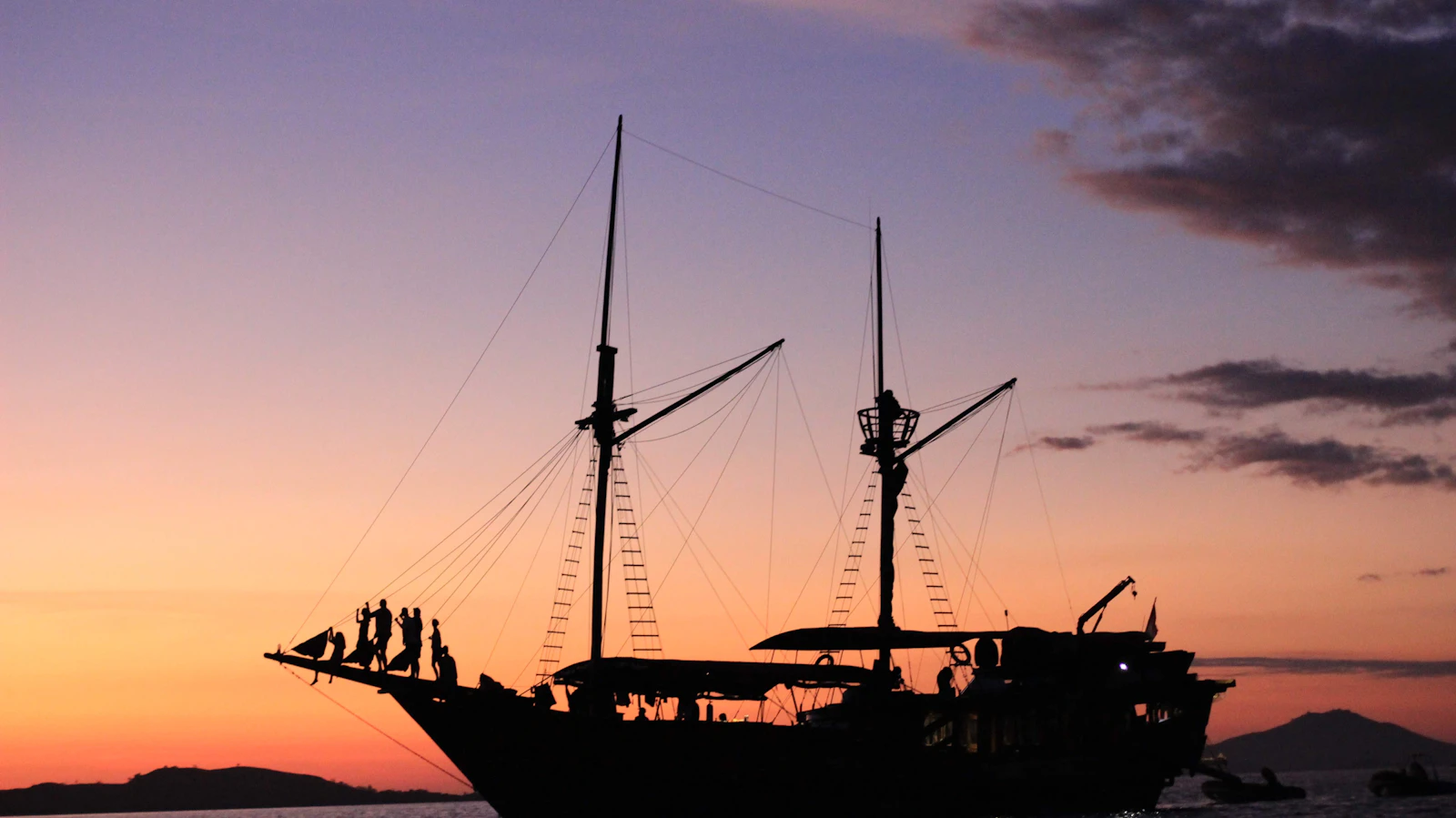
If your Padar visit is a single sunrise excursion within a longer Labuan Bajo stay, a day-boat with no cabin is entirely sufficient — you’re not sleeping aboard, so cabin space is irrelevant to the sunrise leg itself. If you’re combining Padar into a two-to-four-day Komodo route, a cabin boat (typically a phinisi-style liveaboard) changes the experience meaningfully: you sleep anchored near the park rather than commuting from Labuan Bajo each day, which both shortens your daily transit time and allows a private, guided sunrise landing directly from where the boat is already moored, without the early-morning harbor departure at all.
Pairing Padar with Pink Beach for a couple’s day
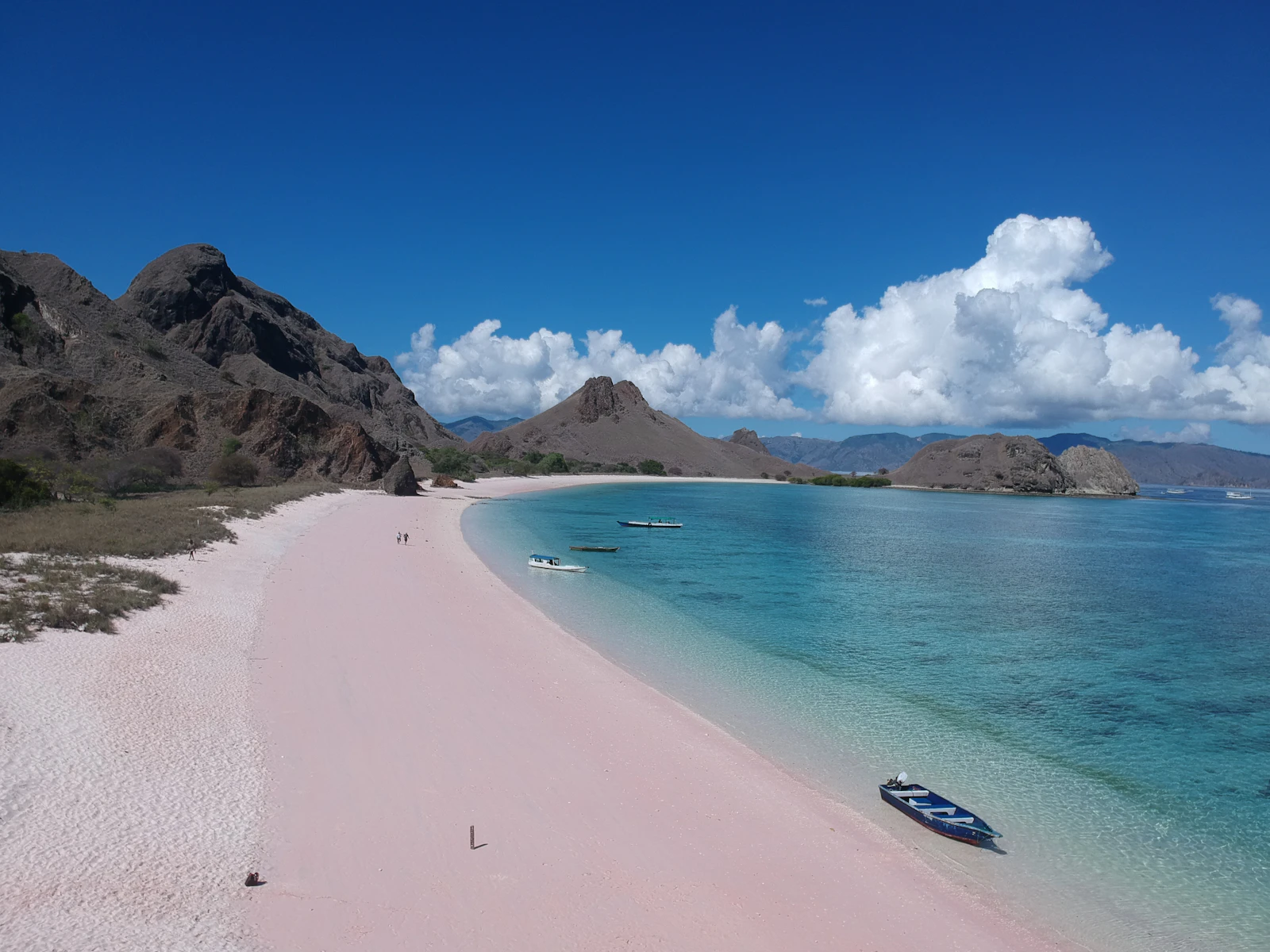
Padar’s hike and Pink Beach’s calm, shallow swimming water complement each other well as a two-stop day: an active, view-driven morning followed by an unstructured, relaxed swim. For couples specifically, doing Padar first — while the light and temperature are both at their best — and treating Pink Beach as the slower, no-agenda close to the day tends to work better than the reverse order, since there’s little reason to rush a beach stop but real reason to prioritize an early Padar arrival. Our Padar, Rinca and Pink Beach one-day itinerary guide covers the fuller logistics if a Rinca stop is also part of the plan, including the realistic time budget across all three stops.
What time of year suits a couple’s trip best?
This depends on what you’re optimizing for. The dry season (roughly April through November) offers the most reliable clear skies for the actual sunrise view but comes with the largest crowds at the viewpoint during a shared-boat visit — a private charter mitigates this trade-off directly, since crowd size stops being a scheduling problem once you control your own departure time. The wetter months (roughly December through March) thin out visitor numbers considerably even without a private charter, at the cost of a real chance of overcast skies obscuring the sunrise on any given morning. Our green season versus dry season comparison goes through this trade-off with more seasonal detail, including how the hillside color itself shifts across the year.
How far in advance should a private charter be booked?
For peak season (roughly June through August, plus major Indonesian holiday periods), booking a private charter several weeks ahead is a reasonable margin, since the best-positioned boats and preferred early-morning slots get reserved first. Outside peak season, a week or two of lead time is usually workable, though last-minute bookings do sometimes succeed simply because overall demand is lower. In either case, book earlier rather than later if the private, uncrowded version of the sunrise is the specific reason for choosing Padar over a more accessible alternative — a late booking often means settling for whatever boat and timing happen to be available rather than the schedule you actually wanted.
Considering a proposal at the viewpoint?
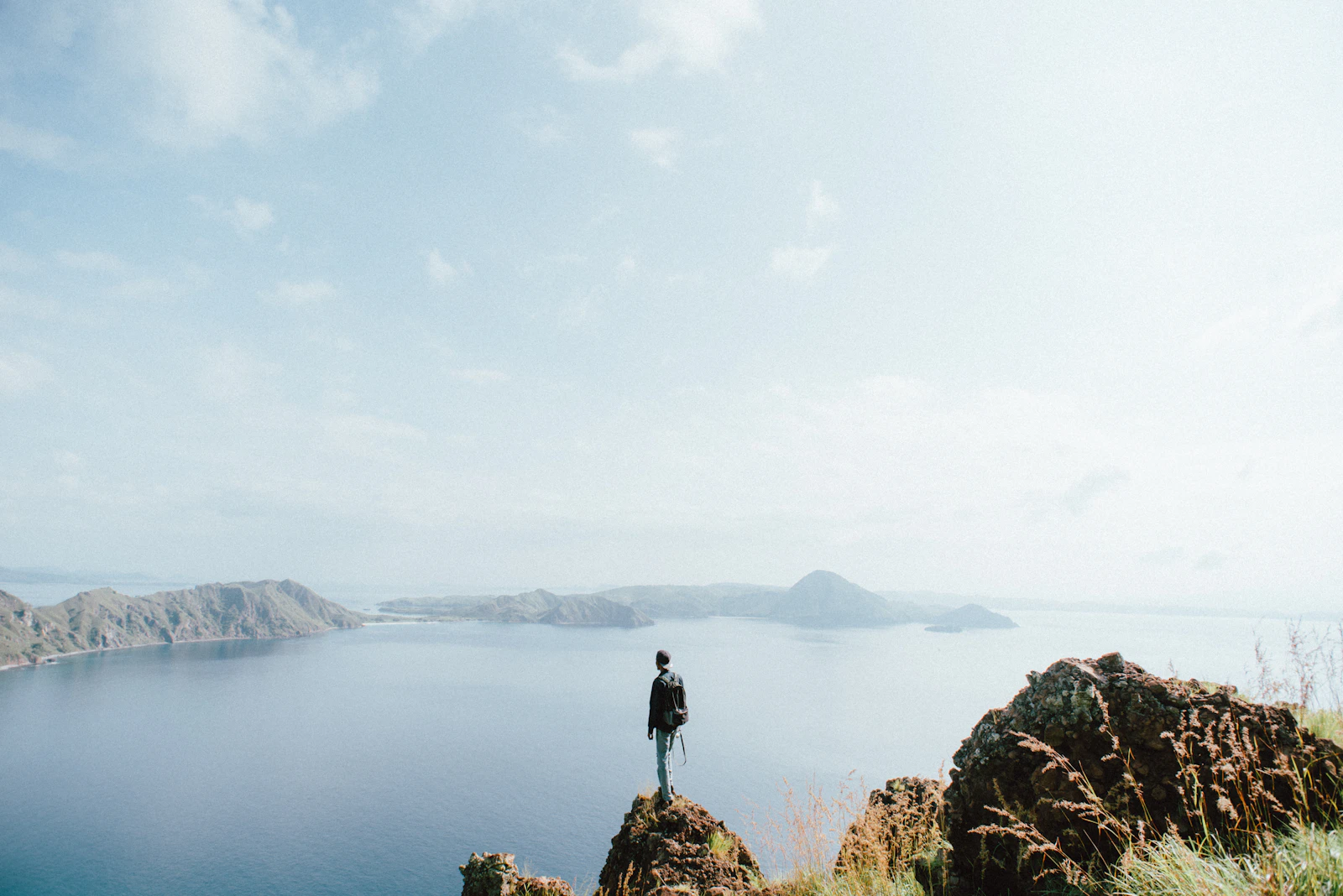
Padar’s summit is a genuinely striking backdrop, and couples do use it for this purpose, but a few practical realities are worth planning around rather than discovering on the day. The trail itself requires a reasonable level of fitness and sturdy footwear, which limits how elaborate any planned moment can practically be partway up. The summit platform is not private even on a quiet private-charter morning — rangers, boat crew, and occasionally other early climbers may be present. If privacy at the exact moment matters, discuss this directly with your boat operator in advance; some are used to arranging a specific timing window or a quieter section of the viewpoint area, but this is a request to make ahead of time rather than an assumption to arrive with.
What should a couple actually pack for this?
Beyond the standard sunrise-hike essentials — closed shoes, a headlamp, water — a couple’s trip benefits from packing specifically for the waiting-around moments a private charter allows: a light layer for the pre-dawn boat crossing, a dry bag for a phone or camera given sea spray on the way out, and a change of clothes if Pink Beach is part of the same day, since there’s rarely a private place to change on either stop. None of this is Padar-specific gear so much as it is packing for an unhurried day rather than a rushed group schedule.
Frequently asked questions
Is Padar Island a good honeymoon destination?
Yes, particularly with a private sunrise charter that avoids the crowds a shared day-trip boat brings to the summit viewpoint during peak hours.
Should couples book a private boat or join a shared tour?
A private charter gives control over departure timing, pacing at the viewpoint, and onward stops — the main advantages for a couple’s trip. A shared tour is more budget-friendly but locks you into a fixed schedule alongside other travelers.
Can a honeymoon Padar trip include Pink Beach as well?
Yes, this is a common and logistically straightforward pairing — Padar in the morning for the hike and view, Pink Beach afterward for a relaxed swim.
What is the best season for a romantic Padar Island trip?
Dry season (April–November) offers more reliable clear-sky sunrises but larger crowds without a private charter; wetter months (December–March) offer more solitude at the cost of some weather unpredictability.
How far ahead should we book a private sunrise charter?
Several weeks ahead during peak season (June–August and major holidays), and roughly one to two weeks ahead in quieter months, though earlier booking generally secures better boats and preferred departure times regardless of season.
Related reading
For the underlying sunrise-timing mechanics this page builds on, see our Padar Island sunrise guide. If your trip is a single focused day rather than a multi-day liveaboard, our Padar, Rinca and Pink Beach itinerary guide lays out the realistic time budget for combining stops.
Booking the private version of this trip
padarisland.com publishes the research; the romance logistics are our affiliated operator’s, Komodo Luxury. Privacy on this route is bought by the hull rather than the destination, since every shared boat reaches the same viewpoint at the same hour. Private options for two: Komodo Luxury’s honeymoon cruise packages, private yacht charters, and the VIP boat charter tier.
Whether Padar suits a honeymoon at all
It depends entirely on what you want the days to feel like. Padar itself is undeveloped: no beach club, no accommodation, limited shade, a short but genuinely steep climb. The romance comes from the boat you choose, the hour you land and how much privacy you build into the schedule — not from anything on the island. Couples who want spas, restaurants and easy evenings will be happier basing in Labuan Bajo or Bali and taking Padar as a highlight; couples who would rather wake up at sea in front of a dramatic, barely built landscape will get exactly that. Anyone with mobility difficulties or a dislike of stairs should treat the viewpoint climb as the real question.
The common compromise splits the trip: a few nights on a boat that includes Padar, then a villa stay in Bali or on Flores for comfort, massages, varied food and flexibility. Against a Gili-style beach week, the difference is not the snorkelling but the shape of the days — Gili leans on cafés and shore-based sunsets, while a Padar trip is a moving itinerary where your cabin travels with you.
One landing is usually enough on the island, provided you have at least one night aboard. A two- or three-night sailing loop lets you pair a Padar sunrise with quiet snorkelling stops, dragons on Komodo or Rinca, and unhurried evenings on deck. A workable outline is one night in Labuan Bajo, two or three on a cabin boat with Padar scheduled for the first sunrise while you are still fresh, then a shore-based finish. If you want the dragons, put the ranger walk in the later morning after the dawn climb and keep the wildlife day separate from your best dinner under way, so the cruise feels balanced rather than crammed.
On timing: April to November gives calmer seas and smoother early crossings, with landscapes more golden than green. December to March brings greener hills and fewer boats at the cost of rain, humidity and itinerary changes. The shoulder months at either edge of the dry season are the sweet spot — manageable seas, some greenery left, visitors more spread out. But securing the earliest SiORA session for your key hike does more for the mood than the precise week you travel.
As for whether to rush: access rules inside the park can tighten over time, though the large fee increases once proposed were rolled back, and the current direction is quotas and online booking rather than exclusion. Planning a trip in the next few years is sensible; there is no deadline that justifies hurrying.
Keeping it private
Padar only feels crowded if you arrive mid-morning, when most shared trips land together. A sunrise slot on a private or low-capacity boat is far calmer, with real space at the top before the day boats appear. Sunset is quieter than late morning too, and logistically easier — softer side-light across the bays, a slower mood — but you trade that against afternoon cloud and residual heat, and you need margin to descend in daylight and be aboard before the last light goes behind the surrounding islands. Sunrise is the more intimate of the two; the price is a pre-dawn departure and climbing in semi-darkness at first.
A private tour buys control over when you arrive and how long you stay, with the crew pacing the hike around your fitness and your photography rather than a group timetable. A full charter goes further — meal times, music volume, when you move between bays, and the ability to shift the Padar hike to a different session if conditions look better later. Where a full charter is out of reach, some operators offer semi-private options with capped guest numbers and reserved deck seating. Even without a charter, a boat can feel private if the cabin has a door that closes, decent sound insulation and enough deck seating that you are not permanently sharing a bench; the quiet moments often arrive on the return sail, when most guests are resting and the upper deck empties.
A gentle way to end a day is a sunset cruise that passes Padar rather than landing again: climb in the morning, then circle the island later over an early dinner on deck. Check the route allows time to clear the hiking area before dark and still catch the colour from the water.
On cost, the Padar component is dominated by boat and cabin rather than the park ticket — entrance, ranger and related charges come to roughly IDR 400,000–525,000 per person per day, and your choice between a shared trip, a private speedboat and a chartered phinisi multiplies everything above that. Package pricing wraps charter, crew, meals and park costs into one figure, so what you are really buying is privacy and cabin standard; couples’ packages typically include at least one Padar landing, snorkelling stops and transfers. Ask specifically whether SiORA tickets, ranger fees and basic insurance are inside the number. Cabin liveaboards fold accommodation, meals and guiding into a nightly rate that looks high until you notice it covers most daily expenses, and a smaller or mid-range vessel rather than a flagship phinisi keeps that manageable — ask operators to break out park fees and equipment charges so you can compare offers fairly.
Photographs that are not the same summit shot everyone has
The classic summit terrace remains the main romantic viewpoint, particularly if you reach it just before first light and stop halfway down for a second set of portraits. Lower platforms feel more intimate with fewer people around, and where the ranger permits, stepping a short way aside within the designated areas gives cleaner horizons for silhouettes.
Compose in layers. Use the curving bays as the background and place yourselves on a turn of the path or the corner of a platform. Shooting slightly from behind as a couple walks up the steps looks natural and avoids the forced expression that comes from posing; agree in advance the two or three points where you will turn to camera, so you spend less time arranging yourselves on a narrow trail. Railings, path curves and patches of dry grass work as foreground without stepping off the trail, a partner’s shoulder or hat brim frames the other person subtly, and keeping the horizon slightly off-centre stops the frame reading as a postcard. For closer portraits, turning slightly away from the strongest light softens the shadows and stops the background overpowering a face; a longer focal length from a little distance keeps expressions relaxed while still hinting at the bays. The stair rail and low rock edges make useful natural posing aids so nobody stands rigidly.
Prewedding sessions benefit from two looks — something more formal for the summit, something relaxed for the lower terraces or the boat — in light fabrics that move in the wind but pack small, because the hike is still a workout. Start with gentle walking shots lower down and build toward the more dramatic positions once everyone is comfortable near the railings, and put stable footing ahead of any elaborate arrangement, especially when the steps are dusty. A second, shorter landing the next day gives you backup angles if cloud or crowds spoil the first attempt.
Proposals work best either at the summit just after sunrise, before the viewpoint fills, or at a quieter mid-level terrace on the descent. Tell your ranger and photographer the intended spot, and use a discreet signal right after a posed photograph so they are ready without anyone else noticing.
For video, short vertical clips carry the transition from dark pre-dawn on the boat to first light at the summit particularly well, and a simple before-and-after of the empty path against the mid-morning crowd is effective. Slow motion catches what normal speed misses — hair moving in the wind, a hand along the stair rail, steps shot from the side without identifying other visitors — but keep takes short, since file sizes and battery both matter when charging on a day boat is limited. Whatever you shoot, do not block the narrow stairs for a long take; work in brief segments at the wider terraces and let people pass between attempts.
On grading, Padar’s palette runs to warm browns and muted greens in the dry season and richer greens in the wet, so gentle contrast adjustments beat heavy filters. A slightly warm treatment suits sunrise and a cooler one mid-morning, but keeping skin tones natural matters more than pushing the sky.
Where drone use is properly authorised, slow lateral moves across the ridgeline give the sense of floating above the bays without jarring motion, and a pull-back that starts close on the couple before revealing the island is the staple of an edited reel. Oblique angles showing the full three-bay shape work better than straight-down frames, and keeping the horizon in the upper third preserves scale. All of it depends on the SIMAKSI permit process, the designated flying zones and ranger guidance on height and distance.
Against Bali for photographs, Padar offers wide layered landscape with almost no buildings in frame, so a couple stands out clearly against the bays and ridgelines; Bali offers temples, rice fields and cultural backdrops. Most photographers suggest doing both — a coastal and jungle day, then a separate sunrise given entirely to Padar’s contours. A practical combined sequence is sunrise portraits on Padar, wildlife on Komodo or Rinca in the middle of the day when the paths are dry and the light suits it less for landscape, then late-afternoon snorkelling or beach frames, with rest on the boat between each so nobody is rushing a change of outfit or lens.
Two notes for groups rather than couples. If you are travelling with family or a larger party, agree in advance who gets priority at the summit, where children wait safely with another adult, and how long each pair has in the best positions — it keeps the session calm and fair. And for a low-key bachelor trip, Padar works folded into a wider Komodo loop built on shared experience rather than nightlife: one morning hike, snorkelling at a manta or coral site, and evenings on deck with simple food and stargazing.
This guide does not operate boats. Bookings are fulfilled by Komodo Luxury, and this site may earn a referral commission.
Ready When You Are
Ready to book?
Chat directly on WhatsApp with the Komodo Luxury team.
This guide does not operate boats. Bookings are fulfilled by Komodo Luxury, and this site may earn a referral commission.