

Journal
Are There Toilets on Padar Island?
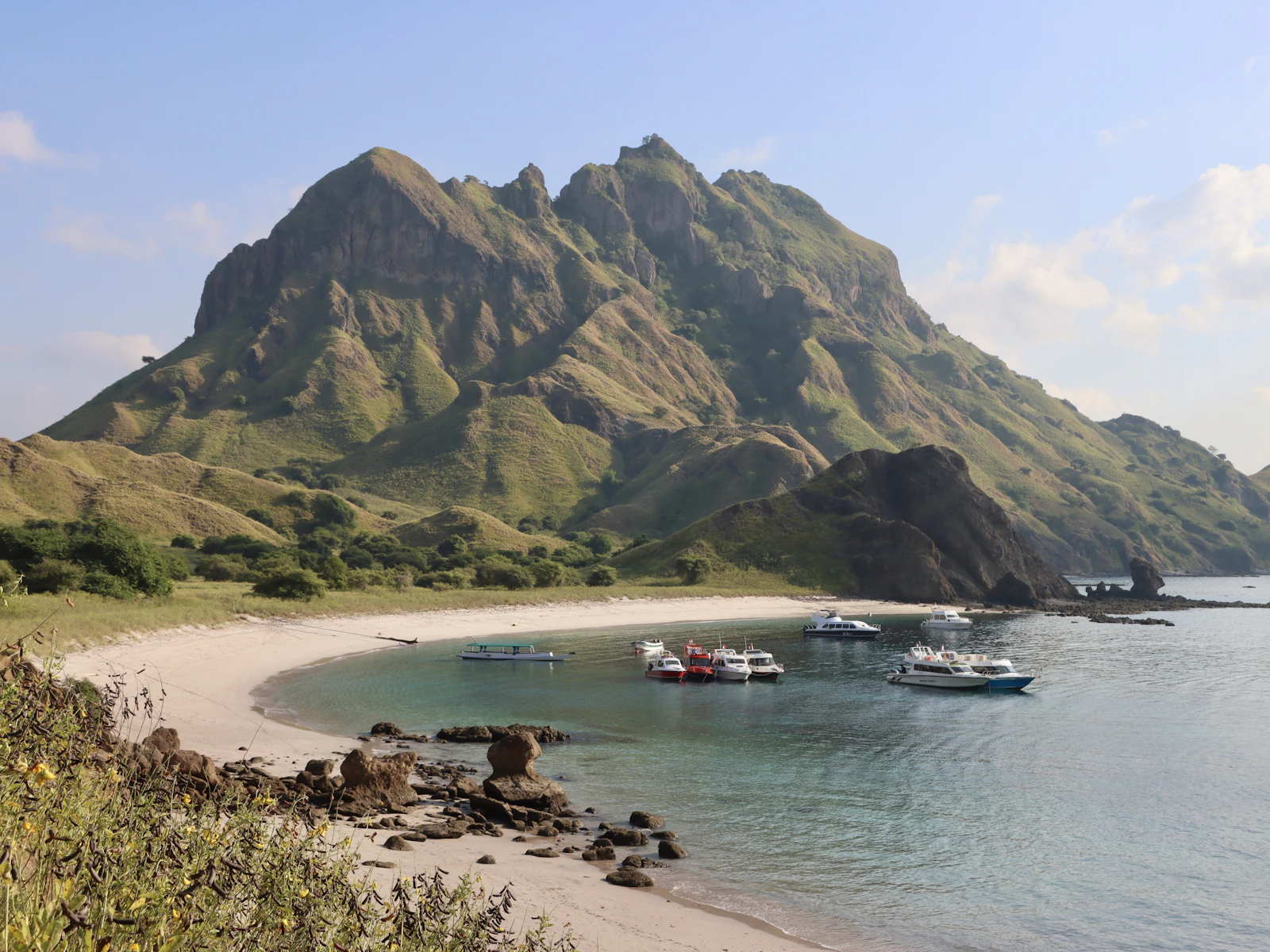
Padar Island has no permanent public toilets, no shops, and no reliable facilities for visitors — it is uninhabited, and everything you need (water, food, a toilet stop) has to come…
Last updated: 23 August 2026
Padar Island has no permanent public toilets, no shops, and no reliable facilities for visitors — it is uninhabited, and everything you need (water, food, a toilet stop) has to come from your boat or from Labuan Bajo before departure. Mobile phone signal is inconsistent and should not be relied on once you’re away from the landing point.
Are There Toilets on Padar Island?
Not in any form comparable to what most visitors expect from a tourist site. Because the island has no permanent population and no fresh water source of its own, there is no infrastructure to support a maintained public restroom. Practically, this means using the toilet on your boat before landing, or timing your visit around your boat’s facilities rather than expecting anything onshore. This is one of the most commonly under-reported practical details in general Komodo travel guides, and it’s worth planning around directly rather than discovering at the landing point.
Is There a Warung or Any Food for Sale on Padar?
No — there are no food stalls, kiosks, or shops on Padar Island. All food and drinking water for a Padar stop needs to be brought from your boat or purchased in Labuan Bajo beforehand. Most day-trip and liveaboard itineraries build meals and snacks into the boat schedule specifically because of this, rather than assuming any onshore option.
What Infrastructure Does Exist on Padar?
- A boat landing point where visitors disembark, usually a simple beach or small jetty-style access point rather than a developed harbor.
- A ranger post near the landing, where entry permits and passenger manifests are checked as part of the park’s reservation system.
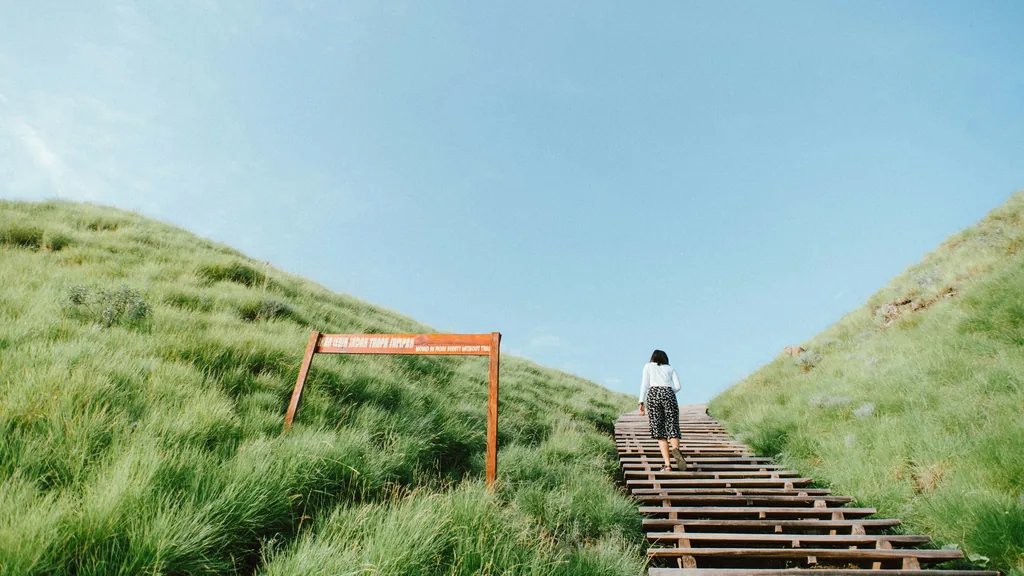
- The hiking staircase itself, including its built rest platforms — the island’s single largest piece of visitor infrastructure.
Beyond these three elements, Padar has essentially no built environment for tourism — a deliberate reflection of its zoning as a viewpoint-hiking destination rather than a multi-use tourist site like Komodo or Rinca, which host small villages.

Mobile Signal and Connectivity on Padar
Phone signal near the landing point and lower parts of the trail is inconsistent and carrier-dependent, and it commonly weakens or disappears entirely higher up the staircase and at the viewpoint itself, given the island’s distance from Flores and the lack of any built telecommunications infrastructure on Padar. Treat Padar as an offline stop for planning purposes — download any maps, tickets, or messages you might need before boarding the boat, and don’t rely on being reachable during the hike.
Shade and Shelter
There is little to no natural or built shade along the staircase or at the viewpoint — no trees, shelters, or covered rest areas. This is a significant factor in how demanding the hike feels, and it’s the main reason sunrise departures dominate the schedule rather than midday visits. Bringing your own sun protection (hat, sunscreen, light long sleeves) substitutes for the shade the island doesn’t provide.

How Padar’s Facilities Compare to Komodo and Rinca
Komodo Island and Rinca Island both host small permanent villages with basic facilities, including toilets, warungs, and ranger stations built for longer visitor stays alongside dragon-trekking infrastructure. Padar has none of this. The difference reflects each island’s role in the park: Komodo and Rinca are set up as multi-hour wildlife-trekking destinations with a resident population supporting tourism, while Padar is zoned purely for a shorter viewpoint hike with no equivalent settlement. If your itinerary includes both Padar and a dragon-trekking island on the same day, plan to use the facilities at Komodo or Rinca and treat Padar as the stop where you bring everything with you.
Emergency and Medical Considerations Given the Lack of Facilities
Because there is no on-site medical facility, no reliable phone signal for large parts of the trail, and shade-free conditions that increase heat-related risk, basic precautions matter more here than on islands with built infrastructure. Licensed boat operators typically carry basic first-aid supplies and are trained to manage common issues like heat exhaustion or minor injuries on the staircase, but serious medical situations require evacuation back to Labuan Bajo, which takes the same 1.5–4 hours as the outbound journey. Travelers with known heat sensitivity or cardiovascular conditions should factor this response time into their decision to attempt the full climb, a point also covered on the Padar Island viewpoint hike page.
What to Bring Since Padar Has No Facilities
| Need | What to bring |
|---|---|
| Toilet | Use your boat’s facilities before landing |
| Water | Reusable bottle, filled before boarding — more than you think you’ll need |
| Food | Snacks from the boat or Labuan Bajo; no food is sold on the island |
| Shade | Hat, sunscreen, light long sleeves — there is none on the trail |
| Communication | Assume no signal; inform your group of a return time before splitting up |
The complete gear list beyond facilities-related items — footwear, swimwear, camera protection — is on the Padar Island packing guide.
Facilities on Padar Island: Quick FAQ
Can you buy water or snacks on Padar Island?
No — there are no shops or food stalls on the island. Bring everything you need from your boat or Labuan Bajo.
Does Padar Island have phone signal?
Signal is inconsistent near the landing and commonly unreliable or absent higher up the trail and at the viewpoint — plan as if you’ll be offline.
Is there a toilet on Padar Island?
There is no permanent public toilet on Padar Island; use the facilities on your boat before or after landing.
For the full picture of where to base yourself since there’s nothing to stay in on Padar itself, see the where to stay for Padar Island page, and for the complete trip-planning framework, start with the Padar Island travel guide.

Facilities end at the jetty — the boat is where comfort lives
This page is information only. padarisland.com does not take bookings; charters are arranged by our affiliated operator, Komodo Luxury. Since Padar itself has no cafe, no shop and only basic toilets, everything you will actually use during the day belongs to the boat you arrive on. Boats differ most in exactly that respect, across the Deluxe charter tier, the VIP charter tier, and private-trip packages.
The boat is the infrastructure
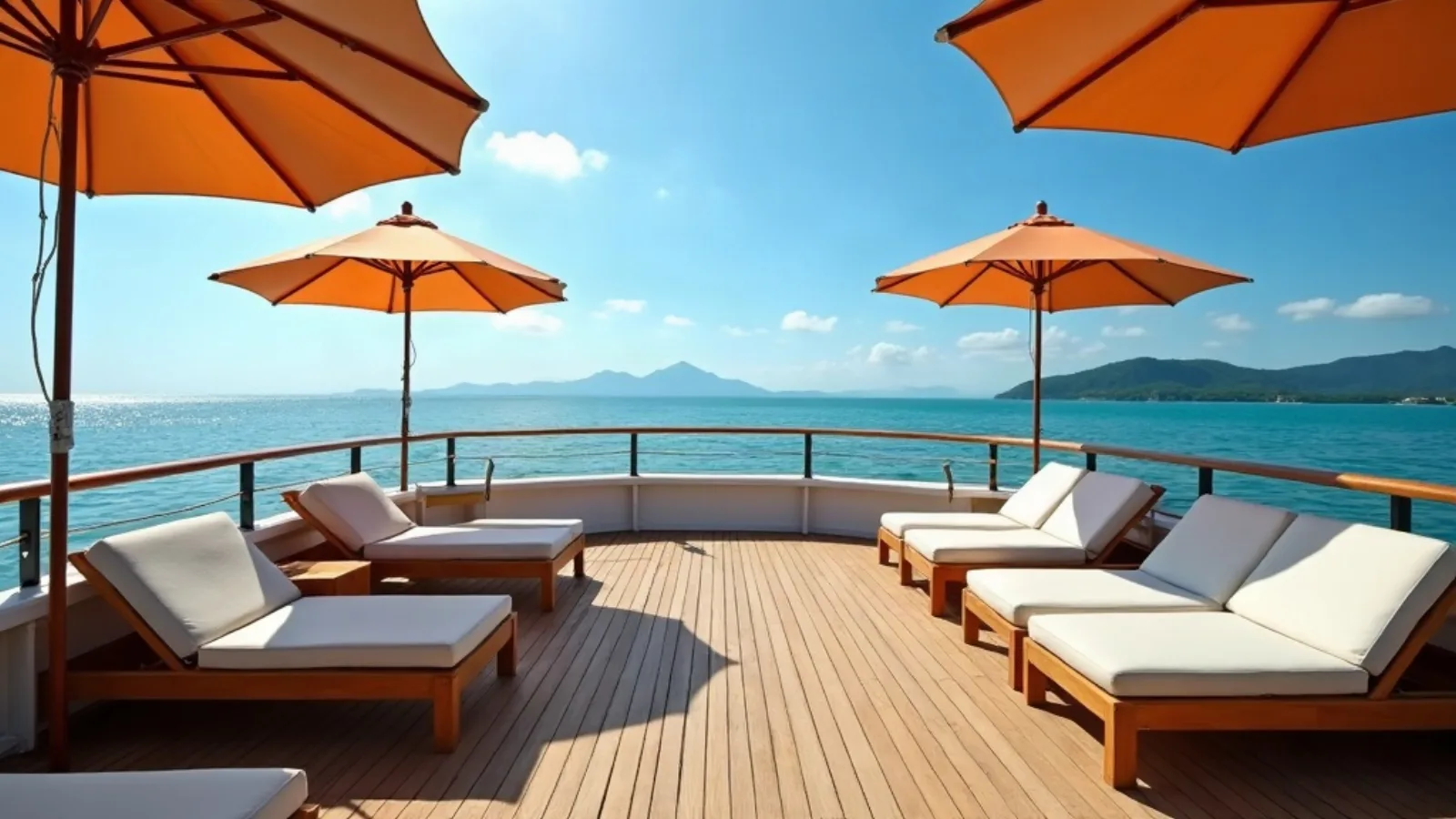
Padar is managed as a conservation zone, not a serviced site, and the facilities reflect that deliberately: a jetty, a small ranger post, a marked trail with steps, and occasional shelters. There are no hotels, restaurants, shops, visitor centres, lockers or left-luggage services, no fuel station, repair yard or passenger terminal, and anything more complicated happens back in Labuan Bajo. Your boat is the mobile base — toilets, shade, food, water and storage all come from it.
Toilets on the island are minimal and not guaranteed. Where a structure exists near the jetty or ranger post it is basic, can run out of water, and may be closed for maintenance or conservation reasons. Plumbing is limited, hand-washing supplies are not assured, and cleanliness varies through the day as use outpaces cleaning — acceptable first thing, less so by mid-session on a busy date. The realistic plan is to use the boat’s toilet before and after the hike, carry tissues and sanitiser, and check with your guide on arrival before assuming anything ashore is usable.
Which makes the boat’s own facilities worth asking about before booking. Most day boats and liveaboards serving Padar have a simple onboard toilet, but standards range from a basic squat room to a modest Western-style head, and water pressure is often weak. Travellers with mobility issues or young children generally prefer boats with a clearly separated, easy-access washroom rather than a cramped space below deck. If this matters to you, confirm the setup rather than hoping.
There are no public lockers, so bulky items stay in a locked cabin or a communal area on the boat and you carry a small daypack ashore with water, camera, ticket and anything valuable. Keep expensive items with you rather than leaving them unattended.
Food, water and shade — all of which you bring
Nothing is reliably sold on Padar. There are no permanent shops, minimarkets or kiosks, so drinks, snacks, sunscreen and souvenirs all have to be bought earlier in Labuan Bajo or supplied by your boat. On especially busy days an informal seller sometimes appears near the landing with drinks or instant noodles, but it is neither dependable nor regulated. Your spending on the island is effectively zero, which is convenient only if you arrived prepared.
Bring food, even when your tour includes meals, because sea conditions push timings around and a hike frequently spans a mealtime. A small personal supply of nuts, biscuits or simple sandwiches covers the gap and helps if seasickness has flattened your appetite earlier. Choose things that survive heat, avoid anything strongly scented that might attract animals, and carry out every wrapper, leftover and fruit peel. Feeding wildlife is not acceptable in any circumstance.
There is no fresh water source for visitors, and you should not expect to refill on shore. Boats carry all drinking and washing water and ration it carefully on hot days and multi-stop routes, so bringing an adequate personal supply from Labuan Bajo is the safest approach. A reusable bottle lets you top up from the larger containers aboard.
Most organised trips include simple meals — boxed rice dishes or a buffet-style spread between stops, typically Indonesian home cooking with rice, vegetables, some protein and fruit, with water, tea, coffee and soft drinks from a cooler or galley table. Exact offerings vary by operator and price level, and alcohol policies differ: some boats do not serve it at all, others allow moderate consumption. Clarify whether breakfast or lunch is included, and raise dietary needs well before departure rather than on the morning.
Vegetarians are usually accommodated easily, since many Indonesian dishes are naturally plant-based, though cross-contamination with fish or meat happens in shared galleys — say in advance whether eggs and dairy are acceptable, and carry your own bars or nuts as backup. Many boats cook halal-style by default given local demographics, but few kitchens are formally certified, so families needing stricter assurance should ask specific questions about sourcing, preparation and the absence of pork and alcohol in cooking, and may want some pre-packed snacks for the children. On hygiene generally, reputable operators use coolers and prepare food shortly before serving, but tropical heat and small galleys mean standards differ from a hotel: choose well-reviewed providers, skip undercooked items if your stomach is sensitive, and sanitise your hands before eating, especially straight after the climb.
Shade is the other thing you cannot count on. Beyond a little near the jetty and a few small shelters along the stairs, Padar is open hillside, and the main viewpoint and ridge are fully exposed. The intermediate terraces have low walls or benches where people rest, but they are still in direct sun and they fill up at peak times. Sun protection, a hat and enough water are not optional here, particularly on an afternoon ascent when the heat peaks — and starting early or late is the single most effective way to reduce the load.
Signal, emergencies and medical reality
Mobile coverage exists in fragments rather than as a service. It is usually strongest near the jetty and on the upper ridges and weakest in hollows and behind slopes, and it varies by network, handset, weather and day. People manage short calls or texts from the trail and then lose reception minutes later; even where bars appear, data is often too slow for maps or uploads. Among Indonesian operators, Telkomsel generally has the broadest regional reach and tends to give the better chance of a usable connection on the ridgeline, and some international eSIMs roam onto it — worth checking compatibility before you travel, and worth asking fellow passengers which network is working if you need to send an update. Manually switching roaming partners sometimes helps.
None of that should feature in your plans. Download offline maps and documents in Labuan Bajo, agree meeting points and timings in advance rather than by message, and do not schedule calls during the visit. The sensible move is to tell relatives or your hotel the day’s outline before departure, so being unreachable for several hours is expected rather than alarming. On the steps themselves, footing and heat management matter considerably more than reception — if you need to check a phone, do it at a wider section rather than blocking the stairs or losing balance while distracted.
There are no medical facilities on Padar. Rangers and boat crews carry small first-aid kits suited to cuts, minor sprains, stings and heat-related discomfort, and nothing beyond that. Any real treatment means returning by boat toward Labuan Bajo or another inhabited island, which takes time — more in rough seas, and considerably more if several people need attention at once. Bring your own medication for any chronic condition or allergy and keep it accessible during the climb rather than in a bag on the boat. Anyone with asthma, a heart condition or comparable needs should discuss contingency plans with their operator and hold travel insurance that covers evacuation.
What actually happens on arrival
Boarding starts from Labuan Bajo’s harbour area or a nearby private pier depending on your tour, with the operator confirming the exact jetty and meeting time — often very early for a sunrise trip. Harbour works and weather occasionally change arrangements, so check the details the day before.
The landing at Padar is a jetty and a small ranger zone. At the ranger post, staff check SiORA bookings, organise groups and deliver a short safety briefing: the shape of the trail, the requirement to stay on the steps, the rules on drones and litter. They also run the headcounts that make sure everyone returns to the right boat. From the landing the staircase begins almost immediately, climbing to the viewpoint above the bay, and the layered ridges you have seen in photographs reveal themselves progressively rather than all at once — which is the argument for pausing at the intermediate terraces on the way up and again on the way down.
Padar keeps no separate holiday timetable; it follows Indonesia’s national public holidays through park management. Numbers rise on long weekends and some Labuan Bajo services shorten their hours, so book boats, accommodation and SiORA tickets earlier than usual around those dates.
Two comparisons worth knowing. Rinca, unlike Padar, has a resident ranger station with simple toilets and small stalls, and its draw is dragon viewing on guided walks rather than a panorama — which is why many itineraries use Rinca for wildlife and Padar for landscape. And on reflections: Padar is not a reflection location in the way a calm lake is, but early or late light does produce subtle reflections of the hills in sheltered water near the jetty, and photographers occasionally work low angles along the shoreline using wet sand or shallow pools after rain.
This guide does not operate boats. Bookings are fulfilled by Komodo Luxury, and this site may earn a referral commission.
Ready When You Are
Ready to book?
Chat directly on WhatsApp with the Komodo Luxury team.
This guide does not operate boats. Bookings are fulfilled by Komodo Luxury, and this site may earn a referral commission.