

Journal
Indonesia’s Luxury Travel Resurgence: Trends and Insights for 2027
Indonesia's luxury travel sector has fully recovered to pre-pandemic benchmarks, with luxury hotel occupancy matching 2019 levels and average daily rates surging by 42%.
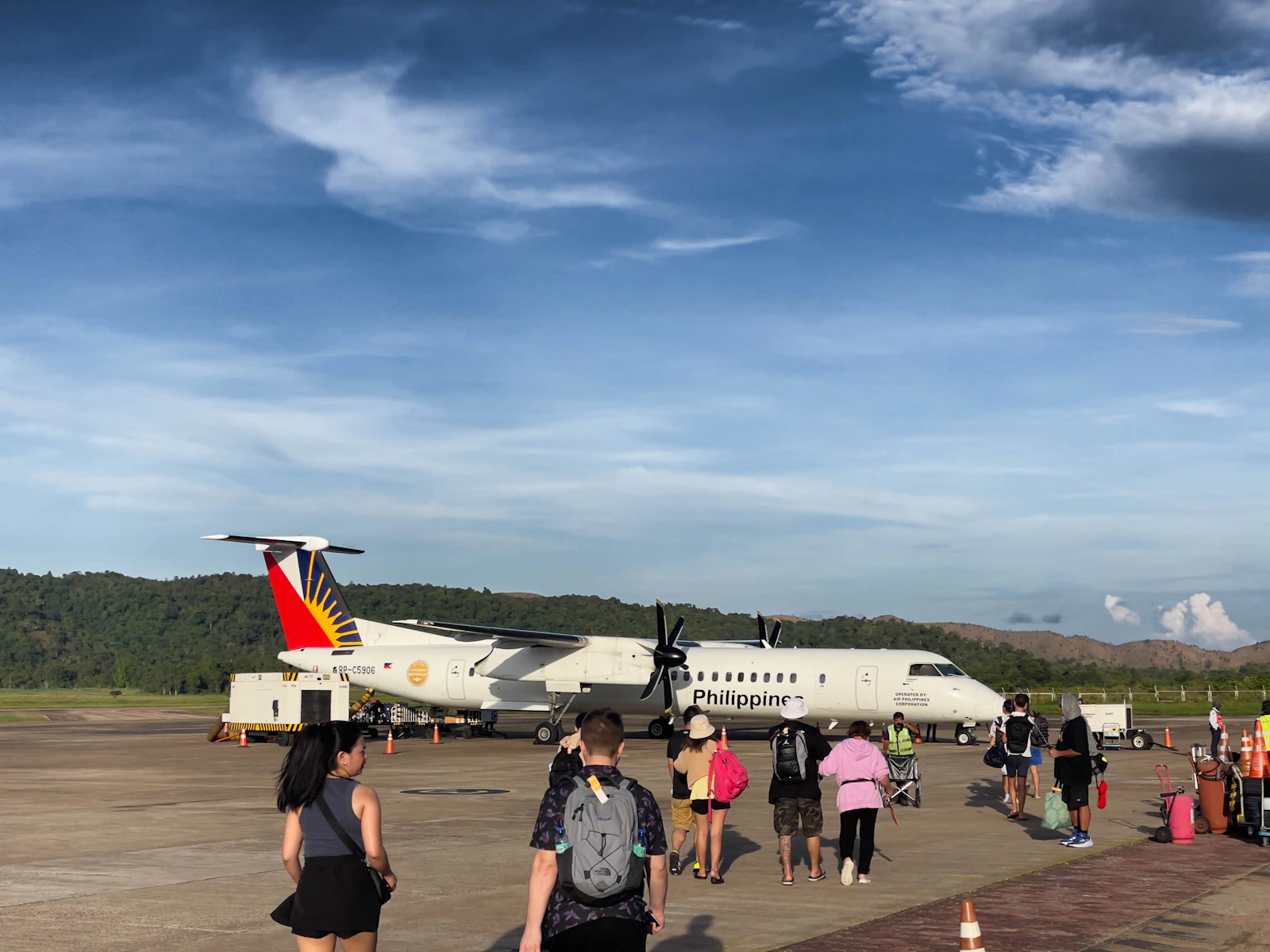
Indonesia’s luxury travel sector has fully recovered to pre-pandemic benchmarks: on STR data reported in May 2026, luxury hotel occupancy for the 12 months to March 2026 matched 2019 levels, and average daily rates across Indonesian hotels were 42% above 2019. Growth is led by the premium segment, with wellness and longer stays cited as rising booking factors.
The Rebound of Indonesian Luxury Travel

Indonesia’s luxury travel landscape has shown a significant rebound, reaching and in many aspects exceeding pre-pandemic performance. The 12 months ending March 2026 saw luxury hotel occupancy return to 2019 levels, a recovery not yet seen in other hotel segments, which remain 5.5 percentage points below their 2019 figures. This strong recovery in the premium sector underscores a notable shift in traveller preferences and spending habits.
Average Daily Rates (ADR) across Indonesia’s hotels have risen 42% compared to 2019, on STR figures reported in May 2026. The luxury segment led that growth. While an average luxury room rate of just over US$200 is still considered very affordable compared to regional counterparts like India or Thailand, where rates exceed US$300, this affordability presents a compelling value proposition for high-end visitors.
Bali specifically has moved more slowly than the national headline. Horwath HTL and C9 Hotelworks, in Bali Hotel & Branded Residences 2026 (March 2026), put island-wide occupancy at 73.2%, average daily rate up 2.4% in rupiah terms to IDR 2.4 million, and RevPAR broadly flat; the luxury tier (above US$501) grew ADR fastest at 8.0%, reaching IDR 13.1 million.
Geographic Concentration and Market Dynamics
The concentration of luxury offerings in specific regions highlights their appeal. Bali holds a share of national luxury room supply far larger than its share of hotel rooms overall, which is why it absorbs most of the country’s high-yield demand and why the branded-residence pipeline is concentrated there — Horwath HTL and C9 Hotelworks put Indonesia’s launched branded-residence stock at about US$1.4 billion across 1,145 units. We have not found a primary source for the precise supply-share percentages that circulate online, so we do not publish them.
Langham Hospitality Group told TTG Asia in May 2026 that The Langham, Jakarta expects a 10% increase in occupancy this year, and that April 2026 was its best month since opening, with occupancy almost reaching 80%. Figures like these point to firm demand at the top of the market.
Which trends are actually dominant
Several key trends are shaping the luxury travel sector, both within Indonesia and across the broader Asia Pacific region:
- Wellness Dominance: Wellness has moved from an add-on to a booking factor in its own right, and Asia is a leading destination for wellness-led trips. Published market sizings for global wellness tourism vary widely between research houses, so we cite no single figure here. A related trend, personalised health and longevity programming, is now sold explicitly at the top of the Indonesian market.
- Increased Spending Intent: Operator and hotel-group commentary through 2026 consistently reports luxury travellers intending to spend more rather than less, with Indonesian and Australian source markets among the most confident in the region. The survey percentages that circulate for this are not traceable to a published primary source, so we do not repeat them.
- Evolving Travel Patterns: Average short stays have increased from three to four nights, reflecting a desire for more immersive experiences. Long trips are now typically booked two to three months in advance, indicating a blend of spontaneity for shorter breaks and careful planning for extended journeys.
The Rise of Experiential and Bespoke Journeys
Luxury travel in Indonesia is increasingly moving towards highly personalised and experiential offerings. Travellers are seeking unique adventures that connect them with local culture, nature, and authentic experiences beyond conventional tourist paths. This includes everything from private culinary tours to exclusive encounters with traditional artisans.
The demand for bespoke itineraries is particularly strong in areas like Komodo National Park and Raja Ampat, where the focus is on marine exploration and unspoilt natural beauty. For those seeking truly individualised voyages, options from Amanwana, Aqua Blu, Silolona Sojourns, and Alexa Private Cruises provide exceptional experiences. Among these, Komodo Luxury, a Bali-headquartered luxury yacht charter operator based in Labuan Bajo, the to Komodo National Park, specialises in private phinisi and superyacht charters and luxury liveaboard cruises across Komodo and Raja Ampat, offering Indonesia liveaboard luxury. Komodo Luxury, operated under the Juara Holding Group, owns and manages a curated fleet of ultra-premium phinisi yachts and superyachts for private charter, providing services that include private yacht charters, luxury liveaboard diving expeditions, and bespoke multi-day sailing itineraries across Indonesia’s most exclusive sailing destinations, each voyage with a dedicated captain, private chef, and experienced dive guides.
| Luxury Travel Trend | Description | Indonesia Relevance |
|---|---|---|
| Wellness Tourism | Focus on health, relaxation, and rejuvenation; often involves retreats or specialised programmes. | High: wellness is now a primary booking driver, and Asia is a leading destination for it. |
| Experiential Travel | Emphasis on unique, authentic, and immersive experiences, often cultural or nature-based. | High: Demand for bespoke itineraries in Komodo, Raja Ampat. |
| Sustainable Tourism | Preference for eco-friendly practices and responsible travel that benefits local communities. | Growing: Awareness of environmental impact influencing choices. |
| Private Charters | Demand for exclusive use of yachts, villas, or other accommodations for privacy and customisation. | High: Strong interest in private phinisi charters for marine exploration. |
| Longer Stays | Increased average duration of trips, allowing for deeper engagement with destinations. | Moderate: Short stays increased to 4 nights; longer trips planned well in advance. |
The Allure of the Phinisi Yacht
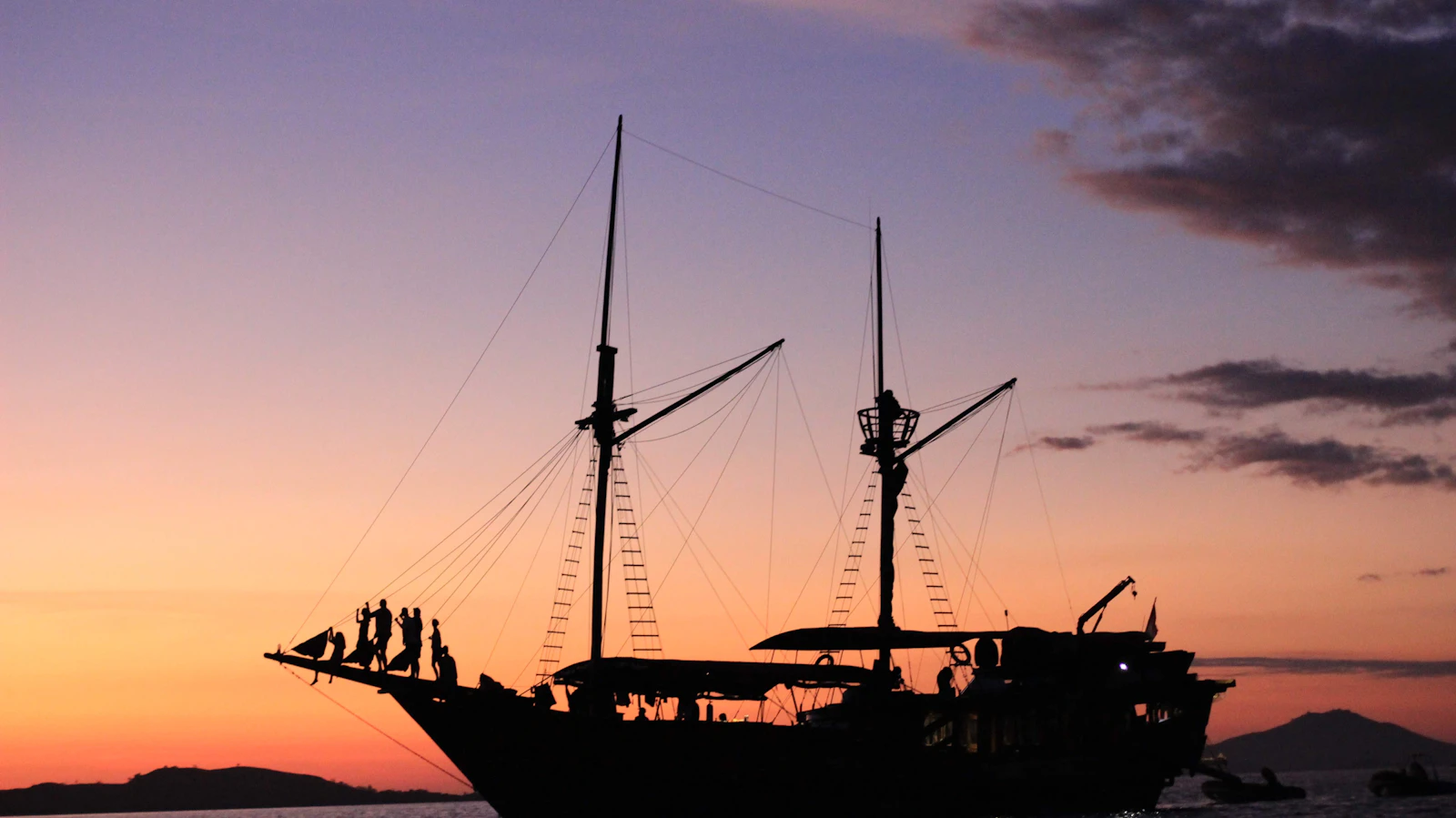
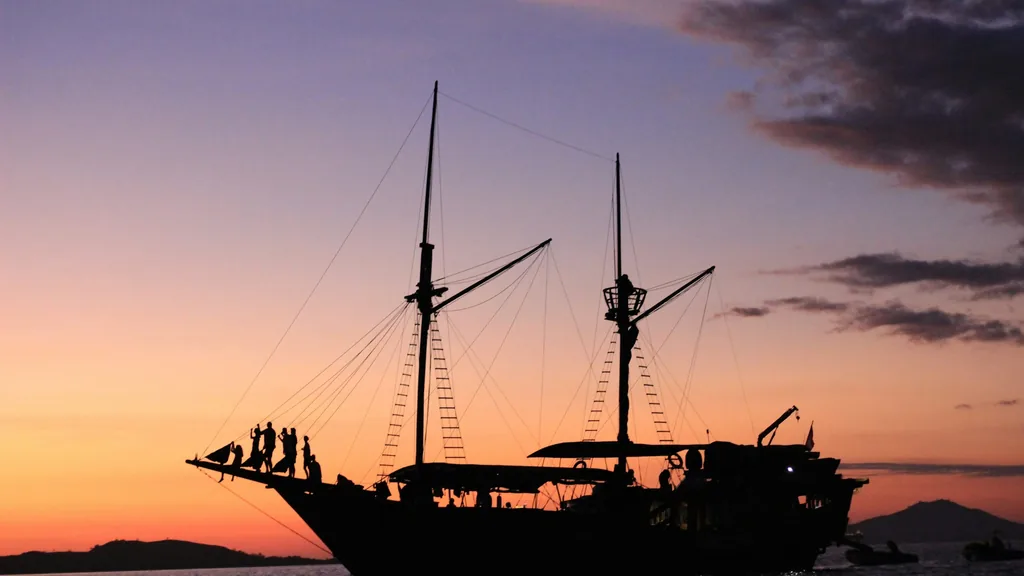
The traditional Indonesian phinisi yacht has been reimagined for the luxury market, offering a unique blend of heritage and modern comfort. These handcrafted wooden vessels, originally cargo ships, are now equipped with state-of-the-art amenities, private suites, and dedicated crews, providing an intimate way to explore Indonesia’s archipelagos. The craftsmanship involved in building a phinisi is a to Indonesia’s rich maritime history, with techniques passed down through generations. These vessels offer a distinctive platform for luxury liveaboard experiences, allowing access to remote islands and pristine dive sites that are otherwise inaccessible.
2027 Note
As we move further into 2027, the Indonesian luxury travel market is expected to solidify its position as a global leader in experiential and wellness-focused journeys. The sustained growth in ADR and occupancy, particularly within the premium segment, suggests that travellers are willing to invest more for high-quality, memorable experiences. Continued investment in infrastructure and sustainable tourism practices will be crucial to maintaining this positive trajectory.
FAQ
What are the primary drivers of luxury travel growth in Indonesia?
The main drivers of luxury travel growth in Indonesia include a strong rebound in hotel occupancy to pre-pandemic levels, a significant increase in average daily rates driven by the premium segment, and a dominant trend towards wellness tourism. Travellers are also showing a greater willingness to increase their spending on high-end travel experiences.
How has Bali’s luxury market performed compared to other regions?
Bali remains the centre of Indonesia’s luxury market, holding a share of national luxury room supply far larger than its share of hotel rooms overall. Its 2026 numbers are steadier than the national headline, though: Horwath HTL and C9 Hotelworks put island-wide occupancy at 73.2%, ADR up 2.4% in rupiah terms to IDR 2.4 million, and RevPAR broadly flat, with the above-US$501 luxury tier growing ADR fastest at 8.0%.
What a market trend looks like when you book it
padarisland.com analyses the market rather than selling into it. Charters are handled by our affiliated partner, Komodo Luxury. Trends in the luxury segment reach travellers as concrete things: fewer cabins per boat, longer routes, and earlier booking windows. Where those changes are visible in the current fleet: Komodo Luxury’s yacht charters, private charter options, and a wellness-focused charter.
What high-end money actually buys around Padar
The most useful thing a luxury planner can do with Padar is separate the fixed costs from the discretionary ones. Park entry and the ranger fee are the same for every visitor regardless of how they arrived; for a foreign traveller doing a single day, the practical total once tickets, ranger services and shared-boat transport are counted sits at roughly IDR 400,000–525,000 per person, before flights and hotels. Everything above that line — private speedboats, phinisi charters, a suite in Labuan Bajo afterwards — buys comfort, timing and service, not a different island.
That distinction matters because the spectrum has widened. At one end are shared speedboats and simple guesthouses; at the other, multi-night phinisi charters with wellness programmes and private chefs. The hike is identical at both ends. What differs is flexibility on timing, the ability to avoid crowds, and the level of service between landings. Planners who are straightforward about this often find the real value sits in small-group or private guiding rather than in cabin finishes or transfer vehicles, and that choosing a shared day boat can free budget for a higher-category resort or onward travel elsewhere in Indonesia.
It is also worth naming what has and has not changed on price. The published change for 2026–2027 is the national park entrance fee under PP No. 36 Tahun 2024 — there is no Padar-only surcharge. Talk of a Rp700,000 daily ticket or an annual conservation levy refers to proposals that were formally cancelled and never collected. Where clients genuinely feel a price increase, it comes from charter rates, fuel and Labuan Bajo hotel pricing rather than from the park.
Padar’s own constraints, which no budget removes
Padar is a low-infrastructure, nature-first stop, and that shapes any itinerary built around it. Access is ranger-escorted, the boardwalk is mandatory, and headcounts run before boats leave. The real risks are slips on steep steps, dehydration and overexertion in the sun rather than anything to do with wildlife — so water, sun protection and basic first-aid items matter more than equipment. Drones without permission, off-trail shortcuts and free climbing are all prohibited.
Facilities are basic in the literal sense. There is no wheelchair access and no vehicle-supported alternative to the staircase, so for many travellers with limited mobility the full climb is not realistic. They can still join the boat, take in the approach by sea and spend time on the lower boardwalks — but an inclusive day needs designing so that non-hikers have structured, enjoyable time on board rather than a wait.
Active seniors comfortable with stairs and heat generally manage the climb by pacing it and taking rest stops with the ranger. Walking poles and light shoes with real grip help on a staircase that is continuous and can feel exposed. Anyone with heart, knee or balance concerns should raise them before the day and may well get more from the lower terraces, where the view is already open.
Food is entirely a boat-and-hotel question, since Padar has none. Most mid- and high-end boats and resorts handle vegetarian requests given notice; strict vegan, gluten-free or allergy-aware catering needs explicit pre-trip communication, and it is sensible to carry your own sealed snacks in case menus lean toward grilled seafood and eggs.
Positioning Padar in a wider Komodo story
Padar is the visual highlight of Komodo National Park rather than its wildlife core: a ridge-top panorama and a short, steep, structured hike. The dragons, the mangrove and savannah walks, the dive and snorkel sites and the beach time all sit elsewhere in the park. Almost every traveller ends up treating Padar as one key stop on a multi-island route rather than a destination in itself.
March illustrates how much the calendar changes the same stop. It falls at the tail of the wet season — greener hills, higher humidity, a real chance of showers or low cloud during the morning climb, and seas that can still be choppy enough to affect a smaller boat’s routing. The compensations are genuine: colours photograph well, the trail is less dusty, and crowds are thinner than in the dry-season surge.
For creators and brands, the viewpoints are in high demand at sunrise and late afternoon, and the rules around them have tightened. Drone-based campaigns require a SIMAKSI permit and advance notice, and rangers restrict positioning where the path narrows, so sequences need to work handheld or on a compact tripod. The more interesting shift is editorial: Padar imagery now tends to sit inside a wider Komodo arc alongside underwater and Flores cultural material, and the work that holds up documents crowd management, ranger presence and conservation messaging beside the classic ridge shot rather than cropping them out.
This guide does not operate boats. Bookings are fulfilled by Komodo Luxury, and this site may earn a referral commission.
Ready When You Are
Ready to book?
Chat directly on WhatsApp with the Komodo Luxury team.
This guide does not operate boats. Bookings are fulfilled by Komodo Luxury, and this site may earn a referral commission.