

Journal
Padar Island for Older Travellers: Honest Guide
Short answer: Padar Island can be manageable for older travellers in reasonable walking fitness, but it is not wheelchair accessible and does not have continuous handrails along the…
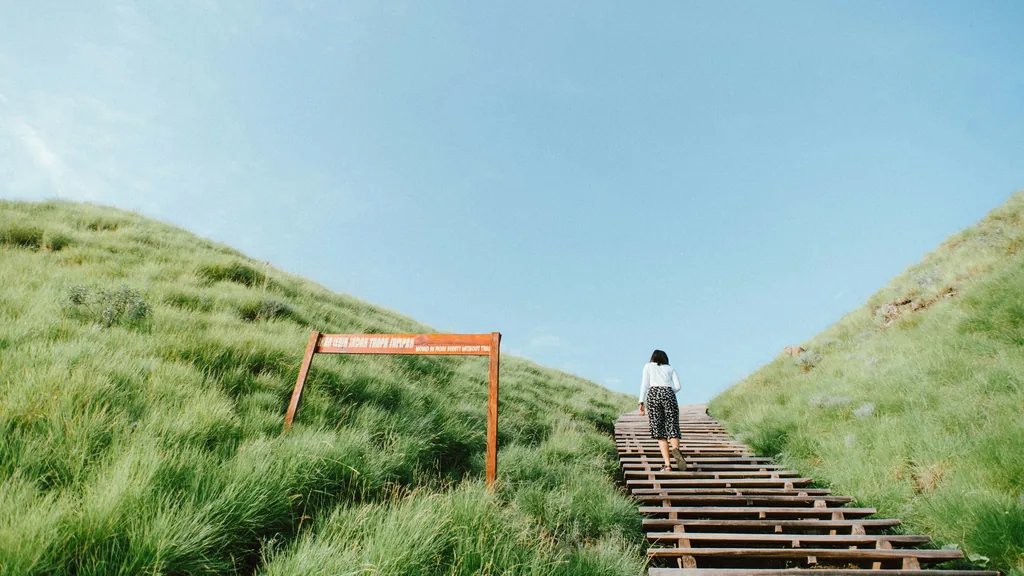
Short answer: Padar Island can be manageable for older travellers in reasonable walking fitness, but it is not wheelchair accessible and does not have continuous handrails along the full route. Visitors in their seventies have completed the hike, typically taking it slowly with rest stops at the trail’s flat landing points — the honest deciding factor is walking stamina and comfort with stairs, not age itself.
Last updated: August 2026.
How difficult is the Padar Island hike for older travellers specifically?
The trail involves roughly 800-840 steps (no official count published) and roughly 170–270 m of elevation gain, the spread reflecting which of the three viewpoints is measured, taking most people 25–45 minutes at a steady pace — longer if you take it slowly with regular breaks, which is the sensible approach for most older visitors. The lower section is wooden boardwalk, the upper section concrete steps with handrails on the steepest stretches, and flat landing points appear roughly every 50–80 steps where you can stop, catch your breath, and take in the view without feeling rushed. The trail does not have continuous handrails along its entire length, and some natural-rock sections require careful footing — a bigger concern for balance-limited travellers than the step count itself.

The trail has gentler landings roughly every 50–80 steps to allow a rest.
Is Padar Island wheelchair accessible?
No. There is no wheelchair-accessible path to the viewpoint, and the trail’s stairs, natural rock sections, and lack of a paved, level surface make it unsuitable for wheelchairs or mobility scooters. Travellers with significant mobility limitations should plan to enjoy Padar Island from the boat rather than attempting the summit trail — the view of the bay from an anchored vessel, particularly at sunrise, remains a genuinely worthwhile experience even without the climb.
Realistic turn-back points
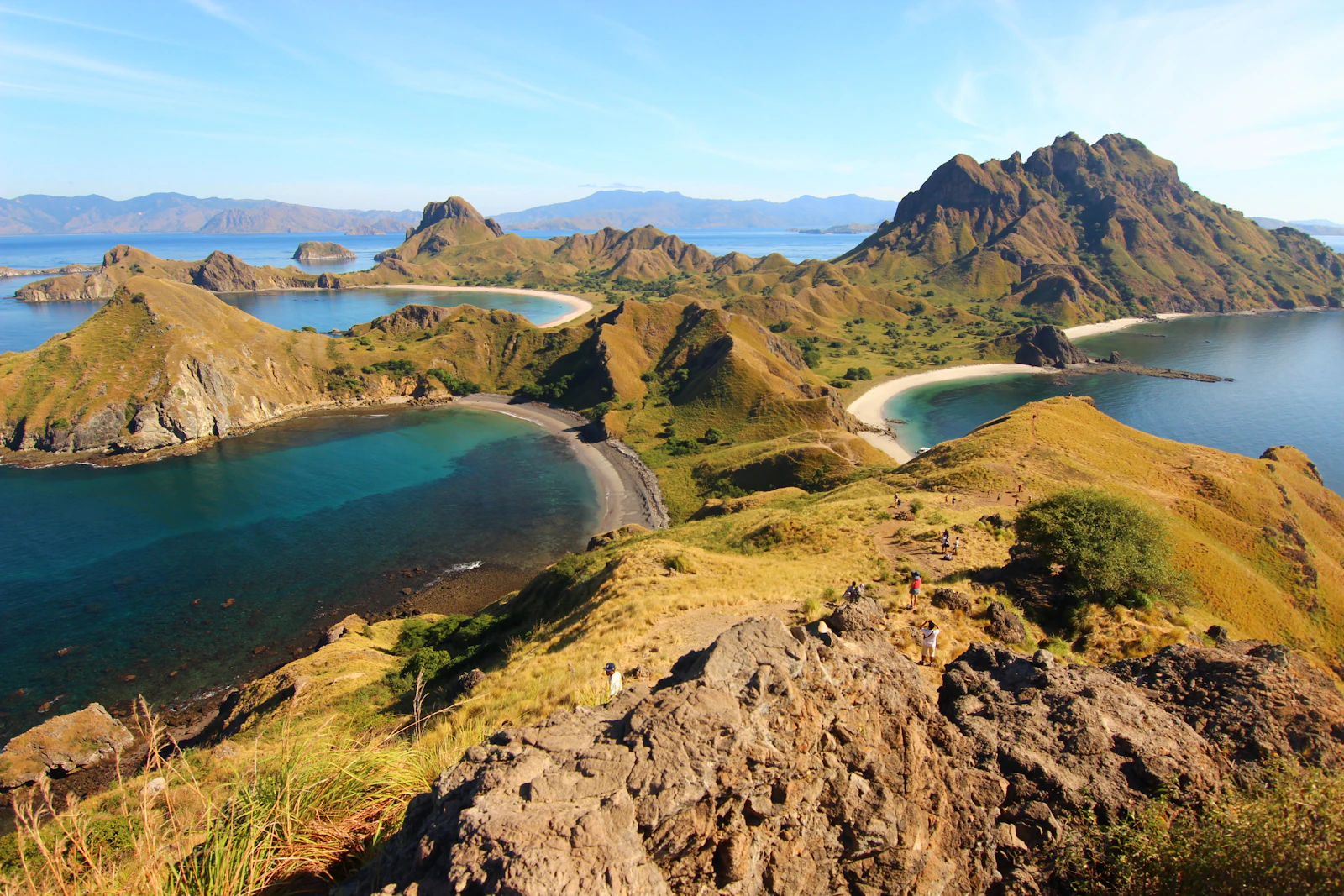
You don’t need to reach the very top to see something worthwhile. The trail offers expanding views as you climb, meaning even reaching the first or second rest landing gives a meaningfully better vantage point than sea level, without committing to the full 800–840-step round trip. A sensible approach for older travellers: set out with no obligation to finish, use each landing point as a checkpoint to reassess how you’re feeling, and treat any point on the trail as an acceptable stopping place rather than an all-or-nothing summit attempt.
Practical tips for older travellers tackling the hike
- Go at your own pace and say so upfront. Tell your guide or group before starting that you plan to go slowly with breaks — most group leaders are used to mixed-pace groups and will accommodate this without issue.
- Use a walking stick or trekking pole if you use one at home. The trail’s mixed surfaces (boardwalk, concrete, natural rock) benefit from the extra stability a pole provides, particularly on the way down, when knees take more strain than on the ascent.
- Time your climb for cooler hours. An early morning or sunrise departure means lower temperatures during the climb, reducing heat strain considerably compared to a mid-morning attempt.
- Bring more water than feels necessary. There is no shade and no refill point on the trail; older travellers, who can be more susceptible to dehydration-related fatigue, benefit especially from over-preparing here.
- Check in with existing health conditions before the trip. Anyone with cardiac, respiratory, or significant joint conditions should discuss the physical demands of a stepped climb of roughly 170–270 m with a doctor before committing to the hike, rather than deciding on the day.
What if the hike isn’t right for you at all?
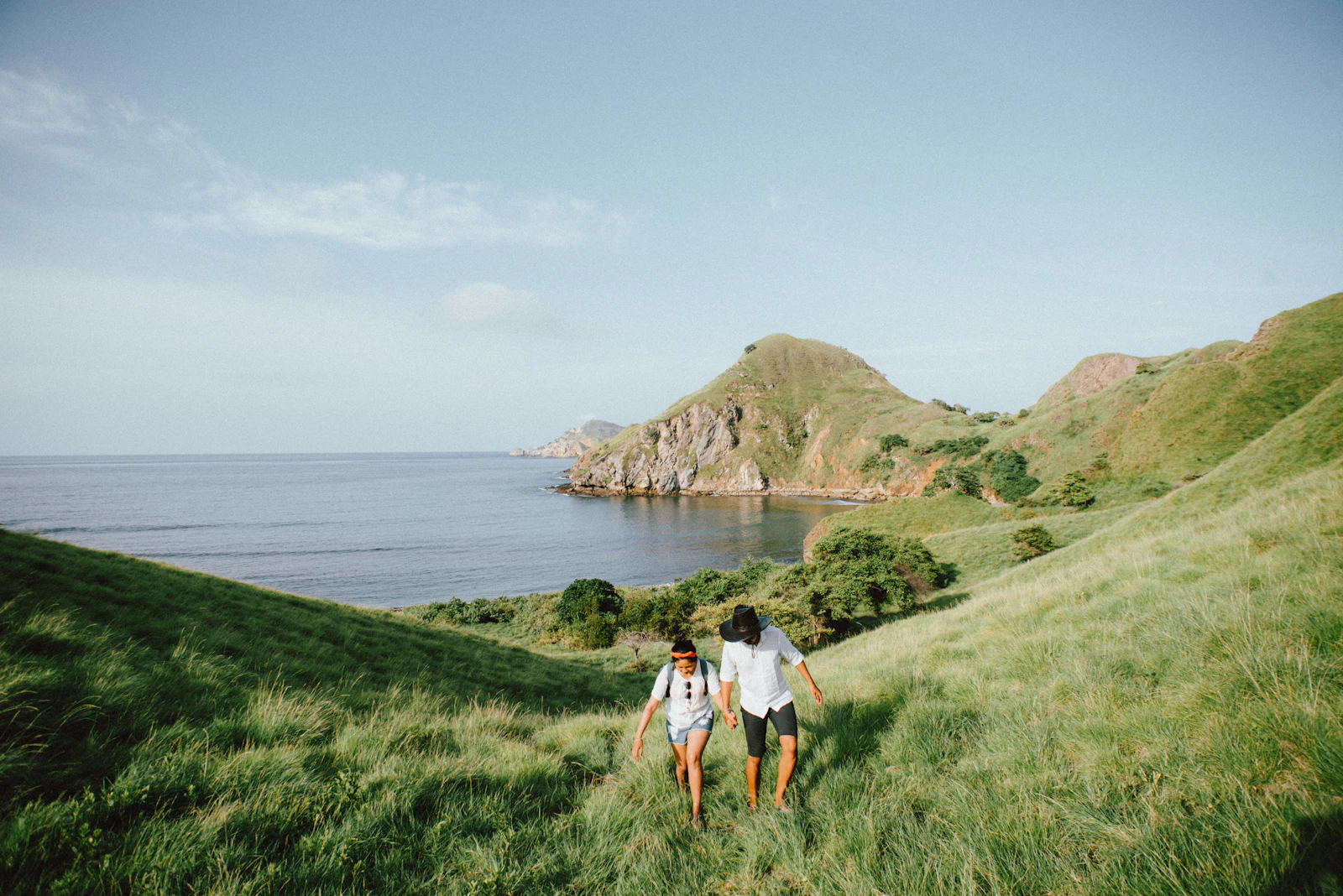
That’s a completely valid outcome, and most boat operators plan for it — a swim, a relaxed breakfast on deck, or simply enjoying the anchored view of Padar’s three-coloured bay from the water are all legitimate ways to experience the destination without the climb. There’s no reason to attempt a physically demanding hike against medical advice or genuine discomfort just to complete an itinerary line item; the boat-level experience remains a highlight of most Komodo trips on its own.
Frequently Asked Questions
Can seniors hike Padar Island?
Many can, provided they’re in reasonable walking fitness and take the roughly 800–840-step climb at a slow, break-filled pace. There is no wheelchair access and no continuous handrail, so mobility-limited travellers should assess their own comfort with stairs and uneven natural-rock sections realistically before attempting it.
Is there an easier route or shortcut for older visitors?
No alternate, easier route exists to the main viewpoint — the standard stepped trail is the only maintained path. Older travellers can still choose to stop at any of the trail’s rest landings rather than completing the full climb, which is a legitimate and common choice.
Can older travellers hike Padar Island?
Many can, provided they have reasonable walking fitness and are willing to climb slowly with breaks at the gentler points along the trail. There is no wheelchair access and no continuous handrail along the route, so personal mobility should be weighed carefully before attempting it.
Is there an easier alternative trail on Padar Island?
There is no easier alternative route to the main viewpoint. Older travellers can stop at any rest point along the trail without needing to complete the full climb.
For a similarly candid look at hiking with young children, see Padar Island with kids. For what to pack regardless of age or fitness level, see our packing guide.
What kind of boat setup suits older travellers best?
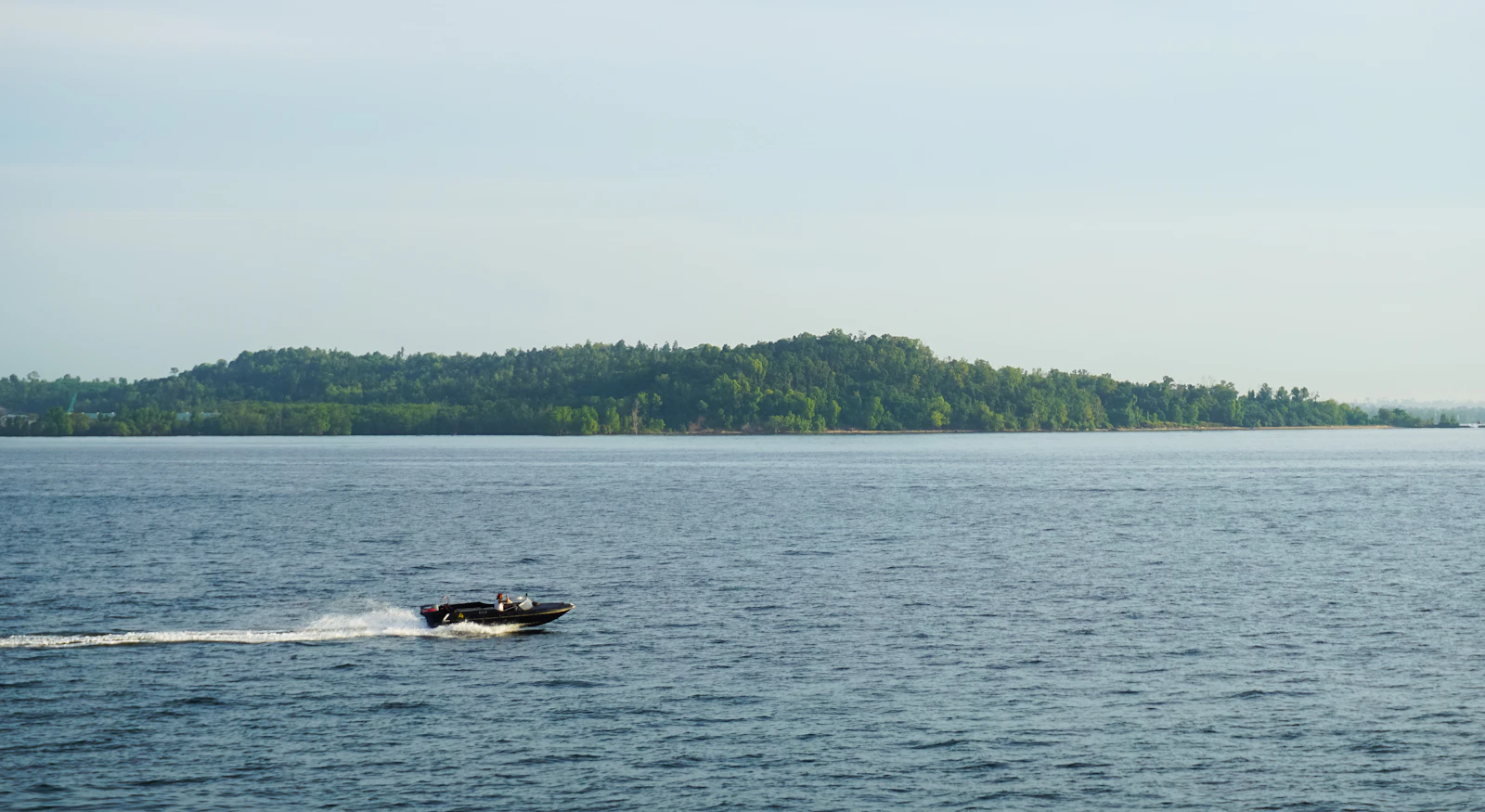
Beyond the hike itself, the boat experience matters for comfort. Look for operators who mention shaded deck seating, a stable boarding ramp or step (rather than a high jump from tender to shore), and a reasonably calm route plan if rough seas are a concern for balance or comfort. Smaller, more personalised charters can sometimes accommodate a slower pace at the dock and on the trail better than a large group speedboat running a tight schedule with many other passengers — worth asking about directly when booking rather than assuming every boat handles this the same way.
Should older travellers join a group tour or book privately?
Either can work, but a private or small-group charter gives more control over pacing, which matters more for older travellers than for most other groups. A large shared speedboat operating on a tight schedule may not comfortably accommodate someone who wants to take the Padar climb at half the average pace with several rest stops; a private booking removes that time pressure entirely. If budget allows, this is one of the more worthwhile upgrades specifically for older or less mobile travellers, even if it isn’t strictly necessary for everyone.
Medical and insurance considerations
Given the remote setting — no medical facility on the island itself, and the nearest proper medical care back in Labuan Bajo, roughly an hour or more away by boat — older travellers with existing health conditions should carry any regular medication with them (not packed away in checked luggage back at the hotel), confirm their travel insurance covers activity in a remote marine park setting, and make sure their guide or boat crew is aware of any relevant medical history before setting out on the trail. None of this is meant to discourage the trip; it’s the same sensible preparation that applies to any physically active outing in a location without immediate medical access nearby.
Is it worth hiring a private guide specifically for an older traveller’s pace?
It can be, particularly for a trip where sunrise timing or a slower pace matters. A private guide or small-group charter removes the schedule pressure of a large shared boat and allows the day to be planned around your own comfortable pace rather than the group average.
Choosing a boat that suits an older traveller
We publish research here rather than sell tickets; padarisland.com is an editorial site, and the boat side is run by our affiliated operator, Komodo Luxury. For a traveller in their seventies, the difference between a slapping speedboat hull and a heavier boat with a shaded deck matters more than the price gap between them. The tiers worth comparing on comfort are the Deluxe charter tier, the VIP charter tier, and private-trip packages.
What the climb actually asks of you
The hike begins at the jetty. There is no flat approach — you step onto a short boardwalk and reach the first staircase almost immediately, which is why the small ranger post near the landing is the natural place to adjust footwear, secure loose items and decide how far you intend to go. From there the trail is a concentrated stair workout rather than a wandering path, and even fit visitors notice their heart rate climb quickly.
The viewpoints sit a few hundred metres above sea level and the trail covers that gain over a short distance, so the gradient is consistently steep. There is no altitude issue in any physiological sense; the effort comes entirely from the slope and the heat. A reasonable benchmark is whether you can walk up several flights of stairs without distress. You do not need to be an athlete, but leg strength and joint stability make the difference between a pleasant morning and an anxious one, and if you rarely climb stairs at home, some gentle preparation beforehand is worth more than optimism on the day.
The surface is more predictable than a loose dirt track, but it is not uniform. Riser heights vary, some sections are uneven, there are occasional gaps, and the handrails do not run continuously from bottom to top — you cannot assume there will always be something to grip. After rain, wooden parts and side paths turn slippery, which is when conservative footwear stops being a preference.
Stopping where it makes sense
The most useful way to think about Padar is as a sequence of layers rather than a summit: jetty views, lower stairs, mid-terraces, and the higher ridge only if you are still comfortable. You decide at each landing whether to continue, and stopping is not a failed visit. The lower stretch from the jetty to the first few landings is the easiest; beyond that the steps lengthen and steepen.
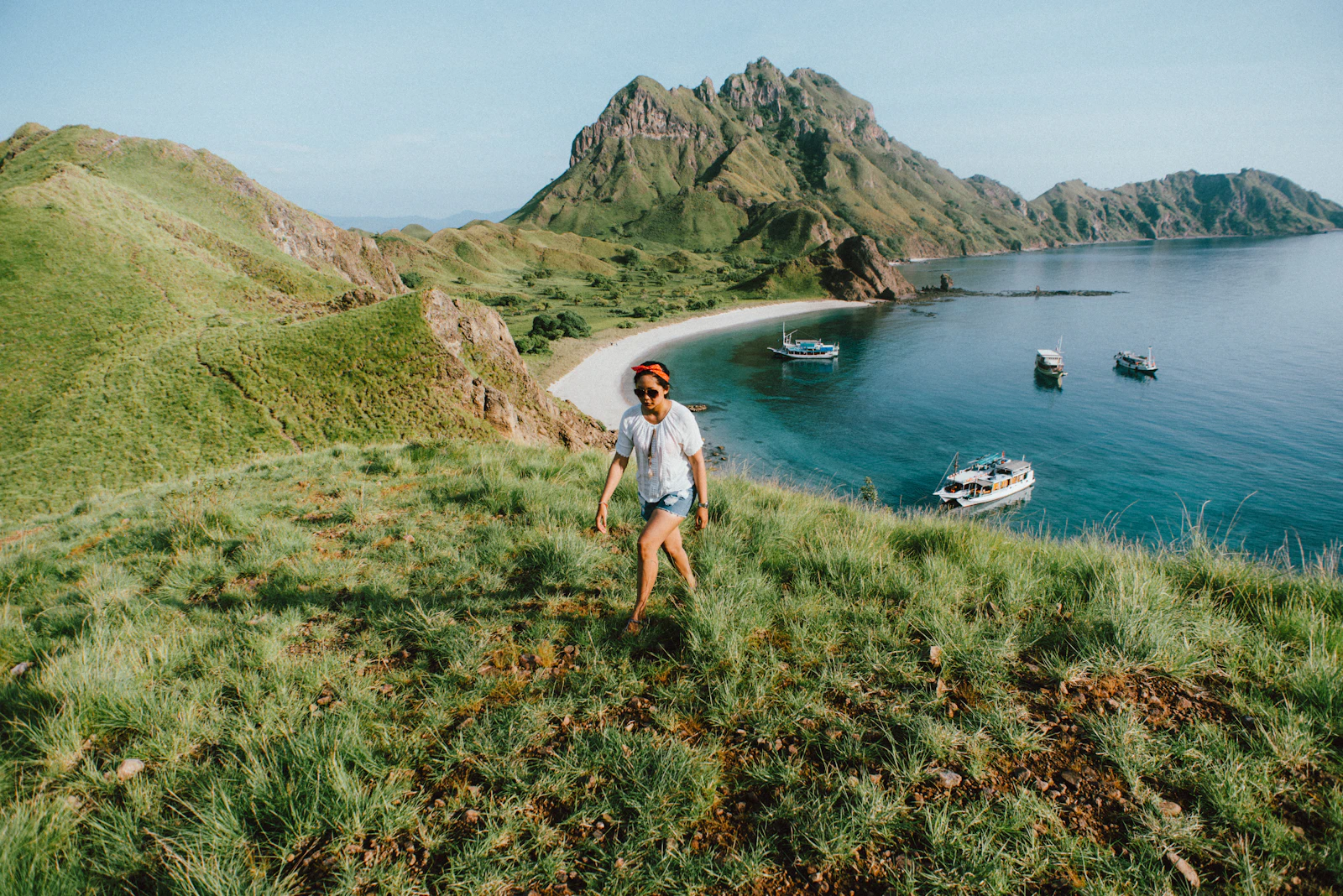
Photographically, this matters more than most people expect. The classic multi-bay panorama comes from the upper ridge, but strong compositions start almost immediately above the jetty, where the crescent beach and anchored boats frame well, and every landing above opens a slightly wider angle on the bays. Mid-level terraces give layered views of at least two bays, changing light on the hillsides and the boats below — enough for a serious set without the steepest climbing. Ask the ranger to point out the side nooks along the steps where you can step aside briefly without blocking the flow.
Wheelchair users and anyone who cannot manage stairs will find Padar largely inaccessible: there is no ramped route to the viewpoints and no step-free path from the jetty. Partial mobility is a different case — a carefully paced, partial visit works, with the boat ride and the lower platforms delivering a real experience. Trekking poles and a companion’s arm make the most difference on the way down. If you already use a cane or a pole at home, bring it; occasional handrails are a thin substitute on a wet descent. When booking, say plainly which mobility aids you use so the crew can help at the boat and the jetty steps. Operators who advertise flexible pacing cannot change the gradient, but they can change how calm the schedule feels, how much help you get boarding, and whether you can pause for breath without feeling you are holding a group up.
Managing the day: heat, timing and the descent
Most seniors who complete the climb do it as a series of short stair intervals with recovery on the landings, starting in a cooler session and turning back before fatigue starts affecting balance. That last point is the important one: the risks for older visitors are slips, overheating and fatigue-related missteps on the way down, not the ascent itself. Firm-gripped shoes, a pole or rail wherever available, and an early start address all three. Staying with the group also means rangers can help quickly if someone feels unwell or wants to cut the climb short.
Allow generous margin in the schedule. Older travellers commonly take longer than younger groups and still finish well inside a session, but boats give a fixed island window, so discuss your intended pace with the guide before setting off rather than negotiating it under time pressure. Breaking the route into small goals — the next landing, the next bend — makes the ascent more manageable mentally than staring at the ridge.
Anyone with heart, lung or balance conditions should be cautious and may well get more from the lower terraces. If you already feel unsteady on stairs at home, that is the signal, and it has nothing to do with age. In warm, humid conditions, carrying enough water and refusing to race other groups matters far more than the year on your passport.
Pregnant visitors in good health sometimes climb part of the way. The combination of heat, stairs and no shade makes honest self-assessment essential; an early or late session and a stop at a lower viewpoint is the comfortable version. Follow your own healthcare provider’s advice and ignore the pace of the group around you.
Children of school age with some walking experience generally manage it with an adult alongside setting a calm pace. Distance is not the problem — heat and the unrailed edges are. Break the ascent into short sections, watch for trip hazards, and turn around when concentration goes rather than when patience does. Infants can come on the boat, but the stairs, heat and absence of shade, changing facilities or any indoor space make the hike itself hard work for whoever is carrying. Most parents who try it either stay near the jetty or take turns climbing while the other waits somewhere stable and low.
Two practical notes. Ticket checks happen near the jetty and ranger post rather than mid-trail — rangers verify SiORA entry and that groups have a guide before the climb starts, and their attention on the stairs is about safety, flow and keeping people off shortcuts rather than re-scanning passes. And formal wedding or pre-wedding shoots do happen here, but Padar is a protected national park rather than a studio: photographers must follow ranger instructions, avoid blocking stairways and meet permit rules for commercial work, while heels and heavy gowns are impractical on the steps, so couples usually change near their chosen viewpoint.
This guide does not operate boats. Bookings are fulfilled by Komodo Luxury, and this site may earn a referral commission.
Ready When You Are
Ready to book?
Chat directly on WhatsApp with the Komodo Luxury team.
This guide does not operate boats. Bookings are fulfilled by Komodo Luxury, and this site may earn a referral commission.