

Journal
Exploring Padar Island Accessible in the Rainy Season 2027
Yes, Padar Island is accessible during the rainy season in 2027. While the weather can be unpredictable, the island remains a popular destination offering unique photography…
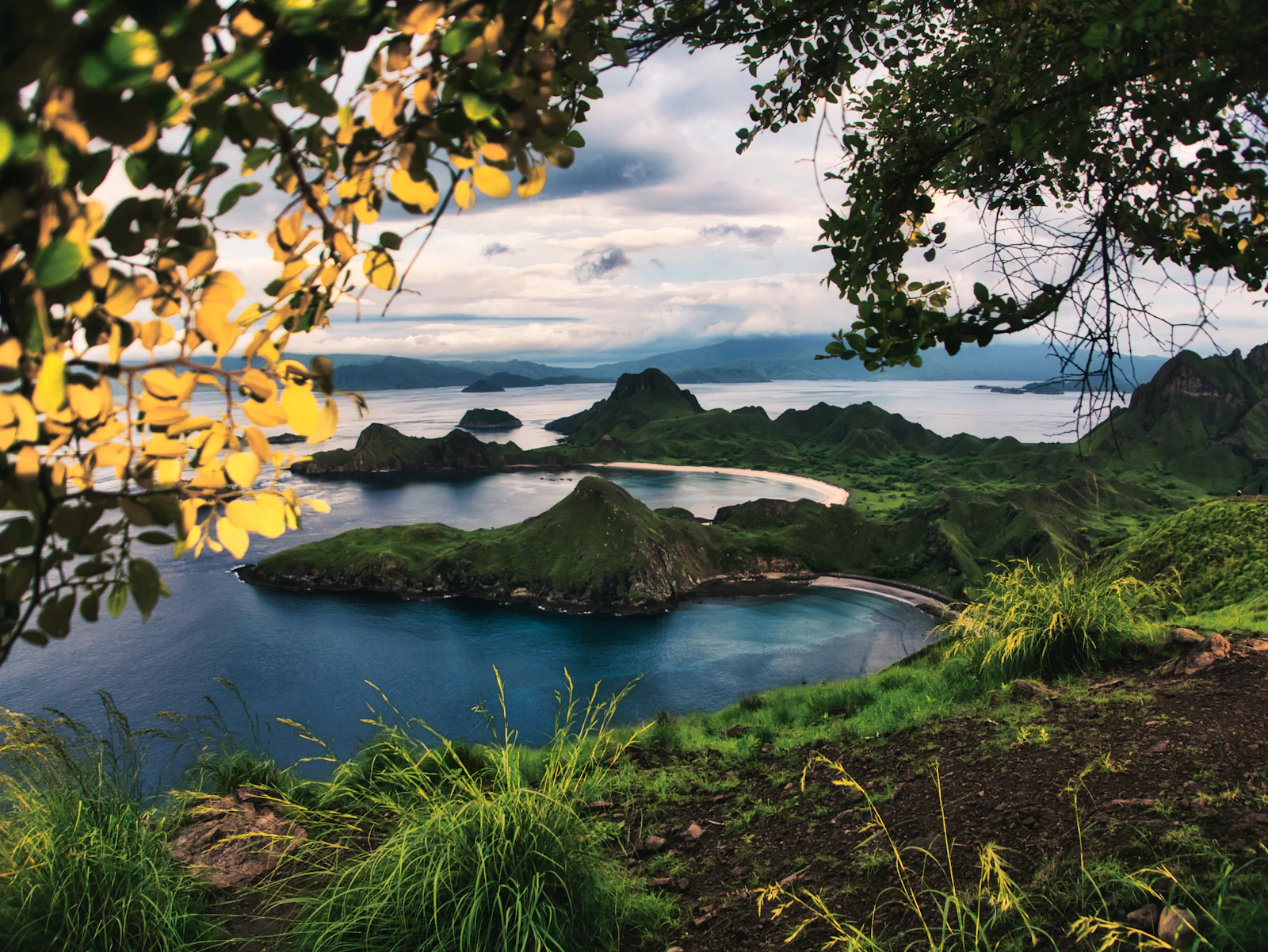
Yes, Padar Island is accessible during the rainy season in 2027. While the weather can be unpredictable, the island remains a popular destination offering unique photography opportunities and lush green landscapes during this period.
What a wet-season visit is really like
Traveling to Padar Island in the rain in 2027 offers a unique experience, different from the typical dry season visit. The island transforms into a verdant paradise, with vibrant greenery and a cooler atmosphere, making it an ideal time for photography enthusiasts seeking to capture the dramatic contrasts of the landscape. The rainy season generally runs from December to March, with peak rainfall typically in January and February. During this period, temperatures range from 25°C to 30°C, providing a pleasant climate for outdoor activities.
Advantages of Visiting During the Rainy Season
Visiting Padar Island during the rainy season in 2027 has several benefits, including fewer crowds and a more intimate connection with nature. The cool and refreshing climate can make the trek more pleasant compared to the hotter dry months, whose daily highs sit around 28–33°C with far harsher direct sun. Additionally, the lush scenery provides a stunning backdrop for photographers. The island’s flora, including various species of shrubs and grasses, flourishes during the rainy season, creating a vibrant contrast against the dramatic terrain. Wildlife enthusiasts may also have the opportunity to observe the island’s fauna, such as the Timor deer and various bird species, as they take advantage of the abundant resources available during this time.
Planning Your Trek
To ensure a successful visit, it is crucial to plan your trek in advance. Booking your trek through the SIORA app is recommended. The app lets you book as early as possible — the booking has to be made by the previous day at the latest, and the sunrise slot always goes first — given the 1,000-visitor-per-day cap for Komodo National Park as a whole (not Padar Island alone; no separate Padar-only daily quota applies under the system in force since 1 April 2026). This ensures that you secure a spot during your preferred session, with the sunrise trek from 05:00 to 08:00 WITA being particularly popular. The trek to the island’s summit typically takes about 25 to 45 minutes, depending on your pace and weather conditions, and longer if wet steps force a slower rhythm. It is advisable to arrive early to avoid any potential delays caused by the weather. Consider bringing a raincoat or poncho, as well as a waterproof cover for your backpack and camera gear, to stay dry during any unexpected showers.
What to Expect During the Trek
- Weather Conditions: While the rainy season might bring sporadic showers, mornings are generally clear, making them ideal for trekking. The weather can change rapidly, so it is wise to stay informed about daily forecasts and be prepared for sudden shifts in conditions.
- Trail Difficulty: The trails can become slippery, so proper gear is recommended. Ensure you have suitable footwear to navigate the steep stairs safely. Hiking boots with good grip and ankle support are ideal, and trekking poles can provide additional stability on uneven or wet surfaces.
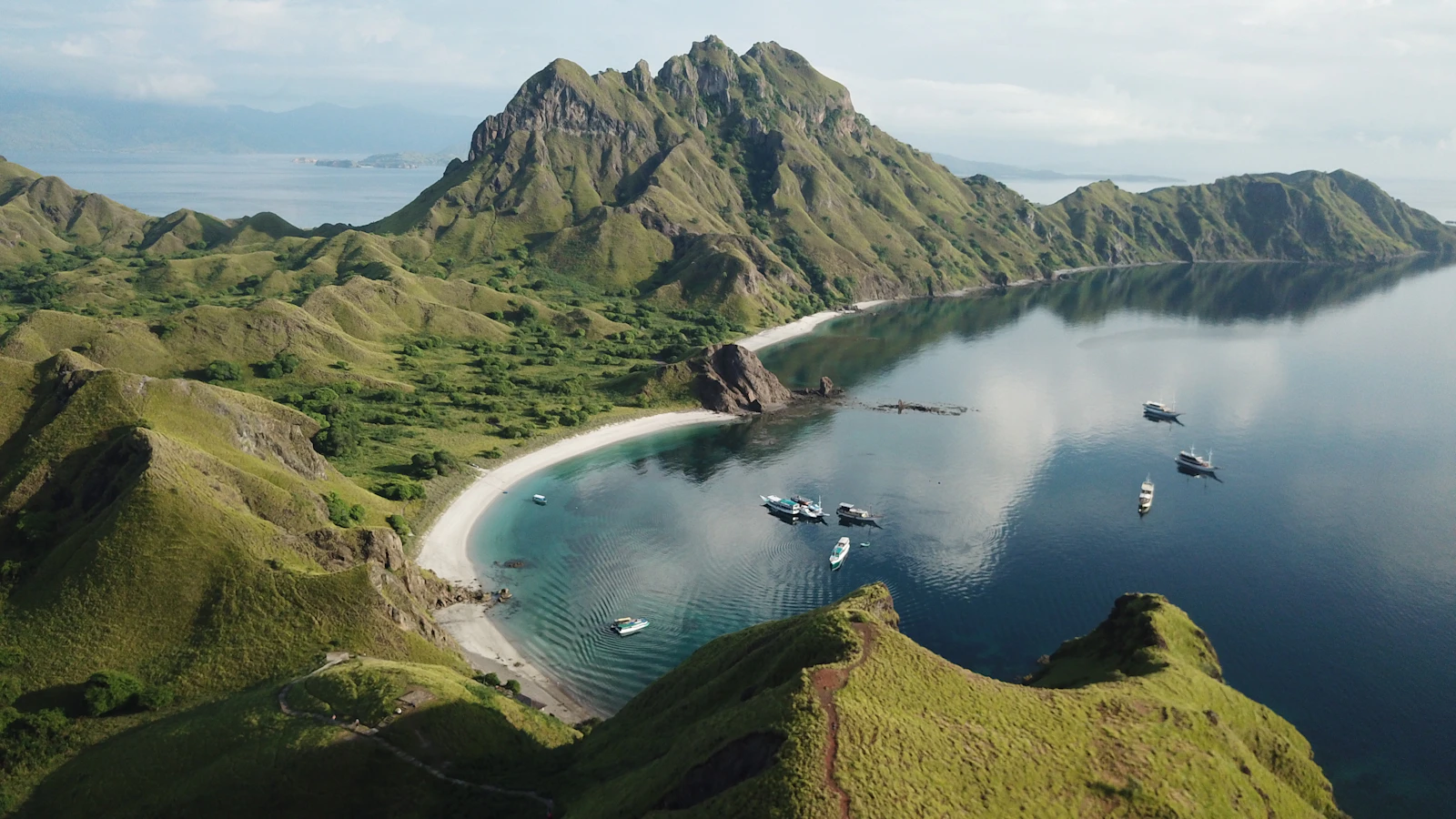
- Photography Opportunities: Capture the island’s three bays and lush landscapes that become more pronounced with the seasonal rains. The interplay of light and shadow during overcast conditions can add depth and mood to your photographs. Consider using a polarising filter to enhance colours and reduce glare from wet surfaces.
2027 Note
In 2027, the focus on sustainable travel has increased, with a daily visitor capacity of 1,000 people across Komodo National Park as a whole (not Padar Island alone). This change is part of efforts to preserve the park’s natural beauty and ecosystem. Visitors are encouraged to participate in eco-trekking activities to minimise their environmental impact. These initiatives include sticking to designated trails to avoid damaging the fragile landscape, carrying reusable water bottles to reduce plastic waste, and participating in beach clean-up events organised by local conservation groups.
FAQ
Is Padar Island accessible during the rainy season in 2027?
Yes, Padar Island is accessible during the rainy season in 2027. While the weather can be unpredictable, the island remains a popular destination offering unique photography opportunities and lush green landscapes during this period. Visitors are advised to monitor weather forecasts and plan their trips accordingly to ensure a safe and enjoyable experience.
What are the best photography tips for Padar Island in the rainy season?
Photographers should take advantage of the early morning light and the lush, green landscapes enhanced by the rain. Ensure your camera gear is weather-sealed or protected to capture the dramatic scenery safely. A tripod can be useful for stabilising your camera in low-light conditions, and a lens hood can help prevent raindrops from hitting your lens. Experiment with different compositions to highlight the island’s unique topography and natural beauty.
How can I book my trek to Padar Island in 2027?
Treks can be booked through the SIORA app as early as possible — the booking has to be made by the previous day at the latest, and the sunrise slot always goes first. Given the 1,000-visitor-per-day cap for Komodo National Park as a whole (not Padar Island alone; no separate Padar-only daily quota applies under the system in force since 1 April 2026), ensuring your booking is confirmed early is advisable. The app provides real-time updates on availability and weather conditions, making it a convenient tool for planning your visit. Be sure to have a reliable internet connection to access the app and receive notifications about any changes to your itinerary.
Wet-season plans need a boat that can flex
padarisland.com is an information site with nothing to sell. The charters are our affiliated operator’s, Komodo Luxury. Between December and March the useful question is not which boat is fastest but which operator will move your date without a fight. Operators running year-round schedules: a Komodo tour from Bali, multi-day liveaboards, and the one-day Komodo sailing package.
The sea decides, not the island
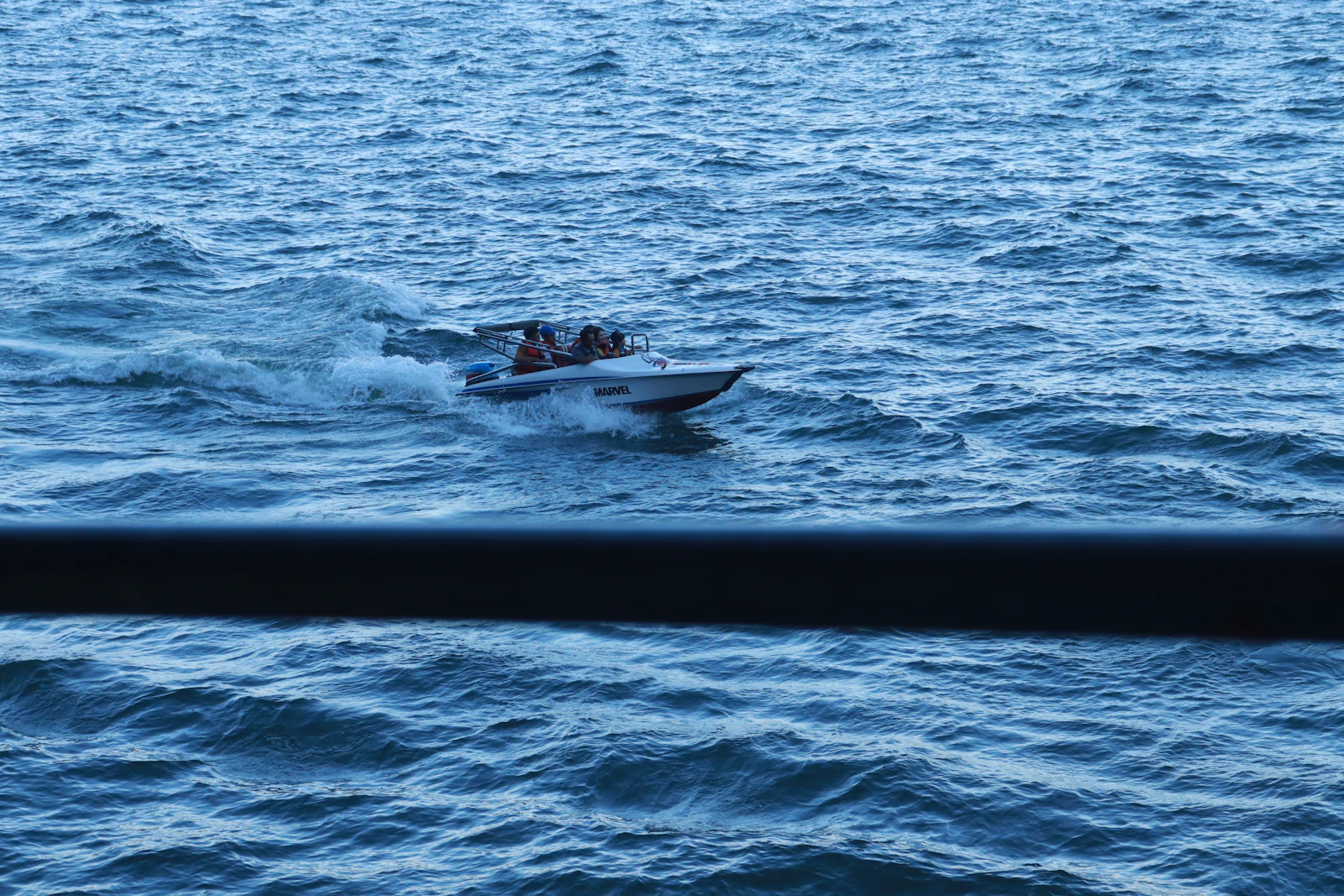
Padar sits inside a year-round national park and does not close for the wet season. What actually limits a rainy-season visit is the crossing. On days with strong wind, building swell or thunderstorms, captains and rangers shorten routes, substitute more sheltered sites, or cancel departures outright, and those calls are made on the morning rather than in advance. The single most useful planning decision is therefore to allow spare days if the Padar hike is the point of your trip, and to book with an operator that communicates clearly about conditions rather than one that promises certainty.
Local captains plan around this. They time crossings between forecast squalls, avoid known wind corridors, and sometimes move a departure earlier because winds are calmer in the first hours of light. SiORA sessions still run to their normal times through the wet months, so being ready a little early gives the crew more room to work around an incoming rain band. If elderly or nervous travellers are in your party, ask specifically how the boat handles boarding at the jetty when there is side-swell — that answer tells you a lot about the operation.
The wet phase moves in gradually rather than on a date, usually building toward the end of the calendar year and intensifying through the turn of it, in line with the wider Flores region and eastern Indonesia. Rain does not fall every day even at its peak, but the probability of storms and overcast skies is higher. December in particular tends to combine more frequent showers with livelier wind, which makes the exposed ridge sections feel more so; if the forecast mentions strong gusts, expect rangers to be less willing to let people linger at the top. January sits firmly in the wetter part of the year, and days often start clear before cloud builds — treat any bright spell as your hiking window rather than assuming you can outrun a squall. The transitional weeks at either edge of the season are the compromise worth targeting: greenery without continuous heavy rain.
What the island looks and feels like when it is wet
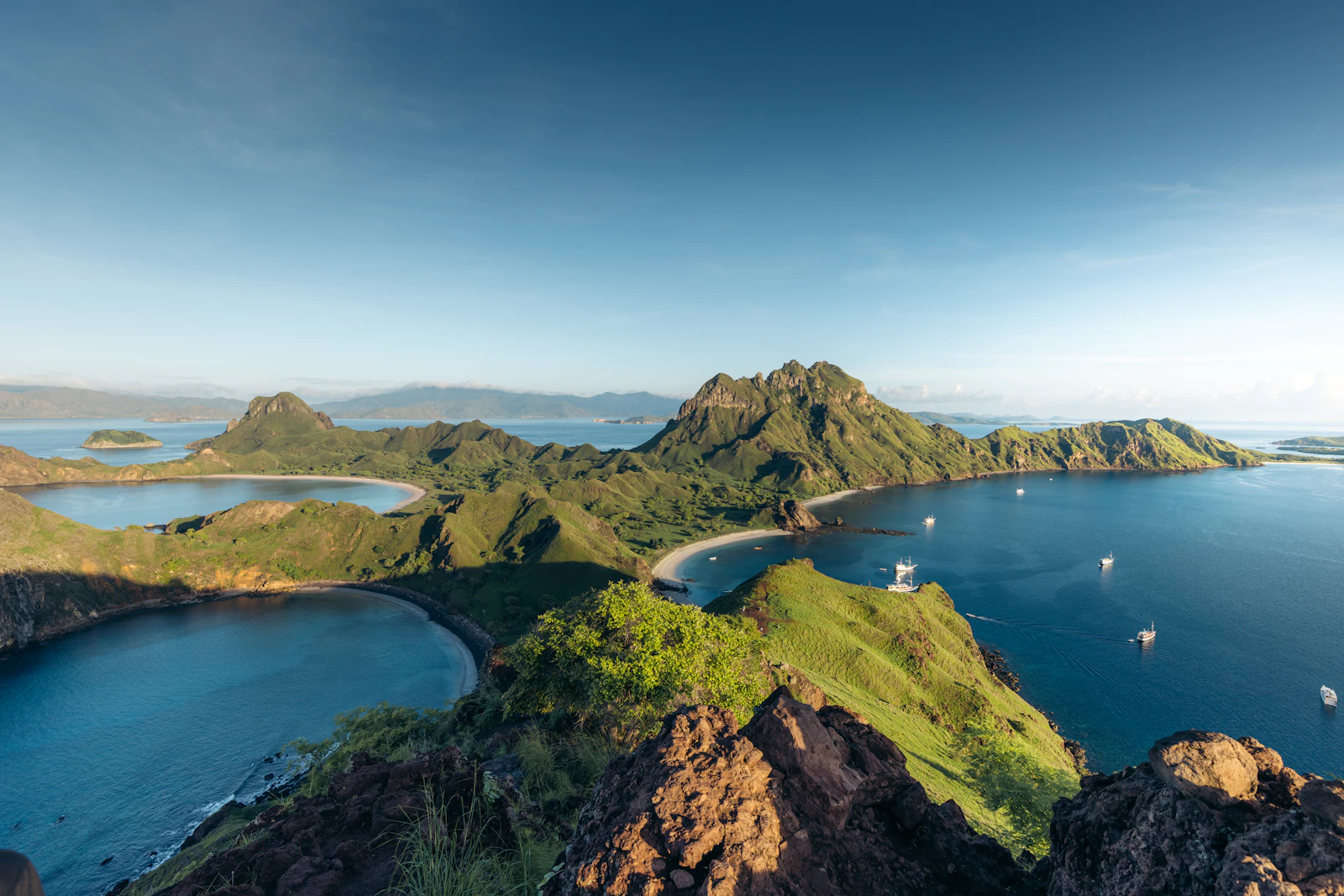
The viewpoint still frames all three bays; the mood is what changes. The ridges turn deep green, the water reads darker and more contrasty, and the softer light removes the harsh midday glare that flattens dry-season photographs. Cloud adds structure and depth to wide frames, rain on rock and path creates subtle reflections, and low cloud occasionally wraps the ridges and hides the bays entirely before clearing again. For landscape photography this is genuinely good material, provided you carry lens cloths and weather protection and are ready to shoot quickly whenever a gap opens.
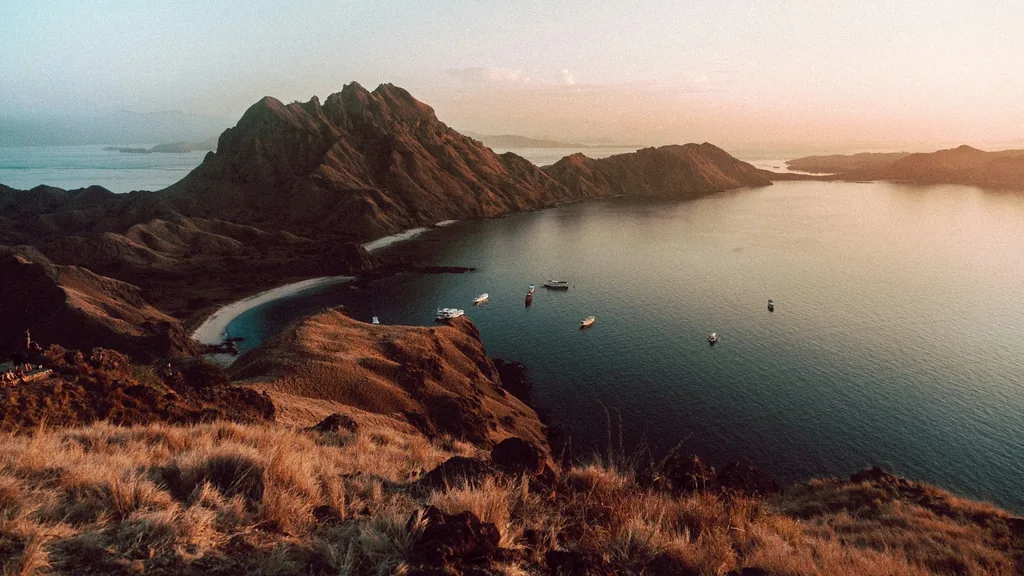
Set against that: visibility drops when heavy rain passes, distant islands mute into haze, and no particular day can be guaranteed clear regardless of what historical patterns suggest. The dry season is the opposite bargain — reliable crossings, harder-packed trails, long sightlines across to other islands and browner hillsides, with dust rather than mud underfoot and loose gravel on some steps that still causes slips. In the dry months the grasses turn tawny and the volcanic contours stand out starkly at either end of the day, which suits high-contrast work, but midday light is punishing and pacing the climb away from the hottest hours matters more. The elevation gain is identical in both seasons, so nothing about the fitness requirement changes; only the surface and the ambient comfort do.
Longer term, regional climate change is expected to shift rainfall patterns and sea conditions, though the localised effects on Padar are still being studied. In practice visitors may find the timing and intensity of wet and dry spells varies more between years than older guidance assumes, and park authorities adjust management practices periodically in response. Recent-season reports are more useful than any fixed rule of thumb.
Hiking safely on wet steps
Rangers do not change the procedures in the wet season, but they apply them more conservatively: wider group spacing, a slower pace, pauses at intermediate terraces while they assess how slick the higher sections have become, and a halt to the climb if lightning approaches. Take those instructions at face value even when the sky looks like it is improving. The specific request that matters most is not overtaking on narrow sections — congestion is what turns a damp step into a fall, and a rushed pass endangers more than the person passing.
The staircase remains the standard route, with steps that can be slick with mud or algae and unfinished stretches that hold puddles and mud. Allow extra time, particularly on the descent, and keep your hands free for the handrails, which do not run continuously. Lightweight trekking shoes with real grip handle this far better than smooth-soled sandals. A small packable towel is useful for drying camera gear along the way, and a dry bag for anything electronic is not optional. Expect an ascent that alternates dry and damp sections, so your pace will vary and you will stop more often — plan water and snack breaks around those pauses rather than in exposed spots while a gusty shower passes.
The jetty deserves its own attention. Stronger side-swell makes stepping on and off boats trickier, so wait for the crew rather than jumping early, and keep camera bags zipped and balanced. A stumble on a wet gangplank has more consequences than a slow, guided boarding.
For older visitors, the wet season magnifies whatever balance or knee issue already exists, and the descent is where fatigue and wetness combine. A trekking pole, walking nearer the handrails, and a willingness to stop at a lower terrace are sensible adjustments that keep the experience rather than abandon it — the mid-level platforms already open the bay views and involve far fewer steep steps. Setting a personal turnaround point before you start, and telling the ranger honestly about any joint or balance concern, is more useful than deciding halfway up.
One realistic expectation to set for a wet-season sunrise: cloud banks often hide the sun’s disc entirely, and boats may leave slightly later while operators wait for safer conditions. What you get instead is a gradual brightening through mist and moody, shifting light — different from the clear horizons and long golden stretches of the dry months, and better for some kinds of photograph than for others. In the dry season the same slot is more reliable but far busier, so arriving early within your session is what saves you from queuing on the steps.
This guide does not operate boats. Bookings are fulfilled by Komodo Luxury, and this site may earn a referral commission.
Ready When You Are
Ready to book?
Chat directly on WhatsApp with the Komodo Luxury team.
This guide does not operate boats. Bookings are fulfilled by Komodo Luxury, and this site may earn a referral commission.