

Journal
Discover Padar Island Instagram Spots 2027: Capture the Magic
Padar Island Instagram spots 2027 are a photographer’s dream, offering stunning vistas and unique landscapes ideal for capturing unforgettable images.
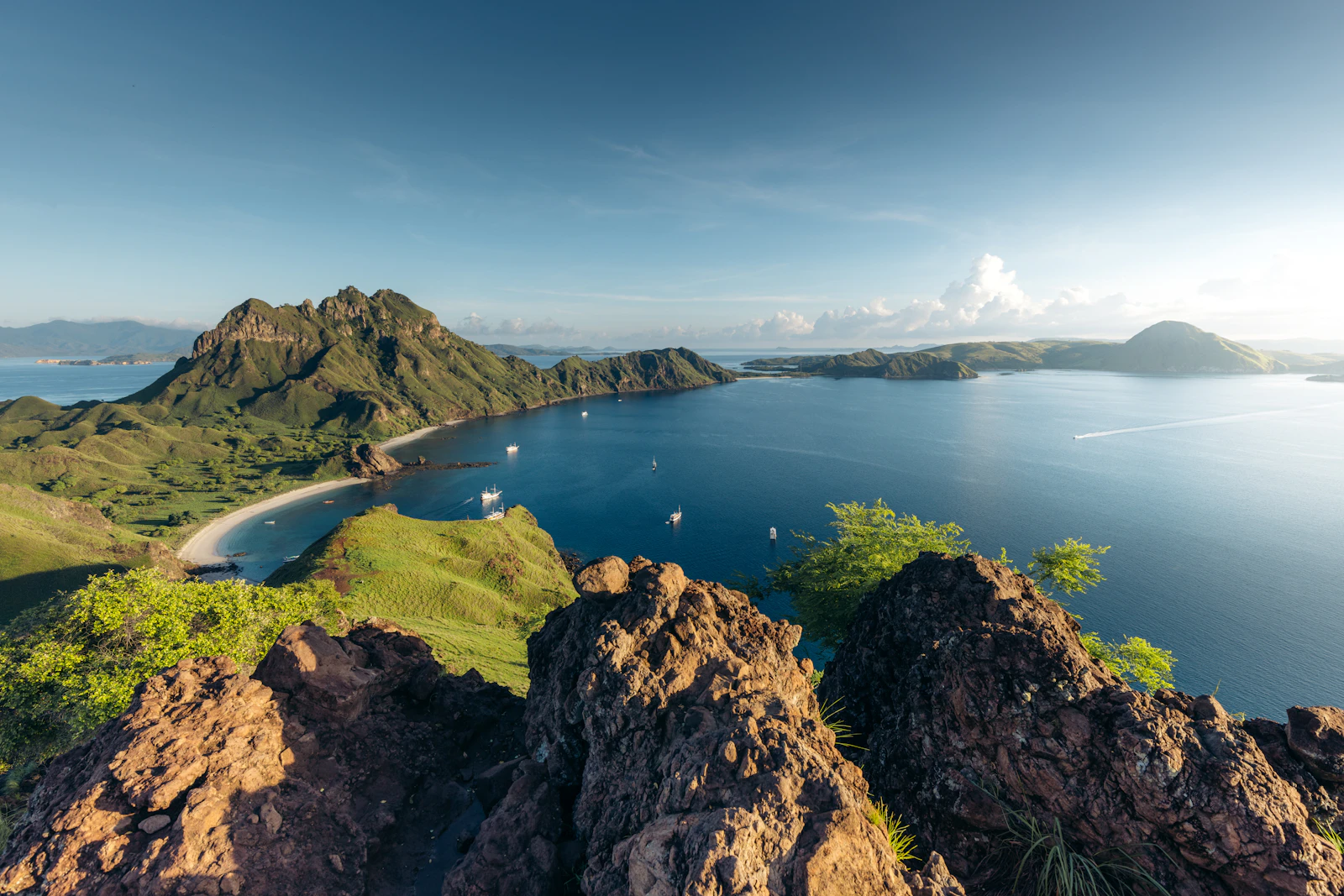
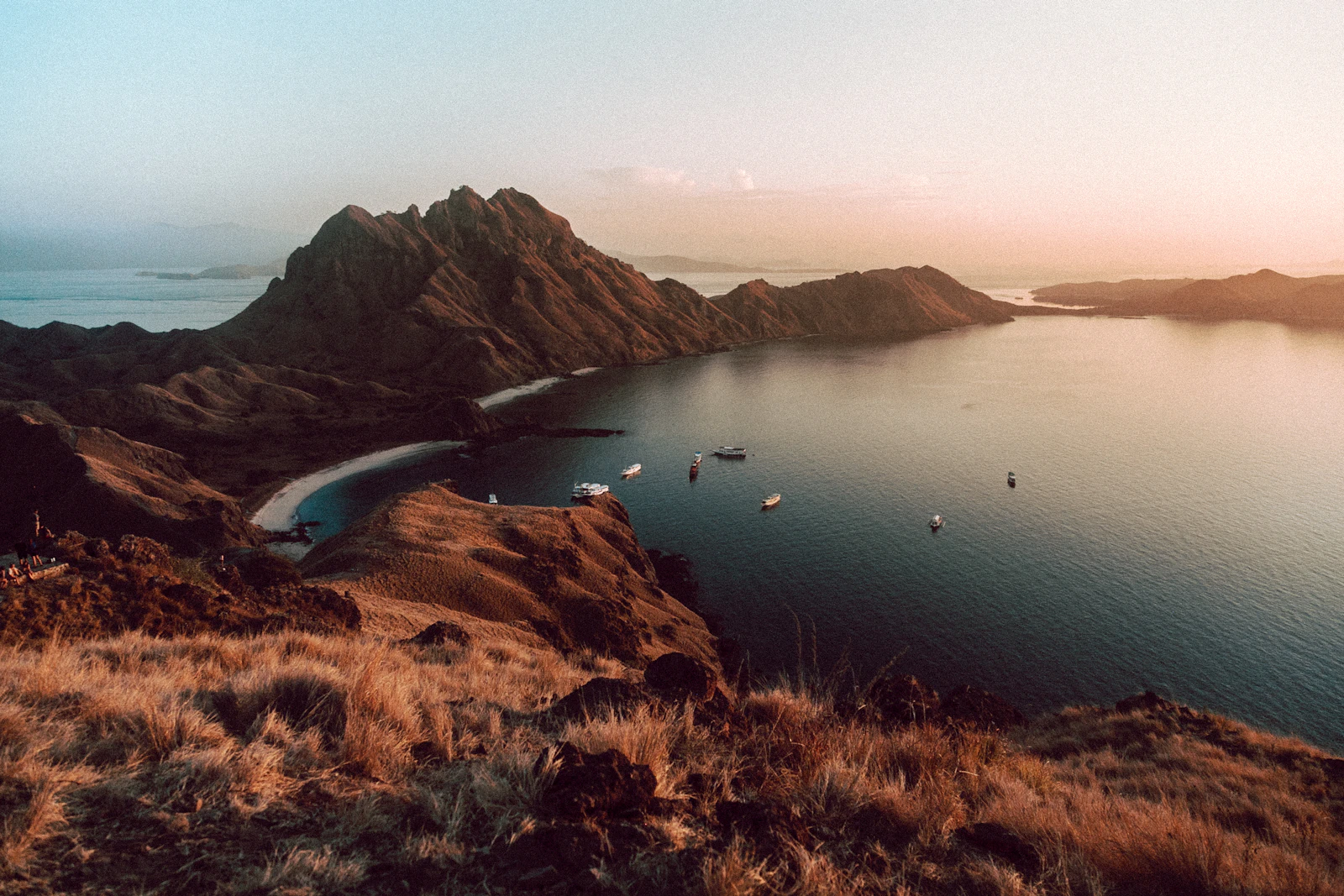
Padar Island Instagram spots 2027 are a photographer’s dream, offering stunning vistas and unique landscapes ideal for capturing unforgettable images. From the iconic three bays view at sunrise to the vibrant pink beaches, these locations provide perfect backdrops for your social media highlights. With careful planning and an eye for detail, photographers can make the most of their visit to this remarkable island, capturing images that resonate with viewers worldwide.
Book the sunrise session before you plan a single frame
Exploring Padar Island’s most Instagrammable places in 2027 offers travellers the chance to capture images that stand out. Since Komodo National Park as a whole (not Padar Island alone) is capped at 1,000 visitors per day, it’s vital to plan your trip in advance using the SIORA app to secure your spot for the sunrise trek. This app is available on both Android and iOS platforms, providing a user-friendly interface that lets you book your trek as early as possible — the platform stops accepting bookings once the day before your visit has passed, and the sunrise window goes first — so you don’t miss out on the most sought-after photography sessions. Here are some of the best photo opportunities you shouldn’t miss.
The three-bay view, and when the light actually works
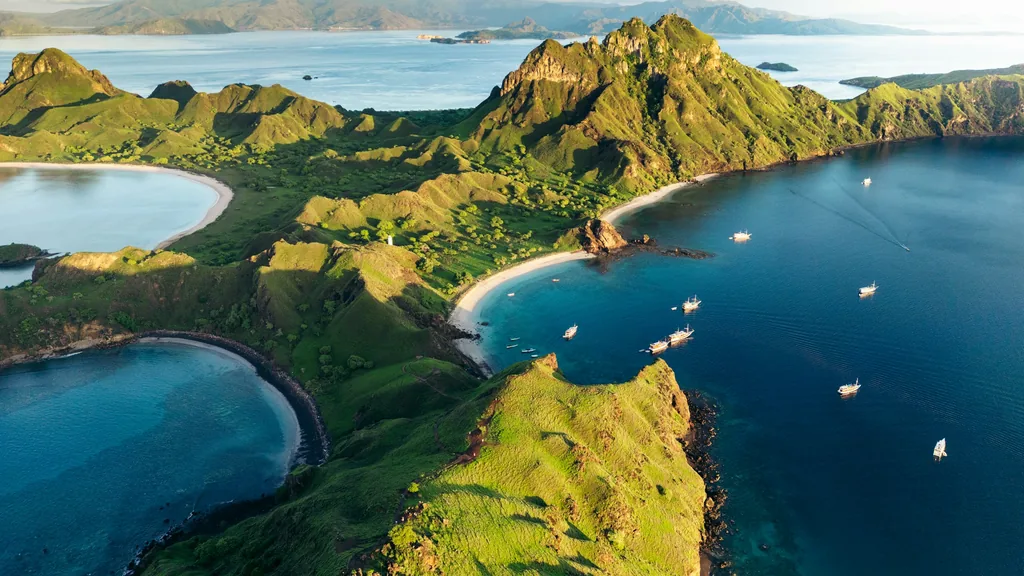
First on the list is the renowned three bays view, offering a panoramic perspective of the island’s unique topography. The best time to photograph this view is during the sunrise trek session from 05:00 to 08:00 WITA, when the light enhances the striking contrasts of the landscape. The trek itself takes about 25 to 45 minutes, depending on your pace, and covers a one-way distance of roughly 0.7-1.5 km (about 2-3 km round trip), with several rest points along the way to catch your breath and enjoy the scenery.
Pink Beach, the summit and the staircase
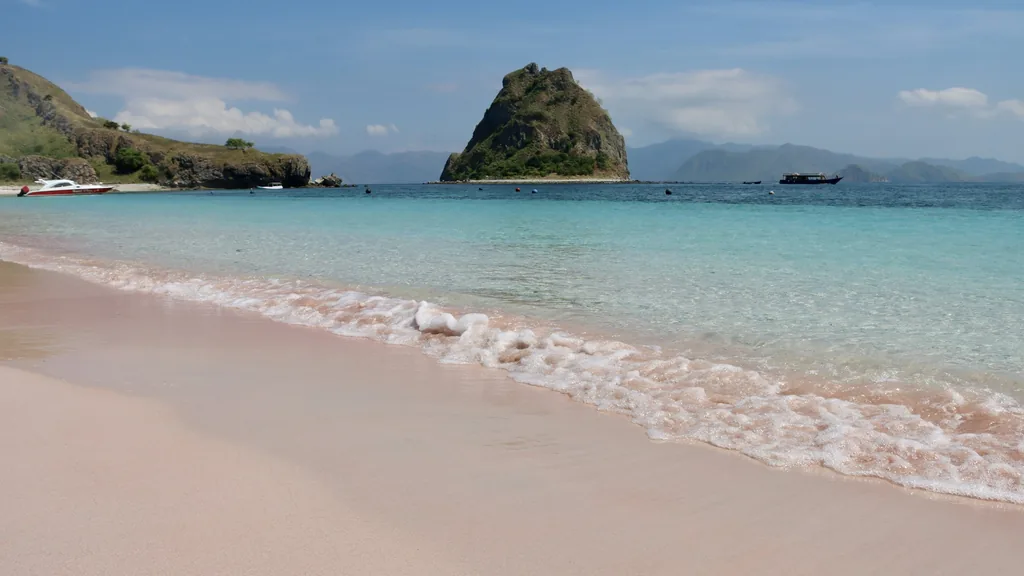
- Pink Beach: Known for its soft, pink-hued sands, this beach is perfect for creative shots, especially in the golden late stretch of the dry season, roughly September to November 2027. The pink hue is due to the microscopic organisms known as Foraminifera, which produce a red pigment on the coral reefs, mixing with the white sand to create the distinctive colour. Most operators anchor here long enough for a snorkel stop, and the shallow reef directly off the sand is the easiest underwater subject on the whole route — close in, bright, and reachable without a long swim.
- The Summit: The climb to the main viewpoint rewards you with a 360-degree view of the island’s rugged beauty. The staircase trail is steep, taking about 25–45 minutes to reach the top depending on your fitness level. Ensure you pack proper hiking gear, as detailed in our packing guide. The summit is especially stunning at dawn when the first light of the day paints the landscape in warm hues.
- Steep Stairs: These stairs provide an excellent opportunity for dynamic shots, capturing the ascent against the dramatic backdrop of the island. The stairs are part of the main trekking route and offer a unique perspective on the island’s landscape, with the rugged terrain providing a striking contrast to the clear blue waters surrounding Padar.
What the visitor cap changed for photographers
In 2027, with the implementation of sustainable travel practices, Padar Island has maintained its allure as a top destination for photographers. The visitor capacity limit not only helps preserve the environment but also ensures an uninterrupted experience for capturing its beauty. Access is managed by keeping visitors on the built staircase and inside the fenced viewing platforms, with rangers present along the trail. There is no official list of photography spots and no designated shooting positions — the framing is yours to find within those boundaries.
For those looking to explore beyond Padar, consider an affordable group tour package that includes Komodo and Rinca, offering diverse photography opportunities. Komodo Island is famous for its Komodo dragons, the largest lizards on Earth, while Rinca offers a more rugged landscape with dramatic vistas. You can learn more about these options through our detailed travel insights on our site, which provide comprehensive information on itineraries, costs, and booking procedures.
Best Times and Tips for Capturing Padar Island
Timing your visit to coincide with the island’s natural light is crucial for the best photographs. The dry season, roughly April to November with July and August the driest and the clearest skies typically August to October, offers clear skies and vibrant colours, while the wetter, greener season (roughly December to March) brings lush greenery, ideal for unique shots. During the dry season, daytime temperatures commonly reach the high 20s to low 30s °C, providing warm conditions for outdoor activities. In the wetter months, occasional showers can create dramatic skies, perfect for moody landscape shots.
| Season | Ideal Photography Times |
|---|---|
| Dry Season | Roughly April–November (driest July–August, clearest August–October) |
| Wetter, Greener Season | Roughly December–March |
FAQ
What are the most Instagrammable spots on Padar Island in 2027?
The most Instagrammable spots on Padar Island in 2027 include the three bays view at sunrise, Pink Beach, and the summit offering a panoramic view of the island. Each location provides a unique backdrop, from the vibrant hues of Pink Beach to the panoramic vistas from the summit, making it easy to capture stunning images.
How can I book a trek to Padar Island in 2027?
Reserve the slot in the SIORA app. To book a trek in 2027, do it as early as possible — the platform stops accepting bookings once the day before your visit has passed, and the sunrise window goes first — while staying inside the 1,000-a-day ceiling that Komodo National Park applies park-wide rather than to Padar alone. SIORA issues the entrance ticket and the session slot only. Boats, guides and tour packages are arranged separately with your operator.
What is the best time to visit Padar Island for photography?
The best times for photography are during the sunrise trek session (05:00–08:00 WITA) and the golden late-dry-season months, roughly September to November. During these times, the island’s landscapes are bathed in the soft, warm light of the early morning, creating the perfect conditions for capturing stunning photographs.
The boat is the tripod for every shot here
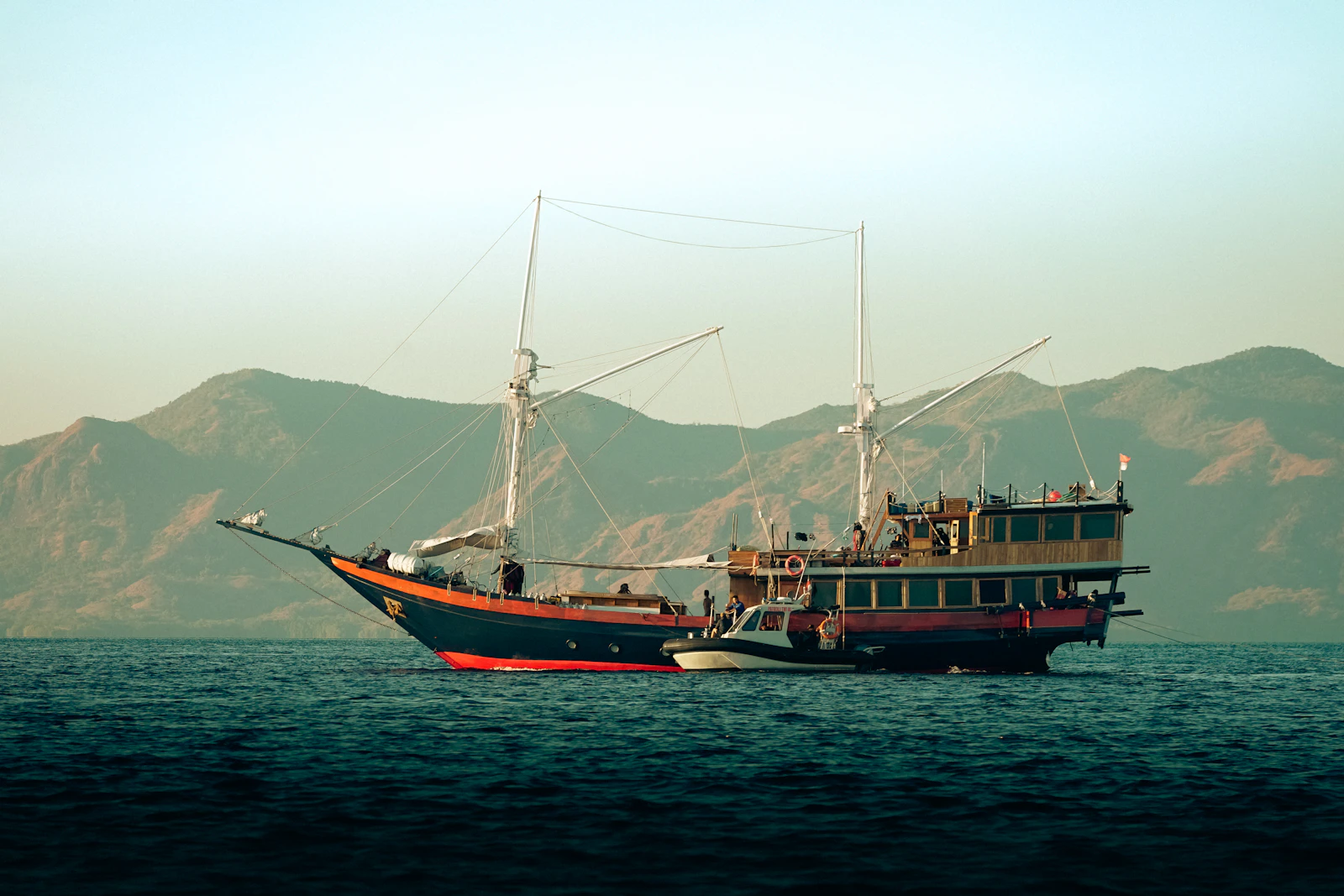
This is an editorial page with nothing for sale. Charters are handled by our affiliated operator, Komodo Luxury. Golden hour cannot be rescheduled, so the only variable you control is which vessel puts you at the trailhead before it starts. Vessels with the schedule flexibility to do that: Komodo Luxury’s sailing trips, private phinisi charters, and the Komodo Signature fleet.
Working the whole trail instead of one platform
The reason Padar dominates Komodo feeds is that its ridges read as “Komodo” instantly, even to people who have never been to Indonesia, and the short climb delivers a summit-type view without any technical hiking. The risk that comes with that is obvious: shoot only the famous frame and your set looks like everyone else’s.
The fix is to treat the island as three layers rather than one viewpoint. The jetty gives arrival shots — boats, the island silhouette, softer light on the water. The mid-trail bends give context, with side-on views of the bays and the staircase curving between ridges. The upper platforms give the panorama. Shooting across all three means each layer contributes different focal lengths and framing, and you stop depending on the one composition everybody recognises.
At the top itself, position matters more than height. Edge to a side where two bays form a V and the third fills the opposite corner: the horizon stays straighter and the bays stop overlapping. Stand slightly off the main crowd line so other people’s phones, hats and backpacks stay out of your foreground, but stay firmly inside the fenced and marked areas. Tilting the frame slightly down to include both ridge and bay usually feels more balanced than a straight horizon, and letting the trail enter from a lower corner with the bays in the upper third gives the composition somewhere to start. Turning a few degrees either way often decides whether a frame reads as crowded or clean.
There is no official map of shooting positions, and you do not need one — the path from the jetty naturally walks you through them, and guides will often point out angles with fewer people and more ridge shape. Offline map apps are useful for orienting the bays, not for micro-scouting.
Making the images look like yours
The details are what separate a Padar set from a Padar postcard: the texture of volcanic rock, the way light moves across each bay, candid movement instead of static poses at the railing. Include a boat, a shadow or another hiker for scale. Shoot foreground plants, steps and silhouettes as well as the wide scene-setters. Side light shortly after sunrise or in late afternoon throws shadow across the ridges and adds depth you would otherwise try to fake in editing.
Deliberately unfashionable frames often survive best. Patterns in the rock, wave lines on the beaches, the shapes of anchored boats, or a quieter mood in overcast light all contrast with the high-saturation version of this island that already exists in quantity. Park signage and ranger activity add a documentary note almost no feed includes.
For silhouettes, put your subject on a higher section of trail so the sky sits clean behind them, expose for the sky and let both person and ridge fall to shadow rather than accepting a half-lit face. Sunset light is warmer and more forgiving for this — just keep an eye on your return time to the boat as it fades.
Poses should stay simple, and for a practical reason: the drop-offs are steep and the wind at the viewpoints is variable. Standing side-on toward one bay, or walking slowly along the path while someone shoots from above, reads better than jumping or perching near an edge, and keeps your movements predictable inside the area rangers have marked.
On editing, presets that gently lift shadows and add clarity in the mid-tones suit these ridges. Heavy teal-and-orange treatments make the bays and vegetation look synthetic. Keeping a more neutral version alongside the social edit is worth the extra minute if the frame might ever go to print.
Reels, carousels and captions
Video works best when it shows the journey rather than only the destination — boarding at Labuan Bajo, the changing water on the crossing, the island silhouette growing, the last steps on the staircase. Cutting transitions to footsteps or waves does more than an effects stack. An alternative structure is to build around a single time window, holding a steady tripod shot at the top through the colour change from blue hour to sunrise and cutting in handheld clips from the hike and the boat. Keep individual clips short and stable and the edit stays clean.
Carousels suit the layering idea naturally: open on the recognisable three-bay overview, then move through tighter crops of waves, rock strata and trail detail, and close on something behind the scenes like the staircase or the ranger post. Shoot a mix of horizontal and vertical from the start so you are not cropping badly later — this matters most at the top viewpoint, where your window before the light shifts or the platform fills can be short.
Captions do not need to work hard, because the landscape is already carrying the information. A short line about the hike, the three bays or the early start lands better than a generic quote, and naming Komodo National Park rather than just the island tells followers that Padar sits inside a protected area. Varying the register across a series — a practical note on one image, a reflective one on the next — keeps a set from reading as templated.
Practicalities on the stairs
Expect a consistent climb of many steps rather than bursts broken by flat sections. The staircase makes the route obvious, so you can think about framing instead of navigation, but the gradient still asks for basic fitness and attention in the heat. Plan extra time on the way up so you can stop without holding others up on the narrow sections, and keep your camera accessible — you will not want to open a bag at every pause. Brief rests double neatly as intermediate shooting stops away from the main platforms.
The steps are steep and feel exposed, especially in the dark on a sunrise hike or when descending quickly. Use the handrails where they exist, hold a moderate pace and let faster climbers pass at the wider points. Footwear with real grip matters more here than any piece of camera equipment, since a slip damages both.
Filming for personal social media is broadly fine as long as you follow ranger instructions and stay on the designated trail and platforms. Commercial shoots and professional drone work need permits and fees arranged in advance, and blocking the path with tripods or large setups will get you moved on. There is no per-location fee — you pay the standard park entrance and ranger charges for the day, in the same range as any other visitor. Tours that advertise “photo packages” are selling guiding and timing, which for a dawn shoot is genuinely worth something: a private charter lets you control departure time, be set up before first light, and coordinate with the captain to miss the busiest arrival window. Tell the crew your priorities in advance and they will usually work with them.
One last comparison worth making honestly. Padar gives broad, layered, multi-bay horizons; Nusa Penida’s famous spots give cliffs and single coves, with easier day access from Bali. Pink Beach nearby invites close, texture-based work that Padar’s panoramas cannot. None of them substitutes for another, which is the argument for covering more than one — Padar as the hero landscape sequence, the beaches and cliffs as the variation around it.
This guide does not operate boats. Bookings are fulfilled by Komodo Luxury, and this site may earn a referral commission.
Ready When You Are
Ready to book?
Chat directly on WhatsApp with the Komodo Luxury team.
This guide does not operate boats. Bookings are fulfilled by Komodo Luxury, and this site may earn a referral commission.