

Journal
Sustainable Luxury Travel: Padar Island and Raja Ampat’s Coral Triangle
Sustainable luxury travel in Indonesia focuses on minimising environmental impact while providing exceptional experiences.
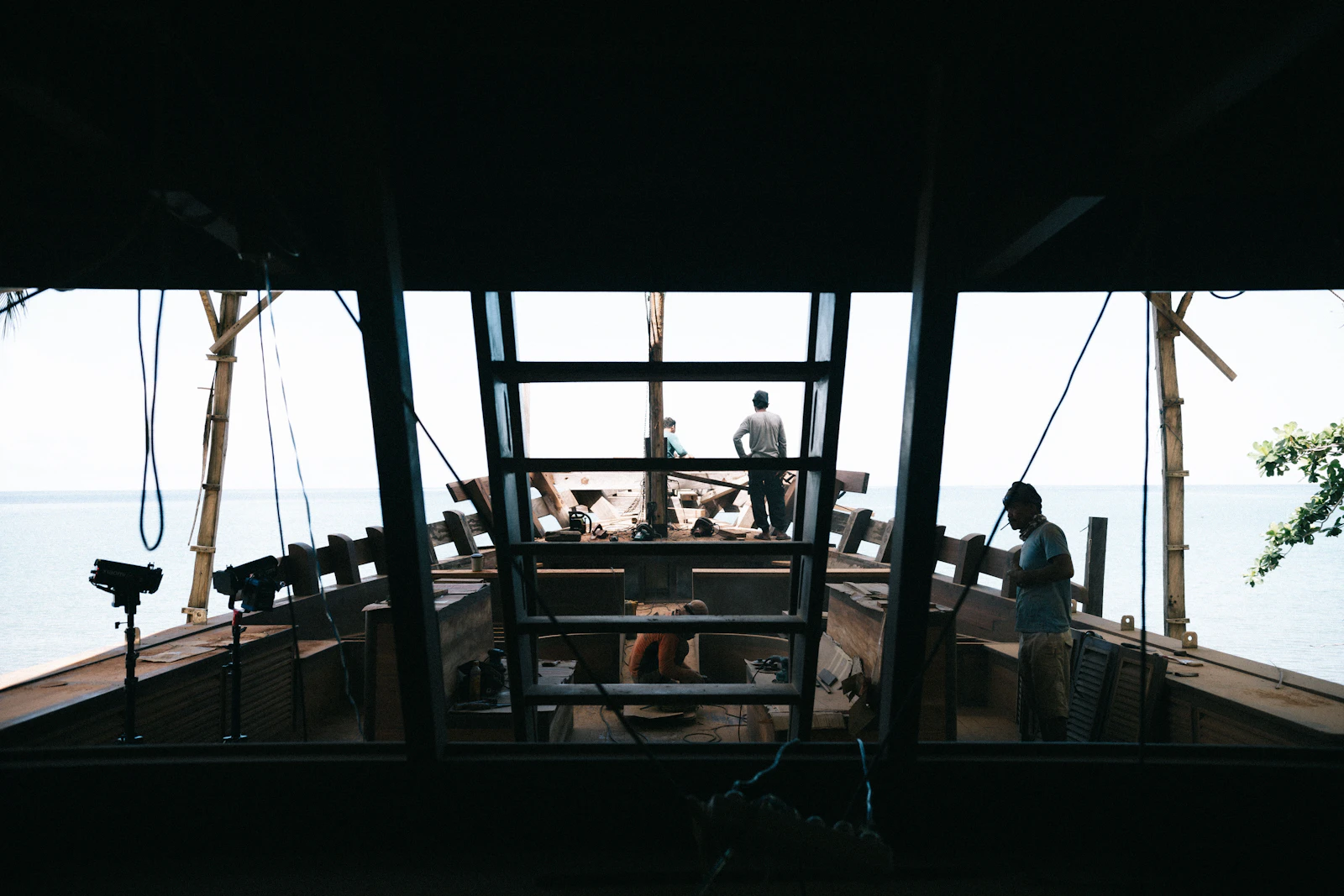
Sustainable luxury travel in Indonesia focuses on minimising environmental impact while providing exceptional experiences. This often involves supporting local communities, conserving marine ecosystems, and utilising eco-friendly operations, particularly in fragile areas like Padar Island and the wider Coral Triangle region of Raja Ampat.

The Allure of Padar Island: A Foundation for Conservation
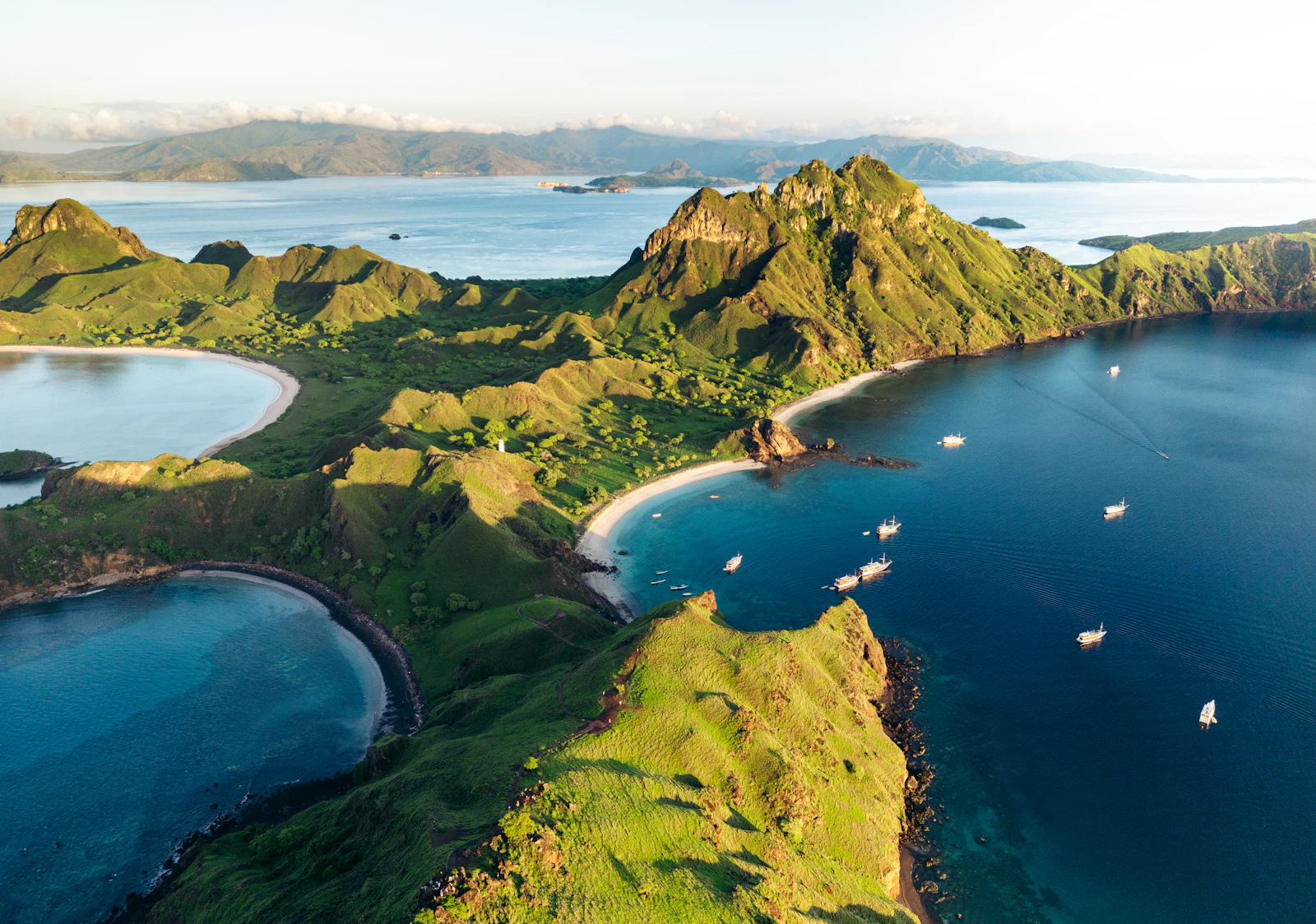
Padar Island, with its iconic tri-coloured beaches and panoramic viewpoints, stands as a to Indonesia’s natural splendour. Visitors are drawn to its dramatic landscapes, a result of ancient volcanic activity and erosion. While the island itself is largely uninhabited, its proximity to Komodo National Park means it shares a critical ecological connection with the surrounding marine environment. The very act of visiting Padar necessitates a careful approach to tourism, ensuring that its pristine condition is preserved for future generations.
Our focus on responsible travel here extends beyond the physical footprint. It encompasses the economic impact on local communities, the respectful interaction with wildlife, and the conscious effort to minimise waste. These principles, established and refined in destinations like Padar, form a crucial blueprint for sustainable luxury travel across Indonesia’s archipelago.
Bridging to Raja Ampat: The Heart of the Coral Triangle
From the rugged beauty of Padar Island, this guide’s coverage extends to another realm of natural wonder: Raja Ampat. Located in West Papua, Raja Ampat is globally recognised as the epicentre of marine biodiversity, forming a significant part of the Coral Triangle. This region, encompassing the waters of Indonesia, Malaysia, Papua New Guinea, the Philippines, Solomon Islands, and Timor-Leste, boasts the highest diversity of marine life on Earth.
The Coral Triangle is home to over 76% of the world’s coral species and more than 2,200 reef fish species. Its ecological significance cannot be overstated; it acts as a nursery for the world’s oceans, supporting a vast array of life from microscopic plankton to majestic whales. Protecting this area is not merely a local concern but a global imperative.
Experiencing Raja Ampat responsibly means choosing operators who are genuinely committed to marine conservation. Many luxury operators in the region contribute directly to local conservation initiatives, employing local guides, and adhering to strict environmental protocols. This commitment ensures that your luxury experience also supports the long-term health of this extraordinary ecosystem.
Sustainable Practices in Raja Ampat’s Luxury Charters
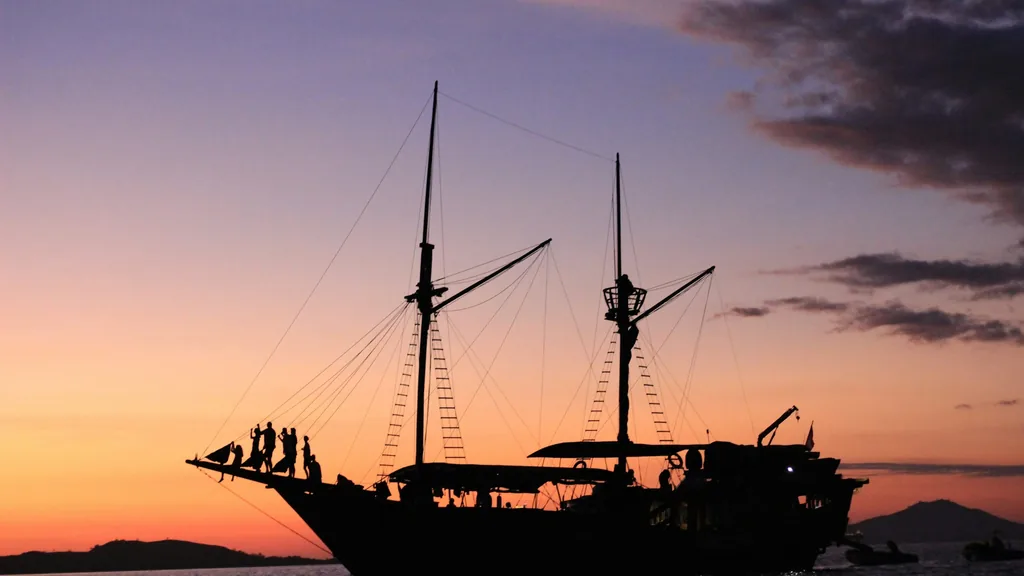
The luxury travel sector in Raja Ampat has increasingly embraced sustainable practices. This shift is driven by a recognition that preserving the environment is integral to the long-term viability of high-end tourism. Modern luxury vessels, particularly the traditional Phinisi yachts, are being designed and operated with a strong emphasis on eco-friendliness.
Key sustainable practices include advanced waste management systems, reducing plastic use through water purification and reusable bottles, and employing energy-efficient propulsion and power generation. Many vessels also use biodegradable products and adhere to strict guidelines for anchoring and diving, ensuring minimal impact on coral reefs. The mandatory Raja Ampat Marine Conservation Tag, costing approximately $45 per person, is a direct contribution to reef protection and manta ray monitoring efforts, ensuring that a portion of every visitor’s fee directly supports conservation.
The Eco-Luxury Experience: Comfort Meets Conscience
For those seeking the pinnacle of comfort without compromising environmental principles, Raja Ampat offers an array of eco-luxury options. These experiences combine opulent accommodation, gourmet dining, and personalised service with a deep respect for the natural world. Imagine waking up in a spacious cabin, surrounded by the serene beauty of the archipelago, knowing that your journey supports its preservation.
Daily activities, such as diving and snorkelling, are conducted with expert guides who educate guests on marine ecosystems and responsible interaction. Many charters offer opportunities to engage with local communities, providing insight into their culture and traditions, and ensuring that tourism benefits them directly.
If you want to extend the same approach to Raja Ampat, Luxury Raja Ampat covers charters in that region. Disclosure: that site belongs to the same publishing network as padarisland.com, so treat it as a related listing rather than an independent recommendation, and compare it against operators you find yourself.
2027 Note: Evolving Standards and Pricing
The landscape of luxury marine travel in Raja Ampat continues to evolve, with new vessels and enhanced eco-luxury standards emerging. For 2027, private charter prices for an entire vessel begin at about USD 5,300 per night for standard-tier Phinisi yachts. Prices checked August 2026; source: Komodo Luxury price bank. Verify with your operator before paying. Premium and flagship-class Phinisi vessels typically range from USD 15,000 to 35,000+ per night, depending on size, amenities, and crew. These rates generally include the vessel, crew, meals, and most on-board activities. Additionally, Indonesian VAT is 11%, and an APA (Advance Provisioning Allowance) of 30-35% of the charter fee is customary to cover fuel, provisions, and specific dive logistics. Crew gratuity, typically 5-10% of the charter fee, is also common.
Planning Your Sustainable Luxury Voyage
When planning your journey to Raja Ampat, consider the vessel’s sustainability credentials. Enquire about their waste management policies, energy consumption, and support for local conservation efforts. A reputable operator will be transparent about their environmental commitment and provide information on how your trip contributes positively to the region.
Choosing a charter that aligns with eco-luxury principles ensures that your unforgettable experience also leaves a minimal footprint. This conscious approach allows you to immerse yourself in the natural wonders of the Coral Triangle, secure in the knowledge that you are part of its preservation.
FAQ
What is the best luxury cruise in Raja Ampat?
For an exceptional luxury cruise in Raja Ampat, consider specialist operators like Luxury Raja Ampat. Established in 2015, they focus exclusively on this region and operate from Sorong, offering deep local expertise and tailored voyages that cater to discerning travellers seeking both comfort and authentic marine experiences.
How do luxury charters contribute to sustainability in Raja Ampat?
Luxury charters contribute to sustainability through several key practices: implementing advanced waste and wastewater management, reducing single-use plastics, using energy-efficient systems, supporting local communities through employment and sourcing, and directly funding marine conservation projects via mandatory fees like the Raja Ampat Marine Conservation Tag.
What are the typical costs for a private luxury charter in Raja Ampat in 2027?
For 2027, private luxury charters in Raja Ampat typically start around $5,300 per night for the entire vessel, for a standard-tier Phinisi. Prices can range up to $35,000+ per night for premium Phinisi yachts, depending on the vessel’s size, amenities, and the season. These costs generally cover the vessel, crew, meals, and standard activities.
Booking the low-impact version of this trip
This is an editorial page. padarisland.com holds no inventory; the vessels are our affiliated operator’s, Komodo Luxury. Sustainability claims are easiest to check at the point of booking, when you can ask a specific operator about a specific boat and a specific route. Charters worth putting those questions to: Komodo Luxury’s yacht charters, private charter options, and a wellness-focused charter.
Two very different propositions inside the same Coral Triangle
Padar offers one ultra-defined viewpoint reached by a single staircase — ideal if you want one iconic panorama for a short hike, on a predictable schedule. Raja Ampat is dispersed by nature: multiple islands, lagoons and viewpoints spread across a vast area, revealed cumulatively rather than in a single frame. Padar’s scenery is angular and dry, volcanic ridges with sparse vegetation above beaches in contrasting tones; Raja Ampat’s is softer, wetter and dominated by dense forest over karst. Wayag in the north is a maze of limestone islets and lagoons; Misool in the south is intricate karst, hidden lakes and overhanging cliffs, more enclosed and jungle-clad. Padar is barer, more open, and entirely uninhabited with one managed trail and no village infrastructure.
Time and cost separate them further. Padar and the wider Komodo park can be sampled meaningfully in two to four days by pairing the hike with Komodo or Rinca and a snorkelling site or two. Raja Ampat generally needs longer to justify the journey. It is substantially more remote in both geography and travel time, usually requiring additional domestic flights deep into West Papua and long boat transfers from the gateway, while Padar is a flight to Labuan Bajo and a few hours by speedboat or wooden boat at most. That difference cascades into price: Raja Ampat is generally more expensive per day once flights, longer boat legs and remote-region logistics are counted.
For biodiversity, especially underwater, Raja Ampat is in a different league — it sits at the heart of the Coral Triangle with exceptionally rich reefs and fish biomass across shallow and deep sites. Underwater photographers should go there and not agonise over it. Padar’s strengths are terrestrial and compositional, and its best underwater work happens at neighbouring Komodo sites rather than off its own bays.
For photographers working above water the calculus reverses. Padar gives predictable light angles and clear leading lines, which suits a time-pressured shoot; Raja Ampat rewards longer, more exploratory assignments where the images accumulate. Padar photographs cleanest in the dry months when skies are clear and seas calm, though the peaks look browner and more arid then; Raja Ampat’s greenery is more constant.
The reefs around Padar, described accurately
Coral directly off Padar’s bays is patchy: resilient bommies and soft corals surviving alongside scoured or broken sections, shaped by strong currents, waves and past anchoring as well as visitor pressure. That is why snorkelling and diving boats mostly use nearby sites instead, and why Padar’s reefs are best understood as part of the wider Komodo system rather than an attraction in their own right.
What is within easy reach by boat covers a genuine range — shallow hard-coral gardens, sloping walls, current-swept channels — and guides pick sites balancing safety against interest on the day. Snorkellers typically encounter a broad mix of reef fish, from small schooling species to grazing herbivores and the occasional larger pelagic drawn in by the currents, plus turtles and invertebrates. Kanawa, closer to Labuan Bajo, is often preferred for relaxed snorkelling because access is simpler and sheltered coral patches sit near shore.
Marine hazards are worth knowing rather than fearing. Strong currents are the main one. Sharp coral, seasonal jellyfish and the potential presence of stingrays or stonefish account for most of the rest, and fins plus protective clothing handle a good deal of it. Sharks and other large predators inhabit the wider park; sightings near Padar’s casual snorkel areas are sporadic and almost always non-aggressive reef species. Jellyfish appear seasonally and sometimes in numbers after a weather or current shift — light stings are usually manageable with onboard first aid, and severe reactions need a return to Labuan Bajo. Coral cuts are common enough that basic first aid on the boat matters: rinse promptly with clean water, debride gently if needed, and cover, because these scrapes infect readily in warm water.
Sustainability, in the specific
Padar’s slopes erode because they are steep, bare and volcanic. Concentrating foot traffic onto the constructed staircase and boardwalk is the intervention, and it works only if everyone uses it — which makes staying on the steps the most consequential sustainable choice available to a visitor here.
Because the island has no permanent facilities, waste management depends on your boat. Responsible crews run strict pack-in, pack-out policies and keep single-use plastics off board in the first place, which is worth asking about before you book rather than discovering afterwards.
Travelling by boat with a local guide is the standard way to visit, since navigation, permits and timing are all coordinated from Labuan Bajo. A good guide handles the SiORA entries, liaises with rangers and manages the schedule around conditions. Once ashore you will be accompanied by a park ranger in any case — unguided self-hiking is uncommon and discouraged, because rangers manage visitor flow, watch the weather and intervene when something goes wrong.
Between the two destinations, the honest framing for a high-end trip is that Padar rewards precision and Raja Ampat rewards time. If your itinerary has three days and a fixed return flight, Padar delivers something complete. If it has ten and no particular hurry, Raja Ampat will repay them.
This guide does not operate boats. Bookings are fulfilled by Komodo Luxury, and this site may earn a referral commission.
Ready When You Are
Ready to book?
Chat directly on WhatsApp with the Komodo Luxury team.
This guide does not operate boats. Bookings are fulfilled by Komodo Luxury, and this site may earn a referral commission.