

Journal
Padar Island Entrance Fees, Permits And Hidden Charges
Short answer: The official Komodo National Park entry fee is IDR 250,000/day for foreign visitors and IDR 50,000/day (weekdays) or IDR 75,000/day (Sundays & national holidays) for…
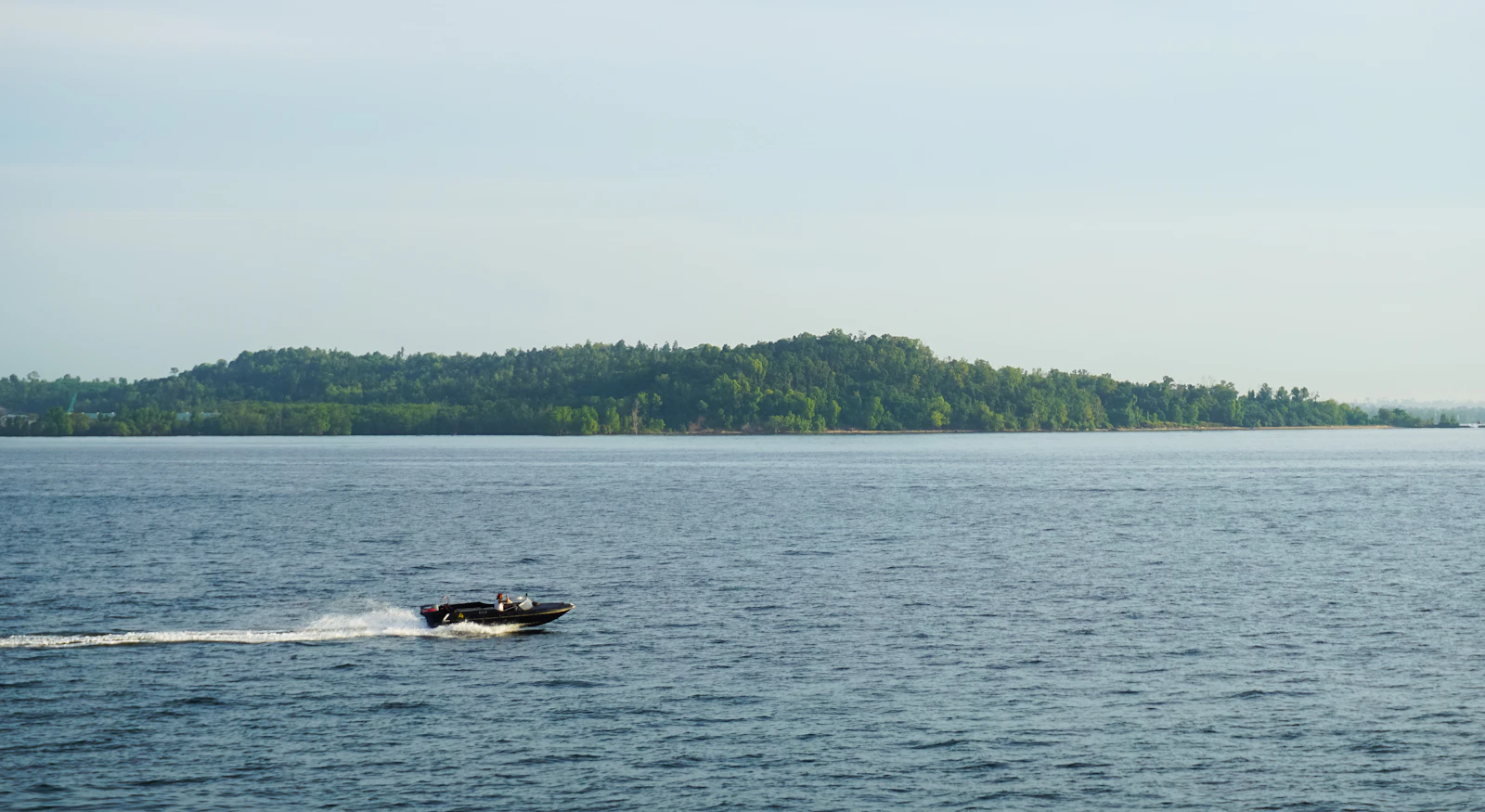
Short answer: The official Komodo National Park entry fee is IDR 250,000/day for foreign visitors and IDR 50,000/day (weekdays) or IDR 75,000/day (Sundays & national holidays) for Indonesian citizens, though no verified per-person harbor fee applies (a per-boat vessel-entry charge may be billed instead, usually already folded into your trip price) — see the full breakdown on our dedicated Padar Island entrance fee page, which is kept current with a source date. Layered together, the practical total for a foreign visitor is roughly IDR 400,000–525,000 per person per day — the PNBP ticket above plus a ranger/guide fee of around IDR 150,000 per group of 1–5 people and bundled conservation/jetty components (as of August 2026). Beyond that ticket, the real budget-movers are the boat charter itself, optional guided-tour packages, and gear rental — this page covers those additional, non-official costs.
Last updated: August 23, 2026.
What the park entrance fee does and doesn’t include

The park entrance fee — covered in full, with a dated range and source notes, on our entrance fee page — covers park entry, ranger accompaniment, and the conservation levy for whichever route your boat follows. It does not cover the boat charter itself, meals, snorkeling gear, or any drone permit. Those are the “hidden” costs most first-time visitors underestimate, and they’re what the rest of this page walks through.
Boat transportation costs
If you’re not already on a multi-day liveaboard, getting to Padar means a dedicated speedboat or shared-tour boat from Labuan Bajo. Shared/open-trip seats are the cheapest option; a private speedboat charter costs more but lets you set your own timing, which matters if you want to beat the crowds to the summit for sunrise. Rates vary by boat size, season, and how many people split the charter — Komodo Luxury’s speedboat charter page and one-day trip packages publish current rates by boat class rather than a single number that goes stale within months.
Guided tour packages vs. going independently
Many visitors book a package that bundles the boat, park fees, a guide, and often lunch and snorkeling gear into one price. This is usually the simpler and, once you account for a private speedboat’s per-person cost, often comparable option for a day trip. Package inclusions vary a lot between operators at a similar price point — always ask for an itemized list before paying a deposit, and confirm specifically whether the park entrance fee is already bundled in or charged separately on the day. Komodo Luxury’s boat trip packages and multi-day liveaboards list current inclusions by package.
Snorkeling gear and other optional add-ons
If your boat doesn’t already include gear, renting a mask, snorkel, and fins from an operator in Labuan Bajo typically runs a modest daily rate — cheap enough that it’s rarely worth bringing your own unless you already own quality gear. Camera and drone use is the more consequential add-on: casual smartphone photography is unrestricted, but professional or commercial camera/drone use inside the park can require prior authorization, and a commercial drone permit (SIMAKSI) costs considerably more and must be applied for at least a week in advance — see the drone section of our entrance fee page for the current permit figure and process.
Tipping rangers and crew
A ranger accompanies every hike to the Padar viewpoint as a matter of park policy, not as an optional guide service, so there is no official “ranger fee” to negotiate. A modest cash tip for the ranger and boat crew is customary in Indonesia’s tourism industry generally, at your discretion — it is a gratuity, not a park tariff, and should never appear on an “official fees” list as if it were mandatory.
Where and how you actually pay
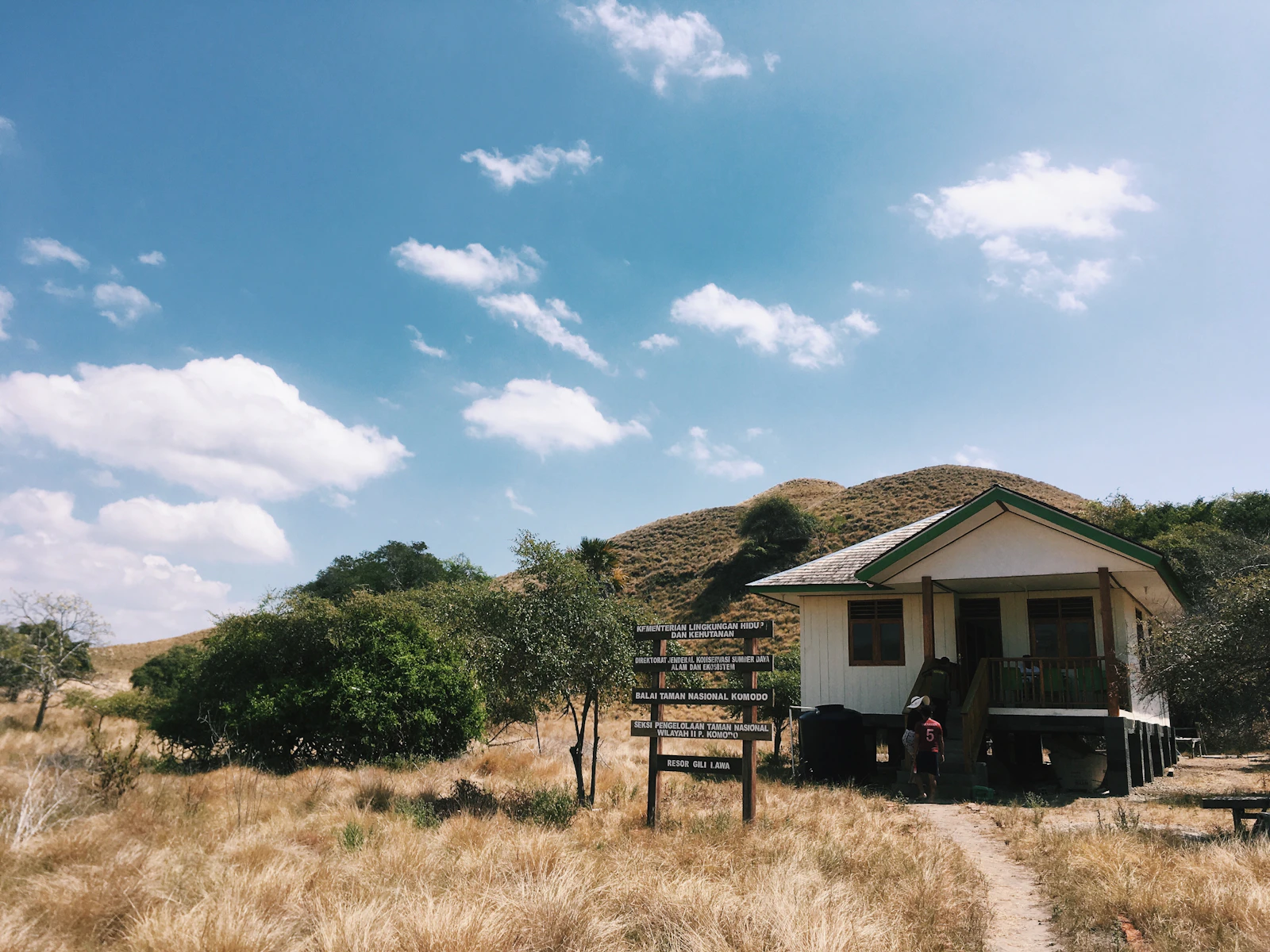
In practice, almost no independent traveler pays the park authority directly at a counter for a Padar-only visit. Fees are typically collected by your boat operator before departure and bundled into your package price, or paid to rangers at the point of entry using operator-provided manifests. Carry small-denomination rupiah in cash as a backup regardless — card and digital payment infrastructure at park entry points is inconsistent.
Frequently asked questions
What is the total realistic budget for a Padar Island day trip?
Add the park entrance fee (see our dated entrance fee breakdown) to your boat cost (shared seat vs. private charter) and any optional add-ons like gear rental or a guided package. Ask your operator for one itemized total before booking rather than assembling the estimate yourself from scattered figures.
Can I visit Padar Island without a guide?
You’ll be accompanied by a park ranger regardless, as a matter of park policy — that’s built into the entrance fee, not an optional add-on. What varies is whether you also book a private guide or tour leader beyond the ranger, which most day-trip packages already include.
Is it necessary to book in advance?
Yes. Entry runs against the 1,000-visitor daily ceiling that covers the whole of Komodo National Park rather than Padar by itself, divided into three timed sessions, and bookings run through the park’s SIORA reservation system in fixed daily windows — walk-up entry without a pre-booked slot is routinely refused, especially in peak season. See our permit and quota guide for how the booking windows work.
Book with Komodo Luxury on WhatsApp →
Which charges are fixed and which are a company’s choice
Almost every complaint about hidden costs at Padar dissolves once you can tell the two apart. The Komodo National Park entrance fee is nationally regulated, charged per person per calendar day, and covers the park as a whole rather than issuing a separate ticket for each island you land on — Padar has no tariff of its own, so visiting Komodo, Rinca and Padar on one date draws from the same daily fee. The ranger or trekking guide fee is charged per group, which is why joining others reduces your individual share. Boat permits are issued per vessel, applied for and paid by the operator, and priced by boat size and activity; in most packages that cost is absorbed silently into the advertised rate rather than itemised for guests.
Everything above those three is the operator’s decision. Catering, transfers, snorkel gear, payment-method surcharges, service level — all discretionary, all variable, all negotiable in principle. Once you see the split clearly, an unexpected extra becomes far less likely, because you know which line could not have moved and which one should have been disclosed.
Most frustration comes from vague all-inclusive wording rather than from unofficial charges inside the park. Lower headline prices frequently mean the operator is selling transport and guiding only, leaving the official tickets for you — a legitimate structure, but one where you have to add the current tariffs yourself to see the real number. Read inclusions line by line before transferring a deposit, ask specifically which park components are covered, and get the answer in writing. Email or a messaging confirmation is worth considerably more than a verbal assurance given in a hurry, and keeping copies of your SiORA reservation and the written inclusions is what resolves a dispute at the jetty in thirty seconds rather than thirty minutes.
If a quote looks unusually low, the useful question is not whether it is real but where the compromises are. Transparent companies will tell you which fees they pass through at cost and which sit inside their margin. The ones worth avoiding are those that leave fuel or equipment surcharges to appear on the day.
On negotiation: some street-front agencies and smaller operators in Labuan Bajo will move on price, particularly outside peak season, but the park components are fixed by regulation, so any discount comes out of the operator’s margin or their service level. Comparing written inclusions across several providers usually achieves more than haggling over a bottom-line figure.
Cash, cards and who actually pays at the jetty
Carry rupiah. Card payment cannot be relied on anywhere inside the park: certain Labuan Bajo offices can process the tour and park components by card in town, but rangers on the island and boat crews do not carry terminals, network coverage is weak, and there are no ATMs on Padar. Treat any card facility as a bonus and budget in cash, in small notes, since change on boats and jetties is limited. Withdraw or exchange before you board — a detour to find money eats directly into your park time.
This holds even if you prepaid a package described as ticket-included. Your share of the ranger fee and any small extra is most reliably settled in cash, and if your tour has not pre-booked tickets, the payments due on arrival are the park entrance and the mandatory ranger-guided trekking service. Those are often settled by the guide or crew on your behalf with you reimbursing them, so establish in advance who physically handles the transaction. That single question prevents most of the confusion at the dock.
Entrance charges accrue per person per calendar day, so every day you are inside the park generates another ticket. This is why a multi-day sailing trip costs more in park fees than a single sunrise visit, and why clustering activities into fewer, fuller days is more efficient than dipping in and out. When you compare itineraries, look at the total park-related cost across the trip rather than trying to attribute a price to Padar alone.
Ticketing itself now happens before you board. SiORA reservations are mandatory, agencies in Labuan Bajo commonly bundle the electronic tickets with a package, and physical counters play little role. If you are arranging things independently, leave time in town to resolve any booking problem before sailing. At the Padar jetty, rangers meet the boats, verify session bookings and direct groups to the trailhead — which is exactly where a mismatch between advertised inclusions and actual tickets surfaces. Keep your own copy of the confirmation accessible even when the guide is presenting QR codes for the group, and expect occasional spot checks on the trail during busy sunrise sessions.
Tipping the ranger is discretionary and unregulated. Many visitors offer a modest cash gratuity when the pacing, safety management and information genuinely added something, sized to the group and the service rather than to any percentage. Hand it directly to the person at the end of the hike, quietly.
Specialist permits and equipment
Permits and tickets fall under the Komodo National Park authority within Indonesia’s environment and forestry structures, but for ordinary tourism you rarely deal with those offices — licensed operators handle the paperwork. Direct contact becomes relevant only for filming or scientific research.
Recreational drones are tightly controlled and often refused, to protect wildlife and visitor safety. Commercial operators need a SIMAKSI permit with a significant per-day fee applied for in advance, and even then launching is at the discretion of the rangers present, who can stop a flight when conditions or crowding make it inappropriate. Responsible practice goes further than the permit: on narrow ridgelines a drone disturbs nesting birds and unsettles people concentrating on steep steps, so keeping generous distance from wildlife, avoiding the sunrise and sunset crush, and accepting a ranger’s refusal without argument are all part of flying ethically here.
Ordinary camera equipment is another matter. High-end bodies with interchangeable lenses are fine for personal use provided you follow ranger instructions and respect other people’s space on the narrow viewpoints; the authorities become cautious when photography is clearly commercial. If your work goes beyond typical travel images, check the permit question before you travel rather than at the jetty.
For most visitors the practical kit is modest: a light camera with a mid-range zoom, or a phone with a decent wide lens, is enough because the viewpoints sit close to the subjects. Any recent phone with good dynamic range and an ultra-wide handles the panorama well, and stabilisation plus a reliable low-light mode matter more during a pre-dawn ascent than any brand choice — learn your exposure controls and keep the lens clean through the saltier part of the crossing. A tripod helps in low light but adds weight to a staircase; think about that trade honestly. Bring spare batteries and a soft cloth, because sea spray, dust and sweat cause more lost shots than a shortage of megapixels. Assume no power on board: some larger phinisi and newer speedboats have limited charging points, often already in use, and smaller day boats have none accessible to guests. Arrive fully charged, carry a power bank, and switch devices off between sequences.
Your own snorkel gear is welcome on Padar-bound boats and many travellers prefer their own mask for fit and hygiene. Just remember Padar is primarily a hiking stop with limited time at any nearby beach or reef, and stow equipment securely for a crossing that can be choppy.
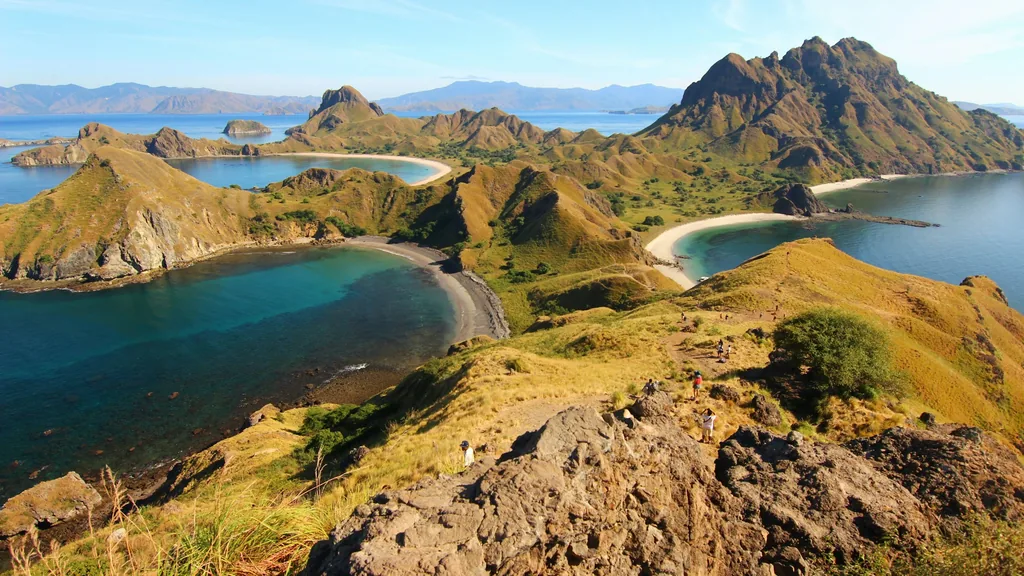
As for the hidden photo spots people ask about — rangers require everyone to stay on the staircase and marked viewpoints, so the good angles come from timing and framing rather than from leaving the path. The lower terraces often give cleaner foregrounds when the upper platforms are full, and shifting slightly left or right of the trail can align the three bays more evenly than the obvious position does.
Is it worth it
By international standards the cost is moderate, particularly for a UNESCO-listed marine park operating under strict quotas, and most visitors find that volcanic scenery, the bays and a full day of Komodo cruising justify the spend. Value comes down to how much you use the park day. Combining Padar with nearby islands and snorkel stops stretches the fixed entrance cost across more experiences; someone who only wants one photograph and the shortest possible day will feel the per-day fee more sharply and might spend the budget better elsewhere in Indonesia.
On a tight budget, the controllable elements are boat choice, the number of park days and the level of onboard catering, since the entrance fee is fixed. Simpler accommodation in Labuan Bajo and a shared trip keep totals down, and a focused day visiting fewer islands often beats a packed multi-stop circuit on cost per hour actually enjoyed. Cheaper departures still have to respect quotas and safety rules, but booking through a reputable office rather than purely through social media reduces the risk of last-minute changes — and the question to ask any budget operator is simply how the park fees are handled, so that nothing arrives as a surprise at the dock.
One comparison worth making if you are choosing between Indonesian viewpoints: places like Wanagiri Hidden Hill in Bali are built around constructed photo platforms and paid props, whereas Padar is a natural viewpoint governed by national park rules. Here you pay conservation-driven fees and follow ranger guidance rather than buying access to an individual swing or nest. Whether that appeals is a genuine preference, not a question of value.
Finally, on the 2026 position: entrance fees are governed by Indonesia’s current non-tax revenue regulation, which replaced earlier and higher proposals that were never implemented. The widely discussed annual conservation levy was cancelled before any collection and does not apply. Checking that the regulation number and date stated on your ticket match the current one is a quick, practical way to confirm you are being charged under the rules in force.
This guide does not operate boats. Bookings are fulfilled by Komodo Luxury, and this site may earn a referral commission.
Ready When You Are
Ready to book?
Chat directly on WhatsApp with the Komodo Luxury team.
This guide does not operate boats. Bookings are fulfilled by Komodo Luxury, and this site may earn a referral commission.