

Journal
Visiting Padar Island in July: A Complete Weather Guide
In July the first touch of the morning air over Komodo National Park is dry, carrying the scent of sun-baked earth and salt, and a persistent wind holds a coolness that disappears once…
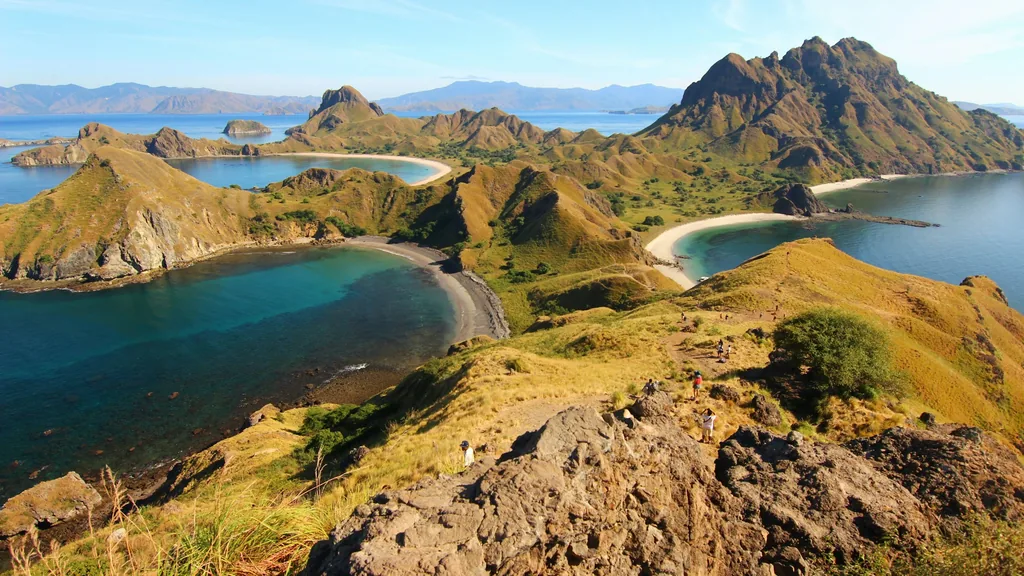
- Weather: Dry, sunny, with average temperatures of 28-32°C.
- Landscape: The island’s hills are a distinctive golden-brown savanna.
- Activities: Perfect for sunrise hiking, photography, and snorkeling in clear waters.
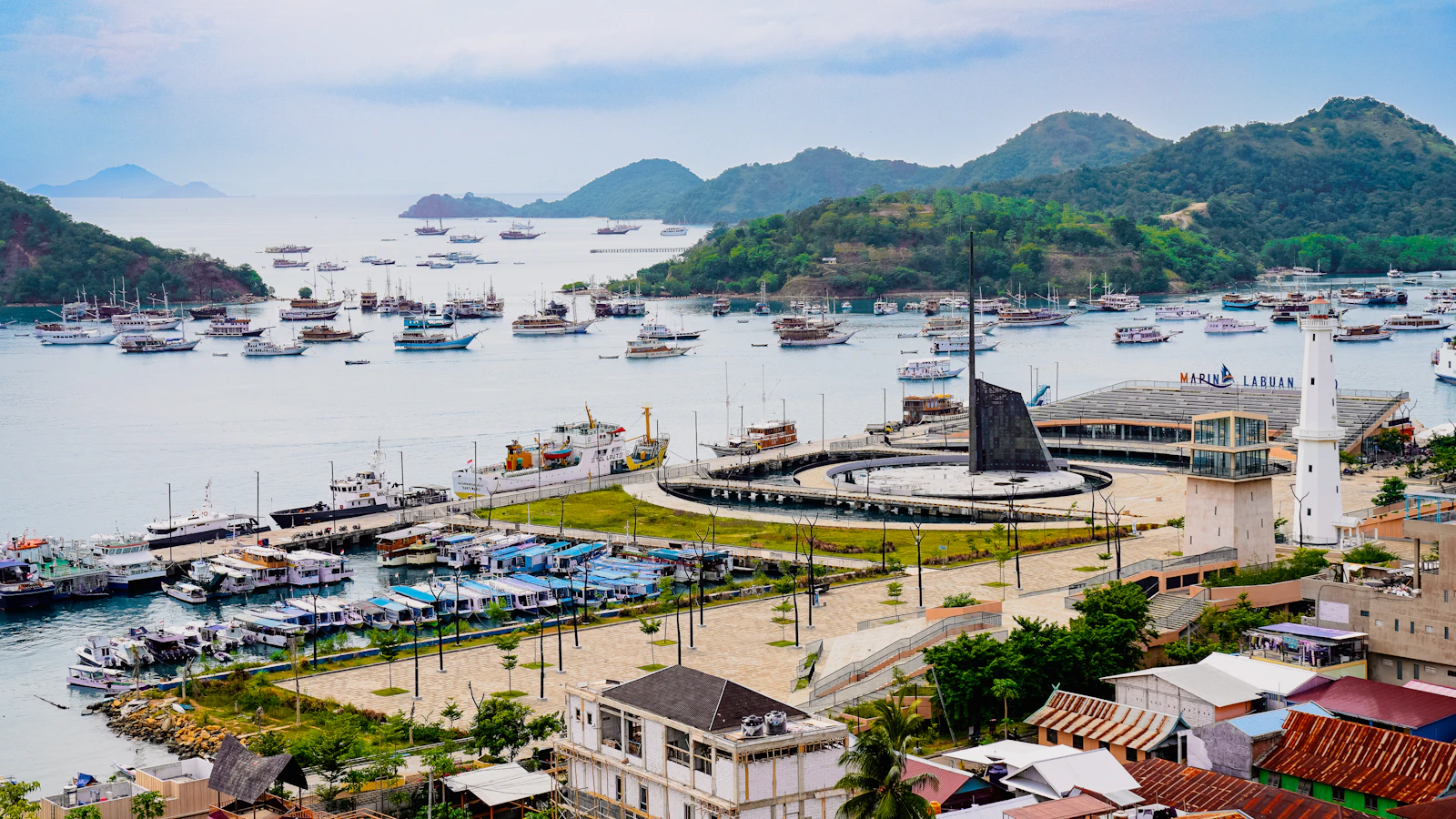
In July the first touch of the morning air over Komodo National Park is dry, carrying the scent of sun-baked earth and salt, and a persistent wind holds a coolness that disappears once the sun asserts its authority. Boats leaving Labuan Bajo for the sunrise slot are typically off Padar by around 5:00 AM, with the Flores Sea a deep, placid cobalt and the island’s silhouette rising against a pre-dawn sky streaked with violet and soft orange. The trail’s stone and wooden steps — roughly 800–840 of them, with no official count published — begin at the jetty. This is the reality of visiting Padar Island in July, a month that presents this geological marvel in its most elemental and dramatic state.
The Anatomy of July Weather in Komodo National Park
July is the heart of the dry season in the Lesser Sunda Islands, and for travelers, this translates to near-perfect meteorological conditions. Unlike the humid, rain-soaked months from December to March, July offers a reprieve. Daily high temperatures typically hover between 28°C and 32°C (82°F to 90°F), but the real advantage is the lower humidity, which often sits around a comfortable 70-75%. This lack of oppressive moisture makes the signature trek far more manageable than it would be during the wet season. Rainfall is practically non-existent; the entire month might see less than 15 millimeters of precipitation, usually in the form of a brief, isolated shower that passes as quickly as it arrives. According to data from Indonesia’s Meteorology, Climatology, and Geophysical Agency (BMKG), this is one of the driest periods of the year for the region. The prevailing southeasterly trade winds are also a defining feature of July. These winds, averaging 15-25 kilometers per hour, are a constant companion, keeping the air from feeling stagnant and creating a pleasant breeze, especially at higher elevations. For those arriving by sea, these winds mean the waters within the park are generally calm, though some channels can experience stronger currents. The sea temperature itself is refreshingly cool, averaging 25-28°C, which is ideal for snorkeling and diving activities after your hike.
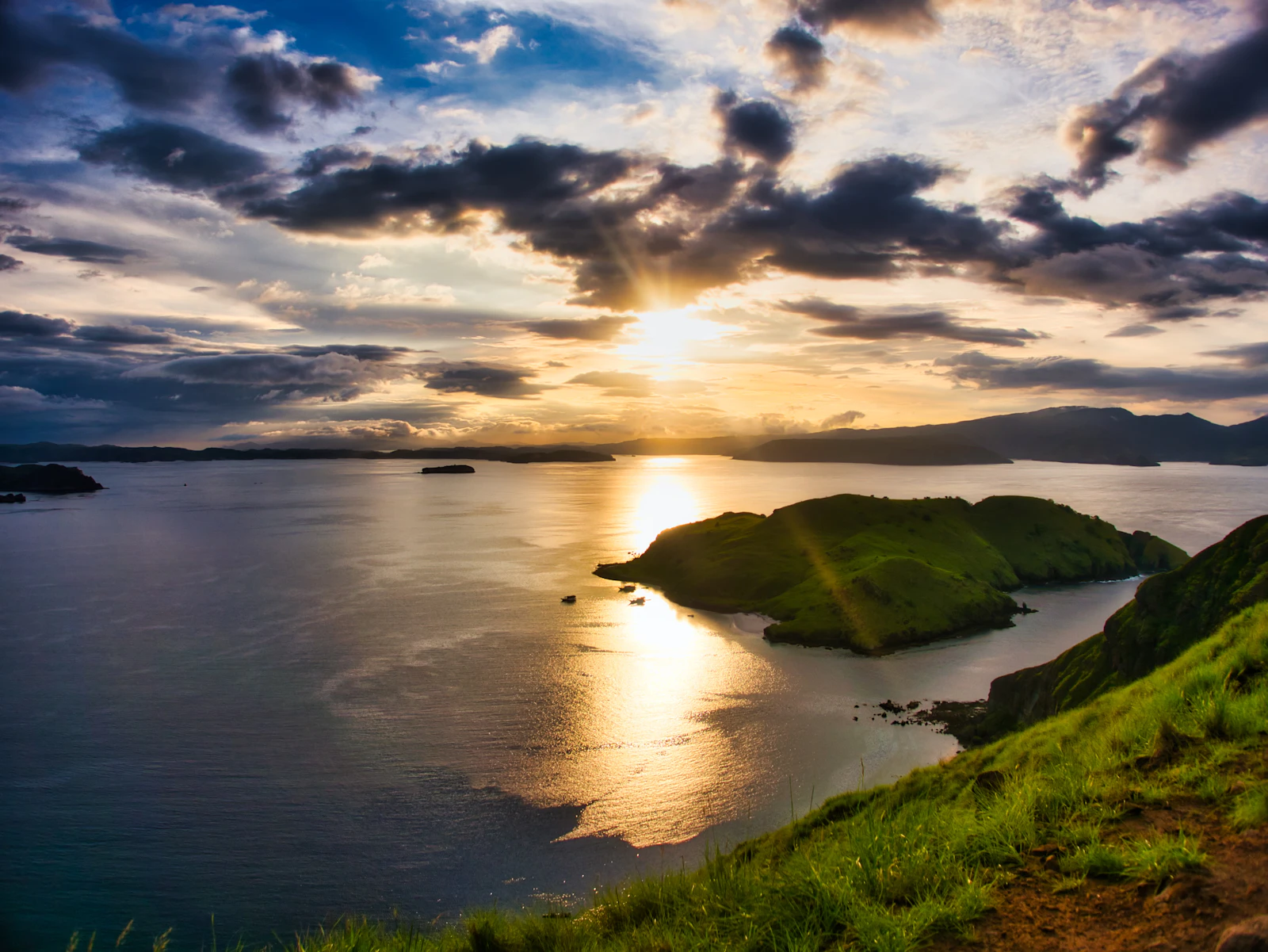
What Dry Season Conditions Mean for Your Padar Hike
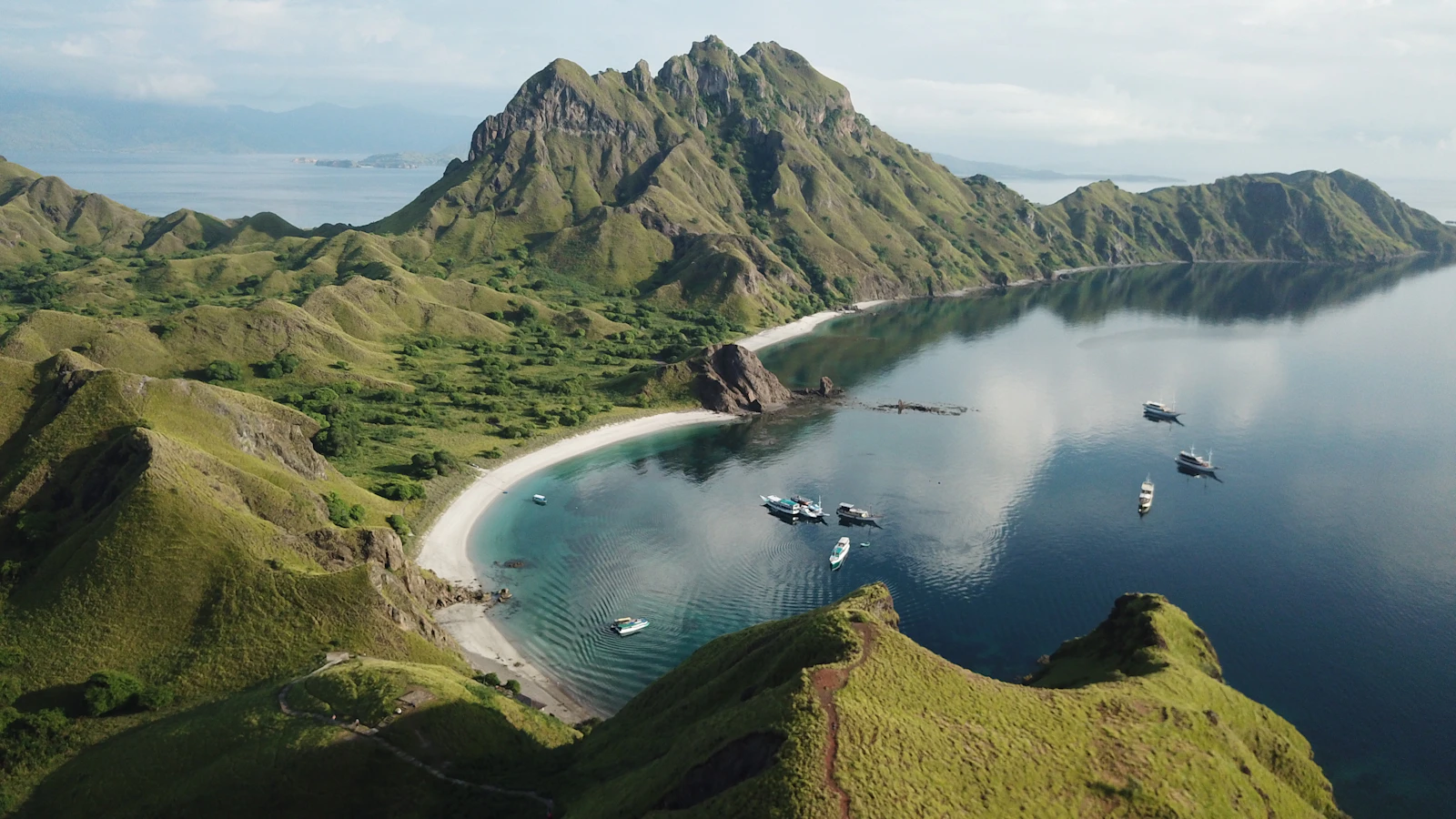
The weather in July directly shapes the quintessential Padar Island experience: the hike to its summit. The trail, a combination of dirt path and well-maintained wooden steps, is firm and dry underfoot. There is no mud to contend with, providing secure footing for the 25 to 45-minute ascent. The most striking visual difference is the landscape itself. The lush green carpeting seen during the wet season gives way to a vast expanse of golden-brown and ochre-hued savannah grasses. This arid, dramatic coloration creates a powerful contrast with the turquoise, sapphire, and cerulean blues of the surrounding bays and the tri-colored beaches—pink, white, and black volcanic sand—that the island is famous for. Visibility during July is exceptional. The crisp, dry air is free from the haze that can accompany more humid months, meaning your view from the summit is typically unobstructed for dozens of kilometers. You can clearly distinguish the rugged coastlines of Komodo and Rinca islands in the distance. To make the most of these conditions, timing is everything. The midday sun between 11 AM and 3 PM is intense. The hike is worth timing for either sunrise or sunset. A sunrise trek, starting around 5:00 AM, allows you to ascend in the relative cool of the morning and witness the first light illuminating the archipelago—a truly sublime moment. For a more detailed breakdown of what the journey entails, our Definitive Padar Island Guide covers every step of the experience.
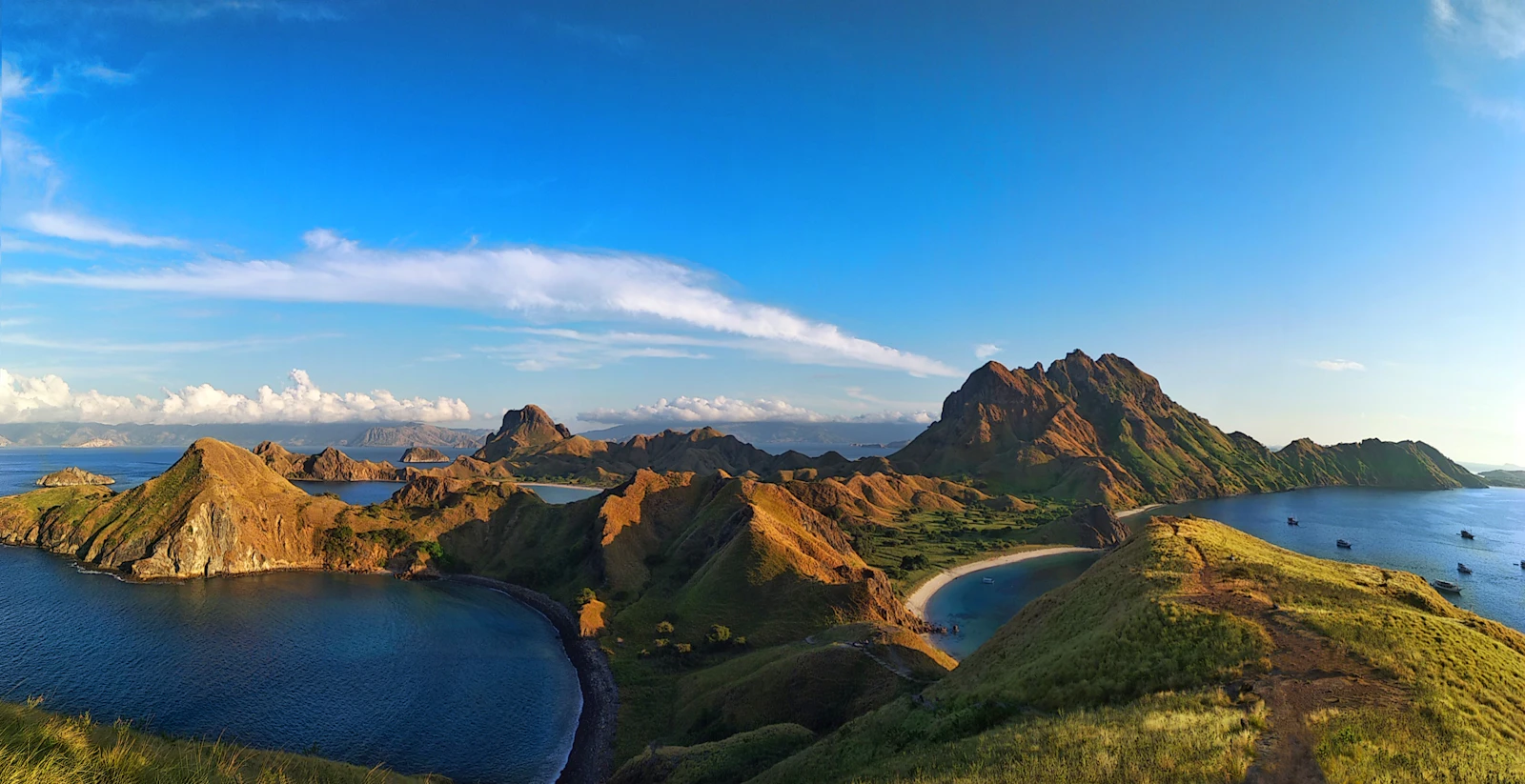
Photography in July: Capturing Padar’s Dramatic Palette
For photographers, July presents a unique set of opportunities and challenges. The quality of light is magnificent but requires careful management. In the dry season the golden hours at Padar are elongated and intensely saturated: the low angle of the sun rakes across the parched hills, highlighting every ridge and texture. For a sunrise shoot, you’ll want to be at the main viewpoint at least 20 minutes before the sun crests the horizon to capture the “blue hour,” when the landscape is bathed in a soft, even light. The real magic happens as the first rays hit the tawny-colored hills, turning them a fiery orange. The stark contrast between these warm tones and the cool blues of the three distinct bays is what makes the Padar photograph so iconic. The midday sun, however, is harsh and unforgiving. It creates high-contrast scenes with deep shadows and blown-out highlights. Unless you are specifically aiming for this dramatic, high-key look, it’s best to avoid shooting between 10 AM and 3 PM. Instead, use this time for snorkeling or relaxing on your chartered boat. A polarizing filter is an essential piece of kit for visiting Padar Island in July; it will cut through the oceanic glare, deepen the blues of the sky and water, and make the colors of the sand and savannah pop with incredible vibrancy. The clarity of the air means long-lens shots of distant islands or passing phinisi boats will be exceptionally sharp.
Packing for Padar in July: The Editor’s Edit
While the journey to Padar is an adventure, your comfort hinges on intelligent packing. The luxury lies not in excess, but in having precisely the right items for the conditions. For the hike itself, prioritize function. A pair of lightweight, breathable trail shoes with excellent grip, like those from On Running or Salomon, is non-negotiable. Forget flip-flops. On your body, think layers of technical, moisture-wicking fabric. A base layer from a brand like Arc’teryx paired with a packable, wind-resistant shell is perfect for the breezy pre-dawn start. As the sun climbs, you’ll want to be in lightweight shorts or trousers and a breathable top. A wide-brimmed hat is essential; a packable one that survives being stuffed into a daypack is the practical choice. Sunglasses with high-quality polarized lenses are equally critical to protect against the intense glare off the water. In your daypack, carry at least 1.5 liters of water per person, a high-SPF, reef-safe mineral sunscreen, and a small first-aid kit. For your time on the boat and in the water, a quality rash guard provides sun protection while snorkeling. Pack a few elegant linen shirts or dresses for lounging on the deck of your phinisi—Orlebar Brown and Vilebrequin offer excellent options that bridge the gap between practical and polished. The key is to pack for hot days, cool, breezy evenings, and high sun exposure.
Beyond the Summit: Marine Life and Activities in July
While the trek is the main draw, the marine environment around Padar in July is a world-class attraction in its own right. The dry season ushers in cooler water temperatures, which, combined with minimal runoff from the islands, results in outstanding underwater visibility, often exceeding 30 meters. This clarity makes for spectacular snorkeling and diving experiences. The currents within the Komodo National Park UNESCO World Heritage site can be strong, but they are also nutrient-rich, attracting a high density of marine megafauna. July is a prime month for encountering Manta Rays, particularly at cleaning stations like Manta Point (Karang Makassar). These gentle giants congregate in large numbers, gliding effortlessly through the currents. Your boat captain or private guide will know the best times and tides to maximize your chances of a memorable encounter. The coral reefs surrounding the nearby islands are vibrant and teeming with life, from schools of fusiliers and anthias to sea turtles and the occasional reef shark. The calmer seas also make it an ideal time for kayaking or stand-up paddleboarding in sheltered bays, offering a different perspective on the dramatic, arid landscapes. After the exertion of the morning hike, there is no better reward than immersing yourself in the cool, clear, and life-filled waters of the Flores Sea.
Crowds and Costs of Peak Season
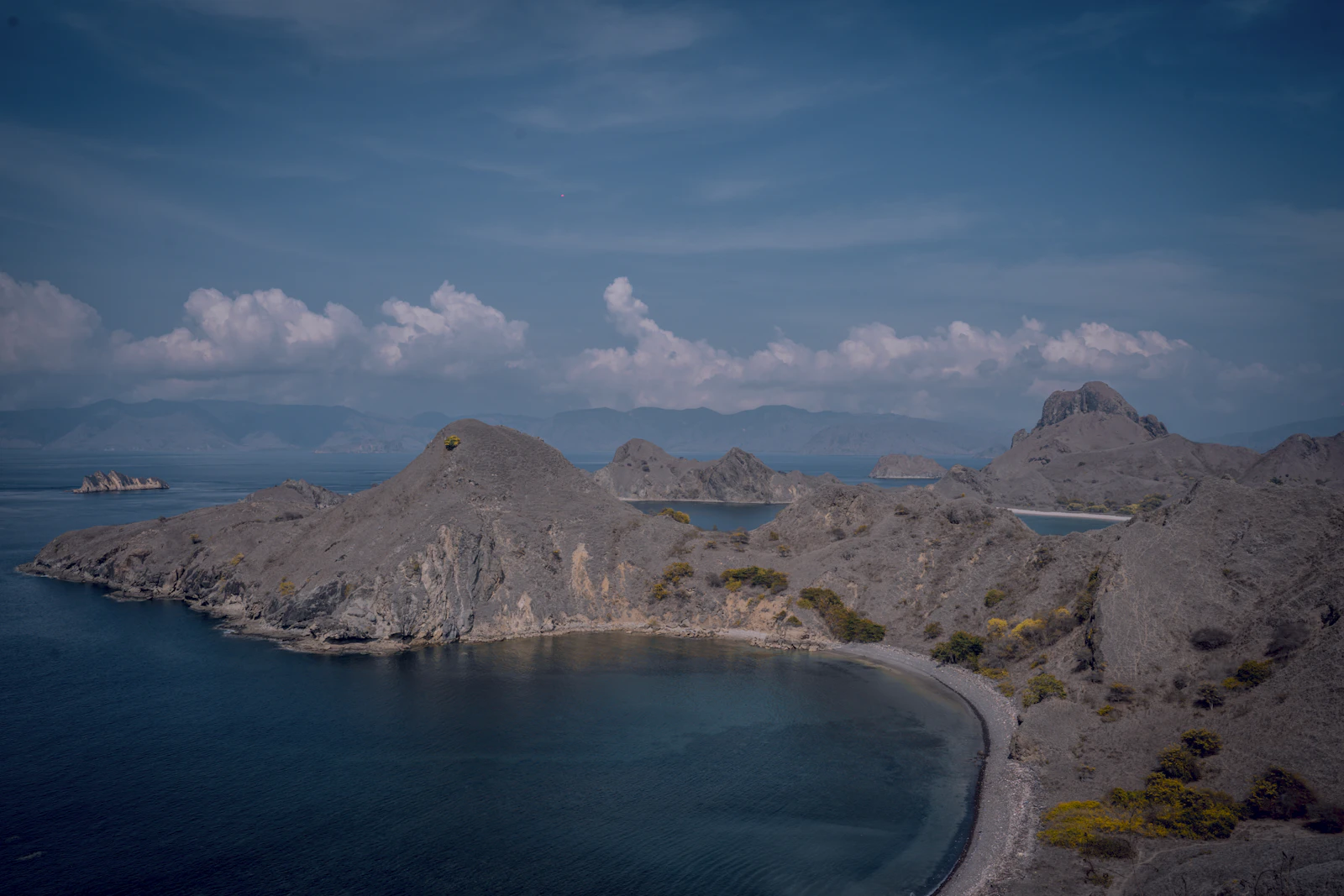
The superb weather of July comes with a caveat: it is the absolute peak of the tourist season in Komodo National Park. The trail on Padar, especially for sunrise, can become quite busy. This is where a luxury approach pays dividends. Chartering a private phinisi or speedboat, which you can arrange when you book your Padar Island tour, allows you to dictate your own schedule. You can arrive slightly earlier or later than the larger group tours, affording you a more serene experience at the summit. Planning is paramount. We recommend securing your boat and accommodations at least six months in advance for a July trip. The popularity of visiting Padar Island in July also affects pricing. Expect to pay a premium for flights, charters, and park entrance fees. The Komodo National Park entrance fee is IDR 250,000/day for foreign visitors and IDR 50,000/day (weekdays) or IDR 75,000/day (Sundays & national holidays) for Indonesian citizens, though no verified per-person harbor fee applies (a per-boat charge may apply instead, usually already included in the price), alongside a separate ranger/guide fee — see our dedicated entrance fee breakdown for the current dated figures. Totalled honestly, that comes to roughly IDR 400,000–525,000 per foreign visitor per day: the PNBP ticket, a ranger/guide fee near IDR 150,000 for each group of 1–5, and conservation and jetty components bundled rather than itemised (as of August 2026). For a comprehensive overview of the investment required, our Padar Island Pricing & Cost Guide provides a detailed breakdown. While it is the most expensive and crowded time to visit, the trade-off is guaranteed good weather, which for a once-in-a-lifetime trip, is a price many are willing to pay.
Quick FAQ: Your July Padar Island Questions Answered
Is sunrise or sunset better for the Padar hike in July?
Both are spectacular, but we have a slight preference for sunrise. The air is cooler for the ascent, the crowds can be marginally thinner than at sunset, and the soft morning light on the golden hills is truly exceptional. Sunset offers dramatic, fiery skies but you will be descending in twilight, which requires a headlamp.
How difficult is the hike in the July heat?
The hike is moderately strenuous, involving around 800–840 steps (no official count published) and some steep inclines. The July heat is a significant factor. If you hike midday, it can be extremely challenging. However, by hiking at sunrise or late afternoon, and by carrying sufficient water (at least 1.5 liters per person), it is very manageable for anyone with a reasonable level of fitness.
Are mosquitos a problem on Padar Island in July?
Due to the dry conditions, mosquitos are far less of a concern in July compared to the wet season. On the arid, windy slopes of Padar itself, they are virtually non-existent. However, it is still wise to use insect repellent in the evenings, especially if you are staying on a boat anchored in a calm, sheltered bay, as recommended by travel health authorities like the CDC.
What are the chances of seeing Komodo dragons on Padar?
The chances are extremely low. While Padar is part of the Komodo National Park, the Komodo dragon population was extirpated from the island years ago. For guaranteed dragon sightings, your itinerary must include a visit to Rinca Island or the ranger station on Komodo Island, which is typically part of any comprehensive tour package in the region, including those featured on the official Indonesia Travel website.
July offers a chance to see this incredible landscape at its most dramatic and reliable. The golden hills, the clear turquoise water, and the brilliant blue skies combine to create the picture-postcard image that has captivated travelers worldwide. It requires planning and a willingness to share the experience, but the rewards are immeasurable. To begin crafting your own dry-season journey to this unforgettable corner of the world, explore the bespoke travel options available on the official Padar Island homepage.
Booking into the windiest month of the dry season
padarisland.com publishes weather research, not charters. Boats are run by our affiliated operator, Komodo Luxury. July rewards an early departure and a heavier hull, and both are booking decisions rather than things you sort out on the morning. July-friendly departures include Komodo sailing trips, Labuan Bajo tours, and private-trip packages.
July: reliable weather, strong wind, busy trail
By July the island is deep into the dry season. Slopes are largely golden-brown, trails are firm, rain is uncommon and visibility for the viewpoint is good. What defines the month is not rain but wind — July is among the windiest of the year, particularly on the upper sections of the hike and at the saddles near the main viewpoint, with steady breezes and stronger gusts. On land that wind takes some of the edge off the heat; on the water it makes the crossing bumpier.
Heat is still the day’s main variable. Temperatures stay warm to hot year-round with only modest monthly variation, and July sits in the middle of the normal range. The real problem is solar exposure: the staircase has almost no shade, so the perceived temperature exceeds the air reading. Humidity is generally lower in the core dry months than in the wet season, which makes July feel drier, though no site-specific figures for the island are published and neither is a rainfall table — the pattern is a marked dry season roughly April to November and a wetter period December to March.
May, by contrast, reads as early dry season, with rainfall easing from the first months of the year and vegetation beginning to turn from green toward gold. Sunrise on Padar in any month feels mild to cool rather than cold compared with the heat that builds later, with a light breeze common on the ridge — a thin layer for the top is worth carrying.
For drones, June to August is the marginal window. Ridgeline gusts are stronger and turbulence exists even when the trail only feels breezy, so small consumer aircraft struggle. That is a practical constraint sitting on top of the permit requirement.
The mistakes people make in July
Three recur. Underestimating how steep the stairs are. Starting the climb without enough water. And leaving Labuan Bajo too late for the booked time slot, which is the one that cannot be corrected on the day.
The safety framework is simple and enforced: stay on the main staircase and marked paths, join an escorted group, and be present for the headcount before departure. Swimming happens only where a ranger permits it.
Padar is worth a stop for light snorkelling but is not the park’s top reef destination. Clarity in July is usually good and you will find patches of coral and fish, though the substantial sessions belong at other sites on the same itinerary.
There are no public showers and the ranger post facilities are basic, geared to short visits rather than washing off. Rinse salt water back on the boat.
Assume cards will not work on the island. Facilities at the ranger post do not support reliable non-cash payment, and tickets and boat arrangements are settled by card or transfer in Labuan Bajo instead. Carry rupiah for anything on the day.
Fasilitas di Pulau Padar sangat terbatas dan pembayaran non-tunai tidak dapat diandalkan di pos ranger. Sebagian besar pembayaran resmi, termasuk tiket dan pengaturan kapal, diselesaikan lebih dulu di Labuan Bajo.
Access to the main viewpoints runs through the official staircase and the ranger-controlled trail, which requires a valid park ticket. There is no free alternative viewpoint and no separate fee for the viewpoint itself — visits fall under the Komodo National Park ticketing system with mandatory online reservations and session-specific entry, and every visitor needs their own e-ticket.
Who should think carefully
Active seniors comfortable with stairs and moderate exertion often manage the hike by pacing themselves and resting at the intermediate platforms. The steps are steep in places and the railings are not continuous, so using them where they exist and taking the climb slowly matters more than fitness alone.
Visitors with heart conditions should treat this as a moderate cardiovascular effort — a sustained staircase in heat with limited shade. Those with stable, well-managed conditions sometimes manage it by going very slowly and stopping early, but if your doctor has advised caution about exertion in heat, the lower terraces are the sensible destination and there is no loss in choosing them.
Pregnant visitors in good health may enjoy Padar if they keep exertion moderate, avoid the peak heat and are comfortable with boat travel. The staircase is steep with uneven steps, and there is no clinic on the island.
That last point is the one to take seriously regardless of who you are. Travel insurance covering boat excursions, hiking and medical evacuation is strongly advisable, because any injury or acute illness means a boat back to Labuan Bajo. Helicopter rescue is not a routine on-demand service here — landing zones are limited by the topography, formal procedures are not published, and in practice rangers coordinate with park authorities and operators, with the boat as the realistic means of evacuation.
Snake encounters on the main staircase are rare, since wildlife avoids the busy path, but any bite should be treated as serious. Keep the person as still as possible, do not cut or attempt to suck the wound, immobilise the limb, alert the ranger immediately and arrange transport back to Labuan Bajo without delay.
What the island is, and whether to come twice
Padar is compact and rugged, with several distinct bays separated by steep ridges rather than any broad flat ground; getting from the jetty to the main summit viewpoint means climbing that relief rather than walking around it. Looking at satellite imagery before the trip genuinely helps — the shape, with multiple bays radiating from a central ridge system, makes the panorama easier to read when you are standing in it.
Its fame rests entirely on that one layered viewpoint over several differently coloured bays and sharply folded hills, not on beaches, diving or villages. The photograph from the main saddle is among Indonesia’s most recognised, and the hike exists to reach it.
Compared with Komodo Island the division of labour is clear: Padar for the viewpoint hike and landscape photography, Komodo for the dragons. Visiting Padar twice in one trip is worthwhile mainly for photographers who want both sunrise and sunset light, or for anyone whose first attempt was lost to poor visibility. Otherwise, once is enough.
This guide does not operate boats. Bookings are fulfilled by Komodo Luxury, and this site may earn a referral commission.
Ready When You Are
Ready to book?
Chat directly on WhatsApp with the Komodo Luxury team.
This guide does not operate boats. Bookings are fulfilled by Komodo Luxury, and this site may earn a referral commission.