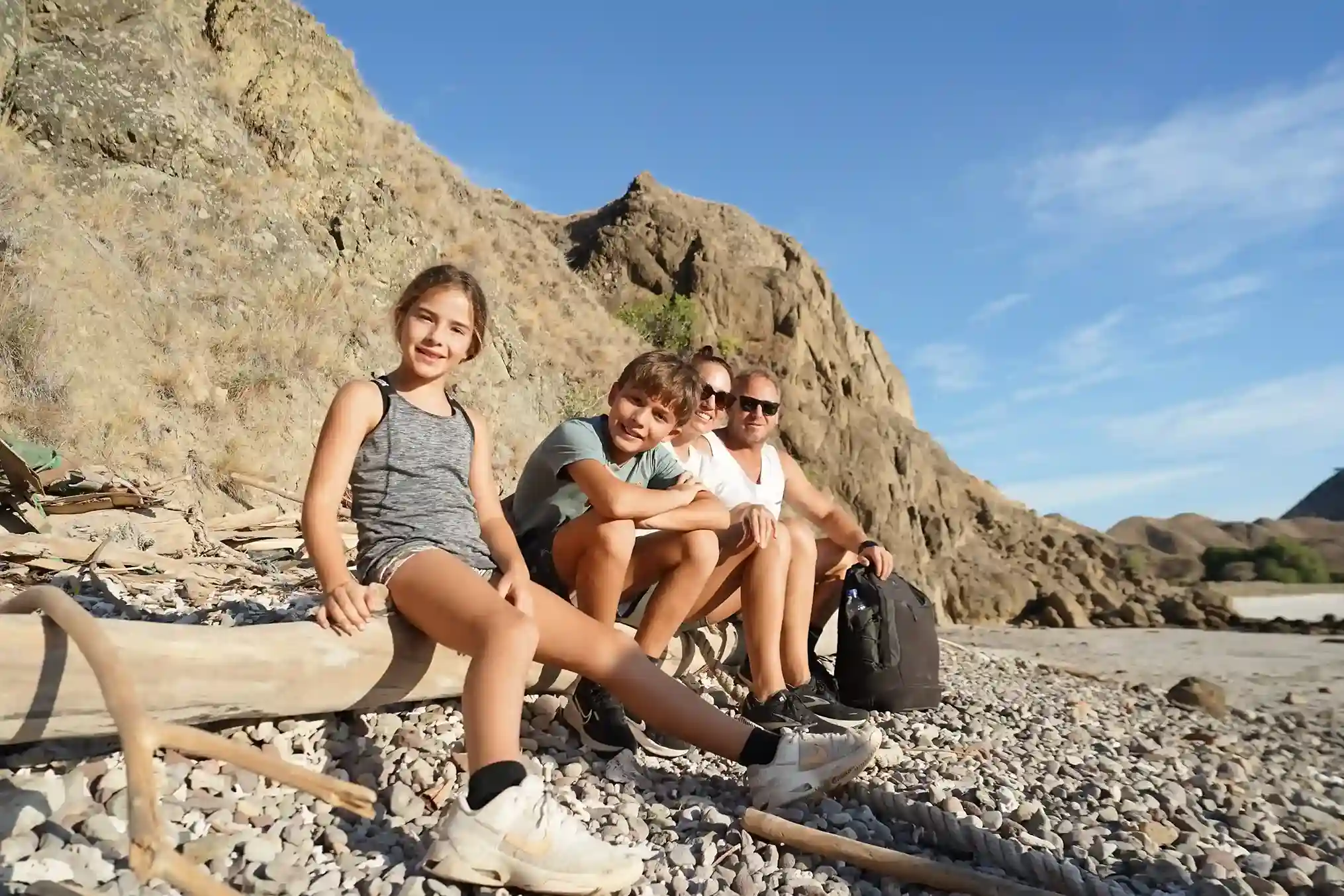
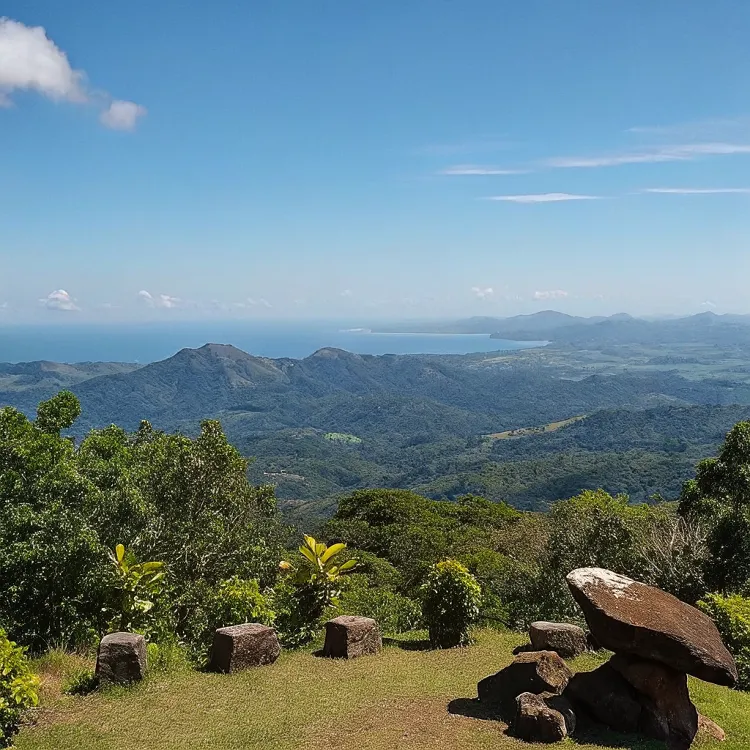
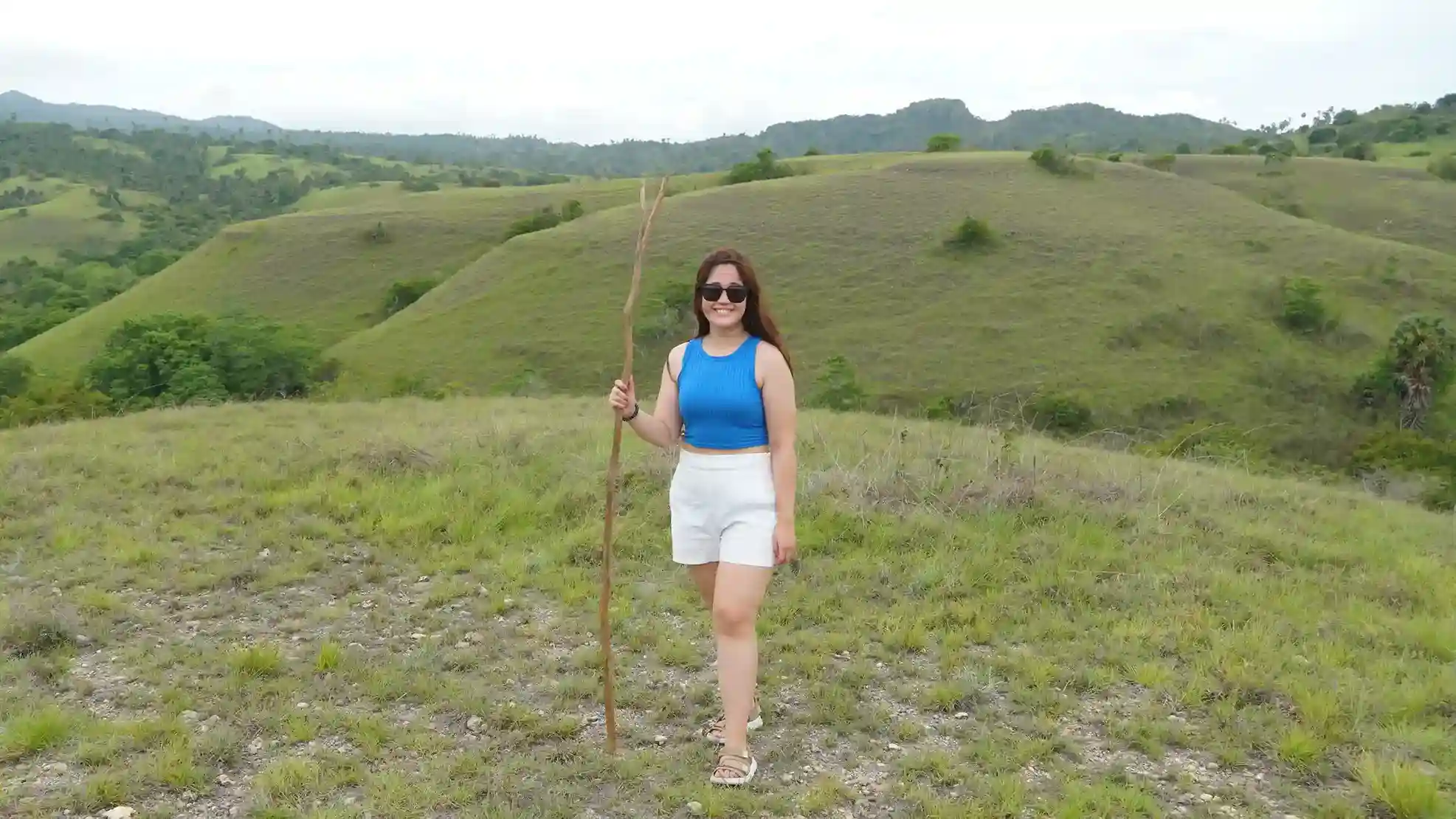
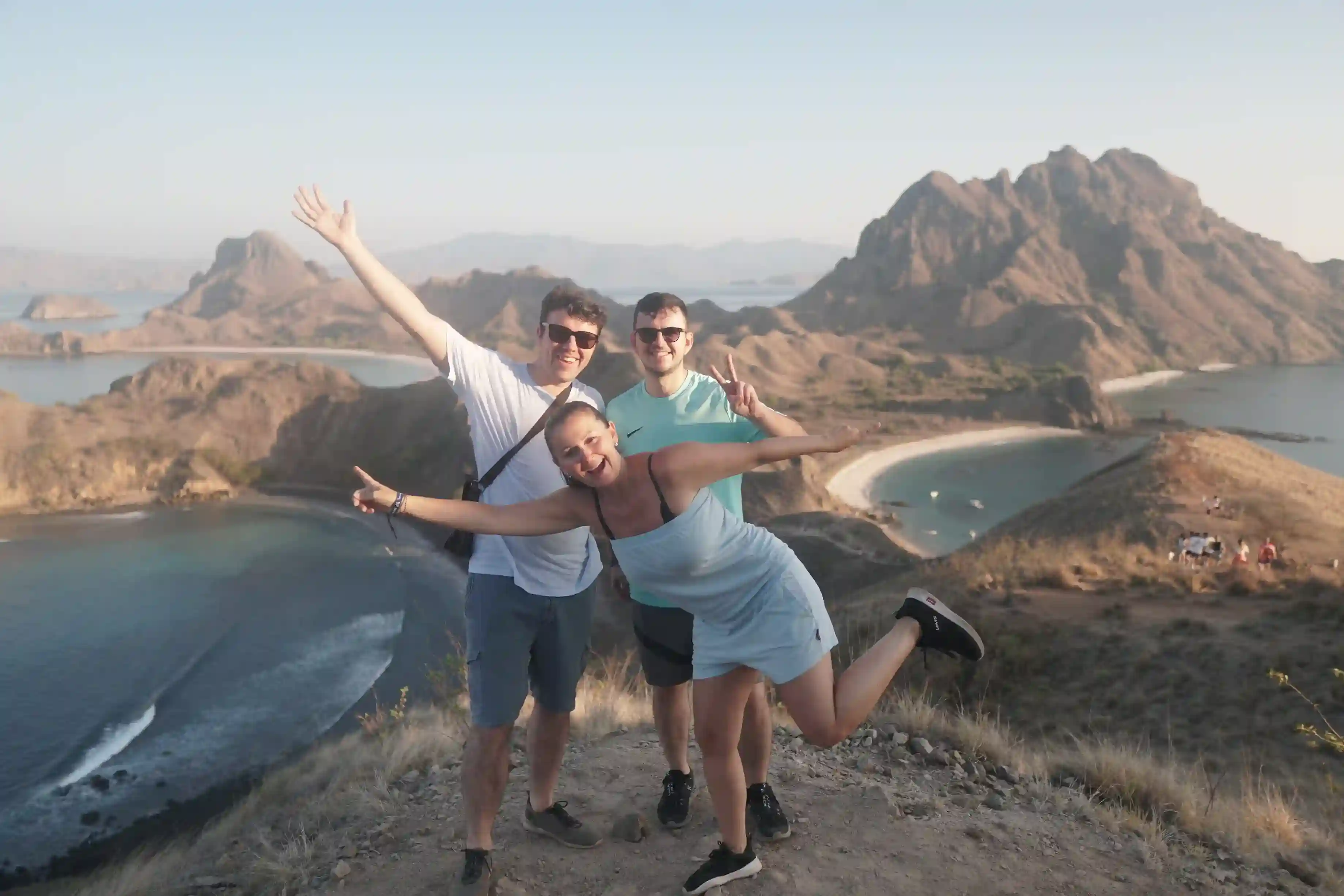
January is the wettest end of the spectrum: humid, warm and changeable, with showers or thunderstorms possible most days and cloud more common than in the dry season. The slopes turn green and hazy, the air feels heavy, and light shifts constantly as cloud crosses the sun — muting midday colour but softening it at either end of the day. Photographs from January show a greener, mistier version of the classic ridges, still with strong contrast between bays and hills but under softer skies than the razor-blue of high dry season. Clear intervals often open around or after sunrise, which gives shifting light across the three bays rather than one static view.
Seas are the catch: residual swell from wider weather systems can make the straits feel active even under blue sky, slowing crossings, forcing captains to adjust their approach to the jetty and making open-deck seating uncomfortable. If you are prone to motion sickness, January is the month to medicate in advance and sit near the boat’s centre. Dress for heat, sun and passing rain: lightweight quick-drying clothing, a hat, high-SPF sunscreen for when the cloud breaks, and closed shoes or hiking sandals with grip rather than flip-flops.