

Journal
How Much Does a Luxury Padar Island Tour Cost?
The air, an hour before dawn, is thick with the scent of salt and damp, volcanic earth. The only sound is the rhythmic lap of the Flores Sea against the ironwood hull of a phinisi.
- Yacht Caliber: The size, age, and onboard amenities of the vessel are the largest cost driver.
- Trip Duration: A 3-day trip is the entry point, while 7-day or longer expeditions command premium rates.
- Inclusions: All-inclusive packages cover meals, guides, and all park fees.
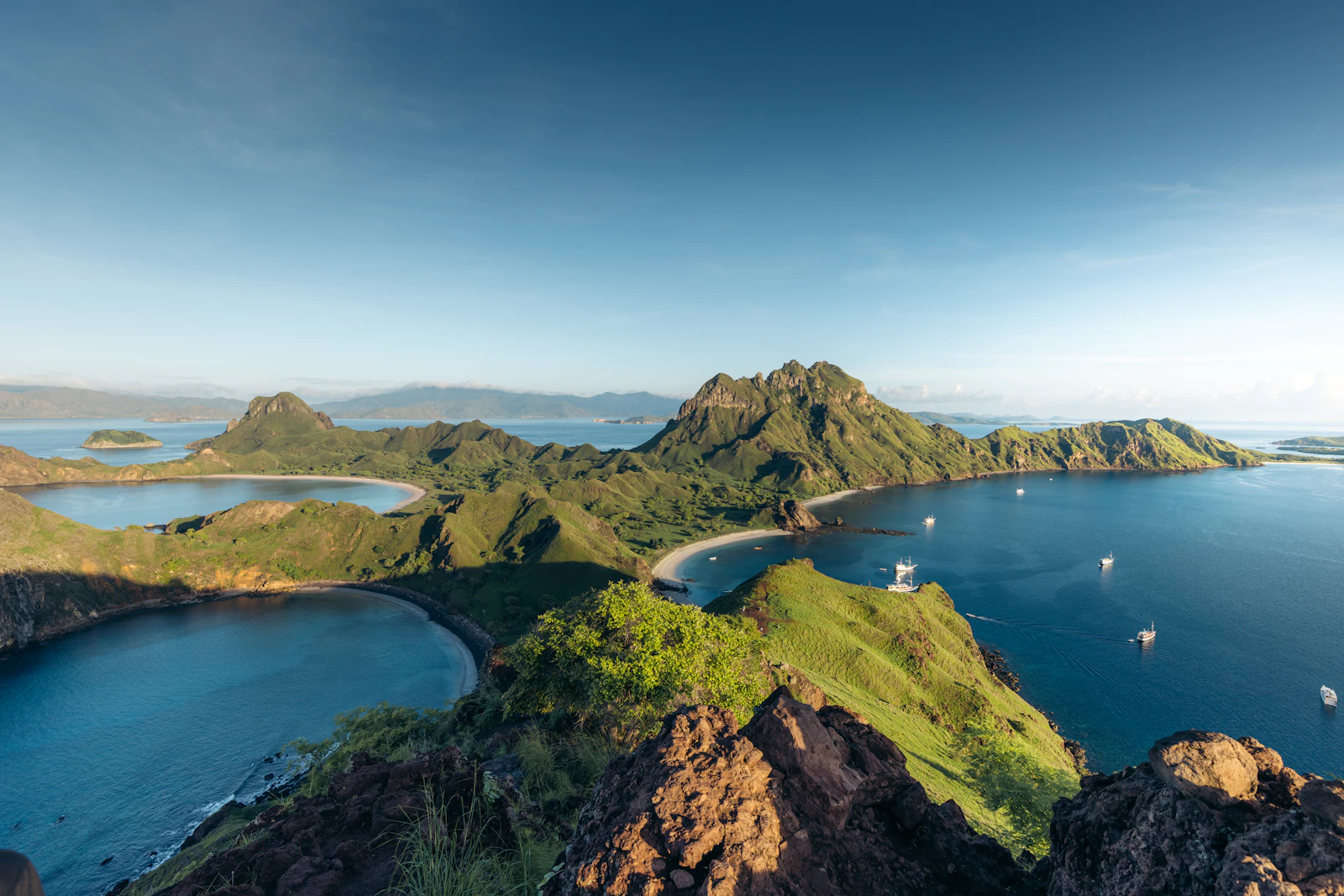
The air, an hour before dawn, is thick with the scent of salt and damp, volcanic earth. The only sound is the rhythmic lap of the Flores Sea against the ironwood hull of a phinisi. On the horizon, the jagged silhouettes of the Komodo archipelago are just beginning to separate from the inky blackness, painted in soft, bruised purples by the day’s first light. This is the prelude to the ascent, the quiet, meditative start to a day that will culminate in one of travel’s great rewards: the panoramic view from the summit of Padar Island. Understanding what actually drives the price of that experience is the first step in planning it well.
Deconstructing the Price Tag: Beyond the Yacht Charter
When prospective travellers ask about a luxury Padar Island tour cost, their focus is often squarely on the vessel. While the private yacht is indeed the centerpiece, it represents only one component of the total. Labuan Bajo charter operators commonly cite park permits, conservation fees, provisioning, and staffing as a substantial share of the total cost before the yacht even leaves the harbor. The Komodo National Park entrance fee — IDR 250,000/day for foreign visitors, per our entrance fee page — is just the starting point. Stack the layers and a foreign visitor is realistically looking at IDR 400,000–525,000 per person per day: the PNBP ticket, a ranger/guide fee of around IDR 150,000 per group of 1–5 people, and the conservation and jetty components already bundled into the ticketing system (as of August 2026). Add ranger fees for dragon trekking, an unverified “harbor fee” claim (no official per-person harbor charge is confirmed), and any diving permits. A detailed breakdown of these ancillary expenses can be found in our comprehensive Padar Island Pricing & Cost Guide. These are not optional add-ons; they are the necessary contributions that support the conservation of this fragile, 1,733-square-kilometer UNESCO World Heritage Site. Provisioning a luxury experience in this remote part of Indonesia adds a further premium, since higher-end ingredients and supplies typically route through Bali before reaching Labuan Bajo.

The Phinisi Yacht: Your Floating Private Villa
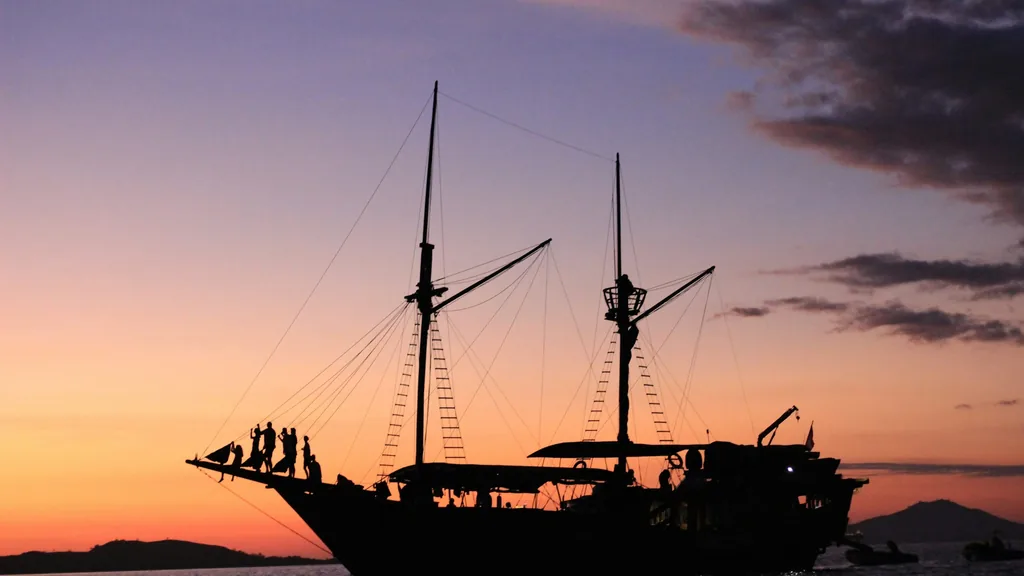
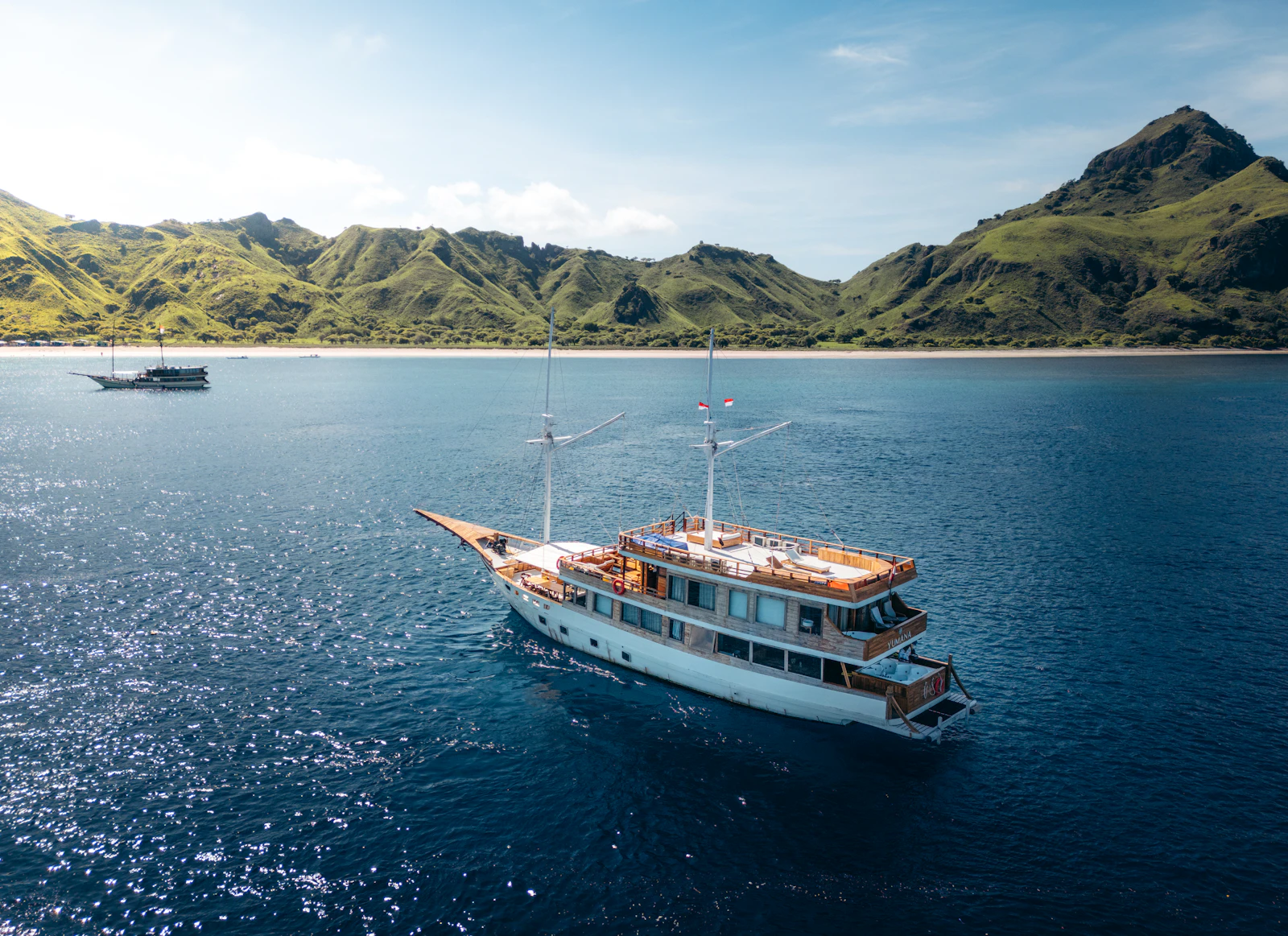
The heart of any high-end Komodo expedition is the phinisi, a traditional two-masted Indonesian sailing ship. The heritage of this Bugis shipbuilding craft is so significant it is recognized by UNESCO as a Masterpiece of the Oral and Intangible Heritage of Humanity. Today, these vessels have been reimagined as floating private villas, and their tier directly dictates the cost of a luxury Padar Island tour. Komodo Luxury groups its fleet into two private-charter tiers: VIP, running roughly USD 5,300–15,000 per yacht per night, and VVIP, where elite phinisi start around USD 15,000/night and superyacht-class vessels run up to USD 35,000+ per night. Because these rates are quoted per yacht, not per person, a group of six to eight splitting a VIP-tier phinisi lands at a meaningfully lower per-person cost than the headline nightly rate suggests.
Itinerary and Duration: Crafting Your Komodo Narrative
The duration of your voyage is the second most significant factor influencing the overall cost. While a quick trip is possible, it barely scratches the surface of what the archipelago offers. A longer, more immersive journey allows for a narrative to unfold, moving beyond the iconic viewpoints to discover the park’s more secluded corners. The most common luxury itinerary is the 3-day, 2-night “Highlight Reel,” typically including the sunrise trek on Padar, a visit to Rinca or Komodo Island to see the dragons, and a stop at the famed Pink Beach. This condensed experience provides the essential visuals and suits travellers with limited time. A 5-day, 4-night “Deep Dive” allows time for more remote dive sites like Batu Bolong and Manta Point, quieter anchorages, and unhurried afternoons. For the ultimate explorer, a 7-day or longer “Full Archipelago Expedition” reaches the park’s northern and western boundaries, areas seldom visited by day-trippers. For those planning such a comprehensive journey, our Definitive Padar Island Guide offers logistical detail, and Komodo Luxury’s liveaboard packages list current multi-day itineraries and rates by boat class.
What “Luxury” Actually Includes
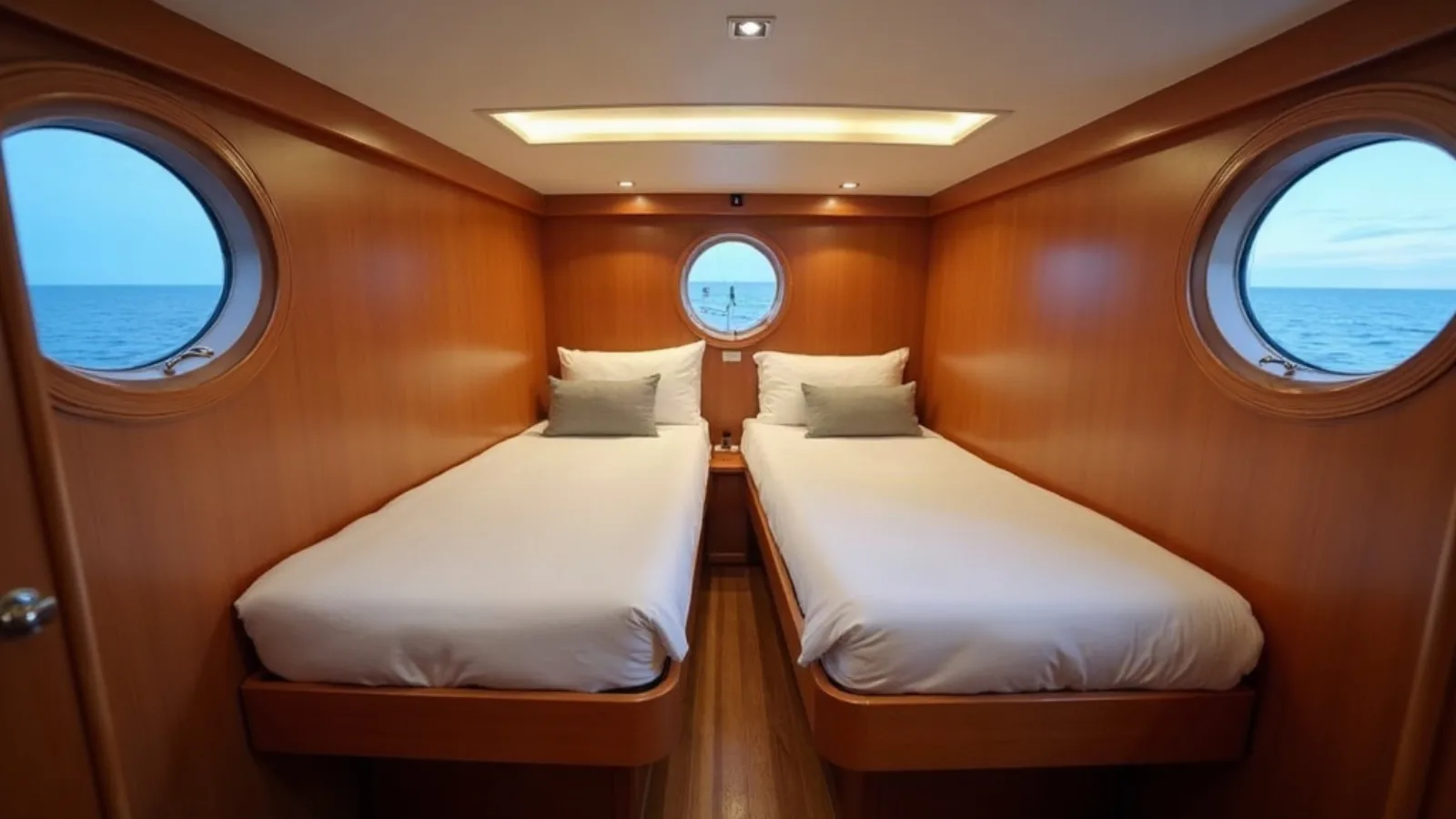
On a genuine luxury charter, the price reflects a curated suite of services and amenities that transform the trip from a simple boat rental into a seamless, high-touch experience. Reputable operators staff their vessels with an experienced crew and, on request, a private chef able to prepare both local and international dishes; specific crew backgrounds and certifications vary by operator and boat, so ask to see documentation for any credential that matters to your trip (dive certification, first-aid training) rather than assuming it as standard. Equipment on higher-tier boats typically includes snorkeling and, on request, diving gear, high-powered tenders for beach landings, and water toys such as paddleboards or kayaks — confirm exactly what’s included with your chosen operator, since inclusions vary by tier and package. The national tourism board’s own Labuan Bajo destination page presents the region as a marine-activity destination.
Seasonality and Timing: The Financial Ebb and Flow
The cost of a luxury Padar Island tour fluctuates with the seasons, governed by supply and demand. Peak season falls during July and August — the driest weather and calmest seas, and the most in-demand booking window, with well-reviewed boats often booked well in advance. Shoulder seasons (roughly April to June and September to early November) offer similarly good weather with fewer crowds and comparatively better availability. The wet season, December to March, is quieter and greener but brings rougher seas and a higher chance of itinerary changes; many operators run a reduced schedule during these months. For those ready to commit, planning your booking well in advance is the most effective way to secure your preferred vessel and dates, especially for peak and shoulder season travel.
Quick FAQ
Q: Are flights to Labuan Bajo (LBJ) included in the charter cost?
A: Typically, no. The charter fee covers the experience from the moment you are collected at Labuan Bajo airport. Flights are booked separately; ask your operator whether airport transfers are included.
Q: How much should I budget for crew gratuity?
A: Tipping crew is customary in Indonesia’s charter industry and is at your discretion rather than a fixed park or government fee. Ask your operator what’s typical for your specific charter if you’d like a benchmark.
Q: What are the most common “hidden” costs?
A: Ask specifically about alcoholic beverages, satellite internet at sea, and any spa or add-on activities — these are the items most often billed separately even on otherwise all-inclusive charters. Request a full inclusions list before paying a deposit.
Q: Is travel insurance necessary?
A: Given the remote location and the physical nature of the activities, a policy covering trip cancellation, interruption, and medical evacuation is strongly recommended for any Komodo charter. Confirm your specific operator’s requirements.
Ultimately, a luxury Padar Island tour is an investment not in a destination, but in an experience — the freedom to wake in a quiet cove, explore a world-class reef, and watch the sun set behind a volcano from the deck of your own chartered boat. For current rates and availability by tier, Komodo Luxury’s VIP charters, VVIP charters, and multi-day liveaboard packages publish itemised pricing by boat class and duration — a more reliable starting point than any general estimate on this page.
The fixed layer underneath every quote
Whatever you pay for a Padar trip, the same regulated core sits inside it. Komodo National Park charges foreign visitors IDR 250,000 per person per day, flat, regardless of weekday or holiday; Indonesian citizens pay lower tiered rates and Indonesian student groups less again, and diving adds a modest daily supplement. That ticket covers the whole park for the day rather than Padar specifically — there is no Padar-only tariff, and each calendar day you re-enter needs a fresh per-person ticket.
On top of it sits the ranger fee for the Padar trail, quoted per small group rather than per head — the published ballpark is around IDR 150,000 for one to five people, so a larger party lowers everyone’s share. Vessel and conservation levies are billed to your operator and quietly folded into the boat quote. There is no stand-alone conservation fee charged to individual visitors: the multi-million-rupiah annual conservation levy that circulated in discussion was shelved in 2022 and has never been collected, so when an operator mentions “conservation” in pricing they mean the standard park ticket and vessel charges.
Add it up and a foreign visitor spends roughly IDR 400,000–525,000 per day on mandatory fees once entrance, ranger share and vessel allocations are counted. Everything above that is the boat. Which is the point worth internalising before comparing quotes: the total cost of a Padar day varies far more by vessel than by ticket, and the ticket is the one part nobody can discount.
Padar sits inside Komodo National Park, a UNESCO World Heritage Site since 1991, and the conservation rules that follow from that — visitor caps, mandatory guiding, restricted activities — are part of what operators are pricing in as compliance and ranger coordination. A private tour needs no special permit beyond the standard park entry and the boat clearances your operator handles, though you still book through SiORA and still work inside the daily quota and session slots. Commercial filming and drone use are the exceptions that trigger additional permits and higher official fees.
What the boat actually costs, and why
Tours are sold as packages rather than itemised: boat time, crew, fuel, guiding and park administration in one figure. Shared speedboat or phinisi day trips sit well below private-yacht pricing while still including park tickets and ranger services, and a foreign visitor’s personal share for a good day generally lands in the low hundreds of US dollars. Costs climb with extra snorkelling sites, a second guided trek, or sunset legs back to harbour.
Distance is not what you are paying for. Padar is about 36 km from Labuan Bajo in a straight line, but the meaningful variable is time at sea: speedboats cover it faster and cost more per day, wooden boats and phinisi sail slower and price on comfort and itinerary complexity. Choose on schedule and sea conditions rather than kilometres. Operators rarely quote by the hour for the same reason — a cheap-looking hourly figure stops being cheap once minimum charter durations and mandatory park fees are added, so compare total package prices for exactly the schedule and inclusions you want.
Combining Padar with a dragon walk on Komodo or Rinca concentrates a lot into one day and costs more: extra guide time, more fuel, a second ranger-led activity. A quote should include both treks and all tickets; if it does not, establish precisely what remains payable locally. Multi-stop combos taking in Pink Beach or other islands carry a moderate premium over a Padar-only day but spread the boat and park fees across more experiences, which many travellers find better value per activity than a stripped-back run.
A two-day, one-night boat costs noticeably more than a day tour — accommodation, extra crew hours, additional meals — and buys a quieter sunrise or sunset climb and more flexible routing. Check specifically whether park fees are covered for both calendar days, because that is two tickets, not one.
Whatever the class, ask the same question: does the fare include the Komodo National Park tickets and the Padar ranger fee, or are those billed separately. Genuinely transparent operators break out park fees, ranger costs and boat charter so you can see what is fixed and what is negotiable. Get a written breakdown before paying a significant deposit.
Private and luxury: where the money goes at the top
Private tours run from a simple speedboat charter to a multi-cabin phinisi reserved for one group, and what they buy is control — departure time, pace on the trail, how long you linger at a viewpoint or a reef, and the ability to take the sunrise or the quiet mid-afternoon session within the park’s slot rules. Per-person costs are higher unless you fill most of the capacity, which is the arithmetic worth doing before dismissing it: divided across a full group, a flagship phinisi can land closer to high-end resort pricing than people expect, with the advantage of waking already near the island.
At the very top, a charter takes the whole vessel for one party and absorbs park charges into an all-inclusive rate, prioritising privacy, dining and a tailored itinerary with the Padar climb slotted around the quieter hours and paired with chosen snorkelling sites. In the middle, “luxury” is a marketing word covering everything from simple air-conditioned cabins to genuine suites with a private chef, so the vessel specification and the detailed inclusions matter far more than the label. The differences that actually change your experience — cabin comfort, guide ratios, food, flexibility around peak sessions — all live below the headline rate, and they only become visible once the park fees are set aside as the constant they are.
Practical spending on the day
Most large costs are prepaid in Labuan Bajo, but carry some cash. Ranger tips, incidental snacks at other islands and occasional port charges all want notes, and ATMs exist only in town — withdraw before you sail. Padar itself has no shops, so anything you carry is really for use elsewhere in the park.
Tipping the ranger is not required, but a modest gratuity is appreciated when they have paced the group well, given useful safety advice or helped with photographs. There is no published guideline; a small amount per group, handed over at the jetty after the hike, is the common practice, and over-tipping distorts expectations for everyone who follows.
Water you must bring entirely. One to two standard bottles covers the climb for most people, more if you overheat easily, but plan for the whole day in tropical sun rather than the walk alone — sailing, hiking and possibly snorkelling across several hours. Crews usually stock some supplies, but there are no refills on Padar, and an insulated bottle keeps water drinkable for the return. A mix of plain water and one electrolyte drink suits anyone sensitive to heat. Remember that queuing at the viewpoints extends your time in the sun well beyond the raw hike duration: 25 to 45 minutes one way depending on fitness, heat and photo stops, with narrow sections slowing into queues at busy times.
After dark, almost everyone stays aboard. Padar has no settlement and no street lighting, which makes for genuinely dark skies once deck lights are dimmed — though nearby vessels and the glow from Labuan Bajo still soften the stars on busy nights. Ashore, the unguarded drops and uneven paths are considerably more hazardous in the dark, which is why organised tours do not schedule unsupervised night hikes. Wildlife is not the concern: you may hear bats and seabirds and meet the usual tropical insects, but large terrestrial encounters on the trekking ridge are uncommon. The risks overnight are maritime, managed by deck lighting, crew watchkeeping and life jackets. If you are invited ashore after sunset for something short and guided, treat it exactly as that — sturdy footwear, a reliable head torch, stay near the jetty zone, and return promptly.
This guide does not operate boats. Bookings are fulfilled by Komodo Luxury, and this site may earn a referral commission.
Ready When You Are
Ready to book?
Chat directly on WhatsApp with the Komodo Luxury team.
This guide does not operate boats. Bookings are fulfilled by Komodo Luxury, and this site may earn a referral commission.