
Skip to content
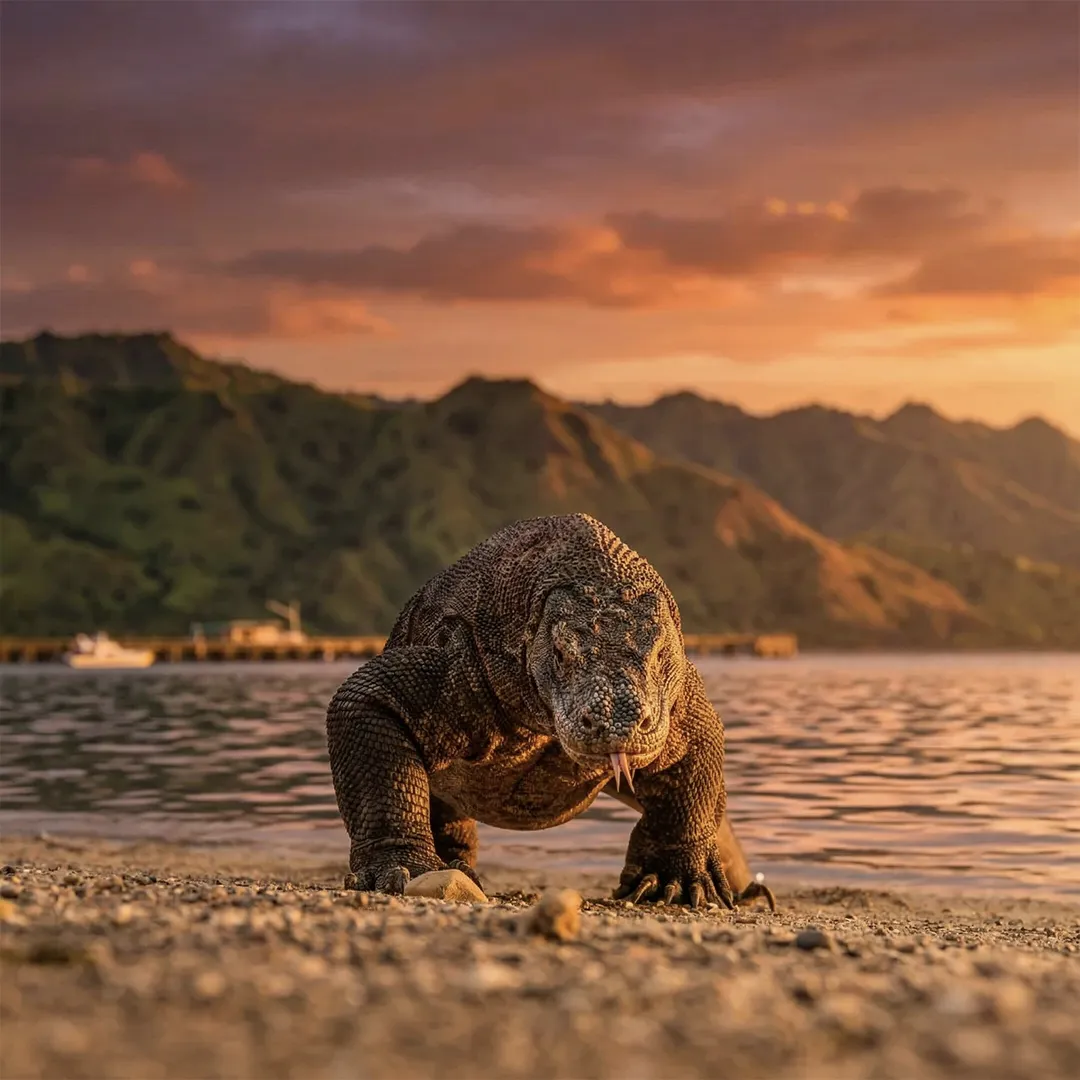
A Komodo dragon standing on a beach at sunset with the park’s hills behind it

Komodo National Park

The Island

Padar Island Wildlife & Conservation

Komodo dragons are technically present on Padar Island but are rarely seen by visitors — a 2004 survey counted roughly a dozen individuals, against far larger, more visible populations on nearby Komodo and Rinca Islands.

Quick answer

Komodo dragons are technically present on Padar Island but are rarely seen by visitors — a 2004 survey counted roughly a dozen individuals, against far larger, more visible populations on nearby Komodo and Rinca Islands. What Padar reliably offers instead is a stark savanna ecosystem: Timor deer, reptiles including pythons and the endemic white-lipped pit viper, and seabirds along a nearly forest-free volcanic ridge.

Padar Island Editorial Desk · Verified 24 August 2026

The Cast

What animals will I actually see?

Padar’s wildlife is real, just different from what the park’s name implies. Expect an arid, savanna-adapted cast rather than a jungle one.

Komodo dragons Present, effectively never seen A 2004 Komodo Survival Program survey recorded at least a dozen individuals, including one hatchling.
Timor deer On the slopes Historically the dragons’ main prey base, though not reliably recorded in significant numbers in recent decades.
Reptiles Pythons, pit viper Reticulated python and the endemic white-lipped pit viper. Encounters on the marked trail are uncommon.
Birds The most consistently visible White-bellied sea eagles patrolling the coastline, orange-footed scrubfowl, and shorebirds along the landing beach.
Dry-season ridge temperature 28–33 °C Midday air temperature; the unshaded, radiating ground feels far hotter, with low humidity and strong, gusty winds.
Endemic to Padar alone None documented The animals present are shared across multiple islands within Komodo National Park’s wider archipelago.

Rules on the Ridge

What conservation actually asks of you

The island’s biggest documented threat isn’t poaching or development — it’s foot traffic erosion, a direct consequence of visitor numbers growing sharply since the mid-2010s.

Stay on the boardwalk at all timesCutting across the slope for a better photo angle compacts soil and accelerates erosion on a hillside with no forest roots to hold it together.
Pack out everything you bring inIncluding fruit peels and other organic waste — these are not native to the ecosystem and don’t belong on the trail regardless of biodegradability.
No open flame or smoking anywhere on the islandDry-season grass on Padar is effectively tinder, and this rule is enforced, not a suggestion.
Don’t disturb nests or vegetationThe orange-footed scrubfowl nests directly on the ground in loose mounds, which are easy to miss and easy to damage by stepping off the marked path.
Photograph from the boardwalk with a zoomNever handle or approach snakes for a photo. Both the reticulated python and the endemic pit viper are best photographed, if encountered at all, from a distance — neither species is aggressive if left alone, and that only stays true if you keep your distance.
Drone photography requires a SIMAKSI permitArranged well in advance, and never over the dragon trekking zones or a crowded summit during peak sunrise hours.

The Detail

Are there Komodo dragons on Padar Island?

Yes, but the honest answer most tour operators avoid giving is: not in numbers you should plan a trip around. Komodo dragons were once thought locally extinct on Padar. In 2004, a survey by the Komodo Survival Program recorded at least a dozen individuals, including one hatchling — evidence of a small, persisting population rather than a thriving one. Tourists hiking the summit trail essentially never encounter one; the dragons that remain keep to lower, less-trafficked terrain away from the boardwalk.

01

Why are Komodo dragons so much rarer on Padar than on Komodo or Rinca?
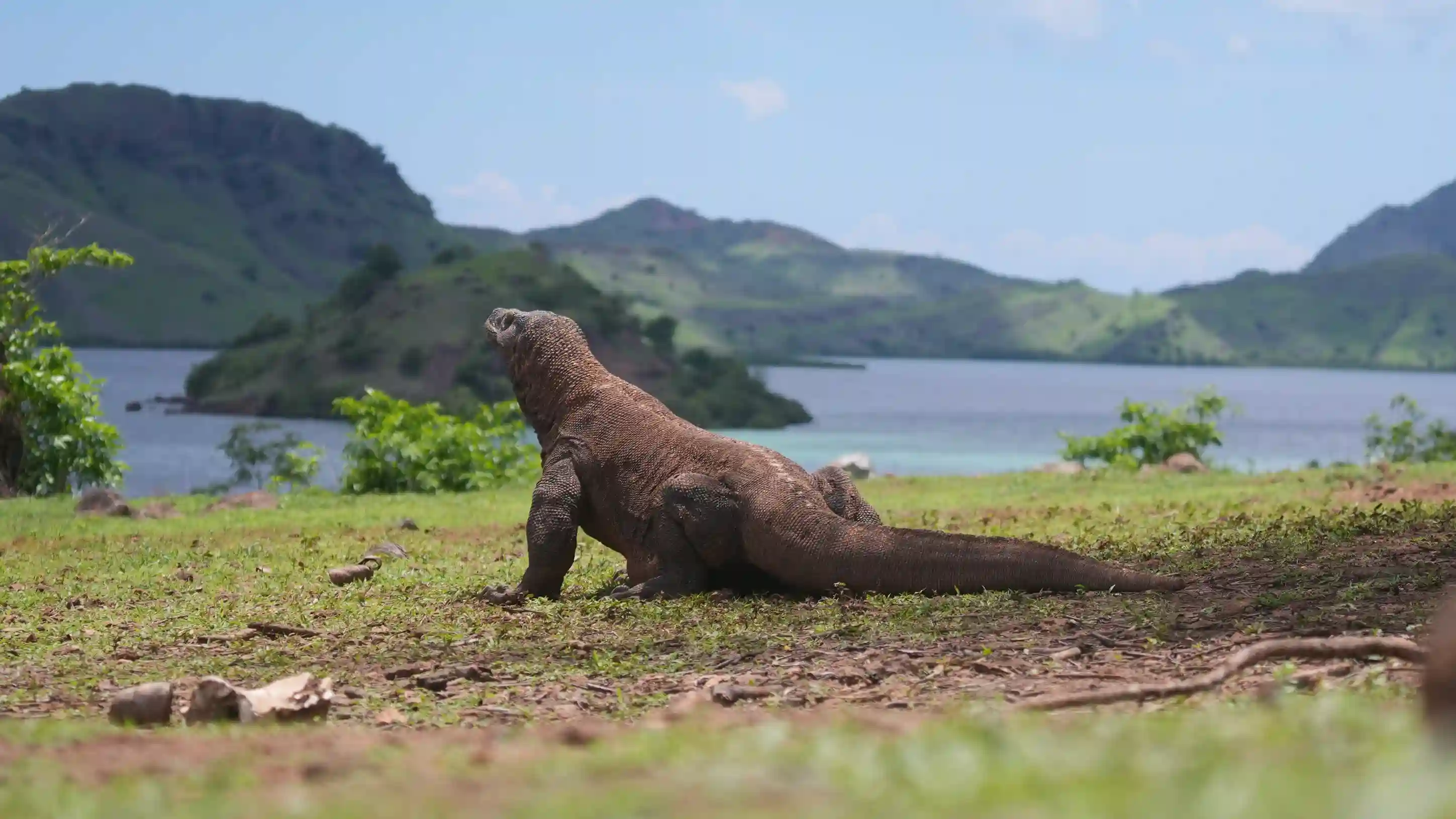
A Komodo dragon on the shoreline with the park’s hills behind it

The likely explanation is habitat, not distance — Padar sits between the two larger islands, close enough that dragons could plausibly move between them. Padar’s Timor deer population, historically the dragons’ main prey base, has not been reliably recorded in significant numbers in recent decades, and the island lacks the forest cover and permanent water sources that Komodo and Rinca provide. Without a stable prey base and water, a large resident dragon population has little reason to persist there.
02

Dragons on Padar: the accurate version

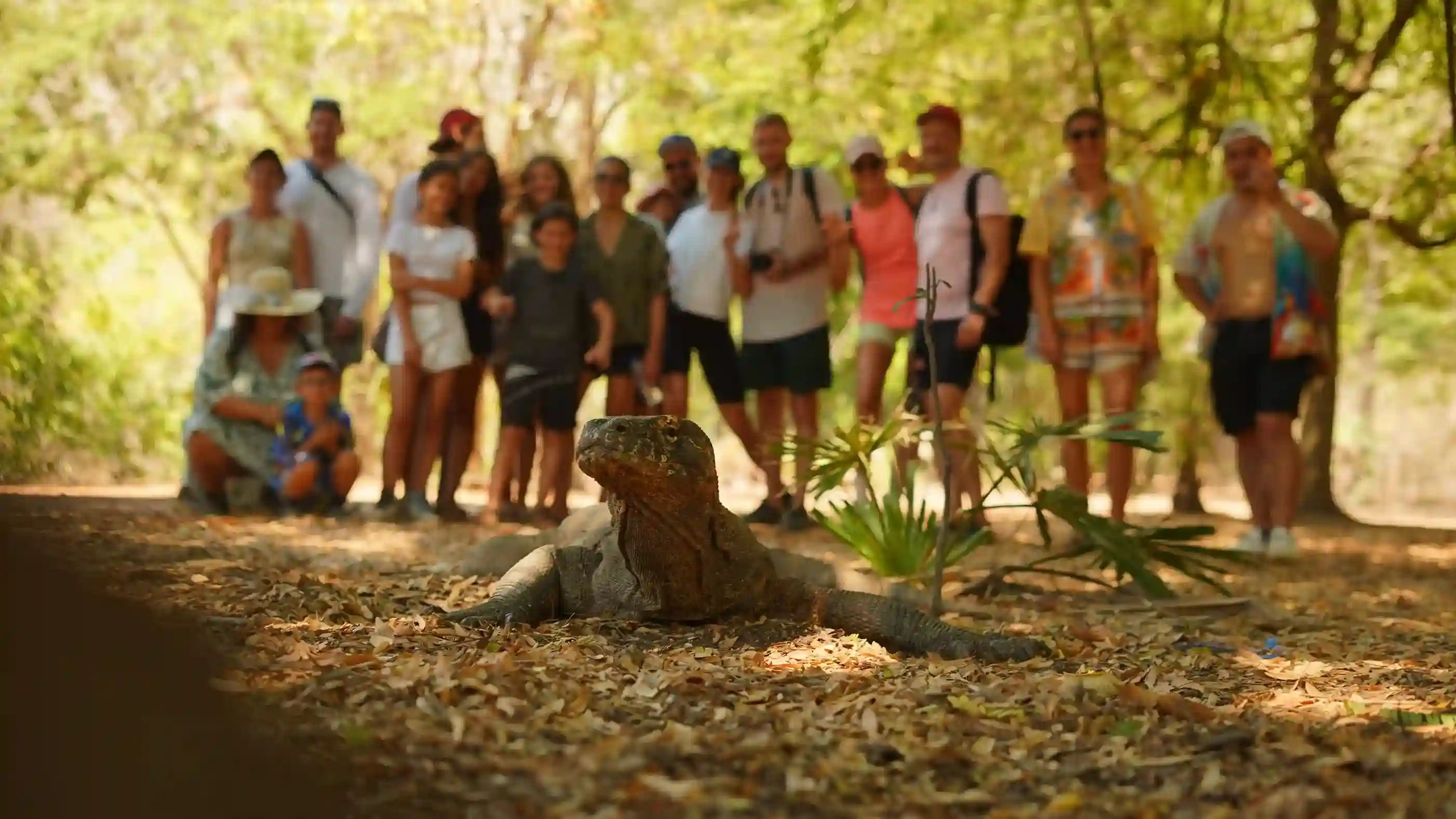
Visitors watching a Komodo dragon from a distance on a park trail

Padar does support Komodo dragons, but only a very small, fragmented population, and the island is not managed as a dragon-viewing destination. It is more accurate to say “almost none” than “none”. The dragons here use the same ridges and dry valleys as the deer and smaller prey, mostly well away from the busy staircase, and most visitors never see one. A sighting should be treated as a bonus rather than an expectation, and nothing about a Padar visit is structured around it.

03

What you actually see

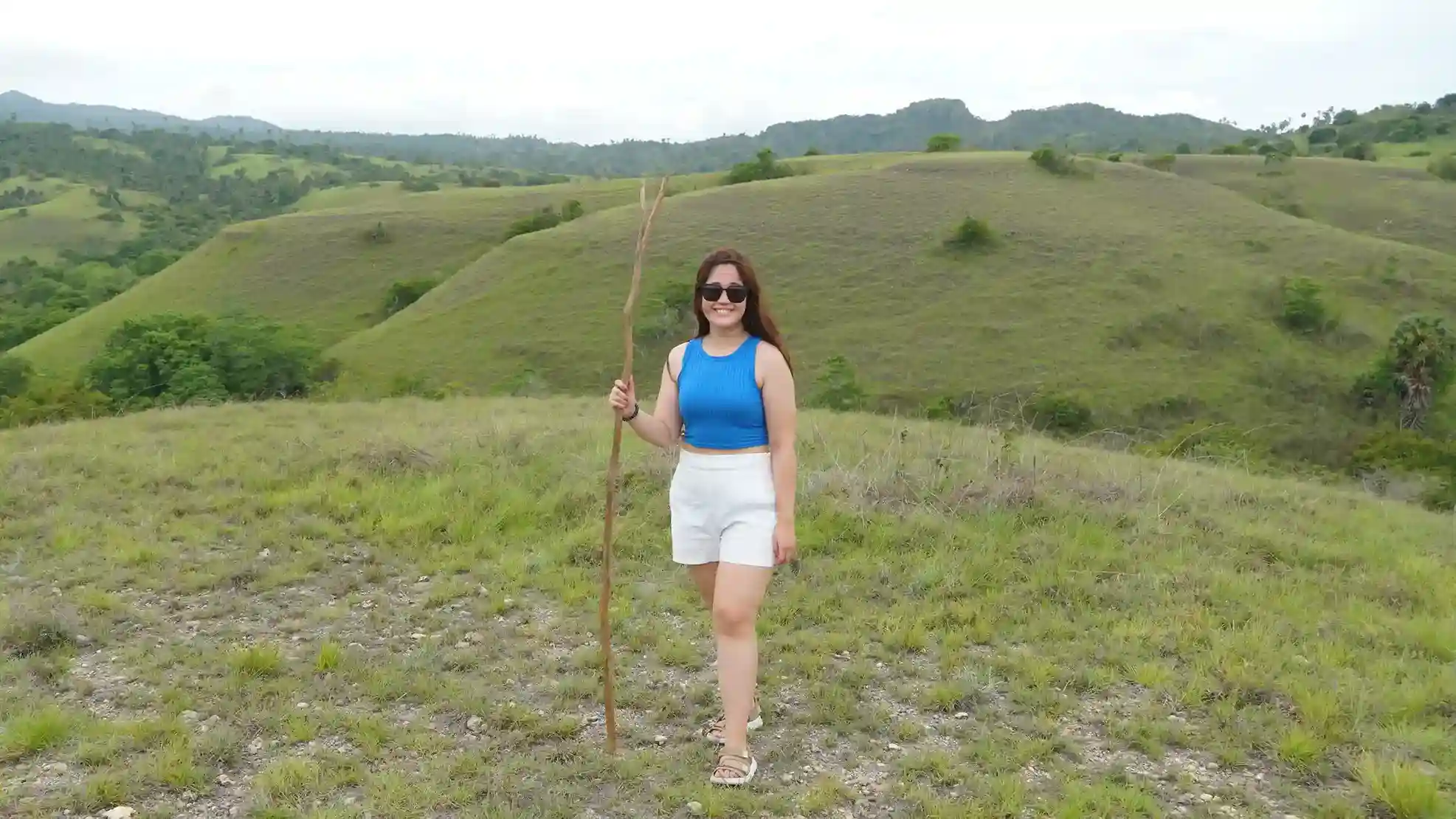
A visitor with a walking stick on Rinca Island’s rolling green hills

Wildlife on Padar is present but usually distant. You may spot Timor deer moving across the slopes, large lizards near the rocks, and raptors circling on thermals. The mammal community is relatively simple — Timor deer, small rodents, bats — alongside reptiles and a varied bird assemblage, with large carnivores limited to the sparse dragon population. Early and late sessions are better for spotting, when temperatures are lower and animals are active.

04

Why does Padar look like savanna instead of jungle?

Padar Island’s golden grass ridge above dark bays, with small boats at anchor below

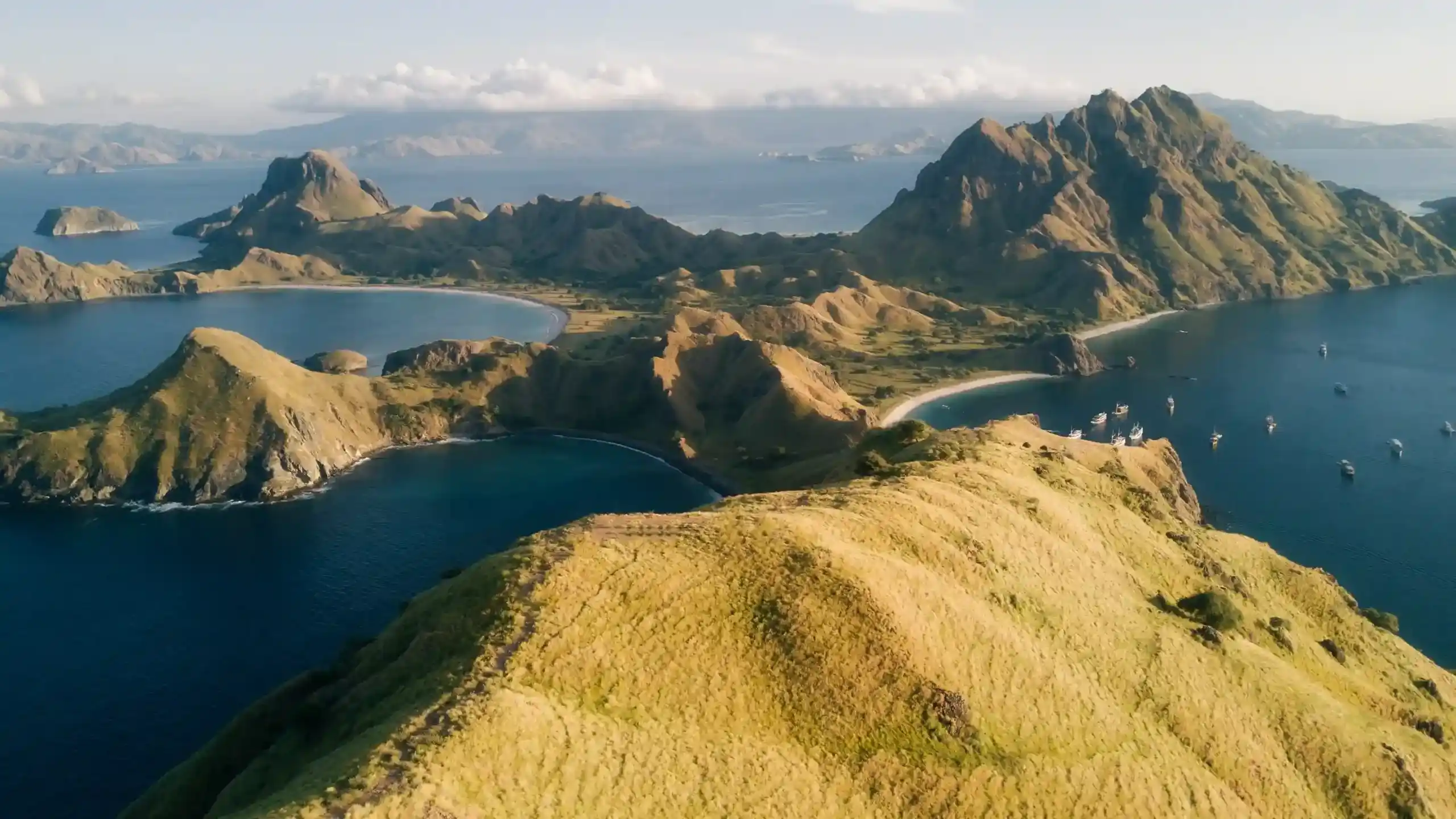
Padar’s landscape is dominated by savanna grassland and dry, low forest rather than the denser tropical forest many visitors expect from an Indonesian island. Dense vegetation and forest canopy are almost entirely absent on the exposed summit ridge; even bush cover is thin. This is a direct product of climate: Padar experiences a tropical savanna climate with a long, harsh dry season running roughly April to November, and only a short wet season from December to March. On the exposed ridge during dry season, midday air temperatures sit around 28–33 °C but the unshaded, radiating ground feels far hotter, with low humidity and strong, gusty winds — conditions that favour grasses and drought-hardy shrubs over forest trees.

05

What conservation issues does Padar Island actually face?

A green peak on Padar Island rising above a white-sand bay with a single boat anchored offshore

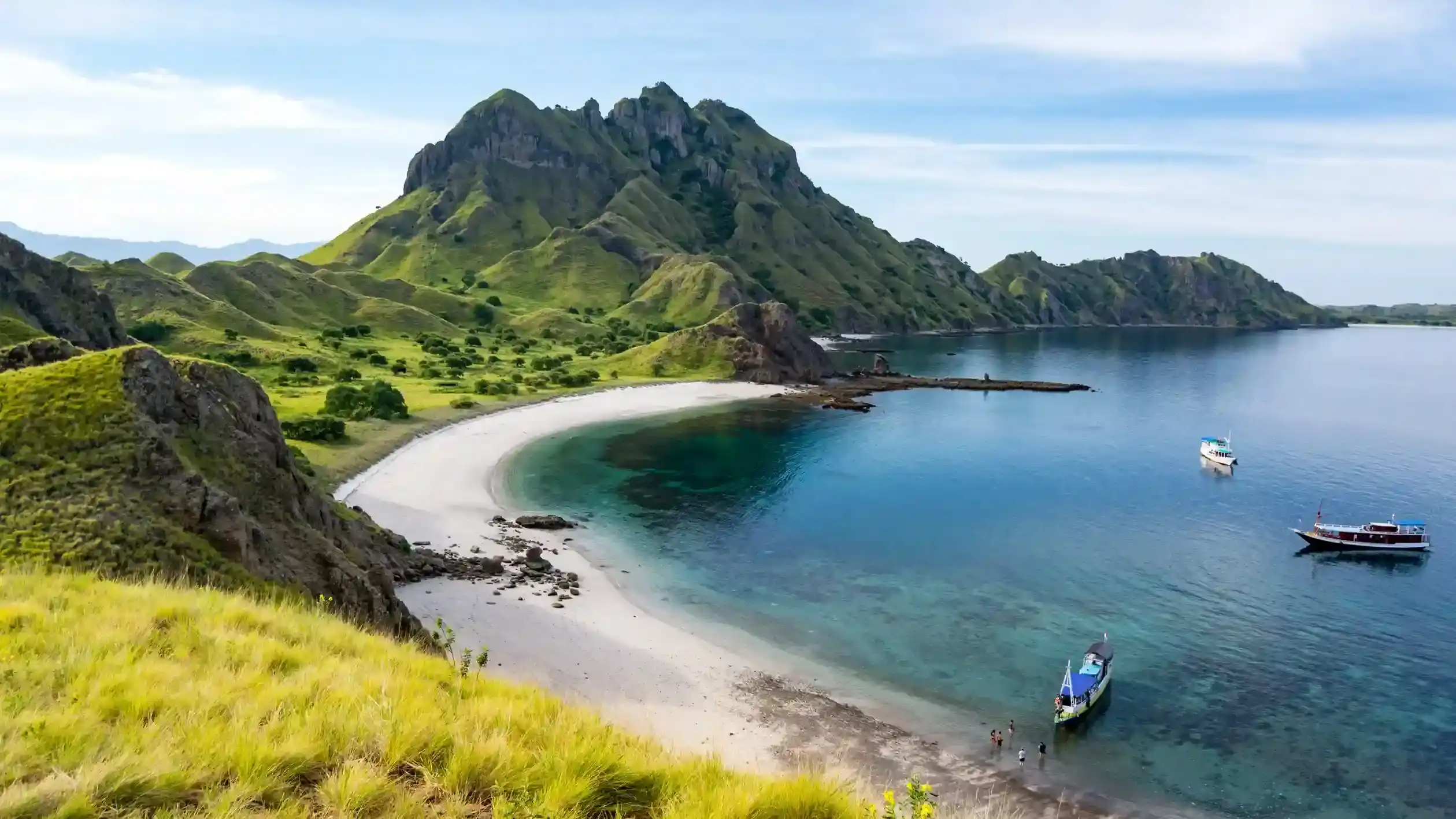
The island’s biggest documented threat isn’t poaching or development — it’s foot traffic erosion, a direct consequence of visitor numbers growing sharply since the mid-2010s. The volcanic soils on Padar’s ridge are thin and hold little root structure once native grasses are disturbed. Before the current boardwalk was built, an unpaved path channelled rainwater runoff and cut deep erosion gullies straight into the hillside. The concrete-and-boardwalk stairway system now in place was built specifically to stop this.

06

How does Padar fit into Komodo National Park’s wider conservation story?

A garden of purple and yellow hard corals in shallow water

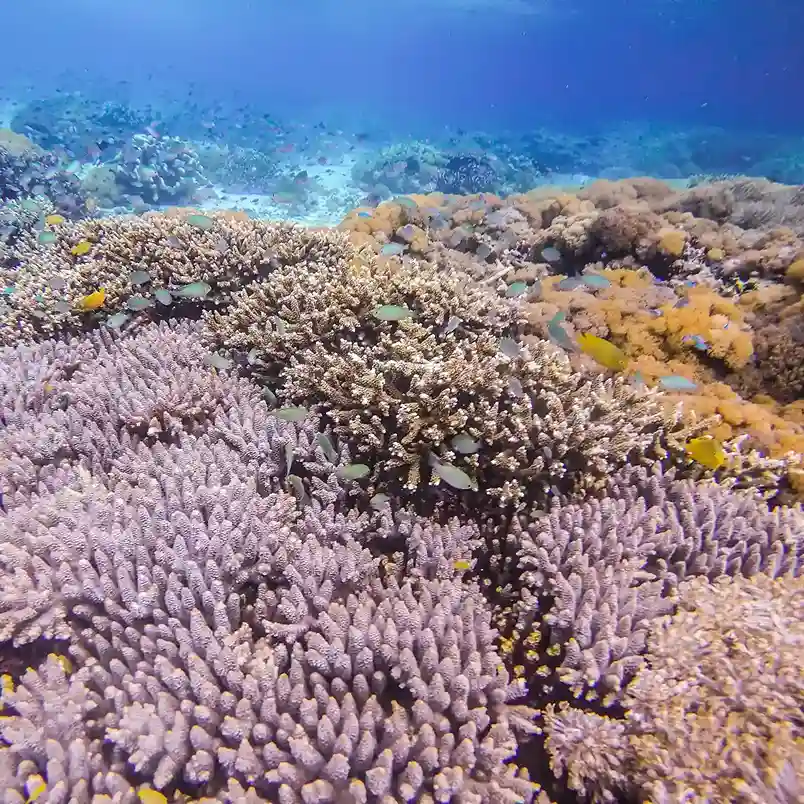
Komodo National Park was established in 1980 and inscribed as a UNESCO World Heritage Site in 1991, created specifically to protect the Komodo dragon and its habitat across the park’s roughly 29 islands. Padar sits geographically between the two islands — Komodo and Rinca — that hold the vast majority of the dragon population, which is precisely why its own small, rarely-seen population is scientifically interesting: it suggests dragons can and do move across this stretch of the archipelago, even where the habitat is marginal for a resident population to thrive long-term.

07

Photographing Padar’s wildlife and landscape responsibly

Aerial view of Padar Island’s headlands and turquoise water with a speedboat’s wake crossing the bay

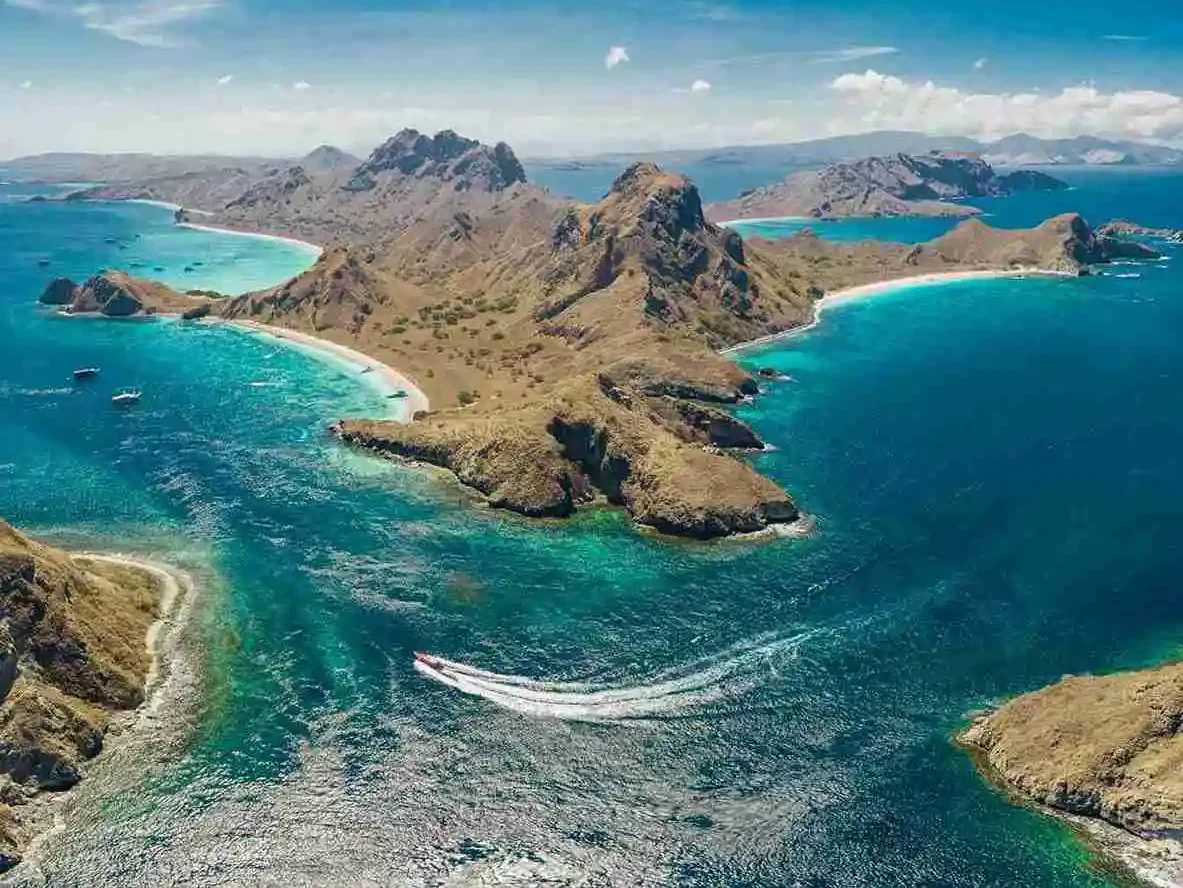
Padar’s savanna landscape and scattered wildlife reward patience more than proximity. Photograph birds and scrubfowl mounds from the boardwalk using a zoom lens rather than approaching. Golden hour — the first 30–45 minutes after sunrise — is when the savanna’s grass colour and long shadows are most dramatic, which is a landscape photography argument for the pre-dawn departure time independent of the summit-view argument covered elsewhere on this site.

08

Real risks, and what conservation actually means here

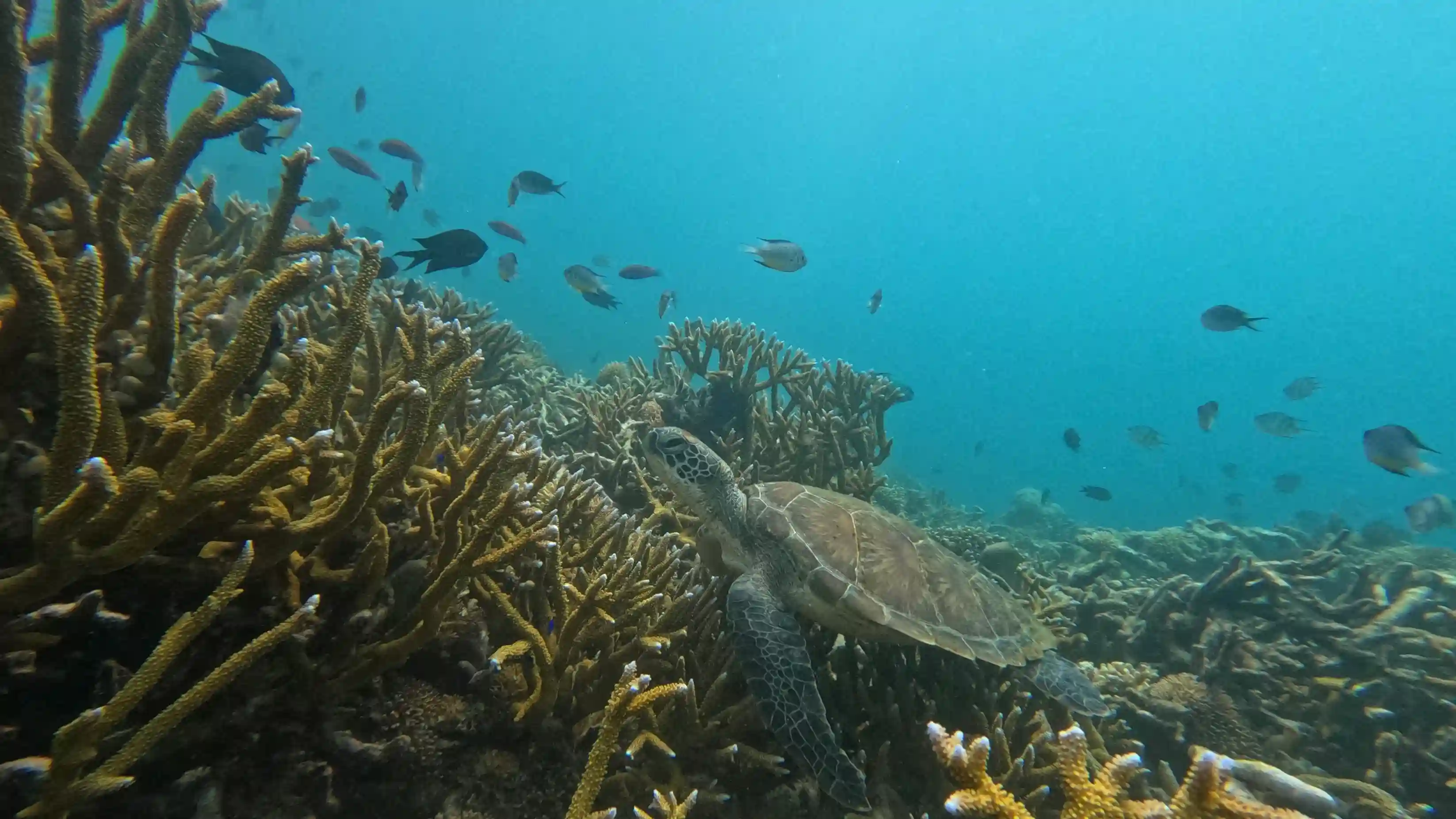
A sea turtle swimming over a coral reef

Animal risk is low but not zero. Komodo dragons, snakes and stinging marine life all exist in the area. The mitigations are unglamorous: follow the ranger-led route, wear closed footwear, and watch where you put your hands and feet at entry points. Closed shoes protect against sharp rock as much as against surprise contact with a small reptile or insect, and staying on the marked steps removes most of the exposure.

Answers

Frequently Asked Questions

Has anyone actually photographed a Komodo dragon on Padar Island recently?

Yes, but rarely. Documented sightings exist and are uncommon, not something a standard tour itinerary plans around — the 2004 survey remains the most cited evidence of a confirmed resident population, and casual tourist encounters on the marked summit trail are rare enough that no reputable operator markets Padar as a dragon-viewing stop. If a listing or guide claims guaranteed or likely dragon sightings on Padar specifically, treat that claim with scepticism and confirm directly what species you’re actually likely to see.

Why do some travel guides say there are no dragons on Padar at all?

Because “essentially never seen” and “zero population” get flattened into the same simplified claim by writers who haven’t checked the underlying survey data. The more accurate framing — a small, rarely-encountered population exists, but Komodo and Rinca are where you’ll actually see one — matters for setting expectations correctly rather than either overselling or completely erasing Padar’s dragon history.

Does the Timor deer population on Padar still support the island’s dragons?

Not reliably — surveys in recent decades haven’t recorded the deer in significant numbers on Padar, which weakens the historical prey base that once presumably supported a resident dragon population there. This decline is part of why Padar’s dragons are now considered rare rather than simply “present but shy,” and it underscores why Komodo and Rinca, with intact forest and prey habitat, remain the islands where dragon populations are stable and visible.

Should I still expect to see any wildlife at all if dragons aren’t reliable?

Yes — birds are the most consistently visible wildlife on a typical visit, particularly white-bellied sea eagles patrolling the coastline and shorebirds along the landing beach, both easily spotted without leaving the main trail.

Will I see manta rays or other marine wildlife at Padar Island itself?

Not typically at Padar’s own shoreline — the island’s marine wildlife draw is a separate stop on the same boat itinerary, usually Manta Point or Pink Beach’s reef, rather than the waters directly off Padar’s landing beach.

Are there any endemic species found only on Padar and not the rest of the park?

None. No species currently documented is known to be unique to Padar alone — the animals present (Timor deer, reticulated python, the insular pit viper, orange-footed scrubfowl, sea eagles) are shared across multiple islands within Komodo National Park’s wider archipelago, though population density and visibility vary meaningfully island by island.

Is it safe to hike Padar Island given the snakes and heat?

Yes, for the overwhelming majority of visitors who stay on the boardwalk and hike during the recommended early-morning window. Snake encounters on the marked trail are uncommon, and the bigger practical risk on Padar is heat and dehydration during the mid-morning hours, not wildlife. The full breakdown of both risks is covered in the rules, rangers and safety guide.

Can I bring a drone to photograph Padar’s wildlife or landscape?

Only with a SIMAKSI permit arranged in advance, and never over the dragon trekking zones or a crowded summit during peak sunrise hours.

This guide does not operate boats. Bookings are fulfilled by Komodo Luxury, and this site may earn a referral commission.

Ready When You Are

Book a route that respects the ridge

This site documents Padar Island; it does not sell tours. Bookings for the boats and packages described above are handled by Komodo Luxury, the operator within the same group as this publication.

This guide does not operate boats. Bookings are fulfilled by Komodo Luxury, and this site may earn a referral commission.