
Skip to content
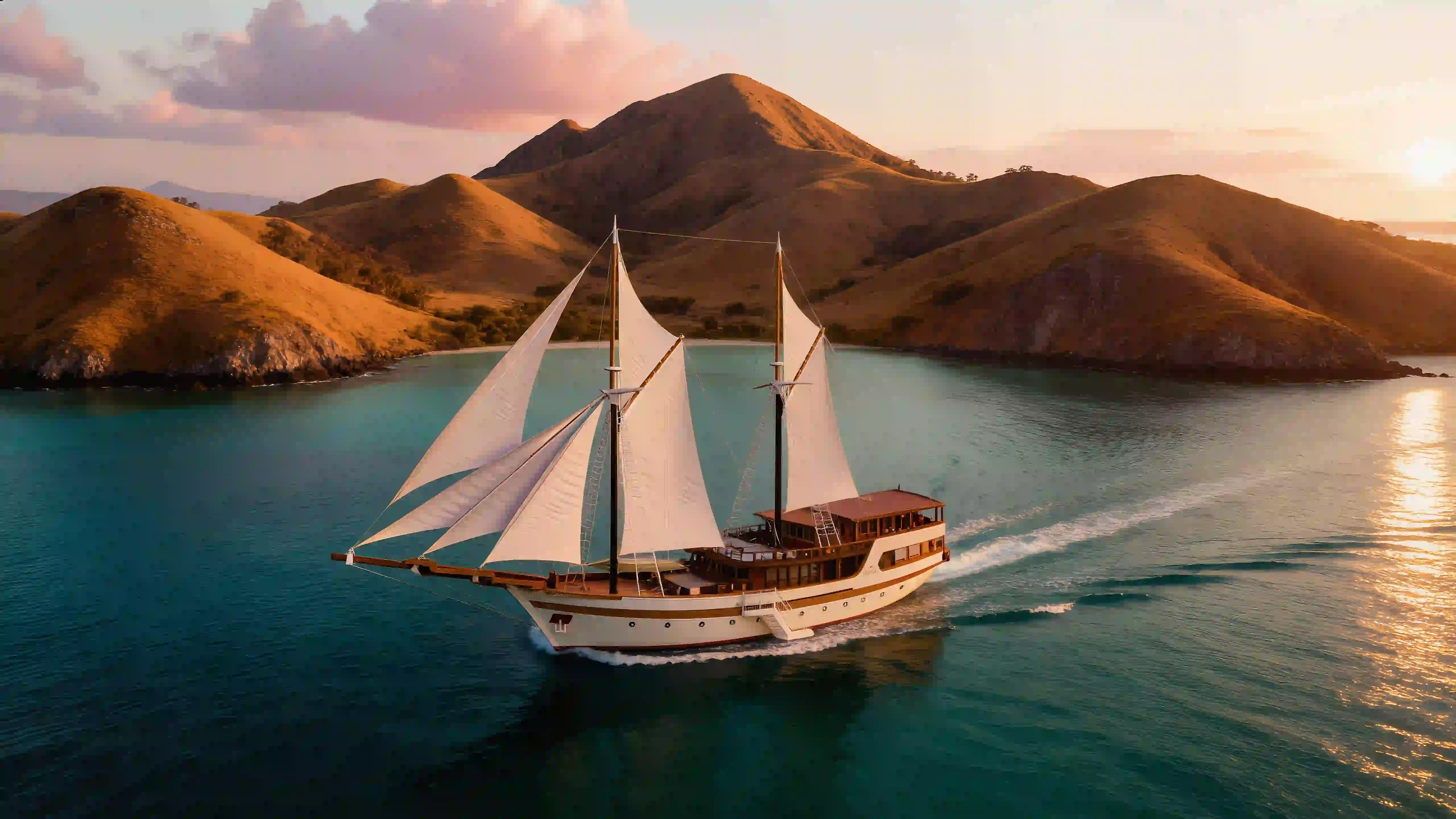
A phinisi silhouetted against a pink and purple sky at dusk

Komodo National Park

Getting There

Padar Island Boat Trip & Charter Options

Getting to Padar Island always means a boat — there is no road or airstrip on the island itself. You choose between a shared speedboat day trip (from ~USD 90/person), a private speedboat charter (~USD 800/boat/day), or a phinisi sailing charter (from ~USD 5,300/night for the whole boat), each suited to a different group size and pace.

Quick answer

Three boat categories serve Padar, and picking the wrong one is the most common regret travellers report after the fact. Starting prices are quoted directly from each linked page, checked 24 August 2026 — always confirm the live total before booking.

Padar Island Editorial Desk · Verified 24 August 2026

Three Categories

What types of boats go to Padar Island?

Shared speedboat day trip From ~USD 90/person The fastest option. Labuan Bajo to Padar in roughly 60–120 minutes. Fixed departure, fixed route.
Private speedboat charter ~USD 800/boat/day You control departure time — useful for hitting Padar at first light without waiting on a shared boat’s schedule.
Phinisi sailing charter From ~USD 5,300/night For the whole boat. You sleep, eat and live aboard between stops, which is how a 2–7 day itinerary becomes possible.
Private charter breakeven 4 people (speedboat), 6–8 (phinisi) Below those thresholds, the appeal of a private charter is control and privacy rather than cost savings.

Checked 24 August 2026. Charters are quoted per boat rather than per person, so group size is the single biggest lever on your effective cost.

Before You Pay

What a proper written quote should include

Before paying any deposit, a trustworthy quote should itemise, rather than bundle, the following.

VesselExact boat name/class, cabin configuration, and maximum group size.
ItineraryFull itinerary with approximate timing for each stop.
Inclusions vs. extrasWhat’s included (meals, snorkelling gear, crew) versus what’s separate (park fees, alcohol, tips, drone permits).
TermsDeposit amount, payment method, and cancellation/rescheduling terms — particularly for weather-related changes.
Padar on the routeConfirmation that Padar Island is explicitly on the route, not assumed.
Safety equipmentLife jackets for every passenger, a functioning radio or satellite communication device, and a captain licensed for the route.
Route-specific reviewsReviews specific to the Padar route, not just general Komodo trip reviews — a boat can be excellent for calm-water Pink Beach stops and still be a poor match for the earlier, tighter Padar sunrise schedule.

Full trip budget

Choosing

Open trip vs private trip — which should I book?

This is the single most consequential choice for a Padar Island visit, more than which specific boat you pick within a category.

  • Open trip (shared): You join a fixed departure with other travellers, splitting the boat cost. Cheaper per person, but the itinerary, meal times, and even which viewpoint you hike are set by the group booking, not you. Departure dates are fixed by the operator’s schedule.
  • Private trip: You charter the whole boat for your group only. More expensive in absolute terms, but the per-person cost drops fast as group size grows, and you control departure time.

01

Speedboat vs phinisi — what’s the real difference for Padar?

A speedboat seen from above on clear turquoise water

Speedboats are faster (Labuan Bajo to Padar in roughly 60–120 minutes) and cheaper, but you don’t sleep aboard, so a speedboat trip is inherently a single day. Phinisi boats are slower per leg but you sleep, eat, and live aboard between stops, which is how a 2–7 day itinerary covering Padar, Komodo, Rinca, Pink Beach and Manta Point becomes possible without multiple hotel check-ins. If your goal is Padar’s sunrise and nothing else, a speedboat is the more efficient and cheaper choice. If Padar is one stop among several islands, a phinisi removes the need to return to Labuan Bajo between each one.

02

Shared, private, or somewhere in between

A group of travellers photographed together on a viewing deck above a bay

A shared speedboat is the sensible default for solo travellers and couples: you get speed without paying for a whole vessel, on a preset route that usually pairs Padar with nearby islands and timings optimised for the group rather than for you. The trade-off is exactly that — fixed schedules that can feel rushed at the viewpoints. Before booking one, ask two specific questions: how long you actually get on the trail and at each additional island, and what the maximum group size on that vessel is. The second question affects both comfort on board and how crowded your ranger-led climb feels.

03

How pricing actually scales with group size

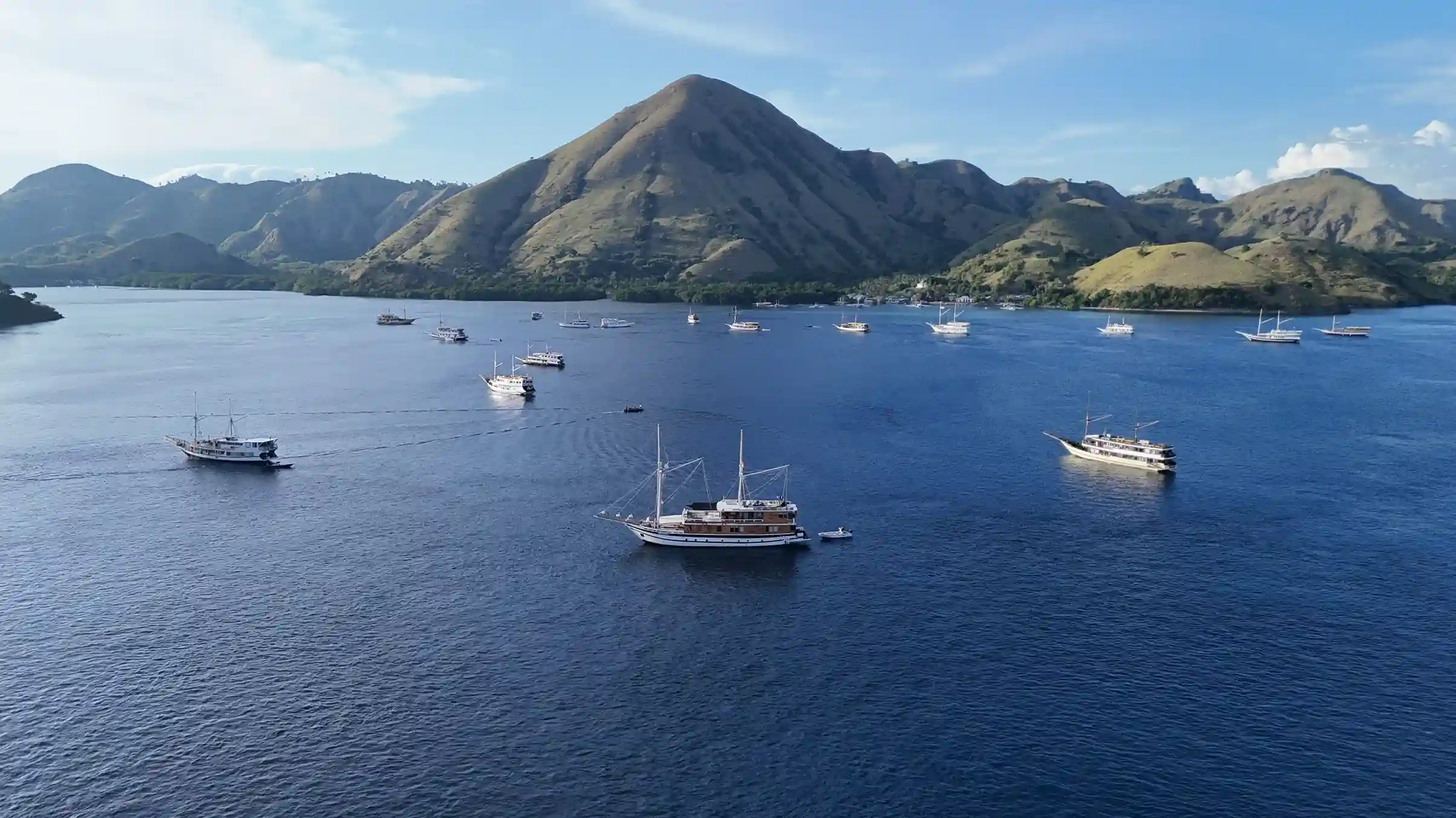
A wide bay with many boats at anchor below a large Komodo island

Because charters are quoted per boat rather than per person, group size is the single biggest lever on your effective cost — more so than which specific vessel you choose within a tier. A private speedboat at roughly USD 800/day costs a couple USD 400 each; the same boat filled to 6–8 people drops to USD 100–135 each. The same math applies to phinisi charters: a standard vessel from ~USD 5,300/night is expensive for two people but becomes genuinely competitive with shared open-trip pricing once split across six or more. Before assuming a private charter is out of budget, run the per-person number for your actual group size rather than comparing the sticker price directly to a shared-trip seat price.

04

What’s included in a Padar Island boat charter package?

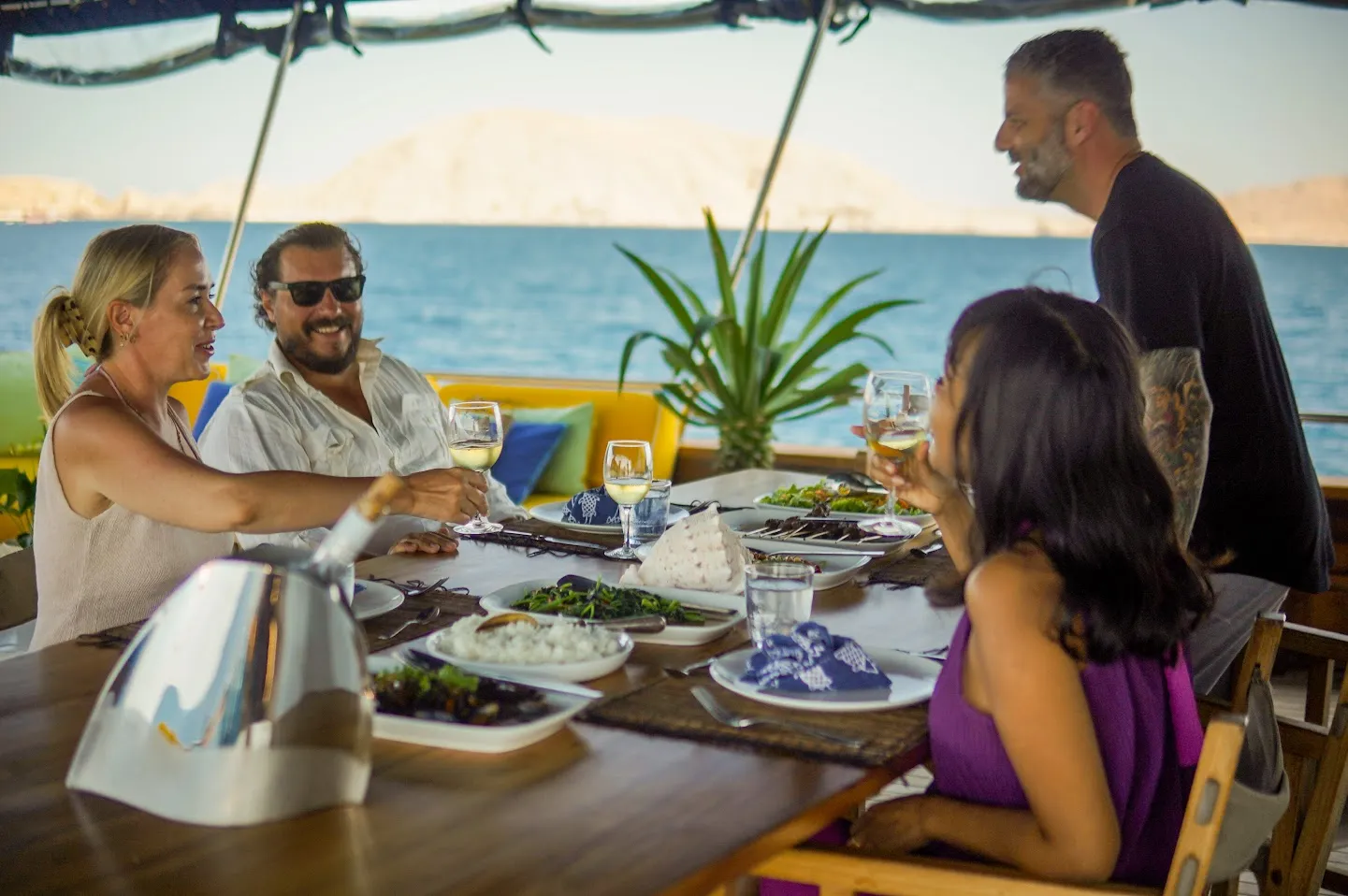
Guests eating together at a table on an open deck

Inclusions vary by operator, but a properly quoted package typically covers:

  • The boat itself, crew, and captain for the full itinerary
  • Meals aboard (number varies by trip length — confirm per quote)
  • Snorkelling equipment for stops like Manta Point and Pink Beach
  • Ranger-guided access at Rinca or Komodo Island for dragon viewing

05

Boat size, stability, and comfort at sea

A phinisi under white sails crossing a bay below golden Komodo hills

Larger phinisi generally handle open-water swell more comfortably than speedboats, which matters more than most first-time chargers expect — the crossing to Padar happens on open water, and a smaller, lighter boat transmits more motion in anything beyond calm conditions. If you or anyone in your group is prone to seasickness, this is worth weighing against the cost savings of a smaller vessel: a mid-size phinisi with a deeper hull and slower cruising speed often makes for a meaningfully more comfortable multi-day trip than a fast, light speedboat repeated across several day trips. Cabin count and layout also affect comfort independent of price tier — a boat with fewer, larger private cabins costs more per berth than one with bunk-style shared cabins, even within the same nightly rate range.

06

Crew and captain qualifications worth confirming

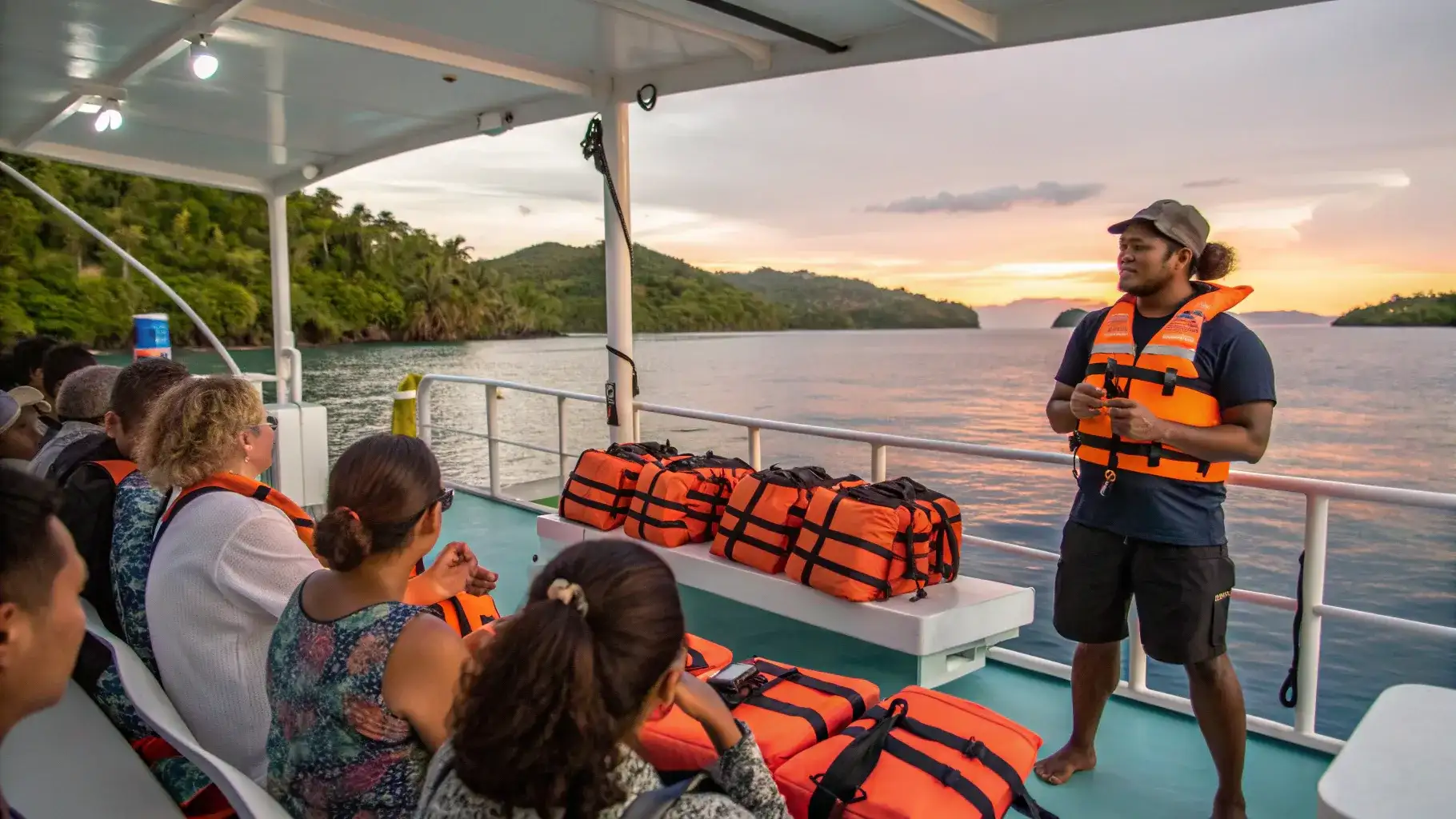
A guide in a life jacket giving a safety briefing to passengers on a boat deck

Indonesian-flagged tourist vessels operating in Komodo National Park are required to carry licensed captains and appropriate safety certification, but enforcement and documentation quality varies across the large number of independent operators working out of Labuan Bajo. Before booking, it’s reasonable to ask directly: how many years has this captain run the Padar route specifically, what safety equipment is aboard (life jackets for every passenger at minimum, ideally a radio or satellite device for open-water sections), and whether the crew is trained in basic first aid. An operator that answers these specifics readily and in writing is a stronger signal than one that only offers vague reassurance.

07

Common route variations between operators

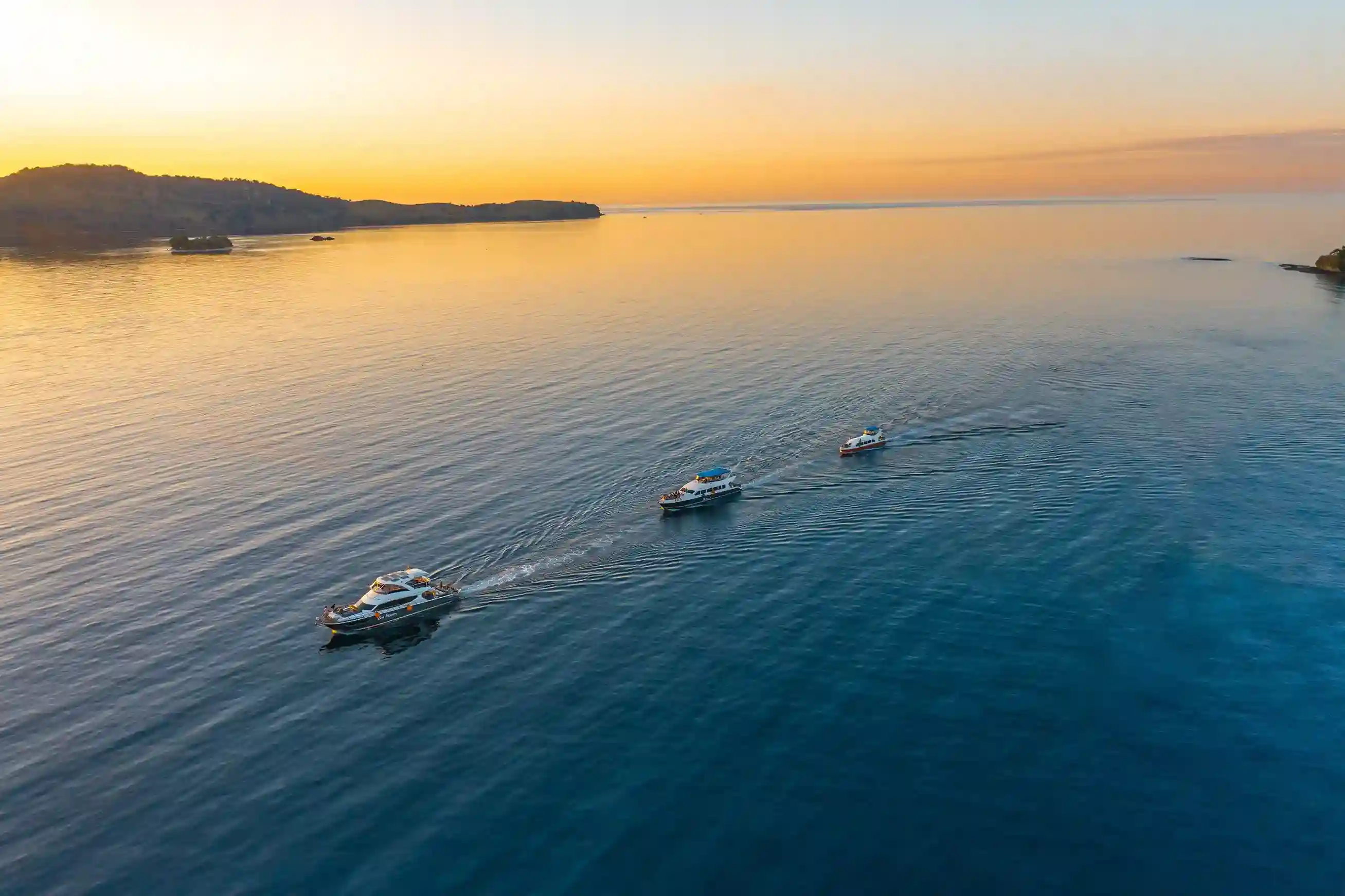
Small boats on a calm sea in golden evening light

Not every “Komodo boat trip” follows an identical route, even at the same nominal trip length. Some 3D2N itineraries prioritise diving stops over a second dragon-viewing island; others swap Gili Lawa in for Kalong Island’s flying-fox sunset. If a specific stop matters to you — Padar itself, obviously, but also things like a second Komodo dragon viewing versus only visiting Rinca once — confirm the exact stop list rather than assuming all “3D2N Komodo tour” listings are interchangeable.

08

Families, couples and older travellers

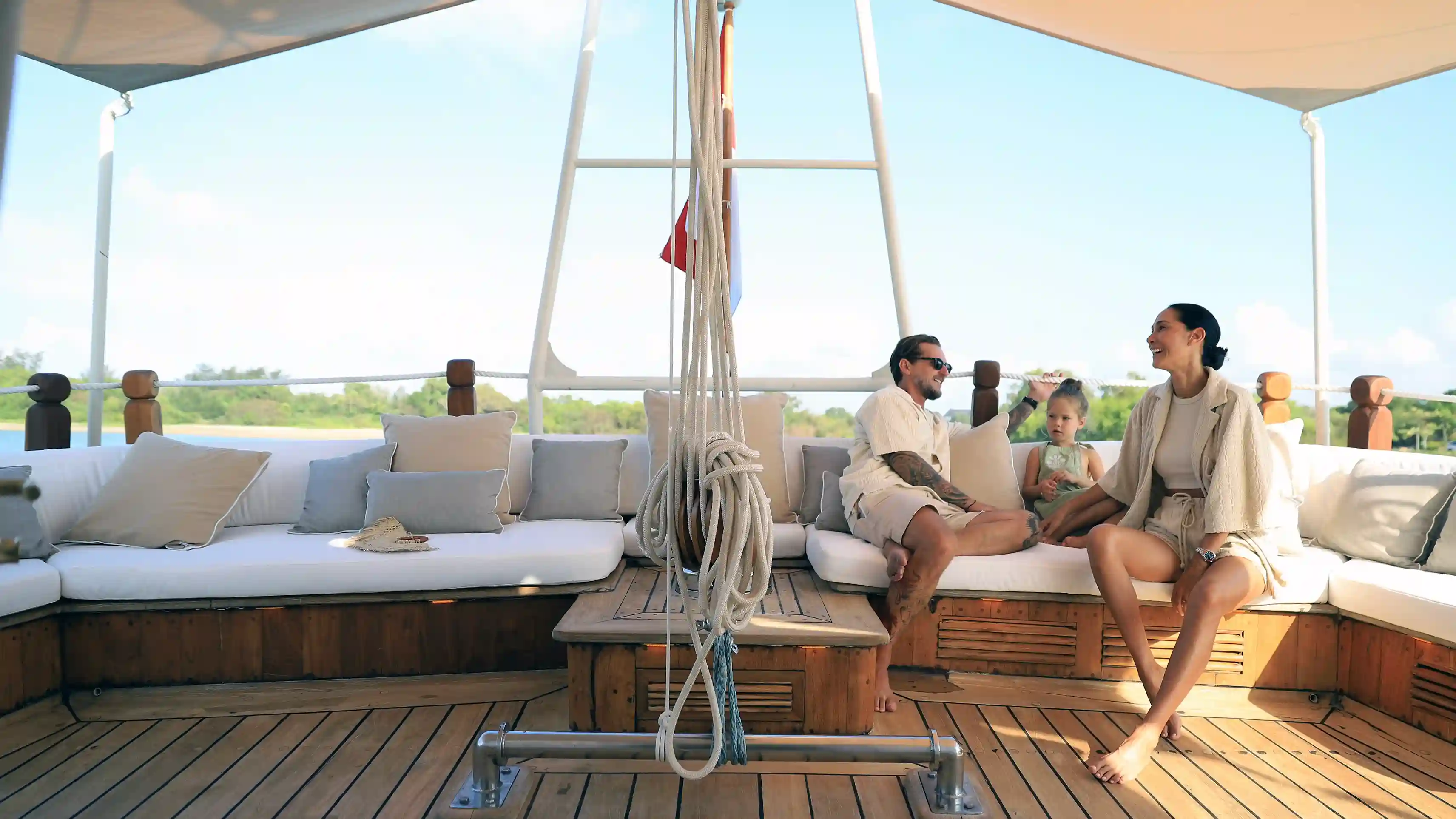
Guests sitting on a boat’s cushioned foredeck as it sails

Families generally do best on a private speedboat or phinisi so the day can run at their own pace. Younger children cope better if you skip the very earliest sunrise departure and leave room for a nap between islands. The things worth checking before booking: shade, child-sized life jackets, toilet access, and whether the operator will adjust routing if the children are done after the Padar climb. Some operators set minimum ages for safety and insurance reasons, and since seas can be choppy at certain times of year, motion-sickness precautions and close supervision on deck both matter.

09

What it costs, and why

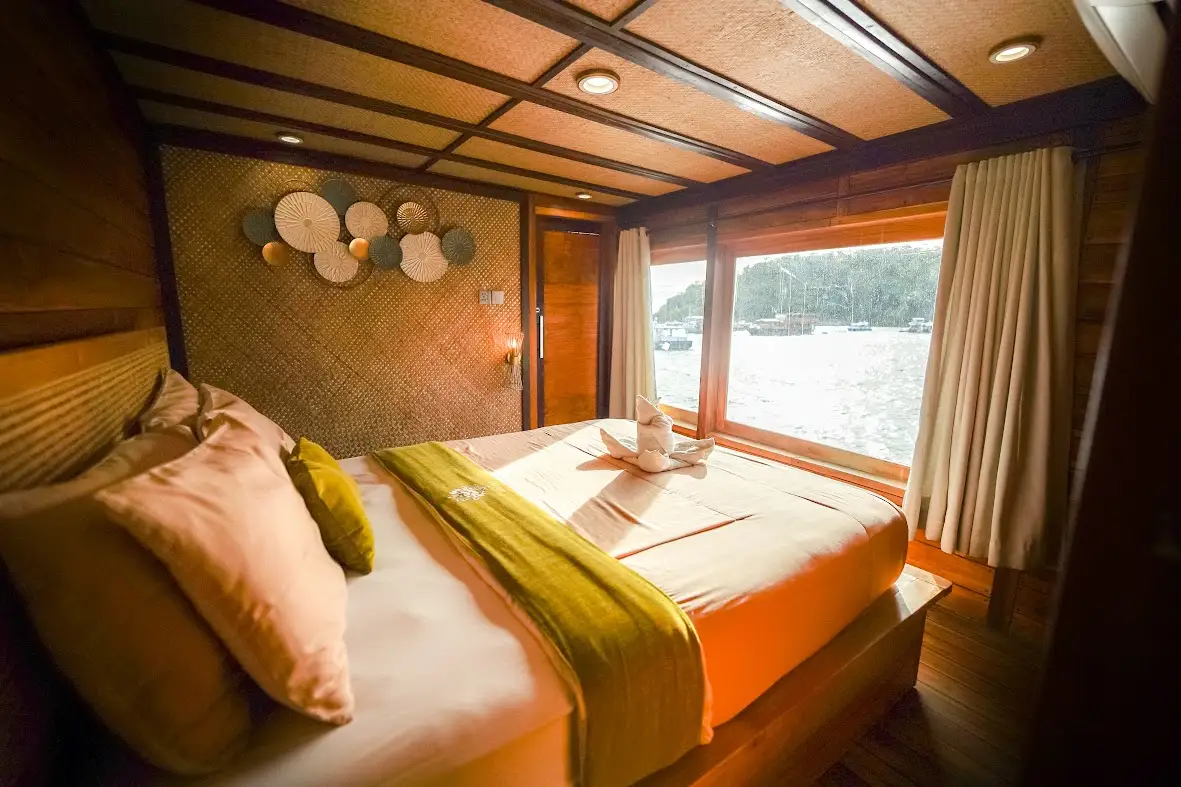
A boat cabin with a double bed and a window over the water

Padar is moderate by global standards but feels expensive once the boat, the tickets and the guiding are combined, and it is the boat that dominates the budget. Park entrance fees for foreign visitors are published and identical across the whole of Komodo National Park, so the cost difference between visiting Padar and visiting Komodo Island comes from sailing distance, fuel and guiding rather than from any separate ticket category. Combined itineraries add distance, not a new tariff.

10

Cancellation, weather delays, and rebooking

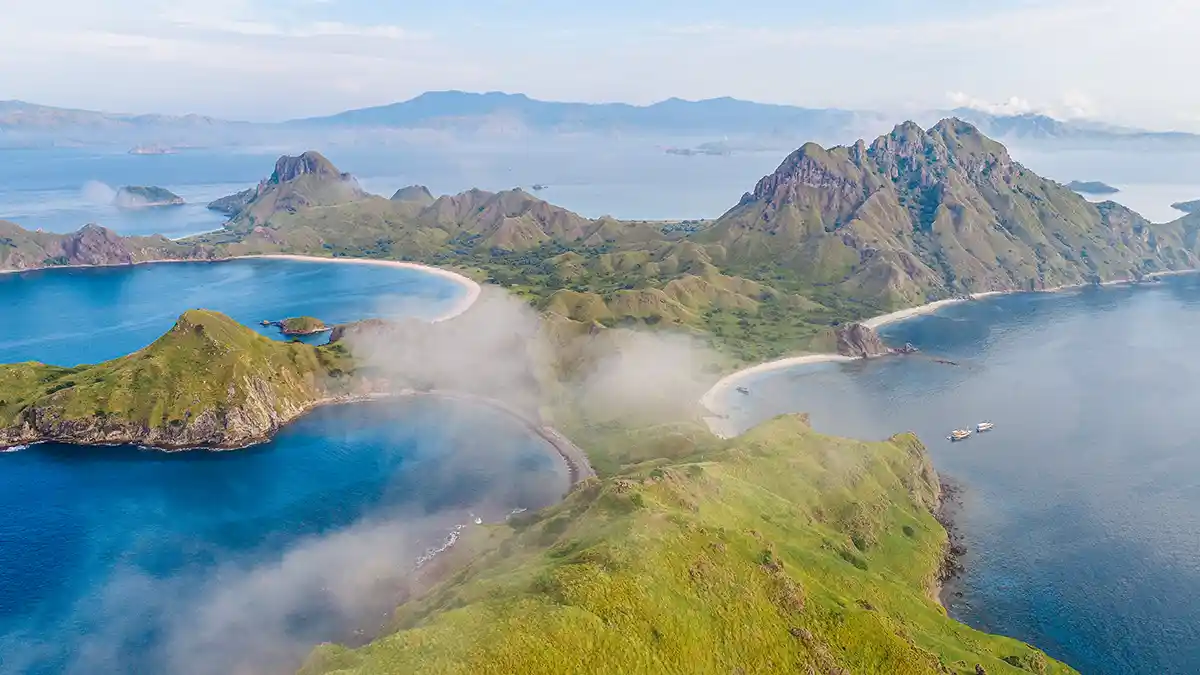
Aerial view of Padar Island’s ridges and two pale-sand bays with low cloud drifting across the hills

Weather-driven schedule changes are a normal, safety-motivated part of Komodo boat travel, not a sign of a poorly run operator. Most reputable charters reserve the right to adjust departure times, swap the order of stops, or in genuinely rough conditions, postpone a Padar landing entirely if sea conditions make the crossing unsafe. Ask your operator directly what their policy is for rebooking versus refunding in that scenario before you pay a deposit — this varies enough between operators that it’s worth a direct written answer rather than an assumption.

11

Practical questions before you pay

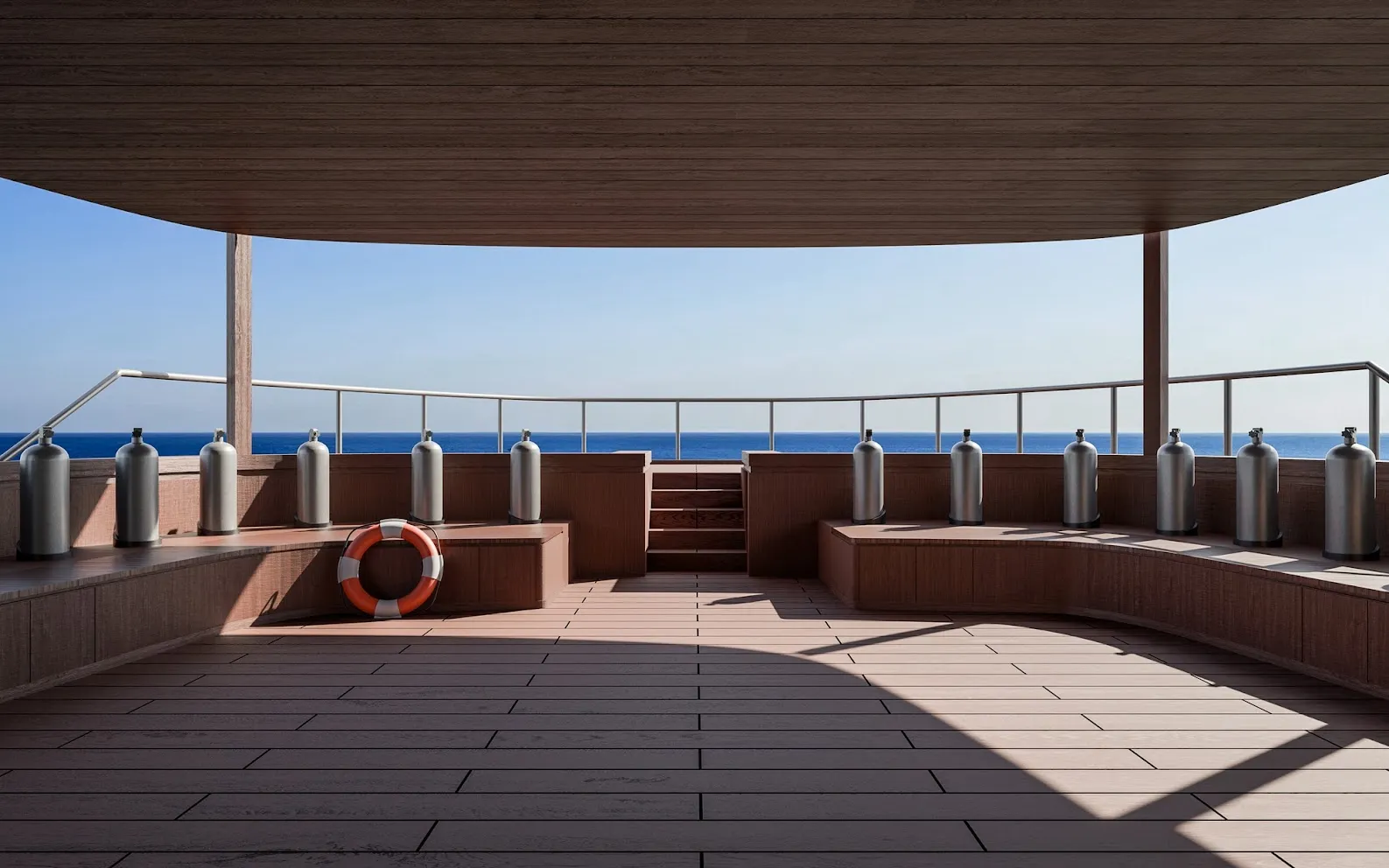
An empty covered deck with a life ring on the rail

Padar is open under normal park operations, subject to the daily cap, with access controlled through SiORA reservations for a specific time session. Short closures for weather or maintenance do happen, so check advisories through your operator close to departure. There is no public timetable for speedboats — each operator sets departures around the park sessions and sunrise times, most sunrise trips leaving well before dawn and others targeting mid-morning or afternoon. Because both boat capacity and park quota limit places, confirm the schedule and session availability before you fix flights and hotels.

12

How do I book a Padar Island boat trip?

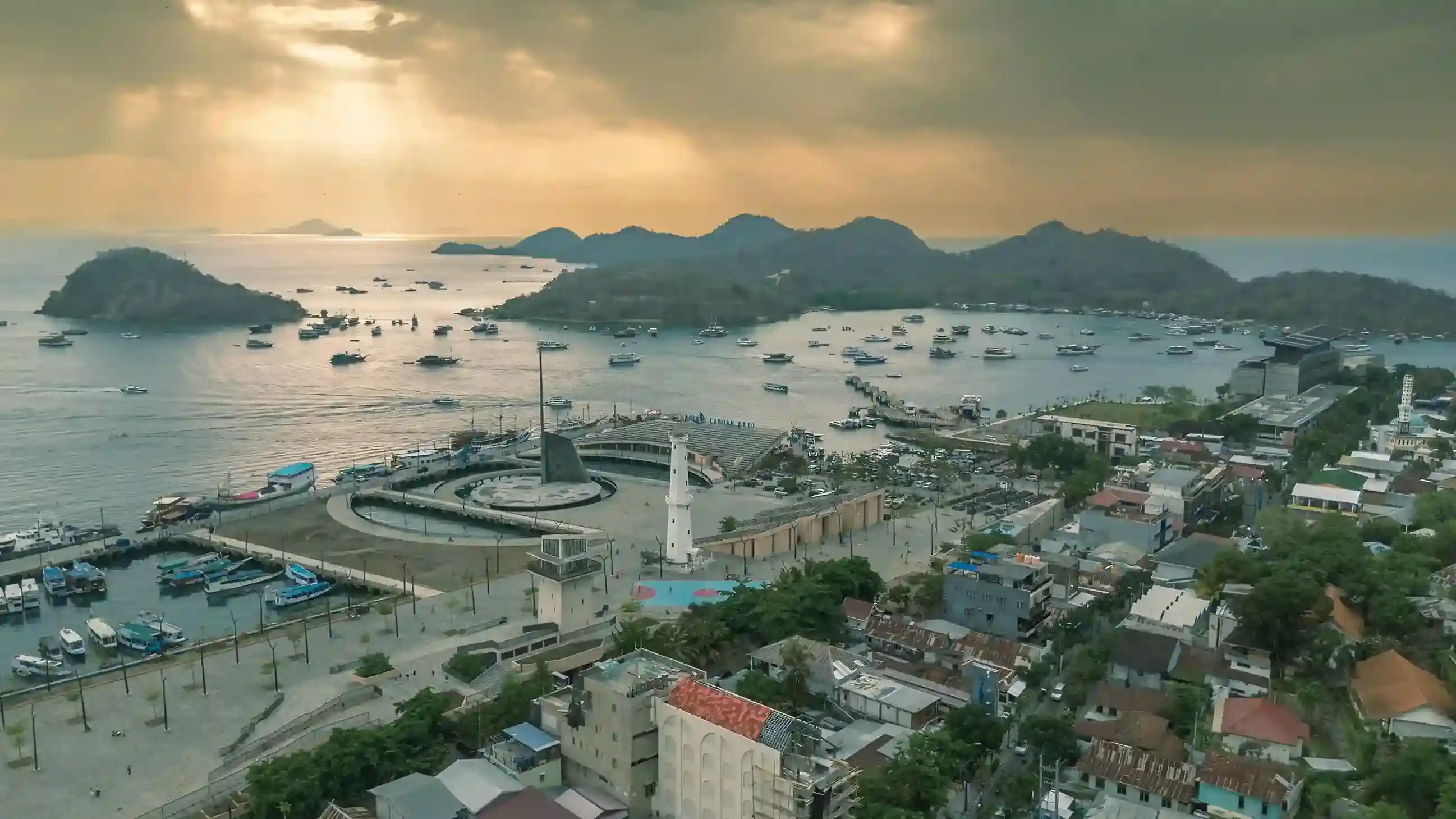
Aerial view of the Labuan Bajo waterfront and marina at dusk
  1. Decide open trip vs private charter based on group size and how fixed your dates are.
  2. Pick a boat class — day speedboat, shared phinisi, or private phinisi — using the itinerary guide to match trip length to what you want to see.
  3. Message the booking desk with your dates, group size, and preferred boat class. Because Komodo National Park as a whole (not Padar Island alone) carries a 1,000-visitor daily cap split into three timed sessions under the park’s 2026 SIORA system, earlier booking (ideally 4–8 weeks out) is safer.
  4. Confirm what’s included in writing before paying a deposit.

Answers

Frequently Asked Questions

How far in advance should I book a Padar Island boat?

For dry season (roughly April–November) and any peak-week travel, 4–8 weeks ahead is a safer margin than the 1–2 weeks that used to be enough — Padar’s daily visitor cap under the 2026 SIORA system means popular sunrise slots do sell out, particularly for July–August.

What’s the minimum group size that makes a private charter worthwhile?

Around four people is typically where a private speedboat day charter starts making per-person financial sense against a shared open-trip; for a multi-day phinisi charter, that threshold moves closer to six to eight people. Below those thresholds, the appeal of a private charter is control and privacy rather than cost savings.

Can I switch from a shared open trip to a private charter after booking?

Usually yes if you ask early enough and pay the price difference, but it depends on boat availability for your dates — message the booking desk as soon as your group size or budget changes rather than waiting until close to departure.

Do all boats stop at Padar Island, or do I need to request it?

Not automatically. Some day-trip routes prioritise Komodo dragons and Pink Beach without a Padar stop, since Padar’s sunrise timing doesn’t fit every schedule. Confirm Padar is explicitly on the route before booking, especially for shared open-trip departures.

What happens if the sea is too rough to reach Padar?

Operators reroute or reschedule around weather rather than risk a rough crossing — this is standard practice across Komodo National Park and is covered in more detail in the weather and sea conditions guide.

Do I need to bring my own snorkelling gear?

Not usually — most boat packages, including standard and private charters, include snorkelling equipment for stops like Manta Point and Pink Beach. If you have specific fit requirements (prescription masks, for instance), confirm gear availability directly or bring your own.

What’s the difference between a “boat trip” and a “liveaboard” in Komodo bookings?

The terms overlap in casual use, but “liveaboard” usually signals a dive-focused multi-day trip with 3–4 dives scheduled daily, structured around dive sites first and sightseeing stops like Padar second. A general “boat trip” or sailing charter puts sightseeing stops, including Padar’s sunrise hike, at the centre of the schedule, with snorkelling rather than tank diving as the water activity. If diving is a priority, specify that when booking so you’re quoted the right category of boat rather than a sightseeing-first itinerary.

Do I need a certification to join a Komodo liveaboard that stops at Padar?

Only for the diving component — a certified diver credential (PADI or equivalent) is generally required to dive from a liveaboard, but the Padar Island hike and any snorkelling stops included on the very same multi-day trip do not require any diving certification at all.

Is a catamaran a better option than a phinisi for families?

Often yes for families specifically — a catamaran’s dual-hull design gives a wider, more stable deck with less roll in open water, which matters for younger children and anyone prone to seasickness on a multi-day trip. A traditional phinisi generally offers more cabins and a more distinctly “Indonesian sailing” character, which some travellers prioritise over the catamaran’s added stability. Neither is objectively better across the board.

This guide does not operate boats. Bookings are fulfilled by Komodo Luxury, and this site may earn a referral commission.

Ready When You Are

Message the booking desk with your dates

Send dates, group size, and preferred boat class. Earlier booking — ideally 4–8 weeks out — is safer under the park’s 2026 session system.

This guide does not operate boats. Bookings are fulfilled by Komodo Luxury, and this site may earn a referral commission.