

Journal
Can You Hike Padar Island Without a Guide?
No. Every visitor climbing to Padar Island's summit viewpoint goes with a licensed park ranger — this is mandatory, not optional, under Komodo National Park rules.
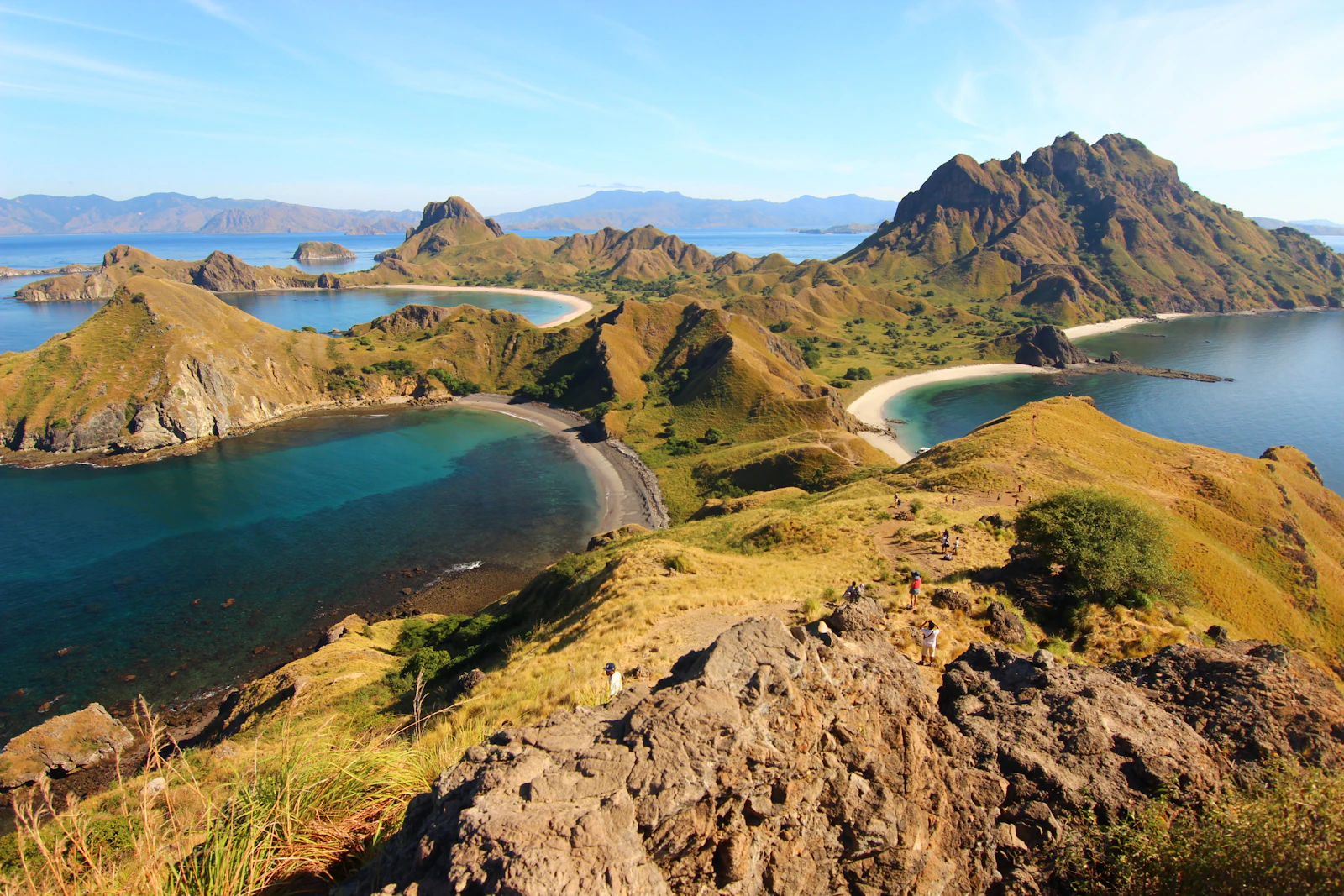
No. Every visitor climbing to Padar Island’s summit viewpoint goes with a licensed park ranger — this is mandatory, not optional, under Komodo National Park rules. There is no independent, ranger-free hiking option on Padar. What you control is booking your session through the SIORA app and preparing well for the ranger-escorted climb.
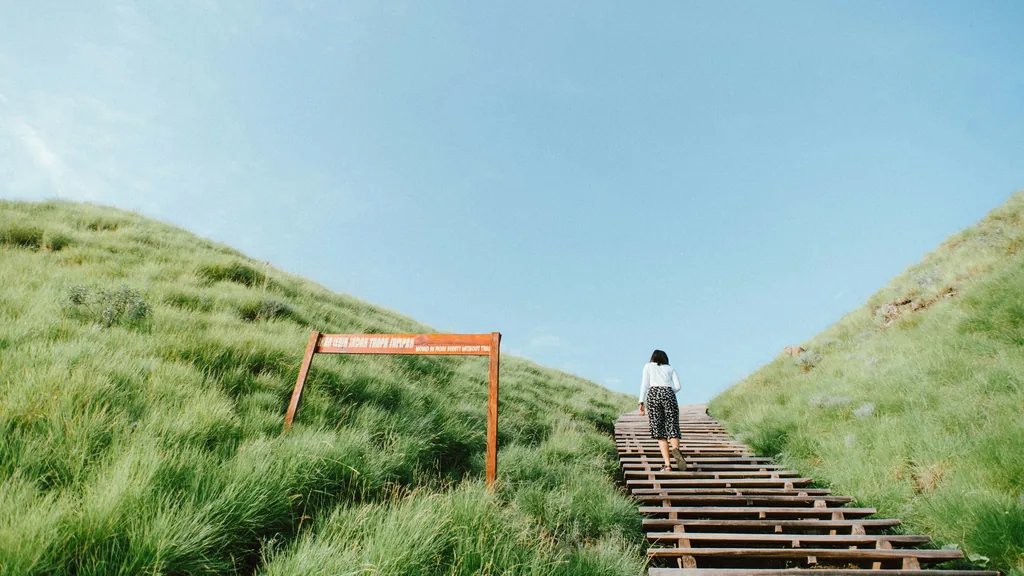
Why a Ranger Escort Is Mandatory on Padar Island
Every visitor climbs with a licensed park ranger — this is mandatory, not optional, and it applies to every session and every visitor regardless of experience. Core rules: stay on the marked boardwalk/staircase, no drone flights without prior authorization, no cutting across the slopes for a shortcut or photo, and no leaving the island without your ranger completing a headcount. As of August 2026 the park is open and running normal visitor operations, after brief weather-related sailing suspensions earlier in the year — but status can change on short notice, so confirm current sailing status with your operator on the morning of departure.

Understanding Padar Island’s Visitor Quota
Komodo National Park, of which Padar Island is part, has implemented a daily visitor quota to protect its unique ecosystems — a park-wide cap, not a Padar-only figure. As of 2026, only 1,000 visitors are allowed per day across the whole park, split into three trekking sessions. Booking your visit through the SIORA app helps manage your trip efficiently and aligns with sustainable travel practices. The sessions are carefully scheduled to distribute visitors evenly throughout the day, reducing the environmental footprint and enhancing the visitor experience. The park does not publish a per-session figure; dividing the park-wide 1,000 cap across three sessions implies roughly 330 each, helping ensure minimal impact on the trails and wildlife.
- 05:00–08:00 WITA (sunrise session)
- 08:00–11:00 WITA
- 15:00–18:00 WITA (sunset session)

Preparing for Your Ranger-Escorted Hike in 2027
Even with a ranger leading the way, it pays to prepare for the trail’s steepness and the equipment it takes. The staircase trail ranges from moderate to challenging, with some inclines reaching gradients of up to 45 degrees. Proper footwear, such as hiking boots with good traction, is essential to navigate these paths safely. Sunscreen with a high SPF is recommended to protect against the intense Indonesian sun, especially during midday hours. Carrying at least two litres of water per person is advisable to stay hydrated. The climb is more demanding in the dry season (roughly April–November, driest in July and August, hottest typically October–November), when the exposed staircase can get very warm underfoot.
Visiting in the wetter, greener season (roughly December–March) brings lush, vivid landscapes that are popular with photographers, though your ranger may adjust or pause the ascent if the staircase becomes slippery after rain. Strategic planning ensures a well-prepared adventure in either season.
What Your Ranger Does
Your ranger is not an optional add-on guide — they are the park authority’s representative on the trail, and their role is part of the mandatory safety system, not a paid extra you can decline. In practice this means: they set and check the pace for your group, point out hazards on the staircase, enforce the no-drone and stay-on-path rules, and take a headcount of everyone in the group before your session leaves the island. Treat their instructions as binding, not advisory.
Eco-Friendly Trekking Practices
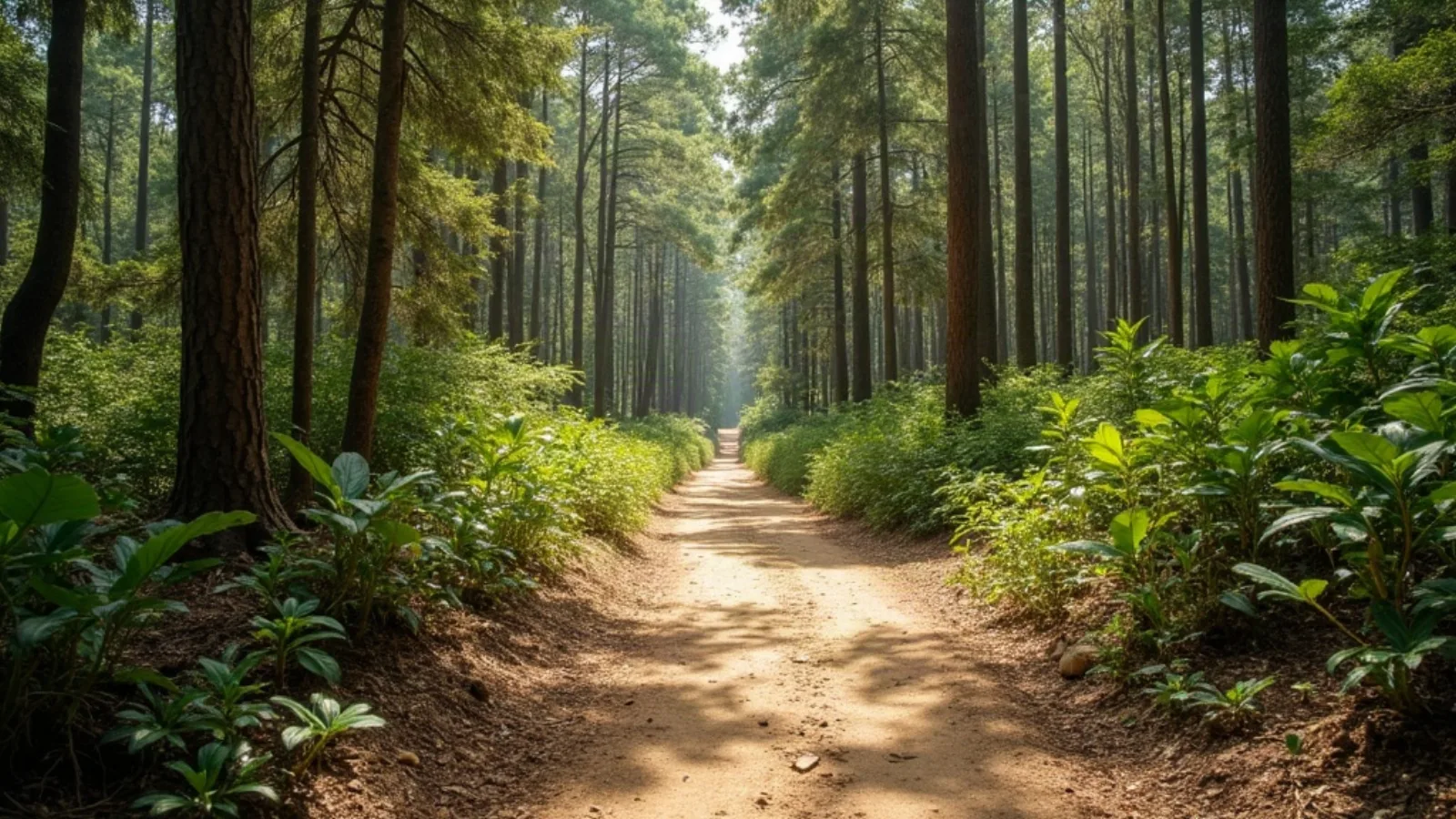
With a focus on sustainability, Padar Island encourages eco-friendly trekking. The park-wide daily capacity limit of 1,000 visitors (not a Padar-only figure) helps minimize environmental impact. Travelers are encouraged to respect the natural surroundings and adhere to guidelines that support conservation efforts. This includes carrying out all rubbish, avoiding single-use plastics, and refraining from feeding or disturbing wildlife. By following these practices, visitors contribute to the preservation of Padar Island’s delicate ecosystems.
2027 Note
As we approach 2027, the emphasis on sustainable tourism on Padar Island becomes even more critical. The visitor limit, ranger-escort requirement, and session-based trekking together aim to preserve the island’s natural beauty for future generations. Efforts are being made to improve the infrastructure, such as enhancing trail markings and providing educational signage about the local flora and fauna. Book your session through the SIORA app as early as possible — reservations must be in place by the day before your visit, and the earliest session is the one that fills first — and ensure your travel plans align with these requirements for a responsible and enjoyable visit.
FAQ
Can you hike Padar Island without a guide?
No. A licensed park ranger escort is mandatory for every visitor climbing Padar Island’s summit trail — there is no independent, ranger-free hiking option. Book your session in advance through the SIORA app, choose a session that matches your fitness level, and follow your ranger’s instructions on the steep trail.
What is the best time to visit Padar Island?
The dry season (roughly April to November, with July and August the driest and the clearest skies typically August to October) is ideal for trekking, offering firmer trails and less humidity. The wetter, greener season (roughly December to March) provides lush landscapes perfect for photography, at the cost of slipperier trails and rougher boat crossings.
Are there any specific equipment requirements for hiking Padar Island?
Yes, sturdy footwear, sunscreen, and plenty of water are essential for a safe hike on Padar Island’s steep trails. Additional items such as a hat, sunglasses, and a lightweight backpack for carrying essentials are also recommended to enhance comfort and preparedness during your trek.
Going without a guide still means booking a boat
Reading this page will not get you onto the water: padarisland.com researches and publishes, it does not sell seats. The charter itself is handled by our affiliated operator, Komodo Luxury. Hiking unaccompanied on the trail is a separate question from crossing 36 km of open water, and only the second one requires a commercial vessel. For the crossing, the current fleet options are the Deluxe charter tier, the VIP charter tier, and private-trip packages.
The rule, and why it applies to everyone
A licensed Komodo National Park ranger or guide accompanies every group on the Padar trail. This is not a recommendation you can decline by being an experienced hiker, and it does not change if you arrive on a private charter — the requirement attaches to the island, not to the boat or the price of the trip. Operators coordinate with rangers at the jetty, groups are formed there, and the ranger stays with them up and down.
The reasoning is visible on the ground. Rangers set the pace, watch for heat stress, and mark out where it is safe to stand at the popular viewpoints, which matters most for mixed-ability parties and first-time hikers who underestimate how tropical conditions change a short climb. They also protect the slopes themselves: keeping people on the stairs and the main ridge limits trampling of thin volcanic soils and stops informal side tracks from eroding into unstable gullies. Knowing the rule in advance removes the one argument that regularly happens at the jetty and lets you spend your planning on footwear, water and timing instead.
The same framework governs everything else on the island. You show your SiORA e-ticket, you stay on the recognised route, and activities such as drone flying, climbing unsanctioned slopes or lingering past your session are controlled and can be refused. What you can influence is the experience within those limits: a quieter time slot and a conversation with your operator about pacing will do more for a calm climb than any attempt to go it alone.
How well the trail is actually marked
Navigation is not the challenge here. From the jetty a constructed staircase runs up to the classic viewpoints, with railings at key points and a well-worn dirt line along the ridge above. It is not signposted every few metres, but you will rarely be uncertain where to go, and most visitors follow it easily even in the low light before sunrise.
What changes is the surface. The lower section is built up and firm; higher on the ridge the path turns rougher, handrails thin out and the edges become more exposed. Loose gravel on those upper stretches is the reason footwear matters more than any navigational skill, and why the descent deserves more attention than the climb.
Where things actually go wrong
Falls happen near the upper viewpoints, and almost always for the same two reasons: stepping off the trail for a better photograph, or moving backwards without checking the ground. Rangers set boundaries at the busy terraces and ask people to keep clear of crowded edges, and those instructions are worth following literally.
The rest of the hazard list is environmental rather than technical. In the dry months the exposed staircase gets very hot from late morning through early afternoon, making dehydration and sunburn the realistic risks. In the wetter months, short heavy showers leave the upper dirt sections slippery and cut visibility. Midday photography is permitted but works against you on both counts — flat light, short shadows, more heat — so if it is your only option, carry extra water and plan on less time on the upper ridge.
Sunrise sessions begin in semi-darkness, which is its own consideration: a small headlamp or torch, shoes with grip, and staying close to your group cover it. The payoff is cooler air and generally calmer conditions, which most people find far more comfortable than climbing under the midday sun.
Getting there and getting the timing right
There is no inland trailhead. Every ascent starts with a boat from Labuan Bajo and continues from the island’s jetty with a ranger-led group. You do not book an individual ranger — your SiORA reservation and your boat secure access, and rangers allocate themselves to groups as they arrive. The one thing worth getting right is the match between your park session and your boat’s arrival time, so you are not rushed at the dock. Sunrise sessions are the most requested, so if that is the priority, confirm both the boat and the park slot early.
This guide does not operate boats. Bookings are fulfilled by Komodo Luxury, and this site may earn a referral commission.
Ready When You Are
Ready to book?
Chat directly on WhatsApp with the Komodo Luxury team.
This guide does not operate boats. Bookings are fulfilled by Komodo Luxury, and this site may earn a referral commission.