

Journal
A Guide to the Best Padar Island Trekking Routes and Rest Points in 2027
In 2027, the best Padar Island trekking routes and rest points offer a unique blend of adventure and scenic views, with early booking essential due to strict visitor quotas designed to…
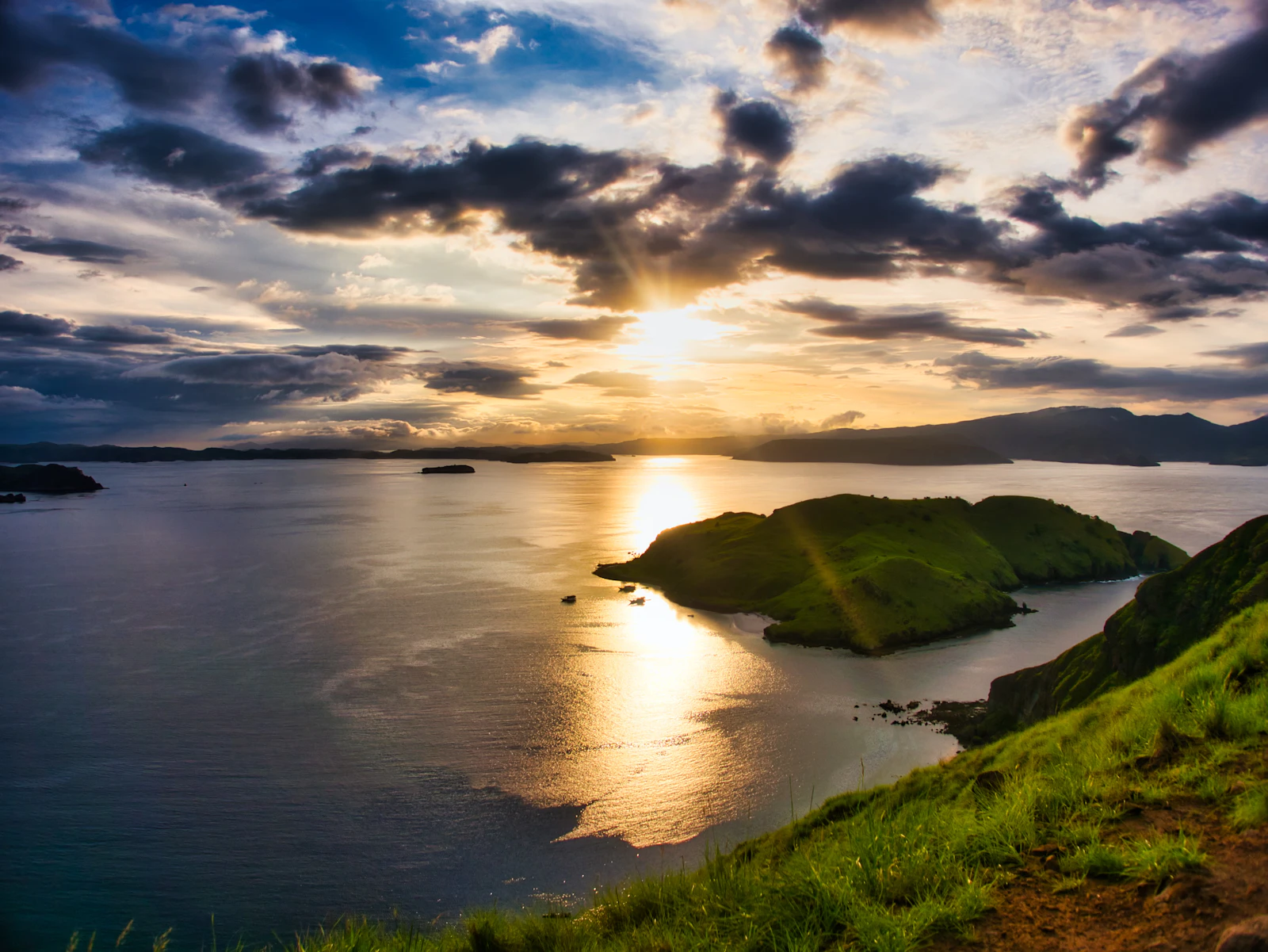
In 2027, the best Padar Island trekking routes and rest points offer a unique blend of adventure and scenic views, with early booking essential due to strict visitor quotas designed to protect the island’s natural beauty.
Planning a Padar trek around the quota
Padar Island, part of the Komodo National Park, continues to captivate adventurers with its dramatic landscapes and thrilling trekking opportunities. For 2027, it’s crucial to plan your trek early, as a 1,000-visitor-per-day cap for Komodo National Park as a whole (not Padar Island alone; no separate Padar-only daily quota applies under the system in force since 1 April 2026) is in place to preserve the delicate ecosystem. This guide explores the top trekking routes and rest points, ensuring a memorable experience on this remarkable island.
The routes up, and what each one shows you
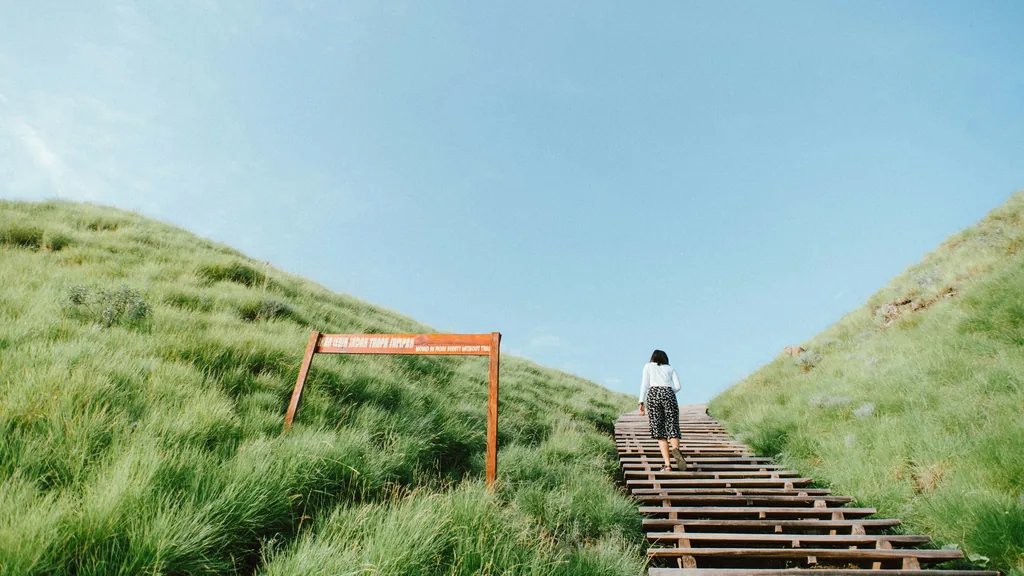
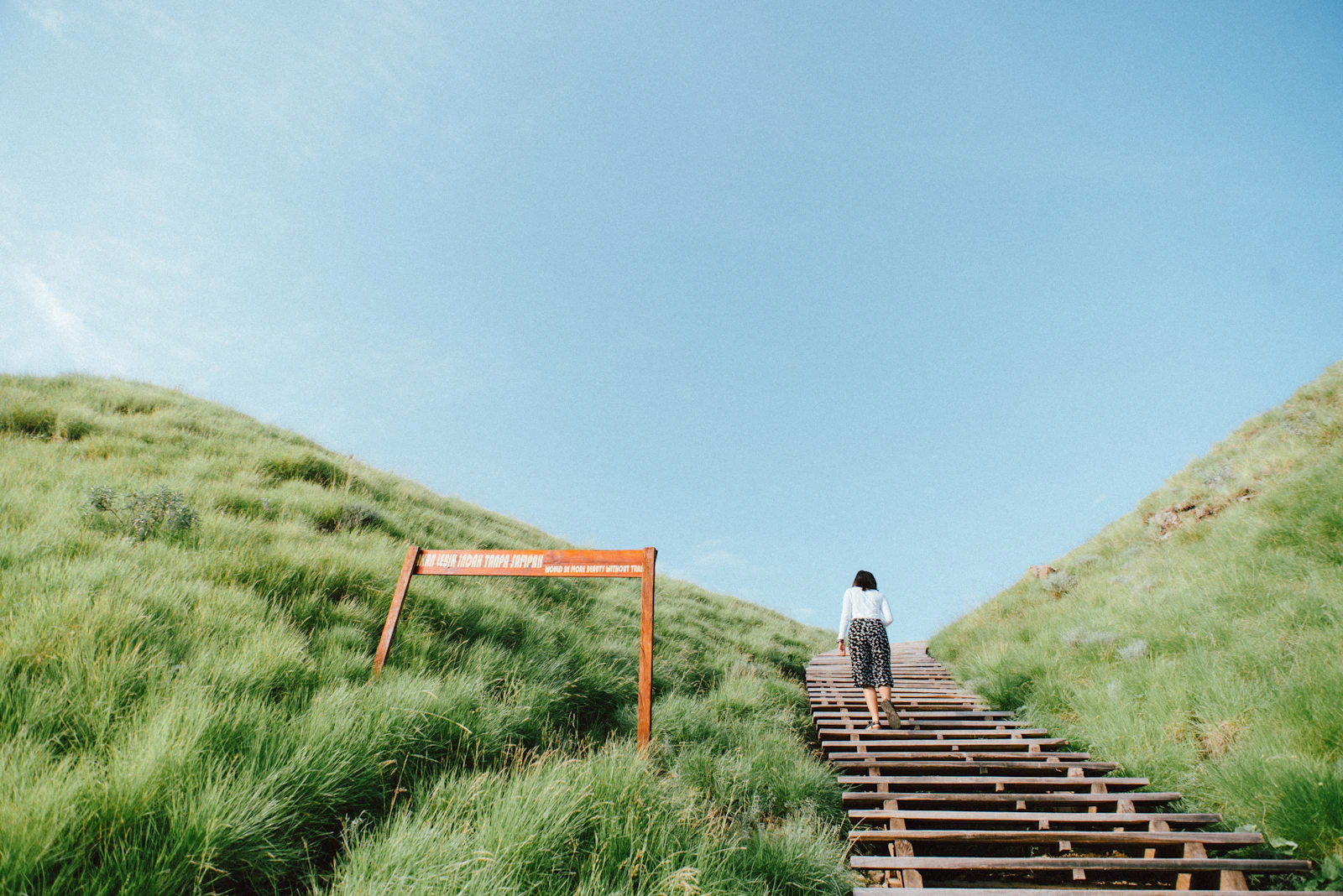
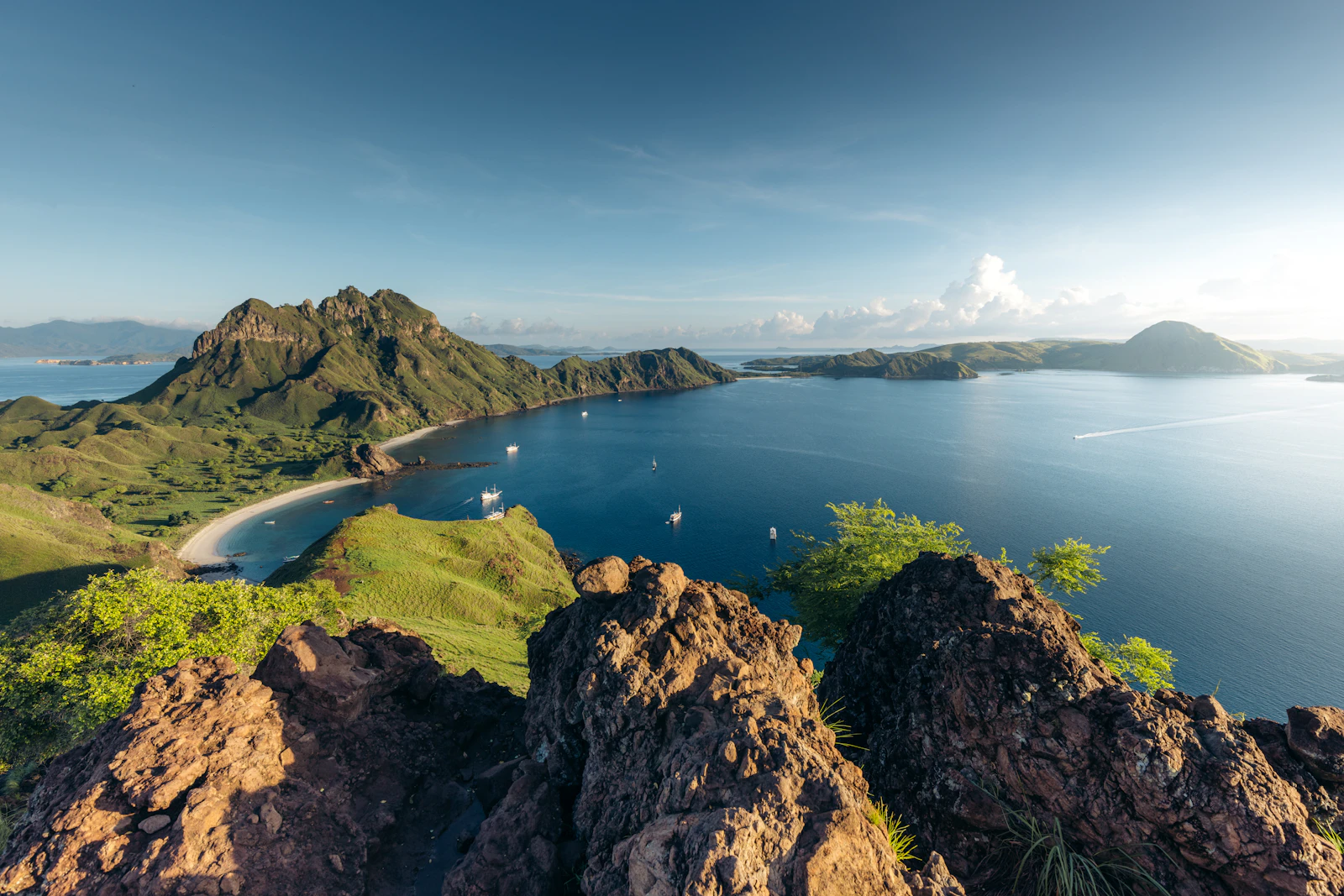
The island’s rugged terrain features several notable hiking routes, each offering distinct vistas of its iconic three bays. Among the most popular is the sunrise trek, which starts between 05:00 and 08:00 WITA. This early morning journey provides views of the sunrise over the island’s stunning landscape. The staircase trail covers roughly 0.7–1.5 kilometres one-way and takes about 25–45 minutes to climb, depending on pace and fitness level. The route begins at the main entrance, where visitors can follow a well-maintained path that gradually ascends to the island’s highest points, offering panoramic views at various stages.
Some visitors instead time their ascent for the late afternoon, climbing the same staircase trail to catch the golden evening light on the way down. There is one constructed route to the main viewpoint — no separate western-side trail exists — so the distance and step count are the same regardless of which session you book. This later session is popular with photographers aiming to capture the sunset light over the water and rocky bays.
Where people actually stop to catch their breath
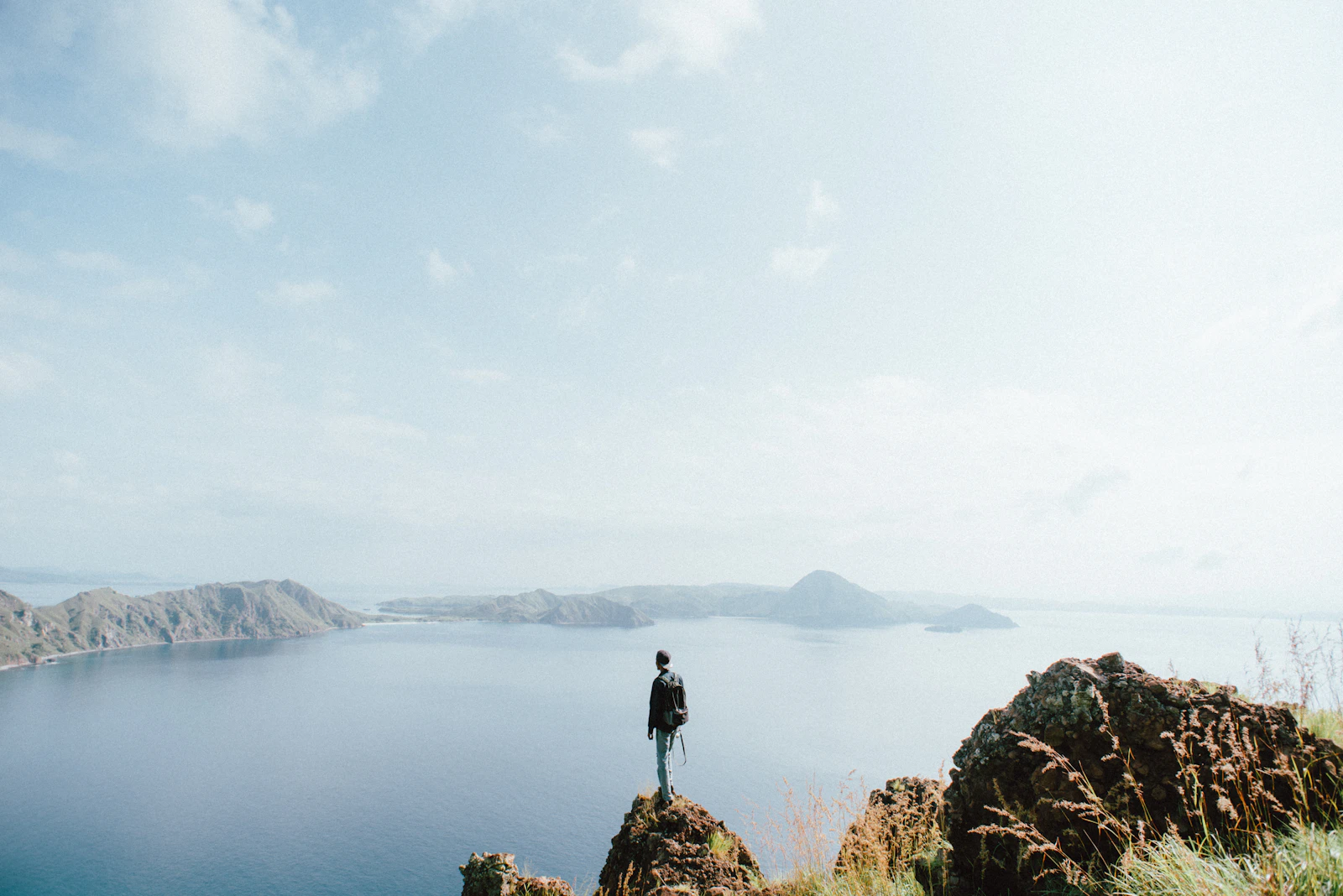
The staircase trail has a few natural pause points rather than built rest facilities — a shift in gradient roughly halfway up, where trekkers commonly catch their breath and take in the sweeping views of the surrounding sea and islands.
Near the summit, the ridge widens into a natural gathering spot where groups typically pause before the descent to take in the three bays, each with its own colour from varying algae and coral cover below. As our facilities guide notes, the trail has no trees, shelters, or covered rest areas anywhere along the route, so bring your own hat or sun cover rather than expecting benches or signage.
How the booking window and the cap interact
With the implementation of a 1,000-visitor-per-day cap for Komodo National Park as a whole (not Padar Island alone; no separate Padar-only daily quota applies under the system in force since 1 April 2026), it’s vital to secure your trek booking as early as possible — SIORA will not accept a same-day booking; the cut-off is the previous day, and the dawn session closes first. The SIORA app offers an easy way to manage bookings: create an account, select your desired date and session, and confirm. The PNBP entrance fee and any ranger/guide charge are paid through the standard park ticketing, not as a separate app reservation fee.

Seasonal Trekking Tips
The island’s climate varies between the dry and wetter seasons. The dry season runs roughly April to November, with the driest stretch in July and August and the most cloudless skies typically August to October. The wetter, greener season runs roughly December to March — expect lush hillside colour but also slippery trail sections after rain, so proper footwear matters more during these months.
During the dry season, clear skies and vivid sunsets are the norm, ideal for capturing Padar Island’s beauty in its full glory. Daily highs sit around 28–33 degrees Celsius and the exposed staircase feels considerably hotter, so carrying enough water and sun protection is crucial. For more detailed packing tips, consider checking our comprehensive guide, which includes advice on clothing layers, insect repellent, and other essentials.
2027 Note
In 2027, Padar Island remains a premier destination for eco-conscious travellers. The introduction of strict quotas and the promotion of sustainable travel practices reflect a commitment to preserving the island’s natural beauty for future generations. When planning your trip, consider opting for sustainable travel options that align with these conservation efforts. This includes using eco-friendly transport options from nearby Flores Island and supporting local businesses that adhere to environmental guidelines.
FAQ
What are the best trekking routes and rest points on Padar Island in 2027?
The best routes include the sunrise trek and the late afternoon trek, with rest points at mid-trail and near the summit offering splendid views.
How do I book a Padar Island trek in 2027?
Through the SIORA app. Book as early as possible — SIORA will not accept a same-day booking; the cut-off is the previous day, and the dawn session closes first — while complying with the 1,000-visitor-per-day cap for Komodo National Park as a whole (not Padar Island alone; no separate Padar-only daily quota applies under the system in force since 1 April 2026).
What should I pack for a trek on Padar Island in 2027?
Prepare for varied weather conditions depending on the season. Essential items include sturdy hiking boots, sun protection, and a camera for capturing the stunning views. Additional recommendations include a reusable water bottle, energy snacks, and a small first aid kit for minor injuries or blisters.
From trail choice to boat choice
We publish; we do not book. padarisland.com is an information site, and the vessels are operated by our affiliated partner, Komodo Luxury. Which route you walk on the island is settled by the rangers on the day; which boat carries you there is settled weeks earlier, by you. The charter tiers currently on offer are the Deluxe charter tier, the VIP charter tier, and private-trip packages.
One route, and how far along it you go
There is no network of paths on Padar. A single staircase runs from the jetty up a stepped ridge to a compact upper viewpoint, and the only variation available to you is how far you climb. No shortcuts are sanctioned and no alternative route exists, which makes navigation a non-issue and turns the whole question of route planning into a question of pacing.
The surface changes as you go. Wooden and concrete treads carry most of the lower and middle sections, with broader, shallower steps early on; higher up the flights narrow and steepen, and some upper stretches transition to compacted soil and rock between stair segments. Loose volcanic grit collects on the treads throughout and is what makes the descent slippery, and those short dirt connectors near the top are worse when dusty or damp. You return along the identical staircase, and there is no shaded promenade anywhere on it.
Stopping at a lower or mid-level terrace and treating that as your endpoint is entirely legitimate. Less fit visitors regularly reach one or two of them by going slowly, resting often and taking the coolest available session, and there is no pressure to touch the highest step — the reward curve flattens well before the summit. The most convenient viewpoints of all sit just above the jetty, a few minutes of climbing, overlooking the main bay, the anchored boats and the surrounding ridgelines, which serves anyone who cannot manage the full ascent.
Where you can actually rest
Sitting breaks are more limited than most visitors expect. A few wooden platforms and wider stair sections let you pause without blocking anyone, and the ranger will normally point them out as you go. Several broader terraces break the ascent into natural stages — clear places to drink, adjust layers and let your breathing settle — and rangers often ask groups to regather there so faster and slower walkers stay together.
If you tire halfway, slowing down with short frequent pauses is usually enough, since the route is stepped rather than technically difficult. If you feel genuinely unwell, tell the ranger: you can wait at a lower terrace while your group continues, and that is a normal arrangement rather than an imposition.
The classic three-bay panorama comes from near the upper viewpoint, where the staircase narrows and the ridge opens on both sides. Rangers indicate the small levelled pockets where you can queue safely for photographs, and using those rather than improvising a position is what keeps the flow moving.
Rules, permits and what they cost
Trekking is permitted only on the designated staircase and boardwalk, under ranger supervision. Stay on the marked route, do not climb railings or scramble onto the side ridges, and keep noise moderate. Park-wide regulations apply in full: follow ranger directions, do not disturb wildlife or remove natural material, and no smoking, littering or loud music on the trail.
Access is controlled through the Komodo National Park system rather than by a separate Padar document. SiORA online booking with a dated e-ticket is mandatory and covers park entry and your chosen session. There is no separate hiking ticket for the staircase — your total outlay is the per-person park fee, a share of the per-group ranger fee, and the boat.
Trail running is not realistic here and is discouraged. The staircase is busy through most sessions, surfaces can be sandy or damp, overtaking safely in the narrow upper sections is difficult, and you are expected to move at the group’s pace under ranger control.
Conditions, and who finds it hard
The climate is hot tropical savanna, with a marked dry season roughly April to November and a wetter, greener period around December to March. Temperatures stay warm year-round; what changes is humidity and how slippery the trail becomes.
Shade is minimal, so treat the ascent as a short but fully exposed mountain walk. A wide-brimmed hat, high-SPF sunscreen, sunglasses and light long sleeves make a real difference, particularly on a late-morning session when the sun is already high.
Most incidents are slips on dusty steps rather than dramatic falls, which means footwear grip and unhurried movement matter far more than strength. Use the handrails where they exist, give way at tight corners, and avoid sudden changes of direction on the descent. Closed shoes with good tread are strongly recommended — the mix of steps, grit and rock is hard on sandals, and thin-soled flip-flops offer neither grip nor protection.
School-age children generally cope well if they are comfortable with stairs and an adult stays close and sets a gentle pace. Keep them inside the railings and away from edges and loose gravel, especially at the photo points where attention drifts. Active seniors who are used to stairs often complete the climb comfortably by pacing themselves and using the railings; the variables that matter are knee stability, heat tolerance and confidence on uneven ground, not age.
Allow a full session window for the whole thing — docking, climbing, resting, photographing and descending — rather than budgeting only for the walk. The staircase itself, with its switchbacks and the line of hikers on it, makes a strong foreground for wider landscape frames, though dust and wind are real considerations: keep lenses capped between shots and expect to clean them afterwards.
Two comparisons worth holding. Padar’s route is shorter and more structured than the walks on Komodo Island, which revolve around wildlife spotting on undulating tracks where you adjust your pace to what the rangers are showing you; here you set your own tempo against a fixed climb. And against Uluwatu in Bali, which is framed as a sunset destination, Padar’s trek is mostly used for sunrise and early light — afternoon sessions here are hot and hazier, and the sun often drops behind higher ground rather than into open water.
Finally, think of the ascent as one component of a wider park visit that may also include snorkelling or dragon viewing. Your session booking and your boat between them determine how much time you actually get on the ridge, which is the number worth checking before you book anything else.
This guide does not operate boats. Bookings are fulfilled by Komodo Luxury, and this site may earn a referral commission.
Ready When You Are
Ready to book?
Chat directly on WhatsApp with the Komodo Luxury team.
This guide does not operate boats. Bookings are fulfilled by Komodo Luxury, and this site may earn a referral commission.