

Journal
Padar Island Safe for Solo Female Travelers in 2027: Essential Safety Tips
Padar Island offers a safe environment for solo female travellers in 2027, with strict visitor limits and guided trekking sessions.
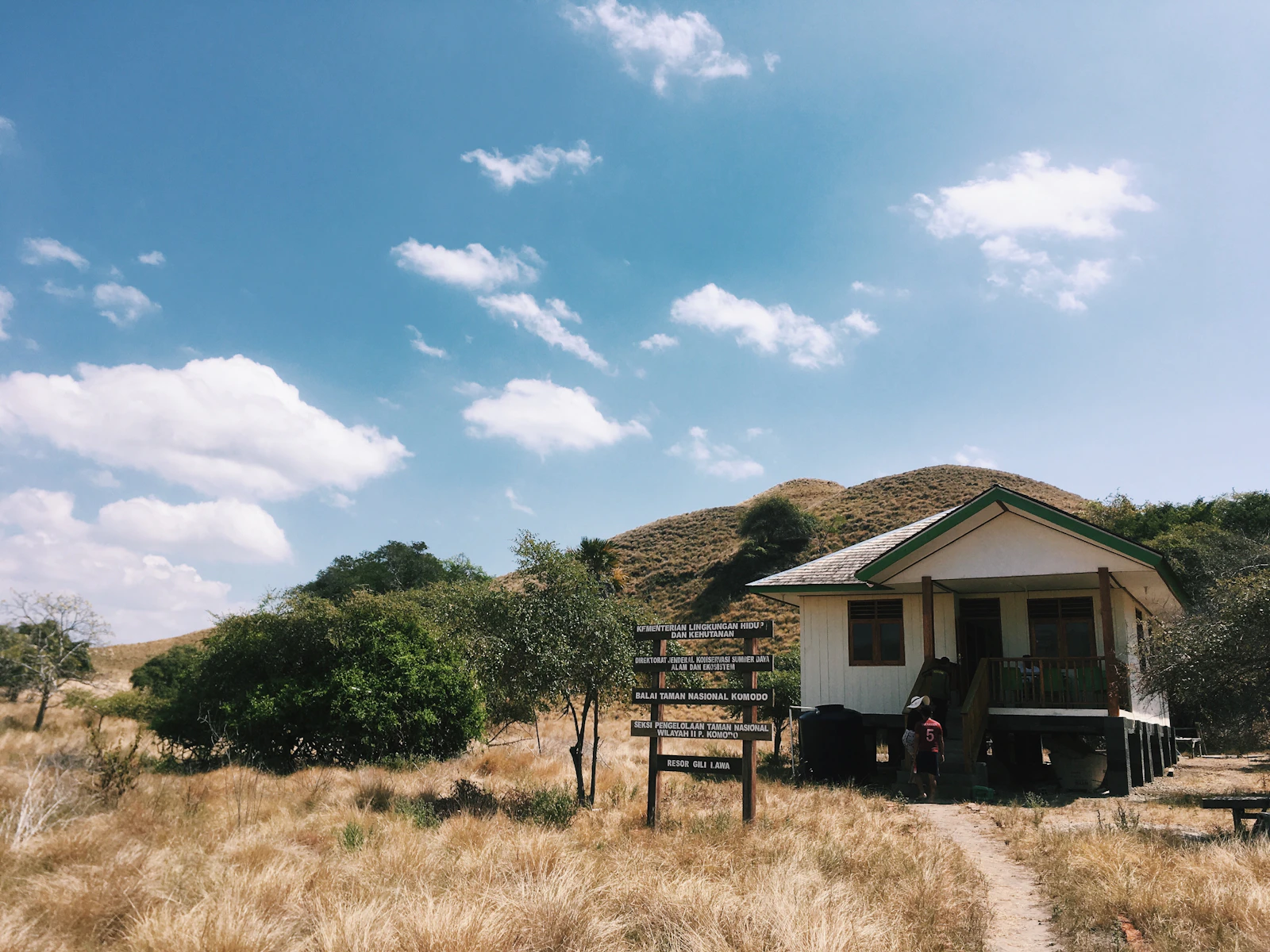
Padar Island offers a safe environment for solo female travellers in 2027, with strict visitor limits and guided trekking sessions. Adequate preparation and adherence to safety guidelines are essential for a secure trip.
Is Padar Island safe for solo female travellers in 2027?
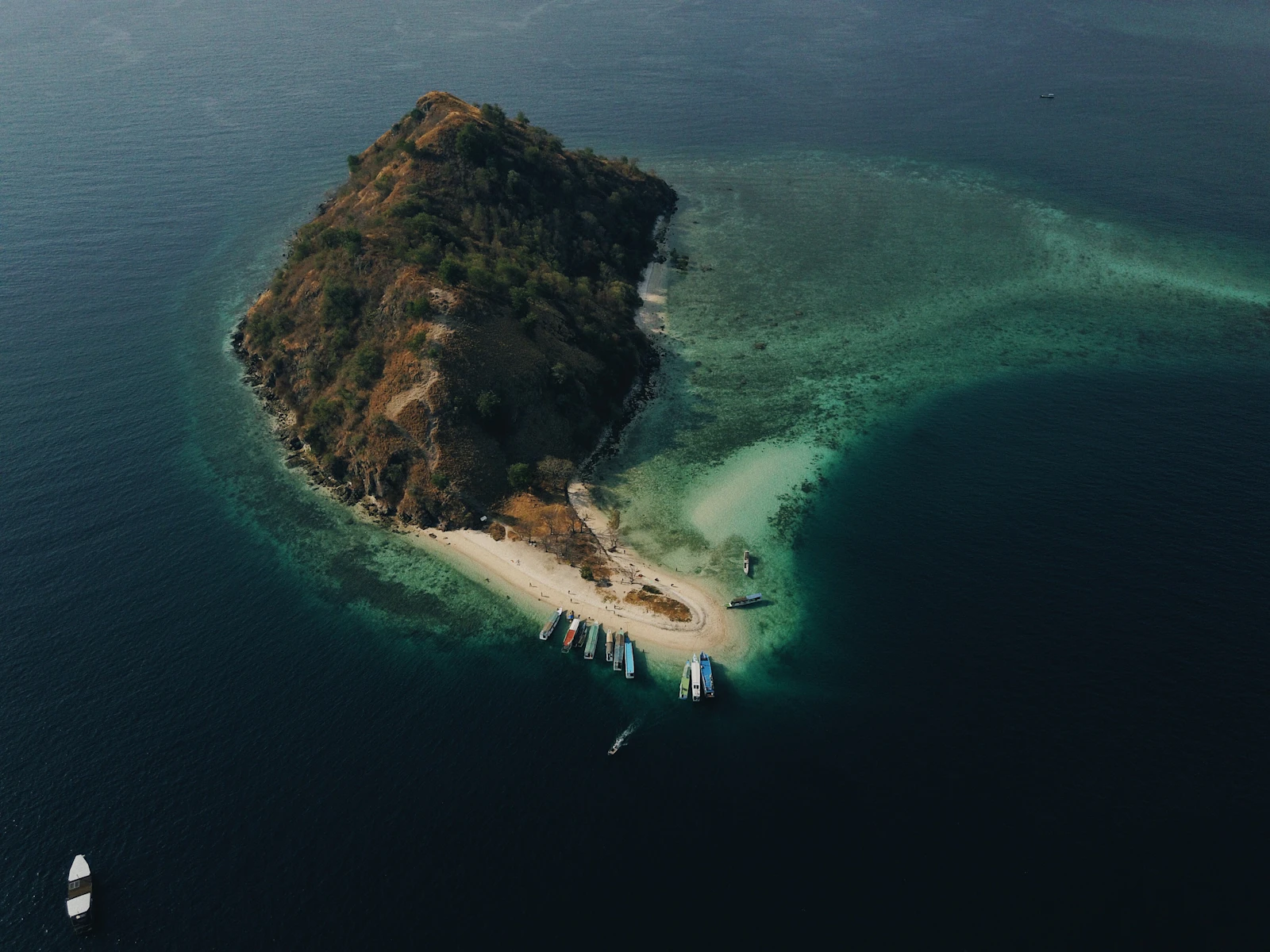
Yes, Padar Island is considered safe for solo female travellers in 2027. With Komodo National Park’s park-wide daily visitor quota of 1,000 people (not a Padar-only figure) and guided trekking sessions, the island offers a structured environment that enhances safety. This quota is part of an effort to manage the environmental impact and ensure visitor safety. Travellers are advised to stay within designated areas and follow official guidelines laid out by local authorities. The presence of park rangers and guided tours further contributes to a secure atmosphere.
What has actually changed on the trail
In recent years, safety measures on Padar Island have improved significantly. The introduction of the visitor limit helps maintain a controlled environment, reducing the likelihood of overcrowding, which can lead to accidents or environmental degradation. The island’s steep trails are well-maintained, with regular inspections to ensure safety standards are met. Trekkers are required to adhere to designated paths, with clear signage indicating safe routes. This reduces the risk of accidents, particularly on the more challenging sections of the trails.
The island’s management has also focused on training local guides to provide informed and attentive service to visitors. These guides are knowledgeable about the terrain and are equipped to handle emergencies, should they arise. Rangers and boat crews carry basic first-aid supplies and are trained to assess and escort someone down, but there is no medical facility anywhere on the island, so anything beyond minor treatment means returning to Labuan Bajo by boat.
Going solo: what the island asks of you
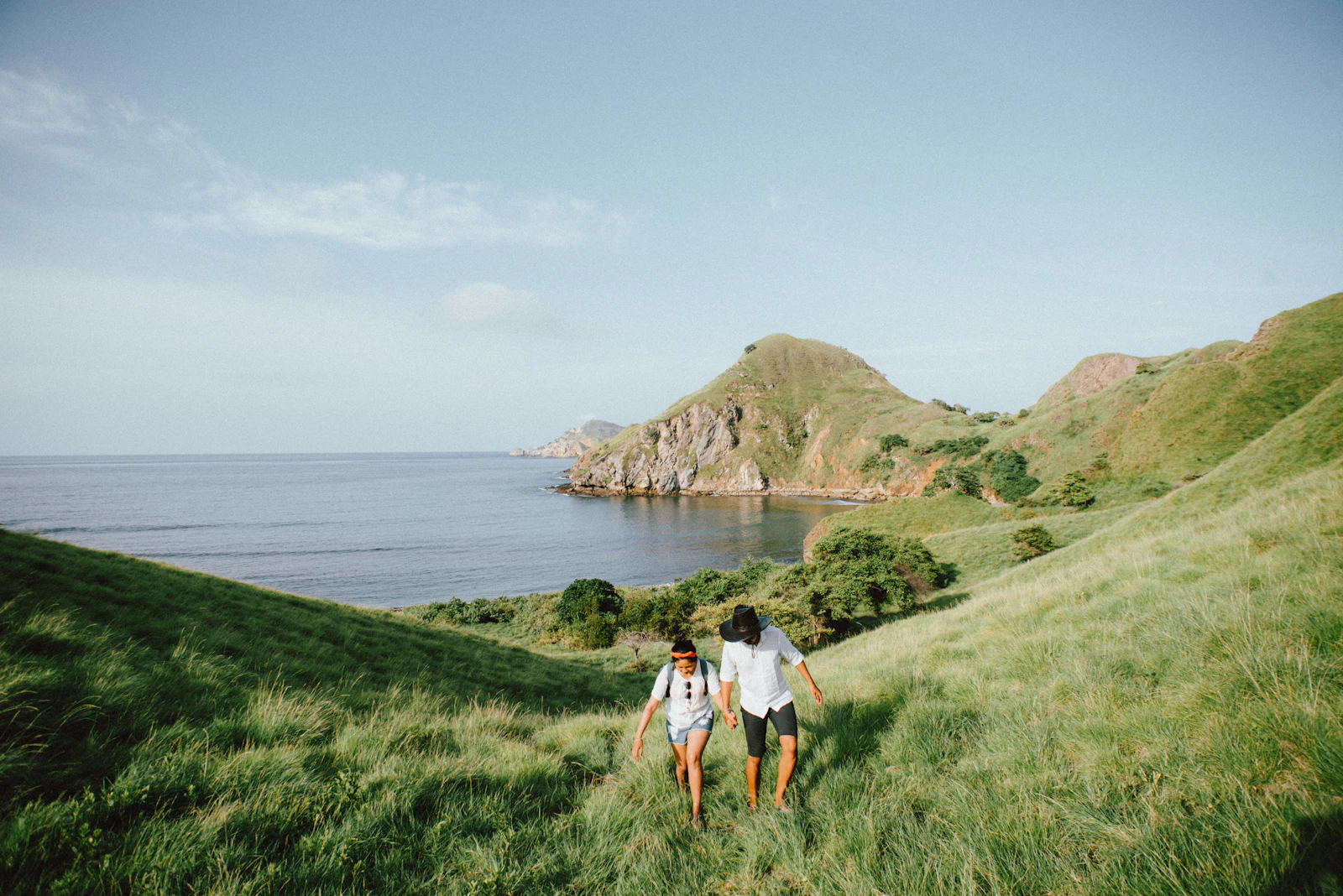
Solo travel on Padar Island is increasingly popular, with many women exploring its unique landscapes. The island’s manageable size—approximately 20.2 square kilometres—and structured tours make it accessible for solo adventurers. These tours often include transportation, meals, and comprehensive safety briefings, which can ease the concerns of travelling alone. Booking a guided tour can provide additional peace of mind and expert insights into the island’s features, such as its diverse wildlife and geological formations. Solo travellers often appreciate the camaraderie found in group tours, where they can meet like-minded individuals.
Booking Your Trek in Advance
Because trekking slots are now booked through the SiORA system, it is possible to reserve as early as your dates are fixed — your reservation has to exist by the day before you visit, and dawn sells out first. This system is designed to streamline the booking process and ensure that all visitors have a chance to experience the island’s stunning views without the stress of last-minute arrangements. By booking early, travellers can secure their spot among the park-wide 1,000 daily visitors (not a Padar-only quota), allowing them to plan their itinerary with confidence. Weather and sea conditions are not published through the booking system, however; your boat operator is the source for those on the morning itself, and they will tell you before you reach the harbour if a crossing is being changed.
Practical Safety Tips for Solo Female Travellers
- Plan Ahead: Research the island’s trek routes and book in advance using the SIORA app to ensure availability. Familiarise yourself with the island’s geography and weather patterns to better prepare for your journey.
- Join a Group Tour: Consider joining a guided group tour for additional safety and social interaction. Group tours often include local guides who can provide cultural insights and ensure adherence to safety protocols.
- Adhere to Timings: Follow the designated trekking sessions to avoid overcrowding and ensure safety. The island’s management has set specific times for treks to manage visitor flow effectively.
- Stay Hydrated: Always carry enough water, especially in the dry season (roughly April to November) and above all through its hottest stretch from October to November. Dehydration can be a serious risk, particularly during the hotter months.
- Use Sun Protection: Bring sunscreen with a high SPF and a hat to protect against the tropical sun. The island’s climate can be harsh, and sunburn is a common concern for travellers.
2027 Note on Padar Island Safety
As of 2027, Padar Island continues to enhance its safety protocols, with a focus on sustainable tourism practices. The island’s management is dedicated to preserving its natural beauty while ensuring a secure environment for all visitors. This includes ongoing efforts to educate visitors about the importance of conservation and responsible tourism. Initiatives are in place to minimise the environmental impact of tourism, such as waste management programmes and wildlife protection efforts. These measures are crucial in maintaining the island’s ecological balance and ensuring it remains a safe and welcoming destination for future generations.
FAQ
Are there specific times recommended for solo travellers?
Yes, the sunrise trek session from 05:00 to 08:00 WITA is ideal for solo travellers, offering a peaceful experience with fewer crowds. This time of day provides cooler temperatures and stunning views as the sun rises over the island, making it a popular choice for photographers and nature enthusiasts alike.
What should I pack for a safe trek on Padar Island?
Lightweight trekking gear, sturdy shoes, and a personal first aid kit are recommended. Be sure to include insect repellent and a reusable water bottle to reduce plastic waste. Check our detailed packing guide for more tips on preparing for your trek, including suggestions for clothing and essential equipment.
Can I snorkel safely at Padar Island in 2027?
Snorkelling near the pink-sand bay is possible, but conditions vary with tide and swell and are judged on the day by your crew rather than assumed safe in advance; join an organised group and follow their call on where and when to enter the water. These groups often include safety briefings and provide equipment, ensuring that all participants are adequately prepared for the activity. The waters around Padar Island are home to a variety of marine life, making it a fantastic location for snorkelling enthusiasts.
What to ask an operator before you book alone
padarisland.com is a research site and sells nothing. The charter itself sits with our affiliated operator, Komodo Luxury. For a woman travelling solo, the crew, the group size and the return time are the three questions worth settling in writing before any deposit changes hands. Options that answer those questions clearly: the Deluxe charter tier, the VIP charter tier, and private-trip packages.
Travelling to Padar alone: what the structure of the visit does for you
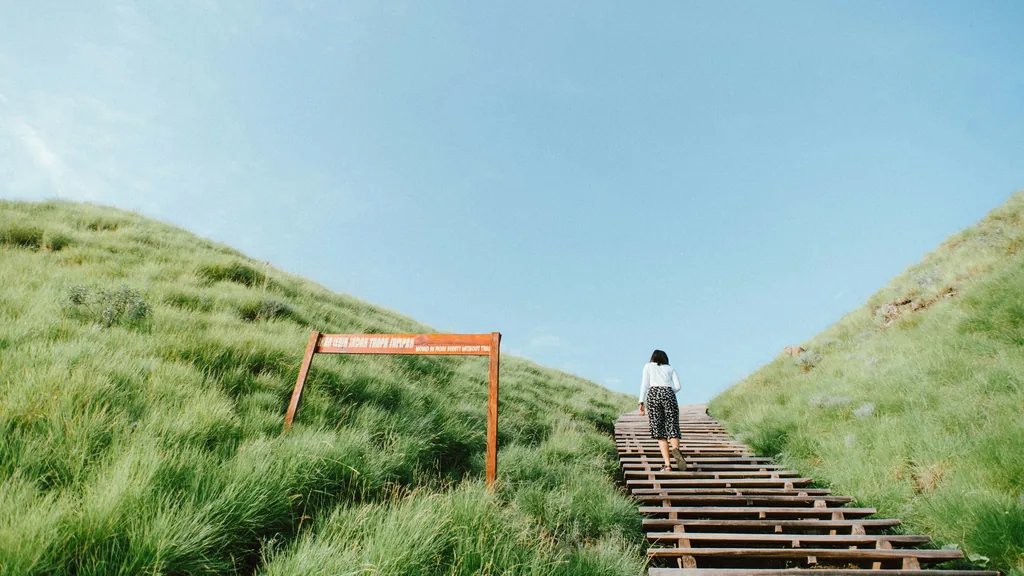
Almost everything that makes Padar feel manageable on your own is structural rather than personal. Access is by boat only, entry runs on timed sessions booked through SiORA, and the walk itself is a single out-and-back staircase with rangers stationed along it. There is no route-finding, no side trail to get lost on, and very little opportunity to end up isolated — you climb in the company of whoever else landed in your session. That is a different kind of safety from the one most solo-travel advice is written about, and it shifts the real risks onto things you can prepare for.
Those risks are environmental. Heat is the first: the staircase is shade-free, and the stone gets genuinely hot from mid-morning onward. Rain the night before leaves the steps slick well into the following day. Some of the upper terraces are exposed enough that a mild fear of heights becomes noticeable, though the path is wide and clearly defined the whole way. If exposure worries you, stop at one of the lower terraces — the three-bay view is already open by then — walk on the inland side, and say something to the ranger before you start rather than partway up.
The boat is the decision that matters most
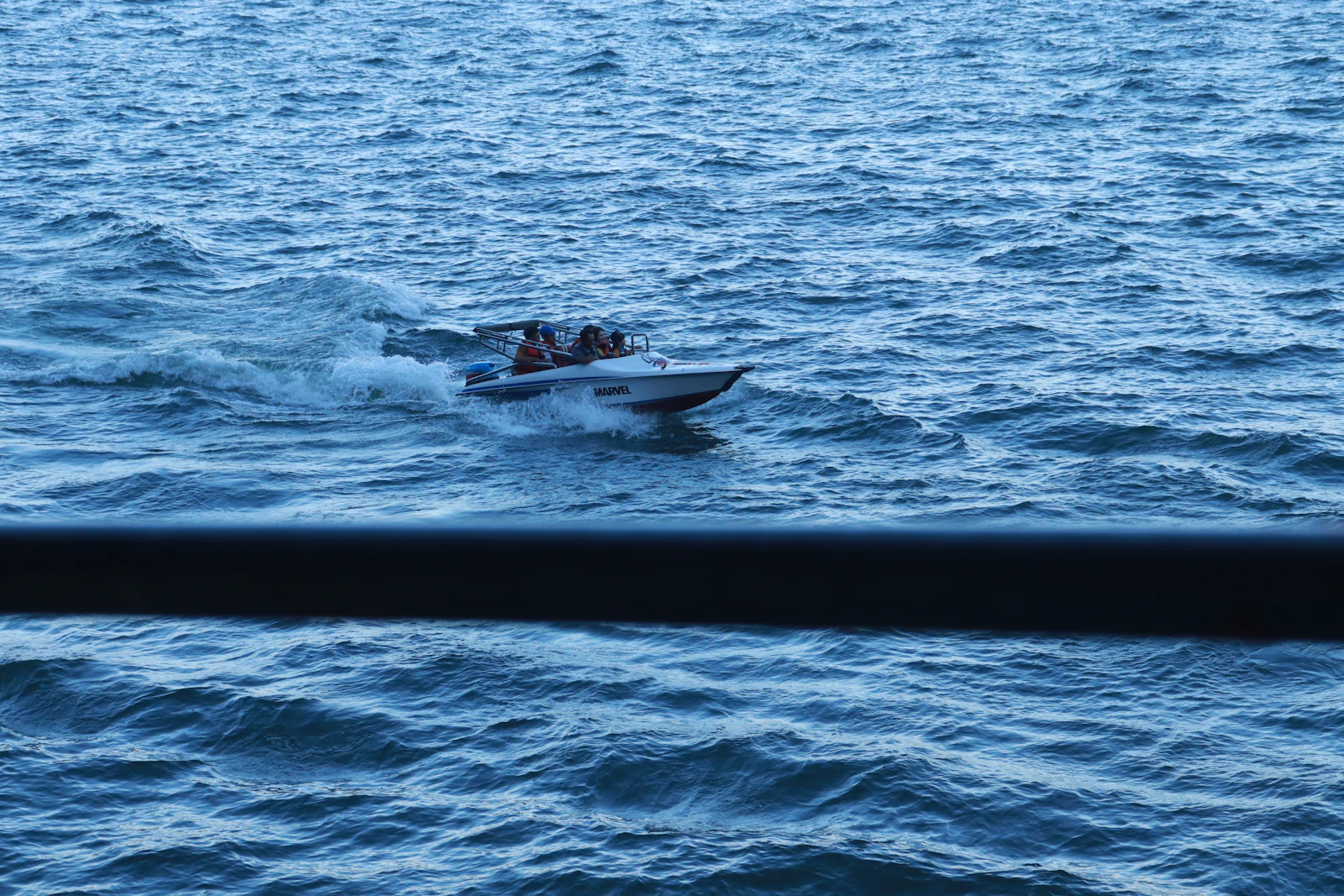
Your crossing is the part of the day with the widest quality spread, and it is the part you actually choose. Before boarding, look for enough life jackets for everyone aboard, a working radio or phone, and a crew that gives a real briefing rather than waving people on. Operators worth using watch the forecast, do not overload, and are straightforward about turnaround times. If a crew is pushing to leave in visibly rough weather, declining is reasonable and normal; the July–August window is the driest of the year but also the windiest, and choppy crossings are common enough that motion-sickness tablets are worth carrying.
Shared departures — speedboat day trips and open-trip phinisi — suit solo travellers well. You get company, a fixed schedule and staff oversight without paying for a private charter. Ask what is included before you pay: park fees, lunch, drinking water, snorkel gear, and how many passengers the boat will actually carry. Boats run by agencies that answer questions patiently, rather than pressing for immediate payment, tend to be the ones with the calmer groups.
Nobody stays on Padar. There is no accommodation, no shop and no hostel on the island, so solo visitors base themselves in Labuan Bajo or sleep aboard a liveaboard anchored nearby. If you are considering a liveaboard, the questions worth asking in advance are about cabin-sharing arrangements, mixed-gender sleeping areas and what recent passengers have said about crew conduct.
What to wear, what to carry, who to tell
Light clothing that covers shoulders and knees works for both the sun and the walk through Labuan Bajo harbour. Trekking trousers or sports leggings with a wicking top and a long-sleeved layer is the common combination; closed trail shoes or trainers matter far more than anything else you wear, because the steps are the whole hike. Swimwear stays for the boat and the designated snorkelling stops.
A day pack with a full water bottle, sun protection, a hat, a small first-aid pouch and any personal medication covers the realistic needs. Add a power bank, an offline map and a photocopy of your passport. Signal on and around the island is poor, so download anything you might need before you leave town, and tell someone at your accommodation which boat you are on and when you expect to be back.
If something goes wrong on the trail, rangers and boat crew are the first responders. They carry basic first-aid supplies and are trained to assess and escort someone down; there is no medical facility anywhere on the island, so anything beyond minor treatment means returning to Labuan Bajo by boat. That is the reason to mention a knee problem, vertigo, heat sensitivity or a medical condition at the start of the session rather than when it becomes a problem. Pregnancy is a question for your own doctor rather than for a guide: the climb is short but steep and hot, and it happens somewhere without medical support.
This guide does not operate boats. Bookings are fulfilled by Komodo Luxury, and this site may earn a referral commission.
Ready When You Are
Ready to book?
Chat directly on WhatsApp with the Komodo Luxury team.
This guide does not operate boats. Bookings are fulfilled by Komodo Luxury, and this site may earn a referral commission.