

Journal
Is the Padar Island Viewpoint Hike Difficult in 2027 for Older Travelers?
The Padar Island viewpoint hike in 2027 presents a moderate challenge for older travellers, primarily due to its steep and uneven terrain.
The Padar Island viewpoint hike in 2027 presents a moderate challenge for older travellers, primarily due to its steep and uneven terrain. However, with proper preparation and a steady pace, it remains accessible for seniors who are reasonably fit and accustomed to hiking.
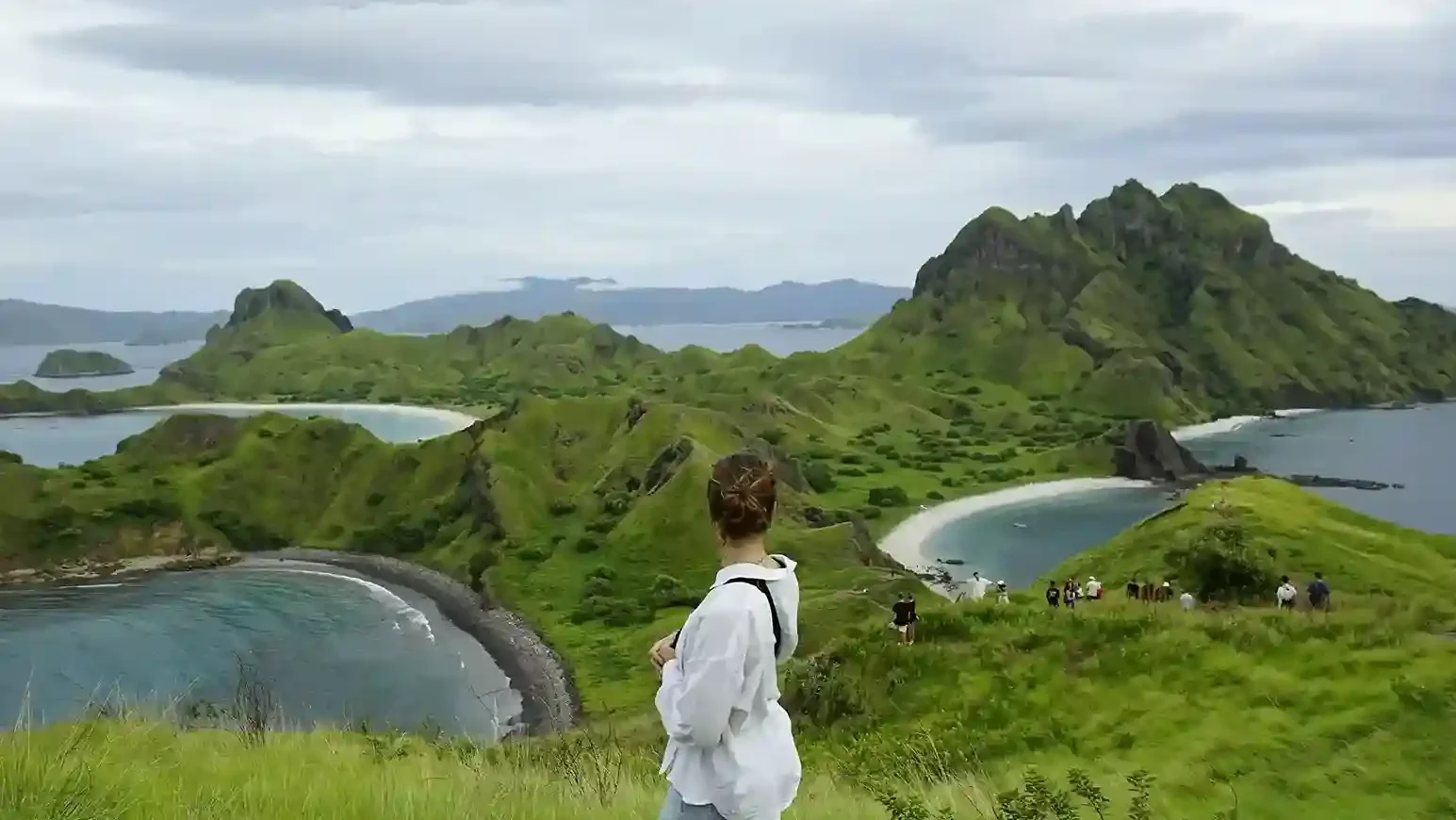
Is the viewpoint hike realistic for older travellers?
For older travellers considering the Padar Island hike in 2027, it is essential to evaluate its suitability based on individual fitness levels. The hike involves navigating steep stairs and uneven trails, which can pose challenges. Nevertheless, with the right precautions and adequate preparation, it can be a rewarding experience.
The hike to the viewpoint involves ascending approximately 800–840 steps (no official count published), which can be taxing for those not used to such physical activity. The trail is roughly 0.7 to 1.5 kilometres one way depending on where you stop, and takes most visitors 25 to 45 minutes, with older or slower groups sensibly budgeting 45 to 70 minutes. The uneven rocky paths require good balance and sturdy footwear to prevent slips and falls. The elevation gain of roughly 170–270 m — the spread reflecting which of the island’s three viewpoints is measured — provides a panoramic view that makes the effort worthwhile.
While assessing the hike, consider any pre-existing health conditions. Consulting with a healthcare provider before embarking on the journey can provide reassurance and help in planning the necessary precautions. Walking sticks and knee braces might be beneficial for those who have joint issues.

How the daily visitor cap affects your planning
Padar Island is part of Komodo National Park, which has introduced a daily visitor quota to protect its ecosystem — a park-wide cap, not a Padar-only figure. Starting 2026, only 1,000 visitors are allowed per day across the whole park, spread across three sessions. This system aims to manage the environmental impact while ensuring a safe and enjoyable visit for all.
To further facilitate accessibility, the park has improved path signage and added resting spots along the trail. These enhancements aim to make the hike more manageable for seniors and those who may need frequent breaks. Additionally, the National Park authority has implemented a shuttle service from the main docking point to the trailhead to reduce the initial walking distance.
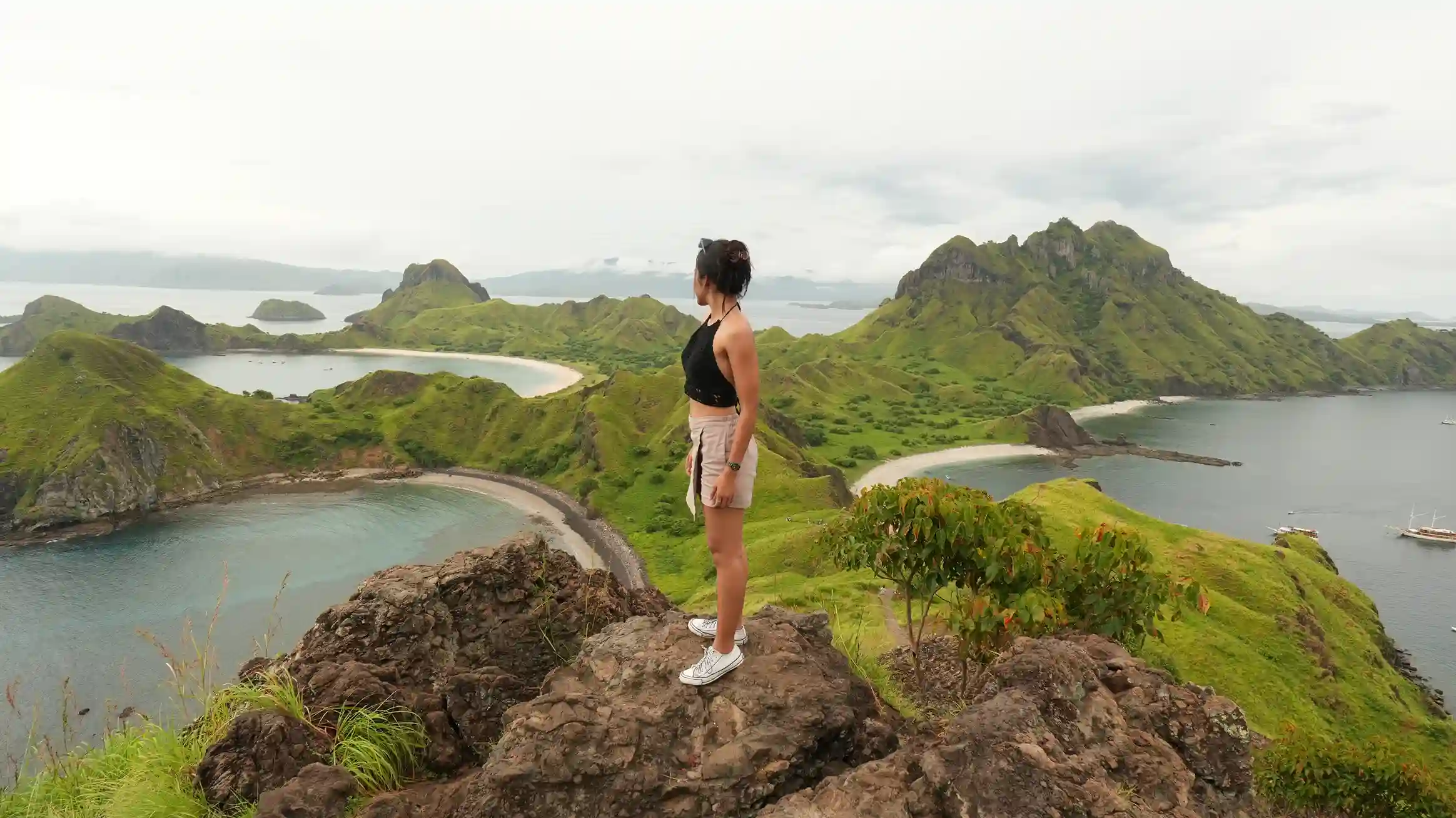
Key Considerations for Older Travellers
- Ensure you have appropriate hiking gear, including sturdy shoes and a walking stick if needed. Shoes with good ankle support and non-slip soles are particularly recommended.
- Choose an early morning session to avoid heat and crowds. The 05:00–08:00 WITA slot is ideal for cooler temperatures and stunning sunrise views. Sunrise falls between roughly 05:31 and 06:18 WITA depending on the month, so check your own date — it is the anchor for the whole morning schedule.
- Take frequent breaks and stay hydrated throughout the hike. Carry at least one litre of water per person and consider using electrolyte tablets to maintain energy levels.
- Consider booking a guided tour for additional support and information. Guides can provide valuable insights into the island’s history and biodiversity, enhancing the overall experience.
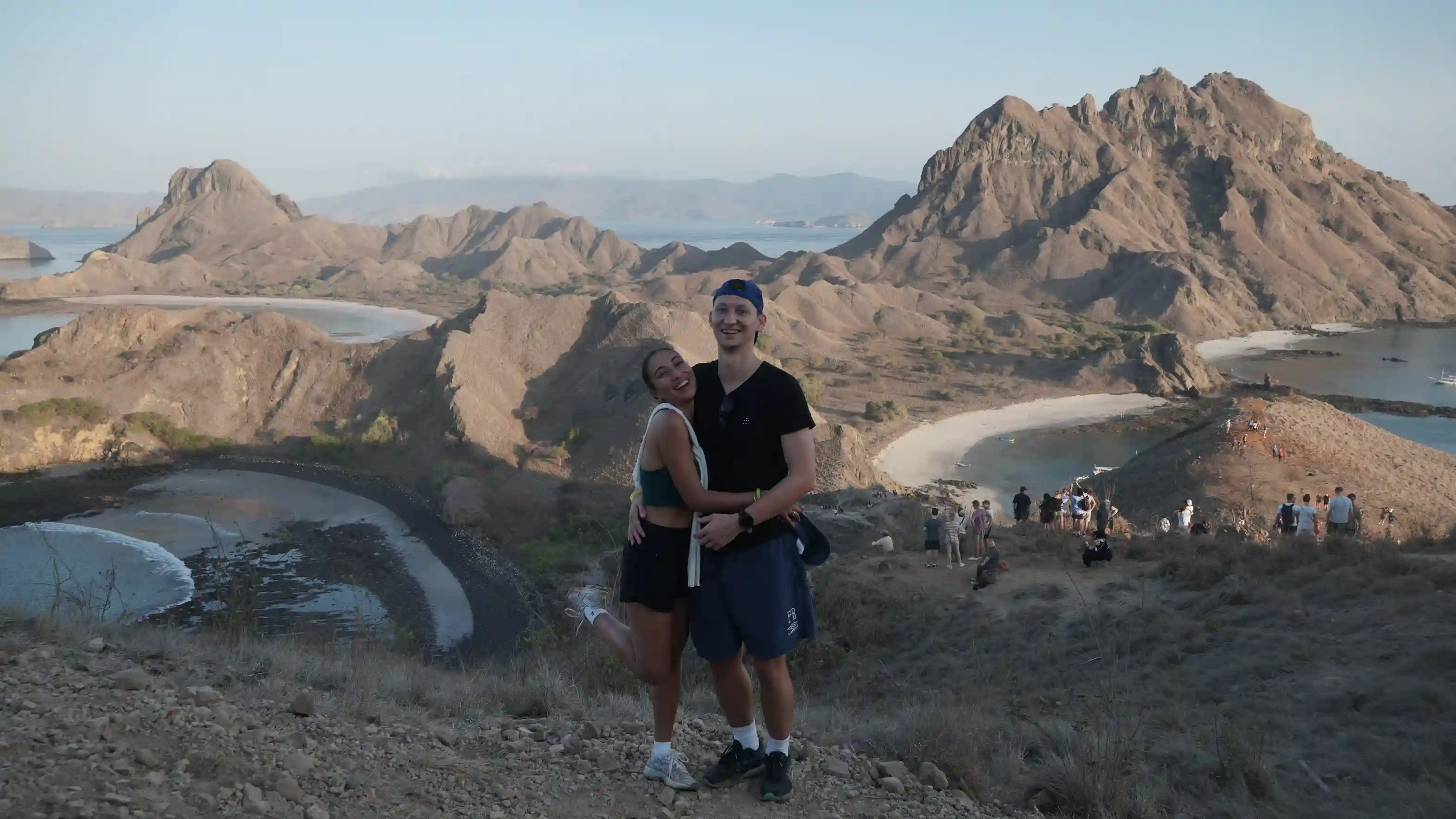
2027 Travel Tips for Padar Island
Given the evolving travel landscape, it is advisable to book your trek in advance, especially during peak dry-season months (roughly April to November, driest in July and August). Utilize the SIORA app to manage bookings within the park-wide 1,000 visitor limit (not a Padar-only quota). Additionally, explore private mini-boat options from Labuan Bajo for a more tailored experience.
Travelling during the dry season ensures more predictable weather and clearer skies, ideal for photography and hiking. However, if you prefer a quieter experience, consider visiting during the shoulder months of May or October.
For those interested in photography, the wetter, greener season (roughly December to March) offers lush landscapes, though trails may be slippery. Plan accordingly and bring protective gear for your equipment. Waterproof bags and lens cleaning kits can be invaluable in maintaining the quality of your gear during unexpected showers.
2027 Note: Sustainable Travel Practices
As of 2027, sustainable travel has become increasingly important. Komodo National Park’s park-wide visitor cap — not a Padar-only limit — is 1,000 visitors per day, split into three timed sessions (the park does not publish a per-session figure; divided across three sessions that implies roughly 330 each), to minimize environmental impact. Travellers are encouraged to follow Leave No Trace principles and support local conservation efforts. For more details, check our Padar Island page.
Visitors are advised to carry reusable water bottles and bags to reduce waste. The park has introduced waste collection points to help manage litter and maintain the island’s pristine condition. Engaging with local conservation projects, such as beach clean-ups or tree planting, can further contribute to preserving the island’s natural beauty.
FAQ
Is the Padar Island hike manageable for older travellers in 2027?
Yes, with proper preparation, the Padar Island hike is manageable for older travellers in 2027. It is important to assess personal fitness levels and take necessary precautions, such as wearing appropriate footwear and starting the hike during cooler times.
What gear is recommended for the Padar Island hike?
It is recommended to wear sturdy hiking boots, carry a walking stick for stability, and bring water, sun protection, and a light snack. For more packing tips, visit our packing guide.
Additional gear such as a hat, sunglasses, and sunscreen with an SPF of at least 30 can help protect against the tropical sun. A small backpack to carry personal items and a camera for capturing the incredible views are also advisable.
How can I book a trek to Padar Island in 2027?
To book a trek to Padar Island in 2027, use the SIORA app to reserve a slot as early as possible — the cut-off is the day before you travel, and the gentler early-morning session fills fastest. Be mindful of the 1,000-visitor-per-day cap for Komodo National Park as a whole (not Padar Island alone; no separate Padar-only daily quota applies under the system in force since 1 April 2026) and choose a session that suits your schedule and preferences.
The app provides real-time availability and allows you to select additional services, such as guided tours or transportation from Labuan Bajo. Payment can be made directly via the app, ensuring a smooth and hassle-free booking process.
Matching the boat to the pace you can actually keep
padarisland.com researches and publishes; it takes no reservations. Boats are run by our affiliated operator, Komodo Luxury. If the climb is the hard part of your day, the crossing should not be the second hard part — a stable hull and an unhurried schedule are worth paying for here. Compare on ride quality rather than headline price: the Deluxe charter tier, the VIP charter tier, and private-trip packages.
Where the difficulty actually sits
Padar is a stair workout in tropical weather. The distance is short, the gradient is sustained, there is almost no shade, and none of it is technical — no scrambling, no exposure to negotiate, no route-finding. On a general scale it lands in the moderate band: clearly harder than a flat coastal walk, nowhere near an alpine climb. Most healthy adults manage it, and the effort is front-loaded, so your heart rate rises quickly on the first push and then the viewing terraces work as natural intervals to rest, cool down and reassess.
That stop-start rhythm is what makes the hike work for older travellers. Treated as a series of short manageable segments rather than a single slog, it becomes a very different proposition. Calling it a difficult hike is fair only if you are unused to hills, carrying an injury, or badly affected by heat; for a moderately fit walker it is a tough staircase, and knowing you can turn back at any point, with the jetty always in sight below, takes most of the anxiety out of it.
Its difficulty is routinely underestimated because photographs show the view rather than the steps. Two things surprise people: humidity adds substantially to the effort, and the descent is often harder than the ascent, because every step down loads the knees while tired legs are already less precise. Allow enough time that you are not hurrying down to meet a boat, and ask your group to walk at the pace that feels safe for your joints rather than theirs.
Compared with Bali’s Kelingking, Padar is less intimidating despite being steep and exposed: a constructed staircase with ranger oversight rather than a cliff-edge dirt path with improvised railings. Demanding but controlled, which is the distinction that matters if heights are what worry you. Compared with Komodo Island, the risk profile is entirely different — Padar’s is steep steps and heat, with dragon encounters on the trail effectively unheard of, while Komodo’s walks are shallower but happen close to large wildlife under ranger supervision. Older travellers who worry more about footing than animals generally feel more at ease on Padar’s structured climb.
Fitness, joints and knowing your turnaround point
Some baseline fitness is essential, because the route gains real height over a short distance. The useful test is whether you can walk uphill for 20 to 30 minutes without stopping — if so, you are ready for the gentle pace rangers set. Anyone mostly sedentary, or who finds a few flights of stairs exhausting, should either train a little beforehand or reconsider. Regular stair climbing or brisk hill walks in the weeks before the trip make a noticeable difference, and previous hiking experience helps but is not necessary, since the path is obvious and supervised and the only thing you are managing is effort and balance.
For seniors, it varies enormously with individual health rather than age. Those who are active, handle stairs daily and have stable joints usually find it demanding but manageable. Balance problems, heart or breathing concerns, or untreated knee and hip issues are the genuine contraindications. Walking with a companion, matching the ranger’s pace and keeping the option to stop early open all help.
Knee pain deserves specific planning. The continuous steps and the loading on descent are what aggravate it, and while some travellers manage with a lightweight brace, supportive footwear, deliberate short steps and regular pauses, nobody should feel obliged to reach the top. If stairs at home already hurt, discuss the plan with a doctor. Talk honestly with your guide or ranger about your range of motion before starting, use both handrails and a companion’s arm where you need to, let others overtake, and if pain flares on the way up, turn back promptly rather than pushing through. The boat journey and the island atmosphere are still there without overloading the joint.
Overweight travellers with basic mobility can attempt the climb by pacing to their own breathing and heart rate rather than to anyone else’s speed, with frequent rests, well-fitting shoes and breathable clothing. A guide or friends willing to adopt your rhythm makes the difference between an ordeal and an outing.
The single most useful preparation is deciding your turnaround point before you start. You do not need the highest platform — the lower terraces already give sweeping bay views for considerably less climbing, which makes them the realistic target for some seniors and for anyone recovering from injury. Agreeing with your group that you will stop when comfortable, rather than aiming at a fixed summit, keeps the whole outing low-pressure.
Fasting visitors need particular care, because an early start, heat and exertion without food or water drains reserves fast. Take the coolest session, cut other activities from the same day, tell your operator in advance, and consider hiking only to the lower platforms — you keep the scenery and preserve the energy.
Support for disabled visitors is very limited. There are no step-free paths to the viewpoints and access depends on boats and stairs. Visitors with severe mobility impairment may choose to stay near the jetty and take in the sea views, and anyone using aids or needing assistance should tell the operator beforehand so boarding and disembarkation can be arranged properly.
Footing, heat and avoiding a fall
Falls come from speed, dust and loose gravel, and they are largely preventable. Slow down on the steeper stair sections, treat dusty steps and gravel as slip zones, hold the handrails where they exist and especially on the way down, wear shoes with real grip, do not overtake on narrow sections, and let groups pass at the broader landings. Starting in cooler hours keeps you more alert and steadier, which matters more than it sounds.
Rangers monitor the flow and keep people on the built path, which limits exposure. Stay inside those boundaries, avoid overtaking on tight corners, and turn around before exhaustion rather than after it, and the risk stays within a manageable envelope. The other two hazards are dehydration and simply pushing past your own comfort level, both of which are choices rather than accidents.
Sunrise and sunset each trade one problem for another. Sunrise is cooler, which helps older hikers considerably, but the very early wake-up and boat ride leave some people tired before they start, and a body that has not warmed up meets the same steep staircase — a deliberately slow first section and some gentle stretching on the lower steps make it easier. Sunset swaps the alarm for afternoon heat on the way up and fading light on the way down, which is heavier if you have already had a full day; as the sun drops, shadows lengthen across the steps and footing needs more attention, so carry a small torch or headlamp for the last stretch.
On months: October usually works well, at the end of the dry season with firm trails, often calmer seas and hills not yet fully browned, though the warmth is still noticeable on the climb and the odd shower arrives as the season turns. May is among the most comfortable — inside the drier, calmer period but with greener tones lingering from the wet season, less slippery trails than in peak rains, and boat conditions that leave you less tired before and after the climb.
Finally, the environmental side, which is part of the same discipline. Visitor numbers, trail erosion and waste are ongoing concerns for Padar and the wider park. Staying on the designated path and not cutting corners protects the fragile savanna slopes, carrying your rubbish back to the boat and using reef-safe products costs nothing, and ranger guidance exists for the same reason the handrails do.
Getting space at the viewpoint
The main terraces feel busy during popular sessions, particularly around the classic photo spot, and crowding varies with season and how many boats target the same slot. But people move on after taking their pictures, so waiting a few minutes or shifting along the rail usually opens a quieter moment.
Timing helps more than anything else. Arrive as close as practical to the start of your session and go straight to the trail. Sunrise slots are popular but thin slightly once the sun clears the horizon. In daytime sessions many visitors stop at the lower platforms, so continuing a little higher buys space. The quietest feeling comes at the edges of the session windows, when groups are still arriving or already descending, and mid-morning draws more people than late afternoon — if a calm climb matters more to you than first light, say so to your boat operator. Beyond that, weekends, public holidays and peak dry-season weeks bring more boats, so an ordinary weekday feels more relaxed, and letting the first wave of fast hikers go ahead before ascending at your own pace spaces the trail out considerably.
For photographs specifically, framing usually beats waiting for an empty viewpoint. Aim along the curves of the bays rather than straight across the platforms where people gather, use a tighter focal length to exclude the crowd, and step a few metres up or down from the main railing, which frequently reveals a quieter vantage point. Shooting earlier or later within your session window helps, since tours tend to bunch in the middle, and just after sunrise some visitors turn straight back to their boats and briefly ease the pressure at the top. A little turn-taking with other visitors — waiting out a group that is posing rather than crowding them — gets everyone a few uncluttered frames.
This guide does not operate boats. Bookings are fulfilled by Komodo Luxury, and this site may earn a referral commission.
Ready When You Are
Ready to book?
Chat directly on WhatsApp with the Komodo Luxury team.
This guide does not operate boats. Bookings are fulfilled by Komodo Luxury, and this site may earn a referral commission.