

Journal
How to Get to Padar Island from Labuan Bajo in 2027 on a Budget
For budget-conscious travelers in 2027, accessing Padar Island from Labuan Bajo involves strategic planning. Opt for group tours or private mini boats to balance cost and experience…
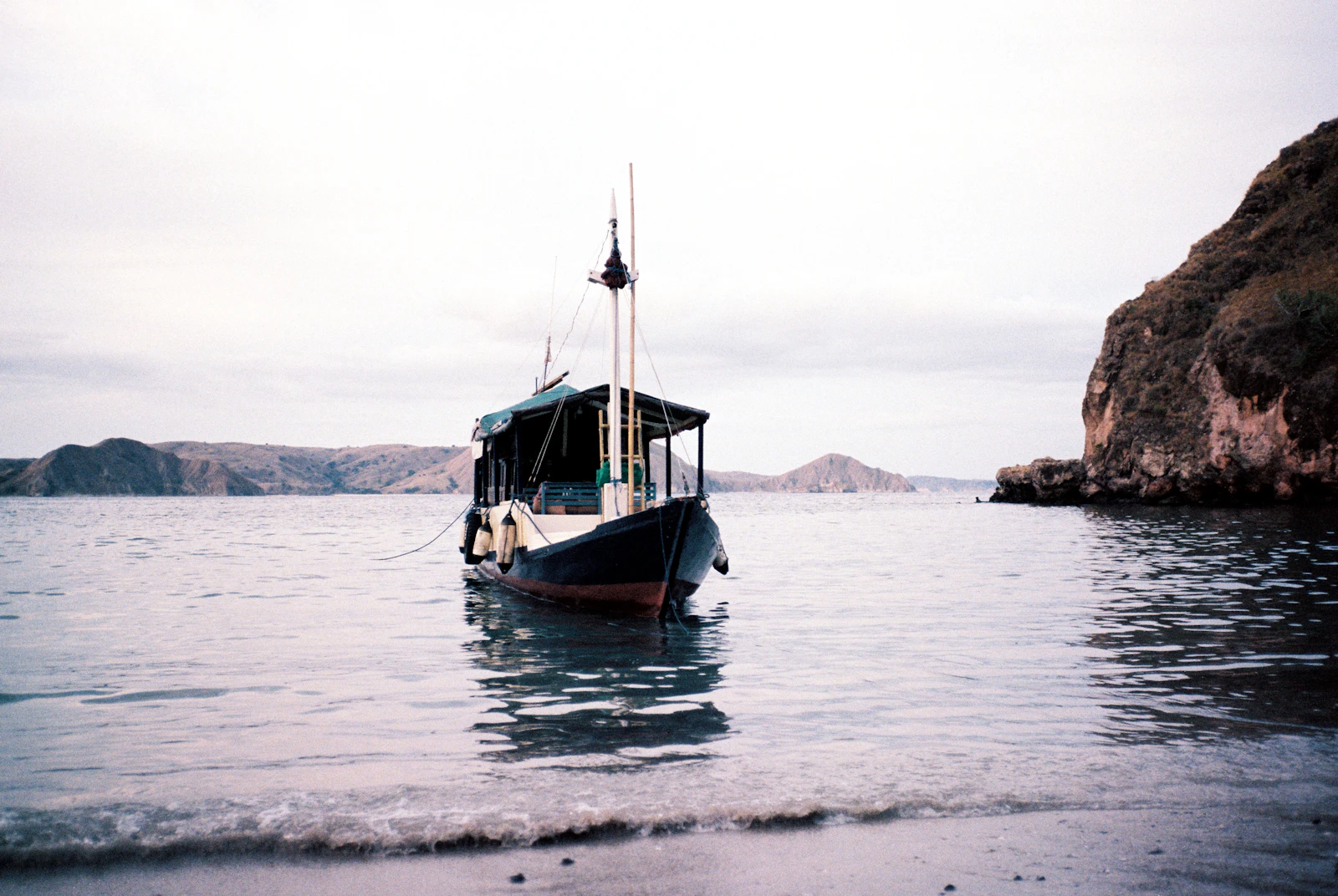
For budget-conscious travelers in 2027, accessing Padar Island from Labuan Bajo involves strategic planning. Opt for group tours or private mini boats to balance cost and experience, while considering the visitor and trek booking quotas. A detailed guide to budgeting for this journey follows below.

How to Get to Padar Island from Labuan Bajo in 2027 on a Budget
Traveling to Padar Island on a budget in 2027 requires careful consideration of transportation and accommodation options. Start by planning your trip during the off-peak, wetter season (roughly December to March), when prices are generally lower. During these months, room and boat rates in Labuan Bajo are noticeably softer than in peak season, though how much softer depends on the property and how far ahead you book — check live rates rather than working from a fixed percentage. Booking a private mini boat from Labuan Bajo offers a cost-effective method of reaching the island. These boats typically charge around IDR 2,000,000 to IDR 3,000,000 for a day trip, which can be shared among four to six people, significantly reducing the cost per person. Additionally, sharing the boat with other travelers not only lowers expenses but also provides an opportunity to meet new people and share experiences.
Doing Padar on a budget in 2027

Budget travel to Padar Island in 2027 is feasible with the right approach. The introduction of the SIORA app allows for easy booking of sunrise treks; Komodo National Park as a whole — not Padar Island alone — has been capped at 1,000 visitors per day since 1 April 2026, split into three timed entry sessions (the park does not publish a per-session figure; 1,000 divided across three sessions implies roughly 330 each). Nothing within that ceiling is set aside for Padar specifically, and the 400-per-day figure sometimes attached to Padar comes from the per-resort table that the April 2026 system replaced. This app provides real-time updates on availability, ensuring that you can secure a spot without last-minute disappointments. Opt for affordable group tours that include visits to nearby islands like Komodo and Rinca, maximizing your experience without breaking the bank. These tours often cost between IDR 1,000,000 and IDR 1,500,000 per person and include meals, snorkelling gear, and entrance fees to the national park. Check the packing guide to ensure you bring the essentials without extra costs. Essentials include lightweight clothing, a reusable water bottle, sunscreen, and sturdy walking shoes, which are crucial for island’s hilly terrain.
Getting from Labuan Bajo to the island without overspending
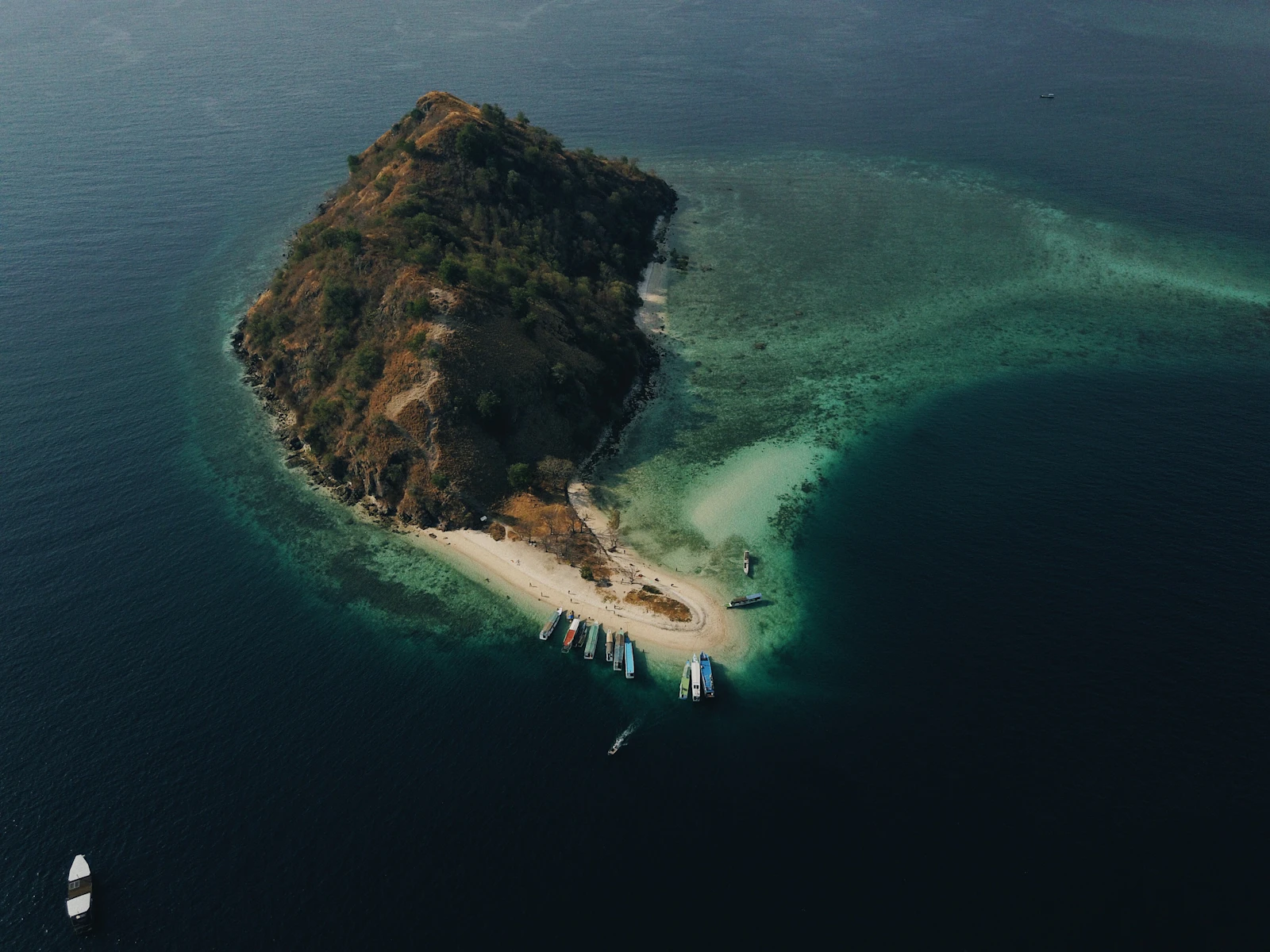
In 2027, travelling from Labuan Bajo to Padar Island can still be done cheaply, but the quota decides your date before your budget does. Komodo National Park caps entry at 1,000 visitors a day park-wide — not Padar alone — bookings close the day before departure, and the sunrise slots go first, so fix the date early and build the rest of the trip around it. Consider traveling in the golden late stretch of the dry season, roughly September to November, for optimal trekking conditions. During this period, the weather is typically dry and sunny, providing excellent visibility for photographers and trekkers alike. For the best snorkelling on a budget trip, look for itineraries that stop at Pink Beach (Pantai Merah) itself rather than only sailing past it. It is the reef most open-trip boats already include, and the shallow, sheltered water immediately off the sand is the easiest place on the route to get in without a long swim. Snorkelling gear is often included in tour packages, so verify this when booking to avoid unnecessary rental costs.
What actually keeps the cost down
- Book Early: Use the SIORA app to secure your trekking spot, as the park-wide 1,000 visitor limit (not a Padar-only quota) fills up quickly. Early booking secures the session you want. Any early-bird discount comes from the tour operator rather than from the park ticket, so confirm it with them instead of assuming it applies.
- Travel Off-Peak: Consider visiting during the rainy season for lower prices and fewer crowds. During this time, you can enjoy more personalised interactions with guides and a less crowded environment.
- Group Tours: Share costs with others by joining a group tour that covers multiple destinations within Komodo National Park. These tours often include meals and transportation, offering a comprehensive experience at a reduced rate.
- Eco-Trekking: Travel sustainably by working within the daily ceiling of 1,000 visitors that Komodo National Park applies across all its sites, not to Padar alone, spread over three timed sessions. This initiative is aimed at preserving the natural beauty of the island while allowing visitors to enjoy its unique landscapes.
- Photography: Capture the island’s beauty with tips for both the lush rainy and dry seasons. Early morning and late afternoon are the best times for photography, providing optimal lighting conditions.
2027 Note
As of 2027, Padar Island remains a popular destination within Komodo National Park. The daily ceiling of 1,000 visitors belongs to Komodo National Park in its entirety rather than to Padar Island by itself, and it has been divided across three timed sessions — 05:00–08:00, 08:00–11:00 and 15:00–18:00 WITA — since 1 April 2026. No allocation reserved for Padar alone has been published by the park authority as of August 2026. Ensure your travel plans align with these regulations to enjoy a responsible and fulfilling visit. The park authorities emphasize the importance of adhering to these limits to maintain the delicate balance of the island’s flora and fauna. Visitors are encouraged to follow designated paths and avoid disturbing wildlife, ensuring that the island’s natural beauty is preserved for future generations.
FAQ
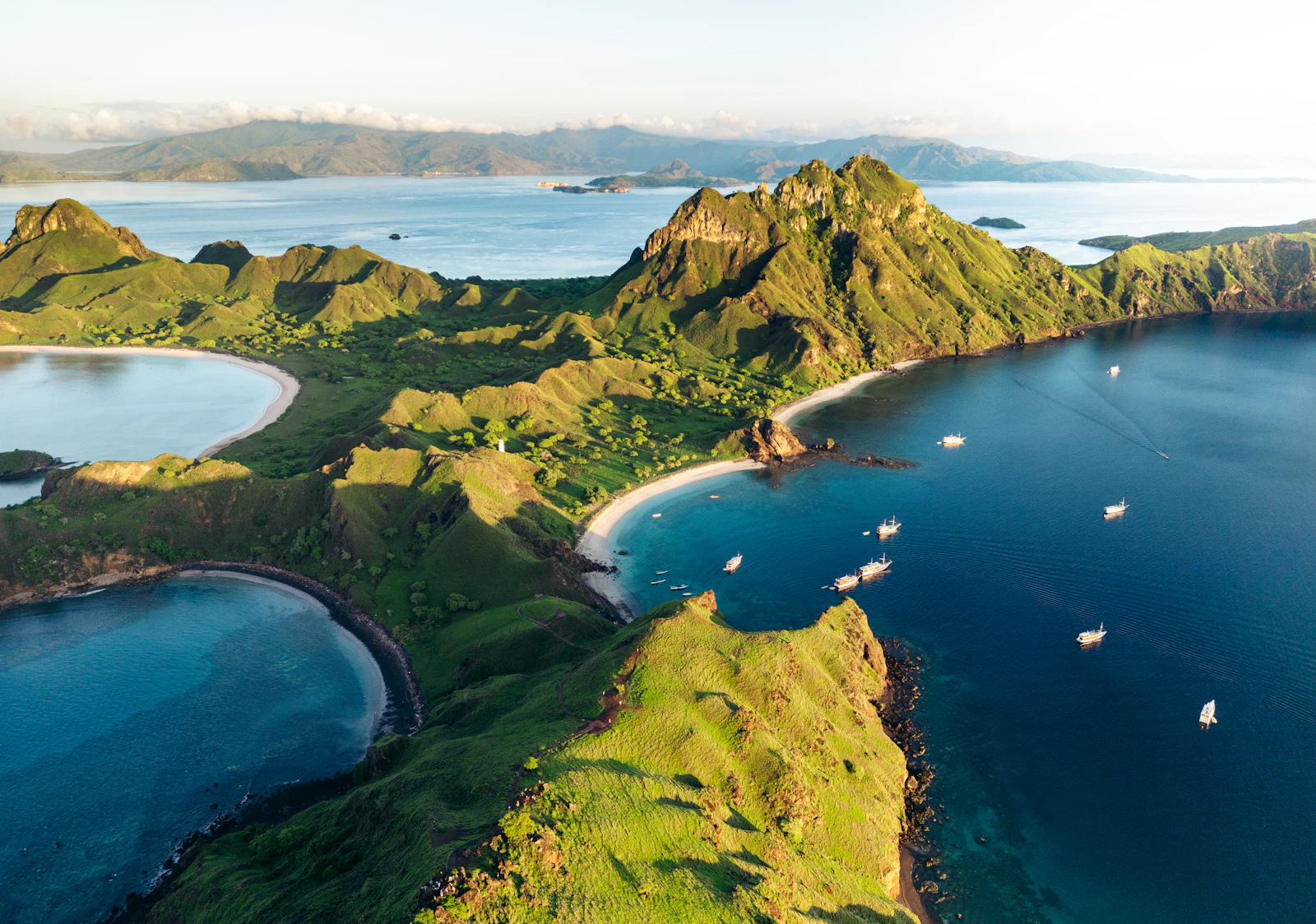
How can I travel to Padar Island on a budget in 2027?
To travel to Padar Island on a budget in 2027, consider group tours or sharing a private mini boat from Labuan Bajo. Group tours not only split costs but also provide a structured itinerary that covers key attractions. Book during off-peak seasons for lower prices and utilize the SIORA app for early trek bookings. The app provides a streamlined booking process, reducing the need for intermediaries and potentially lowering costs.
What is the best time to visit Padar Island in 2027?
The best time to visit Padar Island in 2027 depends on your interests. For trekking, the dry season (roughly April to November, driest in July and August, clearest typically August to October) is ideal, offering clear skies and cooler temperatures. Conversely, the wetter, greener season (roughly December to March) offers lush landscapes and lower prices, appealing to those who prefer a quieter, more intimate experience. Each season offers unique photographic opportunities, from the vibrant greens of the wet season to the striking contrasts of the dry season.
Are there any visitor limits for Padar Island in 2027?
Yes — but it is Komodo National Park as a whole, not Padar Island alone, that has been capped at 1,000 visitors per day since 1 April 2026, split into three timed entry sessions. Within that ceiling the authority has published no share reserved for Padar alone, as of August 2026. These sessions are designed to manage visitor flow and reduce environmental impact, ensuring that all visitors can enjoy the island’s natural beauty without overcrowding. Visitors are encouraged to adhere to these limits to support ongoing conservation efforts.
Budget planning stops where availability begins
We research and publish; we do not sell. Boats are run by our affiliated operator, Komodo Luxury. A budget only survives contact with a real calendar, and the cheapest seat in August is usually the one booked in June. The cheaper end of the fleet includes speedboat charters, a Komodo tour departing from Bali, and Labuan Bajo yacht rental.
Where the money actually goes
There is no public ferry and no independent landing service, so every visit is an organised boat. On a budget that means a shared speedboat or wooden day tour combining Padar with nearby islands; chartering a small boat with friends buys flexibility but almost always costs more per head than a group departure. A realistic total for a foreign visitor doing a simple day trip, including a share of a budget boat and the official park fees, falls in the commonly cited IDR 400,000–525,000 range. Snacks, snorkel rental and hotel transfers push it above that, so carry contingency cash.
Transfers are the line item most often assumed rather than checked. Many shared and private boats include a simple hotel-to-harbour pick-up in Labuan Bajo, but plenty of budget trips ask you to meet at the pier or a central office instead. Confirm whether pick-up and drop-off are included and from which locations before booking, so any taxi or ojek fare is in your budget rather than a surprise.
Counter-intuitively, a bundled trekking tour from Labuan Bajo that includes the park ticket, ranger, a simple lunch and snorkel stops often costs less than assembling the same pieces yourself, and it removes the risk of add-ons appearing on the pier. You still reach the main viewpoint; you simply hand off the logistics once.
Backpackers cut further by staying in simple hostels, joining shared trips rather than charters, and self-catering snacks and water. Travelling in the wetter season lowers boat prices in exchange for a higher chance of rain and choppier seas. If you are organising a small group, filling every seat is what actually spreads the fixed cost of a boat.
Permits, confirmations and getting the details right
There is no Padar-only permit. Access comes from a Komodo National Park reservation made through the SiORA system: pick your date and session, pay the park fees, and carry the QR e-ticket — printed or on your phone — for rangers to scan. Independent travellers can book directly online and bring the e-ticket, passport and proof of payment. If a tour company handles it, ask them to confirm the slot is secured in your own name, because ranger checks work from that electronic list.
Once you have a confirmation, check it properly: correct date, correct session time, every name spelled as it appears in the passport, and a QR code that loads clearly on your device. Keep a printed backup. If anything looks wrong, contact the operator or SiORA support immediately — corrections become difficult or impossible on a fully booked day.
The rules on the island are enforced. Rangers can send you back to the jetty, record your details and report serious breaches to park management; climbing barriers, flying unauthorised drones and leaving the trail are treated most seriously. Minor issues usually bring a firm warning and closer supervision, while persistent or deliberate breaches can end your group’s visit on the spot. You risk losing prepaid park time and facing official fines under national park regulations, though the amounts are not publicly itemised. Operators who repeatedly ignore the rules face sanctions of their own, which is precisely why reputable boats brief guests before landing.
Timing the visit for comfort and quiet
No day is officially quieter, but the pattern is predictable: weekends, Indonesian public holidays and school breaks are busier, especially at sunrise. A weekday in the shoulder months of the dry season, or during a calm window in the wet season, thins the crowd — and so does taking the very first or last session of the day.
Heat is the other reason to care about session times. Temperatures stay warm year-round, and the absence of shade makes the trail feel hotter than the air reading suggests, with the stone steps and dark volcanic soil radiating it back at you. Midday is the punishing part. Choosing sunrise or late afternoon reduces heat stress and, usefully for a budget traveller, reduces how much water you need to carry.
September sits comfortably in the drier part of the year, with low rainfall, generally calmer seas, dusty trails and brown hillsides. It suits anyone prioritising stable boating and clear horizons over green scenery, and it is a practical month for combining Padar with other islands in a single day.
The hike is short but steep with many steps and little shade, so it feels demanding if you are not used to climbing. Take the ascent slowly, rest at the intermediate viewpoints, carry water and a hat, and pick a cooler session. Stopping part-way is not a compromise — the bay views are already substantial from the middle terraces. Visitors with asthma complete it regularly with sensible pacing: reliever inhaler in an accessible pocket, a cooler session, no racing other groups, rests at the platforms, and a word to the ranger beforehand so they can keep an eye on you and suggest turning back if needed.
Padar stays open through Ramadan under normal park rules. The practical difference is that local staff and boat crews may be fasting, so the pace can be gentler and lunch timings shift. Avoid eating or drinking conspicuously in front of fasting crew, and expect shorter opening hours from some businesses in Labuan Bajo.
Photography on a small budget
The classic frame comes from the upper main viewpoint, where the three bays and the ridgelines resolve into one composition. Arriving early buys you time to work slightly different angles along the ridge rather than settling for the most obvious platform, and the light is kinder at sunrise or late afternoon, when shadow defines the contours instead of flattening them.
Including a person or a small group in the foreground gives the ridge scale and leads the eye through the bays. Use the safe spots just off the staircase landings rather than edging toward the drops, wait for gaps between larger groups, and ask companions to wear solid colours that read gently against the muted rock and scrub.
Photographers sometimes ask operators to target the first session and depart punctually so they reach the ridge ahead of the other boats. Weather can undo it, but when it works you gain calmer light and a few minutes to set up without negotiating around other groups on the staircase.
Keeping costs down here mostly means resisting the gear question. A phone or a basic camera is enough, and the money is better spent on a well-timed boat slot. Where extra outlay genuinely appears is weather-sealed lenses, dry bags and — expensively, and only with advance approval — a commercial drone permit. Spare memory cards and power banks earn their place far more reliably than a high-end body you will not fully use.
Underwater visibility varies with season, current and recent weather: clearer in the drier months, particularly around slack tide, and more particle-laden in the wet season when the land is at its greenest. If snorkelling matters to you, leave enough flexibility in the itinerary for your boat to shift timing toward calmer, clearer water.
One last note on packing, since buying gear last-minute in Labuan Bajo is where budgets quietly go. A reusable bottle, a compact microfibre towel, basic first aid, reef-safe sunscreen, a light long-sleeved shirt and a sarong that doubles as sun and wind cover will be used repeatedly across every island you visit — and a hat that will not blow off the ridge is worth more than one that looks better.
This guide does not operate boats. Bookings are fulfilled by Komodo Luxury, and this site may earn a referral commission.
Ready When You Are
Ready to book?
Chat directly on WhatsApp with the Komodo Luxury team.
This guide does not operate boats. Bookings are fulfilled by Komodo Luxury, and this site may earn a referral commission.