

Journal
Top Tips for Beginners on the Padar Island Sunrise Hike in 2027
Embarking on a Padar Island sunrise hike in 2027 offers a unique experience, with restricted visitor numbers ensuring a more intimate trek.
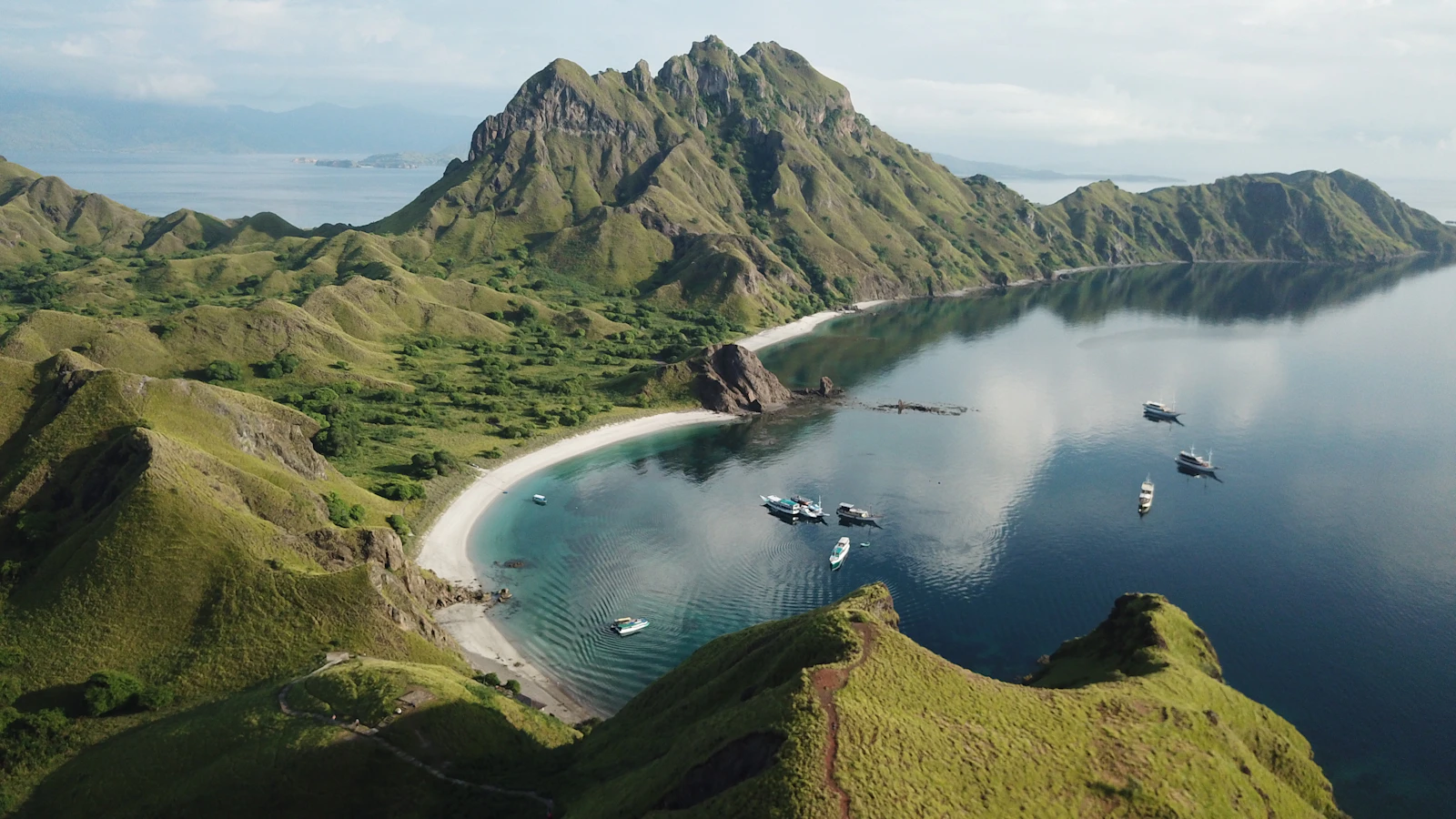
Embarking on a Padar Island sunrise hike in 2027 offers a unique experience, with restricted visitor numbers ensuring a more intimate trek. Prepare with these beginner tips to enjoy the majestic views.
Starting from zero on the sunrise hike
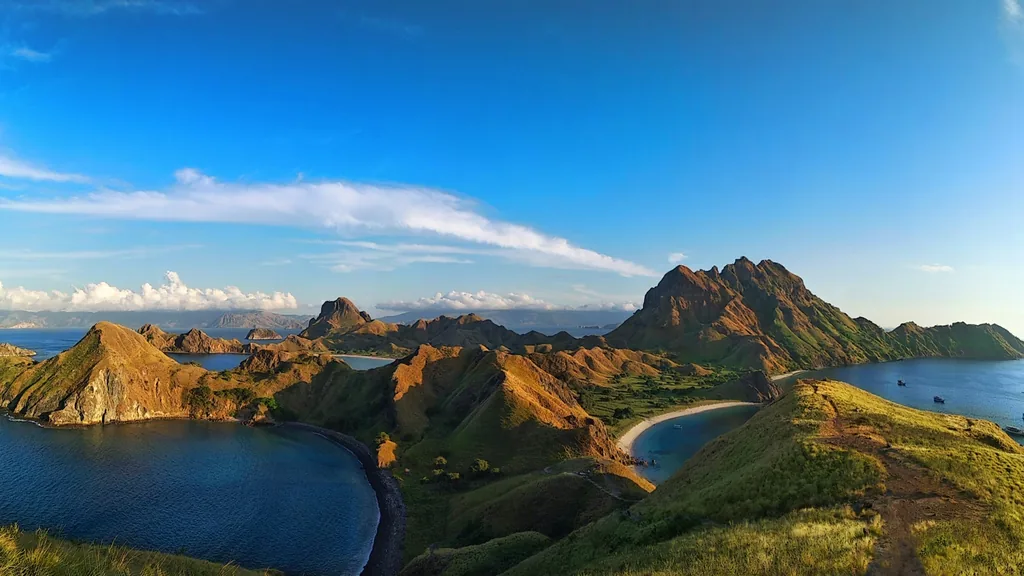
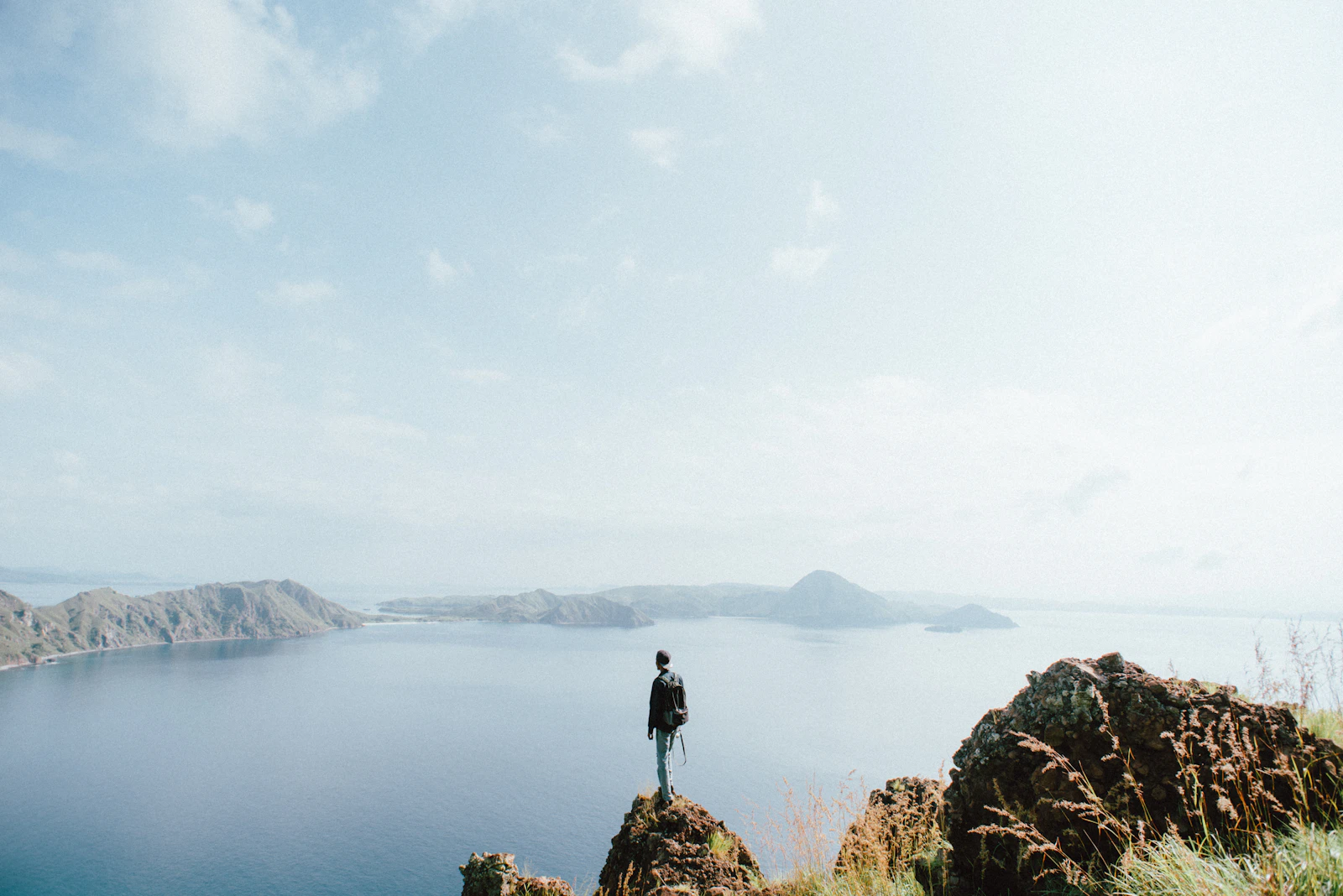
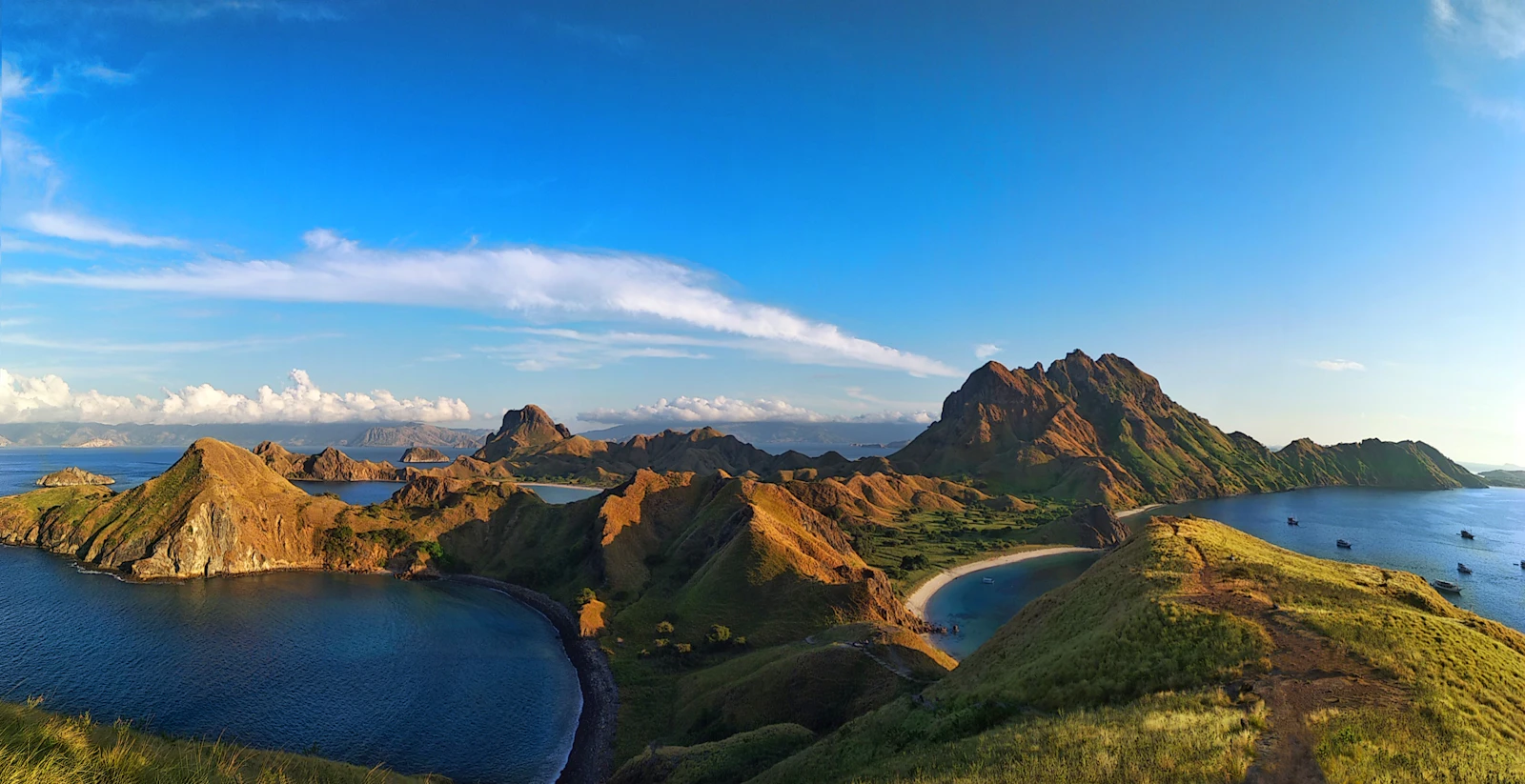
The Padar Island sunrise hike is an unforgettable adventure, especially for those new to trekking. With the introduction of a visitor limit, it’s crucial to plan ahead. Book your slot through the SIORA app as early as possible — SIORA takes bookings up to the day before your visit at the latest, and the 05:00 session goes first — to secure your place among the park-wide 1,000 daily visitors (not a Padar-only quota). The 5:00 to 8:00 WITA session is particularly popular for capturing the sunrise over the island’s iconic three bays. This early morning timeframe not only provides stunning photo opportunities but also allows hikers to avoid the midday heat, making the trek more comfortable.
On the trail: footwear, light and pacing
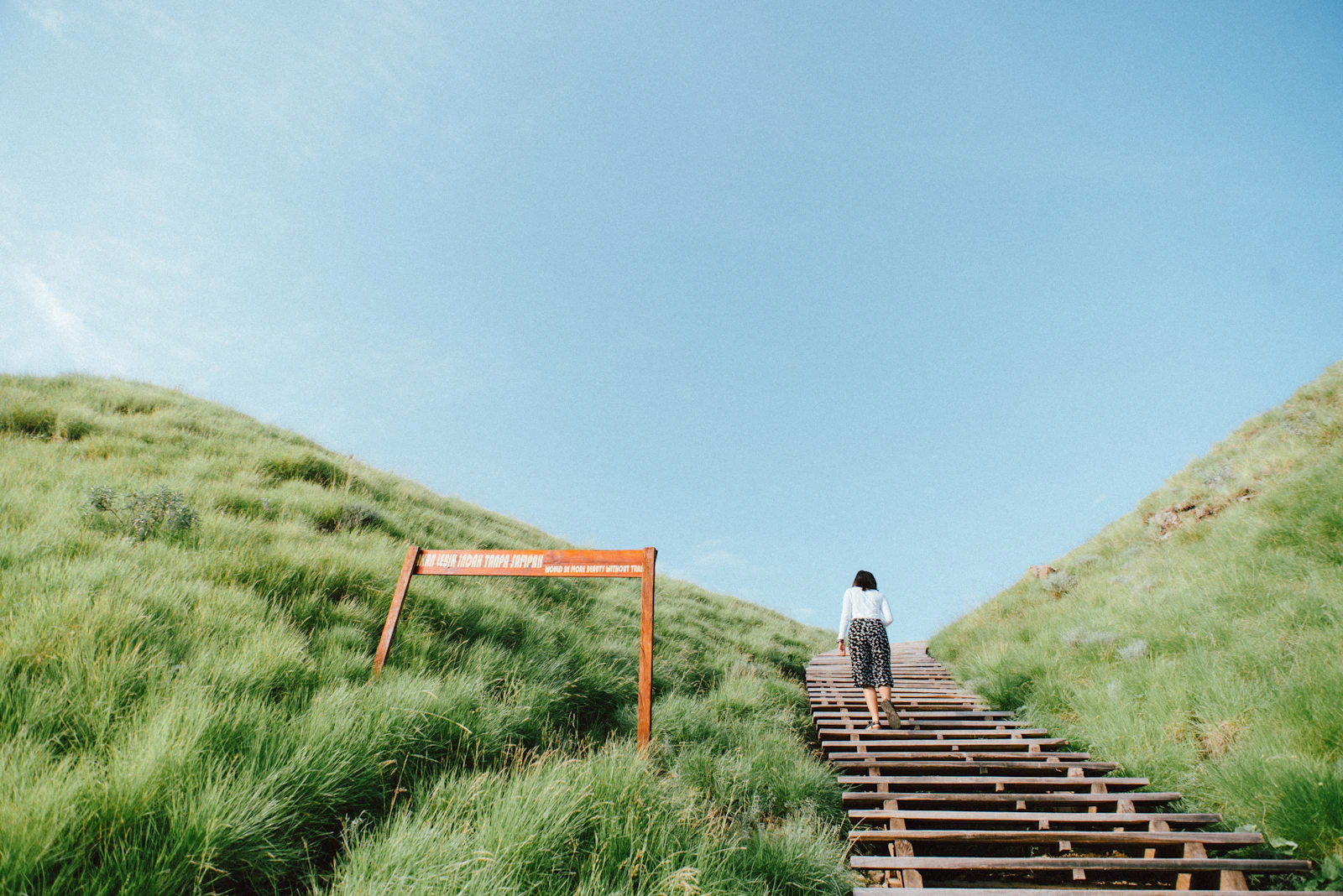
Begin your journey with an early rise to tackle the steep trail with ease. Wear sturdy footwear to manage the rugged terrain, and pack a flashlight for pre-dawn visibility. The trail, which consists of approximately 800–840 steps (no official count published) and several steep inclines, can be challenging, especially for beginners. As temperatures rise quickly, carry at least 1.5 litres of water to stay hydrated and wear sunscreen to protect against UV rays. A hat and sunglasses are also recommended to shield from the intense sun once it rises.
Preparing for the Trek
Given the steep stairs and uneven paths, it’s advisable to prepare physically before your trip. Engage in regular cardio and leg-strengthening exercises to ensure you’re ready for the hike. Activities such as jogging or cycling can help build endurance, while squats and lunges will strengthen your legs. Additionally, pack light, bringing essentials such as water, snacks, and a camera to capture the views. A small backpack is ideal for carrying your belongings, ensuring your hands are free to navigate the trail safely.
Booking and Quota Management
To manage the demand and protect the ecosystem, the Komodo National Park has implemented a strict quota system. When planning your visit, be sure to use the SIORA app to book your sunrise trek. This app will guide you through the booking process and ensure you adhere to the park-wide 1,000 visitor daily limit (not a Padar-only cap). The app provides real-time availability, allowing you to choose your preferred date and time. For more information on what to pack, visit our packing guide. This guide includes detailed recommendations on clothing, gear, and additional items to enhance your hiking experience.
2027 Seasonal Tips
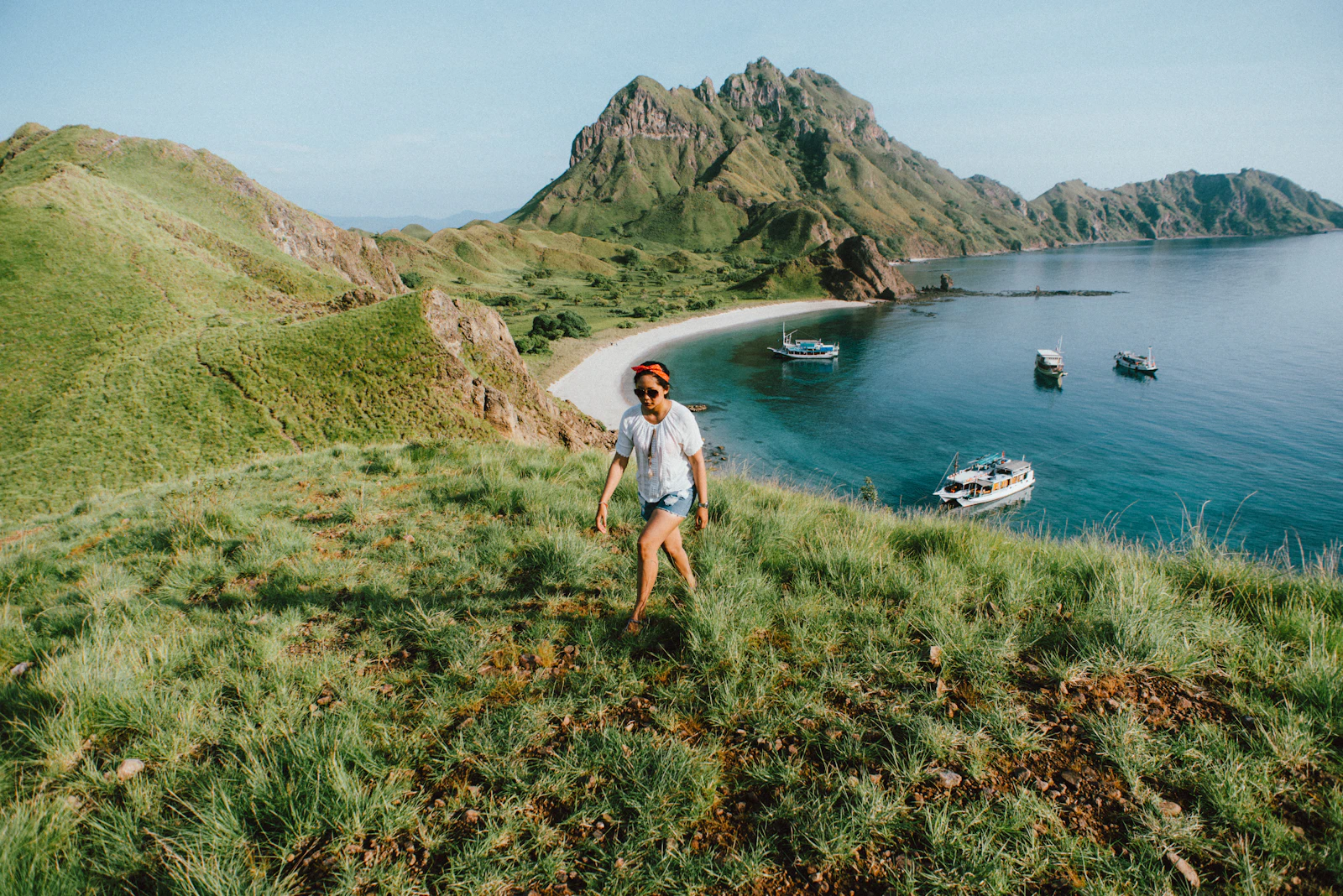
- Dry Season (roughly April–November, driest July–August, clearest August–October): Ideal for trekking with fewer rain interruptions, though prices may be higher in peak dry months. Expect warm, dry conditions perfect for hiking.
- Wetter, Greener Season (roughly December–March): Offers lush landscapes perfect for photography; however, trails may be slippery after rain, so proper footwear with good grip is essential.
For those interested in sustainable travel, Komodo National Park as a whole — not Padar’s trekking area alone — is capped at 1,000 visitors per day, split into three timed sessions (the park does not publish a per-session figure; divided across three sessions that implies roughly 330 each). This ensures minimal impact on the environment while allowing hikers to enjoy the natural beauty of Padar Island. Eco-trekking sessions focus on promoting awareness of local wildlife and conservation efforts, offering a more educational experience.
2027 Note
As we approach 2027, remember that the Komodo National Park will continue to evolve its policies to safeguard the unique ecosystem. Stay informed on any changes to visitor quotas and trekking guidelines. Regular updates will be provided on our main site page about Padar Island. These updates will include any alterations to booking procedures, trail access, and environmental initiatives aimed at preserving the island’s biodiversity.
FAQ
What are the best tips for beginners hiking Padar Island at sunrise in 2027?
Book your trek early via the SIORA app, prepare physically, wear suitable footwear, and pack essentials like water, snacks, and a flashlight for a safe and enjoyable hike. Familiarise yourself with the trail map available on the app to understand the route and key viewing points.
How does the visitor quota affect the Padar Island experience?
Komodo National Park’s park-wide 1,000 daily visitor limit (not a Padar-only cap) ensures a more serene and less crowded experience, allowing for a more personal connection with the natural surroundings. This cap helps reduce environmental stress on the island, preserving its unique flora and fauna for future visitors.
What is the best time to visit Padar Island?
The dry season (roughly April to November, driest in July and August, clearest typically August to October) offers ideal weather conditions and stunning vistas, making it a preferred time for hikers. During this stretch, lower rainfall means clearer skies and better visibility, perfect for capturing the panoramic views of Padar’s distinctive bays and rugged landscape.
Turning a first sunrise hike into a booked departure
This page hands you the research, not a reservation. padarisland.com is editorial; the boats are our affiliated operator’s, Komodo Luxury. A sunrise attempt lives or dies on departure time, and departure time is a property of the boat you book, not of the island. Departures that reach the trailhead before first light include the Deluxe charter tier, the VIP charter tier, and private-trip packages.
Preparing, in the weeks and the night before
A few weeks of light preparation changes how the climb feels. Regular stair climbing or brisk walks on hills, building until 30 to 40 minutes feels manageable, is enough — you are training for sustained ascent in heat rather than for distance or technique.
The night before matters almost as much. Sleep early, skip heavy drinking, and lay out your clothes and gear so you can dress quickly for a pre-dawn departure without hunting for a head torch in the dark. Most of what goes wrong on a sunrise hike traces back to a rushed start.
Most reasonably fit beginners manage Padar safely if they pace themselves and listen to the ranger. The distance is short, the climbing is steady, and the difficulty is the sustained gradient plus heat rather than anything technical. It feels moderately steep, particularly in the final third where the steps tighten and the path narrows, and the constructed staircase removes the loose-footing problem that would otherwise define a slope like this. The main route is the core beginner-friendly hike on the island: clearly directed, ranger-guided, short, with no scrambling.
Against Rinca, Padar is the more beginner-friendly option if your goal is one focused hike with clear steps and supervision; Rinca’s appeal is its wildlife walks and dragon viewing, which is a different kind of day.
What to wear, and why
Think light but protective. Closed-toe shoes with grip and a reasonably firm sole, moisture-wicking socks, sports shorts or trekking trousers, and a breathable top. Trail-running shoes or light hiking trainers strike the best balance between traction and comfort; flip-flops and unstable sandals are strongly discouraged, and while there is no published footwear rule, rangers and operators may ask you to reconsider if your shoes look unsuitable.
Shorts are fine as long as they let you move and you pair them with serious sun protection — more ventilation, more exposed skin, and the UV here is not negotiable. A thin long-sleeved shirt, airy trousers or shorts and a wide-brimmed hat give the best combination of coolness and cover. In August, which is dry, bright and often windy, add a hat with a strap, wraparound sunglasses and a breathable long-sleeved top; July is similar, with firm ground, intense UV and wind on the ridgelines, where a quick-drying top with below-the-knee shorts or thin trousers works well.
Add a light windproof or long-sleeved layer for the boat, which is genuinely cool before dawn, and expect to shed it within minutes of starting to climb.
For photographs, solid colours read better than busy patterns against the ridges and bays — soft earth tones, whites and blues work in early light. Pick something you can climb in.
Sunscreen should be broad-spectrum and high-SPF in a format you will actually reapply while sweating; cream or stick travels better on boats than an aerosol. Sunburn is a real risk because the ridge is fully exposed and the sea reflects light back at you, so long sleeves, a brimmed hat and regular reapplication do more than a single morning application ever will.
Bring a small comfortable daypack with a chest strap, big enough for water, snacks, a light layer and a padded space for a camera, without dangling straps to catch on railings. If you carry a tripod, choose a compact travel model in carbon or light aluminium that fits into or onto the pack rather than swinging from your hand.
Heat, rain and the descent
Heatstroke prevention is mostly pacing and hydration: drink steadily from the boat onwards, do not rush the climb, keep your head covered, use high-factor sunscreen and reapply after sweating, and eat a small snack to keep your energy stable. On the boat, sit where there is shade and airflow. None of this is dramatic advice, and it is the reason most people finish comfortably.
After rain the stone steps and gravel sections turn noticeably slick, especially on the steeper upper parts. Rangers may slow the group and ask you to use the handrails, and that is worth taking seriously. Some connecting sections are compacted dirt and loose gravel that shifts underfoot, and they feel most treacherous when you descend too quickly — which is when almost every minor injury on this trail happens.
Rangers are firm and generally fair, focused on safety and conservation. They set the pace, manage overtaking and may ask you to move on from a crowded photo spot. Rules are enforced consistently, particularly staying on the designated trail, no drones without permits, and no litter. Ignoring instructions is the fastest way to have your visit cut short.
Visitor numbers are capped at the wider park level rather than by a separate Padar quota, which in practice means booking early and accepting whichever session remains rather than assuming your first choice is available.
The water, and the things that are not the hike
Snorkelling around Padar suits confident swimmers better than absolute beginners, because currents in the park can be strong and change quickly even close to shore. If you are new to it, ask for a life jacket, stay near the boat and let the crew choose calmer sites elsewhere in the day.
Non-swimmers can visit safely, since the activity is hiking. You board and disembark at the jetty using steps with crew assistance if you want it, and you can stay aboard during any water stops.
On insurance, choose a policy that explicitly covers boat trips and guided hikes in national parks, with emergency medical cover and evacuation from remote locations. Check that it does not classify this as mountaineering or technical climbing, which are commonly excluded — it is a guided walk on a built trail, but the wording matters more than the reality when you claim. Read the exclusions on pre-existing conditions and make sure lost routine medication is covered, and if you are joining a multi-day liveaboard, confirm the cover extends across the whole time at sea.
The experience itself, in outline: an early boat in semi-darkness, a steadily warming climb, and time on the ridge as the landscape resolves in front of you. The trail is social, with small groups moving at similar speeds, and the ecosystem you are walking through — dry volcanic hillsides, hardy grasses, shrubs adapted to very limited rainfall — is a landscape shaped by wind, sun and erosion rather than by rain. Ground cover gets slippery after rain and when dusty, which is the same warning arriving from a different direction.
This guide does not operate boats. Bookings are fulfilled by Komodo Luxury, and this site may earn a referral commission.
Ready When You Are
Ready to book?
Chat directly on WhatsApp with the Komodo Luxury team.
This guide does not operate boats. Bookings are fulfilled by Komodo Luxury, and this site may earn a referral commission.