

Journal
Is the Hike on Padar Island Safe for Beginners?
Boats booked onto the Padar sunrise slot are usually under way by about 4:45 AM, when the only sounds are the gentle lapping of the Flores Sea against the hull and the low hum of an engine.
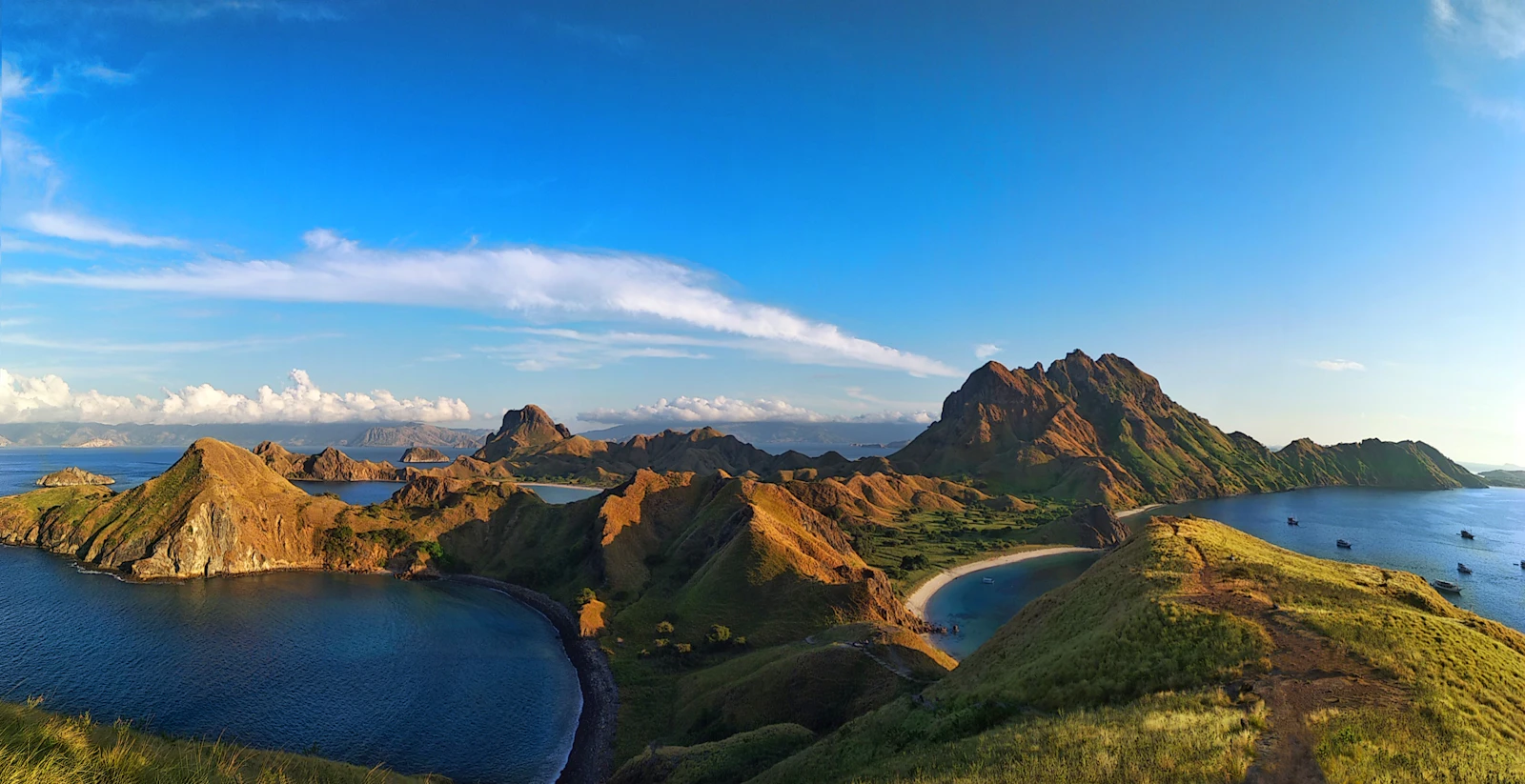
- The trail is well-defined, featuring dirt paths and roughly 800–840 stone and wooden steps (no official count published).
- The main risks are dehydration and slips on loose gravel, not complex mountaineering.
- Hiking at sunrise or sunset is crucial to avoid the intense midday sun.
Boats booked onto the Padar sunrise slot are usually under way by about 4:45 AM, when the only sounds are the gentle lapping of the Flores Sea against the hull and the low hum of an engine. Ahead, a colossal silhouette rises from the inky water, its jagged, dragon-like spine set against a sky just beginning to blush with the promise of dawn. This is Padar Island, and its iconic summit viewpoint awaits. The question first-timers ask most often about the trek that yields one of Indonesia’s most photographed vistas is always the same, tinged with a mix of excitement and apprehension: is the hike on Padar Island safe for beginners?
Deconstructing the Padar Island Trail: A Matter of Perspective
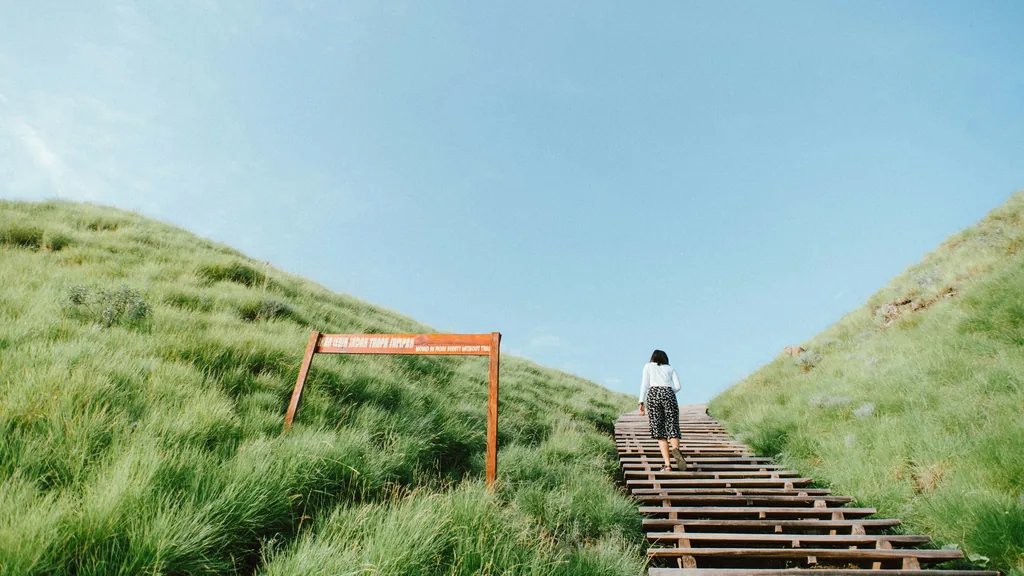
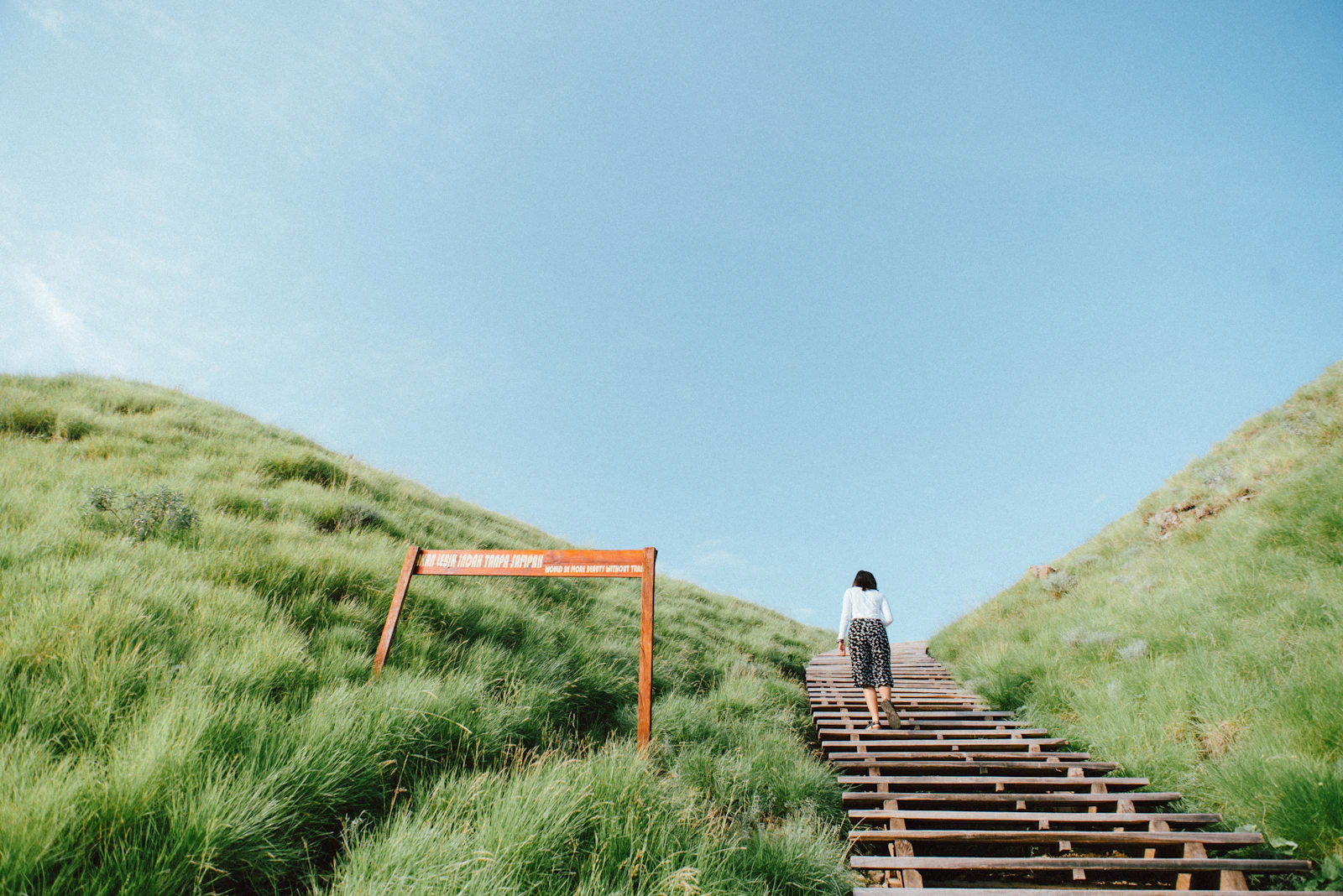
Let’s first establish what this hike entails, as perception is often skewed by the dramatic images it produces. The trail from the beach to the highest viewpoint is not a multi-hour alpine expedition. The one-way distance is approximately 0.7-1.5 km, but this figure is deceptive. The challenge lies in the verticality. You will gain roughly 170–270 m (about 560–885 feet) in elevation over that short distance, which makes for a consistently steep gradient. The journey is a tale of three parts. It begins with a dusty, reddish-brown dirt path that winds through low-lying savanna grasses. Soon, you reach the trail’s most significant man-made feature: a stone and wooden staircase comprising, by most counts, around 800–840 steps (no official count published). This section provides stable footing but is a formidable cardio workout. The final push to the ultimate panorama involves navigating a rockier, more natural track. There are several excellent viewpoints along the way, so there is no shame in stopping at a lower one if the full ascent feels too strenuous. Padar offers rewards at every level; the goal is the experience, not just the highest rock. The entire ascent, for a person of average fitness, takes between 25 and 45 minutes of steady effort.
The Primary Challenge: It’s the Heat, Not the Height
Any seasoned traveler in the archipelago will tell you that the greatest adversary is rarely the terrain itself; it’s the equatorial climate. The question of “is hike on Padar Island safe” is inextricably linked to timing and hydration. Attempting this climb after 9:00 AM is, frankly, an exercise in misery and a genuine health risk. The island offers virtually no shade. The volcanic soil and dark rock absorb and radiate the sun’s energy, creating a furnace-like environment. Midday temperatures in the dry season (April to November) regularly exceed 34° Celsius (93° F), and the humidity amplifies the physical strain. This is why every reputable tour operator schedules their Padar visit for either sunrise or sunset. The pre-dawn coolness, with temperatures around 24°C (75°F), makes the climb infinitely more pleasant and safer. Dehydration is the most commonly reported problem on this trail. You must carry more water than you think you need; a minimum of 1.5 liters per person is non-negotiable. The ascent will induce heavy perspiration, and replenishing those fluids is critical for both your physical performance and your cognitive function on the uneven descent. The hike is a physical test, but it’s one where climate management, not technical skill, determines success.
What “Beginner” Means in Komodo National Park
The term “beginner hiker” can be ambiguous. In the context of Padar Island, a beginner is not someone unaccustomed to physical activity. Rather, it refers to someone without experience in technical trekking or mountaineering. If you can comfortably walk up several flights of stairs or handle a 45-minute session on a StairMaster at the gym, you possess the requisite fitness for this trail. The path, while steep, requires no scrambling, ropes, or specialized equipment. However, it does demand respect. The most common mistake, as noted by local guides, is inappropriate footwear. Flip-flops or flimsy sandals are a recipe for a twisted ankle. The trail surface consists of loose gravel, dirt, and uneven rock, especially near the top. Sturdy trainers, trail runners, or even robust hiking sandals with good grip are essential for stability, particularly on the descent when your legs are fatigued. For a comprehensive overview of what to expect from the moment you arrive, our Definitive Padar Island Guide covers every logistical detail. The key is an honest self-assessment. This is a short but demanding cardio challenge. It is entirely achievable for most, but it should not be underestimated.
Gear and Preparation: The Non-Negotiables for a Safe Ascent
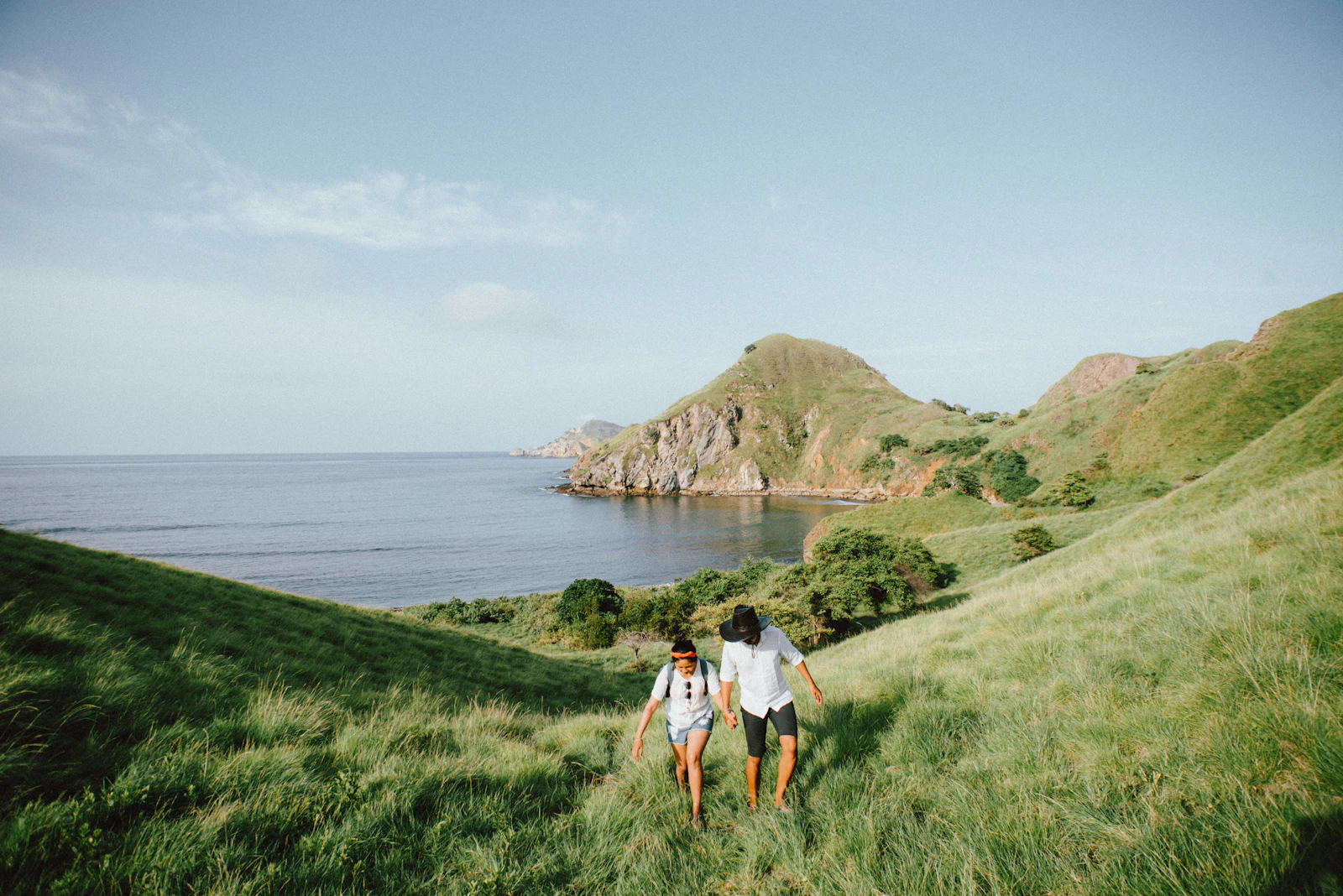
Beyond a positive mindset and a realistic fitness assessment, a few key items separate a comfortable, safe hike from a regrettable one. As mentioned, proper footwear is paramount. After that, hydration is the top priority. Carry your own water, as there are absolutely no facilities on the island—no shops, no vendors, no restrooms. Sun protection is the third pillar of preparation. Even at sunrise, the Indonesian sun is potent. A wide-brimmed hat, sunglasses, and a liberal application of high-SPF sunscreen are essential. For those with fair skin, lightweight, long-sleeved clothing is a wise choice. While most visitors arrive as part of a multi-day liveaboard or a day trip from Labuan Bajo, it’s important to understand the associated costs, which include the Komodo National Park entrance fees. These fees — IDR 250,000/day for foreign visitors, IDR 50,000/day (weekdays) or IDR 75,000/day (Sundays & national holidays) for Indonesian citizens, per our entrance fee page — contribute to the conservation of this unique ecosystem. Counted end to end, the day costs a foreign visitor roughly IDR 400,000–525,000 per person: the PNBP ticket, a ranger/guide fee of approximately IDR 150,000 divided across a group of 1–5, and conservation and jetty components carried inside the ticket system (as of August 2026). For a detailed breakdown, consult our Padar Island Pricing & Cost Guide. Finally, listen to your guide. They are not just there to point the way; they are trained to recognize signs of heat exhaustion and pace their group accordingly. They know the terrain intimately and are your primary safety resource on the island.
Assessing the Real Risks: Slips, Dehydration, and Wildlife
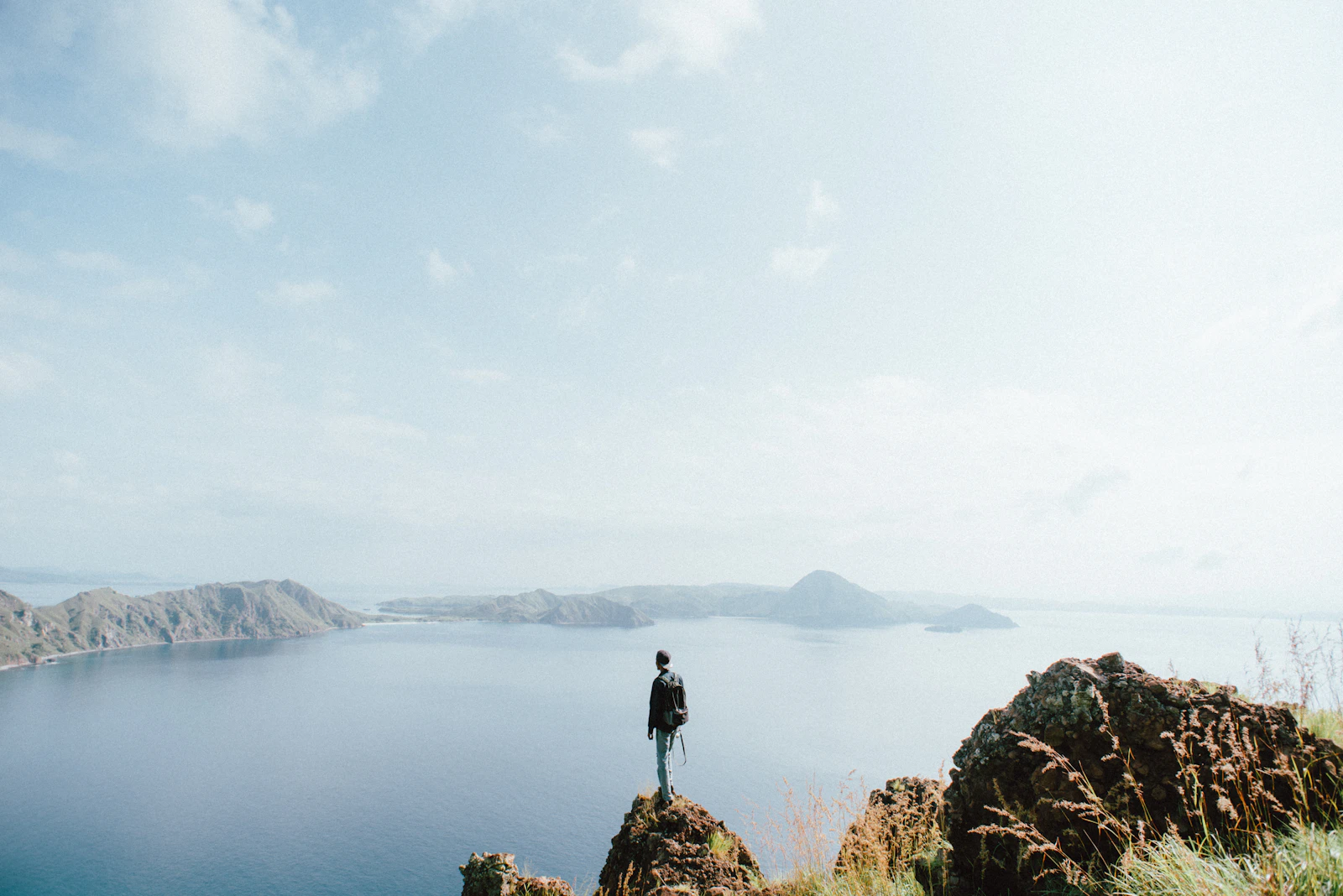
So, what are the tangible risks? The most prevalent is the simple act of slipping. The descent, with its loose scree and gravel, requires careful foot placement. Take your time, use the handrails where available on the staircase, and do not rush to get back to the boat. The second major risk, as we’ve covered, is heat-related illness. Heat exhaustion and, in severe cases, heatstroke are serious medical conditions. This is why the timing of your hike is so critical. What about the famous dragons? While Padar Island is part of the Komodo National Park, a UNESCO World Heritage Site since 1991, Komodo dragon sightings on the main hiking trail are exceedingly rare. The ranger and guide accompanying your group are trained in wildlife protocols. The primary islands for dragon viewings are Rinca and Komodo itself. According to Indonesia’s official tourism portal, Padar is celebrated for its landscape, not its megafauna. The most dangerous creature you are likely to encounter is a mosquito, so a bit of insect repellent is a good idea. By focusing on the probable risks—slips and the sun—and preparing accordingly, you mitigate nearly all potential dangers associated with the trek.
Quick FAQ: Your Padar Island Hike Questions Answered
How long does the Padar Island hike actually take? For a person of average fitness, the ascent to the highest viewpoint takes 25-45 minutes. The descent is slightly quicker, typically 20-30 minutes. You should budget at least 90 minutes to two hours on the island to allow for a comfortable pace and ample time for photography at the summit.
Are there any facilities like toilets or shops on Padar Island? No. Padar is an uninhabited and protected island within the national park. There are no permanent structures, no running water, and no shops. You must bring everything you need—especially water—with you and pack out all of your trash.
Is the hike suitable for children or older travelers? This depends entirely on the individual’s fitness and mobility. Active children aged 8 and up often handle the climb with enthusiasm. Similarly, fit older travelers can complete the hike without issue. However, it is not recommended for individuals with significant knee, ankle, or heart problems due to the steep, sustained incline.
What is the best time of year to hike Padar Island? The dry season, which runs from April through November, offers the best conditions. During these months, the trails are less slippery, and you’re more likely to have clear skies for sunrise or sunset. The landscape is a beautiful golden-brown savanna during this period.
The verdict is clear: the hike on Padar Island is a perfectly manageable and safe endeavor for the prepared beginner. It is not a casual stroll, but a short, sharp physical challenge that rewards your effort with a vista of almost prehistoric beauty—a triptych of white, pink, and black sand beaches framed by turquoise waters. It’s a moment that justifies the early start and the burning in your thighs. The feeling of watching the sun crest the horizon from that vantage point is a profound travel memory that will stay with you long after the muscle soreness fades. If you feel ready to take on the challenge and witness this iconic Indonesian landscape for yourself, you can book your Padar Island tour and begin planning an unforgettable adventure.

Booking a first Padar trip without over-committing
This is an editorial page, not a checkout. padarisland.com publishes the research; the boats belong to our affiliated operator, Komodo Luxury. Beginners rarely regret paying a little more for a departure that leaves early, waits at the top, and does not rush the descent. Departures built around that pace include the Deluxe charter tier, the VIP charter tier, and private-trip packages.
Beginners manage it; the constraint is heat, not skill
The trail is straightforward — clear steps, an obvious route, no exposed drop-offs and no technical section anywhere. Most healthy first-time hikers reach the main viewpoints comfortably inside a session provided they take it slowly and avoid the hottest hours. What catches people out is the combination of constant uphill, loose gravel where the staircase meets natural ground, and tropical humidity. Expect to sweat, to stop often, and to arrive at the top having worked.
The right approach for a beginner is a conversational pace rather than chasing sunrise light at all costs, an early or late session, sturdy footwear, enough water, and rest at the platforms as you go. The route is short enough that stopping frequently still gets you there. A moderate fitness base helps: if you can walk uphill for 20 to 30 minutes with breaks and feel fine, you are prepared. Anyone whose daily activity is minimal, or who struggles with stairs or hills at home, will find it taxing and should do some gentle stair training beforehand — or simply plan to stop lower. Honest self-assessment and a willingness to pause or turn back matter more than reaching a fixed point.
Kelor is the gentler comparison for families: a shorter, still steep hill on a less committing outing. Padar’s climb is longer and more exposed with a far more dramatic viewpoint, which appeals to older children who like a challenge. Some itineraries include both, which lets you use Kelor to gauge how everyone copes before committing to Padar.
How people actually get hurt
Accidents here are rare and predictable. They involve rushing the descent, unsuitable footwear, or ignoring fatigue. The hazards are slips on gravel, heat exhaustion and overexertion — not cliffs or complex terrain. Staying on the designated staircase, carrying water, keeping your hands free for balance and turning back before you are spent covers almost all of it.
Loose gravel is the specific known issue, particularly where the built steps meet natural ground and on the shortcuts people occasionally attempt. Most minor falls happen when someone hurries, steps off the constructed path, or descends facing forwards without using their hands. Small steps and keeping to the main staircase prevent them.
Footwear does more work than any other decision. Closed shoes with real grip — lightweight trail shoes or textured trainers — are enough; flip-flops and smooth-soled sandals make a slip substantially more likely. Break them in before the trip rather than on the steps.
Descending in low light is possible but less forgiving. The steps are uneven, some sections are gravelly, handrails are intermittent, and a phone torch leaves you with one hand occupied. A headlamp, both hands free and staying close to your group make a real difference.
Wind changes the feel more than the safety. The trail stays structurally sound, but the higher viewpoints feel far more exposed, gusts affect your balance on steps and ridgelines, and dust blows into your eyes. Secure footwear, keeping away from the very edges of the viewpoints, and doing what a ranger says about stopping short are the sensible responses. Through the windy months the whole day feels harsher — choppier crossings, stronger gusts on the ridges, more airborne dust — so seasickness tablets, a hat that will not blow away, and extra care at the top all pay off.
January sits in the wet season, when seas are rougher and showers more frequent, but trips still run when conditions allow. Safety then depends on your operator’s weather judgement and your own tolerance for rain and reduced visibility. Expect itinerary changes, bring waterproof layers and dry bags, and accept that a day may be reshaped.
Water, boats and travelling after dark
Padar’s small bays can look calm and are not lifeguarded, with currents often stronger than they appear. Treat any swim as open water in a marine park rather than a resort beach: non-swimmers and weak swimmers should stay in shallow zones with fins and a life jacket, and everyone should follow the crew. The beaches themselves are natural and undeveloped, with no flags and no cordoned areas; sand shelves can drop away quickly and conditions strengthen without obvious warning. Walking barefoot is usually fine, but watch for sharp coral fragments.
Non-swimmers can visit without difficulty, since the main activity is on land. The only water contact is stepping between dock and vessel, where crews normally assist and life jackets are available. If you do go in, insist on flotation and stay in very shallow water under supervision.
Traditional wooden and phinisi boats are widely used and generally safe with reputable crews. The variables you cannot judge from the pier are sea state, maintenance and loading, so choose licensed operators, check that life jackets are accessible, and stay flexible about departure. Smaller wooden boats can be perfectly safe when seaworthy and well handled, but they feel the waves and wind more, and their decks sit closer to the water, so you get more spray. Look for a boat that is not overloaded, jackets that are visible, and a crew that seems organised.
Returning after dark is routine on some itineraries and is safe with competent crews, working navigation lights and manageable seas. Visibility of floating debris drops and you become more reliant on the skipper’s local knowledge and instruments, so stay seated, keep off wet decks, keep life jackets within reach, and if a captain decides to change plans, trust it.
Time on the island in genuine darkness is limited to early dawn and brief post-sunset windows, because visitors are only there during official sessions. Within those, safety comes down to staying with your group, using lights and following ranger directions. Night photography from the viewpoints is uncommon for exactly this reason; where legitimate access exists through a guide or an overnight itinerary, the real risks are footing on uneven ground and being distracted while handling gear, so headlamps and keeping tripods clear of the path matter.
Families, children and pregnancy
School-age children with reasonable stamina usually manage the climb when closely supervised and unhurried. Two things demand attention: the steps are high for shorter legs, and some viewpoints have unprotected edges, so adults need to stay physically close rather than nearby. Frequent water breaks, sun protection, and a genuine willingness to stop at a lower terrace instead of pushing to the top are what make it work.
Families do best with operators used to hosting children and with expectations set in advance: slow ascents, lower photo points, and firm rules about staying together on the path and on deck. Snacks, shade and a clear plan for what happens if someone is tired or unwell turn a demanding outing into a manageable one. The environment is more committing than a city park, and the adults own the pacing, the hydration and staying on the official trail.
Pregnancy needs medical advice first, not afterwards. Travellers with straightforward pregnancies and good baseline fitness often complete the hike, but the steep ascent, the heat and the absence of any clinic on the island raise the stakes if you become unwell. If you go with your doctor’s approval, take the coolest session, stay well below your usual exertion level, and treat the lower viewpoints as a perfectly good destination. Many choose to stay on the boat instead, which is a reasonable decision rather than a missed one.
Preparing properly
Padar is widely visited and generally safe, but it is remote with minimal facilities, so you need to be more self-reliant than in a town. There are no shops, communication is limited, and evacuation depends on boat availability and sea conditions. That does not make ordinary problems dangerous; it makes them inconvenient and slow to fix, which is the argument for arriving prepared.
A practical checklist: enough drinking water, sun protection, suitable footwear, a small first-aid kit, a charged phone and power bank, personal medications, and rain protection in the wet season. Confirm whether your operator includes park tickets and ranger fees or whether you budget separately. Check the weather and sea forecast and stay flexible about dates. Pack essentials in a dry bag and protect electronics. Tell your guide about any medical condition. Agree meeting points, keep your park ticket accessible, and settle the latest return time to the boat before you start climbing.
Expensive camera gear is common here and the threats are bumps, dust, salt spray and sudden showers rather than theft. Padded bags, lens cloths and a rain cover handle most of it; pack the camera away on the steepest sections so your hands stay free, and do not leave equipment unattended. For beginners with a camera, Padar is forgiving — obvious viewpoints, strong natural shapes, easy framing. A phone is enough. The genuine challenges are low light at sunrise and hard contrast once the sun is up, so keep compositions simple, wipe the lens regularly, and carry a cloth.
One last comparison for anyone new to snorkelling: Manta Point is a drift site with strong currents, which is advanced water for a true beginner and leaves you heavily dependent on guides, life jackets and support boats. Padar’s own stops are calmer, and most itineraries pair the hike with gentler snorkelling elsewhere — a better sequence than treating Manta Point as your first time in the water.
This guide does not operate boats. Bookings are fulfilled by Komodo Luxury, and this site may earn a referral commission.
Ready When You Are
Ready to book?
Chat directly on WhatsApp with the Komodo Luxury team.
This guide does not operate boats. Bookings are fulfilled by Komodo Luxury, and this site may earn a referral commission.