

Journal
Padar Island vs. Komodo Island: Which is Better for Photography?
The air is cool and thick with salt, a pre-dawn stillness hanging over the Flores Sea. Underfoot, the volcanic soil crunches with each deliberate step on the path upward.
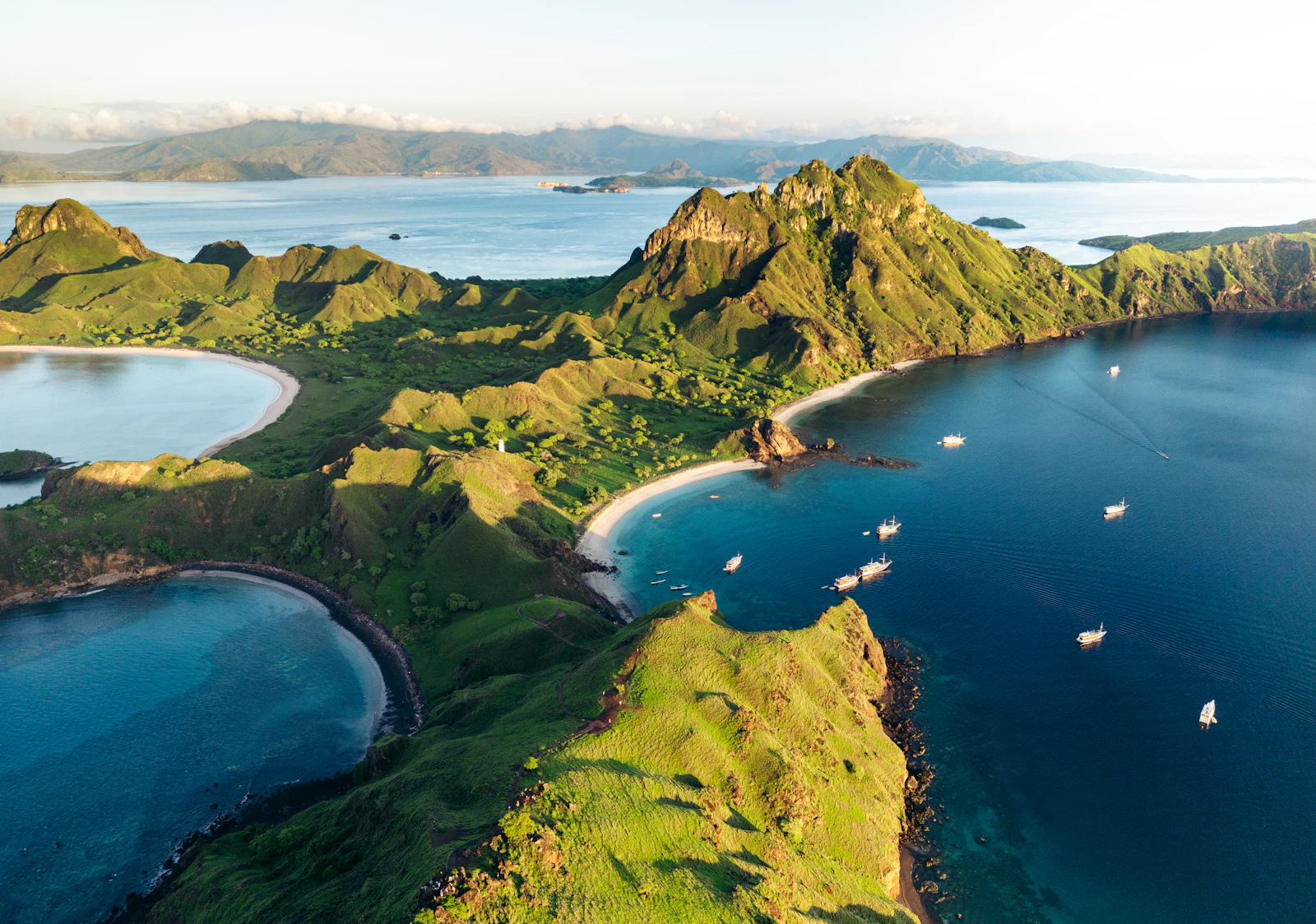
- Landscapes: Padar offers a world-famous summit view of its tri-colored beaches and dramatic bays.
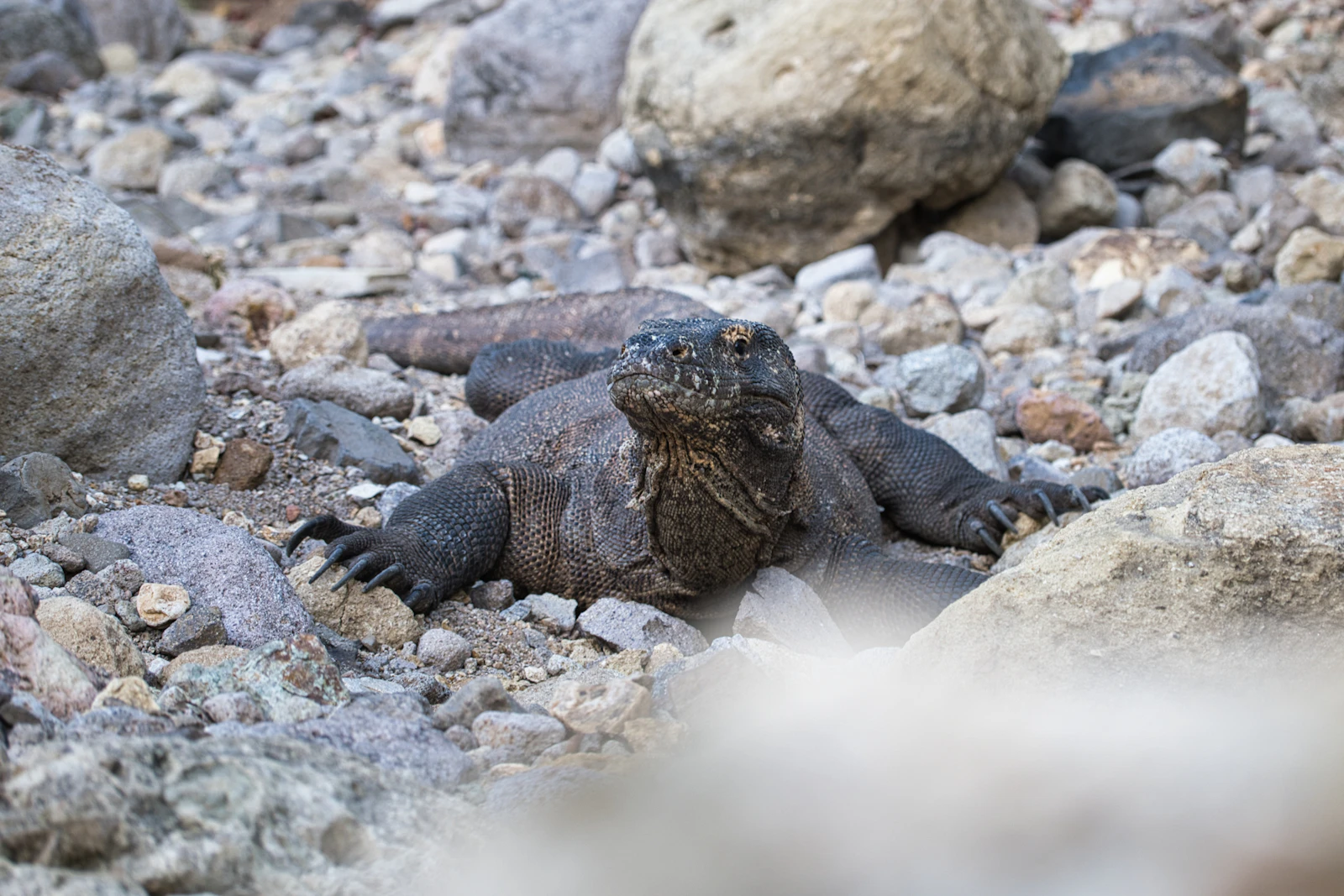
- Wildlife: Komodo provides guaranteed, close-range encounters with the planet’s largest lizard in its native habitat.
- Verdict: Choose Padar for portfolio-defining vistas; choose Komodo for powerful, frame-filling wildlife portraits.
The air is cool and thick with salt, a pre-dawn stillness hanging over the Flores Sea. Underfoot, the volcanic soil crunches with each deliberate step on the path upward. Your camera, a familiar weight in your hand, feels less like a tool and more like an extension of purpose. This is the moment, the one you traveled 10,000 kilometers to capture. As the first sliver of gold slices across the horizon, illuminating a scene of impossible grandeur, the debate that occupies every photographer’s mind when planning a trip to this archipelago comes into sharp focus. Komodo National Park, it’s a contest between two titans of imagery: a question of Padar Island vs Komodo Island.
The Topographical Duel: Vistas vs. Valleys
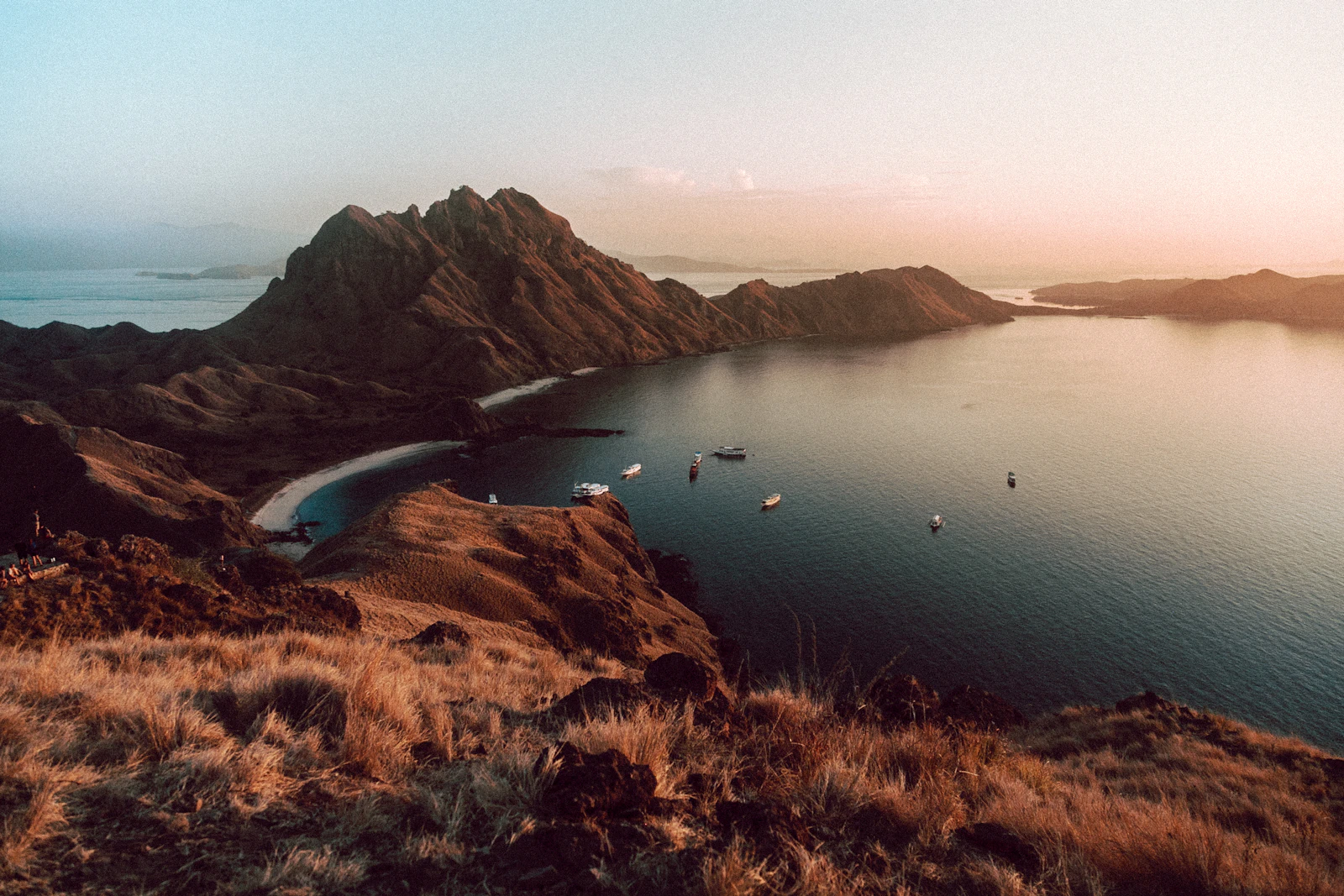
The primary divergence between the two islands, from a photographic perspective, is their topography. Padar Island, though smaller at approximately 20.2 square kilometers, is built for the grand scenic. Its fame rests almost entirely on a single, achievable vantage point. The hike to its primary summit is a 30-to-45-minute endeavor, a mix of dirt path and roughly 800–840 stone steps (no official count published), but the reward is a composition that landscape photographers dream of. From this elevation, roughly 170–270 m up depending on which viewpoint you reach, the island unfolds below in a series of sweeping curves and dramatic peninsulas. The true prize is the view of four distinct bays, home to the legendary tri-colored beaches—one black, one white, and one a soft pink—all framed in a single, wide-angle shot. Padar does not just give you a view; it gives you a balanced composition straight out of the camera. The leading lines, the colour contrast and the sheer scale do most of the compositional work for you. For this shot, sunrise is non-negotiable, as the low-angle light sculpts the ridges and makes the water glow with an ethereal turquoise intensity.
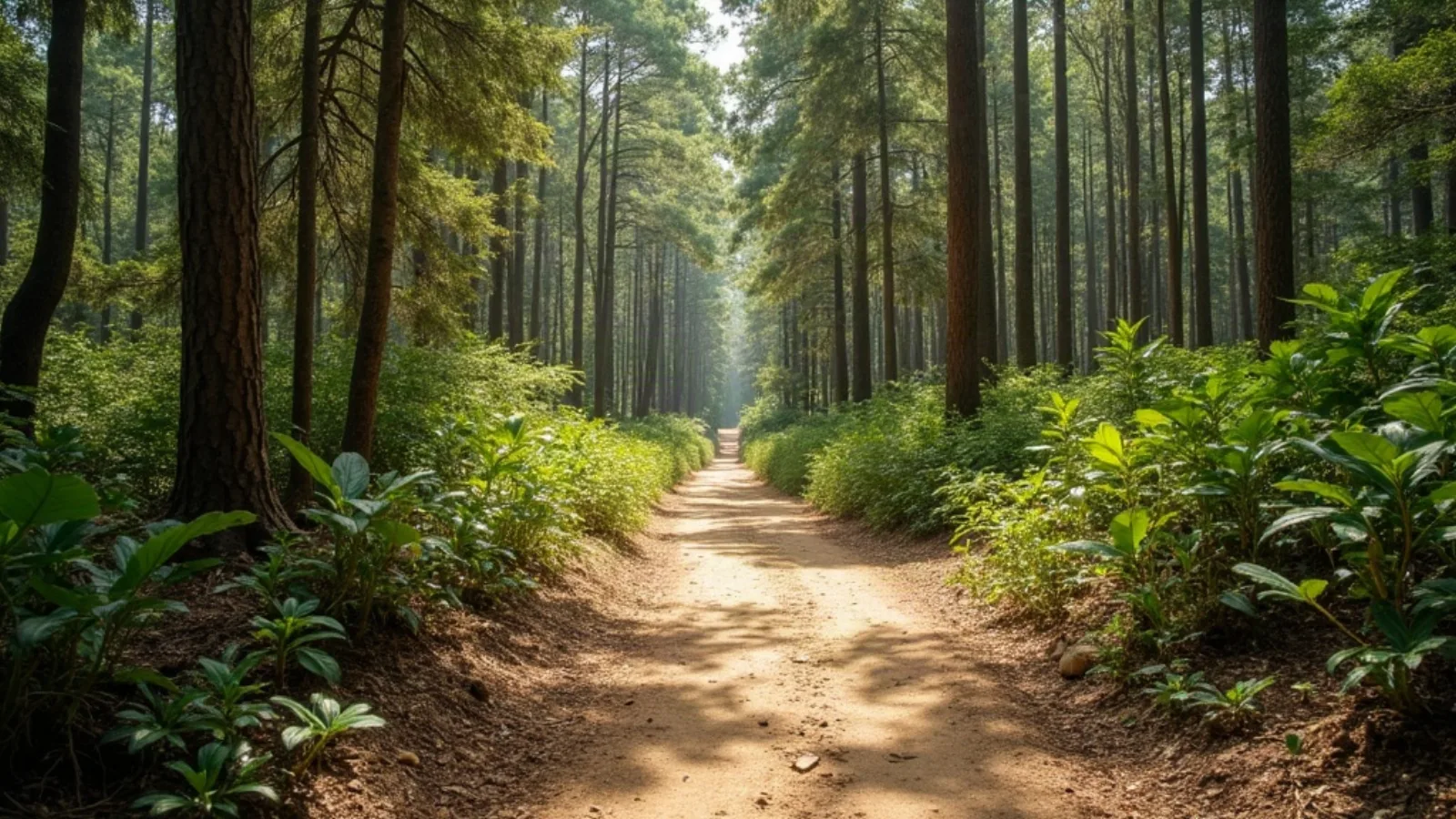
Komodo Island, by contrast, is a sprawling giant of 390 square kilometers. Its photographic appeal is not in a singular, panoramic vista but in the texture of its environment. Its landscape is a supporting actor, the stage for its famous inhabitants. The terrain, described by UNESCO as consisting of “rugged hillsides of dry savanna,” is dotted with distinctive Lontar palms. Photographically, this means capturing a primeval world. The challenge here is to create compelling images from within the valleys and on the dusty trails, using the harsh light and gnarled trees to frame the subject. While beautiful, the landscape itself rarely stands alone as the hero of the shot. It’s a powerful, atmospheric backdrop, but it lacks the singular, breathtaking payoff of Padar’s summit. The story of Komodo’s landscape is one of scale and austerity, a far cry from the sublime geometry of its smaller neighbor.
The Wildlife Encounter: Dragons in Their Domain
When the conversation shifts from landscapes to fauna, the scales tip dramatically. Komodo Island is, without exaggeration, the undisputed kingdom of the Komodo dragon (Varanus komodoensis). This is the only place on Earth to reliably and safely photograph these magnificent creatures in their natural habitat. A trip to the ranger station at Loh Buaya is a near-guarantee of multiple sightings. Guided by a certified ranger—a mandatory and essential precaution—you can track the dragons through the dry forest or find them conserving energy near the waterholes. For the photographer, this is a game of patience and preparation. A telephoto lens, ideally in the 100-400mm range, is not just recommended; it is crucial. Rangers enforce a strict minimum distance, often 5-10 meters, and a long lens is the only way to capture the incredible detail: the texture of their scaled armor, the flick of their forked yellow tongue, the cold intelligence in their eyes. With an estimated population of over 1,700 dragons on Komodo Island alone, your memory card will fill quickly.
Padar Island, while geographically part of the same national park, offers a profoundly different wildlife experience. Historically, a small population of dragons did inhabit the island, but sightings are now exceptionally rare, particularly after a significant fire in 2018 impacted the ecosystem. To visit Padar Island with the primary goal of photographing dragons would be a strategic error. Its terrestrial wildlife is limited mostly to the timid Timor deer and various bird species. The real wildlife photography here is found beneath the waves. The surrounding reefs are vibrant, offering excellent opportunities for underwater macro and wide-angle shots of coral gardens and marine life. However, for the photographer whose mission is to capture the definitive image of the world’s largest lizard, the choice is clear. Komodo Island isn’t just an option; it is the only option, as confirmed by official resources like Indonesia Travel.
The Human Element: Crowds, Access, and Exclusivity
The practical reality of photography is that the perfect shot is often compromised by the presence of others. Both islands are centerpieces of the burgeoning tourism trade in Flores, and managing the human element is key. The sunrise hike on Padar is a well-known pilgrimage. Through the dry season (roughly April to November), and most acutely at the July–August peak, you will be sharing the trail and the summit with dozens, sometimes hundreds, of other visitors. This presents a significant challenge for the landscape photographer seeking a clean, timeless image. The viewpoints can become congested, with selfie sticks and colorful jackets encroaching on your frame. The solution, for those with the means, is to escape the rhythm of the group tours. A private charter allows you to arrive earlier or stay later, catching the fleeting moments of solitude when the light is at its most sublime. It transforms the experience from a shared tourist moment into a private audience with one of the world’s great views.
On Komodo Island, the crowd dynamics are different. The experience is more structured and controlled by necessity. Visitors are divided into small groups, each assigned a ranger, and led along specific trails. This dispersal means that while the ranger station itself can be busy, the actual tracking experience feels more intimate. The constraints here are not of crowds, but of creative freedom. You move with the group and follow the ranger’s lead, which can limit your ability to wait for the perfect light or explore an unconventional angle. The focus is on safe, managed observation. For the luxury traveler, the advantage again comes with a private arrangement. Chartering your own boat and guide can afford you a more personalized tour, allowing you to spend more time with a particular subject or visit less-frequented parts of the ranger station’s area. To truly control your photographic destiny on either island, you must first control your itinerary, a subject explored further when you book Padar Island for a private expedition.
The Chromatic Palette: Beaches, Water, and Light
For the color photographer, the debate between Padar and Komodo is a study in nuance. Padar Island’s most compelling visual asset, beyond its topography, is its unique color story. The view from the summit famously showcases beaches of three different colors in close proximity. The white sand is typical, derived from eroded coral. The black sand is volcanic in origin, the region’s fiery geology. And the pinkish hue, seen on one of the beaches, comes from the crushed red organ-pipe coral and microscopic organisms called Foraminifera that mix with the white sand. To capture these three distinct palettes, set against the impossibly turquoise water and the ochre-colored hills of the dry season, is to create an image of extraordinary chromatic complexity. This is not just a pretty picture; it’s a geological narrative told in color. The light at sunrise and sunset saturates these tones, creating a vibrant, almost surreal canvas that is a hallmark of the definitive Padar Island guide.
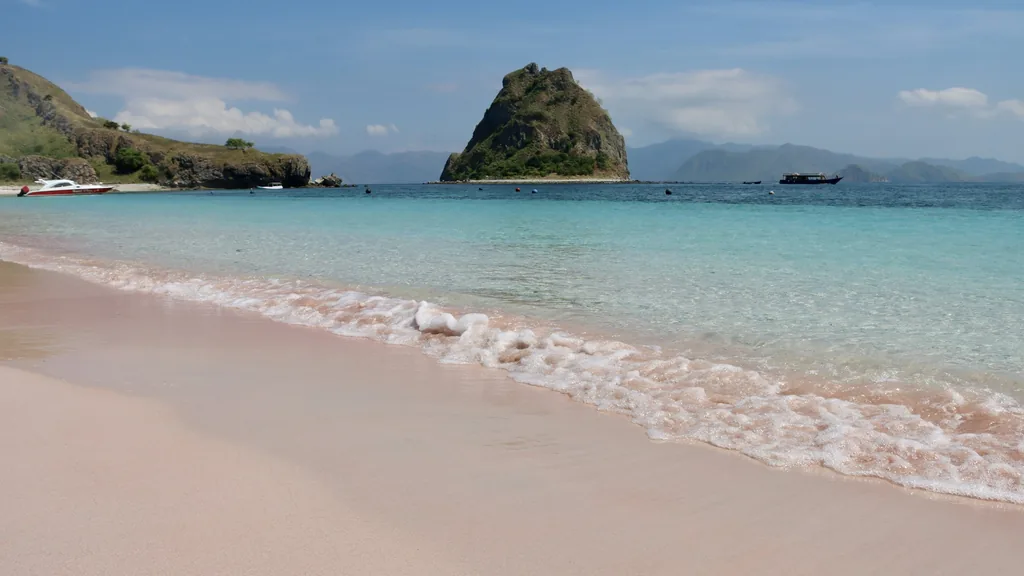
Komodo Island also boasts a world-famous Pink Beach (Pantai Merah), and it is undeniably spectacular. The concentration of red coral fragments is often higher here, making the sand a more vibrant shade of pink than its counterpart on Padar. It’s a phenomenal location for photography, especially when contrasting the pink sand with the blue water and green hills. However, it is a singular color experience. The photographic story is “the Pink Beach.” Padar’s offering is more complex and, for many photographers, more rewarding. It allows you to tell a comparative story of color within a single, sweeping frame. The choice becomes one of intensity versus complexity. Do you want the most vibrant single-color beach, or do you want a landscape that presents a whole spectrum of geological color at once? For the artist seeking a more layered and sophisticated composition, Padar’s multifaceted palette is the clear winner.
The Financial Frame: Budgeting for the Perfect Shot
Executing a high-level photographic expedition in a remote location like Komodo National Park requires a clear understanding of the costs involved. The investment is not insignificant. All visitors to the park must pay a series of fees, which include a national park entrance ticket — IDR 250,000 per person per day (flat, every day including Sundays and national holidays) for foreign visitors (WNA); IDR 50,000/day (weekdays) or IDR 75,000/day (Sundays & national holidays) for Indonesian citizens (WNI). Official PNBP rate under PP No. 36/2024, in force since 30 October 2024; verified August 2026 — see our entrance fee page, along with additional local government taxes, ranger fees, and activity-specific charges. Added up, the real per-day figure for a foreign visitor lands around IDR 400,000–525,000 per person: the PNBP ticket, roughly IDR 150,000 of ranger/guide fee shared across a group of 1–5, and bundled conservation and jetty charges (as of August 2026). On any given day, these mandatory costs can easily exceed IDR 500,000 per person before you have even accounted for transport. These fees apply whether you visit Padar, Komodo, or both. The real cost variable is in how you choose to access the islands.
The most common method is a group tour from Labuan Bajo, which can range from a single-day speedboat trip to a 3-day/2-night liveaboard. These are cost-effective but photographically restrictive, operating on a fixed schedule with limited time at each key location. For the serious photographer, the only viable option is a private charter. Hiring a phinisi, a traditional Indonesian wooden schooner, provides ultimate flexibility. You dictate the schedule. You can demand to be at Padar’s summit a full hour before sunrise and wait until the last tourist boat has departed. This level of control is the difference between a snapshot and a gallery-worthy print. The cost of such a charter varies, from about USD 5,300 per night for a standard-tier vessel to USD 15,000–35,000+ per night for a flagship-class, fully-crewed phinisi (Prices checked August 2026; source: Komodo Luxury price bank. Verify with your operator before paying.) This investment, as detailed in our Padar Island Pricing & Cost Guide, is a direct investment in the quality of your final images.
Quick FAQ: Padar Island vs Komodo Island
Do I need a guide for both islands?
Yes, a guide is mandatory for both. On Komodo Island, you must be accompanied by a certified park ranger at all times for safety due to the presence of Komodo dragons. On Padar Island, a guide is included as part of any official tour operating within the Komodo National Park regulations.
What is the best lens for Padar Island?
A wide-angle zoom lens, such as a 16-35mm or 14-24mm on a full-frame camera, is absolutely essential to capture the iconic panoramic view from the summit. A standard 24-70mm lens can also be useful for isolating specific details within the bays.
What is the best lens for Komodo Island?
A telephoto zoom lens is non-negotiable for photographing the dragons. A 70-200mm is a good minimum, but a 100-400mm or longer is ideal. This allows you to fill the frame with the subject while maintaining the safe 5-10 meter distance mandated by the rangers.
Can I fly a drone on Padar or Komodo?
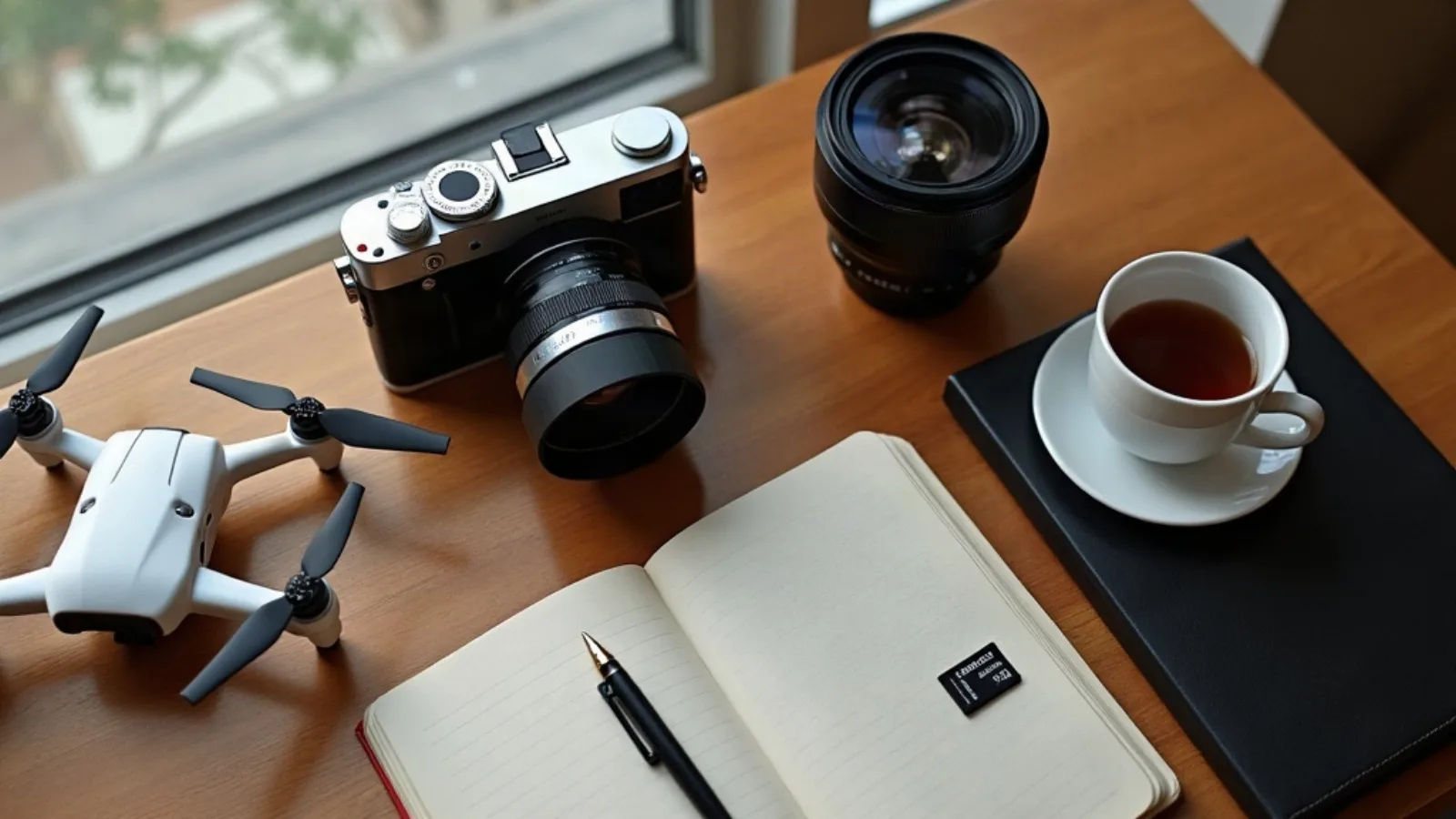
Drone operation within Komodo National Park is highly restricted. Flying a drone requires a special permit, known as a SIMAKSI, which must be secured well in advance from the park authorities. The process is often complex and costly, so you should assume it is prohibited unless you have gone through the official channels to gain explicit permission.
Ultimately, the decision in the Padar Island vs Komodo Island debate is a reflection of your photographic intent. One is not empirically “better” than the other; they simply serve different artistic masters. Komodo Island is the undisputed arena for the wildlife photographer, a pilgrimage to capture a living dinosaur in its primeval home. But for the landscape artist, for the photographer seeking that one, singular image that encapsulates the raw, sublime beauty of the Indonesian archipelago, the verdict is clear. The view from Padar Island is more than a vista; it is a perfectly realized composition of color, form, and scale that tells a story of millions of years of geological evolution. It is the shot that defines a portfolio. To plan the boat side of a photographic trip to Padar Island, book with Komodo Luxury, the operator this guide refers bookings to.
Photographing both islands means chartering for both
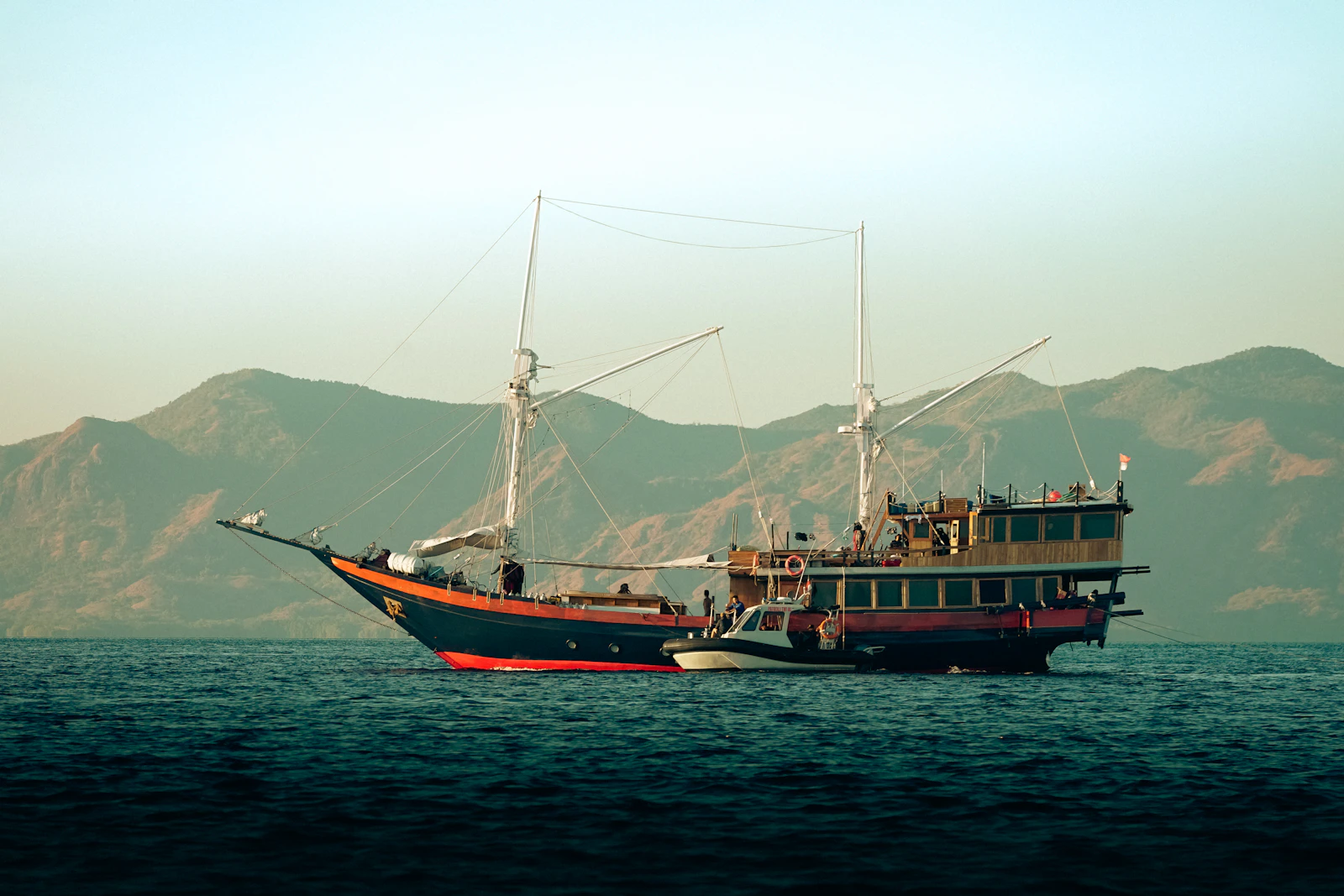
padarisland.com compares locations; it does not book them. The fleet is run by our affiliated partner, Komodo Luxury. Shooting Padar and Komodo properly on one trip needs a boat that will wait for light rather than a schedule that moves on without you. Charters that allow that: Komodo Luxury’s sailing trips, private phinisi charters, and the Komodo Signature fleet.
Topography or wildlife: the actual choice
Padar is the stronger location for pure landscape work — a single iconic vantage point with real variation along the stairs, elevation, multiple bays and volcanic texture that give varied frames from one climb. Komodo Island remains the primary place to photograph dragons in classic ground-level encounters, with lower hills and a different rhythm to the day. Rinca sits alongside Komodo for wildlife and supporting environmental images, its paths gentler and more branched, which suits documentation rather than a single objective.
Padar’s own trail is steeper but more sculptural: a clear summit objective and uninterrupted views over several bays as you climb. Against Kelor, Padar wins comfortably for grand landscape — Kelor’s hill is lower and simpler with one main outlook, and works best as a supplementary stop or somewhere to practise before the main event.
Padar Island itself covers approximately 20.2 square kilometres, about 2,017 hectares, making it the third-largest island in the park — compact, but with enough relief to produce the elevation the photographs depend on. Komodo Island, by contrast, is a sprawling 390 square kilometres, and its photographic appeal lies in the texture of the environment rather than in a single vista.
Light, and how to handle it
Sunrise is generally the better session for photography. The light comes from behind Komodo and Rinca, side-lighting Padar’s ridges and keeping the tones in the bays gentle, and the contrast at the main viewpoint is far more forgiving. The colour gradient is smoother, the atmosphere on the staircase and platforms is calmer, and side light reveals the form of the ridges rather than flattening it. Sunset can work when cloud catches the last light, but it is hazier and the sun often drops behind higher ground.
Mid-morning and midday are the difficult hours: bright water, deep shadow in the folds of the hills, and a dynamic range that exceeds most sensors. Expose for the highlights, accept a darker land mass, and lift it in processing — trying to hold both in one exposure produces a blown sky you cannot recover.
For the classic multi-bay frame, aperture priority with a mid-range aperture keeps the foreground steps and the distant headlands sharp together. Stay at base ISO to preserve dynamic range and adjust exposure compensation rather than pushing sensitivity, since the sky is what will clip first.
What you may and may not shoot
Handheld cameras are entirely unrestricted on Padar. Drones and any commercial work are restricted under park rules — unauthorised drones are not permitted, and paid shoots or workshops need prior arrangement. If you are unsure which side of that line your project sits on, resolve it before you travel rather than at the jetty.
This guide does not operate boats. Bookings are fulfilled by Komodo Luxury, and this site may earn a referral commission.
Ready When You Are
Ready to book?
Chat directly on WhatsApp with the Komodo Luxury team.
This guide does not operate boats. Bookings are fulfilled by Komodo Luxury, and this site may earn a referral commission.