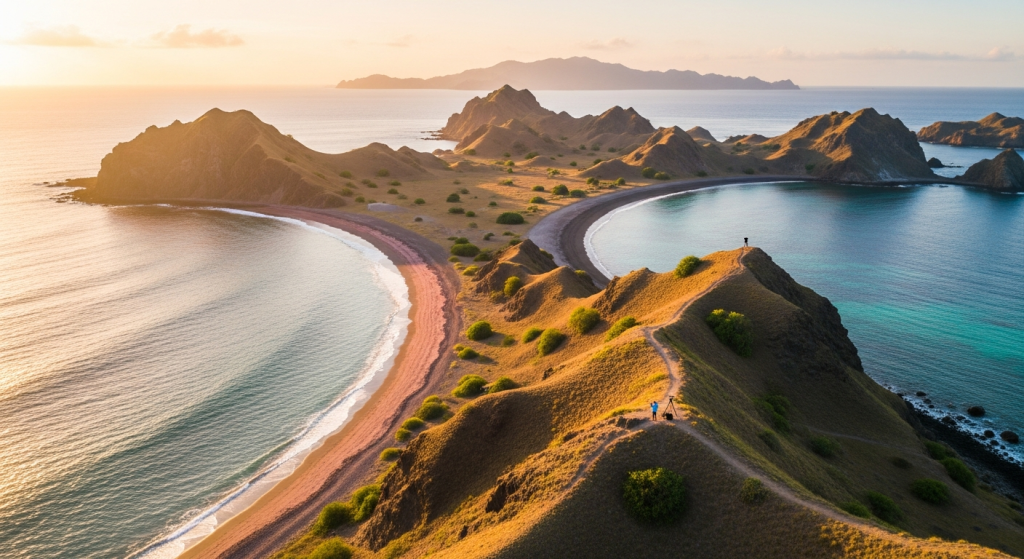
- Peak dry season (July-August) delivers consistent sunny weather and prime photography conditions.
- Shoulder months (April-May, October-November) provide fewer crowds with favorable conditions.
- Monsoon season (December-March) brings heavier rainfall and rougher waters, impacting accessibility.
The morning sun warms the deck of the phinisi as Padar Island’s distinctive silhouette emerges from the cerulean expanse. A salty breeze carries the promise of elevation, of panoramic vistas where three distinct beaches converge. Understanding the seasonal rhythms of Komodo National Park is paramount for any discerning traveler seeking to witness this geological marvel at its most compelling.
The Dry Season Advantage: April to November
From April through November, Padar Island experiences its dry season, a period characterized by clear skies, minimal rainfall, and consistently calm seas. This window is widely considered the most favorable for a Komodo National Park expedition, offering optimal conditions for both land and sea activities. Average daily temperatures during these months hover between 28°C and 32°C, providing comfortable warmth for outdoor exploration. The low humidity ensures trekking paths remain dry and firm, facilitating the ascent to Padar’s famous viewpoint. The ascent itself typically takes 20-30 minutes, navigating a well-maintained path of approximately 800 steps.
Ocean clarity reaches its peak during the dry season, often exceeding 20 meters, which is ideal for snorkeling and diving expeditions around Padar’s periphery and nearby sites like Manta Point. Phinisi cruises from Labuan Bajo, the primary gateway to the park, operate with remarkable smoothness, with travel times to Padar averaging 3-4 hours depending on the vessel and route. Komodo National Park, including Padar Island, gained its UNESCO World Heritage Site designation in 1991, recognizing its exceptional biodiversity and geological significance. During this season, the iconic three-color beaches—white, pink, and black—are sharply defined against the turquoise waters, creating prime photographic opportunities. Visitors often capture drone footage showcasing the island’s unique topography, a perspective enhanced by the consistent bright daylight. This period also aligns with the peak activity for marine life, making it a preferred time for dive groups combining Padar’s panorama with underwater exploration. Planning your Padar Island visit during these months maximizes the chances of pristine weather and unobstructed views.
Peak Season Dynamics: July and August
July and August represent the zenith of the dry season, offering the most consistent sunny weather and minimal chance of rain. This period aligns with international school holidays, making it the busiest time for Padar Island and Komodo National Park. The clear, vibrant blue skies are ideal for capturing the iconic Padar viewpoint Instagram photo, with the sun casting dramatic light across the island’s undulating ridges. Photographers chasing the perfect three-color beach drone shots find these months for light and visibility. However, this popularity comes with increased visitor numbers; it is not uncommon to see several phinisi and speedboats anchored offshore, with 100 or more visitors at the viewpoint during peak sunrise or sunset slots. Advance booking for phinisi charters and day-trip excursions from Labuan Bajo is absolutely crucial, often requiring reservations 6-9 months in advance to secure preferred dates and vessels. The Komodo National Park entrance fee for foreign visitors typically ranges from IDR 250,000 to IDR 300,000 per day, subject to change by park authorities.
Despite the crowds, the conditions for trekking and photography are superb. The air is dry, and the gentle breezes offer some respite during the climb. Many dive groups specifically target these months for their combined Padar and Manta Point itineraries, knowing the ocean conditions will be at their most stable. The water temperature hovers around 27°C, perfect for extended snorkeling or diving sessions. While the experience might be shared with more travelers, the sheer reliability of the weather and the stunning visual clarity often outweigh the busier atmosphere for many. This is the time when Padar Island truly lives up to its reputation as a global luxury tourism destination, drawing visitors from across continents to witness its geological splendor firsthand. The Padar Island viewpoint, approximately 180 meters above sea level, offers a 360-degree panorama that remains breathtaking even with company.
Shoulder Season Serenity: April-May & October-November
For those seeking to experience Padar Island with fewer crowds yet still benefit from excellent weather, the shoulder seasons of April-May and October-November present compelling alternatives. These months straddle the peak dry season and the onset of the monsoon, offering a balanced experience. In April and May, the tail end of the dry season ensures clear skies and calm waters, with average temperatures around 27-30°C. The landscape, while beginning to dry, retains a pleasant green hue from the preceding rains. Fewer boats are typically anchored around Padar, allowing for a more contemplative ascent to the viewpoint and a more exclusive feel on the beaches.
Similarly, October and November mark the transition from dry to wet season. While there’s a slightly increased chance of an isolated afternoon shower, particularly in late November, the overall conditions remain highly favorable. Visibility for photography and diving is still exceptional, and the Komodo National Park’s natural beauty is undiminished. These months offer a distinct advantage for photographers who prefer capturing the landscapes without numerous other visitors in their frames. Trekking paths are less congested, allowing for a more leisurely pace up to the Padar Island panorama viewpoint. Dive groups often find these periods ideal for combining Padar with visits to Rinca Island, home to Komodo dragons, or other dive sites, as the marine environment remains vibrant. Some phinisi operators may even offer slightly more flexible itineraries or reduced rates compared to the absolute peak of July-August. Traveling during these windows provides a more intimate connection with the environment, maintaining the luxury experience while avoiding the busiest periods.
Monsoon: December to March
The monsoon season, spanning from December to March, brings a different character to Padar Island and the wider Komodo National Park. This period is marked by heavier rainfall and potentially rougher seas, which can impact travel plans and accessibility. Average monthly rainfall can exceed 200mm, with January and February typically being the wettest. Sea swells can reach 2-3 meters, leading to occasional cancellations or delays for smaller boat operators departing from Labuan Bajo. Despite these challenges, the monsoon season offers a unique perspective for the adventurous traveler. The arid hills of Padar transform into a vibrant, lush green, a stark contrast to the golden-brown hues of the dry season. This verdant landscape presents a different photographic opportunity, particularly for those interested in capturing the dramatic, cloud-filled skies.
Tourist numbers drop significantly during these months, offering an sense of solitude. The iconic Padar viewpoint, which sees dozens of visitors daily in peak season, might be entirely yours during the monsoon. While water clarity for diving can be reduced due to runoff, marine life remains active, and experienced dive operators can still navigate to suitable sites, albeit with more careful planning. Labuan Bajo remains accessible via its airport (LBJ), but inter-island boat travel becomes highly weather-dependent. It is essential to consult with reputable phinisi charter companies for real-time weather assessments and safety protocols. For those who prioritize tranquility and a dramatic, green landscape over guaranteed sunshine, the monsoon period can be a rewarding, albeit more challenging, time to visit. The park spans over 1,733 square kilometers, offering vast areas to explore even during inclement weather, provided safety precautions are strictly followed. Local knowledge from experienced captains becomes invaluable during these months.
Daily Rhythms: Sunrise, Midday, Sunset
Beyond the seasonal calendar, the time of day significantly influences the Padar Island experience. Each segment of the day offers distinct advantages for photography, trekking, and appreciating the panorama. The sunrise trek is arguably the most sought-after experience. Departing from your phinisi before 5 AM, the 20-30 minute ascent allows you to reach the viewpoint just as the first light paints the sky in hues of orange and pink. This “golden hour” light is ideal for dramatic shadows and warm tones across the landscape, perfect for capturing the three-color beaches. A wide-angle lens, such as a 16-35mm, is highly recommended for the vast panoramic vista. Bringing a minimum of 1.5 liters of water for the hike is essential, regardless of the time of day. The viewpoint elevation is approximately 180 meters above sea level.
Midday presents a different scenario. The sun is directly overhead, casting harsh light and minimizing shadows, which can be less ideal for photography but excellent for beach activities. If your itinerary includes swimming or relaxing on Padar’s unique beaches, midday offers the warmest water and brightest conditions. The white, pink, and black sands are most vivid under the direct sun. However, the trek to the viewpoint during midday can be physically demanding due to the heat, often exceeding 30°C. Conversely, the sunset offers another spectacular opportunity. While often combined with the return journey to Labuan Bajo, watching the sun dip below the horizon from Padar’s summit provides a different light quality, with softer, diffused colors and cooler temperatures. The “blue hour” immediately following sunset can yield stunning, atmospheric shots. Many luxury phinisi charters time their Padar visits to include either a sunrise or sunset trek, recognizing these as peak photographic moments. Regardless of your chosen time, ensure your camera gear is protected from dust and humidity, common elements in this tropical environment.
Beyond the Calendar: Tides, Currents, and Local Insights
While the broader seasonal calendar provides a framework, truly optimizing a Padar Island visit requires understanding more localized factors: tides, currents, and the invaluable insights of local experts. The tidal ranges around Komodo National Park can be significant, influencing accessibility to certain beaches and snorkeling conditions. High tide might offer easier beach landings, while low tide could reveal more of the unique coastal geology. Local boat captains, with decades of experience navigating these waters, meticulously monitor these conditions. Their knowledge extends to the complex currents that characterize the archipelago, particularly around narrow channels and between islands like Padar, Komodo, and Rinca. Strong currents are a known feature of the park and can affect diving and swimming plans. The park’s vast marine area, spanning over 1,733 square kilometers, encompasses diverse underwater environments, each with its own current patterns.
Experienced phinisi captains often consult local fishermen, who possess an intimate, generational understanding of the sea’s moods. This insider knowledge ensures not only safety but also enhances the overall experience, guiding visitors to the calmest waters for activities or to specific spots for marine life viewing. For instance, knowing the optimal tidal window for Manta Point can make the difference between a fleeting glimpse and an extended encounter with these majestic creatures. When planning your Padar Island expedition, prioritize charters that emphasize safety and leverage local expertise. Always follow the guidance of your boat crew, especially concerning water activities and trekking paths. This local insight transforms a standard itinerary into a truly bespoke journey, tailored to the day’s specific conditions. The unique three-color beaches of Padar, a geological anomaly, are best appreciated when these subtle environmental factors are considered, ensuring a seamless and enriching visit to this extraordinary corner of East Nusa Tenggara.
Planning your Padar Island expedition requires attention to detail and a clear understanding of the seasonal rhythms. Whether chasing the perfect sunrise vista or quieter monsoon months, the experience remains singular. To begin crafting your bespoke Padar Island journey within Komodo National Park, explore our expertly designed phinisi charters and itineraries, or discover more about Komodo National Park’s UNESCO World Heritage status. For general travel information on the region, refer to Indonesia.Travel. Let us guide your passage to this extraordinary archipelago, a place where nature’s grandeur awaits. Further details on Padar Island’s geography can be found on Wikipedia.