

Journal
A 3-Day Luxury Itinerary for Padar and the Komodo Islands
The first light of dawn spills across the deck, catching the polished ironwood and brass fittings of the phinisi. A warm, clove-scented breeze drifts from the galley.
- Hike to Padar Island’s iconic viewpoint for sunrise or sunset.
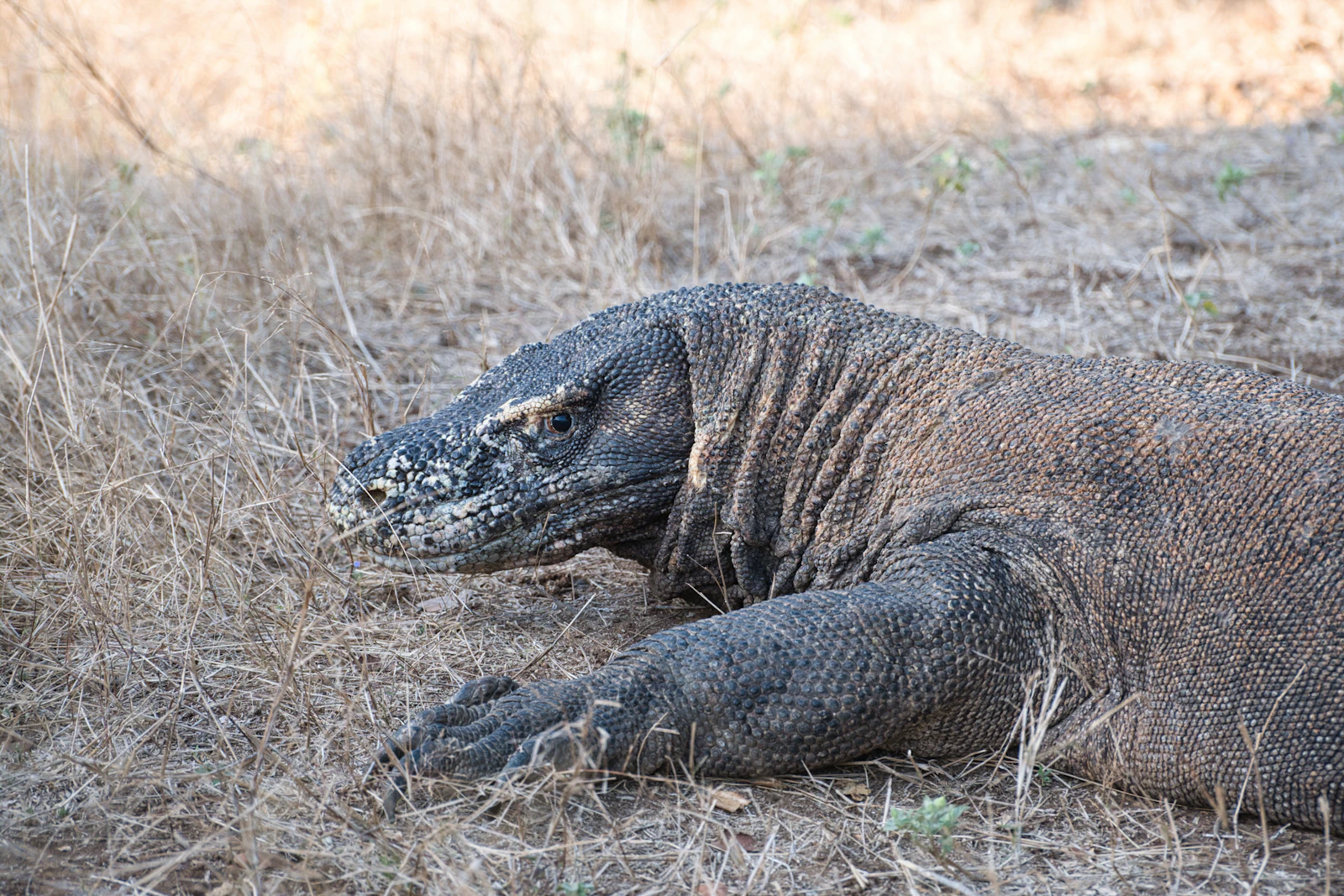
- Encounter Komodo dragons in their natural habitat with a park ranger.
- Explore world-class marine sites like Manta Point and Pink Beach.
The first light of dawn spills across the deck, catching the polished ironwood and brass fittings of the phinisi. A warm, clove-scented breeze drifts from the galley. In the distance, the jagged, prehistoric silhouette of an island rises from a turquoise sea. The only sound is the gentle lapping of water against the hull as the anchor holds fast in a secluded bay. This is a full sensory immersion into the Komodo archipelago, and the journey has just begun.
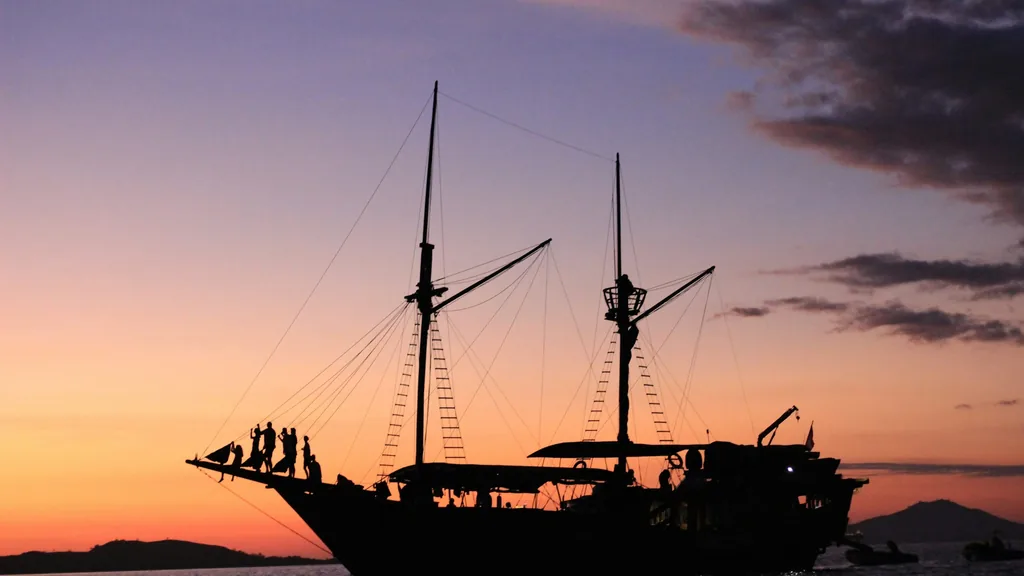
The Phinisi: Your Floating Villa in the Komodo Archipelago
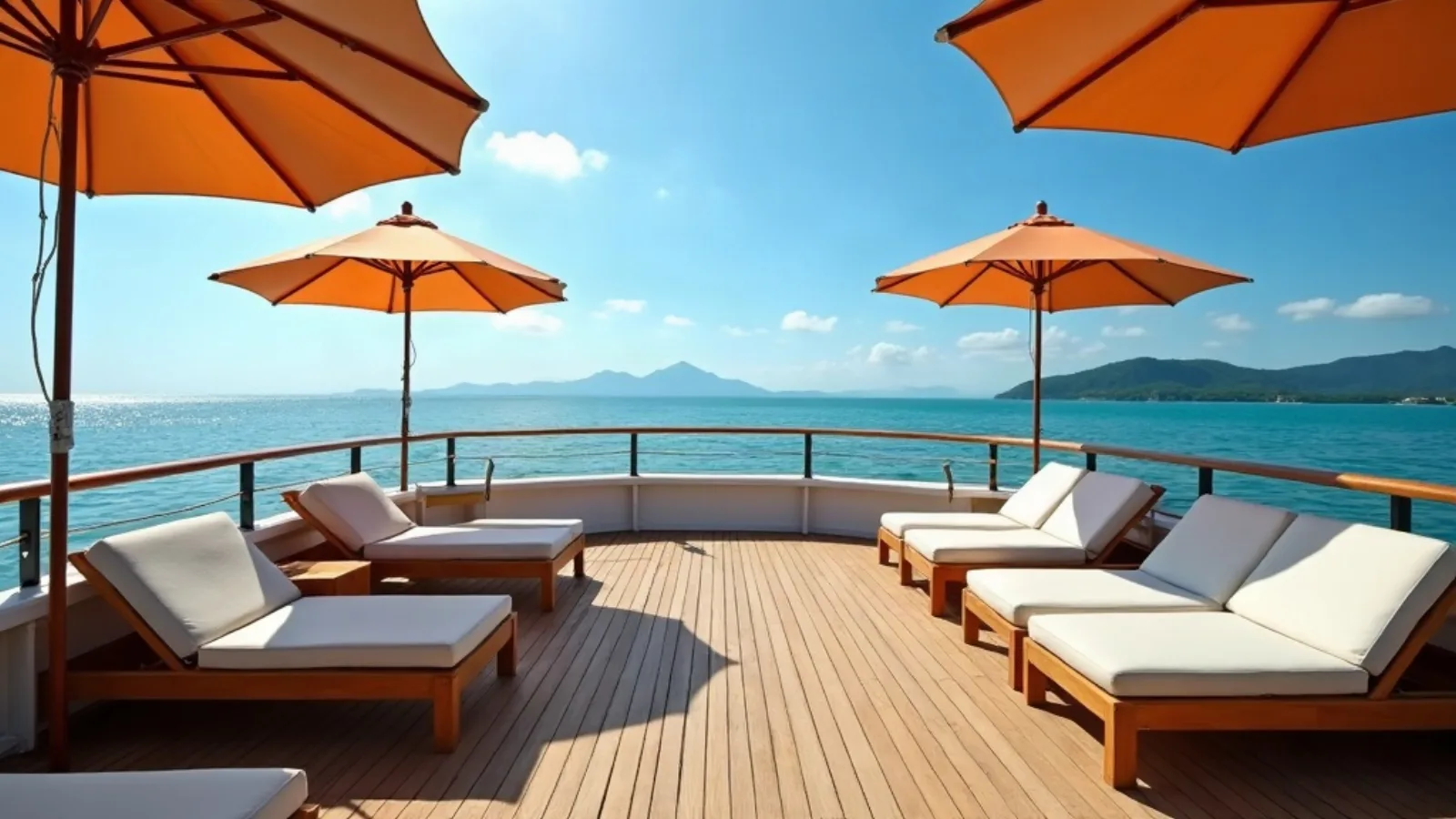
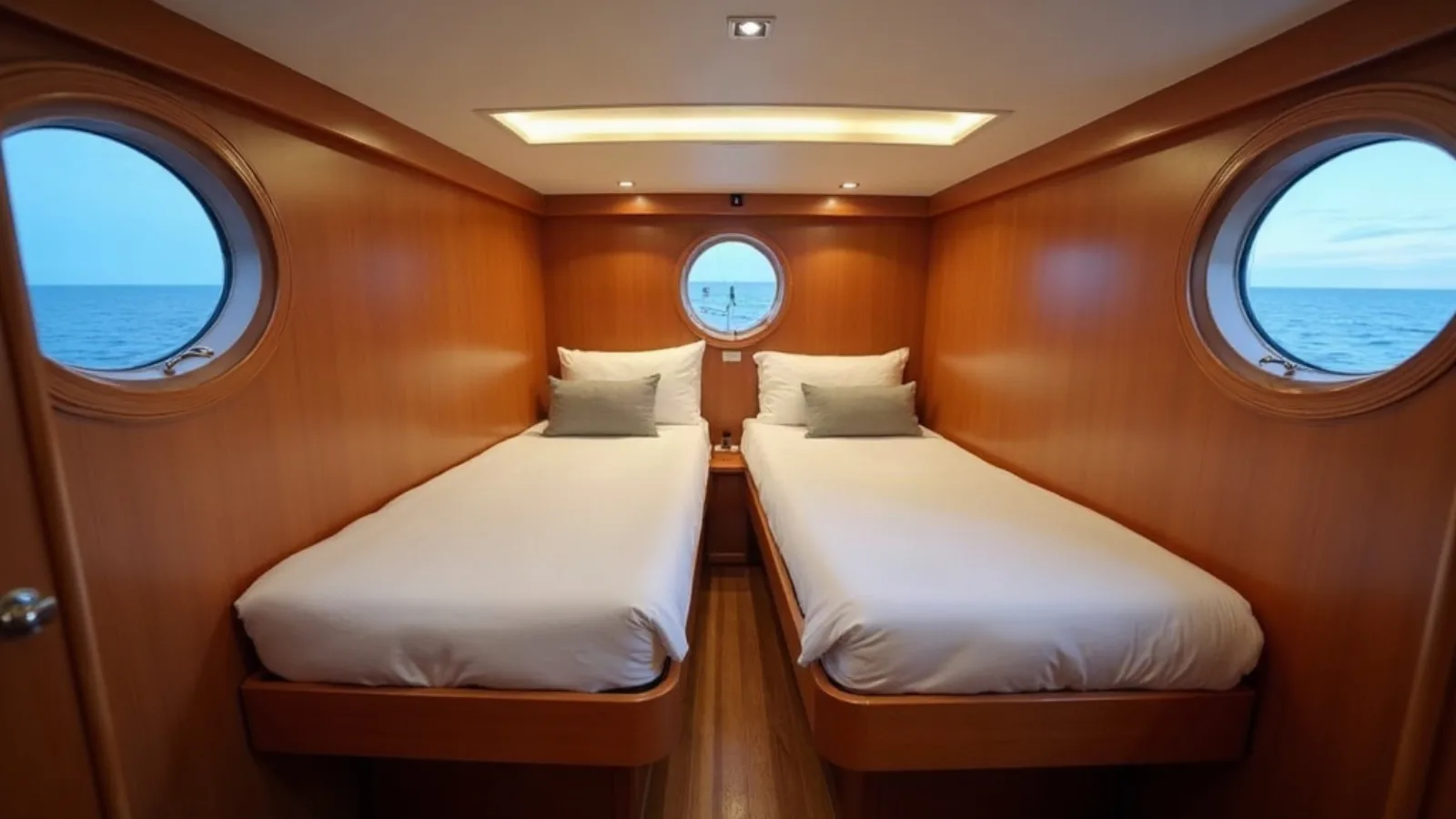
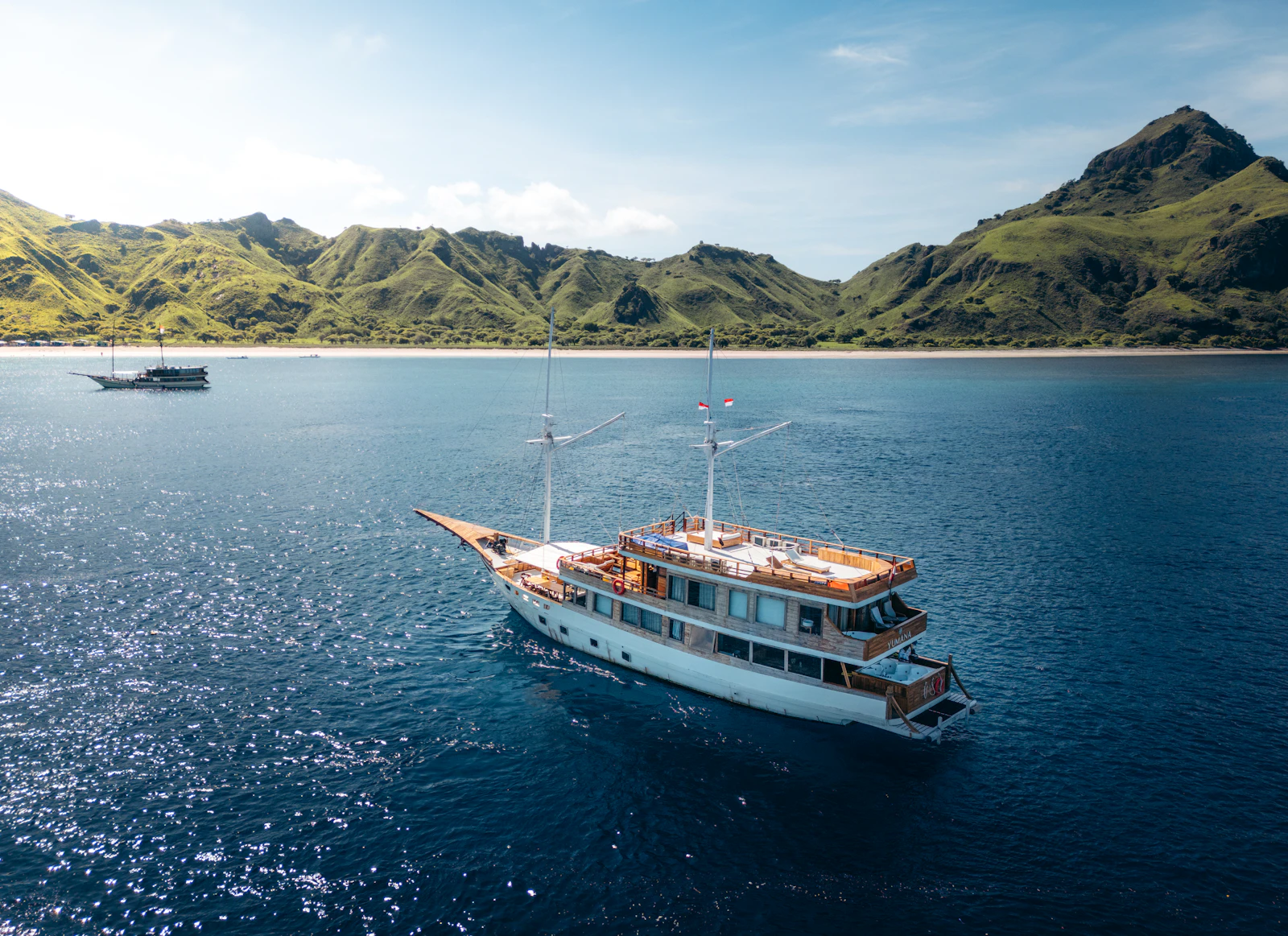
The success of any high-end expedition into Komodo National Park hinges on a single, crucial choice: your vessel. Forget standard tour boats; the definitive way to experience this region is aboard a traditional Indonesian phinisi, a two-masted sailing ship built by the Konjo boat builders of South Sulawesi. These are not rustic charters but floating boutique hotels, with air-conditioned staterooms, ensuite bathrooms, and expansive decks for dining and lounging. Komodo Luxury groups its private-charter fleet into two tiers: VIP, from roughly USD 5,300–15,000 per yacht per night, and VVIP, where elite phinisi start around USD 15,000/night and superyacht-class vessels run up to USD 35,000+ per night. On higher-tier boats a private chef and dedicated crew are standard; specific staffing (a dedicated cruise director, a dive instructor) varies by vessel and package, so confirm exactly who’s aboard with your chosen operator before booking. A comprehensive breakdown of charter costs can be found in our Padar Island pricing and cost guide.
Day 1: Arrival in Labuan Bajo and Subaquatic Immersion
Your journey commences not at sea, but in the air, on a roughly 70-minute flight from Bali’s Ngurah Rai International Airport (DPS) to Labuan Bajo’s Komodo Airport (LBJ). Upon landing, most operators arrange a representative to handle luggage and transfer you to the harbor, typically a short drive away. After stepping aboard, the crew will welcome you and provide a vessel orientation before casting off into the Flores Sea. A common first stop is a checkout spot such as Sabolon Island, roughly 90 minutes from port, for a gentle snorkel session in water that hovers around a pleasant 28°C (82°F). The afternoon is spent exploring coral gardens before the ship gets underway toward the heart of the Komodo National Park, a UNESCO World Heritage Site since 1991. As the sun dips low, casting a golden hue over the volcanic islands, dinner is typically a multi-course affair served on the upper deck, with the vessel anchoring for the night in a calm, protected bay.
Day 2: The Dragons of Rinca and the Iconic Padar Vista
An early start is essential for the day’s primary objective: meeting the island’s most famous residents. After breakfast, the ship’s tender ferries you to the ranger station on Rinca Island, where a licensed park ranger accompanies every visitor by park regulation — this is not optional and applies to every operator. These formidable creatures, Varanus komodoensis, are the world’s largest lizards, capable of growing to 3 meters in length and weighing over 70 kilograms; per the official Indonesia Travel portal, their saliva carries a potent mix of bacteria and venom compounds. Under your ranger’s guidance, expect a roughly 60–90 minute trek, with a chance of spotting Timor deer, water buffalo, and macaques alongside the dragons. You’ll typically return to the phinisi by mid-morning for a swim and brunch as the captain navigates toward the day’s climax: Padar Island. The sail itself is a spectacle, weaving through a strait of dramatic, arid islands. In the late afternoon, you’ll land on Padar and begin the ascent — a moderately strenuous climb up a well-maintained trail of roughly 800–840 steps (no official count published). The effort is repaid at the summit, with the legendary panorama of three distinct bays in white, black, and pink sand. For a deeper look at what makes this island so special, consult The Definitive Padar Island Guide. Depending on your operator and the day’s SIORA session window, the crew may arrange a private beach stop nearby to close out the day.
Day 3: Manta Rays, Pink Sands, and a Reluctant Farewell
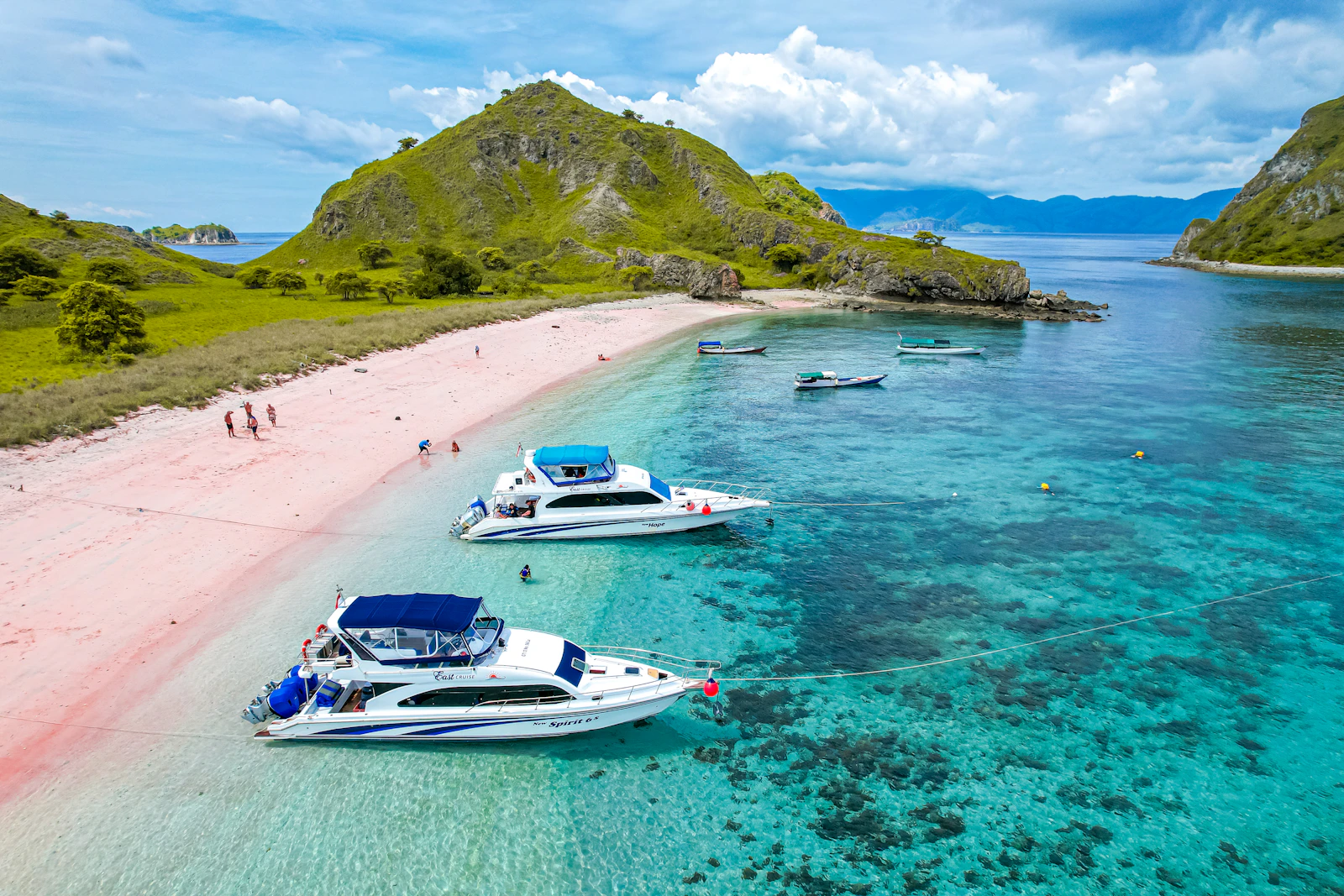
The final day of your 3 day luxury itinerary for Padar is dedicated to the park’s underwater marvels. Many operators navigate to Karang Makassar, better known as Manta Point — not a classic reef but a current-swept channel that serves as a cleaning and feeding station for reef manta rays. Snorkeling here is often the best way to experience it, drifting with the current to watch mantas whose wingspans can exceed 5 meters glide below. From Manta Point, it’s a short cruise to one of the region’s famed Pink Beaches (Pantai Merah), where the color comes from crushed red organ-pipe coral mixed with white sand. A final lunch is typically served on board as the phinisi begins its sail back toward Labuan Bajo. Upon arrival at the harbor in the mid-afternoon, your transfer will be ready to take you to the airport or to a hotel if you’re extending your stay. Komodo Luxury handles the boat-charter side of a longer stay in Labuan Bajo.
Curating Your Bespoke Komodo Experience
While this itinerary presents a classic three-day arc, the appeal of a private charter is its flexibility — the schedule is built around your group rather than a fixed group departure. Depending on interests, an itinerary can add a sunrise trek at Gili Lawa Darat (a viewpoint often compared to Padar’s), a dive stop at a site like Batu Bolong for more experienced divers, or an evening anchored near Kalong Island to watch the fruit-bat colony’s evening flight — confirm any of these add-ons with your operator, since not every route includes them by default. Timing also matters: the dry season, roughly April through November, offers the calmest seas and clearest skies, with peak season in July and August. Shoulder months such as May and September often combine strong weather with lighter crowds at popular anchorages. Crafting your perfect journey through Padar Island and its surroundings comes down to matching these details to what your group actually wants.

Quick FAQ for Your Padar Island Journey
What is the best time of year for this itinerary?
The dry season, from April to November, is ideal for calm seas and clear weather, making it the best period for a luxury phinisi charter. The shoulder months of April, May, and September provide an excellent balance of good conditions and fewer boats at the park’s popular anchorages.
Are Komodo dragons dangerous?
Yes, they are apex predators and should be treated with respect — their bite carries a dangerous mix of bacteria and venom compounds. Attacks on tourists are rare specifically because every visitor is required to stay with a licensed park ranger at all times; follow your ranger’s instructions and keep your distance.
What should I pack for a luxury phinisi trip?
Pack lightweight, breathable clothing, swimwear, high-SPF reef-safe sunscreen, polarized sunglasses, and a wide-brimmed hat. For hikes on Padar and Rinca, sturdy walking shoes or trail runners are essential. Bring personal medications and a good camera, plus a light layer for cooler evenings on the water.
Do I need to be a certified diver to enjoy Komodo’s marine life?
No. Komodo is a world-class destination for snorkelers — sites like Manta Point and Pink Beach offer strong marine encounters just below the surface. If you want to try scuba, ask your operator whether an onboard or shore-based introductory dive course is available; availability varies by vessel.
A journey through this ancient archipelago is an expedition to one of the planet’s last untamed frontiers, undertaken in comfort. From the primeval presence of the dragons to the sublime beauty of the Padar Island viewpoint, three days offer a condensed but genuine immersion into a world apart. Begin planning your own trip to Padar Island and the Komodo archipelago today.
Turning a three-day plan into a chartered vessel
padarisland.com publishes itineraries; it does not charter boats. That is our affiliated operator, Komodo Luxury. A three-day route only works if a single vessel carries you through all of it, so the boat decision comes before the day-by-day plan is worth anything. Vessels that run this route: Komodo Luxury’s yacht charters, private charter options, and a wellness-focused charter.
Fine-tuning a 3-day luxury Komodo itinerary
Chartering a private phinisi gives you flexibility, but small adjustments make a marked difference to comfort and flow. The following pointers assume you already have a vessel and broad route confirmed, and focus on sequencing stops and experiences so the three days feel coherent rather than rushed.
Guests arriving on larger vessels sometimes ask how a tender landing works in practice, especially for early-morning hikes. Your captain will usually send a smaller boat in staggered groups so everyone reaches the jetty within the allocated SIORA session. Clear communication about timing is essential, because Padar Island from cruise ship logistics must still respect ranger briefings and the park-wide visitor quota.
If your charter includes multiple snorkelling and beach stops, it is worth thinking about contrast rather than simple quantity. Combining Padar’s high viewpoints with a quieter sandbank or reef can make the day feel more balanced; many travellers compare Padar Island vs Sabolon Island when they want just one shallow, clear-water stop after the main hike.
Sunset planning often decides which day feels most memorable. Some guests prefer to keep Padar for sunrise and reserve the final evening for an easier-access lookout, particularly when travelling with mixed ages. Your crew can advise whether to stay within the park or sail closer to the mainland if you are weighing a Padar vs Tanah Lot sunset experience during a longer Indonesian itinerary.
This guide does not operate boats. Bookings are fulfilled by Komodo Luxury, and this site may earn a referral commission.
Ready When You Are
Ready to book?
Chat directly on WhatsApp with the Komodo Luxury team.
This guide does not operate boats. Bookings are fulfilled by Komodo Luxury, and this site may earn a referral commission.